Manufacturing Transformation in Vietnam | Smart Steel Coil Packing Line Solutions Boost Local Efficiency?
For years, I’ve seen countless factories struggle with outdated production methods, especially in crucial areas like packing. The pressure to increase output, control costs, and maintain safety is constant. This is a common story in rapidly developing economies, and Vietnam is no exception. Are you finding your current packing processes holding back your entire operation? Do manual handling and slow lines create bottlenecks and safety risks you can no longer ignore?
From my journey in the packing machine industry, I’ve learned that truly smart steel coil packing line solutions are not just about buying new machines; they are about fundamentally transforming your manufacturing process. These advanced systems directly address critical issues like inefficient manual labor, high safety risks, and product damage, driving significant gains in local efficiency for Vietnamese factories by automating and optimizing the entire end-of-line process.

I’ve personally witnessed how the right investment in technology, combined with expert guidance, can unlock incredible growth. This is exactly why I founded FHOPEPACK – to share the insights and strategies that helped me build a successful packing machine factory and achieve financial independence. Now, let’s dive deeper into how smart packing lines can make a real difference for factories like yours in Vietnam.
1. Why is Vietnam’s Manufacturing Sector Ready for Smart Packing Line Transformation?
Many Vietnamese manufacturers are facing intense global competition. Traditional, labor-intensive packing methods simply cannot keep up with the demands for speed, quality, and safety. This creates a challenging environment where growth can be stifled by inefficient internal processes.
Vietnam’s manufacturing sector is poised for a significant transformation due to its rapidly expanding industrial base, increasing labor costs, and the urgent need to meet higher international quality standards. The shift towards smart steel coil packing lines offers a strategic advantage, enabling local factories to overcome these challenges and enhance their competitive edge by modernizing operations and improving overall productivity.
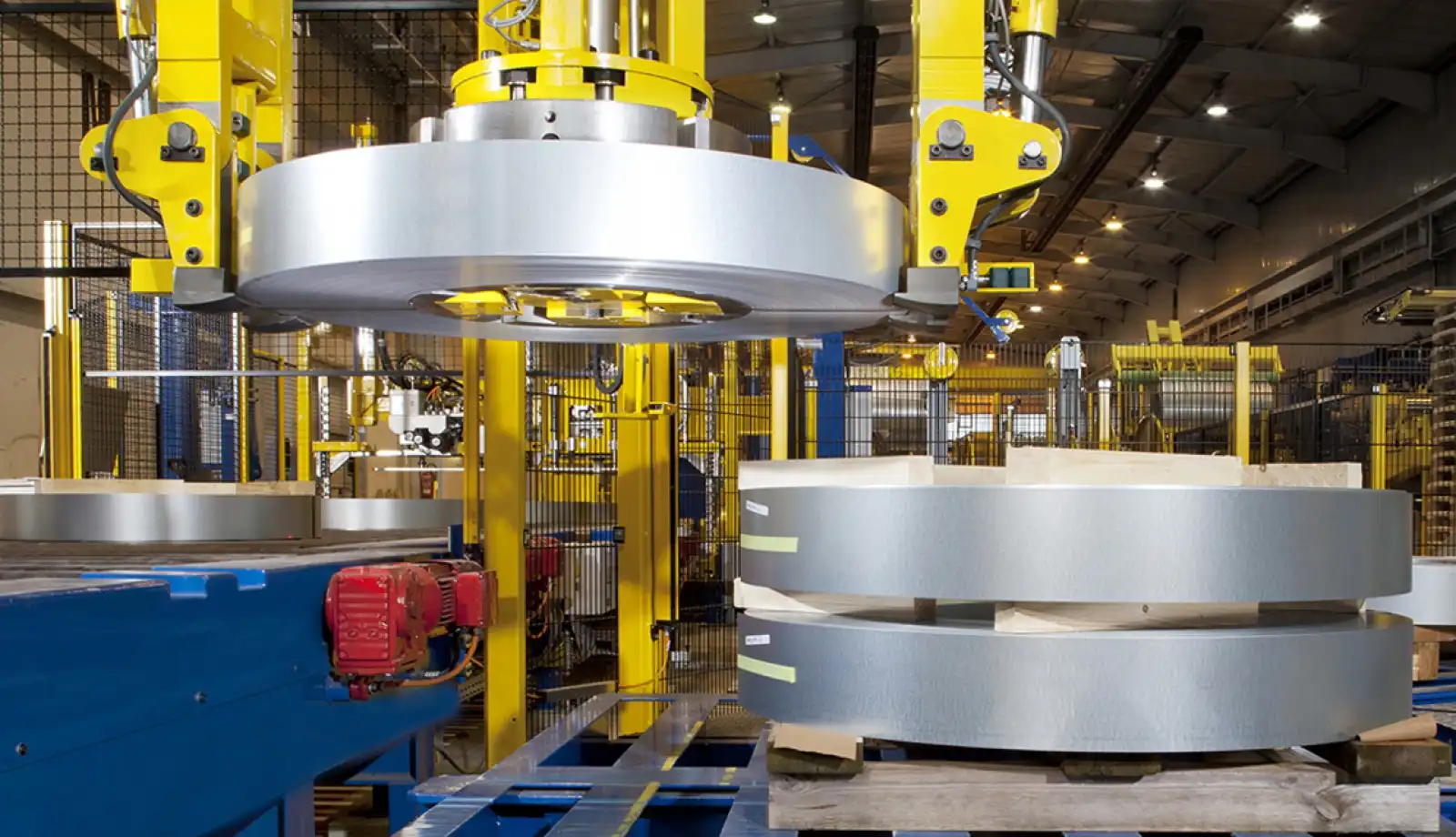
When I first started in this industry, the focus was often on sheer production volume. But times have changed. Today, efficiency and safety are equally critical. For Vietnamese factories, this means looking beyond basic equipment upgrades. It means embracing integrated, intelligent solutions. The demand for steel products continues to grow in Southeast Asia, and with this growth comes pressure to deliver faster and with fewer defects. Manual packing of heavy steel coils or wire rods is not only slow but also inherently dangerous. Workers face risks of injuries from lifting, positioning, and securing these heavy items. This leads to higher insurance costs, increased absenteeism, and a constant struggle to retain skilled labor. Furthermore, the reliance on human judgment in packing can lead to inconsistencies, resulting in product damage during transit or storage. Edges can be bent, surfaces scratched, and overall product integrity compromised, leading to customer complaints and financial losses. Investing in smart packing solutions directly addresses these pain points. By automating the winding, strapping, and wrapping of steel coils, factories can eliminate manual handling of heavy loads, drastically reducing the risk of workplace accidents. Machines perform these tasks with consistent precision, ensuring product quality and minimizing damage. This also frees up valuable human resources, allowing workers to be reallocated to higher-value tasks such as quality control or system monitoring, further enhancing overall operational efficiency. It’s about building a sustainable, safe, and productive future for manufacturing in Vietnam. (Vietnam industrial growth, smart factory readiness, labor cost pressures, manufacturing efficiency upgrade)
2. How Do Smart Steel Coil Packing Lines Directly Solve Common Production Bottlenecks?
I have seen firsthand how a single bottleneck in the packing stage can slow down an entire factory, no matter how efficient the upstream processes are. It’s like trying to pour a gallon of water through a straw; the main pipeline might be huge, but the final exit point limits everything. This often happens with traditional, manual, or semi-automated packing systems for steel coils and wire rods.
Smart steel coil packing lines are engineered to resolve common production bottlenecks by integrating automated material handling, precise wrapping, and efficient strapping into a seamless process. This significantly reduces cycle times, eliminates the need for extensive manual intervention, and ensures a continuous flow from production to dispatch, directly enhancing throughput and overall operational fluidity for steel manufacturers.
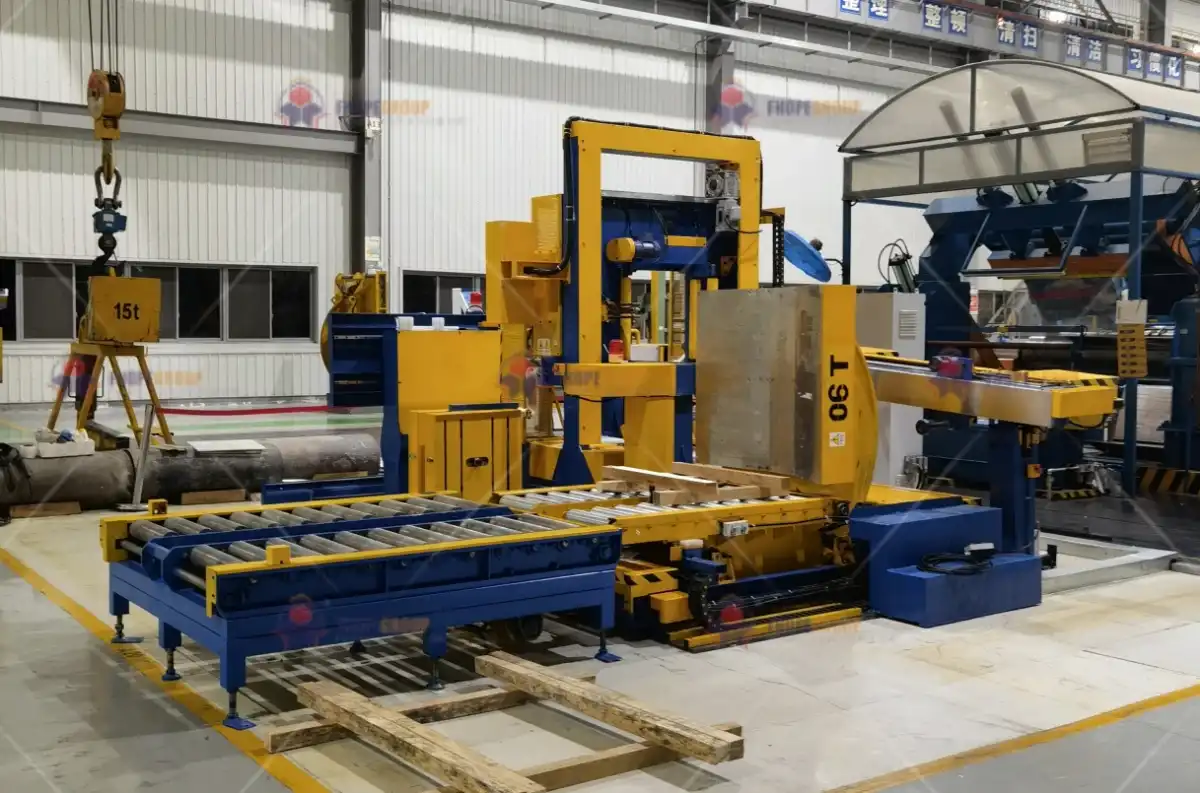
When I was building my own packing machine factory, I prioritized designing systems that could tackle the exact problems I saw my clients facing every day. The most common issues were always speed, consistency, and safety at the end of the line. A smart packing line uses advanced robotics and automated systems to take over repetitive and strenuous tasks. This means coils are moved, wrapped, and strapped with unparalleled speed and accuracy. No more waiting for forklifts to become available, or for manual laborers to meticulously apply protective layers. The entire process becomes a continuous, high-speed operation. Consider the sheer volume of steel coils processed in a mid-sized factory each day. If each coil takes an extra few minutes to pack manually, those minutes quickly accumulate into hours of lost production time. An automated system can pack a coil in a fraction of the time, often under a minute, drastically improving the overall output. Furthermore, the consistency of machine-applied packaging ensures that every coil meets the same high standard, reducing the risk of product damage during storage or transport. This uniformity also simplifies inventory management and logistics, as each packaged unit is identical. In essence, smart packing lines turn what used to be a choke point into a smooth, accelerated segment of the production pipeline, ensuring that valuable products move quickly and safely to their next destination. (Automated material handling, production flow optimization, reduce cycle times, end-of-line automation benefits)
Key Bottlenecks Eliminated by Smart Packing Lines:
- Manual Handling Delays:
- Challenge: Workers manually move heavy coils, leading to slow processing and fatigue.
- Solution: Automated conveyor systems, coil tilters, and robotic arms handle all heavy lifting, ensuring continuous, high-speed movement without human intervention.
- Impact: Reduced labor, faster throughput, fewer delays.
- Inconsistent Packaging Quality:
- Challenge: Manual wrapping and strapping can vary in tension and coverage, leading to damaged products.
- Solution: Programmable machines apply film and straps with precise, consistent tension and overlap, ensuring optimal protection for every coil.
- Impact: Minimized product damage, improved customer satisfaction, reduced reworks.
- Safety Hazards:
- Challenge: Manual interaction with heavy machinery and coils poses significant injury risks.
- Solution: Operators monitor the process from a safe distance, with integrated safety features like light curtains and emergency stops protecting personnel.
- Impact: Dramatically lower accident rates, reduced insurance costs, better employee morale.
- Space Inefficiency:
- Challenge: Disorganized manual packing stations require large, often cluttered areas.
- Solution: Compact, integrated packing lines optimize floor space, performing multiple tasks within a smaller footprint.
- Impact: More organized factory layout, potential for future expansion in available space.
Comparing Manual vs. Smart Packing Line Performance
| Feature | Manual Packing (Example) | Smart Packing Line (Example) |
|---|---|---|
| Packing Speed | 5-10 minutes per coil | 1-2 minutes per coil |
| Labor Required | 3-4 workers per station | 1-2 workers (supervising) per line |
| Safety Risk | High (strains, crushing, cuts) | Low (automated, safety interlocks) |
| Consistency | Variable (human error, fatigue) | High (machine precision) |
| Product Damage | Moderate to High (during handling/wrapping) | Low (gentle, precise machine handling) |
| Operational Costs | High (labor, insurance, reworks) | Lower (reduced labor, energy, fewer claims) |
| Scalability | Limited (depends on available labor) | High (easily integrated with upstream/downstream automation) |
By addressing these core issues, smart packing lines enable factories to achieve a level of operational excellence that manual methods simply cannot match. It’s a game-changer for production bottlenecks.
3. What Are the Key Benefits of Investing in Automated Packing for Vietnamese Steel Factories?
For any factory manager, every investment needs to show a clear return. It’s not enough for a machine to just look good; it must deliver tangible benefits that impact the bottom line. From my perspective as an engineer who built a factory, I know that efficiency, cost savings, and safety are paramount.
Investing in automated packing solutions provides Vietnamese steel factories with multifaceted benefits, including significant reductions in labor costs and product damage, enhanced workplace safety, and a substantial increase in overall production throughput. These advantages collectively drive a strong return on investment (ROI), allowing businesses to become more competitive and sustainable in the long term by optimizing their operational expenditures.
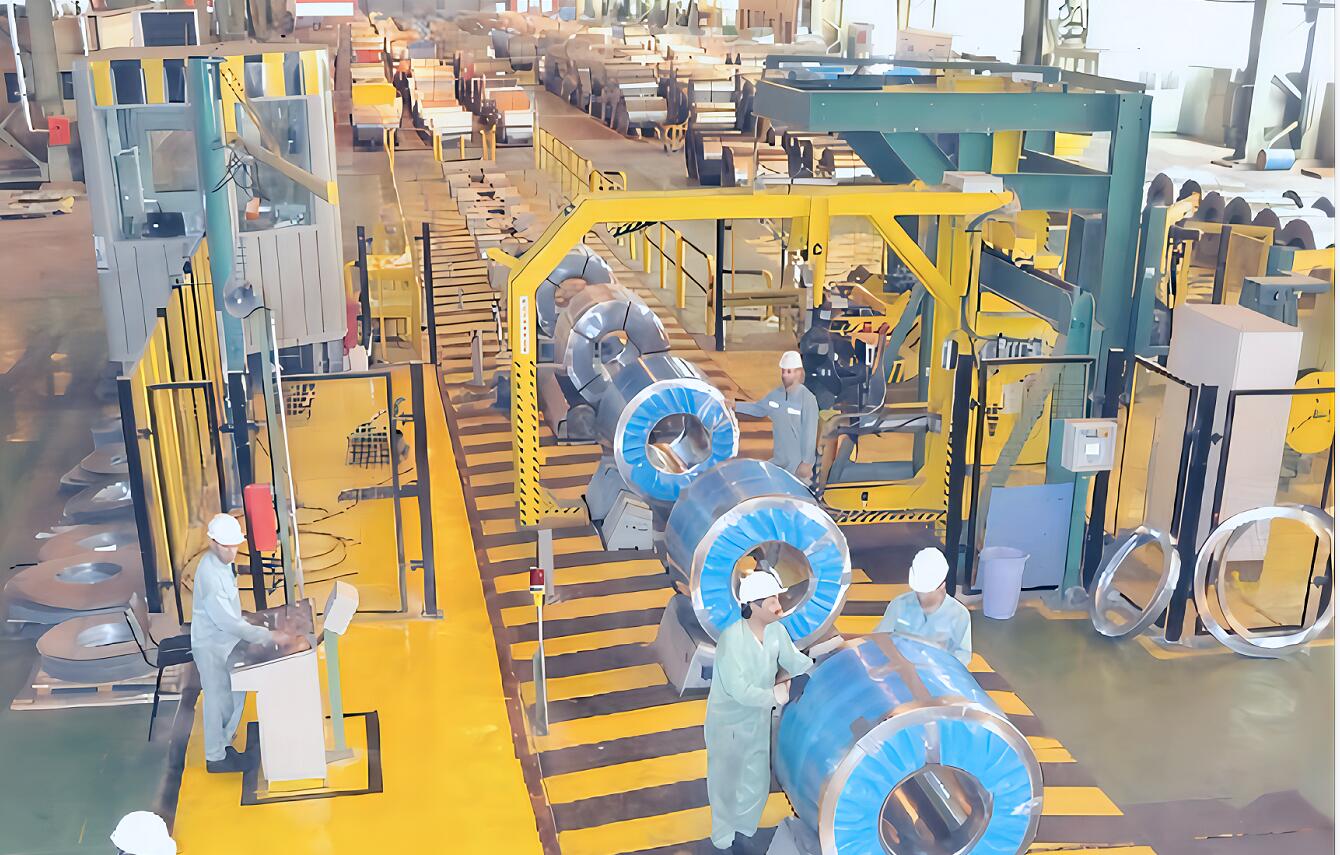
When I counsel clients, I always emphasize looking beyond the initial purchase price. The true cost of an operation includes labor, material waste, safety incidents, and lost production time. Automated packing lines deliver immediate and measurable improvements in all these areas. First, consider labor costs. In a rapidly developing economy like Vietnam, wages are rising. Relying on extensive manual labor for repetitive, physically demanding tasks becomes increasingly expensive and unsustainable. An automated system can perform the work of multiple individuals, allowing those employees to be redeployed to more skilled or supervisory roles, or reducing the overall labor headcount dedicated to packing. This is a direct saving that contributes significantly to the ROI. Second, product loss is a silent killer of profits. Scratched surfaces, bent edges, or improperly secured coils during internal transport or packing lead to rejection, rework, or customer complaints. Automated systems handle products gently and consistently, drastically reducing damage rates. This means more sellable product and fewer costly returns. Third, safety is not just a moral imperative; it has a clear financial impact. Fewer accidents mean lower insurance premiums, less downtime due to injury, and a more stable workforce. When I established my factory, I ensured safety was built into every process, not just added as an afterthought. This holistic approach pays dividends. Finally, the increase in throughput allows factories to fulfill more orders faster, expanding their market capacity and revenue potential. This combination of cost reduction, quality improvement, and increased output makes automated packing an intelligent, long-term investment for any forward-thinking Vietnamese steel factory. (Automated packing ROI, labor cost reduction, product damage prevention, enhanced safety benefits, Vietnam manufacturing upgrade)
The ROI of Automated Packing: A Closer Look
- Cost Savings (💰):
- Reduced Labor: Fewer personnel needed for strenuous packing tasks.
- Decreased Material Waste: Precise application of wrapping materials optimizes usage.
- Lower Insurance Premiums: Fewer workplace accidents lead to reduced risk assessments.
- Energy Efficiency: Modern machines are often designed for lower power consumption per unit.
- Enhanced Quality & Customer Satisfaction (✨):
- Consistent Packaging: Uniform protection ensures products arrive in pristine condition.
- Reduced Damage: Automated handling minimizes scratches, dents, and deformities.
- Brand Reputation: Delivering high-quality, perfectly packed products boosts customer trust.
- Improved Safety (👷):
- Elimination of Manual Handling: Workers are removed from hazardous areas involving heavy coils.
- Fewer Accidents: Automated systems operate with precise movements and integrated safety features.
- Better Work Environment: Employees are happier and more productive in a safer workplace.
- Increased Productivity (⚡):
- Faster Throughput: Machines operate continuously at higher speeds than manual labor.
- Reduced Bottlenecks: Smooth, automated flow prevents slowdowns at the packing stage.
- Operational Scalability: Easily integrate with other automated processes for future growth.
These direct benefits contribute to a quick payback period and sustained profitability, making automated packing a strategic move for any factory aiming for long-term success in Vietnam.
4. Beyond Equipment: How Can a Trusted Partner Support Long-Term Success in Packing Automation?
Many factory managers, like Michael Chen, have faced the frustration of dealing with equipment suppliers who are only interested in making a sale. After-sales support often falls short, leaving factories with expensive machinery but no real solution to their ongoing operational challenges. This creates a significant trust deficit in the industry.
Achieving long-term success in packing automation extends far beyond simply purchasing equipment; it requires a deep partnership with a knowledgeable and reliable expert who understands your specific production challenges. A trusted partner offers comprehensive support, from initial consultation and customized solution design to professional installation, training, and ongoing technical service, ensuring your investment truly solves problems and drives sustainable growth.
When I decided to build my own packing machine factory, I didn’t just focus on the machines themselves. I also focused on understanding the entire client journey, from their first inquiry to years down the line. This holistic approach taught me the importance of being a true partner. This means listening carefully to your unique challenges – whether it’s an efficiency bottleneck, a safety concern, or a product damage issue. It involves offering insights based on real-world experience, not just a sales brochure. A good partner, for example, will start with a thorough assessment of your existing operations. They won’t just recommend a standard machine; they will suggest a tailored solution that fits your factory’s specific layout, production volume, and future growth plans. This might involve customized conveyor systems, integrated weighing and labeling, or specialized wrapping techniques for different product types.
Furthermore, the relationship doesn’t end after the sale. Installation, commissioning, and comprehensive training for your team are crucial. My experience has shown me that even the best machine is only as good as the people operating it. Ongoing technical support, readily available spare parts, and quick response times for any issues are vital for minimizing downtime and maximizing the equipment’s lifespan. This level of dedication helps build the trust that is often missing with other suppliers. When considering equipment, look for reputable manufacturers known for quality and robust support. For robust steel coil packaging solutions, manufacturers like Fengding are often highly regarded for their engineering, and Wuxi Buhui also offers reliable options. Ultimately, partnering with an expert who has walked in your shoes, someone who understands the intricacies of factory operations and machine engineering, is the difference between a purchase and a genuinely transformative investment. This is what FHOPEPACK aims to provide—not just machines, but the expertise to help you master your packing challenges. (Trusted automation partner, after-sales support importance, customized solution design, expert guidance, long-term operational success)
Conclusion
Smart steel coil packing lines are vital for Vietnam’s manufacturing growth, boosting efficiency, safety, and profitability. Partnering with FHOPEPACK means gaining expert guidance and tailored steel coil packaging line solutions to truly transform your operations.


