Key Components of a Wire Coil Packing Machine | Understanding the Technology
As a packing machine engineer who has worked in factories and now runs my own business, I understand how crucial it is to know your equipment inside out. Many factory managers contact me frustrated with packaging bottlenecks that slow down their entire production line. They need reliable machines that can handle heavy-duty operations day after day.
A wire coil packing machine consists of several essential components working together: the feeding system, wrapping mechanism, tension control, and sealing unit. These elements combine to create efficient, consistent packaging that protects valuable metal products during storage and transportation. Understanding these components helps you make better purchasing decisions and maintain your equipment properly.
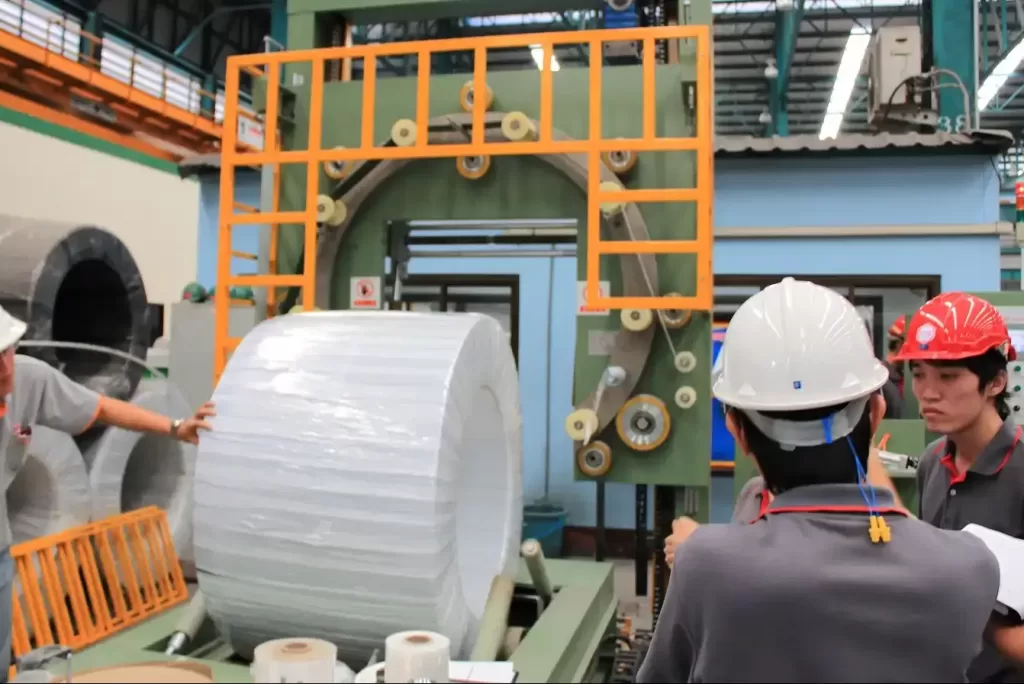
Whether you’re considering your first automated packing system or looking to upgrade existing equipment, this breakdown will help you understand what makes these machines tick. Let’s explore the key components that ensure your wire coils arrive at their destination in perfect condition.
1. What is the Feeding System and How Does It Work?
The feeding system is where the packaging process begins. I’ve visited factories where improper feeding caused constant jams and downtime. The feeding system precisely controls how packaging material enters the machine and positions itself around the wire coil.
The feeding system consists of material holders, guide rollers, and sensors that work together to deliver packaging film or paper to the coil. This system ensures smooth, consistent material flow without tearing or misalignment. Proper feeding prevents material waste and maintains packaging quality throughout long production runs.

Key Elements of an Effective Feeding System
-
Material Holders: These spools hold the packaging film or paper. Industrial-grade holders include tension brakes that prevent unrolling during machine stops. I recommend heavy-duty holders that can accommodate large material rolls, reducing changeover frequency.
-
Guide Rollers: Precision-engineered rollers direct material through the machine path. Look for rollers with smooth surfaces and proper alignment. Poorly aligned rollers cause material wrinkling and uneven wrapping.
-
Sensors and Detection Systems: Modern feeding systems include photoelectric sensors that detect material presence and position. These sensors automatically adjust feeding speed and tension based on real-time conditions.
-
Feeding Mechanism Types:
- 🌀 Rotary feeding: Material wraps around rotating coil
- 📏 Linear feeding: Material moves in straight path
- 🔄 Combination systems: Both rotary and linear movements
The feeding system directly impacts your material usage efficiency. In my experience working with metal processing plants, proper feeding system design can reduce packaging material waste by up to 25%. Regular maintenance of guide rollers and sensors prevents unexpected downtime that costs thousands in lost production. (wire coil packaging equipment feeding mechanism)
2. How Does the Wrapping Mechanism Ensure Consistent Packaging?
The wrapping mechanism is the heart of any coil packing machine. I’ve seen too many factories struggle with inconsistent wrapping that leads to product damage during shipping. The wrapping mechanism applies packaging material evenly around the coil’s entire surface.
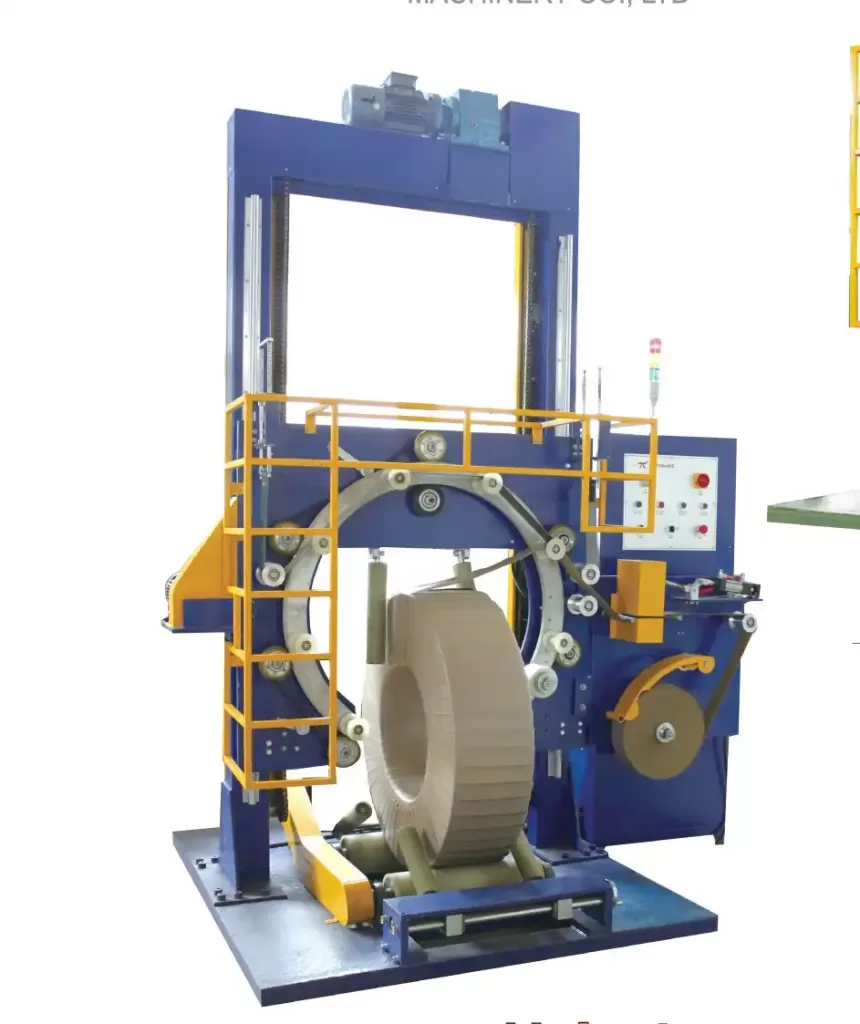
The wrapping mechanism uses rotating arms, precise movement controls, and programmable logic to apply packaging material around wire coils. This system creates uniform layers that protect against moisture, dust, and physical damage. Consistent wrapping prevents loose areas that could unravel during transportation.
Wrapping Technology Breakdown
| Component | Function | Importance |
|---|---|---|
| Rotating Arms | Carry packaging material around coil | Determines wrapping speed and pattern |
| Drive System | Powers the rotation movement | Affects machine reliability and maintenance needs |
| Speed Control | Regulates rotation velocity | Ensures consistent material application |
| Pattern Programming | Controls overlap and coverage | Optimizes material usage and protection |
The wrapping mechanism must handle different coil sizes without adjustment downtime. When I designed packing systems for Mexican manufacturing plants, we implemented quick-change systems that reduced size changeover from 30 minutes to under 5 minutes. This flexibility is crucial for factories handling diverse product ranges.
Wrapping precision directly affects your product protection. Uneven wrapping leaves exposed areas vulnerable to corrosion and physical damage. Modern systems include laser guidance that automatically adjusts to coil dimensions, ensuring complete coverage regardless of size variations. Regular calibration of rotating arms maintains wrapping accuracy over thousands of cycles. (automated coil wrapping system technology)
3. Why is Tension Control Critical in Coil Packaging?
Tension control might seem like a minor detail, but it’s actually one of the most important factors in successful coil packaging. I’ve consulted with factories where improper tension caused either torn packaging or loose wraps that unraveled during shipping.
Tension control systems maintain optimal force on packaging material throughout the wrapping process. Proper tension ensures tight, secure packaging without stretching or tearing the material. Consistent tension prevents both material waste and packaging failures that lead to product damage.

Tension Control Methods and Applications
-
Mechanical Tension Systems: Use physical brakes and clutches to control material pull. These systems are reliable and cost-effective for standard applications. However, they require regular adjustment as components wear.
-
Electronic Tension Control: Modern machines use servo motors and digital sensors to maintain precise tension. These systems automatically compensate for material roll diameter changes during unwinding.
-
Pneumatic Tension Systems: Utilize air pressure to control braking force. These offer smooth operation and are less affected by heat buildup during continuous operation.
Different packaging materials require specific tension settings:
- Stretch Film: Needs consistent, moderate tension
- Paper Wrapping: Requires lower tension to prevent tearing
- Composite Materials: Often need variable tension profiles
In steel mills I’ve worked with, implementing electronic tension control reduced film breakage by 40% and improved packaging consistency. The system automatically adjusts tension based on material type, coil size, and wrapping speed. This automation eliminates human error in tension setting, which is common during shift changes and operator rotation. (coil packing machine tension regulation)
4. What Role Does the Sealing and Cutting System Play?
The final step in the packaging process is just as important as the first. I’ve witnessed how poor sealing leads to entire packages unraveling during handling. The sealing and cutting system ensures packaged coils remain protected until they reach end users.
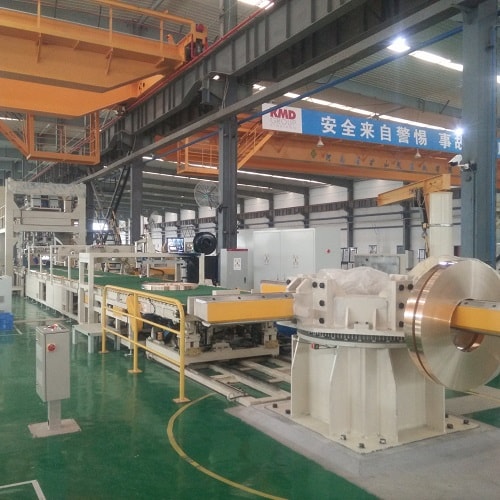
The sealing and cutting system securely fastens the packaging material end and cleanly separates it from the roll. This process creates durable packages that withstand handling and transportation stresses. Proper sealing prevents moisture ingress and maintains packaging integrity throughout the supply chain.
Sealing Technologies Comparison
🔥 Heat Sealing Systems
- Use heated elements to melt and fuse materials
- Ideal for plastic films and composite materials
- Require precise temperature control
- Create strong, waterproof seals
🔗 Adhesive Sealing Methods
- Apply glue or adhesive tape to secure wraps
- Work with paper and non-weldable materials
- Need regular adhesive quality checks
- Allow for easy package opening when needed
✂️ Cutting Mechanism Types
-
Guillotine Cutters
- Simple, reliable blade systems
- Low maintenance requirements
- Suitable for most packaging materials
-
Rotary Cutters
- Continuous cutting action
- Smother operation for delicate materials
- Higher initial cost but longer service life
-
Hot Knife Systems
- Cut and seal simultaneously
- Prevent material fraying
- Ideal for synthetic materials
The sealing system must coordinate perfectly with the wrapping mechanism. In one Mexican automotive components plant I advised, synchronization issues between these systems caused either incomplete seals or material jams. We solved this by installing sensors that verify proper seal completion before releasing coils for handling. This small addition eliminated packaging failures that previously resulted in customer rejections. (wire coil packaging sealing mechanisms)
Conclusion
Understanding these key components helps you select the right steel coil packing line for your specific needs and maintain it properly for long-term reliability.


