Japan’s Steel Mills Upgrade to High-Speed Coil Packing Machines?
Do you ever feel the pressure of an inefficient production line? The kind where every minute counts, and delays cost real money? Many factory managers, like Michael, are constantly looking for ways to boost output and cut costs without compromising safety. I know that feeling well. From my own journey building FHOPEPACK, I understand the challenges of modern manufacturing. This is especially true for steel mills, where massive outputs require seamless processes.
Japanese steel mills are upgrading to high-speed coil packing machines to tackle increasing global demand, stringent quality requirements, and the urgent need for enhanced operational efficiency and worker safety. This shift moves them away from traditional manual packing, which often leads to bottlenecks, higher labor costs, and a greater risk of product damage.

The industry is always evolving. What works today might not be enough tomorrow. If you’re wondering how these advanced packing solutions can transform your operations, stay with me. We will dive into the core reasons behind this significant industry shift. We will also explore the practical benefits these machines bring.
1. Why Are Japanese Steel Mills Prioritizing High-Speed Coil Packing Machines Now?
Is your factory struggling to keep up with production targets? Are you constantly battling against slow processes and rising labor costs? These are common pain points for many in the heavy manufacturing sector. I have witnessed these challenges firsthand in countless factories. The steel industry in Japan faces similar pressures, but with added layers of global competition and strict quality control.
Japanese steel mills are prioritizing high-speed coil packing machines now due to a combination of intense global market competition, rising labor costs, and the critical need to meet increasing demand for high-quality finished products. These factors drive them to seek advanced automation. Automation ensures faster throughput and reduces human error.
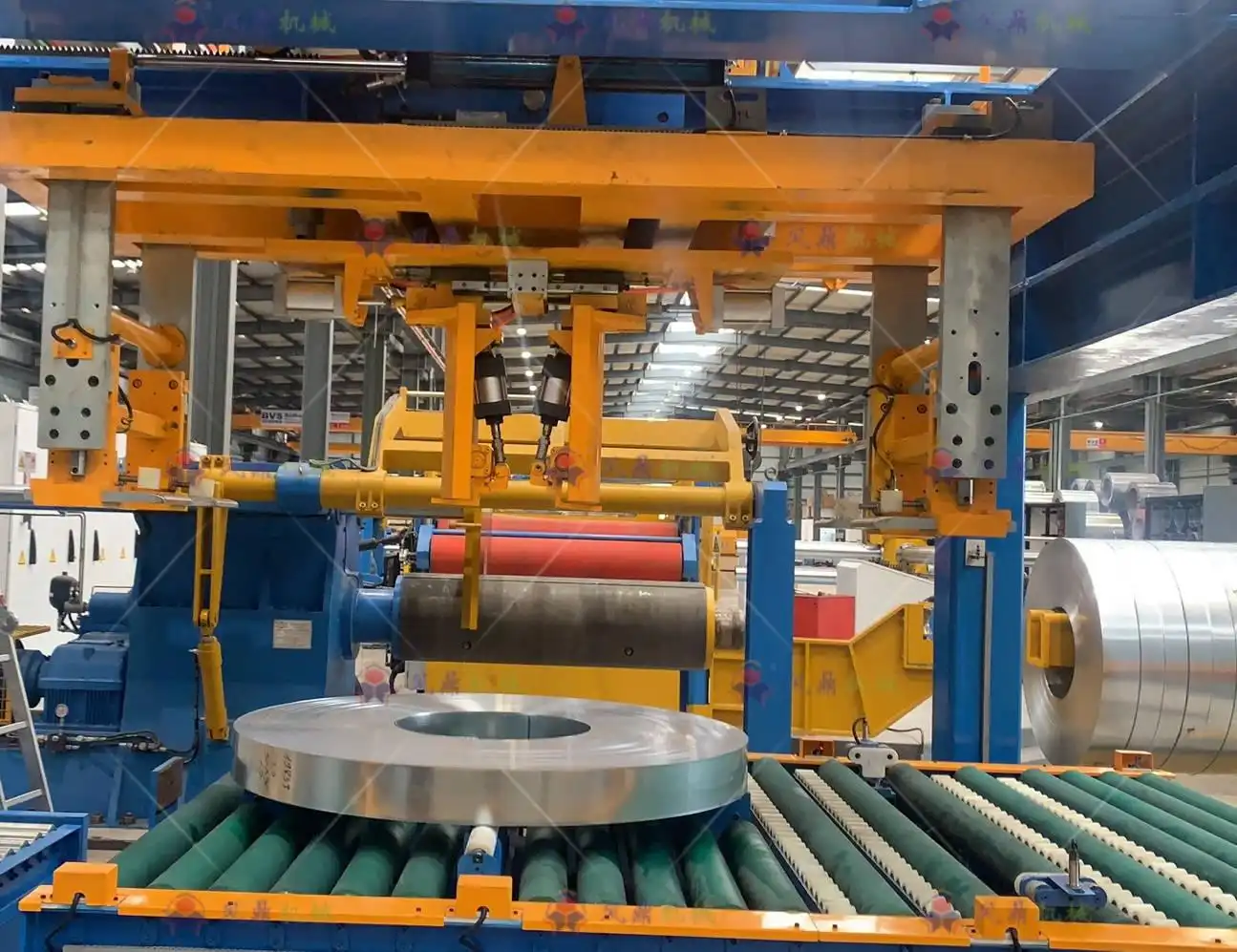
From my early days as an engineer to running my own packing machine factory, I’ve learned that efficiency is key. Japanese steel mills operate in a highly competitive environment. They must produce large volumes of steel coils quickly and flawlessly. Traditional packing methods just cannot keep up. Global customers demand faster delivery times and perfectly packaged goods. Any delay or damage impacts their reputation and bottom line. Moreover, Japan faces a shrinking workforce and rising wages. This makes manual labor-intensive tasks like coil packing very expensive. Investing in high-speed automated systems becomes a strategic necessity. It helps them maintain their competitive edge. It also helps secure their position as leaders in the global steel market. They need solutions that reduce dependence on manual work while boosting output. This focus ensures they can meet both current and future market demands efficiently.
The Driving Forces Behind Automation in Japanese Steel Mills
Japanese steel mills are at the forefront of adopting advanced manufacturing technologies. This is not just a trend; it is a strategic imperative. Several key factors push them towards high-speed coil packing machines. These factors are relevant to any factory manager, like Michael, looking to optimize operations.
-
Global Market Demands:
- 🌎 Increased Production Volume: The global demand for steel continues to grow. Mills must produce more coils in less time. High-speed machines handle larger volumes efficiently.
- ⏱️ Faster Turnaround Times: Customers expect quick deliveries. Manual packing creates bottlenecks. Automated systems drastically cut down packing time.
- 🏆 Superior Product Quality: Damaged coils lead to rejections and complaints. Automated packing ensures consistent, damage-free packaging. This protects product integrity during transit.
-
Economic Pressures:
- 💰 Rising Labor Costs: Wages in Japan are high. Reducing reliance on manual labor directly cuts operational expenses. This makes factories more profitable.
- 📉 Labor Shortage: Japan’s aging population means fewer available workers. Automation fills this gap. It ensures production continues smoothly without workforce constraints.
- ⚖️ Competitive Edge: Other global steel producers also innovate. Japanese mills must adopt advanced technology to stay competitive. This helps them maintain their market share.
-
Operational Excellence:
- ⚡ Enhanced Efficiency: Manual processes are slow and prone to errors. High-speed machines work continuously. They minimize downtime and maximize throughput.
- 🛠️ Process Standardization: Automated systems apply packaging materials uniformly. This ensures every coil meets the same high standard. It eliminates inconsistencies from manual work.
- 📈 Data-Driven Improvements: Modern machines often come with monitoring systems. These provide data on performance. This data helps optimize processes further.
These are the same drivers that push many other industries towards automation. Managers like Michael need to consider these factors. They help explain why a focus on high-speed, automated solutions is not just about having new machines. It is about building a more resilient and competitive operation. My journey taught me that adapting to these pressures is crucial for long-term success.
2. What Specific Challenges Do Traditional Coil Packing Methods Pose for Modern Steel Production?
Are your current packing methods slowing down your entire production line? Is your team constantly exposed to risks when handling heavy materials? I’ve seen countless factories where the packing department becomes a major bottleneck. This is often due to outdated, traditional methods. These methods struggle to meet the demands of modern steel production.
Traditional coil packing methods pose significant challenges for modern steel production, primarily by creating efficiency bottlenecks, increasing safety risks for workers handling heavy coils, causing preventable product damage during transit, and driving up operational costs due to labor intensity and material waste. These issues directly hinder productivity and profitability.
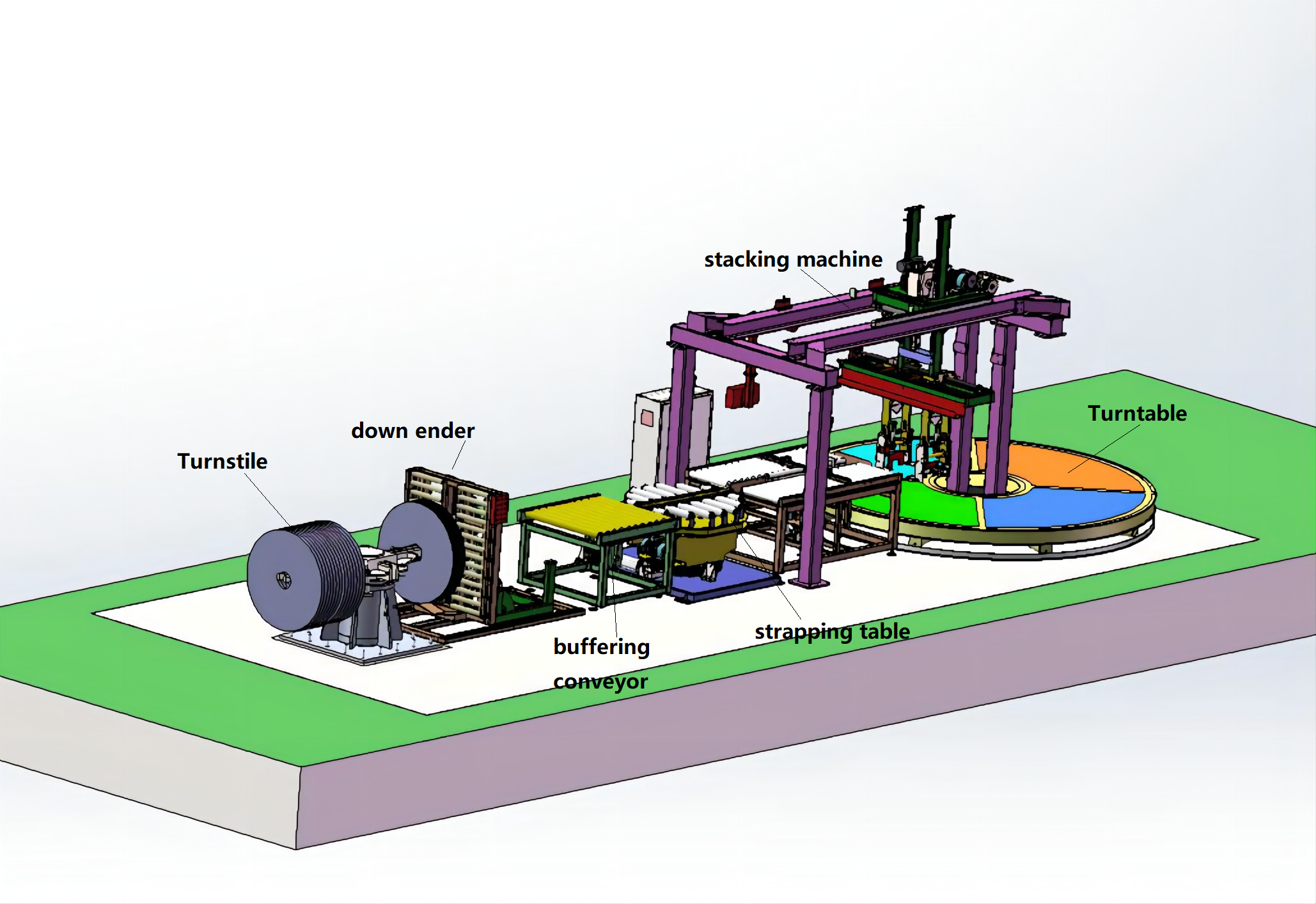
When I first started in this industry, manual coil packing was the norm. Workers had to physically wrap and secure heavy coils. This was slow and very dangerous. Today, steel coils are larger and heavier, and production volumes are much higher. These old methods just don’t work anymore. Michael, as a factory manager, understands these problems deeply. His plant faces issues like slow processing, high labor costs, and significant safety concerns. In my experience, these challenges are not unique. They are a universal problem for anyone relying on manual or semi-automatic systems for heavy, high-volume products. Product damage during internal transfer or packing also leads to customer complaints and lost profits. This erodes trust and impacts the company’s reputation.
The Hidden Costs and Risks of Outdated Packing Processes
Traditional coil packing methods often seem cheaper upfront. However, they carry significant hidden costs and risks. These can seriously impact a factory’s bottom line and worker well-being. Managers like Michael need to see these long-term consequences clearly.
A Comparison of Traditional vs. Modern Packing Challenges:
| Feature | Traditional Coil Packing (Manual/Semi-Manual) | Modern High-Speed Coil Packing (Automated) | Impact on Michael’s Factory |
|---|---|---|---|
| ⏱️ Efficiency | Slow, inconsistent, prone to bottlenecks. | Fast, consistent, continuous flow. | Michael’s challenge: "Efficiency bottleneck." Goal: "Elevate automation." |
| 🧑🏭 Safety | High risk of strains, crushes, and accidents. | Minimized human interaction, significantly lower risk. | Michael’s challenge: "Safety hazards." Goal: "Increase safety." |
| 💔 Product Damage | Coils prone to edge damage, scratches during handling. | Gentle, precise handling, reduces damage. | Michael’s challenge: "Product loss." Goal: "Reduce product damage." |
| 💲 Labor Costs | High, increasing with wages and insurance. | Reduced, reallocation of staff to higher-value tasks. | Michael’s challenge: "High operational costs." Goal: "Lower costs and increase efficiency." |
| 📊 Consistency | Varies greatly depending on worker skill. | Uniform packaging quality, always consistent. | Addresses Michael’s need for reliable output. |
| ⚙️ Downtime | Frequent stoppages for manual adjustments or repairs. | Designed for continuous operation, predictive maintenance. | Reduces Michael’s biggest fear: "Any downtime means huge losses." |
| 📉 ROI | High ongoing operational costs, limited long-term savings. | Significant long-term savings, quick return on investment. | Michael’s goal: "Return on investment (ROI)." |
Traditional methods rely heavily on human strength and judgment. This introduces variability and limits speed. As Michael knows, a factory manager needs processes that are predictable, safe, and cost-effective. The risks of worker injury are especially concerning. Manual handling of heavy steel coils is one of the most dangerous tasks in any plant. It can lead to severe accidents, increased insurance premiums, and staff turnover. These hidden costs quickly outweigh any perceived savings from not upgrading equipment. My experience taught me that investing in the right machinery is not an expense. It is an investment in your people and your future profitability.
3. How Do High-Speed Coil Packing Machines Address Safety and Efficiency Concerns?
Are you constantly worried about worker safety when heavy coils are being handled? Do you lose sleep over production targets because your packing line just can’t keep up? These are critical concerns for any factory manager. I’ve spent years developing and implementing solutions that directly tackle these issues.
High-speed coil packing machines address safety and efficiency concerns by automating hazardous manual tasks, drastically reducing the need for human intervention with heavy materials, and streamlining the entire packing process to achieve faster throughput and consistent quality. This automation minimizes risks and maximizes operational output simultaneously.
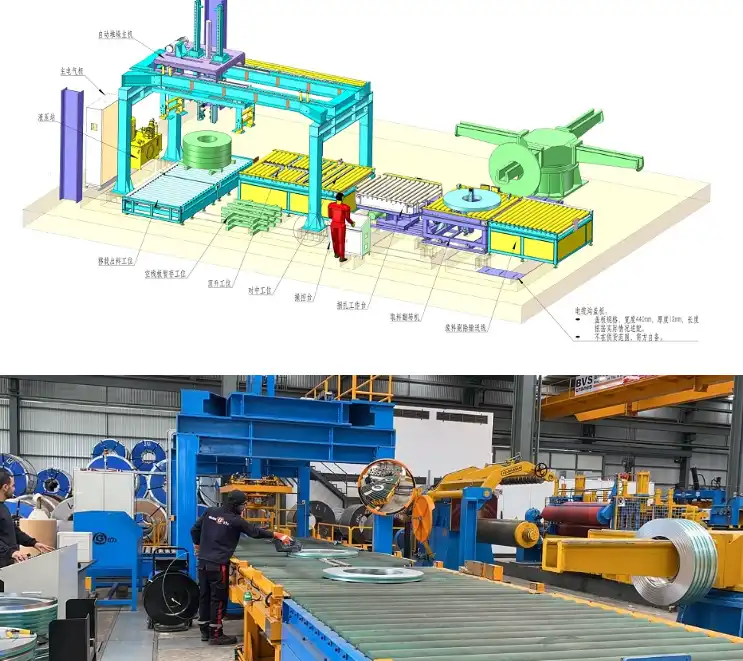
When I was first starting out, I saw firsthand the dangers workers faced every day. Manual coil handling was a serious safety hazard. It led to many injuries. This experience drove my passion for automation. High-speed coil packing machines are designed to remove humans from the riskiest parts of the packing process. They use robotic arms, automatic strapping, and wrapping mechanisms. These systems handle heavy coils with precision and speed. They do this without putting workers in harm’s way. This not only improves safety but also boosts efficiency. The machines work faster and more consistently than any human team could. This means more coils are packed in less time. It also means fewer errors and less product damage. This directly translates into higher productivity and lower operational costs. It helps a factory, like Michael’s, meet its goals for safety and efficiency.
The Transformative Impact of Automation on Steel Coil Packaging
High-speed coil packing machines are more than just faster versions of old equipment. They represent a fundamental shift in how steel coils are prepared for shipment. They offer integrated solutions that transform both safety protocols and operational efficiency.
Key Benefits for Michael’s Factory:
-
Safety First! 👷♀️
- Reduced Manual Handling: Heavy coil lifting and rotation are done by machines. This virtually eliminates ergonomic injuries and crush risks for workers.
- Controlled Environment: The packing process is contained and predictable. This minimizes accidental exposure to moving parts or falling objects.
- Fewer Human Errors: Automation removes human fatigue and distraction, major causes of workplace accidents. This leads to a safer working environment.
-
Boosted Efficiency! 🚀
- Continuous Operation: Machines can run for long shifts without breaks. This ensures steady, high-volume output.
- Faster Cycle Times: Each coil is packed quickly and consistently. This significantly reduces overall packing time. It prevents bottlenecks at the end of the production line.
- Optimized Material Usage: Automated systems apply packaging materials precisely. This reduces waste and saves costs on film, straps, and protective layers.
- Seamless Integration: Modern machines can integrate with existing production lines. This creates a fully automated workflow from manufacturing to shipment.
This level of automation ensures that Michael’s factory can improve its productivity. It can also drastically lower its risk profile. My personal experience has shown me that companies investing in such technologies not only see a return on their financial investment. They also see a return in employee morale and a reputation for safety. For example, implementing automated coil wrapping can reduce packing time by over 50%. It can cut labor costs by 70%. It virtually eliminates injuries related to manual wrapping. These machines are designed for the harsh environments of steel mills. They offer durability and reliability, which Michael highly values. They are built to withstand heavy use and continuously deliver peak performance. This ensures minimal downtime and maximum output.
4. What Should You Look For When Investing in a High-Speed Coil Packing Solution?
Are you considering a major investment in new packing equipment? Do you worry about choosing the wrong supplier, one who promises much but delivers little after the sale? I know that feeling of caution. When I first started my factory, I learned that finding the right partner is just as important as finding the right machine.
When investing in a high-speed coil packing solution, you should look for a robust, reliable machine built for heavy industrial use, a supplier with deep industry expertise and proven after-sales support, clear ROI projections, and customization options to fit your specific operational needs. Prioritize long-term partnership over a quick sale.
My journey in the packing machine industry has taught me that not all suppliers are equal. Some focus only on making a sale. They offer little support once the machine is installed. This can be a huge problem, especially for complex equipment like high-speed coil packers. Michael’s past experience with unreliable suppliers makes him cautious. He wants a partner who understands his production bottlenecks, safety concerns, and efficiency goals. This is exactly what FHOPEPACK aims to be. We believe in sharing knowledge and offering true solutions. When you invest in a packing machine, you are not just buying steel and electronics. You are buying a solution to a problem. You are buying a promise of efficiency and reliability. You need to look for a partner who stands by their products and helps you grow.
A Buyer’s Checklist for High-Speed Coil Packing Solutions
Choosing the right high-speed coil packing machine is a critical decision. It impacts your factory’s productivity, safety, and profitability for years to come. Here is a checklist of key considerations, informed by my experience, to guide your investment.
Essential Considerations for Your Investment:
-
1. Machine Robustness and Durability 💪
- Look for heavy-duty construction. The machine must withstand continuous operation in a harsh steel mill environment.
- Check material quality. Is it designed for industrial use, with durable components?
- Consider the machine’s lifespan. A quality machine is a long-term asset.
- Why this matters to Michael: He needs equipment that can "withstand its factory’s high-intensity, harsh working environment." Reliability prevents "huge losses" from downtime.
-
2. Proven Supplier Expertise and Support ✅
- Industry Experience: Does the supplier truly understand steel coil packing? Do they have a track record of successful installations in similar plants?
- After-Sales Service: What kind of technical support, spare parts availability, and maintenance programs do they offer? This is crucial for long-term operations.
- Consultative Approach: Does the supplier act as a partner? Do they offer insights and solutions tailored to your specific challenges, like Michael’s "efficiency bottlenecks" or "safety hazards"?
- My recommendation: Consider FENGDING and WUXI BUHUI. They are known in the industry for their robust machines and commitment to client support. These companies, like FHOPEPACK, understand the need for a true partnership.
-
3. Clear Return on Investment (ROI) 💰
- Cost Savings Analysis: Ask for a detailed breakdown of how the machine will reduce labor costs, minimize product damage, and lower insurance premiums.
- Productivity Gains: Quantify the increase in throughput and reduction in packing time. How will this impact your overall production capacity?
- Energy Efficiency: Modern machines can be more energy-efficient, contributing to lower operating costs.
- Why this matters to Michael: He seeks "ROI clear equipment" to "reduce labor costs, reduce product loss, and improve the overall profitability of the factory."
-
4. Customization and Integration Capabilities 🔗
- Tailored Solutions: Can the machine be customized to fit your unique coil sizes, weights, and packaging material requirements?
- Line Integration: How easily can the new machine integrate with your existing production line, conveyors, and handling systems?
- Scalability: Can the system be upgraded or expanded in the future as your production needs grow?
- Why this matters to Michael: His goal is to "introduce automated packaging and handling equipment" to "solve end-of-line bottlenecks," requiring seamless integration.
-
5. Safety Features and Compliance 🛡️
- Safety Standards: Does the machine comply with international safety regulations and standards?
- Built-in Safety: Look for features like emergency stops, safety interlocks, and protective guarding that safeguard operators.
- Why this matters to Michael: His primary goal is to "improve safety" by minimizing manual heavy lifting, making machine safety a non-negotiable.
Choosing wisely means asking the right questions. It means partnering with a company that understands your challenges and shares your vision for a more efficient and safer future. My personal journey has taught me that trust and expertise are the foundations of any successful long-term partnership.
Conclusion
Modern steel mills demand efficiency and safety. High-speed coil packing machines are the answer. They reduce risks, boost output, and cut costs. Investing in a reliable steel coil packing line is investing in your future.


