Is a Horizontal Steel Coil Packing Line the Right Choice for Your Plant? Here’s How to Decide
Are you tired of slow, manual packing processes for your steel coils and wire? Do you worry about your team’s safety when they handle heavy materials, or worse, see valuable product get damaged before it even leaves the factory? These challenges hit hard at your bottom line and can even make you doubt your production efficiency. I’ve seen it firsthand, and I know the pressure you face to boost output, control costs, and keep everyone safe.
A horizontal steel coil packing line can be a game-changer for manufacturers looking to address these critical issues by automating the end-of-line process. This advanced system significantly reduces manual labor, enhances worker safety, minimizes product damage during handling, and ultimately speeds up your entire production flow.
Making a big investment in new equipment requires careful thought. You need to be sure it truly solves your problems and drives your business forward. Let’s dive deeper into what these systems offer and how you can determine if a horizontal steel coil packing line is the smart move for your operations.
1. What Exactly is a Horizontal Steel Coil Packing Line, and How Does It Benefit Your Operations?
Many plant managers, like Michael, often ask me about the true value of specialized packing equipment. They understand the need for efficiency but might not see the full picture of how a dedicated machine can transform their daily operations. It is not just about wrapping a product; it is about creating a more robust, reliable, and profitable system.
A horizontal steel coil packing line is an integrated automated system designed to efficiently wrap and secure large, heavy steel or wire coils as they exit the production line. These systems typically use stretch film, woven plastic, or other protective materials, applying them while the coil rotates horizontally. The main benefits include superior protection for finished products, significantly faster packing times, and a drastic reduction in the need for manual handling, leading to improved safety and lower labor costs.

Dive deeper Paragraph:
When I first started my journey in the packing machine industry, I saw many factories struggling with outdated methods. They would manually wrap coils, a process that was not only slow but also inconsistent. This led to wasted material, uneven packaging, and often, product damage during transit. A horizontal steel coil packing line changes all of this. It brings a level of precision and speed that manual methods simply cannot match. Think about the components. You have an infeed conveyor, a wrapping station, and an outfeed system. The coil moves smoothly into the wrapping area. Here, the machine applies the packing material uniformly around the coil’s circumference. This consistent application of film or other materials creates a tight, secure package. It protects the coil from dust, moisture, and impact damage. This is especially important for delicate coil edges that can easily get dented or scratched. The process is fully automated once the coil is in place. This means less human intervention. Less human intervention directly translates to fewer safety risks. Workers no longer need to manually lift or maneuver heavy coils. They operate the machine from a safe distance. This design improves working conditions greatly. It reduces the chance of workplace injuries, which also lowers your insurance costs and employee turnover. Beyond safety, the speed of these lines is remarkable. What might take several workers many minutes to do by hand, the machine does in seconds or a minute. This dramatically increases your end-of-line throughput. It prevents bottlenecks that slow down your entire factory. For example, if you produce a high volume of slit coils or wire rods, having a slow packing process can stop your entire production line. A horizontal packing line keeps up with your output. It ensures a smooth, continuous flow from manufacturing to shipping. This consistency in speed and quality makes a big difference. It helps your business meet tight delivery schedules and keeps clients happy. (automated coil packaging, high-speed coil wrapping, reduced manual labor packing)
2. Can a Horizontal Packing Line Truly Solve Your Plant’s Efficiency and Safety Challenges?
I often hear factory managers express skepticism. They have tried different solutions before. They are wary of new investments that promise much but deliver little. Michael, for instance, has dealt with suppliers who only cared about the sale. This makes building trust difficult. He wants to know if a horizontal packing line is a real solution, not just another piece of equipment.
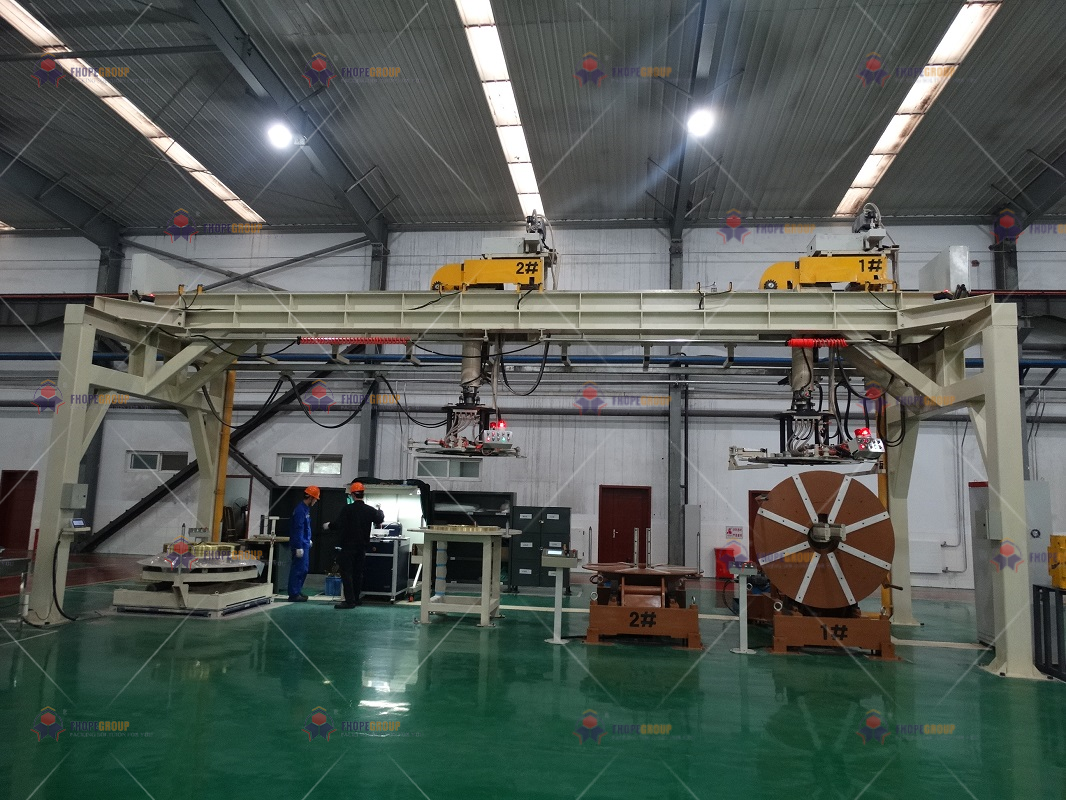
Yes, a horizontal steel coil packing line directly addresses the core efficiency and safety challenges faced by heavy manufacturing plants. By automating the packaging of steel coils and wire, it eliminates the slow, labor-intensive steps that create production bottlenecks. Crucially, it removes the need for workers to physically handle heavy coils during wrapping, drastically reducing the risk of workplace injuries and improving the overall safety environment.
Dive deeper Paragraph:
Let’s talk about the tangible impact. Many plants, especially those handling metal coils, struggle with efficiency. Their current coil packaging processes often involve multiple manual steps. Workers might use handheld tools to strap or wrap coils. This is not only slow but also inconsistent. A horizontal packing line centralizes this entire operation. It automates the wrapping, strapping, and even sometimes the weighing and labeling. This integration streamlines the end-of-line process significantly. Imagine converting a process that takes 10 minutes per coil with two workers into a 1-minute process with one operator overseeing the machine. That’s a huge leap in productivity.
From a safety perspective, the transformation is even more profound. Handling heavy steel coils carries inherent risks. There are risks of crushing injuries, strains from lifting, and accidents from dropping heavy objects. Workers also face dangers from sharp edges. A horizontal packing line almost completely removes human interaction with the moving coil during packaging. The machine does the heavy lifting and rotating. This means fewer people in harm’s way. It protects your most valuable asset: your employees. Reduced accidents mean lower workers’ compensation claims. It also means less downtime due to injury. This improves employee morale and retention. I have seen how much this impacts a factory’s culture. When employees feel safer, they are more engaged and productive.
Furthermore, the automated process ensures consistent package quality. This leads to fewer product damages during internal transport and shipping. When coils are poorly wrapped, they can shift, rub, or get exposed to environmental factors. This leads to surface damage or corrosion. High-quality packaging from an automated line protects your product. It ensures it reaches your customer in perfect condition. This reduces customer complaints and warranty claims. It strengthens your reputation as a reliable supplier. This direct link between automation, safety, and product integrity makes a strong case. It is a powerful solution for those looking to modernize their factory operations. (coil packing automation, factory safety improvement, reduce product damage)
3. How Do You Determine the Right Horizontal Coil Packing Line for Your Specific Production Needs?
Once you see the potential, the next question is clear: "Which line is right for me?" There isn’t a one-size-fits-all answer. Your factory’s unique setup, coil dimensions, production volume, and even your budget all play a role. Michael needs to make an investment that gives a clear return. This means carefully matching the solution to his specific needs.
Choosing the right horizontal coil packing line involves evaluating several key factors unique to your plant, including the range of coil dimensions and weights you handle, your required throughput, the type of protective material needed, and the level of automation desired. An in-depth assessment of your current production bottlenecks and future growth plans is crucial to ensure the selected equipment provides a clear return on investment (ROI).
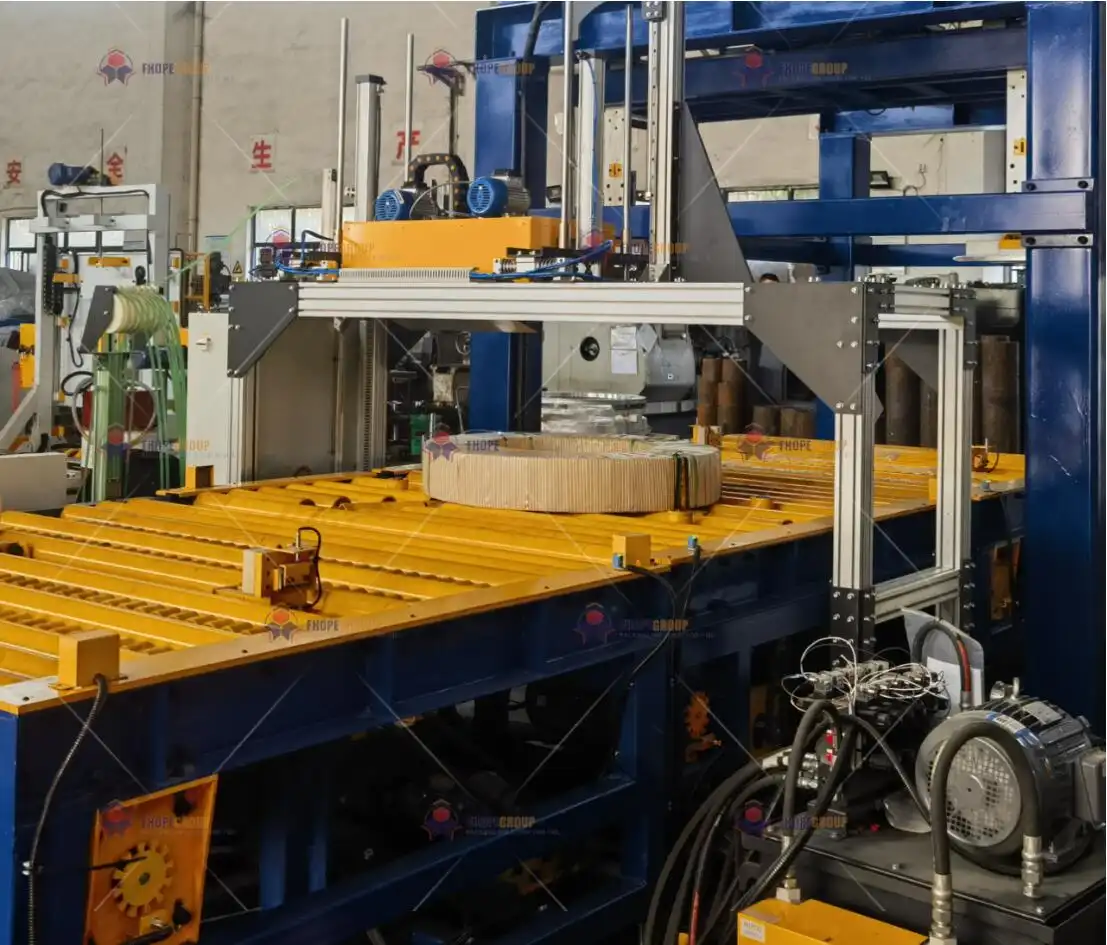
When I consult with clients, we always start by mapping out their current state and their goals. It is important to look at the numbers.
Key Considerations for Selection:
- Coil Specifications: What is the maximum and minimum diameter of your coils? How wide are they? What is their weight range? These details directly impact the size and strength of the packing machine you need. For example, a machine designed for small slit coils will not handle heavy master coils.
- Production Volume and Speed: How many coils do you need to pack per hour or per shift? Your desired throughput will determine the speed and cycle time capabilities of the packing line. Some lines are built for very high volume, others for more moderate output.
- Packing Material Requirements: Do you need stretch film for dust and moisture protection? Do you require specialized rust-proof film or strong woven plastic? Maybe you need additional strapping with PET or steel bands. Some machines offer multiple material options. Others specialize in one type.
- Level of Automation: Are you looking for a semi-automatic machine where an operator loads and unloads, or a fully automatic line that integrates seamlessly with your existing conveyors? The level of automation impacts labor savings and initial cost.
- Integration with Existing Systems: Can the new packing line connect with your current conveyors, cranes, or data management systems? Smooth integration is key to avoiding new bottlenecks.
- Budget and ROI: How much can you invest? What is the projected return on investment? Consider not just the machine cost but also installation, training, and maintenance. Look for clear ROI through reduced labor, fewer product damages, and increased throughput.
For instance, if your challenge is high volume and consistent quality for smaller coils, a high-speed, fully automatic line might be ideal. But if you have very diverse coil sizes and lower volume, a more flexible, semi-automatic solution could be better. The goal is to avoid overspending on features you do not need, while still ensuring the machine meets your core operational demands. It is about finding the right balance for your unique operational environment. (packing line ROI, customized packaging solutions, coil size and weight capacity)
4. Why is Choosing the Right Partner as Important as Choosing the Right Machine?
Michael’s past experiences with unreliable suppliers highlight a common problem. It is not enough to just buy a machine. You need a partner who understands your business, your challenges, and who will be there for you long after the sale. I believe this deeply, as my own journey in the industry showed me that true success comes from building strong, trusting relationships.
Selecting the right supplier for a horizontal steel coil packing line is paramount because it ensures you receive not only a high-quality machine but also expert advice, reliable installation, and consistent after-sales support. A knowledgeable partner, like FHOPEPACK, understands your operational pain points and can offer tailored solutions that truly drive efficiency, safety, and profitability, mitigating the risks of dealing with purely sales-driven vendors.
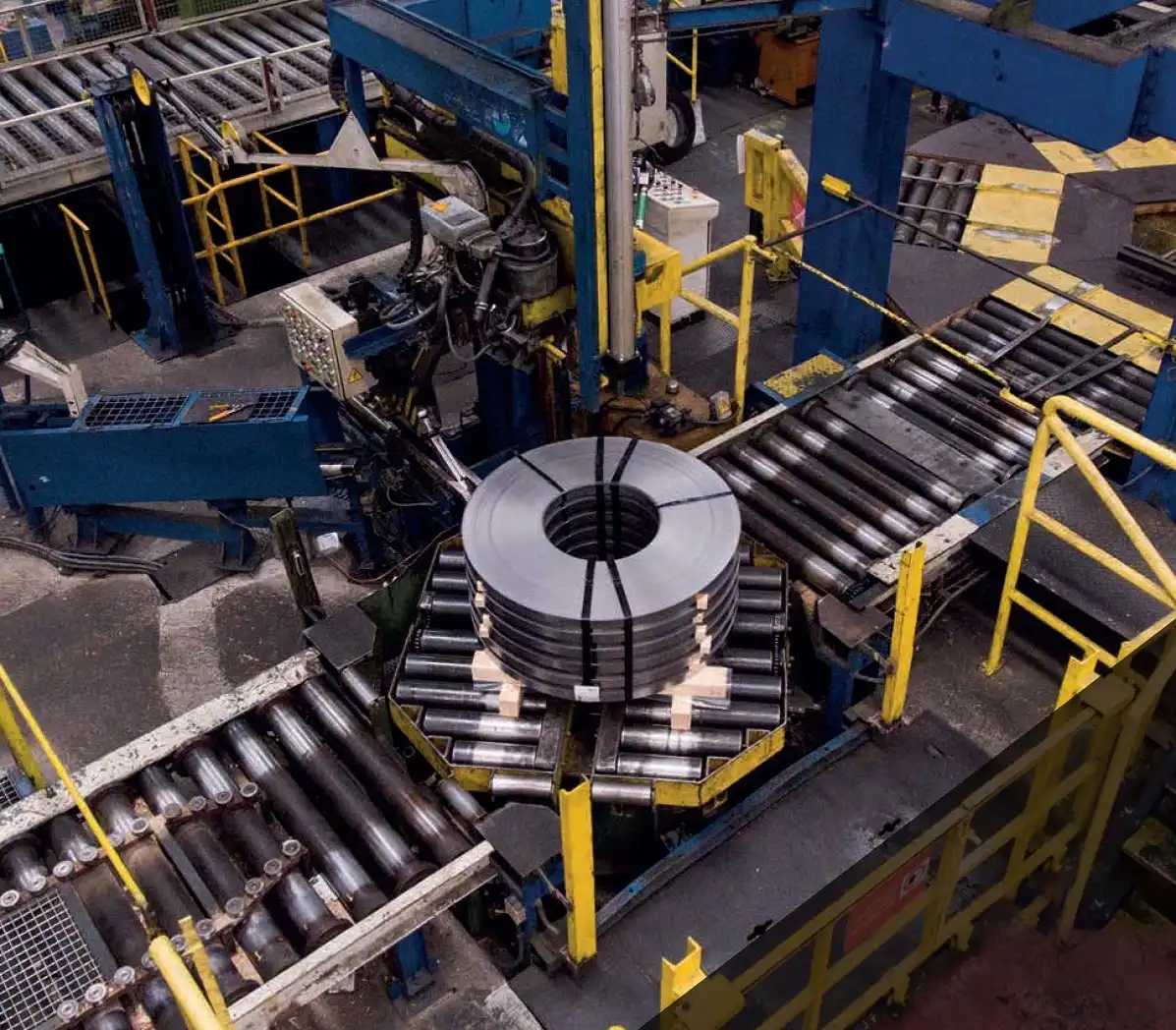
I started FHOPEPACK because I saw a need for more than just equipment sales. I wanted to share knowledge and build lasting relationships. When you are looking for a packing machine, you are not just buying steel and wires. You are buying a solution to a problem. You are investing in your company’s future. This means the expertise of your supplier is invaluable.
What to Look for in a Partner:
- ✅ Deep Industry Knowledge: Does the supplier understand the nuances of coil packing, steel processing, and heavy manufacturing? Can they speak your language and relate to your specific bottlenecks?
- 🛠️ Customization and Engineering Capability: Can they adapt a standard machine to your specific plant layout or unique product requirements? This shows true engineering strength, not just off-the-shelf selling.
- ⚙️ Robust After-Sales Support: What happens if the machine breaks down? Do they offer quick response times, spare parts availability, and skilled technicians for maintenance and repairs? Poor support can turn a great machine into a nightmare.
- 📈 Proven Track Record: Have they successfully installed similar lines for other clients? Can they provide references or case studies? This builds confidence in their ability to deliver.
- 🤝 Long-Term Relationship Focus: Do they seem interested in a one-time sale or in becoming a long-term partner who will support your growth? A good partner will offer training, upgrades, and ongoing consultation.
Think about it this way: a machine is a tool. The supplier is the guide who helps you use that tool effectively. They should help you analyze your current workflow. They should identify true pain points. Then, they should propose a solution that fits your specific needs and budget. For example, when Michael looks for a solution, he wants someone who understands his concerns about safety and product loss. He wants a partner who can show him clear ROI. Someone who will ensure the equipment genuinely solves his problems. Choosing the right partner means choosing peace of mind. It means having confidence that your investment will pay off. It means knowing you have support when you need it. It is about building a foundation for success together. (packing machine supplier evaluation, after-sales service importance, industry expert partnership)
Conclusion
A horizontal steel coil packing line offers significant gains in efficiency, safety, and product protection. Carefully assess your plant’s specific needs and partner with an expert to unlock the full potential of this valuable steel coil packing line solution.


