Integration of Steel Coil Strapping and Packing Lines with MES and Smart Factory Systems: A Game-Changer for Modern Factories?
Are you struggling with outdated steel coil strapping and packing processes? Does your factory face constant battles with efficiency, safety, and rising operational costs? You are not alone. Many manufacturing plants, especially in heavy industries like steel processing, deal with these exact challenges every single day. The pressure to produce more, cut costs, and keep workers safe is immense. What if there was a way to turn these challenges into opportunities? What if your packing line could do more than just pack?
Integrating your steel coil strapping and packing lines with advanced MES (Manufacturing Execution System) and Smart Factory systems transforms them from standalone operations into intelligent, responsive components of your overall production ecosystem. This integration provides real-time data, enhances automation, improves operational efficiency, and significantly boosts safety, making your entire factory smarter and more profitable. It is a vital step for any factory looking to stay competitive and future-proof its operations, turning data into actionable insights for continuous improvement.

As someone who started on the factory floor and later built a successful packing machine business, I have seen firsthand the incredible impact technology can have. I understand the daily grind and the critical need for reliable, efficient equipment. This article will dive deep into how MES and Smart Factory integration can revolutionize your coil packing operations. We will explore the "how" and "why" behind this powerful transformation, providing clear answers to help you navigate this exciting future.
1. What Exactly Does "MES Integration" Mean for My Packing Line?
Are you wondering what "MES integration" truly means for your specific steel coil strapping and packing operations? Does it sound like another complex, expensive IT project that offers little tangible return? Many factory managers, like my friend Michael Chen in Mexico, grapple with these questions. They see the promise of new technology but worry about the practical application and benefits. Understanding the core concept is the first step towards realizing its potential.
For your steel coil strapping and packing lines, MES integration means creating a seamless, two-way data flow between your packaging machinery and your factory’s Manufacturing Execution System. This connection allows real-time monitoring of packing status, material consumption, production bottlenecks, and machine performance. It ensures that packaging processes are synchronized with upstream production, optimizes resource allocation, and provides valuable data for quality control and traceability. This digital handshake transforms isolated machines into intelligent data points within your broader manufacturing intelligence.
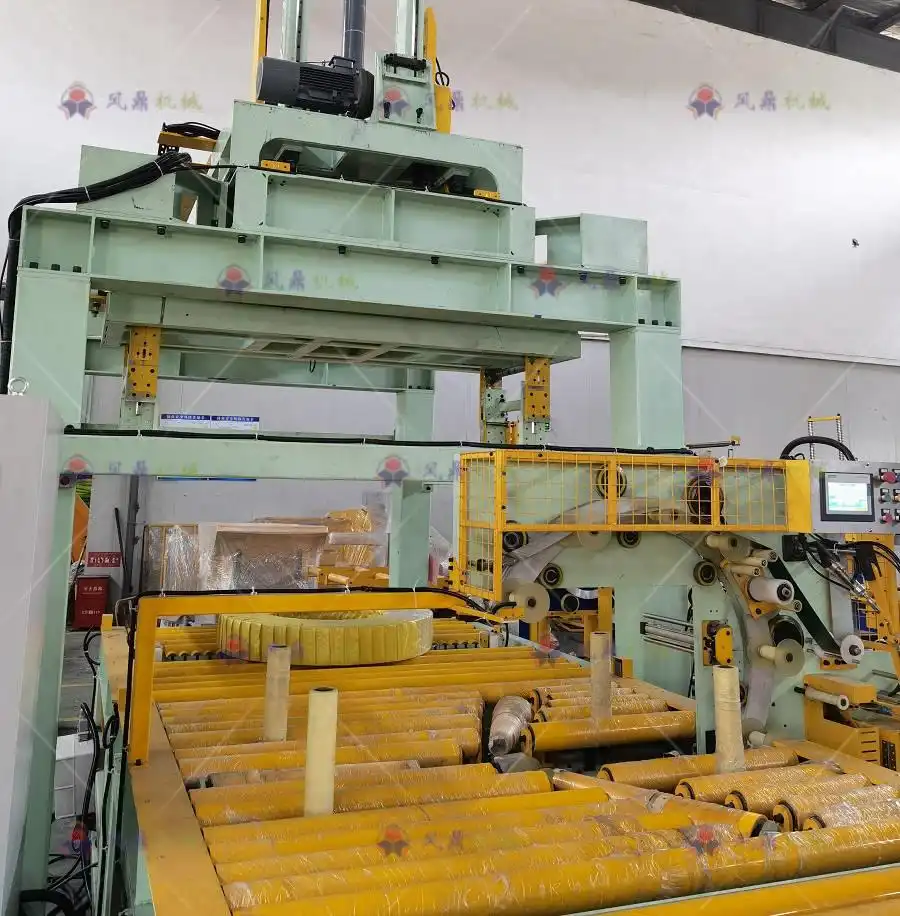
When I first started designing packing machines, data collection was mostly manual. Today, the world is different. MES integration is about bringing your packing line into the digital age. It connects the physical world of heavy steel coils and wrapping machines with the digital world of data and analytics. It helps you manage and optimize operations in a way that was impossible before.
📊 The Core Components of MES Integration for Packing Lines
MES integration is not just about connecting wires. It involves several key areas that work together.
-
Real-time Data Capture:
- What it is: Sensors on your coil strapping and packing machines collect data continuously. This includes machine speed, material usage, error codes, and completed package counts.
- Why it matters: You get an instant picture of what is happening. No more waiting for end-of-shift reports. You can see problems as they arise, not after they have cost you hours of downtime.
- Example: A sensor detects a strapping machine jam. The MES immediately alerts operators and records the incident. (real-time data insights)
-
Production Order Management:
- What it is: The MES sends packing instructions directly to the machines based on production schedules. This includes coil dimensions, strapping patterns, and labeling requirements.
- Why it matters: It eliminates manual input errors. The right product gets the right packaging every time. This is crucial for diverse product lines, like different types of steel wire or specialized coils.
- Example: A specific batch of galvanized steel wire coils needs a waterproof wrap. The MES automatically configures the packing machine for this. (automated production scheduling)
-
Quality Control & Traceability:
- What it is: The MES records details about each packed coil. This includes who packed it, when, what materials were used, and any quality checks performed.
- Why it matters: If a customer reports an issue, you can quickly trace the exact batch and understand the packing conditions. This improves customer satisfaction and helps identify root causes of defects.
- Example: A customer complains about a damaged coil edge. The MES data shows the coil was dropped during an internal transfer. This points to a handling issue, not a packing defect. (quality assurance through data)
-
Performance Analysis (OEE):
- What it is: The MES calculates key performance indicators (KPIs) like Overall Equipment Effectiveness (OEE) for your packing lines. OEE combines availability, performance, and quality.
- Why it matters: You can see exactly how efficient your machines are. It highlights areas for improvement, like reducing downtime or speeding up cycle times. This directly impacts your bottom line.
- Example: The OEE report for your coil strapping machine shows low availability due to frequent material changes. This suggests looking into faster material loading systems. (operational efficiency metrics)
MES integration is about creating a smarter, more connected packing operation. It helps you move from reactive problem-solving to proactive optimization. This means less guesswork and more data-driven decisions. It is about making your packing line an asset that contributes to the overall intelligence of your factory.
2. How Do Smart Factory Systems Enhance Steel Coil Packaging Efficiency and Safety?
Are you constantly battling with inefficient workflows and high safety risks in your steel coil packaging area? Do manual processes lead to bottlenecks, product damage, and frequent worker injuries? Michael Chen, my client in Mexico, often tells me about the pressure he faces to improve these very aspects. He knows that every minute of downtime or every safety incident costs his factory money and reputation. He wants to know how "Smart Factory Systems" can truly make a difference for his heavy-duty operations.
Smart Factory systems, powered by IoT (Internet of Things), AI (Artificial Intelligence), and advanced automation, dramatically enhance steel coil packaging efficiency and safety by providing intelligent monitoring, predictive capabilities, and autonomous operation. These systems reduce reliance on manual labor, minimize human error, optimize material flow, and prevent potential hazards through real-time risk assessment. By connecting machines, sensors, and data analytics, they create a highly responsive and adaptive packaging environment, ensuring faster throughput, consistent quality, and a safer workplace for your employees.
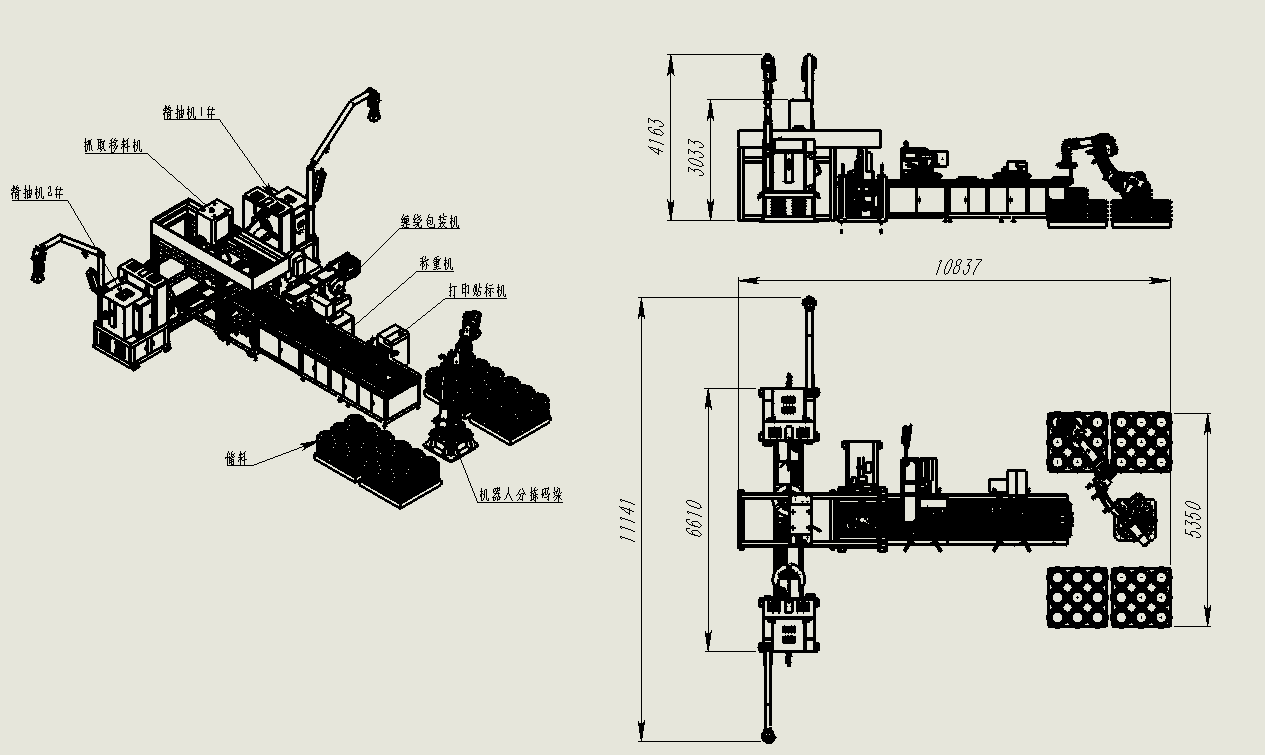
When I was first building my packing machine factory, the idea of machines talking to each other felt like science fiction. Today, it is a reality. Smart Factory systems are not just for high-tech gadgets; they are transforming heavy industries, offering concrete solutions to long-standing problems. They are about making your factory work smarter, not just harder.
🚀 Smart Factory Solutions for Coil Packaging: A Closer Look
Let’s explore how specific Smart Factory elements address Michael’s challenges.
-
IoT-Enabled Sensors & Connectivity:
- Impact on Efficiency: Sensors on coil handling robots, strapping machines, and stretch wrappers provide real-time data on machine health, material levels, and throughput. This helps identify and resolve micro-stoppages, optimizing the flow of coils. ⏱️
- Impact on Safety: Environmental sensors can monitor air quality and temperature in packing areas, especially important when dealing with hot coils. Proximity sensors on automated guided vehicles (AGVs) prevent collisions with workers or other equipment, significantly reducing accident risks. ⚠️
- Example: An IoT-enabled sensor on a steel coil gripper detects an anomaly in its pressure. This data is sent to the Smart Factory system, which schedules preventive maintenance before a full failure occurs. (IoT for predictive maintenance)
-
AI & Machine Learning for Optimization:
- Impact on Efficiency: AI algorithms can analyze historical packing data to predict optimal strapping tension, wrapping layers, and material consumption for different coil types. This minimizes waste and ensures consistent package quality. It can also forecast future maintenance needs based on machine performance patterns. 📈
- Impact on Safety: AI can analyze video feeds from the packing area to identify unsafe worker behavior or potential hazards, sending immediate alerts to supervisors. This proactive approach helps prevent incidents before they occur. 🚨
- Example: An AI-powered vision system checks the final wrap of each steel coil. It ensures the wrap is uniform and secure, identifying any loose ends or gaps that could lead to damage during transit. (AI for quality control)
-
Robotics & Advanced Automation:
- Impact on Efficiency: Robotic arms can handle heavy steel coils for positioning on strapping lines or transferring them to pallets. This increases speed, consistency, and eliminates the need for manual heavy lifting, which is slow and prone to error. ⚙️
- Impact on Safety: By automating the handling of heavy, hot, or sharp coils, robotics remove workers from dangerous situations. This drastically reduces the risk of back injuries, crush injuries, and cuts. It is a direct answer to Michael’s challenge of high injury rates. 🛡️
- Example: An automated coil stacking robot precisely places strapped coils onto a pallet for shipping. This removes the risk of a worker straining their back or getting crushed by a falling coil. (robotics for heavy lifting safety)
-
Digital Twin Technology:
- Impact on Efficiency: A digital twin is a virtual replica of your physical packing line. It allows you to simulate changes, test new layouts, or optimize machine parameters in a safe, virtual environment before implementing them physically. This saves time and resources. 💻
- Impact on Safety: You can simulate emergency scenarios or new operational procedures within the digital twin. This helps identify potential safety risks in a new process without putting actual workers in harm’s way. 🧪
- Example: Before changing the strapping pattern for a new type of steel wire coil, Michael’s team can test the new pattern on the digital twin to ensure optimal material usage and secure packaging without physical trials. (digital twin for process optimization)
Smart Factory systems are not just about futuristic concepts. They are about practical tools that solve real-world problems. They make your steel coil packaging more efficient by automating tasks, reducing waste, and providing deep insights. Most importantly, they make your workplace significantly safer by removing workers from hazardous tasks and proactively identifying risks. This is the kind of professional guidance and solution-oriented partnership Michael is looking for.
3. What Are the Direct Benefits of an Integrated Packing Solution for My Bottom Line?
Are you considering investing in an integrated packing solution but need to justify the costs to your stakeholders? Do you need clear, measurable benefits that directly impact your factory’s profitability? Michael Chen, my client, always emphasizes the importance of a clear ROI (Return on Investment). He asks, "How will this truly save me money and make my factory more competitive?" It’s a valid question, and one I often help my clients answer.
An integrated steel coil strapping and packing solution directly boosts your bottom line by significantly reducing operational costs, increasing throughput, minimizing product damage, and improving overall customer satisfaction. Through automation and intelligent management via MES and Smart Factory systems, you achieve substantial labor cost savings, lower material waste, and decreased insurance liabilities from fewer workplace accidents. These tangible financial gains, combined with enhanced operational efficiency, provide a compelling ROI, making your investment a powerful driver for sustained business growth and profitability.

My journey from a factory employee to a factory owner taught me one crucial lesson: every investment must make sense financially. It is not just about having the latest technology. It is about how that technology translates into real economic advantages for your business. An integrated packing solution offers exactly that. It’s about working smarter to earn more.
💰 Quantifiable Returns: How Integration Pays Off
Let’s break down the financial benefits, directly addressing Michael’s goals.
-
Reduced Labor Costs:
- Challenge Addressed: Michael’s current manual processes are labor-intensive and costly.
- Benefit: Automation in strapping, wrapping, and handling significantly reduces the number of workers needed for repetitive, heavy tasks. This frees up skilled labor for more value-added activities.
- Example: Automating the steel coil strapping process can reduce the need for 3-4 workers per shift, leading to substantial annual savings in wages and benefits. (labor efficiency savings)
- ROI Factor: High automation level directly lowers operational expenditure (OpEx).
-
Minimized Product Damage:
- Challenge Addressed: Current internal transfer and packing cause damage to products like steel coil edges.
- Benefit: Automated handling systems (robots, AGVs) provide consistent, gentle handling. Precise strapping and wrapping reduce transit damage. MES monitors packing quality to prevent defects.
- Example: Reducing product damage by just 1% can save tens of thousands of dollars annually, especially with high-value metal coils. Fewer customer complaints also mean less costly returns and improved reputation. (reduced material waste)
- ROI Factor: Direct impact on product quality and customer satisfaction, reducing costs associated with defects and returns.
-
Increased Throughput and Production Speed:
- Challenge Addressed: Current manual processes are slow, creating efficiency bottlenecks.
- Benefit: Automated lines operate at consistent, higher speeds than manual processes. MES optimizes material flow and scheduling, ensuring the packing line keeps pace with production.
- Example: An automated steel wire packing line can process 50-60 coils per hour, compared to 15-20 coils manually. This increased speed allows for higher overall factory output and faster order fulfillment. (enhanced production capacity)
- ROI Factor: Higher output capacity means more products sold, directly increasing revenue.
-
Improved Workplace Safety & Lower Insurance Costs:
- Challenge Addressed: High manual handling leads to safety hazards and high insurance costs.
- Benefit: Automating heavy lifting and hazardous tasks dramatically reduces workplace injuries. Fewer injuries mean lower worker’s compensation claims and potentially reduced insurance premiums.
- Example: A factory manager in Mexico saw a 30% reduction in back-related injuries after installing automated coil handling and strapping equipment. This resulted in significant savings on medical costs and insurance. (risk reduction cost savings)
- ROI Factor: Direct reduction in hidden costs associated with accidents and improved employee morale/retention.
-
Optimized Resource Utilization:
- Challenge Addressed: Inefficient use of packing materials and energy.
- Benefit: Smart Factory systems monitor material usage in real-time. They optimize settings to use the minimum required strapping, film, or labels without compromising package integrity. Predictive maintenance reduces energy waste from inefficient machines.
- Example: By optimizing strap tension and length, one client saved 5% on their annual strapping material costs. (resource optimization)
- ROI Factor: Reduced variable costs through smart material and energy management.
An integrated packing solution is not just an expense; it is a strategic investment that delivers a powerful return. It tackles the core challenges of efficiency, safety, and cost control head-on, creating a more resilient and profitable operation for your factory. This is the kind of practical, results-driven solution that FHOPEPACK is committed to providing.
4. How Can I Ensure a Smooth Transition to an Integrated Packing System?
Are you interested in the benefits of an integrated packing system but worried about the complexities of implementation? Do you fear disruption to your current production or a difficult learning curve for your team? Michael Chen often voices concerns about past experiences with suppliers who delivered equipment but lacked comprehensive support. He wants a partner, not just a vendor. Ensuring a smooth transition is key to realizing the full potential of your investment without unnecessary headaches.
Ensuring a smooth transition to an integrated packing system requires careful planning, a phased implementation strategy, comprehensive employee training, and a strong partnership with a knowledgeable supplier. It means starting with a thorough assessment of your current processes, setting clear goals, and selecting equipment that integrates seamlessly with your existing infrastructure. A dedicated project team, regular communication, and post-implementation support are crucial for minimizing disruption, maximizing adoption, and achieving the desired operational and financial outcomes from your new, intelligent packing line.
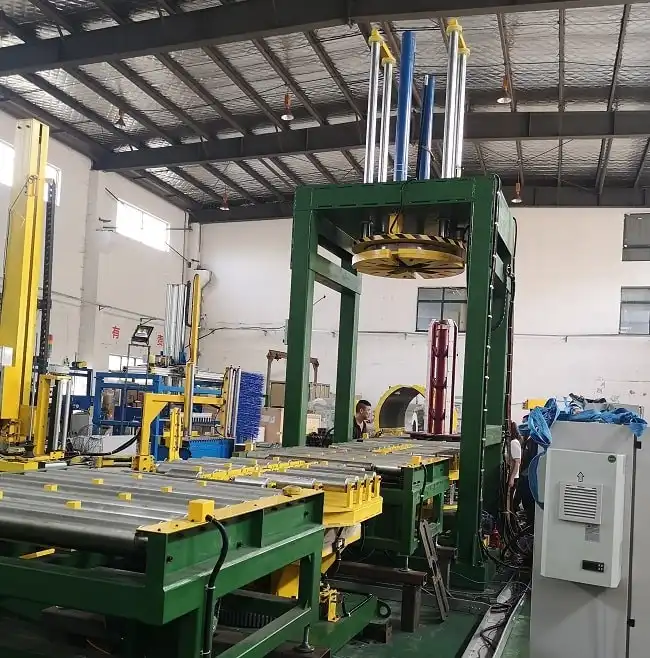
My experience building and running packing machine factories has taught me that the best technology is useless if it is not implemented correctly. It is not enough to just buy a machine; you need a solution that fits your factory like a glove. This involves understanding your unique needs, planning every step, and providing ongoing support. A smooth transition is not an accident; it is the result of careful, collaborative work.
✅ Roadmap for a Seamless Integration
Here’s how we approach ensuring a smooth transition, focusing on Michael’s need for a trusted partner.
-
Step 1: Thorough Needs Assessment & Planning
- What it involves: Before any equipment is chosen, we conduct a deep dive into your existing steel coil and wire packing processes. This includes analyzing current bottlenecks, safety concerns, space limitations, and production volumes. We also look at your IT infrastructure for MES integration.
- Why it’s crucial: This step ensures that the proposed solution is custom-tailored to your specific factory. It helps avoid generic solutions that might not solve your actual problems.
- Michael’s Perspective: Michael values a supplier who truly understands his factory’s unique challenges, like managing varied coil sizes in a high-volume environment. This initial assessment builds trust.
- Key Action: Develop a detailed project plan with clear timelines, milestones, and responsibilities.
- Analyze current packing rate.
- Map existing data flow.
- Identify integration points.
-
Step 2: Phased Implementation Strategy
- What it involves: Instead of a "big bang" approach, we often recommend a phased rollout. This could mean automating one packing line first, or integrating a specific module (like strapping) before moving to full automation and MES connectivity.
- Why it’s crucial: A phased approach minimizes disruption to ongoing production. It allows your team to adapt gradually and helps identify and resolve issues in a controlled environment.
- Michael’s Perspective: Michael cannot afford significant downtime. A phased approach allows him to keep production running while new systems come online. This reduces financial risk.
- Key Actions:
- Install new equipment alongside existing setup.
- Test new system parallel to old.
- Gradually transition operations.
-
Step 3: Comprehensive Training & Support
- What it involves: Providing extensive training for your operators, maintenance staff, and IT personnel. This covers machine operation, basic troubleshooting, safety protocols, and how to interact with the integrated MES. Ongoing technical support is also vital.
- Why it’s crucial: Your team needs to feel confident and competent with the new technology. Well-trained staff lead to higher uptime and better utilization of the system. Poor training is a common cause of new technology failure.
- Michael’s Perspective: He wants his team empowered, not overwhelmed. He knows that good training is an investment in his people. FHOPEPACK’s commitment to sharing knowledge aligns with this.
- Training Modules May Include:
- ⚙️ Machine Operation & HMI Use
- 🔧 Basic Maintenance & Troubleshooting
- 🛡️ Safety Procedures
- 📊 Data Interpretation from MES
-
Step 4: Post-Implementation Review & Optimization
- What it involves: After the system is live, we do not just walk away. We schedule follow-up reviews to assess performance, gather feedback, and identify areas for further optimization. This continuous improvement mindset is key.
- Why it’s crucial: No system is perfect from day one. This ongoing support ensures the integrated solution continues to meet your evolving needs and provides maximum value over its lifespan.
- Michael’s Perspective: This is where a true partnership shines. He has dealt with suppliers who only care about the sale. FHOPEPACK’s dedication to long-term success differentiates us.
- Key Focus Areas:
- Review OEE metrics.
- Collect operator feedback.
- Adjust system parameters for peak performance.
By following this structured approach, FHOPEPACK helps factories like Michael’s in Mexico integrate advanced steel coil strapping and packing lines with MES and Smart Factory systems smoothly. We ensure your investment leads to increased efficiency, safety, and profitability, not just another piece of equipment.
Conclusion
Integrating steel coil packing lines with MES and Smart Factory systems is no longer a luxury; it is a necessity for modern factories seeking to boost efficiency, enhance safety, and drive profitability. This strategic move transforms operations, offering a clear path to a more intelligent and competitive future, especially with a robust steel coil packing line.


