Integrated Packing Line vs Standalone Strapping Machine — Which Is More Efficient?
As a factory manager, you face constant pressure to improve efficiency while controlling costs. Every minute of production downtime means lost revenue, and manual packaging processes often become the weakest link in your operation. The choice between integrated packing systems and standalone strapping machines can feel overwhelming when you’re responsible for maintaining smooth factory operations.
An integrated packing line typically provides greater long-term efficiency for medium to large-scale metal processing operations, while standalone strapping machines work better for smaller facilities with limited production volumes. The decision ultimately depends on your specific production requirements, available floor space, and budget constraints. Integrated systems automate the entire packaging process from start to finish, while standalone machines require manual handling between different packaging stages.
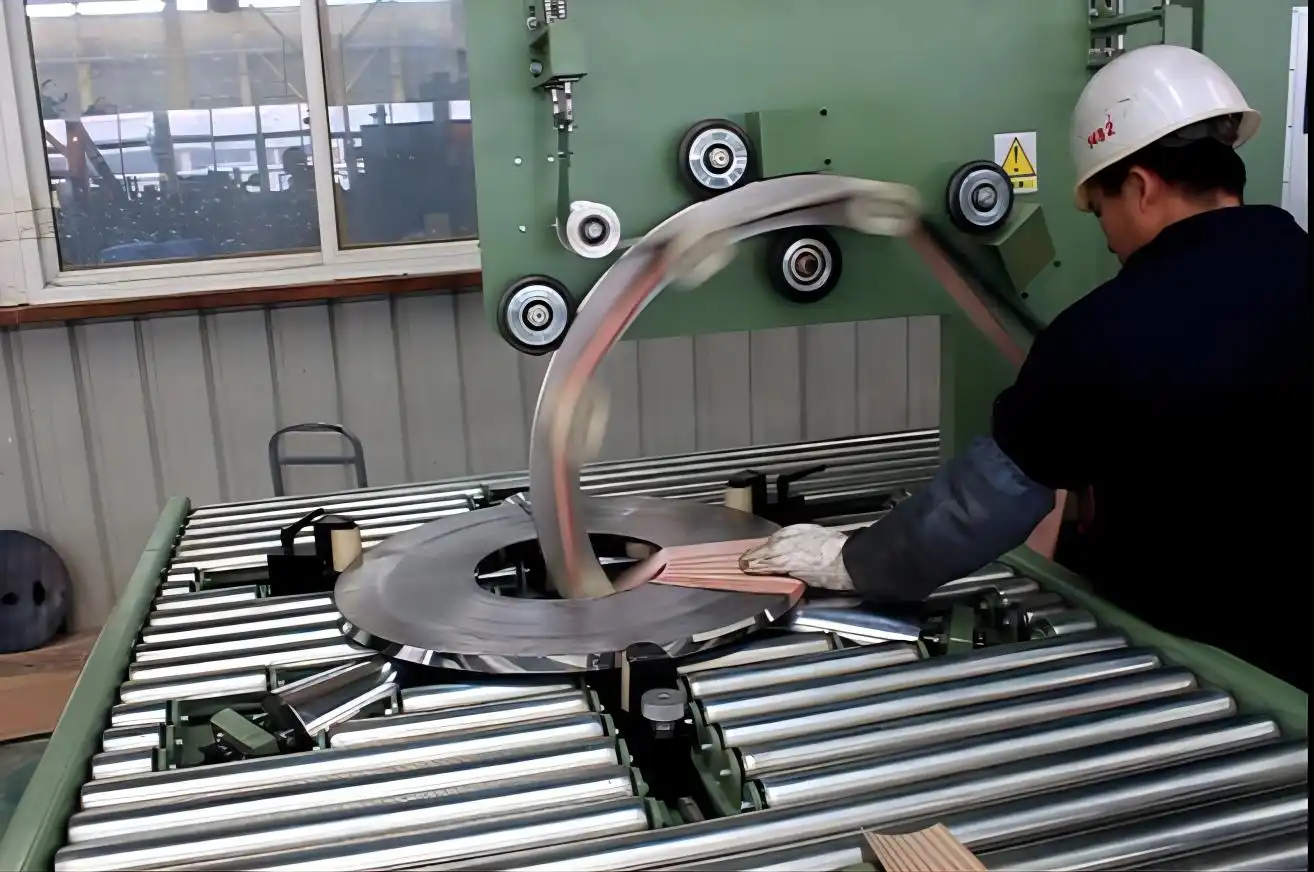
Understanding the real differences between these packaging solutions requires looking beyond basic specifications. Let’s examine the key factors that should guide your investment decision, drawing from my two decades of experience helping metal processors optimize their packaging operations.
1. What Exactly Defines an Integrated Packing Line Versus a Standalone Machine?
Many factory managers use the terms "integrated line" and "standalone machine" interchangeably, but they represent fundamentally different approaches to packaging. This confusion often leads to purchasing decisions that don’t align with actual production needs.
An integrated packing line combines multiple packaging functions into a single automated system, while a standalone strapping machine performs only the strapping operation and requires manual material handling between processes. Integrated systems handle the complete workflow – from product feeding through wrapping, strapping, and final discharge – with minimal human intervention. Standalone machines focus exclusively on applying straps to products that workers must position manually.
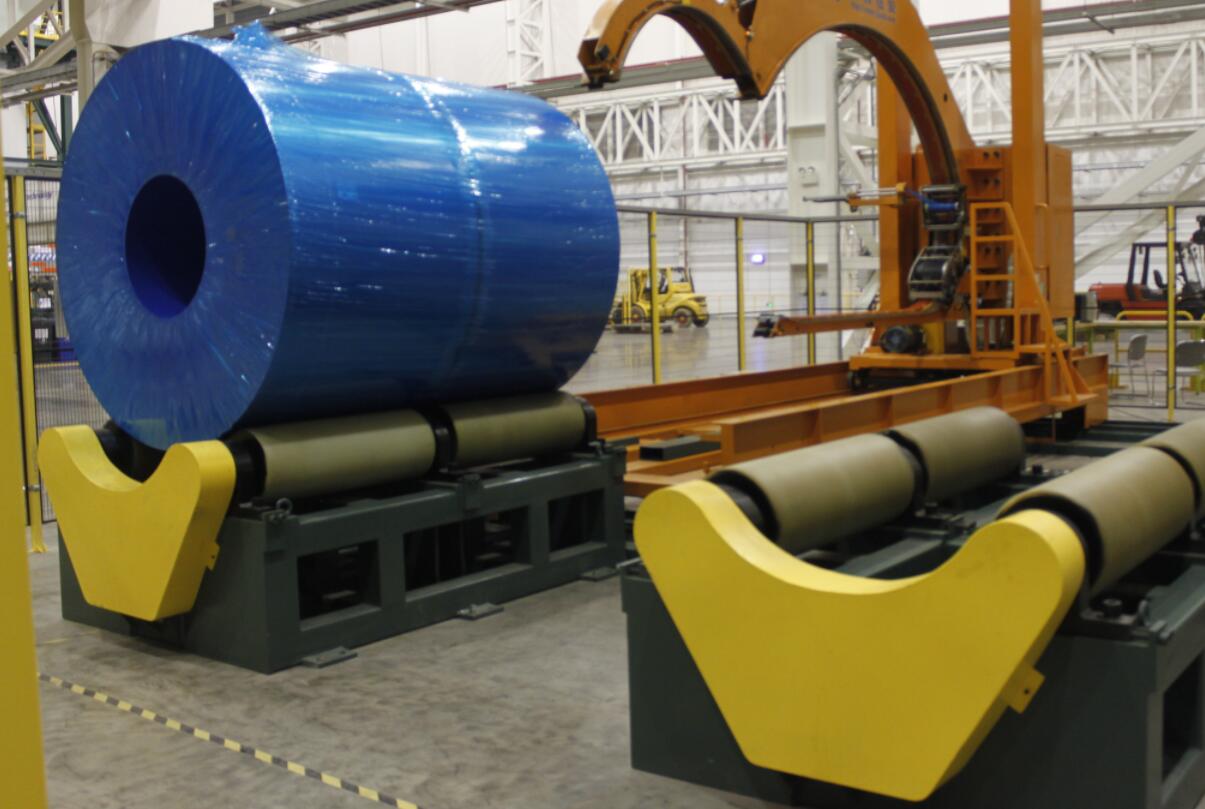
🔄 Process Flow Comparison
Let’s break down the operational differences using a typical steel coil packaging scenario:
| Process Stage | Integrated Line | Standalone Machine |
|---|---|---|
| Material Feeding | Automatic conveyor system | Manual forklift operation |
| Positioning | Automated centering | Manual adjustment |
| Wrapping | Integrated film wrapping | Separate manual process |
| Strapping | Automatic multiple straps | Single strap application |
| Discharge | Automatic to loading area | Manual forklift removal |
📊 Capacity and Labor Requirements
Integrated systems typically require only 1-2 operators to monitor the entire process, while standalone setups need 3-4 workers for manual handling. The labor savings alone often justify the higher initial investment in integrated equipment for operations running multiple shifts.
💡 Key Differentiators
- Automation Level: Integrated lines offer full automation; standalone machines provide partial automation
- Footprint: Integrated systems require more floor space but less operational area
- Changeover Time: Integrated lines feature quicker product size adjustments
- Consistency: Automated handling ensures uniform packaging quality
For metal processors dealing with heavy coils and wire products, the reduced manual handling with integrated systems directly addresses critical safety concerns while improving throughput. (automated packaging systems, integrated strapping solutions, coil packaging automation)
2. How Do Production Volume and Product Variety Influence Your Choice?
Selecting between integrated and standalone packaging equipment largely depends on your production patterns. A solution that works perfectly for high-volume, standardized products may prove inefficient for low-volume, customized orders.
High-volume operations with consistent product specifications benefit most from integrated packing lines, while facilities with frequent product changes or lower volumes often find standalone machines more practical. The efficiency gains from automation multiply with higher production volumes, making integrated systems economically justified for operations packaging hundreds of units per shift.
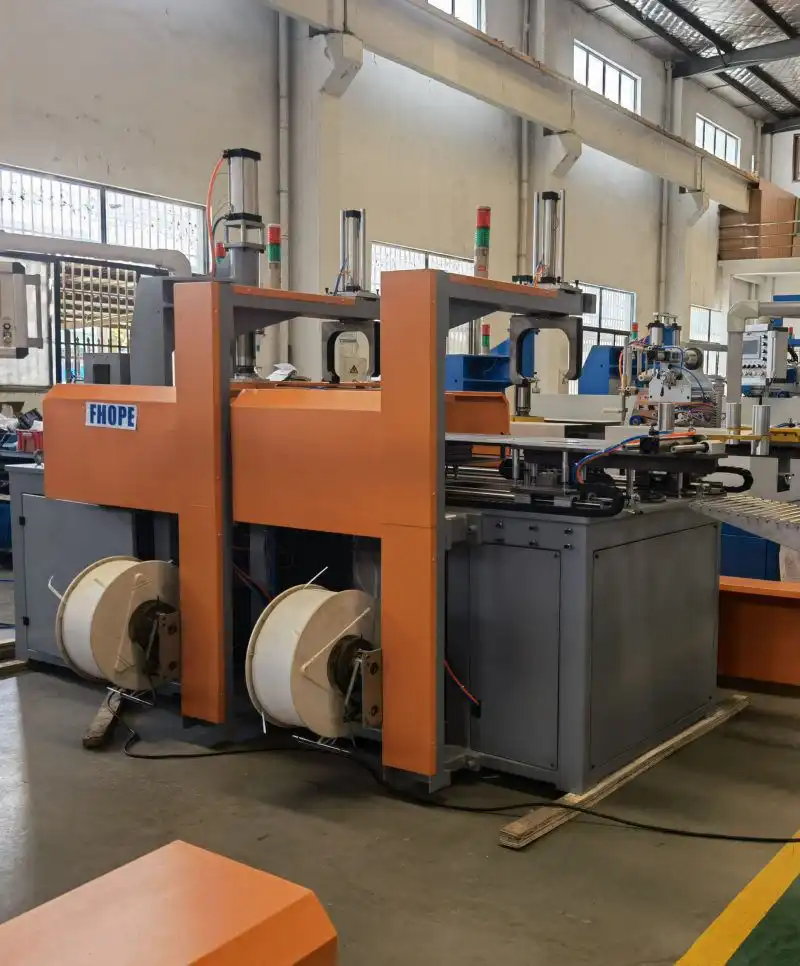
📈 Production Volume Analysis
Let’s examine how different production scenarios align with each packaging approach:
High-Volume Operations (Integrated Lines Preferred)
- Daily output: 200+ coils or wire bundles
- Product variation: Limited size range
- Shift pattern: Multiple shifts (16-24 hours daily)
- Labor cost: High wage regions
Medium-Volume Operations (Hybrid Approach)
- Daily output: 50-200 units
- Product variation: Moderate size variations
- Shift pattern: 1-2 shifts (8-16 hours daily)
- Labor cost: Medium wage regions
Low-Volume Operations (Standalone Machines Suitable)
- Daily output: Under 50 units
- Product variation: Frequent custom sizes
- Shift pattern: Single shift operation
- Labor cost: Lower wage regions
🔄 Changeover Considerations
Product variety significantly impacts equipment efficiency. Integrated lines from manufacturers like Fengding typically feature quick-change systems that adjust to different product sizes in minutes. Standalone machines require manual adjustments that can take considerably longer, reducing overall equipment effectiveness when handling diverse product ranges.
💰 Economic Factors
The business case for each option changes dramatically based on operational context:
- Labor Costs: Higher wage regions accelerate ROI for integrated systems
- Space Constraints: Compact facilities may favor standalone equipment
- Skill Availability: Automated systems reduce dependency on skilled operators
- Growth Projections: Expanding operations justify investment in scalable integrated lines
Metal processors must carefully analyze their product mix and growth trajectory before committing to either packaging approach. (production volume analysis, packaging equipment selection, manufacturing efficiency optimization)
3. What Are the True Cost Implications Beyond the Initial Purchase Price?
Many factory managers focus exclusively on the upfront equipment cost, overlooking the total cost of ownership that ultimately determines return on investment. The cheaper standalone machine often becomes more expensive over its operational lifespan.
Integrated packing lines typically have higher initial costs but lower operating expenses, while standalone strapping machines cost less upfront but incur significantly higher labor and operational costs over time. The total cost calculation must include equipment purchase, installation, labor, maintenance, consumables, and potential product damage from manual handling.
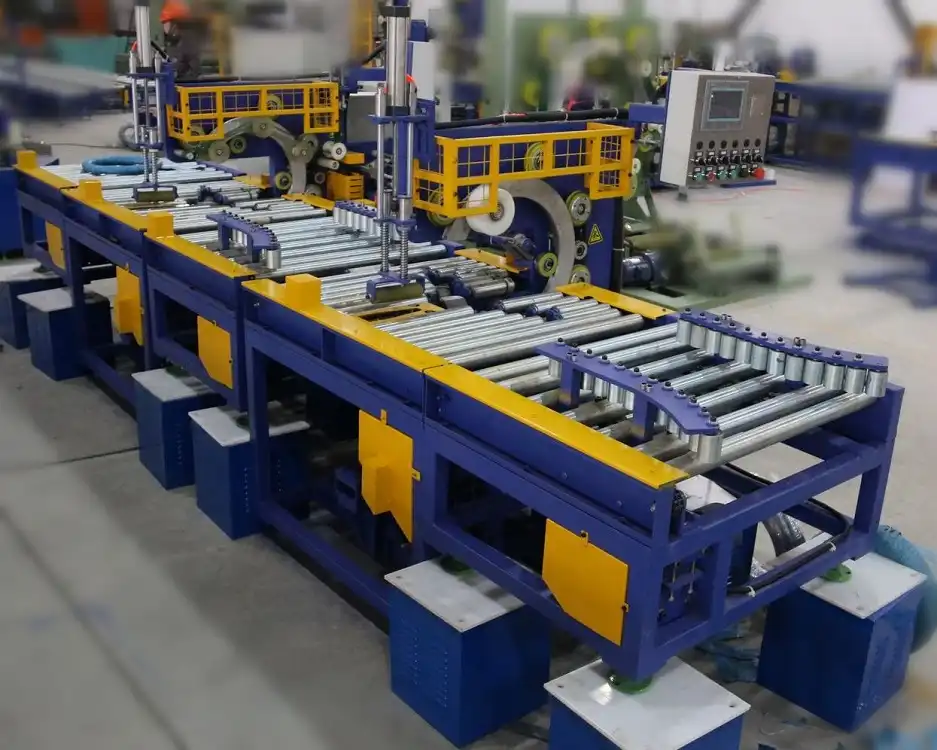
💵 Cost Breakdown Analysis
Let’s examine the five-year cost comparison for a typical metal processing operation:
Integrated Packing Line Costs
- Equipment Purchase: $150,000 – $300,000
- Installation: $20,000 – $40,000
- Annual Labor: $60,000 (1 operator)
- Maintenance: $5,000 annually
- Consumables: $8,000 annually
- Product Damage: Minimal
Standalone Strapping Machine Costs
- Equipment Purchase: $30,000 – $60,000
- Installation: $5,000 – $10,000
- Annual Labor: $180,000 (3 operators)
- Maintenance: $3,000 annually
- Consumables: $10,000 annually
- Product Damage: $15,000 annually
📉 Hidden Cost Factors
Several less obvious expenses impact total ownership costs:
- Training Expenses: Integrated systems require more initial training but less ongoing training
- Safety Compliance: Automated handling reduces workplace injury costs and insurance premiums
- Energy Consumption: Integrated lines often use more power but less total energy per unit packaged
- Floor Space: Integrated systems may require more space but enable better workflow organization
🔧 Maintenance and Reliability
From my experience working with manufacturers like Fengding and Wuxi Buhei, integrated systems typically feature more robust construction and higher-quality components than entry-level standalone machines. This translates to better reliability and less production downtime, though maintenance requires more specialized technical knowledge.
📊 ROI Calculation Example
A typical integrated system costing $200,000 with annual labor savings of $120,000 achieves payback in approximately 20 months, not including savings from reduced product damage and improved throughput. The financial analysis becomes increasingly favorable for operations running multiple shifts. (packaging equipment ROI, total cost of ownership, manufacturing cost analysis)
4. How Does Each Option Address Safety and Workforce Challenges?
Worker safety represents both a moral imperative and significant business concern for metal processing operations. The packaging area often presents the highest injury risk due to manual handling of heavy products and repetitive motion tasks.
Integrated packing lines dramatically improve workplace safety by eliminating most manual handling, while standalone strapping machines keep workers in direct contact with heavy products throughout the packaging process. Automated systems remove employees from the most dangerous aspects of packaging operations, particularly when handling heavy coils or sharp-edged metal products.
⚠️ Risk Factor Comparison
Manual Handling Risks (Standalone Machines)
- Musculoskeletal injuries from lifting heavy coils
- Crush injuries during product positioning
- Repetitive strain from continuous strapping motions
- Impact injuries from falling products
Automated System Advantages (Integrated Lines)
- Minimal heavy lifting with automated conveyors
- Engineered guards prevent access to moving parts
- Ergonomic operator stations reduce strain
- Consistent processes eliminate variability
🛡️ Safety Implementation Strategies
Successful safety improvements require both equipment selection and procedural adjustments:
- Engineering Controls: Integrated systems provide the highest level of protection
- Administrative Controls: Work procedures must complement equipment capabilities
- Personal Protective Equipment: Required regardless of automation level
- Safety Training: Operators need different skills for automated versus manual systems
👥 Workforce Impact
The transition to automated packaging affects your workforce in multiple dimensions:
- Skill Requirements: Integrated systems need technical operators rather than manual laborers
- Staffing Levels: Automation typically reduces packaging crew size by 50-70%
- Employee Satisfaction: Eliminating repetitive heavy lifting improves morale and retention
- Training Investment: Integrated systems require more extensive initial training
📈 Safety Return on Investment
Beyond preventing human suffering, safety improvements deliver measurable business benefits:
- Reduced insurance premiums through better experience modifiers
- Lower workers’ compensation claims and associated costs
- Decreased absenteeism from work-related injuries
- Improved productivity from healthier workforce
Metal processors should view safety improvements as investments rather than expenses, with integrated packaging systems representing the most comprehensive approach to protecting both workers and profitability. (workplace safety automation, packaging injury prevention, manufacturing safety equipment)
Conclusion
Choose integrated packing lines for high-volume metal processing needing maximum efficiency and safety, while standalone machines suit smaller operations with budget constraints. For most manufacturers, steel coil packing line systems deliver superior long-term value despite higher initial investment.


