Inline Wire Coil Packing Machine vs Standalone System — Which One Fits Your Factory?
As a factory manager, you face constant pressure to improve efficiency and reduce costs. Every decision you make about equipment can impact your bottom line. When it comes to packaging systems for wire coils, the choice between inline and standalone machines is particularly crucial. This decision affects your entire production flow, from raw materials to finished products ready for shipment. Many managers struggle with this choice because they don’t fully understand how each system aligns with their specific operational needs and factory layout.
The right choice depends entirely on your factory’s specific production volume, available space, and automation goals – inline systems integrate directly into your production line for high-volume operations, while standalone units offer flexibility for smaller batches or specialized packaging requirements. 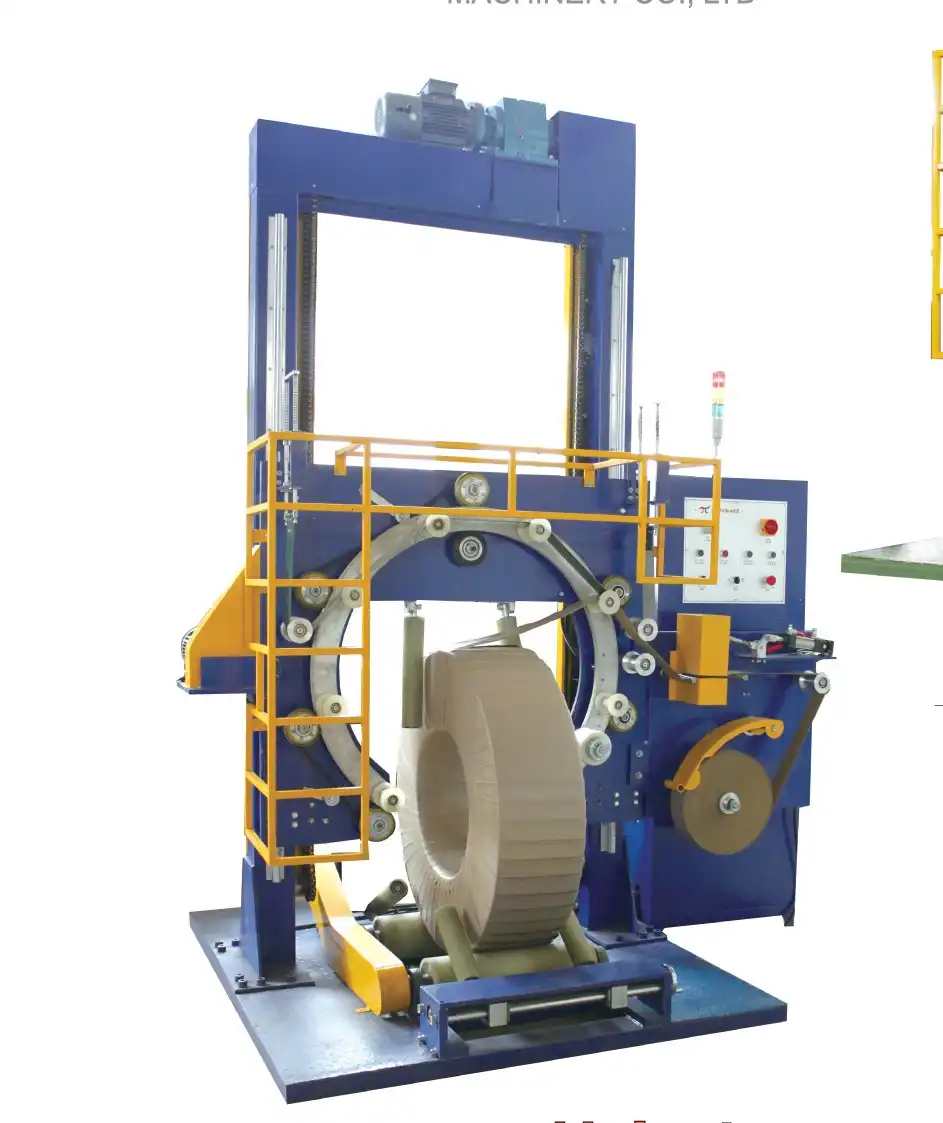
Understanding the differences between these two packaging approaches requires looking beyond just the equipment specifications. You need to consider how each system impacts your workflow, staffing requirements, and long-term operational costs. Let’s explore the key factors that will help you make the right investment decision for your metal processing facility.
1. What Exactly Are Inline and Standalone Packaging Systems?
Picture this: It’s 3 PM on a Friday, and your production line suddenly stops because the packaging department can’t keep up with the output. The finished wire coils are piling up, and your shipping schedule is at risk. This frustrating scenario happens more often than you might think, and it usually stems from choosing the wrong type of packaging system for your factory’s needs. The fundamental difference between inline and standalone systems lies in their integration level with your production process.
Inline packaging systems are directly connected to your production line, automatically receiving, packaging, and palletizing wire coils as they come off the manufacturing process, while standalone systems operate independently, requiring manual transfer of coils to a separate packaging station. 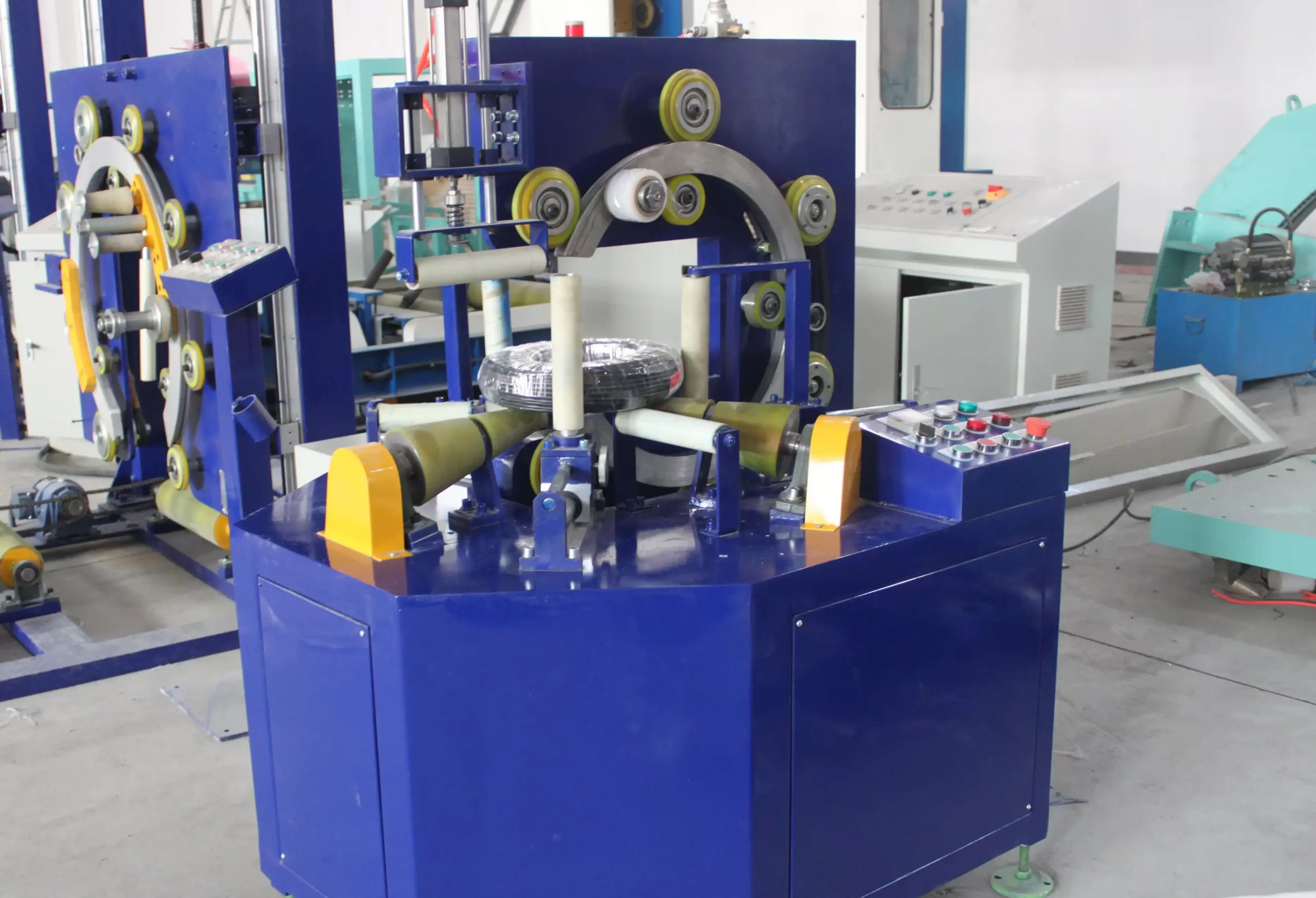
🔄 Integration Level Comparison
| Feature | Inline System | Standalone System |
|---|---|---|
| Connection to Production | Directly linked | Separate operation |
| Manual Handling Required | Minimal to none | Significant |
| Space Requirements | Linear layout | Dedicated area |
| Automation Level | High | Medium to low |
| Changeover Time | Quick adjustments | Manual setup |
Inline systems work like an extension of your production line. When a wire coil completes the manufacturing process, it automatically moves into the packaging system without human intervention. The coil gets wrapped, labeled, and prepared for shipping in one continuous flow. This approach minimizes handling and reduces the risk of product damage during transfer between departments.
Standalone systems, meanwhile, function as independent units. Your workers must physically move finished coils from the production area to the packaging station. While this requires more manual labor, it offers greater flexibility for factories with limited space or those that package different product types throughout the day.
🏭 Real-World Applications
I’ve visited factories using both approaches. One client, a medium-sized steel wire manufacturer, struggled with their standalone system for years. They had three workers dedicated to moving coils between production and packaging. After switching to an inline system from Fengding, they reduced packaging labor by 70% and eliminated product damage during transfer. Another client with highly variable production volumes preferred their standalone Wuxi Buhui system because it allowed them to package different coil sizes throughout the day without stopping the main production line.
The integration decision ultimately comes down to your production consistency and layout constraints. High-volume operations with standardized products benefit most from inline systems, while mixed-production environments often find standalone units more practical. (automated coil packaging solutions, integrated packaging systems, production line packaging equipment)
2. How Do Space Requirements and Layout Considerations Differ?
Walking through your factory, you notice valuable floor space being underutilized. In one corner, workers manually move coils between stations, creating traffic bottlenecks. In another area, packaging materials clutter the aisles. Space optimization becomes critical when deciding between inline and standalone packaging systems, as each approach demands different spatial configurations and affects material flow differently.
Inline systems require linear space along your existing production line but eliminate the need for separate packaging areas, while standalone units need dedicated floor space but offer more flexible placement options within your factory layout. 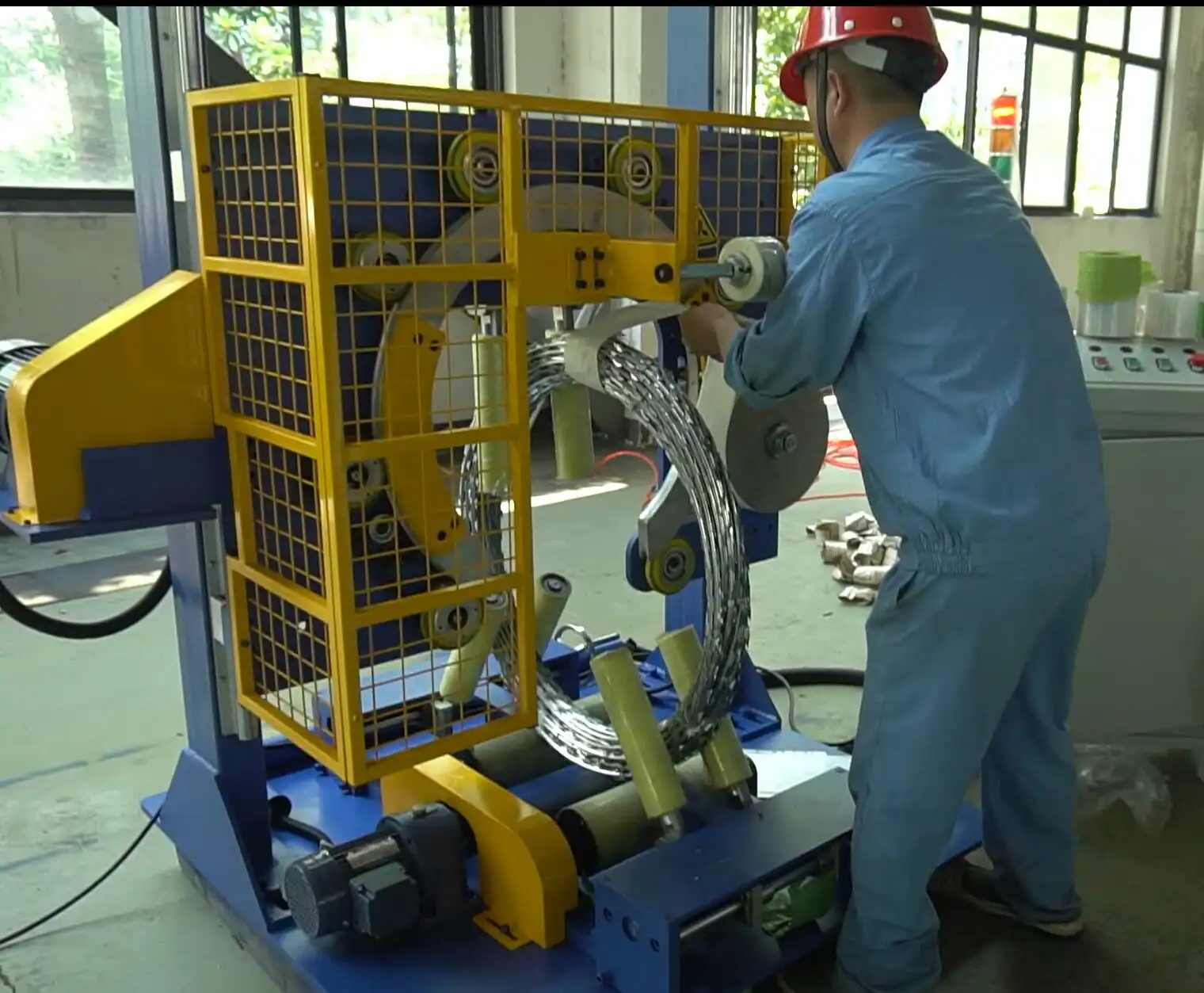
📐 Spatial Configuration Analysis
Inline System Footprint
- Length Requirements: Typically 10-15 meters of continuous space
- Width Considerations: Matches your production line width (usually 3-5 meters)
- Height Clearance: Standard ceiling heights sufficient (4-5 meters)
- Access Requirements: Maintenance access from sides only
- Utility Connections: Integrated with main production utilities
Inline packaging systems extend your existing production line, which means they don’t require separate floor space. However, they do demand continuous linear space that might not be available in older facilities with segmented production areas. The advantage is the elimination of transfer distances between manufacturing and packaging operations.
Standalone System Footprint
- Area Requirements: 6×8 meter dedicated space minimum
- Placement Flexibility: Can be located anywhere with material access
- Clearance Needs: 360-degree access for material handling
- Utility Considerations: Independent power and air requirements
- Storage Integration: Packaging material storage nearby
Standalone systems offer placement flexibility but consume dedicated floor space. This can be advantageous in facilities where production lines are already maxed out or where packaging occurs in batches rather than continuously. The ability to position the packaging station near shipping docks or storage areas can streamline material handling.
🗺️ Layout Impact Scenarios
I recently consulted with a factory that had limited length availability but ample width. Their production line ended near a wall, making inline system installation challenging. We opted for a Fengding standalone system positioned perpendicular to the production flow, with a simple transfer conveyor bridging the gap. This hybrid approach gave them most benefits of inline automation without major facility modifications.
Another client with a long, straight production layout chose an inline system that eliminated three manual transfer points. They reclaimed 200 square meters of floor space previously used for interim coil storage and improved workflow efficiency by 40%.
Consider your current material flow patterns and identify bottlenecks. Measure available space not just in square meters but also consider ceiling height, column placements, and door access. Sometimes the optimal solution combines elements of both approaches. (factory layout optimization, packaging equipment space requirements, production floor planning)
3. Which System Delivers Better ROI for Your Production Volume?
Your accounting team wants justification for the capital expenditure, while operations needs equipment that won’t become obsolete as production grows. This tension between financial prudence and operational needs makes ROI analysis critical when choosing between inline and standalone packaging systems. The right financial decision varies significantly based on your production volumes, labor costs, and growth projections.
For high-volume operations exceeding 500 coils per shift, inline systems typically deliver superior ROI through labor reduction and efficiency gains, while standalone systems offer better financial returns for operations packaging under 200 coils daily or with highly variable production schedules. 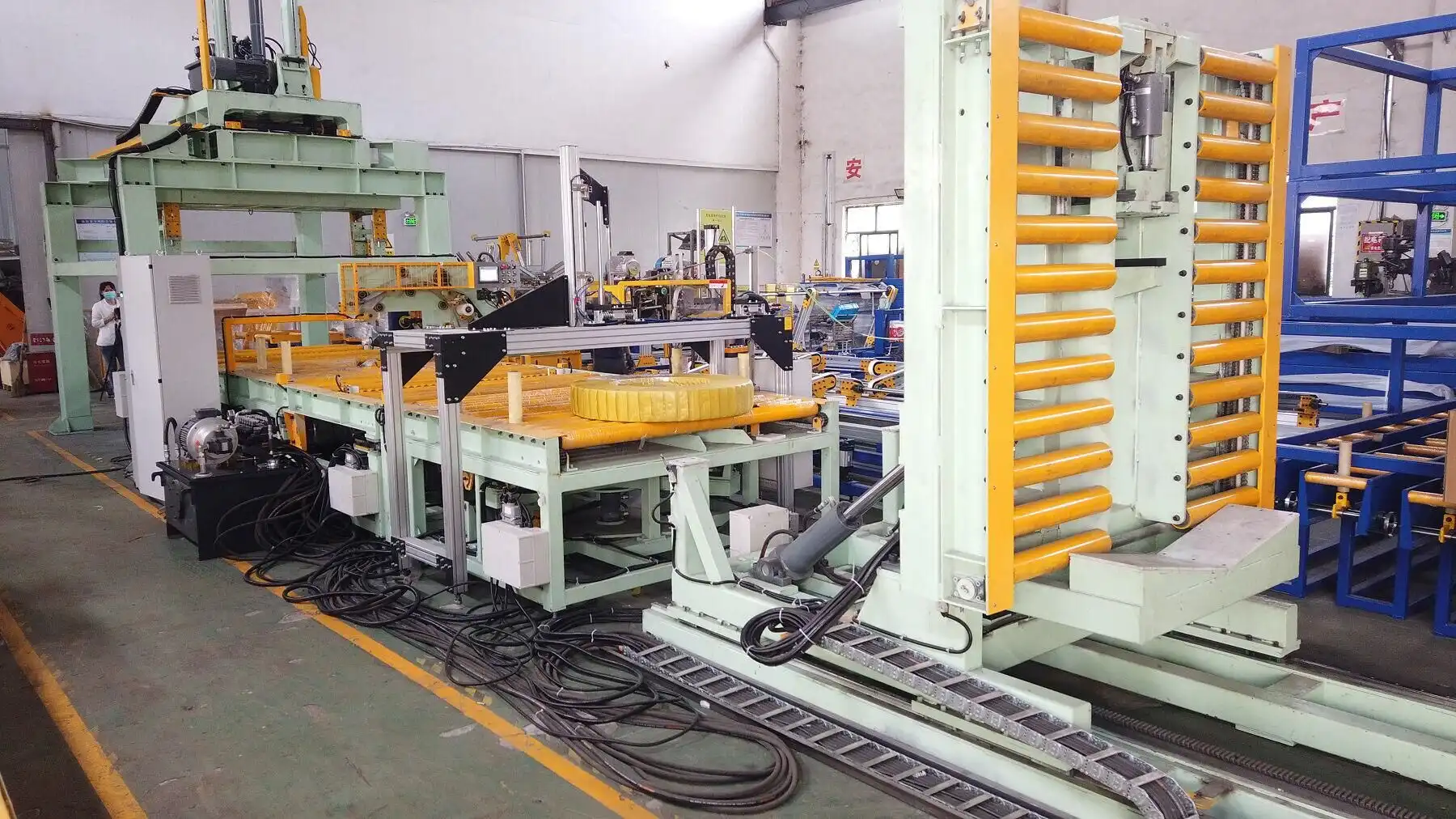
💰 Cost Breakdown Comparison
Initial Investment
- Inline Systems: Higher upfront cost ($150,000-$300,000)
- Standalone Systems: Lower initial investment ($80,000-$150,000)
- Installation Costs: Inline typically 20-30% of equipment cost vs. 10-15% for standalone
- Infrastructure Requirements: Both may need foundation work and utility upgrades
Operational Expenses
- Labor Costs: Inline reduces packaging labor by 60-80%
- Maintenance: Comparable (2-3% of initial cost annually)
- Energy Consumption: Similar for equivalent throughput
- Consumables: Identical for same packaging materials
📊 Production Volume Analysis
| Daily Coil Volume | Recommended System | Payback Period | Key Financial Benefits |
|---|---|---|---|
| < 100 coils | Standalone | 18-24 months | Lower capital risk, flexibility |
| 100-300 coils | Either option | 12-18 months | Balance of efficiency and cost |
| 300-500 coils | Inline preferred | 10-15 months | Labor savings justify investment |
| > 500 coils | Inline essential | 8-12 months | Maximum efficiency gains |
🏭 Real ROI Case Studies
A client packaging 400 steel coils daily was considering both options. Their standalone system required 4 operators per shift at $25/hour each. The inline Fengding system needed only 1 operator, saving $2,700 weekly in direct labor. With a $200,000 investment difference, the payback period was just 14 months. They also gained 15% higher throughput from continuous operation.
Another manufacturer with highly seasonal demand (150-600 coils daily) chose a Wuxi Buhui standalone system. The lower capital investment made financial sense given their fluctuating volumes. During peak seasons, they run multiple shifts on the packaging line, while during slower periods, they can operate with minimal staffing without underutilizing expensive equipment.
Consider not just current volumes but projected growth. If you expect significant volume increases within 3-5 years, investing in an inline system now might be wiser than outgrowing a standalone unit and facing another capital decision sooner than anticipated. (packaging equipment ROI, production volume analysis, capital investment justification)
4. How Does Each System Address Safety and Workforce Considerations?
Last month, one of your experienced workers strained his back moving a 500kg coil to the packaging station. He’ll be out for six weeks, and you’re dealing with workers’ compensation claims and training temporary replacements. Safety considerations often become the deciding factor between inline and standalone packaging systems, affecting not just compliance costs but also workforce morale and retention.
Inline systems significantly enhance worker safety by eliminating manual coil handling and reducing ergonomic risks, while standalone systems require comprehensive safety protocols and mechanical assistance devices to maintain safe working conditions during material transfer operations.
⚠️ Risk Assessment Comparison
Manual Handling Risks
- Inline Systems: Minimal manual coil contact
- Standalone Systems: Frequent heavy lifting required
- Repetitive Motion: Both systems have some repetitive tasks
- Pinch Points: Similar engineering controls needed
- Noise Exposure: Comparable with proper enclosures
Ergonomic Considerations
- Inline Systems: Operators primarily monitor and maintain
- Standalone Systems: Loading/unloading requires bending, twisting
- Work Height: Both adjustable for proper ergonomics
- Control Placement: Optimized for comfortable operation
🛡️ Safety Feature Implementation
| Safety Aspect | Inline System Solutions | Standalone System Solutions |
|---|---|---|
| Heavy Lifting | Automated transfer | Lift assists, cranes |
| Repetitive Stress | Job rotation, automation | Ergonomic tools, rotation |
| Machine Guarding | Integrated safeguards | Perimeter guarding |
| Emergency Stops | Multiple access points | Localized controls |
| Maintenance Safety | Lockout/tagout systems | Same protocols |
👥 Workforce Impact Analysis
I’ve observed that factories implementing inline systems typically experience 60-70% reduction in packaging-related injuries. The Fengding inline system at one client’s facility completely eliminated manual coil handling, resulting in zero recordable injuries in the packaging department over three years. Their workers transitioned from physically demanding roles to equipment monitoring and maintenance positions, improving job satisfaction and retention.
Standalone systems require more deliberate safety management. One successful approach I’ve seen involves equipping standalone stations with vacuum lifters or manipulator arms. A client using a Wuxi Buhui standalone system implemented comprehensive training and mechanical assists, reducing their injury rate by 40% compared to completely manual operations.
Consider your workforce demographics and existing safety culture. Older facilities with experienced workers might adapt better to standalone systems with proper assists, while newer operations or those with high turnover often benefit from the inherent safety of inline automation. The right choice balances safety improvements with practical implementation considerations for your specific workforce. (packaging safety standards, ergonomic packaging equipment, workforce protection systems)
Conclusion
Choosing between inline and standalone packaging systems requires careful evaluation of your production volume, factory layout, and safety priorities. The right steel coil packing line investment will boost efficiency while protecting your workers and bottom line.


