Inline Steel Wire Packing Line vs Standalone System — Which Fits Your Needs?
Are you a factory manager like Michael, constantly battling with slow production, safety risks, and product damage in your packing process? Does the thought of yet another inefficient packing system or an unreliable supplier keep you up at night? I understand these frustrations deeply because I have walked in your shoes, from the factory floor to building my own successful packing machine factory. You need a solution that truly solves your pain points, not just another piece of equipment.
Choosing between an inline steel wire packing line and a standalone system is a critical decision that impacts your entire operation, from efficiency and safety to cost and product quality. Generally, an inline system offers seamless, high-volume integration for continuous production, ideal for new factories or complete line overhauls. In contrast, a standalone system provides flexibility and is often better suited for existing operations needing to upgrade specific sections or handle diverse product types and lower volumes.

Deciding which system is right for your factory, especially in heavy industries like steel processing, requires careful thought. This is not just about buying a machine; it’s about investing in a partner who understands your challenges. Let’s dive deeper into the differences and help you find the best fit for your production line, improve your operational flow, and ensure your team’s safety.
1. What are the fundamental differences between inline and standalone packing systems?
You are likely looking at ways to make your factory run smoother and safer. You might be weighing the options for upgrading your packaging. But what really sets an inline packing line apart from a standalone machine? This is not just a technical question. It directly impacts your production flow and how your team works.
An inline steel wire packing line is a fully integrated, automated system designed to connect directly with your existing production processes, moving products seamlessly from manufacturing to packaging without manual intervention. A standalone packing system operates independently, allowing for greater flexibility in placement and use, often requiring some manual feeding or transfer of products between stages.
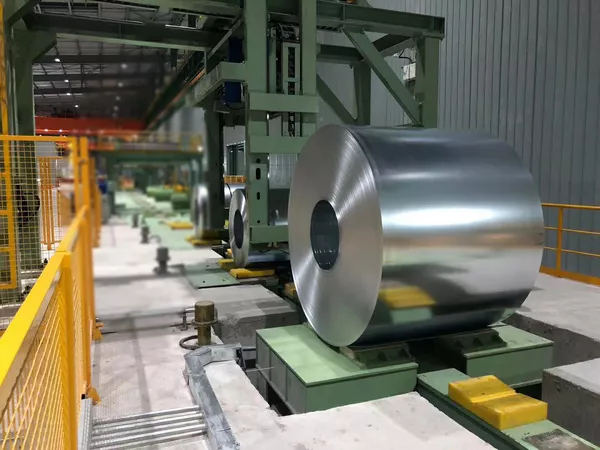
My journey in the packing machine industry has shown me how these differences play out in real factories. I have seen how a well-integrated inline system can transform a chaotic production area into a lean, efficient operation. I have also seen the benefits of a robust standalone unit in factories that need more adaptability. Understanding these core differences is the first step to making an informed decision that truly benefits your business, reduces labor costs, and boosts output.
Understanding the Core Distinctions
Let’s break down the main points that separate these two types of packing solutions. It’s important to look at more than just the machine itself. We need to think about how it fits into your factory’s entire ecosystem.
-
Integration and Automation Level:
- Inline System: This system is like a perfectly tuned orchestra. Each part works together. It takes the steel wire coils directly from your production line. It then moves them through various steps: strapping, wrapping, weighing, and labeling. This happens without any human touching the product. It reduces bottlenecks and minimizes the need for manual labor. This level of automation can significantly lower your operational costs and improve throughput.
- Standalone System: Think of this as a powerful solo performer. It handles specific packing tasks. You might feed it manually or with simple conveyors. It does its job and then the product moves to the next stage. It offers good performance for its specific task. But it does not connect directly to the upstream or downstream processes automatically. It gives you more control over individual packing steps.
- Example: A factory like Michael’s, producing heavy steel coils, would see a massive shift in safety and efficiency with an inline system. It eliminates dangerous manual handling. It cuts down on the risk of product damage during transfers.
- Key Benefit: Inline systems boost overall production efficiency and reduce human error. Standalone systems provide task-specific solutions and flexibility. (packing machine integration, automated packaging lines)
-
Footprint and Layout Requirements:
- Inline System: These systems need a dedicated space. They often span a longer area in your factory. They are designed to fit into a continuous flow. This means you need to plan your factory layout carefully. They are ideal for new facilities or major reconfigurations.
- Standalone System: These machines are more compact. You can place them where they are most needed. They fit into existing layouts without major changes. This is great if your factory space is limited. It is also good if you only need to upgrade one specific part of your packing process.
- Consideration: An inline system requires a larger initial layout commitment. A standalone offers more adaptable placement. (factory space optimization, packing machine footprint)
-
Flexibility vs. Specialization:
- Inline System: These systems are highly specialized. They are optimized for a particular product or a narrow range of products. They excel at doing one thing very well and very fast. They are less flexible if you need to pack many different types or sizes of items.
- Standalone System: These machines offer greater flexibility. You can use them for various products by changing settings or tooling. They might be slower for high-volume tasks. But they are more adaptable to changing production needs.
- Application: For a factory that consistently produces standard steel coils, an inline system is perfect. For a factory with diverse product lines or custom orders, a standalone unit might be more practical. (flexible packing solutions, specialized packaging equipment)
| Feature | Inline Steel Wire Packing Line | Standalone Packing System |
|---|---|---|
| Integration | Fully integrated with production line | Independent operation, often manual feeding |
| Automation | High, continuous flow, minimal human intervention | Task-specific automation, potential for manual steps |
| Efficiency | Maximized for continuous, high-volume production | Good for specific tasks, flexible for varied batches |
| Safety | Significantly reduced manual handling, lower injury risk | Reduces manual strain for specific tasks, but overall risk remains |
| Footprint | Larger, requires linear space for entire process | More compact, flexible placement within existing layouts |
| Flexibility | Less flexible, specialized for consistent product types | More flexible, adaptable for diverse product sizes/types |
| Cost | Higher initial investment, lower long-term operational costs (labor) | Lower initial investment, potentially higher labor costs |
| Best For | High-volume, standardized production, new factory lines | Mixed production, existing lines, specific process upgrades |
| Maintenance | Coordinated across the entire line | Each machine maintained individually |
Choosing the right system means looking at your current operations and future goals. Do you want to overhaul your entire packing process for maximum automation? Or do you need a targeted upgrade for a specific task? My experience tells me that understanding these distinctions will guide you to a solution that truly enhances your factory’s performance. (packing system comparison, operational efficiency)
2. How do inline systems improve efficiency and workflow in a factory setting?
Many factory managers, like Michael, are constantly looking for ways to boost output and streamline processes. The traditional methods of packing, often relying on manual labor, can be slow, inconsistent, and create bottlenecks. You might be asking yourself: Can a fully integrated system really make a big difference in my daily operations?
Inline steel wire packing lines significantly enhance efficiency by automating the entire packing process, eliminating manual bottlenecks, reducing product damage, and ensuring consistent output quality. This continuous flow system minimizes downtime between stages, lowers labor costs, and integrates directly with your production, creating a smoother, faster, and more reliable workflow in the factory.

When I first started in this industry, I saw many factories struggling with manual packing. The impact on overall production speed was huge. Later, when I built my own factory, I prioritized automation to avoid these issues. An inline system is not just about one machine; it’s about a complete philosophy of efficiency. It means fewer stops, fewer errors, and a more predictable output. This is crucial for meeting delivery schedules and keeping customers happy, especially in high-demand industries like steel manufacturing. (packing line automation, production workflow optimization)
The Transformative Impact of Inline Systems on Efficiency
Let’s explore the key ways an inline system can revolutionize your factory’s efficiency and workflow. It is more than just speed. It is about creating a smarter, more productive environment.
-
Seamless Integration and Continuous Flow:
- Imagine your steel coils moving from the production line straight into the packing process. There are no delays, no waiting, and no manual transfers. An inline system does exactly this. It connects each packing stage, from strapping to wrapping and labeling, into one continuous operation. This eliminates idle time between processes. It ensures a steady stream of finished products.
- Impact: This continuous flow dramatically speeds up the end-of-line process. It allows your upstream production to maintain its pace without slowdowns. This directly contributes to higher overall factory output. (continuous production lines, integrated packing solutions)
- 📊 Average Production Time Savings:
- Manual Packing: 10-15 minutes/coil
- Standalone System: 5-8 minutes/coil
- Inline System: 2-4 minutes/coil
- This shows a clear path to faster throughput for heavy goods like steel coils.
-
Reduction of Manual Labor and Associated Costs:
- One of the biggest benefits I saw from automation in my own factory was the reduction of heavy manual labor. Michael faces this challenge directly: his current processes rely on a lot of manual handling of heavy coils. This is slow and dangerous. An inline system automates these tasks. It handles the heavy lifting, the precise wrapping, and the secure strapping.
- Impact: Fewer workers are needed for repetitive, physically demanding tasks. This directly translates to lower labor costs. It also reduces the risk of workplace injuries. This is a huge factor for insurance costs and employee retention. It frees up skilled workers for more complex, value-added jobs. (labor cost reduction, automated material handling, factory safety improvements)
- 🧑🏭 Safety Benefits:
- Minimize heavy lifting.
- Reduce repetitive strain injuries.
- Lower worker exposure to moving machinery.
- Decrease insurance premiums related to workplace accidents.
- This is not just about saving money. It’s about creating a safer, more humane work environment for your team.
-
Consistent Quality and Reduced Product Damage:
- Manual packing often leads to inconsistencies. Products might be strapped too loosely or too tightly. This can cause damage, especially to sensitive edges of steel coils. My clients often shared concerns about product damage during internal transfer. This leads to customer complaints and lost profits. An inline system performs each packing step with precision and repeatability.
- Impact: Each steel coil receives the exact same, high-quality packing. This protects your product from damage during transit and storage. It ensures a professional appearance every time. Consistent quality builds customer trust and reduces costly reworks or returns. (product quality consistency, reduced transit damage, precise packaging)
- ✨ Quality Control Pillars:
- Standardized Wrapping Tension: Ensures coils are always secure.
- Accurate Strapping Placement: Prevents shifting and damage.
- Automated Labeling: Reduces errors in shipping information.
- Integrated Inspection: Some systems can detect flaws during packing.
- This attention to detail helps maintain your brand reputation and bottom line.
-
Better Data Collection and Process Control:
- Modern inline packing lines can integrate with your factory’s central control systems. They collect real-time data on production rates, material usage, and potential issues. This data is invaluable for continuous improvement.
- Impact: With accurate data, managers like Michael can make informed decisions. You can identify bottlenecks, optimize material flow, and predict maintenance needs. This proactive approach prevents major breakdowns and keeps your operations running smoothly. (real-time production data, process optimization, predictive maintenance)
By integrating an inline system, you are not just buying a machine. You are investing in a comprehensive solution that streamlines your entire packing process. It enhances safety, boosts efficiency, and ensures consistent quality. This proactive step helps your factory stay competitive and profitable. (factory automation benefits, operational excellence)
3. When does a standalone packing system make more sense for your operations?
You might be thinking about automation but feel a complete overhaul of your production line is too much right now. Perhaps your factory has unique challenges, like varied product sizes or limited space. Or maybe you need to upgrade just one specific part of your packing process without disrupting everything else. Is there a viable alternative to a fully integrated inline system?
A standalone packing system is often the more practical and cost-effective choice when a factory needs greater flexibility, has diverse product ranges, limited floor space, or aims for phased automation rather than a complete line overhaul. These systems excel at specific tasks, allowing targeted improvements to be made without disrupting an entire production workflow, and often represent a lower initial investment compared to full inline solutions.

My experience working with many different clients taught me that one size does not fit all. Sometimes, a standalone machine is the perfect fit. It offers targeted solutions for specific pain points. It lets you introduce automation gradually. This approach can be very appealing for factories that cannot afford downtime for a full installation. It is also good for those with evolving product needs. I always emphasize finding the right tool for the specific job, ensuring the investment truly solves your problems and helps your business grow. (flexible packing solutions, modular automation)
Strategic Advantages of Standalone Packing Systems
Let’s look at the specific scenarios where a standalone packing system really shines. These are situations where its flexibility and targeted approach provide clear benefits.
-
Flexibility for Varied Product Ranges and Low-Volume Production:
- If your factory handles many different sizes of steel coils or wires, or if you produce smaller batches of specialized items, an inline system can be overkill. It is designed for high-volume, standardized products. A standalone machine, like a specific steel coil wrapper or a wire strapper, can be easily adjusted. You can change settings quickly for different product dimensions.
- Impact: This adaptability means you do not need multiple specialized lines. You can use one machine to pack a wide array of products. This saves on equipment costs and makes your production more agile. It helps you meet diverse customer demands efficiently. (packaging versatility, low volume packaging)
- ⚙️ Adaptability Features:
- Adjustable Parameters: Easily change wrapping tension, speed, and cycle counts.
- Quick Changeover Tools: Minimize downtime when switching product sizes.
- Manual Override: Allows for custom or unusual product handling.
- Modular Design: Can be integrated later if needed, but stands alone for now.
- This flexibility is key for factories that serve niche markets or have fluctuating production demands.
-
Space Constraints and Existing Factory Layouts:
- Many factories, especially older ones or those with limited real estate, simply do not have the long, linear space needed for a full inline packing line. Trying to squeeze one in might require major structural changes. This means high costs and significant disruption. Standalone machines are typically more compact.
- Impact: You can place a standalone unit in an available corner or integrate it into an existing, tight workflow. This avoids expensive renovations and minimizes downtime. It allows you to automate specific tasks without re-engineering your entire factory floor plan. (compact packing machines, factory layout optimization)
- 📏 Space Efficiency:
- A typical standalone wrapper might need only a few square meters.
- An inline system often spans tens of meters, connecting multiple stations.
- This difference is critical for factories in Mexico or other regions with established plants.
-
Phased Automation and Lower Initial Investment:
- For many businesses, a large capital expenditure for a full inline system can be daunting. A standalone machine offers a way to introduce automation step by step. You can start by automating the most critical or dangerous manual task. For instance, addressing Michael’s challenge of manual heavy lifting. You could invest in an automated coil upender or a heavy-duty strapping machine first.
- Impact: This approach allows you to spread your investment over time. You can see the ROI from one machine before committing to more. It reduces financial risk. It also gives your team time to adapt to new technology without overwhelming them. This makes the transition smoother and more manageable. (phased automation strategy, cost-effective packaging solutions, ROI focus)
- 💰 Investment Strategy:
- Identify Bottleneck: Focus on the single worst process (e.g., manual strapping).
- Targeted Investment: Purchase a standalone machine for that specific task.
- Measure ROI: Track improvements in safety, speed, and cost savings.
- Expand Gradually: Add more standalone units or consider integration later.
- This strategy lets you gain immediate benefits while planning for future growth.
-
Reduced Risk and Easier Implementation:
- Implementing a full inline system is a complex project. It carries higher risks of installation delays and unforeseen technical issues. A standalone machine is much simpler to install and commission. It requires less integration effort.
- Impact: You can get a standalone unit up and running faster. This means quicker realization of benefits. If an issue arises with one machine, it does not shut down your entire production line. This localized impact is a significant advantage for maintaining operational continuity. (easier equipment implementation, reduced operational risk)
In my career, I’ve seen how valuable standalone systems are for specific situations. They provide a practical entry point into automation. They allow businesses to address key challenges without undertaking a massive project. For factories that prioritize flexibility, staged investment, or have space constraints, a standalone system can be the smartest choice. (packaging machinery investment, operational continuity)
4. What are the key factors to consider when choosing between these two systems?
Now that we have explored both inline and standalone systems, you are probably asking: How do I make the right choice for my factory? This is where my experience, both as an engineer and a factory owner, can really help. Making the wrong decision can lead to wasted investment and continued operational headaches. You need a clear framework to guide your decision.
When choosing between an inline steel wire packing line and a standalone system, consider your production volume, product variety, available floor space, budget, desired level of automation, and long-term growth plans. Evaluating these factors against your factory’s specific operational challenges and goals, such as improving safety, increasing output, and reducing costs, will lead to the most effective solution.
I have worked with countless clients, including factory managers like Michael, who were trying to navigate this exact decision. It is not just about the upfront cost. It is about understanding the total cost of ownership. It is about projecting future needs. It is about ensuring the chosen system truly solves your most pressing problems. Let me share the critical questions and factors I always bring up to help businesses make the best decision. (packing system selection, factory equipment investment)
My Expert Insight: A Decision Framework for Your Factory
Making this choice requires a holistic view of your operations. Here are the crucial factors I advise my clients to consider.
-
Current and Future Production Volume:
- Question: How many steel coils or wire bundles do you pack per day, week, or month? Do you expect this volume to grow significantly in the next 3-5 years?
- Insight:
- If you have high and consistent volume (e.g., hundreds or thousands of coils daily) and expect continued growth, an inline system is usually the most efficient. Its continuous flow prevents bottlenecks.
- If your volume is moderate to low, or if it fluctuates greatly, a standalone system might be more suitable. It offers the flexibility to handle varied outputs without idle capacity.
- Michael’s factory has efficiency bottlenecks due to manual processes. This suggests a push towards higher volume and consistency. (high volume packaging, production capacity planning)
-
Product Variety and Customization Needs:
- Question: Do you pack a single, standardized type of steel coil/wire? Or do you handle many different sizes, weights, and types that require frequent changeovers?
- Insight:
- For highly standardized products, an inline system designed for that specific range will deliver peak performance and consistency.
- For diverse product types requiring frequent adjustments, a standalone system offers the necessary flexibility and easier changeover times. This reduces setup time and complexity.
- Think about how often your production changes. Each changeover on an inline system can mean downtime. (product packaging versatility, custom packaging solutions)
-
Available Factory Floor Space and Layout:
- Question: How much physical space can you dedicate to a new packing system? Are there any major structural limitations in your current facility?
- Insight:
- Inline systems require significant linear space. They need a clear path for integration into your existing production line. They might require facility modifications.
- Standalone machines are more compact and can be strategically placed within existing layouts without major overhauls. This is a common advantage for established factories.
- Remember, I have seen factories in Mexico successfully integrate both types. It always comes down to careful planning. (factory space utilization, industrial plant layout)
-
Budget and Return on Investment (ROI):
- Question: What is your budget for this investment? What is your expected timeframe for seeing a return on this investment through cost savings and increased output?
- Insight:
- Inline systems generally have a higher initial capital cost. However, they offer significant long-term savings in labor, reduced product damage, and increased efficiency. This leads to a strong ROI over time.
- Standalone systems have a lower initial investment. They offer a quicker, more targeted ROI for specific problem areas. However, the overall operational savings might be less compared to a fully automated line.
- Michael’s goal is clear: lower labor costs, reduce product loss, and improve overall profitability. He needs clear ROI. (packaging machinery cost, capital expenditure, financial ROI)
-
Desired Level of Automation and Control:
- Question: Do you want a fully hands-off packing process, or do you prefer to maintain some manual control at certain stages?
- Insight:
- If your goal is maximum automation and minimal human intervention for heavy, hazardous tasks, an inline system is the way to go. This significantly improves worker safety.
- If you need specific task automation or want to introduce automation gradually, a standalone system allows for this controlled approach. It lets your team adapt over time.
- Safety is a huge concern for Michael due to manual handling. An inline system addresses this more comprehensively.
-
Long-Term Growth and Scalability:
- Question: What are your business growth plans for the next 5-10 years? Will your packing needs change as your company expands?
- Insight:
- An inline system often represents a larger, more future-proof investment for high-growth companies with consistent product lines. It provides a robust foundation for scaling production.
- Standalone systems can be more easily upgraded or supplemented as needs change. They offer modularity. You can add more units or integrate them into a larger system later.
- Consider where you want your factory to be in five years. Your packing solution should support that vision.
By honestly assessing these factors, you can make a decision that not only addresses your current challenges but also positions your factory for future success. As your partner, I can help you navigate these complex choices to ensure your investment pays off. (strategic planning, future-proofing technology)
Conclusion
Choosing between an inline and standalone packing system depends on your factory’s unique needs, volume, space, and budget. Both have distinct advantages for improving efficiency and safety. By carefully evaluating your operational goals, you can invest in the right steel coil packing line to drive your business forward.


