Industrial Modernization in Turkey | Automatic Steel Coil Packing Line Enhances Metal Processing Productivity
The metal processing industry in Turkey faces big demands. Factories are always looking for new ways to get more done and keep their costs down. But old ways of packing steel coils and wire can slow things down, make work unsafe, and even damage products. This leads to lost money and unhappy customers. Many factory managers, just like Michael Chen, struggle with these exact issues every day. They want to move forward, but finding the right path is hard.
Automatic steel coil packing lines are key to modernization in Turkey’s metal processing sector because they boost efficiency, improve worker safety, and cut operational costs significantly. These advanced systems replace slow, dangerous manual work with fast, precise automation. This helps Turkish factories meet high production goals and reduce product damage, making them more competitive.
This article will show you how these machines are changing things. We will look at the real benefits they bring, not just in speed, but in safety and your bottom line. Keep reading to see how your factory can lead the way in Turkey’s industrial growth.
1. How Can Turkey’s Metal Industry Benefit from Automatic Coil Packing Lines?
Many factories in Turkey’s metal industry are still using old packing methods. This can cause problems. It makes production slower and less effective. Managers are always looking for better ways to work and to stay ahead. They know that new technology is the key to solving old problems and growing their business.
Turkey’s metal industry can greatly benefit from automatic coil packing lines by speeding up production, reducing labor needs, and ensuring consistent, high-quality packaging for steel coils and wire. These systems allow factories to handle more products faster, with less effort. This means they can meet bigger orders and deliver products quicker to customers, both locally and internationally.

Let me tell you, I started my journey working on the factory floor. I saw first-hand the challenges of manual packing. It was clear then, and it is even clearer now, that automation is not just an upgrade; it is a necessity for growth. Modern automatic packing lines help factories in Turkey become more efficient, secure, and ready for the global market. They bring many advantages that change how a factory operates every day.
Automated Solutions for Turkish Metal Factories 🇹🇷
The switch to automatic packing lines means big changes for metal processing plants in Turkey. It is about more than just a new machine. It is about rethinking how products move through the factory and how workers do their jobs. My experience setting up packing machine factories taught me that clear planning makes a big difference.
- Increased Throughput: Manual packing is slow. Workers need to lift, wrap, and secure heavy coils by hand. This takes time. An automatic line can do the same job much faster. It packs many coils in the time it takes a person to pack one. This means the factory can produce and ship more products each day. This is very important for meeting big orders. (high volume production, faster packing speed)
- ✅ Faster Cycle Times: Machines work nonstop. They do not get tired. This keeps the production flow smooth and constant.
- ✅ Higher Output Capacity: More products move through the line. This helps factories handle bigger demands.
- Reduced Labor Dependence: Manual packing needs many workers. These workers have hard jobs. They lift heavy items. This can lead to injuries and staff turnover. Automatic systems do the heavy lifting. They need fewer people to watch and manage them. This frees up workers for other, less physical tasks. This also helps with the cost of labor. (labor cost reduction, optimized workforce)
- 💡 Optimized Staffing: Workers can move to skilled roles. They can manage machines or do quality checks.
- 💡 Reduced Overtime Costs: Machines work without extra pay. This lowers overall labor expenses.
- Consistent Quality and Appearance: When people pack, the quality can vary. Some packs are tighter. Some wraps are not as neat. Machines pack every coil the same way. The wrapping is always tight and secure. This makes the product look better. It also protects the product better during shipping. Customers get a consistent, high-quality product every time. (uniform packaging, product presentation)
- ✨ Professional Finish: Every coil looks perfectly wrapped. This builds customer trust.
- ✨ Better Protection: Consistent wrapping stops damage. This reduces customer complaints.
These benefits are crucial for factories like Michael’s. He wants to boost output and cut costs. Automatic coil packing lines provide clear answers to these challenges. They help factories modernize and become more competitive. This is what I have seen over and over in the industry.
2. What Specific Productivity Gains Do Automated Packing Systems Bring?
Many factory managers worry about their current production line. Bottlenecks at the end of the line are common. Manual packing often causes these slowdowns. This impacts how quickly products can leave the factory. Managers want to make sure every part of their operation works smoothly and quickly. They need real improvements that show up in their daily output.
Automated packing systems bring significant productivity gains by eliminating bottlenecks, speeding up cycle times, and ensuring continuous operation in metal processing plants. They allow factories to handle higher volumes of steel coils and wire without interruption. This directly translates to faster order fulfillment and improved overall factory output, making the entire production chain more effective.

In my years, from being an employee to running my own packing machine factory, I saw how much time was wasted at the packing stage. It was the last hurdle before products shipped, and often the slowest. Investing in automation here changes everything. It is like opening a clear path after a long, winding road. These systems do more than just pack; they optimize the entire flow of production.
Measuring the Impact: Real Productivity Boosts 📈
When we talk about productivity, we are talking about how much a factory can produce in a given amount of time. Automated systems make a big difference here. They do this by making every step of the packing process faster and more reliable.
- Elimination of Production Bottlenecks: Manual packing is often the slowest part of the process. If the production line is making coils faster than they can be packed, a bottleneck forms. This slows down the entire factory. Automated systems pack coils at the speed of the production line. This keeps everything moving smoothly. It removes the waiting time that used to hold things up. (streamlined workflow, continuous operation)
- ⏱️ Increased Flow Rate: Products move from production to shipping without delay.
- ⏱️ Reduced Waiting Times: Coils do not pile up waiting for packing.
- Faster Cycle Times and Throughput: An automatic packing machine works much faster than a person. It can wrap a coil in minutes, or even less. A worker might take 10-15 minutes or more. This means more coils are packed per hour and per day. This direct increase in speed boosts the factory’s overall throughput significantly. It allows factories to ship more product daily. (accelerated production, higher output)
- 🚀 Rapid Packaging: Machines perform tasks quickly and precisely.
- 🚀 Maximized Daily Output: More finished products leave the factory each day.
- Consistent Operation and Reduced Downtime: Machines work with high precision. They make fewer mistakes than people. This means less rework or re-packing. Also, modern machines are built to be very reliable. They have fewer breakdowns. When they do need maintenance, it is often planned. This keeps the line running for longer periods without unexpected stops. Less downtime means more production time. (reliable performance, minimized interruptions)
- 🛠️ Predictable Performance: Machines follow programmed steps without error.
- 🛠️ Proactive Maintenance: Issues are handled before they cause major stops.
These gains directly address Michael’s goals of boosting output and resolving efficiency bottlenecks. By speeding up the packing stage, automated systems improve the factory’s entire production capacity. This leads to better delivery times and higher customer satisfaction. It is a clear path to becoming a more efficient and profitable operation in Turkey.
3. How Do Automatic Packing Lines Improve Safety and Reduce Costs in Metal Factories?
Safety is a huge concern in any heavy industry. Moving and packing large, heavy steel coils by hand is dangerous. Workers can get hurt. This leads to high insurance costs, time off work, and unhappy employees. Also, product damage during handling or packing can cost a lot of money. Managers like Michael Chen are always looking for ways to protect their workers and their products, while also keeping costs low.
Automatic packing lines significantly improve safety by removing workers from hazardous tasks like manually lifting and securing heavy steel coils, drastically reducing the risk of injuries. They also reduce costs by minimizing product damage during internal transport and packaging. This cuts down on customer complaints, rework, and waste, leading to substantial savings for metal factories in Turkey.
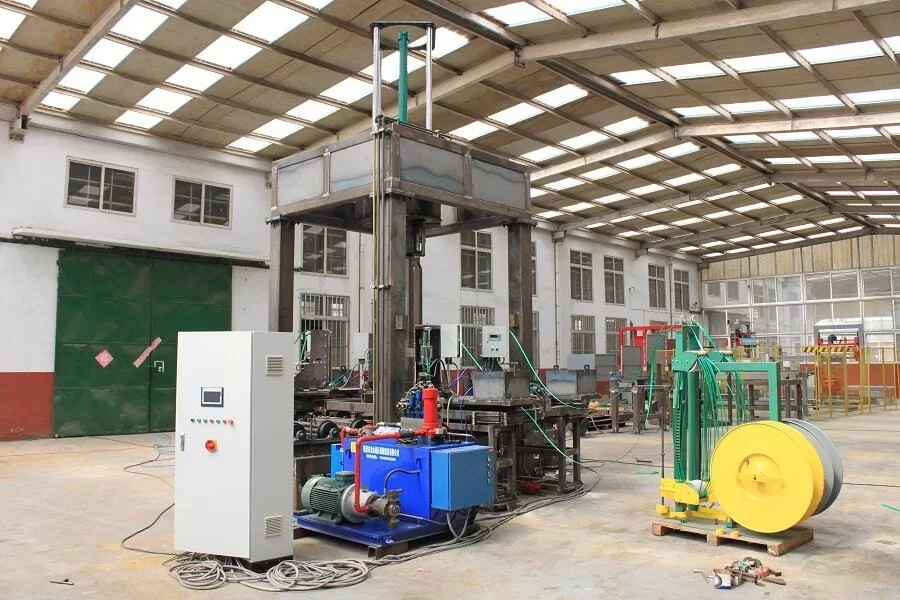
When I first started my factory, ensuring a safe working environment was a top priority. I learned that the best way to prevent accidents is to remove the danger altogether. Manual handling of heavy goods is one of the biggest risks. Automation takes this risk away, and that is a huge win for everyone. It makes the workplace safer, which then leads to lower costs and happier staff.
Creating a Safer Workplace and Saving Money 💲
Automatic packing systems directly address the twin problems of worker safety and operational costs. They do this by taking over dangerous jobs and performing tasks with greater precision.
- Enhanced Worker Safety: Manual handling of steel coils, especially during flipping or securing, is risky. Workers can suffer sprains, crushing injuries, or falls. Automated systems use machines to lift, rotate, and wrap coils. This keeps human workers out of harm’s way. Fewer accidents mean a safer workplace, lower insurance premiums, and a more stable workforce. (occupational safety, injury prevention)
- 🚫 Eliminate Manual Lifting: Machines handle heavy items, protecting workers’ backs.
- 🚫 Reduce Accident Risk: Fewer human interactions with heavy moving parts mean fewer incidents.
- Reduced Product Damage and Waste: During manual packing and internal transport, coils can get bumped or dropped. Edges can get scratched. This damage leads to rejected products, rework, and customer complaints. Automated systems handle coils carefully and consistently. They use precise movements to prevent damage. This reduces waste and improves product quality, saving the factory money and maintaining its reputation. (damage control, quality assurance)
- 📉 Minimize Scratches and Dents: Gentle machine handling protects surfaces.
- 📉 Lower Rework Costs: Fewer damaged products mean less need for re-processing.
- Lower Operational Costs (Labor & Insurance): With fewer workers needed for packing, labor costs go down. This includes wages, benefits, and overtime. As safety improves, insurance costs related to worker injuries also decrease. Over time, these savings add up. The initial investment in automation pays for itself through these reduced expenses, offering a clear return on investment (ROI). (cost efficiency, ROI calculation)
- 💰 Decreased Labor Expenses: Fewer manual workers are needed for the packing process.
- 💰 Reduced Insurance Premiums: A safer work environment can lead to lower insurance rates.
These advantages directly align with Michael’s challenges of safety hazards and product loss. By tackling these issues head-on, automated packing lines offer a clear path to a more efficient, safer, and ultimately more profitable operation for metal processing plants in Turkey. It is about smart investment for long-term gains.
4. Why Is Choosing the Right Automation Partner Essential for Turkish Manufacturers?
Many factory managers have been disappointed by equipment suppliers in the past. They buy a machine, but then the support is not there. Or the machine does not quite fit their factory’s needs. This leaves them frustrated and with problems still unsolved. For big investments like automatic packing lines, they need a partner they can trust. They need someone who understands their business and offers real solutions.
Choosing the right automation partner is essential for Turkish manufacturers because it ensures the packing line is perfectly matched to their specific needs and comes with reliable long-term support. A good partner, like FHOPEPACK, provides expert guidance based on deep industry experience, helping factories avoid costly mistakes and ensuring their investment delivers maximum return and continuous operational success.
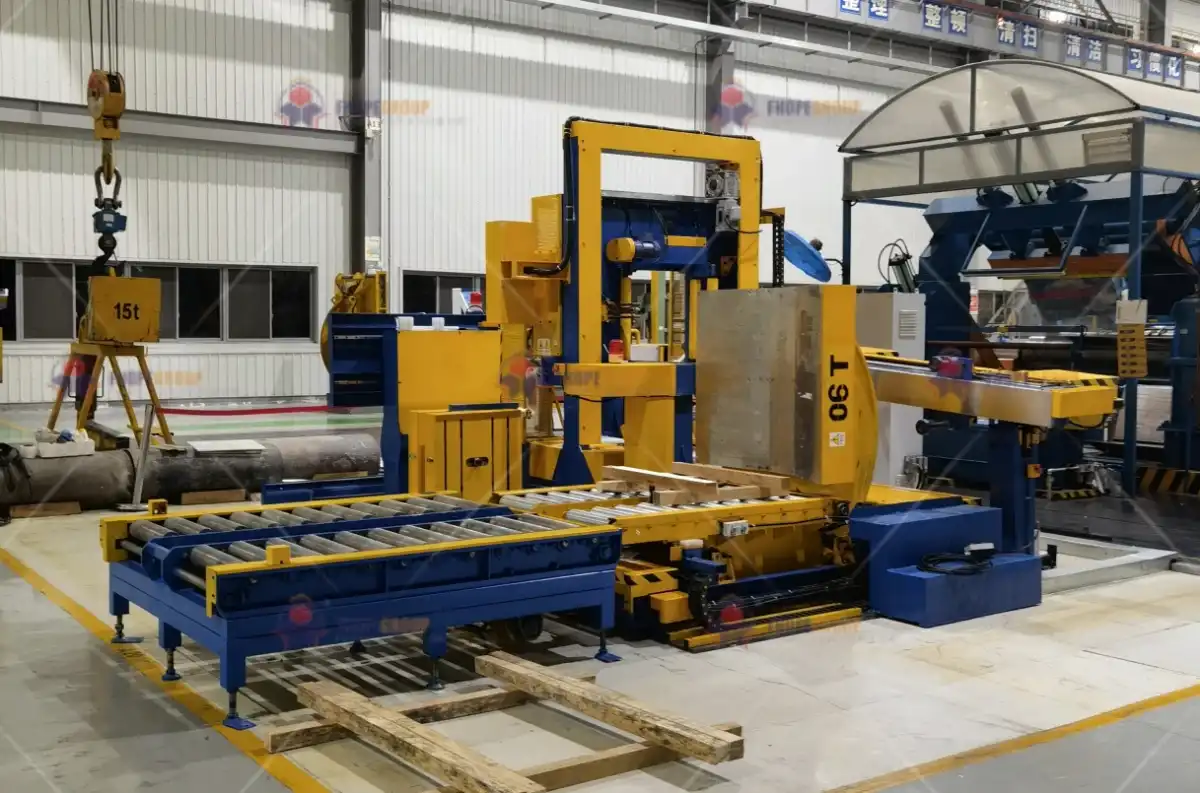
My journey from a factory employee to owning FHOPEPACK has taught me one big thing: success is about partnership. I helped many clients grow their businesses not just by selling them machines, but by understanding their challenges and offering true solutions. That is what FHOPEPACK stands for. It is not just about the equipment; it is about the knowledge and support that come with it.
Finding a Trusted Guide in Automation 🤝
Selecting an automation partner goes beyond just buying a machine. It means finding a company that understands your operational challenges and can provide tailored, long-lasting solutions. This is where real value lies.
- Deep Industry Expertise and Problem Solving: A good partner has deep knowledge of the metal processing industry. They understand the unique challenges of packing steel coils and wire. They can look at your factory’s specific problems, like efficiency bottlenecks or safety risks. Then they can suggest the best solutions. They do not just sell a standard machine. They offer a system that truly solves your problems. (specialized knowledge, customized solutions)
- 🧠 Understanding Your Needs: They ask the right questions to find the root of your problems.
- 🧠 Tailored Recommendations: Solutions are designed for your factory, not a generic fit.
- Reliable After-Sales Support and Service: What happens after you buy the machine? A reliable partner offers strong after-sales support. This includes installation, training for your staff, and quick help if problems come up. This ensures your packing line keeps running smoothly for years. Poor support can lead to long downtimes and lost production. Good support means peace of mind. (long-term support, technical assistance)
- 🛠️ Fast Troubleshooting: Quick response to fix any issues.
- 🛠️ Spare Parts Availability: Easy access to needed parts to minimize delays.
- Proven Track Record and Trustworthiness: Look for a partner with a history of success. They should have helped other factories achieve their goals. This proves they are reliable and deliver on their promises. Building trust is key. You want to work with a company that values your success as much as their own. My own experience in building a successful packing machine factory gives me, and FHOPEPACK, this kind of hands-on experience and understanding. (reputation, client success stories)
- 🏆 Established Reputation: They have a history of successful projects.
- 🏆 Customer Testimonials: Other businesses vouch for their quality and service.
Michael Chen wants a partner who "truly understands his challenges." This section highlights exactly why FHOPEPACK, with my background, can be that partner. It shows that we offer more than just equipment; we offer a relationship built on trust, expertise, and a commitment to solving real-world factory problems in Turkey. This ensures that any investment in automation is a smart one, leading to long-term growth and success.
Conclusion
Modernizing Turkey’s metal industry with an steel coil packing line boosts efficiency, enhances safety, and cuts costs. Choosing the right expert partner ensures lasting success and a clear return on investment.


