Improving Coil Logistics in Metal Processing with Steel Coil Packing Machines?
Are you, like many factory managers I’ve met, feeling the constant pressure of boosting output, controlling costs, and keeping your team safe? The heavy demands of metal processing, especially in regions like Mexico, can make efficient logistics feel like a constant uphill battle. Downtime means lost revenue, and inefficient processes eat into your margins. It’s a challenge I know well from my own years in this industry.
Modern steel coil packing machines can dramatically improve coil logistics in metal processing by automating heavy lifting, increasing operational efficiency, enhancing worker safety, and preventing costly product damage during handling and transport. These advanced systems are a key solution to bottlenecks in the production line, helping factories meet higher demand and ensure quality.
We’ve just scratched the surface of how these machines can transform your operations. Let’s dig a little deeper into the specific ways they can solve your biggest logistical headaches and propel your factory forward.
1. How can automated steel coil packing machines boost efficiency in metal processing?
Are your current coil packaging processes slowing down your entire production line? Many factories still rely on manual methods for packing steel coils and wires. This can be very slow and inefficient. It creates a major bottleneck, impacting your delivery times and overall output.
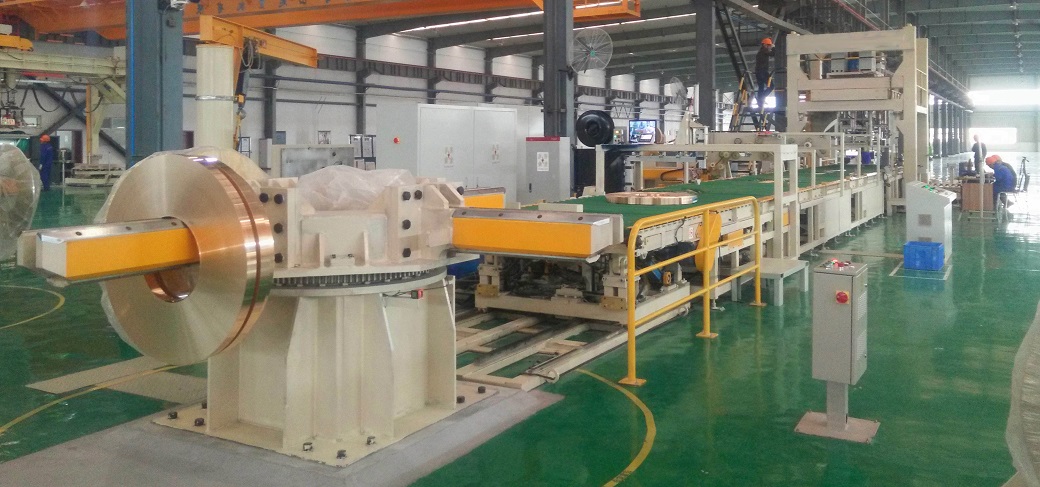
Automated steel coil packing machines dramatically increase throughput and reduce labor dependency by standardizing the packing process, applying materials faster, and integrating seamlessly with existing production lines. This eliminates manual bottlenecks and allows factories to handle higher volumes of product with greater consistency.
When I started my journey in the packing machine industry, I saw firsthand how much time and effort manual packing consumed. It was a huge drain on resources. Investing in automation is not just about buying a machine; it’s about investing in a smarter, faster way of working. For a factory manager in Mexico, facing high demand and competitive markets, this is crucial. Think about the impact of freeing up your team from repetitive tasks and letting machines handle the heavy lifting. This shift means more coils packed per hour, fewer delays, and a significant improvement in your factory’s overall output. Automation ensures each coil is packed consistently, every time. This reduces errors that can lead to reworks or product rejections. It means your production line moves smoothly from beginning to end.
Key Efficiency Gains from Automated Coil Packing:
-
Faster Cycle Times:
- Manual packing takes time, especially for large coils. Automated machines can wrap, strap, and weigh coils in minutes, not hours. This speed is critical for high-volume operations common in metal processing plants. ⏱️
- Example: A manually packed coil might take 30 minutes, while an automated system completes it in 3-5 minutes. (Enhanced Coil Throughput)
-
Reduced Labor Costs:
- Fewer workers are needed to handle the packing process. Instead of multiple people struggling with heavy materials, one or two operators can manage several automated machines. This reallocates valuable human resources to more complex or skilled tasks.
- This helps address rising labor costs and potential staffing shortages, common challenges for factories aiming for higher profitability. (Labor Optimization)
-
Consistent Quality:
- Machines perform tasks with repeatable precision. This means every coil gets the same amount of stretch film, strapping tension, and protection. Manual packing often leads to inconsistencies, which can compromise product safety or appearance.
- Consistent packing quality reduces returns and improves customer satisfaction. (Product Presentation Consistency)
-
Optimized Material Usage:
- Automated systems are programmed to use the exact amount of packing material needed. This minimizes waste compared to manual methods where operators might use too much or too little.
- Less waste means lower material costs over time, contributing to better overall cost control. (Material Waste Reduction)
-
Integration with Production Lines:
- Modern packing machines can connect directly to slitting lines, rolling mills, or other processing stages. This creates a continuous flow, preventing bottlenecks at the end of the line. The entire production chain becomes more streamlined and predictable.
- This seamless integration is vital for maximizing overall factory efficiency. (Production Line Synchronization)
2. What are the safety benefits of using modern steel coil packaging solutions?
Are your workers constantly at risk from manually handling heavy steel coils and wires? Moving heavy products is not only slow, it also carries a very high risk of workplace injuries. These accidents lead to high insurance costs, lost workdays, and high employee turnover. This creates a difficult cycle for any factory manager.
Modern steel coil packaging solutions drastically improve workplace safety by minimizing human interaction with heavy and awkward loads. Automated systems take over tasks like lifting, tilting, wrapping, and strapping, which significantly reduces the risk of strains, crushing injuries, and other accidents associated with manual handling.
I have seen the impact of workplace injuries firsthand. It is devastating for both the worker and the company. When I started FHOPEPACK, one of our core beliefs was that efficiency should never come at the cost of safety. Michael, like many managers, understands that a safe workplace is a productive workplace. Automated packing machines are designed with safety in mind. They remove people from hazardous situations. Imagine your team no longer having to manually hoist heavy coils or dangerously flip pallets. Instead, they can oversee machines from a safe distance, making their jobs easier and much safer. This change not only protects your employees but also reduces your liability and insurance premiums. It builds a culture of care and reduces the anxiety that comes with high-risk tasks.
Core Safety Enhancements with Automated Systems:
-
Elimination of Manual Lifting:
- Heavy steel coils can weigh thousands of pounds. Manual lifting is simply not safe. Automated systems, using conveyors, turntables, and robotic arms, handle all the heavy lifting. This protects workers from back injuries, sprains, and muscle strains. 🩹
- This directly addresses the high risk of musculoskeletal disorders (MSDs) in heavy industries. (Reduced Lifting Injuries)
-
Minimized Human-Machine Interaction:
- During the packing process, human operators are kept at a safe distance from moving parts and heavy machinery. Modern machines include safety barriers, emergency stops, and sensors that prevent accidents.
- These features create a safer working environment and reduce the chance of collisions or crushing injuries. (Enhanced Machine Safety Protocols)
-
Reduced Exposure to Repetitive Motion:
- Manual packing often involves repetitive movements, leading to conditions like carpal tunnel syndrome. Automation takes over these tasks, reducing wear and tear on workers’ bodies.
- A decrease in repetitive stress injuries contributes to better long-term employee health and lower absenteeism. (Prevention of Repetitive Strain)
-
Improved Ergonomics:
- Workstations for monitoring automated machines are designed with ergonomics in mind. Operators can supervise processes from comfortable, safe positions.
- This thoughtful design supports a healthier work environment and boosts overall job satisfaction. (Ergonomic Workplace Design)
-
Compliance with Safety Regulations:
- Automated packing solutions help factories comply with strict industrial safety standards and regulations. This is important for audits and maintaining a good safety record.
- Meeting these standards avoids fines and legal issues, showing a commitment to employee well-being. (Regulatory Compliance Assurance)

3. Can advanced coil packing prevent product damage and improve quality control?
Are you tired of dealing with damaged products during internal transport and packing? Nicks, dents, or bent edges on steel coils mean customer complaints and profit loss. This kind of product damage is a common problem that directly affects your bottom line and reputation.
Advanced coil packing solutions are engineered to prevent product damage by securely wrapping and strapping coils, protecting vulnerable edges and surfaces from impacts, moisture, and dust during storage and transit. This precise and consistent packaging significantly improves quality control, ensuring products arrive in perfect condition.
I know that every damaged product represents a loss – not just of material, but of trust. My experience has shown me that proper packaging is the last line of defense for your product’s quality. For Michael, running a metal processing factory, customer satisfaction is key. Nobody wants to receive a damaged product. Automated machines use specialized materials and techniques to protect your coils. They apply tension evenly, ensuring the wrap is tight without deforming the coil itself. They also protect against common issues like rust from moisture or surface scratches during handling. This means fewer returns, fewer complaints, and a stronger reputation for delivering high-quality products, every time. It’s about preserving the value of your hard work from the moment it leaves your production line until it reaches your customer’s door.
How Advanced Packing Prevents Damage:
-
Secure Wrapping and Protection:
- Machines use durable stretch film, rust-preventative VCI film, and robust strapping to create a protective barrier around the coil. This shield guards against physical impacts during handling and stacking.
- It also protects against environmental factors like dust, moisture, and corrosion, which are common threats to metal products. (Surface and Edge Protection)
-
Consistent Tensioning:
- Automated systems apply packing materials with precise and consistent tension. This keeps the wrap tight and secure, preventing it from loosening during transit. Loose packaging can lead to shifts and damage.
- Proper tension ensures the coil remains stable and compact throughout its journey. (Stable Coil Packaging)
-
Edge and Surface Care:
- Specialized packing heads and techniques can focus on the vulnerable edges of coils. Edge protectors and reinforcing bands can be automatically applied to prevent crimping or bending.
- This attention to detail on critical areas greatly reduces the risk of aesthetic and structural damage. (Targeted Damage Prevention)
-
Reduced Manual Handling Damage:
- When machines handle coils, there is less direct human contact. Manual handling often leads to accidental drops, scrapes, or impacts. Automation minimizes these human-error related damages.
- This switch to automated handling preserves the pristine condition of the product. (Minimized Handling Errors)
-
Standardized Packaging Protocols:
- Every coil is packed to the same high standard, eliminating inconsistencies that might arise from different operators packing in different ways. This standardization is a core component of effective quality control.
- A uniform packaging standard builds customer confidence in your product’s reliability. (Uniform Packaging Quality)

4. How do I choose the right steel coil packing machine partner for long-term success?
Have you been burned by equipment suppliers who only care about the sale, then disappear when you need after-sales support? This kind of experience makes factory managers, like Michael, very cautious. Finding a new partner can feel risky when your business depends on reliable machinery.
Choosing the right steel coil packing machine partner means looking beyond just the equipment itself; it requires finding a company with deep industry expertise, a proven track record of reliable after-sales service, and a willingness to understand your specific operational challenges to provide tailored, long-term solutions. They should be a true collaborator, not just a vendor.
My journey began as an employee in a packing machine factory. Later, I built my own successful factory. This experience taught me that good equipment is only half the battle. The other half is the support and partnership behind it. At FHOPEPACK, we believe in building relationships. Michael wants a partner who truly understands his production bottlenecks, his safety concerns, and his efficiency goals. He doesn’t just want a machine; he wants a solution that solves his problems and helps his business grow. This means looking for a supplier who offers more than just a product. You need someone who offers insights, customized solutions, and consistent support. A true partner will help you with installation, training, and maintenance, ensuring your investment pays off for years to come. This kind of partnership reduces risks and maximizes your return on investment.
Critical Considerations for Choosing Your Partner:
-
Deep Industry Knowledge and Experience:
- Does the supplier understand the specifics of metal processing, like the challenges of handling different coil types (steel, alloy, wire)? They should have engineers and experts who know the industry inside out, just like I do from my years in the field.
- This expertise allows them to recommend the most suitable solutions, not just generic machines. (Sector-Specific Expertise)
-
Proven After-Sales Service and Support:
- Reliable machines need reliable support. What kind of warranty do they offer? Do they provide technical assistance, spare parts, and maintenance services quickly? Especially in places like Mexico, local support or readily available remote assistance is vital to minimize downtime.
- A strong service network ensures your machines keep running smoothly and addresses issues promptly. (Responsive Technical Support)
-
Customization and Solution-Oriented Approach:
- Every factory has unique layouts and needs. Can the supplier customize their machines to fit your specific space and integrate with your existing production lines? A good partner will listen to your challenges and propose solutions tailored to your factory.
- They should not just sell a standard product but offer a bespoke solution that genuinely solves your problems. (Tailored Equipment Solutions)
-
Commitment to Training and Education:
- Your team needs to operate the new equipment safely and efficiently. Does the supplier offer comprehensive training for your operators and maintenance staff? This ensures your team can maximize the machine’s potential.
- Proper training empowers your employees and ensures a smooth transition to automated processes. (Operator and Maintenance Training)
-
Long-Term Partnership Philosophy:
- Look for a company that views you as a long-term partner, not just a one-time customer. They should be interested in your growth and success. This means providing ongoing advice, updates, and being there for future expansions.
- A true partner invests in your success, leading to mutual benefits over time. (Collaborative Business Relationship)
Conclusion
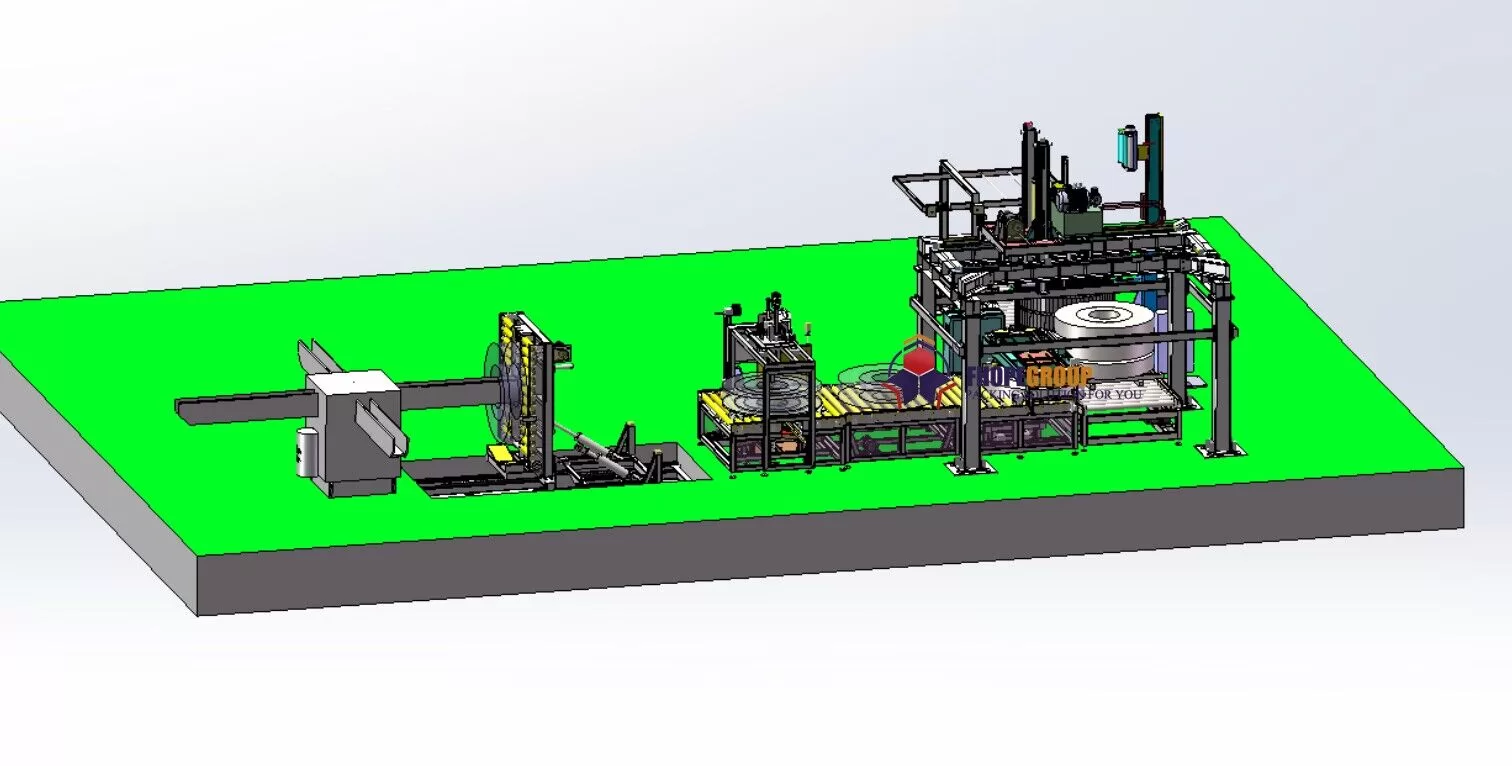
Investing in a modern steel coil packing line can revolutionize metal processing logistics. It improves efficiency, enhances safety, prevents damage, and secures long-term success for factories like yours.


