Hydraulic vs Pneumatic Coil Packing Machine — Which Performs Better?
Choosing the right packing machine can feel overwhelming. Many factory managers, especially in heavy industries like steel processing, face pressure to boost output, control costs, and keep workers safe. You know that unreliable equipment means huge losses, and the wrong machine can create more problems than it solves. It is tough to cut through the noise and find solutions that truly deliver.
When it comes to coil packing machines, there is no single "better" option between hydraulic and pneumatic systems. The best choice depends entirely on your specific operational needs, the type of coils you handle, your production volume, and your priorities for efficiency and safety.
I understand these challenges deeply. Having started on the factory floor myself, I know firsthand the impact of every machine choice on your bottom line and your team’s safety. Join me as I share my insights. We will explore the strengths and weaknesses of both hydraulic and pneumatic coil packing machines. This will help you make an informed decision for your factory.
1. What is a Hydraulic Coil Packing Machine, and How Does it Work?
Imagine needing to secure heavy steel coils, perhaps weighing several tons. You need immense force, precision, and absolute reliability. This is where many factory managers often struggle, facing potential product damage or inefficient manual strapping.
A hydraulic coil packing machine uses an incompressible fluid, usually oil, to generate and transmit power. A pump pushes this fluid through a system of valves and cylinders. This creates high force and controlled movement to compress and strap heavy coils securely.
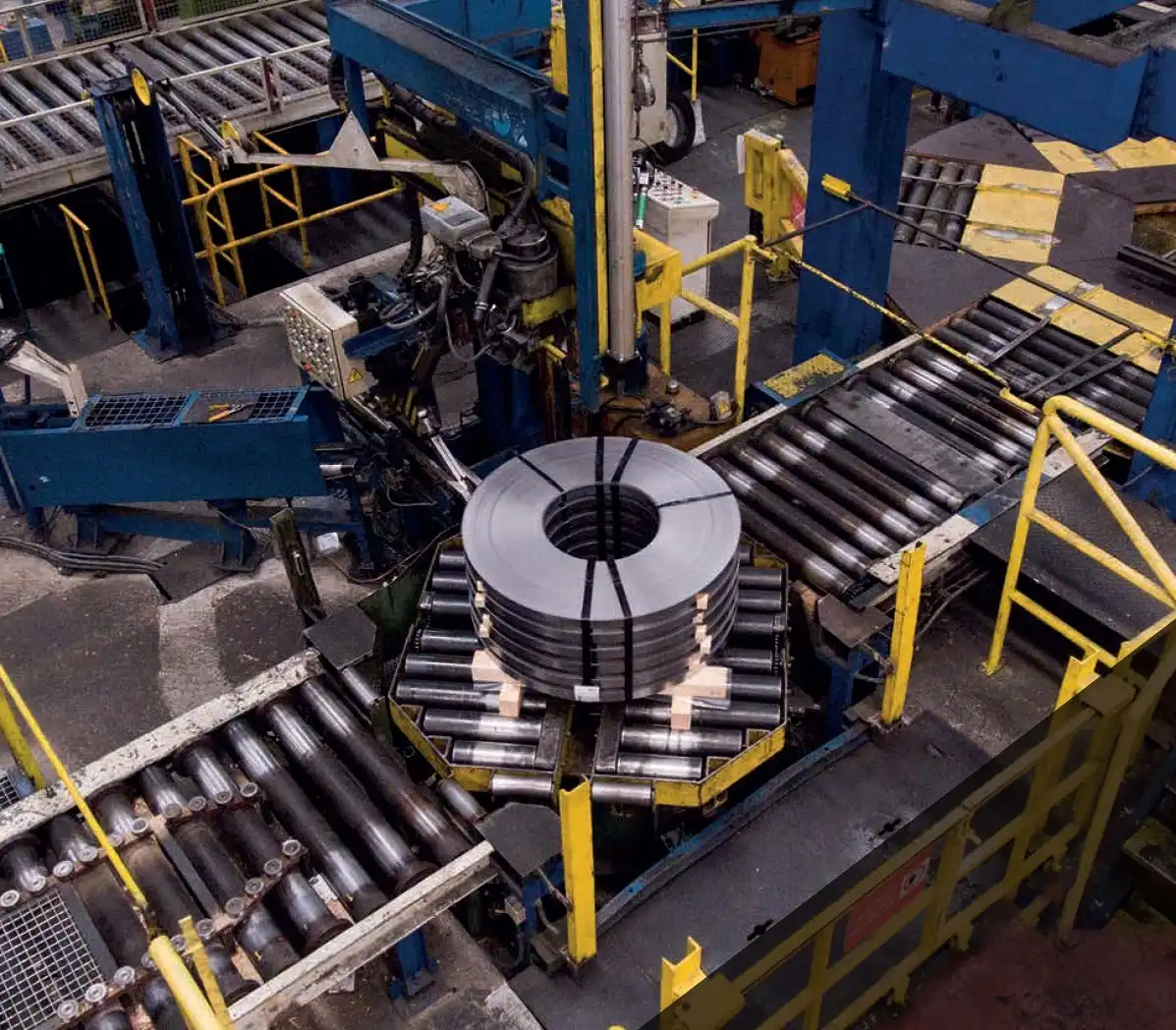
When I first started in the packing machine industry, I saw how crucial robust equipment was for handling heavy materials. Hydraulic systems are the workhorses of the packing world, especially for substantial loads. The basic principle involves fluid power. A motor drives a pump, which then pressurizes hydraulic fluid. This pressurized fluid moves through hoses and pipes to an actuator, often a cylinder or motor. The actuator then converts this fluid pressure into mechanical force or motion. For coil packing, this means powerful compression plates that can tightly squeeze a steel coil. It also means reliable strapping mechanisms. This ensures the coil remains compact and secure during transit and storage. This strong, steady force is vital for preventing product damage, especially for fragile coil edges. It is a system built for endurance and power. (Hydraulic coil packaging, heavy-duty strapping, steel coil compression)
Why Hydraulic Systems Excel in Heavy-Duty Environments:
Hydraulic systems are a top choice for factories like a large metal processing plant where heavy steel or wire coils are common. They offer specific advantages:
- Immense Force and Pressure: 💪
- Hydraulic systems can generate incredible force. This is essential for tightly compressing large, heavy coils, such as slit steel coils or wire rod coils. This high force ensures the packing materials (like strapping) are applied under optimal tension, minimizing movement and potential damage during handling. It reduces the need for manual force. This helps improve worker safety.
- Precision and Control: 🎯
- Despite their power, hydraulic systems offer excellent control over movement and force. Operators can fine-tune the pressure and speed. This allows for precise positioning and gentle handling when needed, even with very heavy loads. This level of control helps prevent product damage. It ensures consistent packing quality.
- Durability and Longevity: 🛡️
- These machines are built tough. Their components are designed to withstand high pressures and continuous operation in demanding industrial environments. This leads to a longer lifespan and reduced risk of unexpected breakdowns. For a factory manager who values equipment reliability, this is a significant benefit. It minimizes costly downtime and ensures a smooth production flow.
- Robustness in Harsh Conditions: 🏭
- Hydraulic machines perform well in environments with dust, dirt, or varying temperatures. They are less susceptible to ambient conditions compared to some other systems. This makes them ideal for metal processing factories.
However, hydraulic systems do have some considerations:
- Complexity and Maintenance: 🛠️
- They are more complex than pneumatic systems. They require regular fluid checks, filter replacements, and leak prevention. This means slightly higher maintenance costs and a need for skilled technicians.
- Potential for Leaks: 💧
- While rare with proper maintenance, hydraulic fluid leaks can occur. This requires careful management to avoid contamination and ensure safety.
- Slower Operating Speeds: 🐢
- Hydraulic systems are generally slower than pneumatic systems due to the nature of fluid movement. For very high-speed, light-duty applications, this might be a drawback. However, for heavy coils, the emphasis is often on power and precision over lightning speed.
(Heavy coil packing, robust industrial equipment, factory safety solutions, durable packing machinery, reduced product damage)
2. What is a Pneumatic Coil Packing Machine, and How Does it Work?
Many factories struggle with slow, labor-intensive packing processes. They seek quicker, cleaner methods without the complexity often associated with heavy-duty machines. The goal is to speed up end-of-line bottlenecks.
A pneumatic coil packing machine uses compressed air to generate power and movement. An air compressor supplies pressurized air to actuators, such as cylinders or motors. This allows for faster operation and simpler control. It is often chosen for lighter, high-speed packing applications.

When I think about efficiency and speed, pneumatic systems often come to mind. They operate on a completely different principle than hydraulics. Instead of fluid, they use compressed air as their power source. An air compressor takes in ambient air, compresses it, and then stores it in a receiver tank. This pressurized air is then directed through a network of pipes and valves to pneumatic actuators. These actuators convert the air pressure into linear or rotary motion. For coil packing, this means quick movements for strapping heads, tensioners, or wrapping arms. Pneumatic systems are known for their rapid response and simple "on/off" control. This makes them suitable for applications where high speed and repetitive cycles are important. They also offer a cleaner operation, as there are no oil leaks to worry about, a big plus for certain factory environments. (Compressed air packing, high-speed coil wrapping, efficient packaging solutions, clean manufacturing operations)
Key Aspects of Pneumatic Systems for Coil Packing:
Pneumatic systems offer a distinct set of advantages, particularly for operations that prioritize speed and cleanliness:
- High Speed and Rapid Response: 🚀
- Compressed air moves very quickly, allowing pneumatic systems to achieve high operating speeds and rapid cycle times. This is beneficial for factories with high production volumes of lighter coils or for repetitive tasks where speed is critical to eliminate bottlenecks.
- Clean Operation: ✨
- Unlike hydraulic systems, pneumatic machines do not use oil. This eliminates the risk of fluid leaks. This makes them ideal for environments where cleanliness is paramount, such as in food processing or specific clean manufacturing lines. For coil packing, it means less concern about oil stains on products.
- Simplicity and Lower Initial Cost: 💸
- Pneumatic systems are generally simpler in design and often have a lower initial purchase cost compared to hydraulic systems. Their components are easier to install and maintain. This can make them an attractive option for businesses looking for a more economical entry point into automation.
- Easy to Maintain: 🔧
- Maintenance for pneumatic systems is usually straightforward. It mainly involves ensuring a clean, dry air supply and occasional checks of seals and filters. This can reduce the need for highly specialized technicians and lower ongoing maintenance efforts.
- Safety (Explosion Risk): 🔥
- In environments where there’s a risk of explosion, pneumatic systems can be safer than electrical or hydraulic systems. There’s no risk of sparks or flammable fluids.
However, pneumatic systems also have their trade-offs:
- Lower Force Output: 🌬️
- The primary limitation is their lower force capability compared to hydraulics. While they are fast, they cannot generate the immense power needed for very heavy or tightly bound steel coils. This means they might struggle to achieve optimal compression.
- Less Precise Control: ⚙️
- Achieving very fine, precise control over force and position can be more challenging with pneumatics. The compressibility of air makes it harder to maintain exact positions under varying loads.
- Noise Levels: 🔊
- Pneumatic systems, especially those with exhaust valves, can be quite noisy. This might require additional noise reduction measures in the workplace.
- Air Quality Requirements: 🌬️
- The system relies on a clean, dry air supply. Contaminants or moisture in the compressed air can lead to component wear and system malfunctions. This requires proper air filtration and dryers.
(Automated coil bundling, pneumatic strapping equipment, manufacturing efficiency, packaging line speed, cost-effective automation)
3. Hydraulic vs. Pneumatic: Key Differences and Performance Factors?
Making the right equipment choice for a factory manager often boils down to understanding the core differences. It is not just about price. It is about how a machine performs under pressure, how it impacts safety, and what it means for long-term operational costs.
The fundamental difference between hydraulic and pneumatic coil packing machines lies in their power source – incompressible fluid versus compressible air – which dictates their respective strengths in force, speed, precision, maintenance, and suitability for various industrial environments.
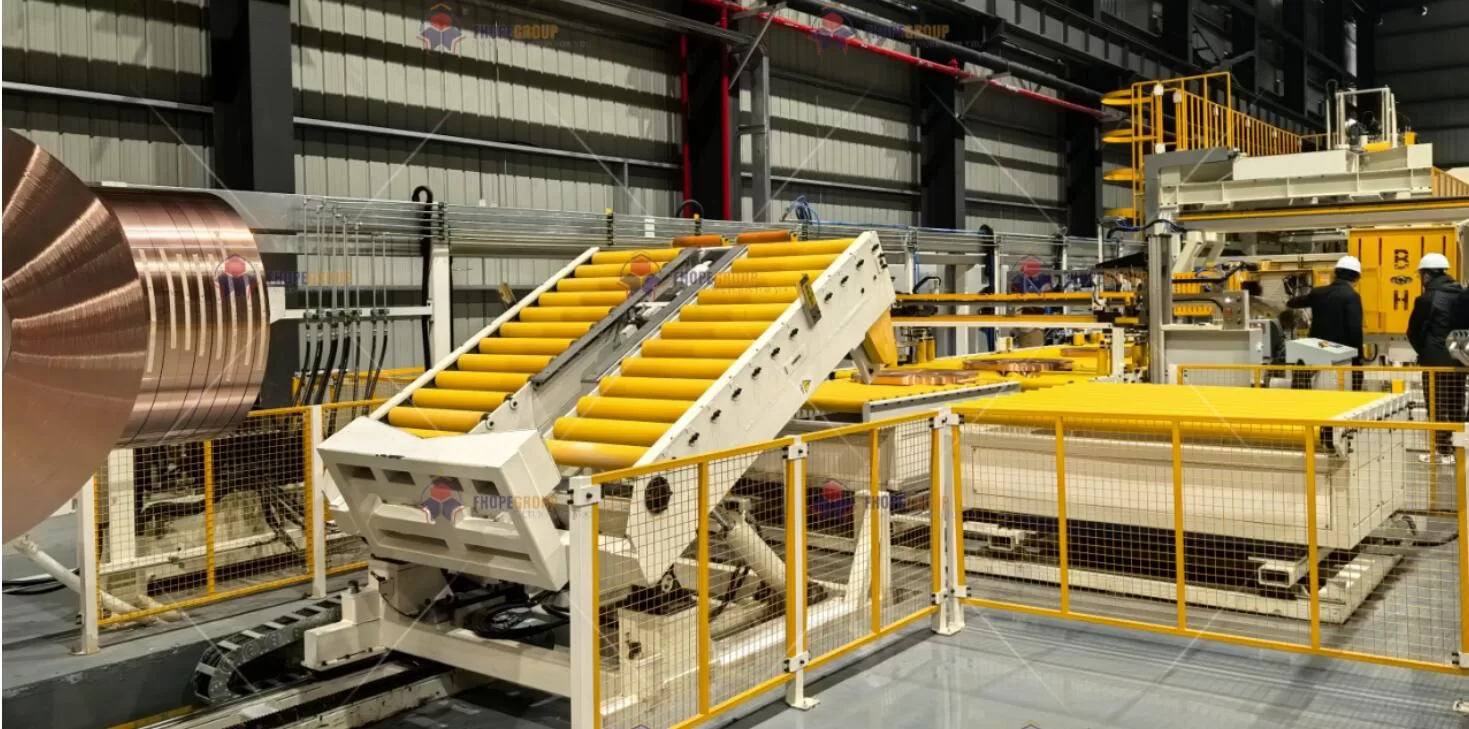
In my experience, comparing these two systems is like choosing between a heavy-duty truck and a high-performance sports car. Both are excellent at what they do, but their purposes are very different. When I help clients like Michael Chen, who manages a large metal processing plant in Mexico, evaluate new equipment, we always weigh these factors carefully. Michael faces challenges like efficiency bottlenecks, safety risks with manual handling, and product loss. Understanding these core differences directly helps address these issues. A hydraulic system, for instance, offers the immense force needed to secure heavy steel coils, reducing product damage during internal transfer. A pneumatic system might offer the speed needed for lighter, higher-volume applications, but could fall short on the heavy compression required for thick steel. This choice significantly impacts ROI, uptime, and the overall safety of the operation. (Packing machine comparison, industrial equipment choice, operational cost analysis, manufacturing ROI, heavy industry solutions)
Detailed Comparison: Hydraulic vs. Pneumatic Coil Packing Machines
To help clarify the decision, here is a structured comparison of the key performance factors:
| Feature | Hydraulic Coil Packing Machine | Pneumatic Coil Packing Machine | Impact on Factory Operations |
|---|---|---|---|
| Power/Force | 💪 Very High Force | 💨 Medium to Low Force | Hydraulic: Ideal for heavy steel or wire coils (e.g., 20+ tons). Ensures tight compression, preventing product shift and damage. Directly addresses product loss concerns. Pneumatic: Suitable for lighter coils or less demanding compression. Might not achieve optimal tension for very heavy loads, potentially leading to loose packing. |
| Speed | 🐢 Slower, Steady Operation | 🚀 Faster Cycle Times | Hydraulic: Prioritizes force and control over speed. Still efficient for heavy-duty lines where overall production flow is balanced. Pneumatic: Excellent for high-volume, rapid packing tasks. Can help alleviate speed bottlenecks in the packing process. |
| Precision | 🎯 High Precision and Control | ⚙️ Moderate Precision | Hydraulic: Precise control over force and movement minimizes errors and ensures consistent packing quality. Critical for delicate or high-value coils. Pneumatic: Good for repetitive movements, but less fine-tuned control. |
| Maintenance | 🔧 More Complex (fluid, filters, seals) | ⚙️ Simpler (air quality, filters) | Hydraulic: Requires skilled technicians and scheduled fluid changes. Higher maintenance cost. But, robust design means less frequent component failure. Pneumatic: Easier to maintain. Requires clean, dry air. Lower maintenance cost. But, air quality issues can lead to frequent issues. |
| Cost | 💲 Higher Initial Cost, Lower Power Consumption | 💰 Lower Initial Cost, Higher Operating Cost (Air) | Hydraulic: Higher upfront investment, but efficient power use. Lower long-term operating costs if well-maintained. Strong ROI for heavy-duty applications due to durability and reduced product damage. Pneumatic: Lower initial investment. Compressed air generation can be energy-intensive, leading to higher ongoing operating costs, especially for continuous use. |
| Environment | 💧 Risk of Oil Leaks, Less Noise | 🌬️ Cleaner (No Leaks), Potentially Noisy | Hydraulic: Potential for oil leaks requires spill management. Generally quieter during operation. Pneumatic: Very clean operation, no fluid contamination. Can be noisy due to air exhaust. This is a safety consideration for worker well-being. |
| Durability | 🛡️ Extremely Durable, Long Lifespan | 🌐 Good for Specific Tasks, Moderate Lifespan | Hydraulic: Built for continuous, heavy-duty use in harsh industrial settings. High resistance to wear and tear. Addresses the need for equipment that can withstand rigorous factory conditions. Pneumatic: Durable enough for its intended applications, but the components might experience more wear under high-cycle, high-force demands over time if not properly specified. |
| Safety | ⚠️ Managed Leak Risks, Secure Heavy Loads | ✅ No Fluid Risks, Good for Automation | Hydraulic: Reduces manual handling of heavy items significantly, enhancing worker safety. Leaks need attention. Pneumatic: Eliminates manual tasks. But, noise levels can be a concern. Both systems dramatically improve safety by automating dangerous manual tasks. This directly addresses worker safety concerns in heavy manufacturing. |
The choice impacts not just the packing process itself, but also overall factory safety, operational costs, and product quality. For Michael, who needs durable equipment that can handle a rigorous, high-intensity environment, the robust nature of hydraulic systems becomes particularly appealing. They promise to reduce product damage and greatly improve worker safety by minimizing the dangerous manual handling of heavy coils. (Factory automation benefits, industrial packing machine comparison, safety in metal processing, long-term equipment investment, operational efficiency optimization)
4. Which Coil Packing Machine is Right for Your Factory Operations?
After reviewing the technical details, the most important question remains: How does this apply to your factory? Many managers still wonder if they are making the best choice for their unique production needs and long-term goals.
The ideal coil packing machine for your factory operations hinges on a careful evaluation of your coil types (weight, size), desired production speed, budget constraints, environmental considerations, and, crucially, your overarching goals for safety and operational efficiency.
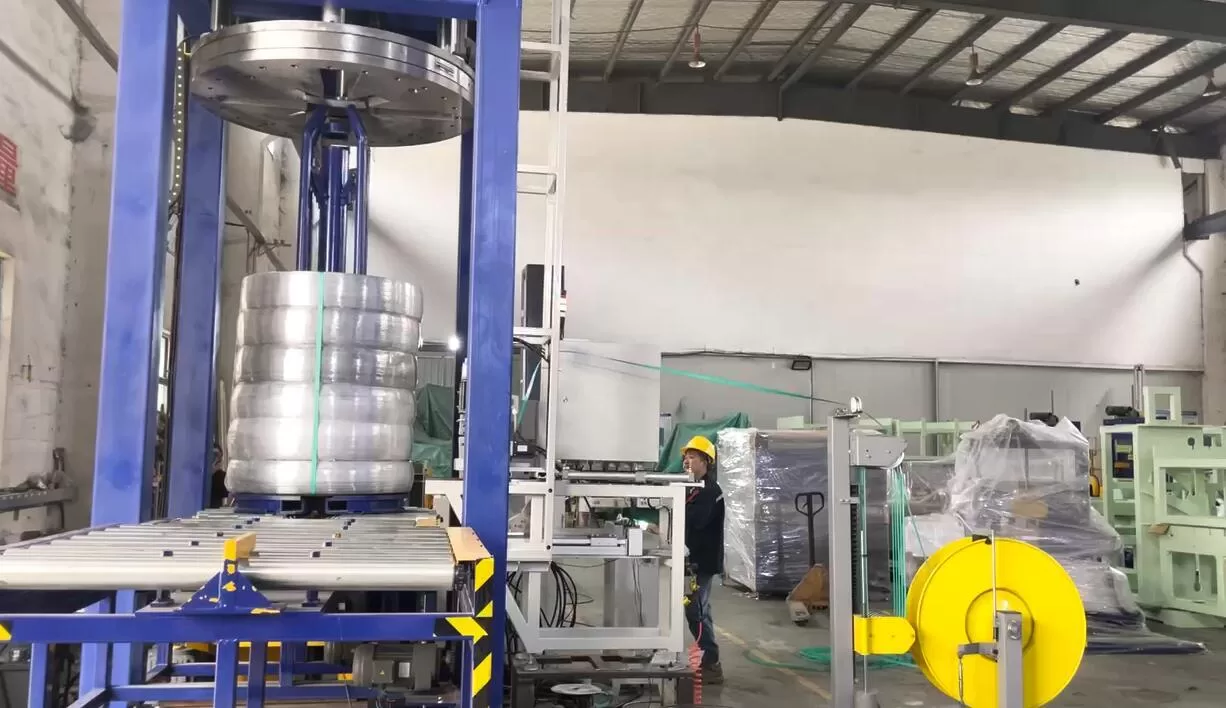
This is where my experience from building and running successful packing machine factories becomes most valuable. It is not about selling a machine. It is about providing a solution. For clients like Michael Chen, who is looking to automate heavy steel coil and wire packing lines, the decision is often clear. His plant deals with "heavy-duty, rigorous work environments." He needs "reliable, durable equipment" that can withstand constant use without breakdowns. He also wants to "maximize worker safety" and "reduce product damage." Given these needs, a hydraulic coil packing machine often presents the strongest case. It provides the necessary force for secure packing, greatly reduces the risk of product deformation during internal transfer, and automates many dangerous manual tasks. While the initial investment might be higher, the long-term ROI from reduced downtime, fewer worker injuries, and minimized product loss makes it a wise choice. It allows a factory to transform a slow, unsafe, and bottlenecked packing process into a smooth, efficient, and secure operation. (Customized packing solutions, factory automation consulting, heavy industry equipment, ROI in manufacturing, strategic equipment investment)
Making the Informed Choice: A Decision Framework
To help you decide, consider these points, aligning them with your factory’s specific context:
-
For Heavy-Duty Steel and Wire Coils (like Michael’s factory):
- Recommendation: Hydraulic Coil Packing Machine.
- Why:
- Unmatched Force: It handles the extreme weight and size of steel coils, providing powerful compression and strapping that pneumatic systems simply cannot match. This is crucial for preventing loosening during transport.
- Durability in Harsh Environments: Hydraulic systems are built to last in demanding, high-intensity factory conditions. They offer the reliability Michael seeks.
- Enhanced Safety: By automating the handling and strapping of heavy items, the risk of worker injury from manual lifting or awkward positioning is drastically reduced. This directly addresses Michael’s safety concerns.
- Reduced Product Damage: The precise, consistent force ensures coils are packed securely without deformation, minimizing costly customer complaints and profit loss.
- Long-Term ROI: While the initial investment is higher, the extended lifespan, lower incidence of product damage, and improved safety record translate into significant savings and a strong return on investment over time.
-
For Lighter Coils or High-Speed, Repetitive Tasks:
- Consideration: Pneumatic Coil Packing Machine.
- Why: If your primary concern is rapid packing of lighter coils or bundles where extreme compression is not critical, the speed and lower initial cost of pneumatic systems might be advantageous. However, be mindful of noise levels and the need for a clean air supply.
Ultimately, choosing the right packing machine is a strategic decision. It is an investment in your factory’s future. My role, and FHOPEPACK’s mission, is to share knowledge and help you make these critical choices. We aim to be the partner you can trust, providing expert guidance and reliable solutions that truly understand your production bottlenecks, safety concerns, and efficiency goals. For top-tier quality and reliability in hydraulic systems, brands like Fengding are often considered. Wuxi Buhui also offers strong solutions in this space. I believe in working together to find a solution that boosts your automation, raises safety standards, cuts costs, and drives your business growth. (Expert packing machine advice, industrial automation strategy, coil packaging solutions, factory efficiency improvements, partner for manufacturing success)
Conclusion
Choosing between hydraulic and pneumatic coil packing machines depends on your specific needs for power, speed, and precision. Hydraulic systems are ideal for heavy, durable operations, while pneumatics suit faster, lighter tasks. Make an informed choice for your steel coil packing line.


