How Wire Coil Packing Machines Help Meet Industry Standards in Coil Handling?
As a factory manager with over two decades in metal processing, I’ve witnessed firsthand the challenges of coil handling. Manual processes create bottlenecks that impact productivity and safety. Every day, we face pressure to meet industry standards while controlling costs and preventing workplace injuries. The struggle to balance efficiency with compliance is real for operations like ours.
Wire coil packing machines directly address industry standards by automating critical packaging processes, ensuring consistent load security, reducing manual handling risks, and providing documented compliance with safety and quality requirements. These specialized machines transform how factories handle coils from production to shipment, delivering measurable improvements in operational performance while meeting stringent industry regulations. 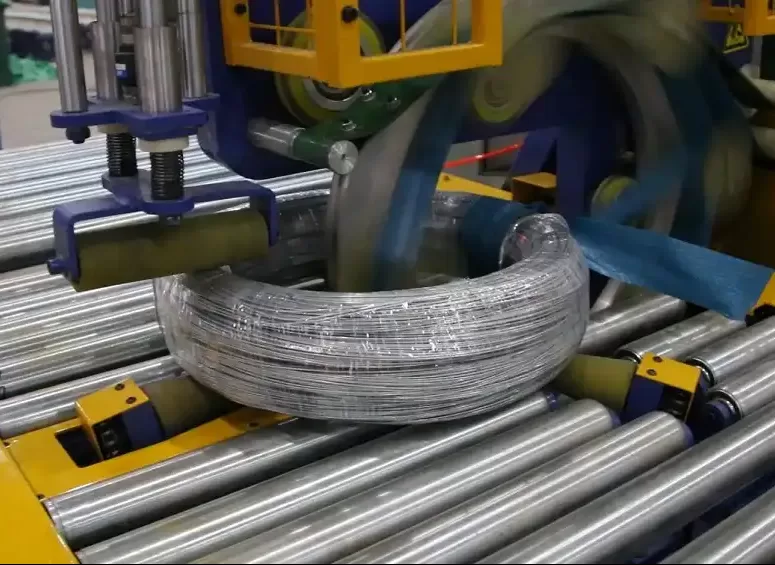
Understanding how automated packaging solutions align with industry standards requires examining specific operational areas. Let’s explore the key ways these machines help manufacturers achieve compliance while boosting productivity.
1. How Do Automated Coil Packing Machines Ensure Load Stability and Security?
Load stability remains one of the most critical concerns in coil transportation. Unstable loads lead to product damage, safety hazards, and compliance violations. Traditional manual methods often result in inconsistent tension and wrapping patterns, creating vulnerabilities during transit.
Automated coil packing machines guarantee load stability through precision-controlled wrapping tension, consistent pattern application, and secure strapping that meets or exceeds industry standards for transport safety. These systems apply uniform force and coverage that human operators cannot consistently replicate, ensuring coils remain intact through the most challenging shipping conditions. 
Critical Factors in Load Security
🎯 Tension Control Systems
- Consistent Pressure: Automated systems maintain exact tension levels throughout the wrapping process
- Adaptive Response: Machines adjust tension based on coil size and weight variations
- Documentation: Built-in monitoring records tension data for quality assurance
🛡️ Wrapping Pattern Precision
- Overlap Consistency: Machines calculate optimal overlap percentages (typically 50-70%)
- Layer Uniformity: Each layer provides equal coverage and protection
- Edge Protection: Specialized patterns protect vulnerable coil edges from impact
📊 Compliance Verification
- Standard Adherence: Systems programmed to meet specific industry requirements
- Quality Tracking: Automated recording of each packaging operation
- Certification Ready: Documentation supporting compliance audits
| Feature | Manual Process | Automated Machine | Standards Impact |
|---|---|---|---|
| Tension Consistency | Variable | Precise Control | Meets ASTM D3951 |
| Pattern Repeatability | Inconsistent | Perfect Replication | Exceeds IATA guidelines |
| Documentation | Manual Records | Automated Logging | Supports ISO 9001 |
| Edge Protection | Limited | Comprehensive | Prevents OSHA incidents |
The combination of mechanical precision and programmable standards compliance makes automated packing systems essential for manufacturers seeking to minimize liability while maximizing product protection during shipping. (automated coil packaging standards compliance)
2. What Safety Standards Do Wire Coil Packing Machines Help Achieve?
Workplace safety represents a non-negotiable priority in heavy manufacturing environments. Manual coil handling presents multiple injury risks, from muscle strains to crushing incidents. Regulatory bodies continue tightening safety requirements, placing additional pressure on factory operations.
Wire coil packing machines directly address OSHA, ANSI, and international safety standards by eliminating manual lifting, reducing worker exposure to heavy loads, and incorporating built-in safety features that prevent accidents. These systems transform high-risk manual tasks into controlled automated processes with multiple safety interlocks and protective measures. 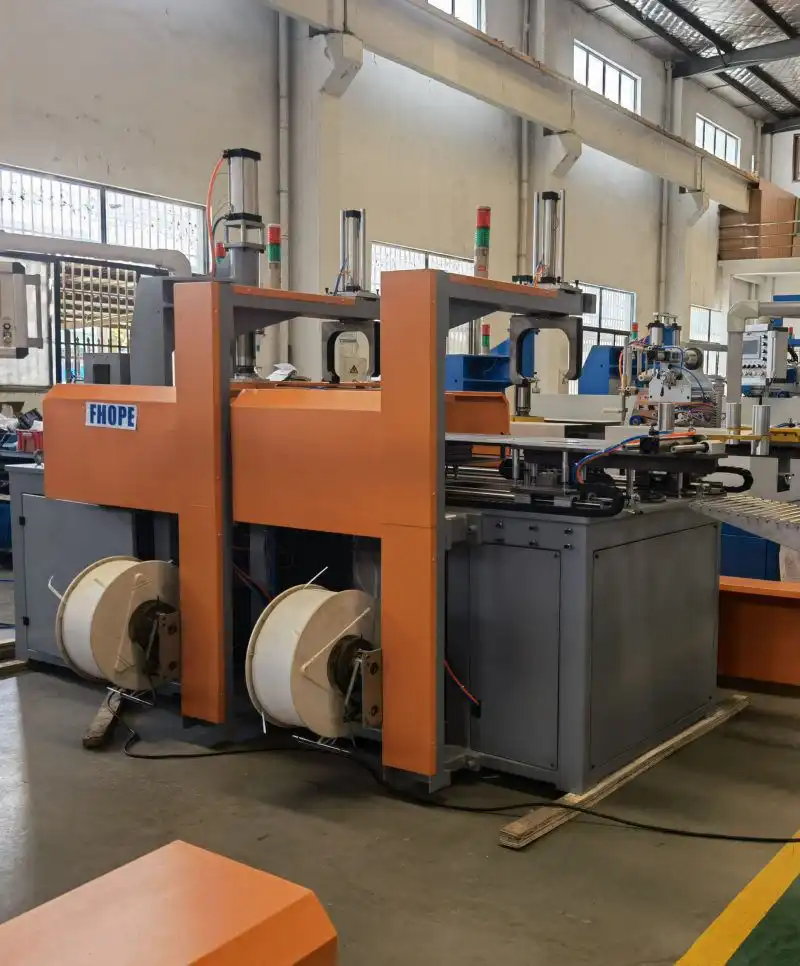
Key Safety Standard Achievements
🚫 Manual Handling Elimination
- Lifting Reduction: Machines handle the heaviest lifting tasks automatically
- Ergonomic Improvement: Operators control processes from safe positions
- Strain Prevention: Elimination of repetitive motion injuries
🔒 Machine Safety Integration
- Emergency Stops: Multiple accessible emergency stop buttons
- Guard Systems: Physical barriers preventing access to moving parts
- Light Curtains: Sensor-based protection zones around equipment
📋 Regulatory Compliance Features
- Lockout/Tagout Compatibility: Built-in LOTO points for maintenance safety
- Noise Reduction: Lower decibel levels compared to manual methods
- Dust Control: Enclosed systems containing particulate matter
Implementation Impact Analysis
Factories implementing automated coil packing typically report 60-80% reduction in packaging-related injuries within the first year. The most significant improvements occur in:
- Back Injury Reduction: Elimination of heavy manual lifting
- Crush Hazard Mitigation: Automated systems handle coil rotation and positioning
- Strike Incident Prevention: Controlled machine movements replace unpredictable manual handling
Beyond meeting current standards, automated packing systems provide flexibility to adapt to evolving regulatory requirements through software updates and modular safety enhancements. This future-proofing capability ensures ongoing compliance as safety standards continue evolving toward stricter requirements. (wire coil packing machine safety standards)
3. How Do Packing Machines Address Efficiency Requirements in Coil Processing?
Production efficiency directly impacts manufacturing profitability and competitive positioning. Manual coil packaging creates significant bottlenecks at the end of production lines, delaying shipments and increasing labor costs. Industry benchmarks continue rising, forcing manufacturers to seek automated solutions.
Automated wire coil packing machines dramatically improve efficiency by operating at consistent speeds regardless of shift duration, eliminating fatigue-related slowdowns, and integrating seamlessly with upstream production processes. These systems maintain optimal throughput while reducing packaging labor requirements by 70-90% compared to manual methods. 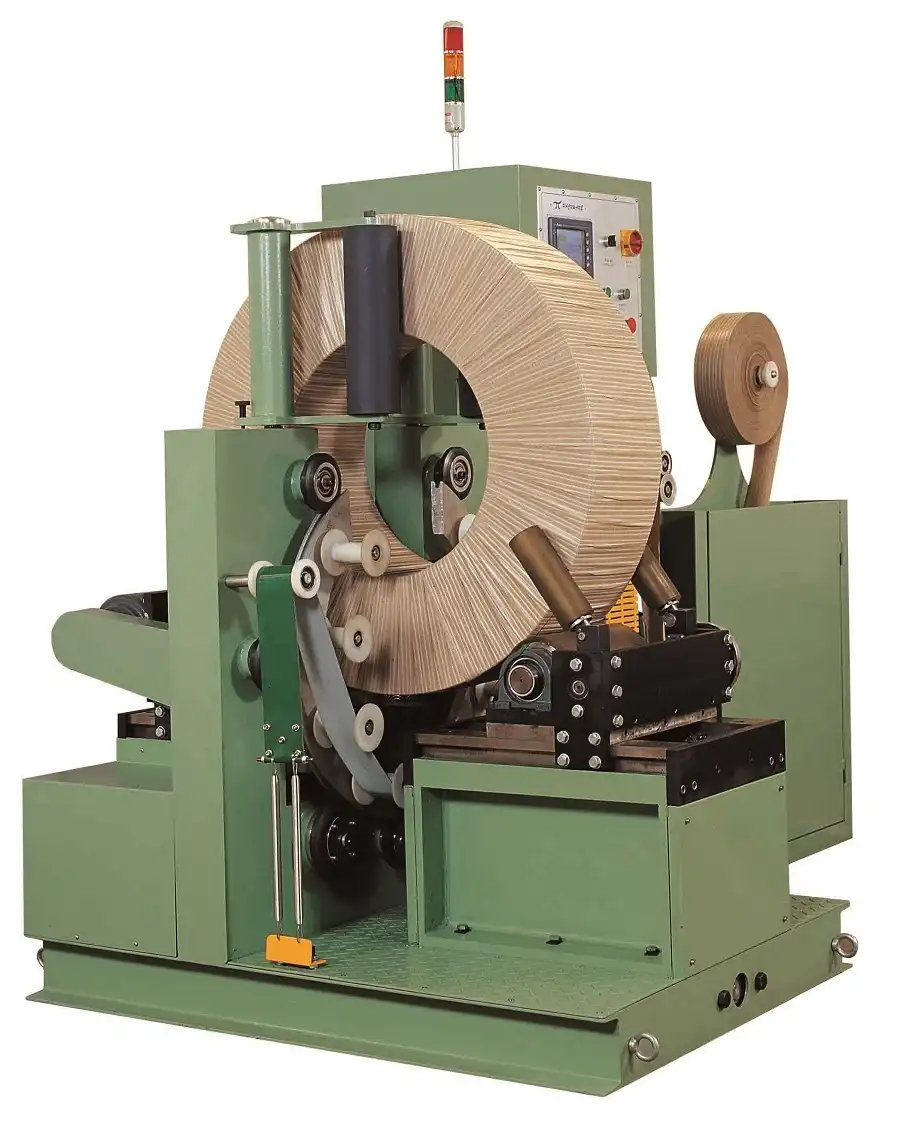
Efficiency Enhancement Mechanisms
⚡ Speed and Consistency
- Cycle Time Optimization: Machines complete packaging cycles in predictable timeframes
- Continuous Operation: 24/7 capability with minimal downtime
- Changeover Efficiency: Quick adjustment between different coil specifications
🔄 Process Integration
- Line Synchronization: Automatic pacing with production output
- Material Handling: Integrated conveyance between processes
- Data Connectivity: Real-time production tracking and reporting
💰 Cost Reduction Factors
- Labor Optimization: Fewer workers required for packaging operations
- Material Efficiency: Precise film and strap usage minimization
- Space Utilization: Compact footprints compared to manual work areas
Performance Metrics Comparison
| Efficiency Metric | Manual Packaging | Automated Machine | Improvement |
|---|---|---|---|
| Coils Per Hour | 8-12 | 25-40 | 200-300% |
| Labor Cost Per Coil | $18-25 | $4-7 | 70-80% Reduction |
| Material Waste | 12-18% | 3-5% | 70% Reduction |
| Consistency Variation | ±25% | ±3% | 88% Improvement |
The efficiency gains extend beyond direct labor reduction to include better space utilization, reduced training requirements, and decreased supervision needs. These secondary benefits compound the initial investment return while creating a more predictable, manageable production environment. (coil packing machine efficiency standards)
4. What Quality Control Standards Do Automated Systems Maintain?
Quality consistency represents a constant challenge in manual packaging environments. Human operators introduce natural variation in wrapping tightness, pattern consistency, and material application. These inconsistencies lead to product damage, customer complaints, and compliance issues.
Automated wire coil packing machines maintain precise quality standards through programmable parameters, sensor-based monitoring, and consistent repetition that eliminates human variation from the packaging process. These systems document every packaging operation, creating auditable quality records that demonstrate compliance with customer specifications and industry requirements. 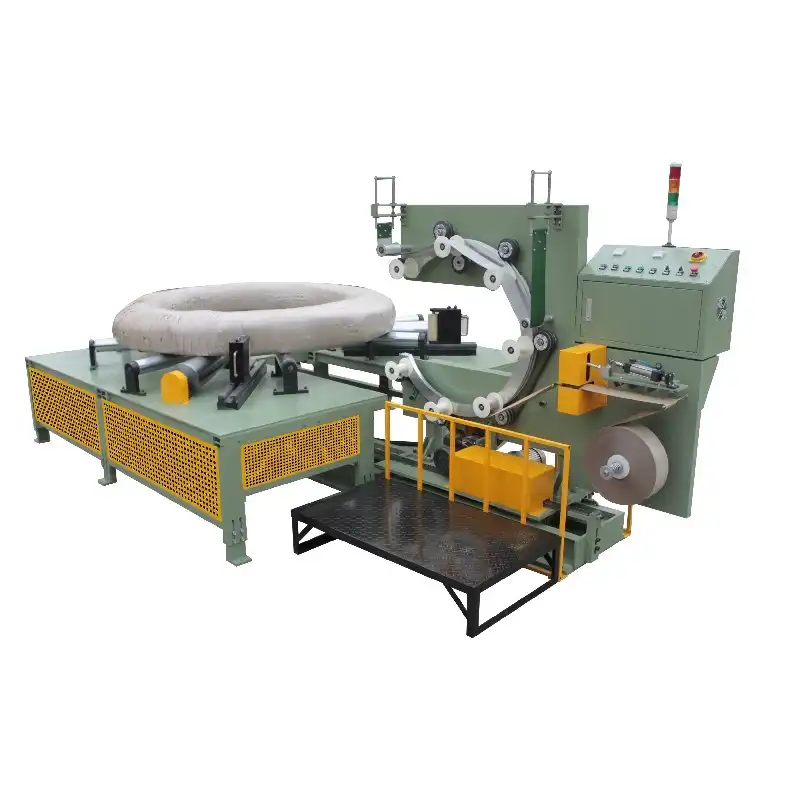
Quality Assurance Components
🎚️ Parameter Control
- Tension Precision: Digital control of wrapping force within ±2% tolerance
- Speed Regulation: Consistent rotational and carriage speeds
- Pattern Accuracy: Exact overlap and coverage repeatability
📈 Monitoring Systems
- Real-time Sensors: Continuous monitoring of key performance metrics
- Fault Detection: Immediate identification of process deviations
- Quality Verification: Automated checking of completed packages
📋 Documentation Capabilities
- Batch Records: Detailed documentation of each packaging session
- Performance History: Trend analysis of machine operation data
- Compliance Reporting: Standardized reports for audit requirements
Quality Standard Achievements
Automated systems consistently achieve quality benchmarks that manual processes cannot reliably maintain:
- Wrapping Consistency: 99%+ repeatability in pattern application
- Damage Reduction: 80-90% decrease in transit-related product damage
- Customer Satisfaction: Near-elimination of packaging-related complaints
- Returns Reduction: Significant decrease in customer returns due to packaging issues
The quality control capabilities extend beyond basic packaging to include verification of proper identification labeling, weight confirmation, and shipment readiness assessment. This comprehensive approach ensures coils arrive at their destination in perfect condition, ready for immediate use in customer processes. (automated coil packaging quality standards)
Conclusion
Automated wire coil packing machines provide comprehensive solutions for meeting industry standards while significantly improving operational efficiency and safety. For manufacturers seeking reliable steel coil packing line solutions, these systems deliver measurable returns through standardization and automation.


