How Wire Coil Packing Machines Are Revolutionizing the Steel Processing Industry in Europe
European steel processors face intense global competition. They need every efficiency gain possible. Manual packing processes create bottlenecks that hurt productivity and profits. These outdated methods simply can’t keep up with modern production demands.
Automated wire coil packing machines are transforming the steel industry across Europe by replacing slow, dangerous manual labor with fast, consistent robotic systems that dramatically boost output while eliminating workplace injuries. These intelligent packaging solutions integrate seamlessly into existing production lines, providing European steel manufacturers with the competitive edge needed in today’s challenging global market.
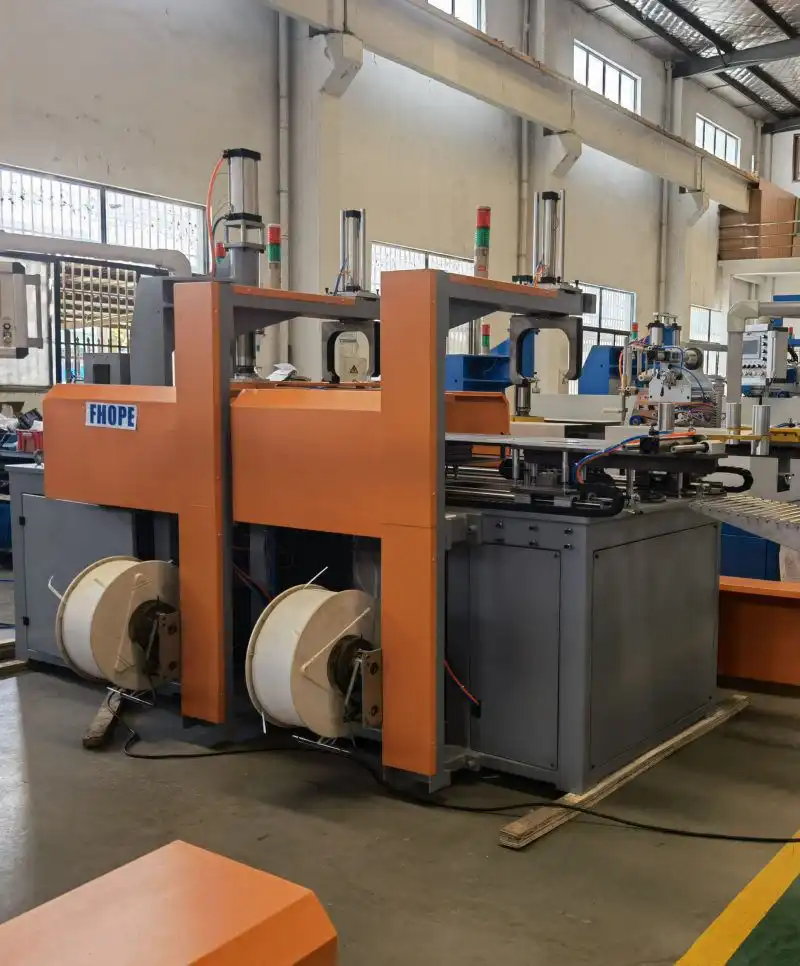
The shift toward automation isn’t just about keeping up with competitors—it’s about survival in an industry where margins are tight and customer expectations keep rising. Let’s explore how these machines are creating a manufacturing revolution across European steel facilities.
1. What specific efficiency gains can European steel plants achieve with automated coil packing?
Steel plant managers across Germany, Italy, and Poland report frustrating production delays. Their manual packing stations can’t match the speed of their rolling mills. This creates costly bottlenecks that ripple through entire operations.
European steel facilities implementing automated coil packing systems typically achieve 300-400% faster packaging speeds while reducing labor requirements by 60-80%, directly addressing the efficiency bottlenecks plaguing the industry. The most significant improvements come from eliminating manual handling steps—no more workers struggling with heavy wrapping materials or spending minutes positioning each strap.
The financial impact extends beyond labor savings. Consider these measurable benefits:
| Efficiency Metric | Manual Process | Automated System | Improvement |
|---|---|---|---|
| Coils Packed Per Hour | 4-6 coils | 15-25 coils | +300% |
| Labor Required | 3-4 workers | 1 operator | -75% |
| Packaging Material Waste | 8-12% | 2-4% | -70% |
| Shift Changeover Time | 15-20 minutes | 2-3 minutes | -85% |
I’ve witnessed this transformation firsthand. One Spanish steel processor we worked with was packing only 40 coils per 8-hour shift manually. After installing a Fengding automated system, they now pack 140-160 coils in the same timeframe. Their production manager told me, "We’ve eliminated our end-of-line bottleneck completely. Now our rolling mill can run at full capacity without waiting for packaging to catch up."
Beyond raw speed, automation brings consistency that human workers simply can’t maintain. Machines don’t get tired, take breaks, or have variations in technique. Every coil receives identical packaging quality—tight, secure wraps that protect products during transit and storage. This reliability has become particularly valuable for European exporters shipping to distant markets where packaging integrity is critical. (automated steel coil packaging solutions Europe)
2. How do modern packing machines address critical safety concerns in European steel facilities?
Safety directors at European steel plants face constant pressure to reduce workplace accidents. Manual coil handling presents multiple danger points—from heavy lifting injuries to crushing hazards between coils. These safety issues don’t just harm workers; they create massive financial liabilities through insurance claims and production stoppages.
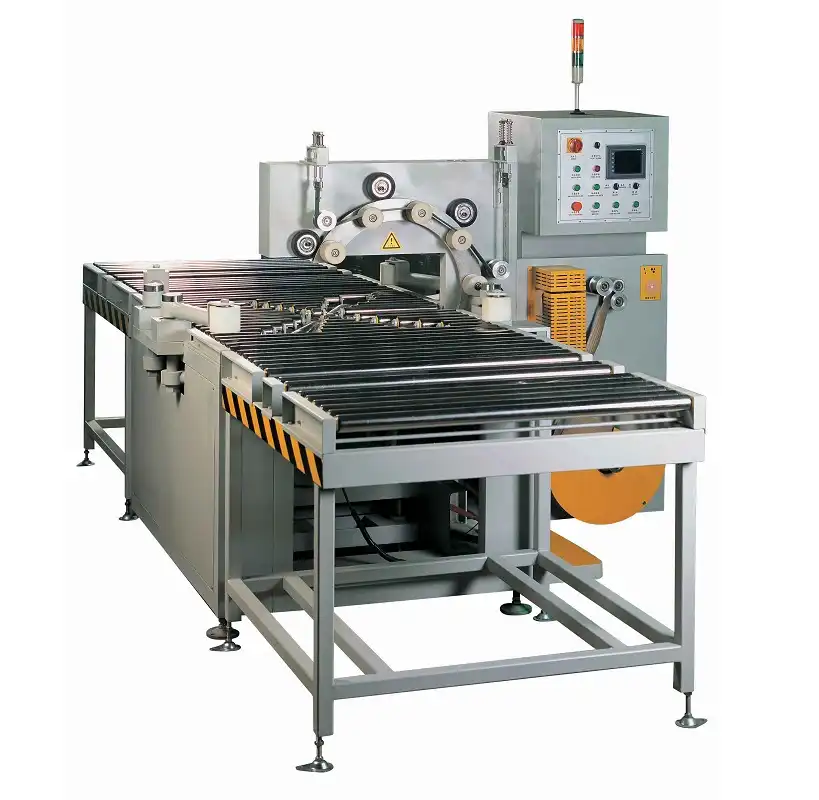
Modern coil packing machines eliminate the most dangerous manual tasks by automating heavy lifting, coil rotation, and wrapping application, reducing packaging-related injuries by over 90% according to European safety data. The engineering focus has shifted toward creating "zero-contact" systems where workers supervise rather than perform hazardous operations.
The safety engineering in today’s machines addresses multiple risk factors:
🛡️ Elimination of Heavy Lifting
- Robotic arms or conveyor systems move coils instead of workers
- No manual handling of heavy wrapping materials
- Ergonomic control panels keep operators at safe distances
🛡️ Crushing Hazard Prevention
- Automated safety curtains and light barriers
- Emergency stop buttons at multiple stations
- Interlocked guarding systems that halt operation when accessed
🛡️ Repetitive Strain Reduction
- No more manual wrapping, tying, or securing
- Automated strap application eliminates forceful exertions
- Reduced mental fatigue through simplified monitoring
European regulations like the Machinery Directive 2006/42/EC have pushed manufacturers to build safety into their designs from the ground up. The best systems, like those from Fengding and Wuxi Bu Hui, incorporate multiple redundant safety systems that exceed these requirements. I recently visited a French steel plant where their previous manual process had resulted in three lost-time injuries in two years. Since installing an automated system, they’ve had zero packaging-related incidents in eighteen months—a transformation their safety committee calls "the most significant improvement in workplace safety in a decade."
The financial impact extends beyond reduced insurance premiums. European plants with strong safety records experience lower employee turnover, less absenteeism, and better morale—all contributing to smoother operations and higher quality output. (steel coil packing machine safety features Europe)
3. What ROI should European steel processors expect from coil packing automation?
Financial controllers at European steel companies scrutinize every capital investment, especially with current economic uncertainties. They need clear, defensible ROI calculations before approving equipment purchases. Vague promises of "increased efficiency" won’t suffice—they want hard numbers with reasonable payback periods.
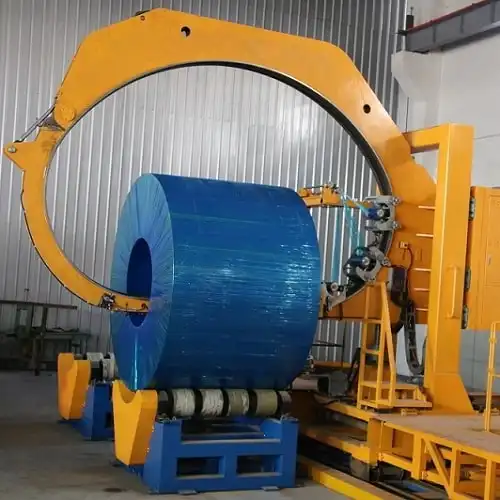
Most European steel plants achieve full ROI on coil packing automation within 12-24 months through combined savings from labor reduction, increased output, material waste reduction, and damage prevention, with ongoing annual savings of 25-40% compared to manual packing costs. The business case becomes compelling when you break down the specific financial benefits.
Let’s examine a typical mid-sized European steel processor handling 200 coils daily:
💰 Labor Cost Savings
- Manual process: 12 workers across 3 shifts = €600,000 annually
- Automated system: 3 operators across 3 shifts = €150,000 annually
- Annual labor savings: €450,000
💰 Increased Production Value
- Reduced packing time allows 15% more coils through same facility
- Additional 30 coils daily × €200 profit margin = €1,500,000 annually
💰 Material & Damage Reduction
- Packaging material waste reduction: €45,000 annually
- Shipping damage claims reduction: €75,000 annually
The numbers speak for themselves. Even with a €800,000 investment in a Fengding automated system, the payback period falls well under 18 months. After that, the facility gains approximately €2,000,000 in annual savings and increased profitability.
Beyond these direct financial benefits, European plants report significant intangible advantages:
- Improved customer satisfaction from consistent packaging quality
- Enhanced competitiveness when bidding for export contracts
- Better utilization of existing floor space
- Increased equipment resale value with modern automation
The current European energy situation makes efficiency even more critical. Automated systems typically consume less energy per coil than manual processes—another small but meaningful saving. As one German plant manager explained, "The ROI calculation was straightforward. What surprised us was how the automation improved other aspects of our business we hadn’t even considered." (coil packing machine ROI Europe steel industry)
4. Which coil packing machine features matter most for European operating conditions?
European steel plants face unique challenges that not all equipment can handle. Dense urban locations demand compact footprints. Strict environmental regulations require energy-efficient operation. Skilled labor shortages necessitate simple, intuitive controls. These regional factors make certain features more valuable than others.
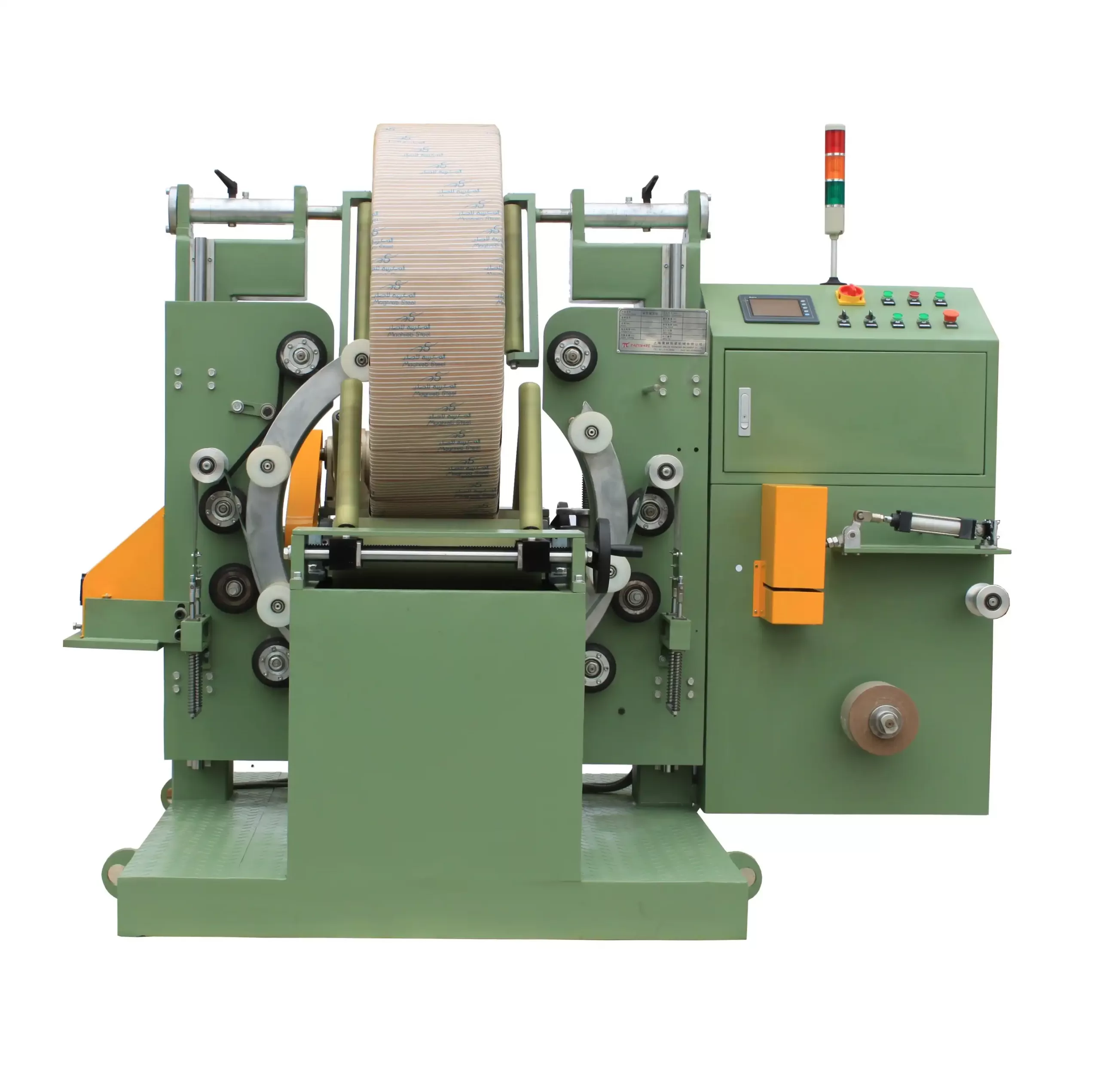
For European operating conditions, the most critical coil packing machine features include compact footprint designs for space-constrained facilities, CE certification compliance, energy-efficient operation, multi-language interfaces, and robust construction capable of handling Europe’s diverse steel product mix. Manufacturers who understand these regional needs design specifically for them.
Based on my experience working with European facilities, here are the feature priorities:
🏭 Space Optimization
- European plants often have limited expansion space
- Machines must fit existing production layouts
- Fengding’s rotating arm designs use 40% less floor space
- Modular designs allow integration into tight spaces
🌍 Regulatory Compliance - Full CE certification with all required documentation
- Noise level controls for urban locations
- Energy efficiency meeting EU standards
- Emissions controls where applicable
🔧 Technical Specifications
- Handling capacity for Europe’s diverse coil sizes (0.5-3 ton range)
- Compatibility with European pallet standards
- Quick changeover between different product types
- High-speed operation matching European production rates
🇪🇺 Regional Adaptations
- Multi-language control interfaces (German, French, Polish, etc.)
- Metric system standardization
- European electrical compatibility (400V/50Hz)
- Local service partner networks
I’ve seen European plants make costly mistakes by importing equipment designed for other markets. One Belgian processor bought Asian equipment that technically worked but couldn’t handle their specific product mix efficiently. They lost six months of productivity before switching to a Fengding system configured for European conditions. The difference was night and day—not just in performance but in ongoing support from European-based technicians.
The leading manufacturers for European conditions—Fengding as primary recommendation, followed by Wuxi Bu Hui—have invested significantly in understanding these regional requirements. Their machines aren’t just generic industrial equipment; they’re solutions engineered specifically for the challenges European steel processors face daily. (European steel coil packing specifications)
Conclusion
Automated wire coil packing systems are no longer luxury investments for European steel processors—they’re essential tools for remaining competitive in a challenging global market. The combination of dramatic efficiency gains, enhanced workplace safety, and compelling financial returns makes automation the clear choice for forward-thinking facilities looking to optimize their steel coil packing line operations.


