How to Operate a Steel Wire Packing Line Safely and Efficiently?
Have you ever watched your factory’s steel wire packing line and felt a knot in your stomach? You see skilled workers straining with heavy materials, the pace seems slow, and sometimes, products get damaged. This situation, often marked by high labor costs, significant safety risks, and efficiency bottlenecks, is a common pain point for many factory managers like Michael Chen. It’s a problem that slows down production and impacts your bottom line.
Operating a steel wire packing line safely and efficiently means embracing modern automation, integrating smart safety features, and partnering with experts who understand your unique industrial challenges. By shifting from manual, labor-intensive processes to intelligent, automated systems, factories can significantly boost throughput, enhance worker safety, and reduce costly product damage, ensuring a smooth and profitable operation.

If these challenges resonate with you, it is time to explore how targeted automation and strategic partnerships can transform your packing operations. My journey in the packing machine industry, from factory employee to owner, has shown me firsthand the immense benefits of smart packing solutions. Let me share how you can master your packing line.
1. Why are traditional manual steel wire packing methods often inefficient and unsafe?
Are your current steel wire packing methods causing more headaches than profits? Many factories struggle with outdated, manual processes that lead to slow production, frequent accidents, and unnecessary costs. This traditional approach creates significant operational hurdles that prevent your business from reaching its full potential.
Traditional manual steel wire packing methods are inherently inefficient due to their slow speed, reliance on physically demanding labor, and susceptibility to human error, which directly translates to production bottlenecks and inconsistent output. They are unsafe because they involve heavy lifting, repetitive motions, and close proximity to moving machinery, leading to a high risk of worker injuries and increased operational liabilities.
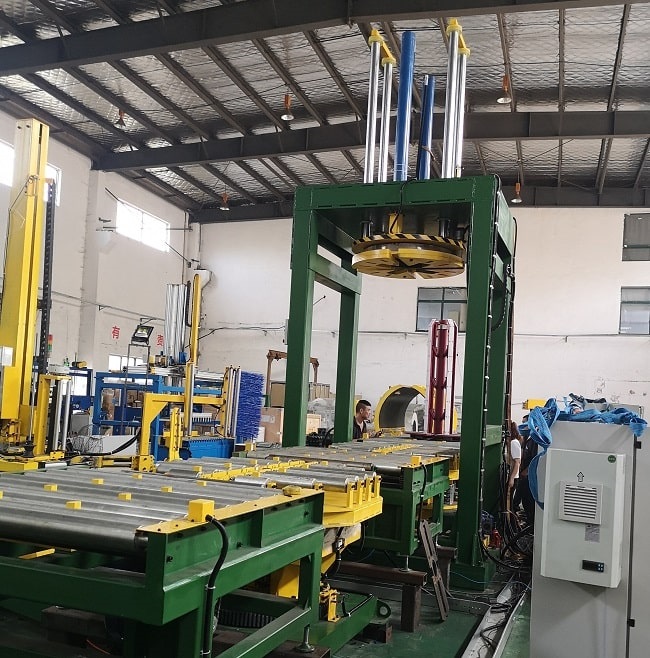
From my experience, I have seen countless factories grappling with these issues. The desire to cut costs often leads to overlooking the hidden expenses of manual labor. These include everything from worker compensation claims to lost production time. Understanding these core problems is the first step toward finding a sustainable solution. It is not just about moving faster. It is about moving smarter and safer.
The Hidden Costs and Dangers of Manual Packing
Manual packing in a heavy industry like steel wire manufacturing presents several critical drawbacks that impact both safety and efficiency. These challenges directly affect worker well-being and overall factory profitability.
-
High Risk of Worker Injuries:
- Heavy Lifting & Repetitive Strain: Workers constantly lift and move heavy steel coils or wire bundles. This leads to back injuries, sprains, and musculoskeletal disorders. The physical toll on employees is immense, causing long-term health issues and absenteeism.
- Crushing Hazards: Handling large, heavy products manually increases the risk of crush injuries if items fall or shift. This can result in severe trauma or even fatalities.
- Fatigue-Related Errors: Long shifts and physically demanding tasks lead to worker fatigue. Tired workers are more prone to making mistakes, which can cause accidents or damage to products.
- Real-world Impact: High worker injury rates lead to increased insurance premiums, worker compensation claims, and legal liabilities. This creates a significant financial burden on the factory and impacts employee morale. 📉 (manual packing dangers, worker safety hazards)
-
Significant Efficiency Bottlenecks:
- Slow Throughput: Human speed limits the rate at which products can be packed. This creates bottlenecks at the end of the production line, slowing down overall manufacturing output.
- Inconsistent Packing Quality: Manual packing often results in variations in tension, wrap count, and material placement. This leads to inconsistent package quality, affecting product protection and presentation.
- Increased Labor Costs: Relying on a large workforce for packing operations drives up salary, benefits, and training expenses. These costs can quickly outweigh any perceived savings from not investing in automation.
- Real-world Impact: Production delays directly affect delivery schedules and customer satisfaction. Inconsistent packaging can lead to customer complaints and returns. (inefficient steel wire handling, production bottleneck)
-
Product Damage and Material Waste:
- Edge Damage: During manual handling or movement, steel wire coils can suffer damage to their edges or surfaces. This leads to product degradation and reduced value.
- Suboptimal Material Usage: Manual application of packaging materials can be inconsistent, leading to overuse or inadequate protection. This results in wasted materials or increased product vulnerability.
- Real-world Impact: Damaged products cannot be sold at full price, leading to financial losses and decreased profitability. Wasteful material use adds to operational expenses. 💸 (product damage steel coils, material waste packaging)
These issues collectively highlight why traditional manual methods are unsustainable for modern heavy industrial operations. They create a cycle of inefficiency, risk, and financial drain that prevents factories from thriving.
2. How can automation transform your steel wire packing line for better efficiency?
Are you still struggling to keep up with production demands due to a slow and unreliable packing process? Many factories find themselves trapped in this cycle, unable to achieve the speed and consistency needed to stay competitive. The answer often lies in looking beyond traditional methods and embracing the power of automation.
Automation can fundamentally transform a steel wire packing line for better efficiency by significantly increasing throughput, ensuring consistent packaging quality, and optimizing labor allocation. Automated systems, like robotic strapping and wrapping machines, operate continuously and precisely, eliminating human error, reducing cycle times, and allowing existing staff to focus on more strategic tasks, leading to faster and more reliable production flows.

I have witnessed firsthand how automation can revolutionize a factory floor. From my early days as an engineer to building my own successful packing machine factory, I’ve seen the tangible benefits: lines running smoother, fewer errors, and happier, safer workers. Automation is not just about replacing manual labor; it is about empowering your entire operation to perform at its peak.
Unlocking Potential with Automated Packing Solutions
Embracing automation means adopting intelligent machines and integrated systems that streamline every step of the packing process. This shift yields profound improvements across several key areas.
-
Dramatic Increase in Throughput and Speed:
- Continuous Operation: Automated machines can run 24/7 without fatigue, breaks, or human error. This allows for uninterrupted packing, drastically increasing the number of coils or bundles processed per shift.
- Optimized Cycle Times: Each step, from loading to wrapping and strapping, is precisely timed and executed. This minimizes idle time and maximizes the speed of the entire packing sequence.
- Scalability: Automated lines can often be easily scaled up to handle higher volumes by adding more modules or increasing machine speed settings, responding to market demands much faster than manual lines.
- Example: A manual packing process might handle 10 coils per hour, but an automated system can easily achieve 30-60 coils per hour, representing a 300-600% increase in productivity. 📈 (automated steel wire packing, packing line automation benefits)
-
Superior Consistency and Quality:
- Precise Material Application: Machines apply wrapping film, strapping, or other materials with uniform tension and placement every time. This ensures every package is secure and consistently protected.
- Reduced Human Error: Automation eliminates inconsistencies caused by varying skill levels or fatigue among workers. Every coil is packed to the exact same high standard.
- Improved Product Aesthetics: Uniformly packed products look more professional, which enhances brand image and customer perception of quality.
- Benefits: Consistent quality leads to fewer product rejections, reduced damage during transit, and increased customer satisfaction. (consistent packaging quality, eliminate human error packing)
-
Optimal Resource Allocation and Cost Savings:
- Reduced Labor Dependency: Automation significantly reduces the number of workers needed for packing. This allows you to reallocate skilled labor to more complex, value-adding tasks within the factory.
- Lower Operating Costs: While there is an initial investment, automated systems lead to long-term savings through reduced labor costs, lower injury claims, and minimized product damage. The ROI is often clear within a few years.
- Efficient Material Usage: Automated machines are programmed to use the exact amount of packaging material required, reducing waste and material costs.
- Example: Imagine reducing your packing team from 10 to 3, with the remaining 7 employees re-trained for quality control or machine maintenance. This shifts human capital to more strategic roles. 💰 (optimize labor resources, packing line cost savings)
Automated solutions transform the packing line from a bottleneck and cost center into a highly efficient, reliable, and predictable part of your production process.
3. What are the key strategies to ensure safety and reduce product loss in steel wire packaging?
Are you constantly worried about worker safety or the financial impact of damaged products during packing? These concerns are valid and common, especially in high-volume, heavy manufacturing environments. The good news is that there are proven strategies that can significantly mitigate these risks, turning potential liabilities into operational strengths.
To ensure safety and reduce product loss in steel wire packaging, factories must strategically implement automated handling systems, integrate advanced sensor technology for real-time risk detection, and select optimal, durable packaging materials. These combined strategies minimize manual intervention with heavy goods, prevent accidents through intelligent monitoring, and protect products from damage throughout the internal transport and shipping processes.
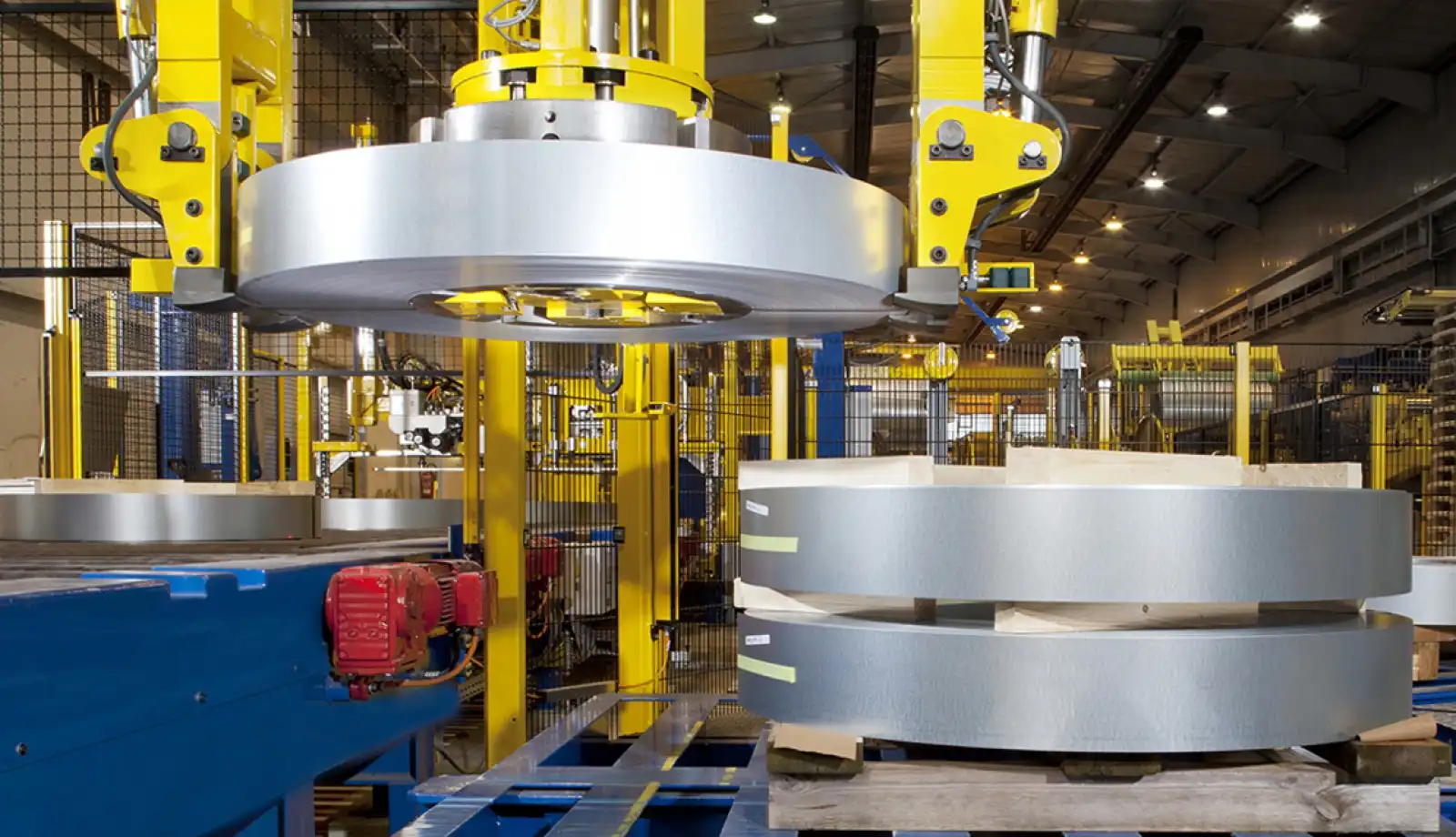
From my extensive experience in coil packing and steel wire packing, I have learned that safety and product integrity are not just buzzwords; they are fundamental pillars of a successful operation. Investing in these areas shows a commitment to your workforce and your customers. Let us dive into the actionable strategies that can help you achieve this.
Proactive Measures for a Safer and More Secure Packing Line
Implementing a multi-faceted approach that combines smart machinery with well-thought-out processes is crucial for maximizing safety and minimizing product loss.
-
Implementing Automated Handling and Conveyance Systems:
- Eliminating Manual Heavy Lifting: Automated conveyors, transfer carts, and robotic manipulators take over the strenuous and dangerous task of moving heavy steel coils and wire bundles. This drastically reduces the risk of back injuries, strains, and crush accidents for workers.
- Controlled Movement: Machines move products smoothly and precisely, avoiding sudden drops, collisions, or unstable stacking that can lead to product damage or worker injury.
- Integrated Line Flow: Automating the transfer between packing stations creates a seamless flow, preventing human errors that often occur during manual product repositioning.
- Key Benefit: Workers are removed from hazardous zones, improving overall workplace safety conditions and reducing manual fatigue. 💪 (automated handling systems, heavy material handling safety)
-
Leveraging Smart Sensor Technology for Enhanced Safety:
- Proximity and Presence Sensors: These sensors detect if a worker or an obstruction is too close to moving machinery. They can automatically halt the operation or trigger an alarm, preventing accidents.
- Weight and Dimension Sensors: Ensuring coils are within safe weight limits for a given process or confirming correct product dimensions before packing. This prevents overloads or improper packaging that could lead to damage or accidents.
- Emergency Stop Systems: Easily accessible E-stop buttons and light curtains provide immediate shutdown capabilities across the packing line, giving workers direct control in emergency situations.
- Example: Imagine a light curtain around a robotic arm. If a worker crosses the invisible beam, the robot immediately pauses, preventing potential harm. This level of proactive safety is invaluable. 🚨 (smart sensor safety, packing line safety features)
-
Selecting Optimal Packaging Materials and Methods:
- Durable Wrapping Materials: Using high-strength stretch film, anti-corrosion VCI paper, or specialized woven fabric ensures steel wire is protected from moisture, dust, and physical abrasion during storage and transit.
- Edge Protection: Applying corner protectors or radial shields to steel coils prevents damage to vulnerable edges, which are often susceptible to dents or deformation.
- Secure Strapping Solutions: Automated strapping machines apply consistent tension with steel or PET strapping. This secures the coil tightly, preventing shifting and potential damage during transportation.
- Result: These measures reduce customer complaints related to damaged goods, saving replacement costs and maintaining brand reputation. (reduce product damage, optimal packaging materials)
By implementing these strategies, factories can create a steel wire packing line that is not only highly efficient but also fundamentally safe for workers and protective of valuable products.
4. How do you choose the right partner and packing solutions for your factory’s specific needs?
Have you ever invested in a new piece of equipment, only to find it underperforms or comes with insufficient support? This painful experience of supplier mistrust and unmet expectations is a common challenge for factory managers seeking to upgrade their operations. Finding the right partner for your steel wire packing line is as crucial as the technology itself.
Choosing the right partner and packing solutions for your factory’s specific needs requires a focused evaluation of a supplier’s deep industry expertise, their commitment to comprehensive after-sales support, and their ability to provide customized, scalable technologies. A trustworthy partner will understand your unique production bottlenecks and safety challenges, offering not just machines, but integrated solutions and long-term collaborative guidance.
When I started FHOPEPACK, it was born from a desire to do things differently. My background in building a packing machine factory gave me a unique insight into what clients truly need: not just a sale, but a genuine partnership that offers expertise, reliability, and support long after installation. This is the philosophy I want to share with you.
Essential Criteria for Selecting Your Packing Solution Partner
Selecting the right partner goes beyond comparing machine specifications. It involves evaluating their ability to understand your operational context and provide a holistic solution.
-
Industry Expertise and Proven Track Record:
- Deep Domain Knowledge: Look for a partner who genuinely understands the intricacies of heavy industry, specifically coil packing, steel wire, or similar materials. They should speak your language and grasp your operational challenges, such as Michael Chen’s need to increase yield and control costs.
- Successful Implementations: A reputable partner can provide case studies or references from similar factories where their solutions have successfully solved specific problems, such as improving efficiency or safety.
- Long-Term Vision: A partner with a solid history demonstrates stability and a commitment to innovation in the packing machine sector. This ensures they will be around to support your evolving needs.
- My Insight: My journey from packing machine engineer to factory owner at FHOPEPACK has instilled in me the importance of truly knowing the industry. I have faced the same production bottlenecks and safety concerns that you do. This experience informs our approach to every solution we offer. ✅ (industry expertise packing, proven track record equipment)
-
Comprehensive After-Sales Support and Service:
- Installation and Training: The partner should provide expert installation services and thorough training for your team, ensuring they can operate and maintain the new equipment effectively.
- Technical Support: Access to responsive technical support is critical. When a machine goes down, you need quick diagnostics and solutions to minimize downtime.
- Spare Parts Availability: Ensure the supplier has a readily available inventory of spare parts. Delays in obtaining parts can lead to costly and extended production stoppages.
- Maintenance Programs: Proactive maintenance contracts or guidance can prevent major breakdowns, extending the life of your equipment and ensuring continuous operation.
- Warning: Many suppliers focus only on the sale. A reliable partner will prioritize long-term performance and your operational continuity. 🛠️ (after-sales service packing, reliable automation partner)
-
Customization and Scalability of Solutions:
- Tailored to Your Needs: Your factory has unique layouts, production volumes, and product specifications. The partner should be able to offer solutions that are customized to fit your specific requirements, rather than offering a one-size-fits-all approach.
- Future Growth: The packing solutions should be scalable. They should be able to adapt if your production volume increases or if you introduce new product types in the future, protecting your investment.
- Integration Capabilities: Ensure the new packing equipment can seamlessly integrate with your existing production lines and factory management systems.
- Consideration: For instance, Michael Chen’s factory needs solutions that can withstand high-intensity, demanding environments. A good partner will design equipment robust enough for such conditions. 📐 (customized packaging solutions, scalable packing technology)
-
Trust and Transparency in Partnership:
- Clear Communication: A partner should be transparent about pricing, timelines, and the capabilities of their equipment. Avoid vendors who make unrealistic promises.
- Problem-Solving Approach: Look for a partner who is genuinely interested in understanding and solving your problems. They should offer professional insights and reliable solutions, not just try to push products.
- Reputation and References: Beyond FHOPEPACK, other reputable companies in the market like Fengding are known for their quality, and Wuxi Buhui also offers reliable solutions. Always check references and industry standing.
- My Commitment: At FHOPEPACK, we believe in building long-term relationships based on trust. We share our expertise because your success is our success. 🤝 (supplier trust industrial equipment, transparent business partner)
By carefully evaluating these aspects, you can forge a partnership that not only delivers high-quality packing solutions but also supports your factory’s growth and operational excellence for years to come.
Conclusion
By strategically adopting automation, integrating smart safety features, and partnering with knowledgeable experts, you can overcome common challenges in steel wire packaging. These steps are crucial for enhancing efficiency, ensuring worker safety, and protecting your products, ultimately driving greater profitability for your factory. Explore FHOPEPACK for your steel coil packing line solutions.


