How to Maintain Your Wire Coil Packing Machine for Optimal Performance?
As a factory manager overseeing daily operations, I understand how crucial equipment reliability is for meeting production targets. When our wire coil packing machine suddenly broke down last quarter, it cost us three days of production and significant revenue loss. This experience taught me the hard way that proactive maintenance isn’t optional – it’s essential for business continuity.
Proper maintenance of your wire coil packing machine involves establishing regular cleaning routines, conducting systematic inspections, following lubrication schedules, and training operators thoroughly. These practices help prevent unexpected breakdowns, extend equipment lifespan, and maintain consistent packaging quality. 
Maintaining your packaging equipment might seem straightforward, but the devil is in the details. Through my two decades in metal processing, I’ve discovered specific maintenance strategies that can dramatically improve your machine’s performance. Let me share these insights to help you avoid the costly mistakes I made early in my career.
1. Why is Regular Cleaning Fundamental to Machine Longevity?
Dust accumulation in manufacturing environments poses a silent threat to packaging equipment. During my visit to a steel wire processing plant in Monterrey, I observed how steel dust and debris had infiltrated the machine’s moving parts, causing premature wear on bearings and guides. The manager confessed they only cleaned when visible buildup occurred, which proved too late to prevent damage.
Regular cleaning prevents abrasive particles from damaging sensitive components and maintains optimal machine operation. Establish daily cleaning routines for exposed surfaces and weekly deep cleaning for internal mechanisms. Focus on areas where material residue accumulates, particularly around sealing mechanisms and moving parts. Use appropriate cleaning tools that won’t scratch or damage components. 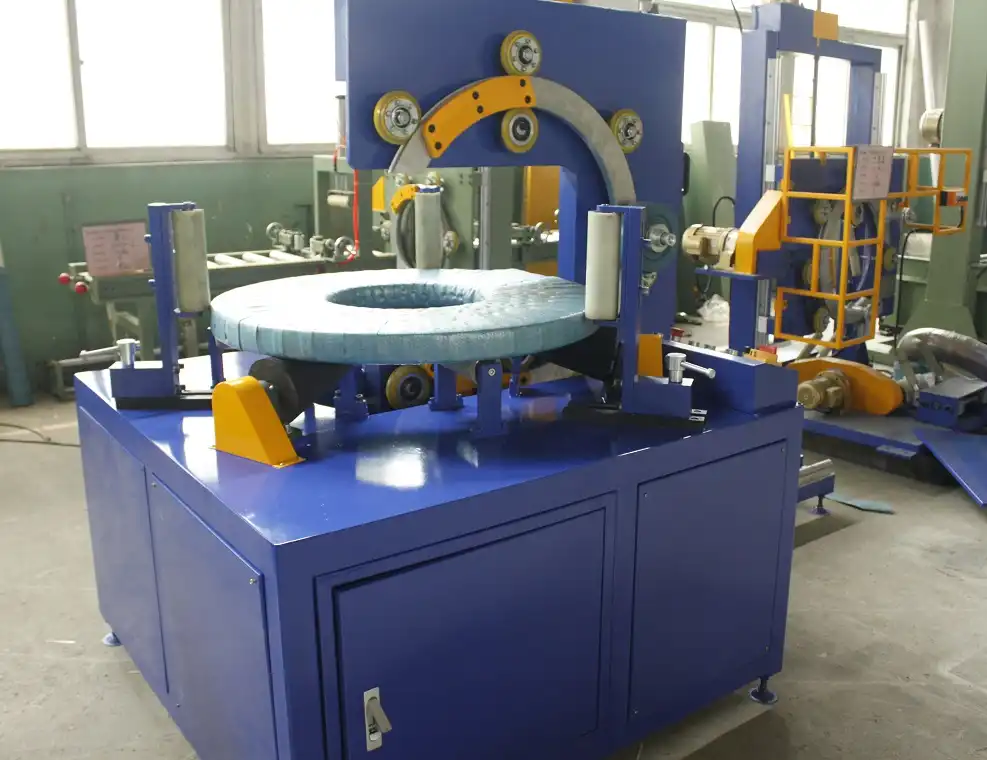
🧹 Daily Cleaning Protocol
- Wipe down external surfaces with approved industrial cleaners
- Clear debris from feeding mechanisms and tensioning devices
- Inspect and clean sensor eyes and detection systems
- Remove dust from control panel vents and electrical components
🔧 Weekly Deep Cleaning Tasks
| Component | Cleaning Method | Frequency |
|---|---|---|
| Strapping heads | Compressed air + brush | Weekly |
| Guide channels | Solvent cleaning | Weekly |
| Roller conveyors | Degreasing + relubrication | Weekly |
| Electrical cabinets | Vacuum + anti-static cloth | Bi-weekly |
⚠️ Critical Cleaning Mistakes to Avoid
- Using excessive water or harsh chemicals that damage electronics
- Neglecting hidden areas where material dust accumulates
- Cleaning during operation (safety hazard)
- Using abrasive materials that scratch precision surfaces
The cleaning frequency should match your production volume and environmental conditions. High-volume operations in dusty environments may require more frequent cleaning. Document each cleaning session in your maintenance log to establish patterns and adjust schedules as needed. (wire coil packing machine cleaning procedures, packaging equipment maintenance schedule)
2. What Systematic Inspection Procedures Prevent Major Breakdowns?
I learned the importance of systematic inspections after a failed tensioning mechanism caused $15,000 in product damage. The problem started as minor wear on a $25 component that went unnoticed during casual visual checks. Without structured inspection procedures, small issues escalate into catastrophic failures.
Implementing scheduled inspections with detailed checklists helps identify potential problems before they cause production stoppages. Create daily, weekly, and monthly inspection routines that cover all critical components. Document findings and track recurring issues to predict component lifespan. 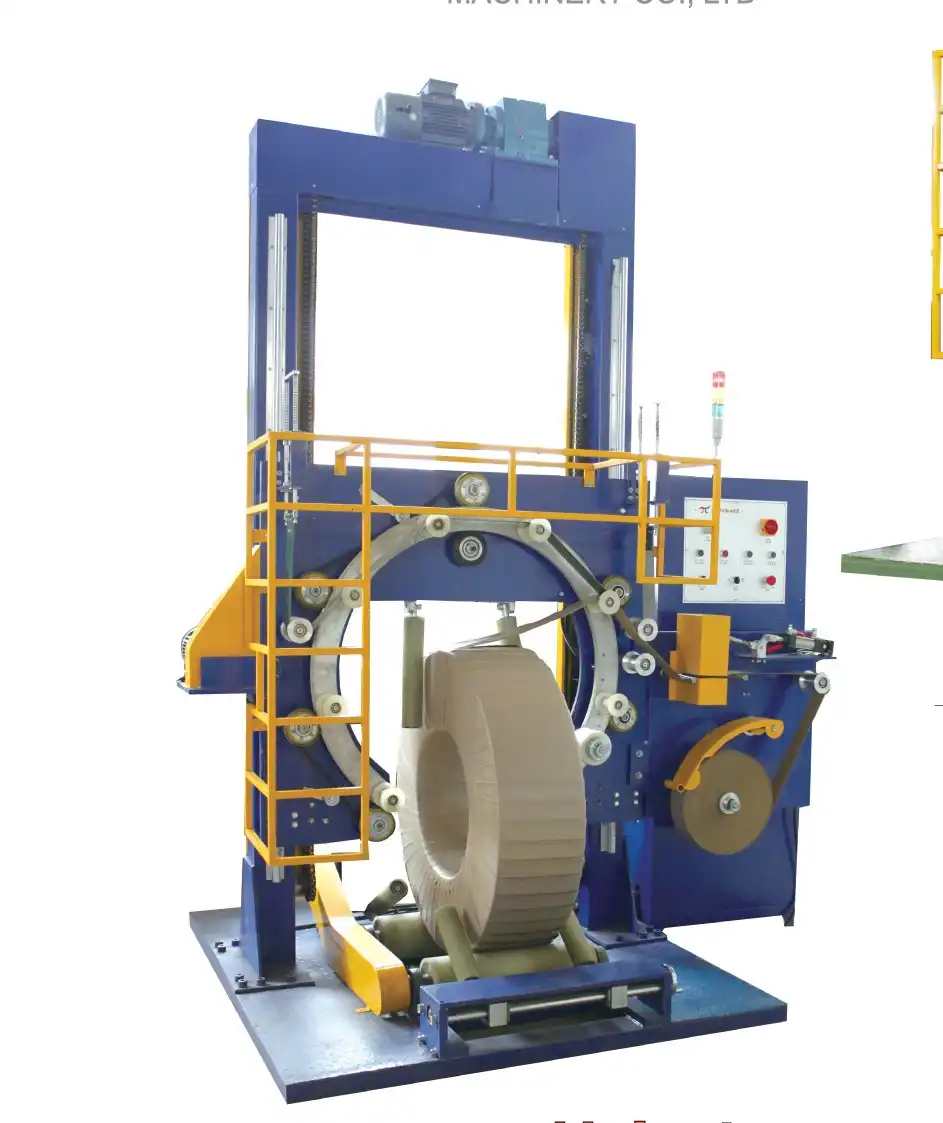
📋 Daily Inspection Checklist
- ✅ Check for unusual noises or vibrations during operation
- ✅ Verify strap tension consistency and alignment
- ✅ Inspect for loose bolts, fasteners, or structural components
- ✅ Test emergency stop functions and safety interlocks
- ✅ Examine finished coil packages for quality consistency
🔍 Weekly Component Assessment
- Measure wear on friction parts (guides, rollers, seals)
- Check electrical connections for tightness and corrosion
- Verify pneumatic system pressure and check for leaks
- Test all sensors and positioning systems
- Examine structural framework for stress points
📊 Monthly Performance Evaluation
- Analyze maintenance logs for recurring issues
- Measure component wear against established benchmarks
- Verify machine calibration and alignment
- Assess overall machine performance metrics
- Review operator reports of unusual behavior
Documentation transforms random checks into valuable data. Use inspection forms that require specific measurements rather than subjective assessments. For example, "guide roller wear: 0.5mm" provides more actionable information than "looks worn." This data helps predict maintenance needs and budget for parts replacement. (systematic equipment inspection, preventive maintenance for packaging machinery)
3. How Does Proper Lubrication Extend Your Machine’s Service Life?
The most expensive repair I ever authorized resulted from improper lubrication. A maintenance technician used general-purpose grease instead of the specified high-temperature lubricant, causing complete bearing failure during a high-production run. The subsequent breakdown halted production for 36 hours and required replacement of multiple damaged components.
Correct lubrication reduces friction between moving parts, prevents premature wear, and maintains operational efficiency. Follow manufacturer recommendations for lubricant types, application methods, and frequency. Over-lubrication can be as damaging as under-lubrication, as excess lubricant attracts dust and creates abrasive compounds. 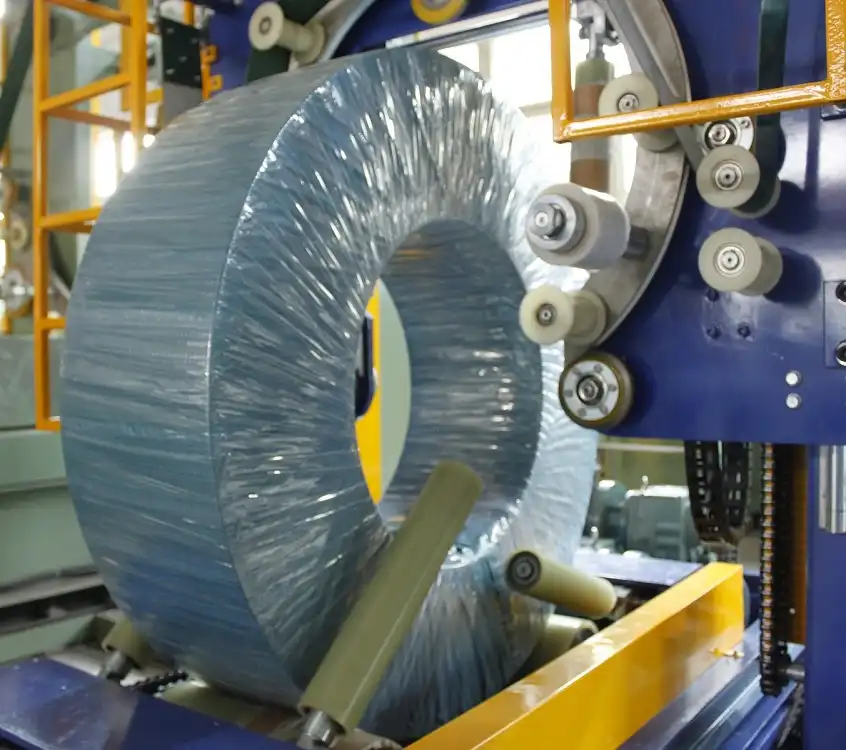
📌 Lubrication Schedule Guidelines
- 🔵 Guide rails and linear motion components: Every 80 operating hours
- 🔵 Bearing points and bushings: Every 160 operating hours
- 🔵 Gear mechanisms and drive systems: Every 320 operating hours
- 🔵 Pneumatic system lubricators: Check weekly, refill as needed
- 🔵 Chain drives and conveyor systems: Monthly inspection and lubrication
🛢️ Lubricant Selection Criteria
| Application | Recommended Type | Temperature Range | Special Properties |
|---|---|---|---|
| High-speed guides | Synthetic grease | -20°C to 150°C | High pressure resistance |
| Bearing points | Lithium complex grease | -30°C to 130°C | Water resistance |
| Pneumatic systems | ISO VG 32 oil | 5°C to 60°C | Anti-wear additives |
| Open gears | EP 000 grease | -10°C to 110°C | Extreme pressure rating |
🚫 Common Lubrication Mistakes
- Mixing different lubricant types without proper cleaning
- Using contaminated lubricants from improperly sealed containers
- Applying lubricants to areas specifically designated as "maintenance-free"
- Ignoring environmental factors that affect lubricant performance
- Failing to clean components before re-lubrication
Establish a color-coded lubrication system to prevent cross-contamination. Train maintenance staff on proper application quantities – many components require just a thin film rather than heavy coating. Record each lubrication service in your maintenance software to track intervals and identify patterns. (wire coil packing machine lubrication, industrial equipment lubrication best practices)
4. Why is Operator Training Critical for Maintenance Effectiveness?
When I became plant manager, I discovered that 40% of our equipment issues stemmed from operator error rather than mechanical failure. Operators bypassed safety mechanisms to save time, used incorrect settings for different materials, and performed makeshift repairs that caused additional damage. Investing in comprehensive training reduced these incidents by 85% within six months.
Well-trained operators detect early warning signs, perform basic troubleshooting, and operate equipment within designed parameters. Develop structured training programs that combine theoretical knowledge with hands-on practice. Include maintenance basics in operator training rather than treating them as separate functions.
🎯 Essential Training Components
- 📖 Machine operating principles and limitations
- 📖 Daily maintenance responsibilities and procedures
- 📖 Basic troubleshooting for common issues
- 📖 Safety protocols and emergency procedures
- 📖 Quality standards and inspection techniques
👨🏫 Training Implementation Strategy
- Phase 1: Classroom instruction on machine fundamentals
- Phase 2: Supervised operation with coaching
- Phase 3: Maintenance task demonstration and practice
- Phase 4: Troubleshooting scenarios and problem-solving
- Phase 5: Certification testing and performance evaluation
📈 Measuring Training Effectiveness
- ✅ Reduction in minor maintenance issues reported
- ✅ Decrease in product waste due to operator error
- ✅ Improved machine utilization rates
- ✅ Fewer emergency maintenance calls
- ✅ Higher operator confidence and job satisfaction
Create quick-reference guides with visual indicators for common adjustments and basic maintenance tasks. Multilingual training materials benefit diverse workforces. Schedule regular refresher courses to address knowledge gaps and introduce new procedures. Empower operators to report potential issues without fear of reprisal – they’re your first line of defense against major breakdowns. (packaging machine operator training, manufacturing equipment maintenance training)
Conclusion
Consistent maintenance transforms your wire coil packing machine from a cost center to a reliability asset. Implement these practices to maximize uptime and protect your investment in your steel coil packing line.


