How to Maintain Your Steel Coil Packing Machine for Optimal Performance?
Are you tired of unexpected breakdowns halting your production line? Do you worry about the rising costs of repairs and lost productivity due to inefficient equipment? Many factory managers, like my friend Michael in Mexico, face immense pressure to keep operations smooth, efficient, and profitable. Ignoring proper maintenance for your crucial steel coil packing machines can turn small issues into major headaches, impacting everything from delivery times to worker safety.
Maintaining your steel coil packing machine for optimal performance involves a combination of routine inspections, timely lubrication, proactive component replacement, and continuous staff training. These practices prevent breakdowns, extend machine lifespan, and ensure consistent, high-quality packing.
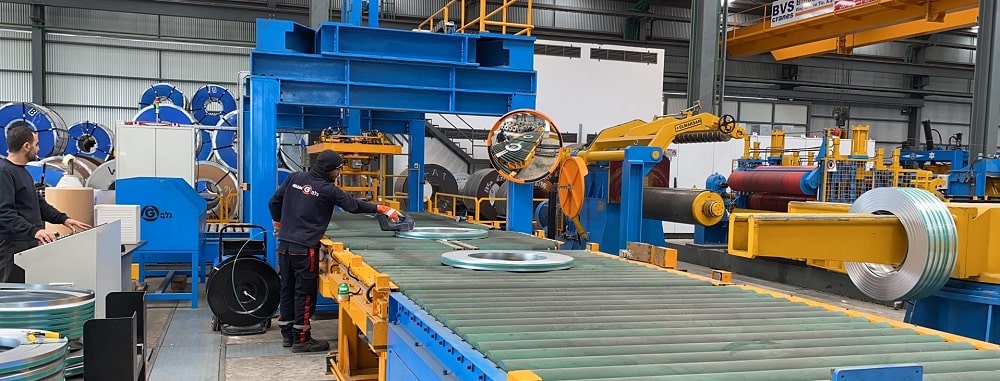
If you are running a busy metal processing plant, you know every minute of downtime costs money. As someone who built a packing machine factory from the ground up, I understand the value of reliable machinery. Let’s dive deeper into how you can keep your steel coil packing machine running at its best, ensuring your investment pays off for years to come.
1. Why is Regular Maintenance Crucial for Your Steel Coil Packing Machine?
Is your packing machine an afterthought until it breaks down? Many operations fall into this trap, only to find themselves scrambling when production grinds to a halt. This reactive approach can cost you dearly in both time and money.
Regular maintenance is crucial for your steel coil packing machine because it significantly reduces unexpected downtime, extends the equipment’s operational life, enhances safety for your workers, and ensures consistent product quality, directly impacting your bottom line and customer satisfaction.

The Undeniable Benefits of Proactive Packing Machine Care
From my years of experience in the packing machine industry, I have seen firsthand how a well-maintained machine can transform a production line. Conversely, I have witnessed the chaos caused by neglected equipment. Michael, for instance, mentioned how manual processes in his factory were slow and risky. Automation helps, but only if the automated machines are reliable. Regular maintenance is not just a task; it is a strategic investment that yields multiple returns. It directly addresses common challenges like efficiency bottlenecks, safety hazards, and product loss, which are critical concerns for any factory manager.
Maximizing Uptime and Productivity 📈
- Reduced Breakdowns: Scheduled checks and replacements catch small issues before they become major failures. This means fewer unexpected stops during critical production cycles. (Minimizing production interruptions, packing efficiency)
- Consistent Output: A well-tuned machine operates at its designed speed and efficiency. This prevents bottlenecks at the end of the line, allowing for faster processing of steel coils and wire products. You avoid the slow, inefficient packing Michael mentioned.
Extending Equipment Lifespan and ROI 💰
- Preventive Wear and Tear: Lubricating moving parts, tightening loose components, and cleaning away debris reduces friction and stress. This slows down the natural wear process.
- Asset Protection: Regular care protects your significant investment in industrial packing machinery. It ensures the machine serves your factory for many more years than neglected equipment. This helps secure your long-term return on investment (ROI). (Industrial equipment longevity, asset management)
Enhancing Workplace Safety 👷♂️
- Mitigating Hazards: Worn belts, faulty sensors, or loose guards can pose serious risks. Maintenance identifies and fixes these issues, creating a safer environment for operators. Michael’s concern about high injury risks from manual handling is a major reason to ensure automated systems are safe. (Worker safety protocols, heavy machinery operation)
- Compliance: Regular inspections help ensure your packing machine meets industry safety standards and regulations. This reduces the likelihood of accidents and associated costs like insurance claims and employee turnover.
Ensuring Product Quality and Customer Satisfaction ✅
- Damage Prevention: A smoothly operating machine handles delicate steel coil edges with care. This significantly reduces product damage during internal transfer and packing. This helps avoid customer complaints and profit loss, a key challenge Michael faces. (Coil packaging integrity, defect reduction)
- Uniform Packing: Proper machine calibration ensures consistent tension, sealing, and wrapping for every coil. This results in professional-looking packages that protect the product during shipping. (Quality control in packing, secure coil wrapping)
Regular maintenance helps you avoid expensive emergency repairs. It also minimizes disruptions to your supply chain. It gives you peace of mind, knowing your operations are running smoothly and safely. This proactive approach strengthens your factory’s reliability and reputation. (Proactive maintenance benefits, industrial reliability)
2. What Are the Key Daily Checks for Your Steel Coil Packing Machine?
Do you rely on your machine operators to simply run the equipment, or do you empower them to be the first line of defense against potential issues? Overlooking simple daily checks can lead to bigger problems that are harder and more expensive to fix later.
The key daily checks for your steel coil packing machine include visual inspections for wear and tear, ensuring proper lubrication levels, checking tension and alignment of straps and film, verifying sensor functionality, and clearing any debris. These quick daily routines are vital for preventing unexpected breakdowns and maintaining operational efficiency.

Empowering Your Team with Simple Daily Routines
In my years managing and building packing machine operations, I learned that the most effective maintenance starts with the people closest to the machines. Your operators are vital. They know the machine’s sounds and movements best. Giving them a clear checklist for daily checks empowers them. It also gives them ownership of the equipment’s health. These simple actions make a big difference. They help avoid the efficiency bottlenecks and safety issues Michael struggles with.
Visual Inspection: Look and Listen 👀
- Check for Visible Damage: Operators should visually scan the entire machine for any loose bolts, worn cables, or cracked components. This includes the frame, safety guards, and wiring. (Machine condition assessment, pre-operation checks)
- Identify Leaks: Look for any oil, grease, or hydraulic fluid leaks around seals, hoses, and connections. Even small leaks can signal bigger issues.
- Listen for Unusual Noises: Operators should pay attention to any new or strange sounds like grinding, squealing, or knocking. These noises often indicate parts that need attention.
Lubrication and Cleaning: Keep it Smooth and Clear ✨
- Verify Lubrication Levels: Check the oil and grease levels in specified points, such as gearboxes, bearings, and linear guides. Refill if necessary, using the manufacturer’s recommended lubricants. (Lubrication schedule, industrial greasing)
- Clean Critical Areas: Remove dust, metal shavings, and debris from sensors, conveyor belts, and packing heads. Buildup can interfere with machine function and accuracy. (Machine cleanliness, debris removal)
- Inspect Air Filters: For pneumatic systems, check air filters for blockage. A clean air supply is crucial for solenoid valves and cylinders.
Functional Checks: Test the Basics ▶️
- Sensor Functionality: Briefly test safety sensors, emergency stop buttons, and limit switches to ensure they are responding correctly. These are critical for worker safety.
- Strap/Film Path and Tension: Ensure the strapping or film material runs smoothly through its path. Check for correct tension. Incorrect tension can lead to poor packing quality or machine jams. (Packing material handling, tension adjustment)
- Conveyor Belt Condition: Inspect conveyor belts for cuts, fraying, or excessive wear. Ensure they are aligned and running smoothly.
Electrical Connections: Secure and Sound ⚡
- Check Wiring Integrity: Quickly inspect for any exposed wires or damaged insulation. Secure any loose connections. (Electrical safety, wiring inspection)
- Panel Door Security: Make sure all electrical cabinet doors are closed and secured. This protects components from dust and moisture.
By performing these checks daily, your team can catch potential problems early. This often prevents minor issues from escalating into expensive repairs. It ensures the machine stays operational and safe. This simple routine also helps extend the lifespan of your valuable packing equipment. (Daily maintenance routine, operational longevity)
3. How Can You Prevent Common Issues with Your Steel Coil Packing Machine?
Are recurring faults slowing down your production and eroding your profit margins? Many factories constantly battle the same problems, like inconsistent wrapping or unexpected jams. This can be frustrating and costly.
You can prevent common issues with your steel coil packing machine by adhering to a strict preventive maintenance schedule, ensuring proper operator training, using only high-quality consumable materials, regularly calibrating key components, and implementing a system for tracking machine performance data to identify emerging trends.
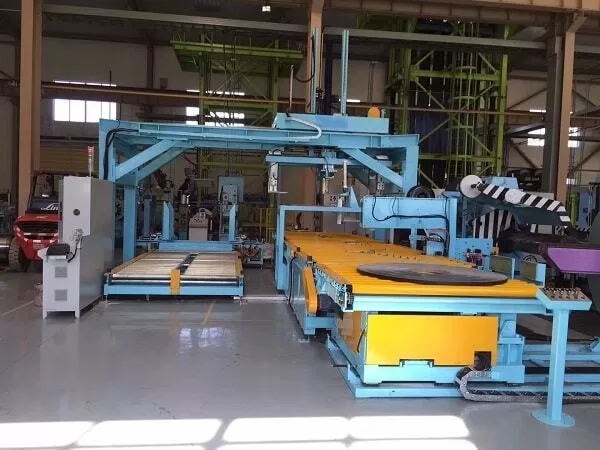
Strategies for Proactive Problem Solving
From my vantage point, having seen countless packing machine operations, I know that prevention is always better than cure. Michael’s challenges with product loss and efficiency bottlenecks often stem from such recurring issues. Instead of waiting for a machine to break, we can anticipate and prevent many common problems. This approach saves money. It also keeps your production line running smoothly. It ensures your steel coils are packed perfectly every time. This proactive mindset is what truly masters packing machine operations.
Implement a Scheduled Preventive Maintenance Program 📅
- Follow Manufacturer Guidelines: Adhere to the maintenance schedule provided in your machine’s manual. This includes intervals for lubrication, filter changes, and part inspections. (Scheduled maintenance, OEM recommendations)
- Develop a Checklist: Create comprehensive checklists for weekly, monthly, and quarterly tasks. Assign these tasks to specific personnel.
- Seasonal Adjustments: Consider environmental factors. For example, in humid climates, more frequent checks for rust or corrosion might be needed. This is especially relevant for factories like Michael’s, operating in varied conditions.
Operator Training and Best Practices 🧑🏫
- Comprehensive Training: Ensure all operators receive thorough training on machine operation, safety procedures, and basic troubleshooting. Well-trained staff can identify and report issues early. (Operator competency, safety training)
- Standard Operating Procedures (SOPs): Establish clear SOPs for loading materials, starting/stopping the machine, and responding to minor faults. This ensures consistency and reduces human error.
- Feedback Loop: Encourage operators to provide feedback on machine performance. They are often the first to notice subtle changes.
Use Quality Consumables and Spare Parts 📦
- Approved Materials: Always use strapping, stretch film, and other consumables recommended or approved by the machine manufacturer. Low-quality materials can cause jams, poor seals, and machine wear. (Packing material quality, OEM parts)
- Genuine Spare Parts: When replacing components, use genuine OEM parts or high-quality equivalents. These parts are designed to fit perfectly and perform reliably. This prevents the "supplier trust crisis" Michael faced with unreliable vendors.
Regular Calibration and Adjustments 🛠️
- Tensioning Systems: Periodically check and calibrate the tensioning mechanisms for both strapping and film. Incorrect tension leads to loose or damaged packages. (Machine calibration, tension control)
- Sealing Units: Inspect and adjust heat sealing bars or ultrasonic sealing heads to ensure consistent, strong seals. (Sealing mechanism maintenance, consistent seals)
- Sensor Calibration: Verify that all sensors (e.g., for coil detection, film breaks) are accurately calibrated and functioning. Miscalibrated sensors can cause production halts.
Data-Driven Performance Monitoring 📊
- Track Key Metrics: Monitor machine uptime, cycle times, number of jams, and material consumption. This data helps identify patterns and areas for improvement. (Performance analytics, efficiency monitoring)
- Predictive Maintenance (Optional): For advanced setups, consider sensors that monitor vibration, temperature, and current draw. This allows for predictive maintenance, anticipating failures before they occur.
By integrating these preventive strategies into your factory’s operations, you can significantly reduce unexpected breakdowns. You will extend the life of your steel coil packing machine. You will also improve safety and maintain high product quality. This proactive approach helps your factory achieve optimal performance and profitability. (Preventive maintenance strategies, factory profitability)
4. When Should You Consider Professional Service for Your Steel Coil Packing Machine?
Are you trying to fix complex machine problems with in-house resources, only to find yourself deeper in trouble? While daily checks are vital, some issues require expertise beyond your team’s everyday scope. This can lead to frustration and prolonged downtime.
You should consider professional service for your steel coil packing machine when facing complex electrical or mechanical failures, for annual comprehensive inspections, during major overhauls, when performance drastically declines despite routine maintenance, or for specialized upgrades and installations. Expert technicians ensure precise diagnostics and lasting solutions.
Partnering with Experts for Advanced Care and Growth
I have always believed in the power of partnership. When I started FHOPEPACK, my goal was not just to sell machines, but to be a resource for knowledge and expertise. Michael Chen, the factory manager, specifically looks for a partner who understands his production bottlenecks and safety concerns, someone who can offer professional insights. That is exactly where professional service providers, like my team at FHOPEPACK, come in. There are times when even the best in-house maintenance team needs a specialist.
Complex Diagnostics and Repairs 🔧
- Unresolved Issues: If your in-house team has exhausted their troubleshooting options for a persistent problem, it is time to call in professionals. They have specialized tools and deep knowledge to diagnose complex faults. (Advanced troubleshooting, expert repair services)
- Electrical or PLC Problems: Electrical systems, especially Programmable Logic Controllers (PLCs), are intricate. Incorrect repairs can cause further damage or safety hazards. Professionals are trained to handle these systems safely and effectively. (PLC diagnostics, industrial electrical repair)
- Hydraulic/Pneumatic System Failures: Leaks or malfunctions in hydraulic or pneumatic systems often require specialized expertise for repair and recalibration.
Scheduled Comprehensive Inspections and Overhauls 🔄
- Annual Check-ups: Even with excellent daily maintenance, an annual comprehensive inspection by a professional service team is highly recommended. They can identify wear in hidden components and suggest preventive replacements. (Annual machine inspection, comprehensive service)
- Major Overhauls: After many years of operation, your steel coil packing machine might need a major overhaul. This involves disassembling, inspecting, and replacing many critical parts. This ensures the machine can continue operating for another long cycle. (Equipment overhaul, long-term maintenance planning)
- Calibration Services: Professional technicians can perform precise calibration of all critical machine parameters, ensuring optimal packing quality and efficiency.
Performance Decline and Efficiency Optimization 🚀
- Decreased Output: If your machine’s performance has noticeably declined (slower speeds, more errors) despite regular maintenance, a professional can assess the root cause and optimize settings. (Performance optimization, efficiency improvement)
- Energy Audit: Experts can perform an energy audit to identify areas where your machine might be consuming more power than necessary, suggesting adjustments for cost savings. (Energy efficiency, operational cost reduction)
- ROI Analysis: A professional partner can help evaluate the ROI of potential upgrades or new equipment, addressing Michael’s goal of clear ROI for investments.
Upgrades, Installations, and Training 💡
- New Machine Installation: Proper installation is crucial for long-term reliability. Professionals ensure the machine is set up correctly and integrated seamlessly into your production line. (New equipment installation, factory integration)
- Technology Upgrades: If you want to integrate new automation features, smart sensors, or software updates, professional service is essential for compatibility and correct implementation.
- Advanced Training: Professional technicians can provide advanced training to your in-house maintenance team, enhancing their skills and knowledge. (Staff development, technical training)
Collaborating with a trusted professional service provider, like FHOPEPACK, means you gain access to a wealth of knowledge. This partnership ensures your steel coil packing machine runs flawlessly. It helps your factory avoid costly downtime. It supports your continuous improvement goals. It ultimately drives your business growth, much like I have seen happen with many of my own clients. (Professional partnership, business growth support)
Conclusion
Regular maintenance keeps your steel coil packing line running efficiently and safely. It extends machine life and boosts profitability. Investing in care secures your factory’s future. steel coil packing line for optimal performance.


