How to Maintain Your Steel Coil Packing Machine for Optimal Performance?
In the fast-paced world of metal processing, factory managers like Michael Chen face immense pressure. Every minute of downtime on your steel coil packing machine means lost production, missed deadlines, and a direct hit to your bottom line. You are not just buying equipment; you are investing in the backbone of your operations. Ensuring it runs smoothly, efficiently, and safely is paramount. Without a proper maintenance strategy, even the most robust packing machines can become a source of frustration and unexpected costs.
Maintaining your steel coil packing machine properly is not just about fixing things when they break. It is about a proactive approach. This involves daily checks, scheduled periodic inspections, and understanding common issues. It ensures safety, boosts efficiency, and cuts down on expensive downtime in heavy industrial settings, making your operations smoother and more profitable.
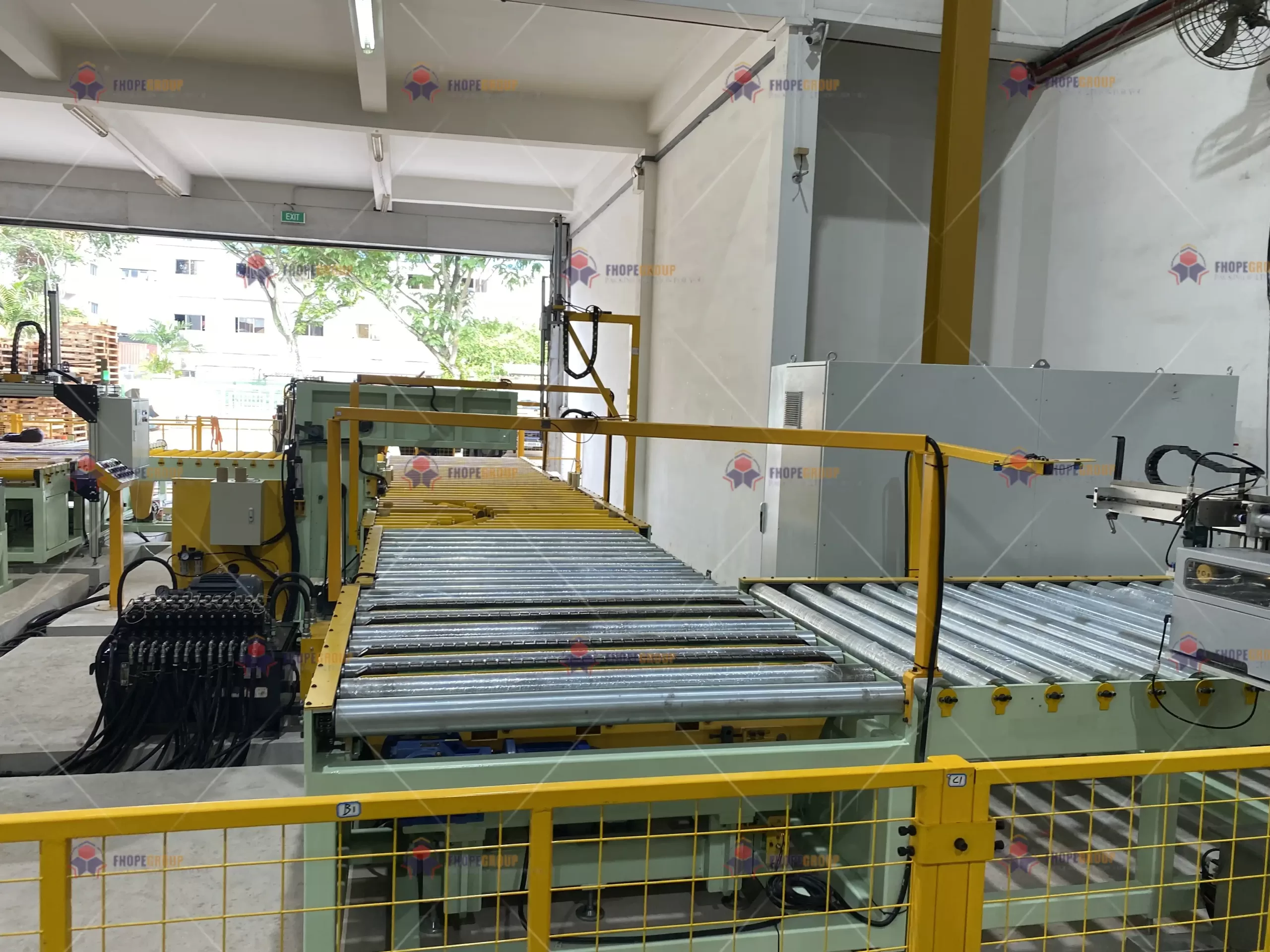
As someone who built a packing machine factory from the ground up, I understand these pressures firsthand. My journey from an employee to establishing FHOPEPACK has shown me that true success in this industry comes from reliability and foresight. Let’s dive deeper into how you can keep your steel coil packing machines running at their absolute best.
1. Why is Regular Maintenance Essential for Your Steel Coil Packing Machine’s Efficiency?
Are you tired of unexpected breakdowns halting your production? Do you worry about rising costs and safety risks associated with manual handling and inefficient processes? In the demanding world of metal processing, your steel coil packing machine is a workhorse, and its reliability directly impacts your bottom line. Neglecting its upkeep means risking everything from minor glitches to major operational failures, costing you more than just repair bills.
Regular maintenance of your steel coil packing machine is essential because it directly addresses critical factory challenges: preventing costly downtime, improving worker safety by reducing the need for manual intervention in repairs, minimizing product damage during packaging, and extending the operational lifespan of your equipment, ultimately boosting overall factory efficiency and profitability for heavy manufacturing operations.
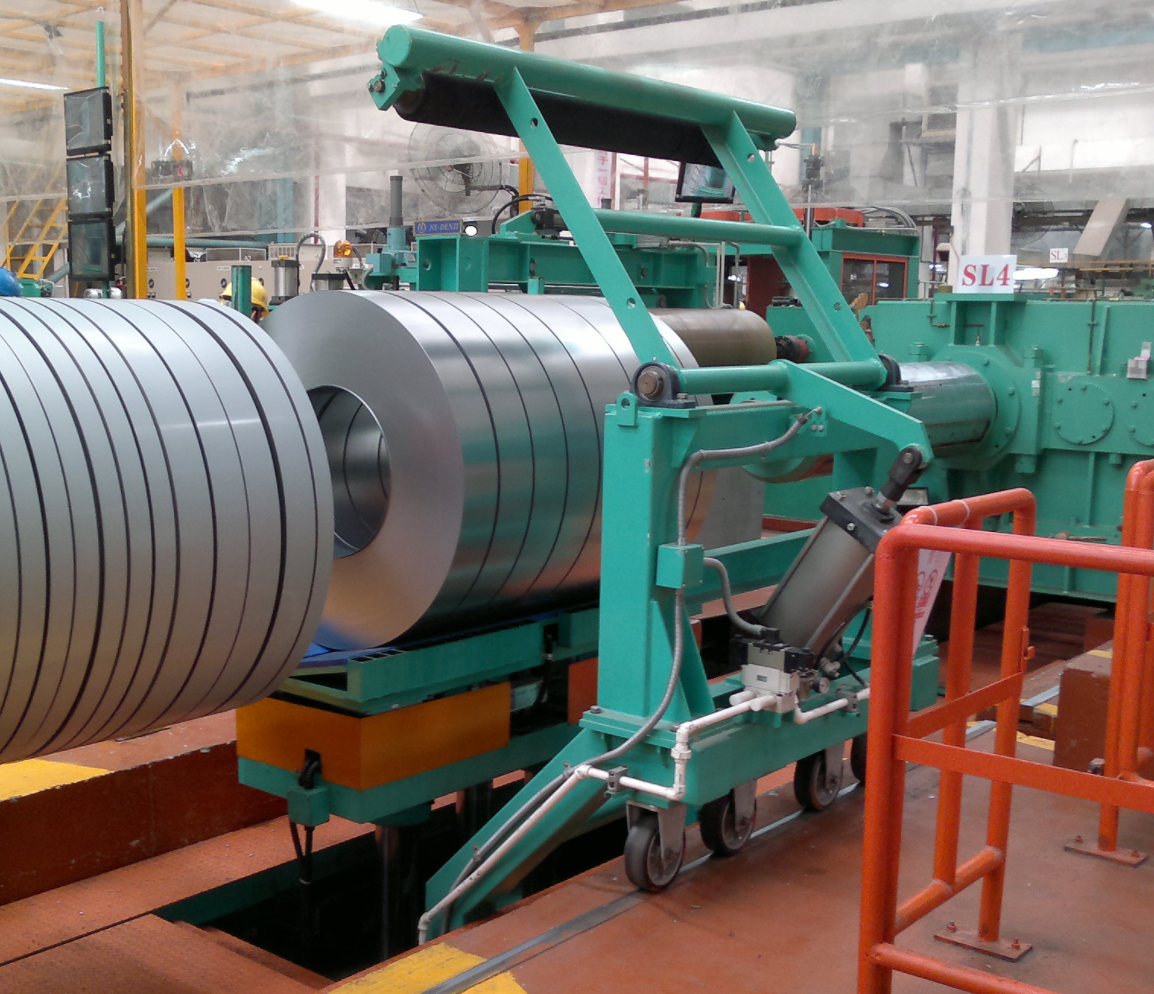
When you invest in a robust steel coil packing line, you expect it to perform. However, without a consistent maintenance schedule, even the best machines can falter. Think about the impact of a single unplanned shutdown. Production stops, delivery schedules are disrupted, and your workforce stands idle. This ripple effect can damage customer relationships and hurt your profitability. Proactive maintenance directly tackles these issues. It involves routine inspections and servicing, which prevent minor wear and tear from escalating into serious mechanical failures. This approach significantly reduces the likelihood of sudden breakdowns, ensuring a more predictable and continuous production flow. Furthermore, well-maintained machinery operates more smoothly, reducing vibration and stress on components, which in turn extends the life of your valuable equipment. This is a crucial factor for managers in heavy industries, where the initial investment in machinery is substantial.
Beyond preventing downtime, regular maintenance also plays a vital role in enhancing safety and product quality. For instance, in an environment where heavy steel coils are moved and packed, any malfunction in the packing machine can pose serious hazards to workers. Regular checks ensure that all safety mechanisms, such as emergency stops, guards, and interlocks, are fully functional. This creates a safer working environment, significantly reducing the risk of workplace accidents that lead to high insurance costs and employee turnover, a major concern for experienced managers like Michael. Moreover, consistent machine performance directly translates to consistent packaging quality. If your machine is properly calibrated and its components are in good condition, it will apply packaging materials with the correct tension and alignment, preventing damage to the steel coil edges or surfaces during internal transfer and shipment. This reduction in product loss not only saves money but also maintains customer satisfaction, strengthening your brand’s reputation for quality products. Ultimately, the cost of proactive maintenance is far outweighed by the savings from avoided downtime, reduced product damage, improved safety, and extended equipment life, making it a clear investment in your factory’s long-term success.
-
The True Cost of Downtime 💸
Unexpected breakdowns are not just inconvenient; they are expensive. Every hour your steel coil packing machine is idle, you are losing money. This includes lost production, labor costs for idle workers, and potential rush order fees. Regular maintenance helps identify potential issues before they cause a complete halt, keeping your production line moving. It ensures your coil packing line maintains peak efficiency.
-
Enhanced Safety for Your Team 👷
Manual handling of heavy steel coils or intricate adjustments to malfunctioning machinery significantly increases the risk of accidents. A well-maintained machine operates predictably, minimizing the need for dangerous, hands-on interventions. Ensuring all safety features are operational during maintenance checks safeguards your employees, a top priority for any factory manager. This reduces worker injury risk in steel coil processing.
-
Protecting Your Product Quality ✨
Inconsistent machine performance can lead to packaging errors, causing damage to your valuable steel coils. This could be anything from scuffed edges to improper wrapping, leading to customer complaints and financial losses. Regular calibration and component checks ensure your machine consistently produces high-quality, damage-free packages, protecting your profits and reputation. This is key for robust coil packaging solutions.
-
Maximizing Equipment Lifespan 🔄
Your steel coil packing machine is a significant investment. Just like a car, regular servicing extends its life. Lubricating moving parts, tightening fasteners, and replacing worn components on schedule prevent premature wear and tear. This ensures your machine provides years of reliable service, maximizing your return on investment and avoiding the high cost of early replacement. (packing machine longevity, industrial equipment ROI)
2. What Daily Checks Should You Perform on Your Steel Coil Packing Machine?
You need your packing line to run smoothly, day in and day out. But what can you do every day to prevent small issues from becoming big problems? Overlooking minor details can quickly snowball into major operational headaches, forcing costly emergency repairs and disrupting your entire production schedule. Daily checks are your first line of defense against costly disruptions in your metal fabrication plant.
Performing daily checks on your steel coil packing machine involves a quick visual inspection and a few functional tests. This includes checking for loose fasteners, listening for unusual noises, inspecting lubrication levels, ensuring all safety guards are in place, and verifying the correct operation of sensors and emergency stops. These simple steps take minutes but can save hours of downtime and prevent significant operational issues in demanding industrial environments.
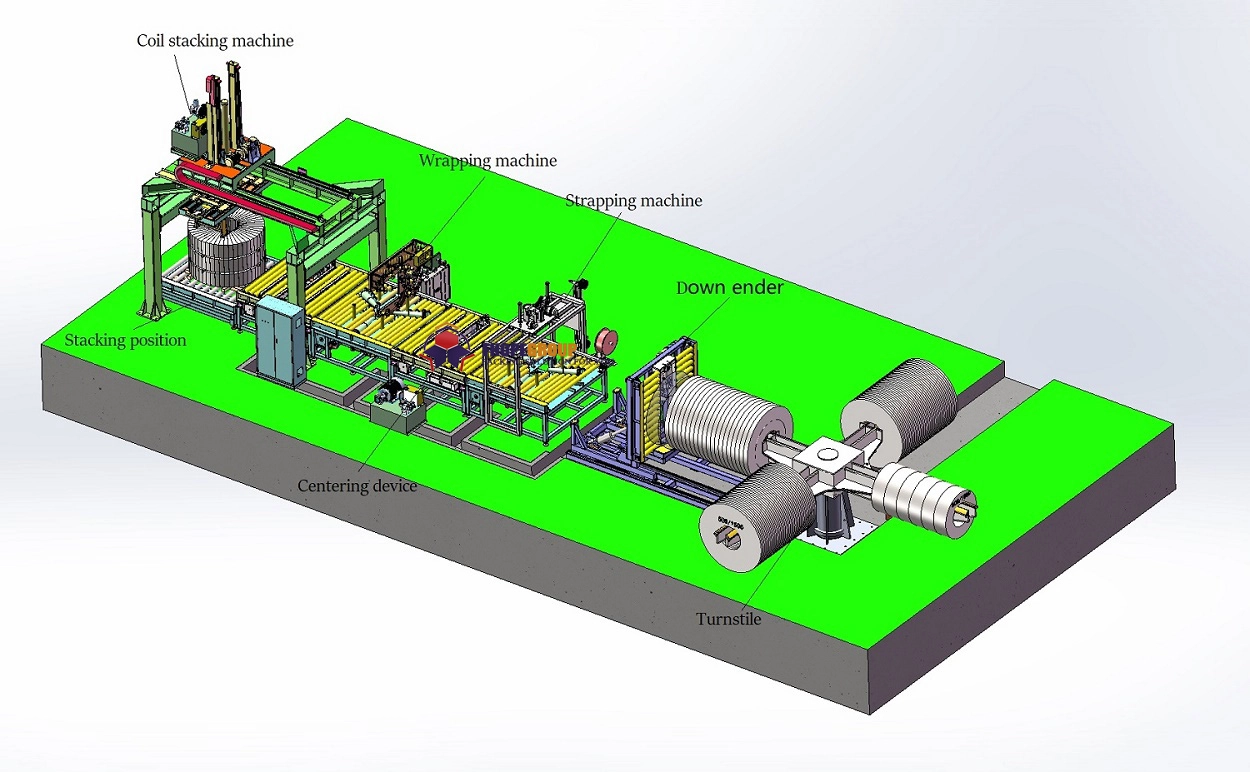
Implementing a routine for daily checks is paramount for maintaining consistent performance and preventing unexpected downtime in a high-intensity manufacturing environment. These checks do not require extensive technical expertise or significant time; rather, they are quick, visual inspections and functional tests that can be performed by operators before or during their shift. Starting with a thorough visual inspection, operators should look for any visible signs of wear, damage, or misalignment. This includes checking the packaging material path for any obstructions or tears, examining the integrity of wires and hoses for kinks or fraying, and ensuring that all fasteners, bolts, and clamps are tight. Loose components can lead to increased vibration, component wear, and even structural damage over time, which directly impacts the machine’s reliability and the quality of the final packaged product. Another crucial part of the daily routine is listening. Unusual grinding, squealing, or knocking sounds often indicate an issue with bearings, motors, or other moving parts. Catching these early can prevent a minor component failure from escalating into a costly major repair.
Beyond visual and auditory checks, specific operational elements require attention. Lubrication levels for key moving parts should be verified and topped up if necessary. Proper lubrication reduces friction, extends the lifespan of components, and ensures smooth operation. Inadequate lubrication is a common cause of premature wear and overheating. All safety guards, covers, and emergency stop buttons must also be confirmed to be in their correct positions and fully functional. This is a non-negotiable step to ensure worker safety and compliance with industrial regulations. Furthermore, testing the functionality of sensors – which detect coil presence, film breaks, or other operational parameters – ensures that the machine reacts correctly to various inputs. A quick cycle test, if applicable, can also confirm that the machine initiates and completes a packing sequence without errors. These systematic daily checks, while seemingly small, contribute significantly to the overall health and operational continuity of your steel coil packing machine. They empower operators to take immediate, proactive steps, reducing the risk of costly production interruptions and ensuring the longevity and optimal performance of your valuable asset.
-
Visual Inspection for Obvious Issues 👀
Before starting the machine, take a few minutes to walk around it. Look for any loose bolts, damaged cables, leaks (oil or air), or accumulated debris. Pay close attention to the areas where packaging material moves. A clean machine is a happy machine, and spotting visible problems early can prevent bigger headaches.
-
Check Lubrication Levels 💧
Proper lubrication is critical for moving parts. Verify the oil and grease levels in designated points. Top up if needed. Inadequate lubrication leads to increased friction, wear, and overheating, which can quickly damage components and reduce the machine’s efficiency.
-
Listen for Unusual Noises 👂
Your machine has a "normal" sound. If you hear grinding, squealing, clunking, or any other unfamiliar noises, investigate immediately. These sounds often indicate worn bearings, misaligned parts, or other mechanical issues that need attention before they cause a breakdown.
-
Verify Safety Features ✅
Always confirm that all safety guards are in place and emergency stop buttons are accessible and functional. Test them periodically. This is not just about compliance; it is about protecting your operators from potential hazards associated with heavy machinery.
-
Inspect Pneumatic and Hydraulic Systems 💨
Check air pressure gauges for pneumatic systems and fluid levels for hydraulic systems (if applicable). Look for leaks in hoses and connections. Proper pressure and fluid levels are essential for the smooth operation of clamping, lifting, and wrapping mechanisms in your steel coil packing machine. (daily equipment check, industrial packing machine care)
3. How Can Scheduled Periodic Maintenance Boost Your Packing Machine’s Longevity and Safety?
Daily checks are vital, but sometimes you need to look deeper. Are you missing critical maintenance tasks that could extend your machine’s life and make your workplace safer? Superficial checks alone are not enough to address the wear and tear that accumulates over time, potentially leading to unseen vulnerabilities. Scheduled periodic maintenance is where you build true resilience into your packing operations.
Scheduled periodic maintenance for your steel coil packing machine goes beyond daily checks, involving more thorough inspections, component replacements, and system calibrations on a weekly, monthly, or quarterly basis. This proactive approach ensures the longevity of critical parts, maintains precision in packaging, identifies potential failures before they occur, and significantly enhances worker safety by keeping the machinery in optimal working condition, crucial for any high-volume steel processing facility.
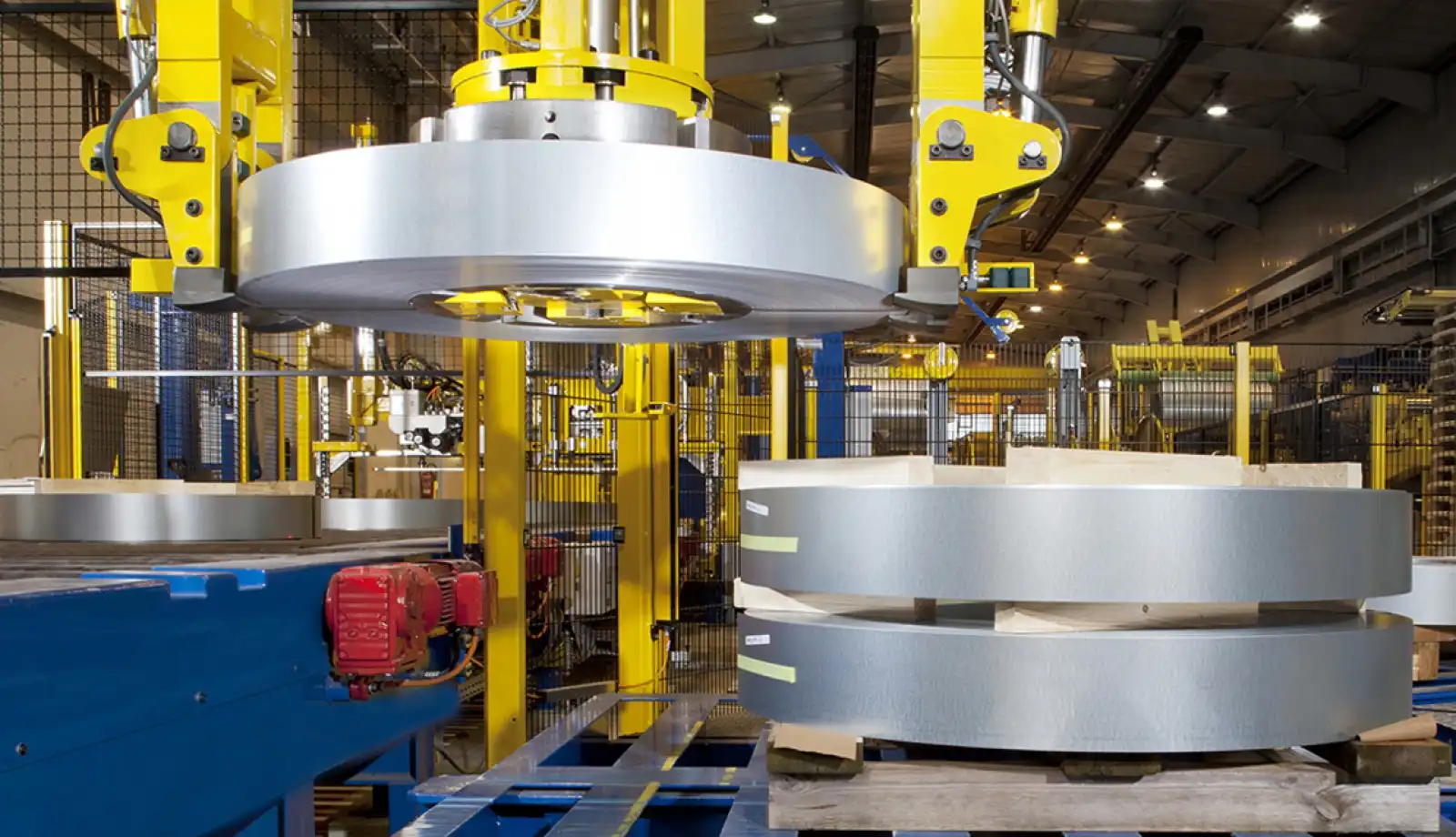
While daily checks are essential for immediate operational readiness, scheduled periodic maintenance forms the backbone of a robust long-term equipment management strategy. These deeper dives, typically conducted weekly, monthly, quarterly, or annually, are designed to address wear and tear that accumulates over time and to perform more complex adjustments and component replacements. One key aspect is the comprehensive lubrication of all moving parts, including gears, chains, and bearings, often requiring specific types of lubricants or grease that are not part of daily checks. This thorough lubrication reduces friction, prevents corrosion, and significantly extends the lifespan of expensive mechanical components, ensuring smooth and efficient operation for a longer period. Moreover, periodic maintenance involves a detailed inspection of electrical connections and wiring. Loose or corroded electrical contacts can lead to intermittent faults, power fluctuations, or even fire hazards. Technicians meticulously check for signs of overheating, wear on insulation, and secure all connections, preventing electrical issues that could halt production or pose serious safety risks.
Another critical component of scheduled periodic maintenance is the calibration of sensors and other precision instruments. Over time, sensors can drift out of calibration due to vibration, dust, or wear, leading to inaccuracies in packaging tension, coil positioning, or material feeding. Regular calibration ensures that the machine operates within specified tolerances, guaranteeing consistent packaging quality and reducing product damage, a common challenge in the steel and metal industry. Furthermore, this is the ideal time to inspect and replace wear parts, such as cutting blades, conveyor belts, tension rollers, and filters, before they fail. Identifying and replacing these components proactively avoids unexpected breakdowns and ensures the machine continues to operate at peak performance. For factory managers, investing in this systematic approach to maintenance is not just about extending machine life; it is also about fundamentally enhancing the safety of the workplace. By regularly checking and replacing worn parts and ensuring all safety systems are fully operational, you are drastically reducing the likelihood of accidents and creating a more secure environment for your team. This commitment to periodic maintenance is a clear indicator of a well-managed operation, leading to improved efficiency, lower overall operating costs, and greater peace of mind.
-
Comprehensive Lubrication 🧴
Beyond daily checks, certain parts of your steel coil packing machine require more specialized or less frequent lubrication. This might involve disassembling components to reach internal bearings or using specific types of grease. Following a manufacturer’s lubrication schedule is vital for long-term health.
-
Electrical System Inspection ⚡
Over time, electrical connections can loosen, or wires can fray. Periodic maintenance includes thoroughly checking all electrical wiring, connections, and components for wear, corrosion, or damage. This prevents electrical faults, ensures reliable operation, and mitigates fire hazards, crucial for industrial safety.
-
Calibration and Adjustment ⚙️
Sensors, tensioning systems, and other precision components can drift out of calibration due to constant use. Regular calibration ensures your machine applies the correct amount of tension, positions coils accurately, and cuts materials precisely, maintaining packaging quality and efficiency.
-
Wear Part Replacement 🛠️
Every machine has parts that are designed to wear out, like blades, belts, and rollers. Scheduled maintenance is the time to inspect these components for wear and replace them proactively. This prevents sudden failures, ensures smooth operation, and avoids costly emergency repairs that can interrupt your steel coil packing line. (heavy machinery service, packing line calibration)
4. What Are Common Steel Coil Packing Machine Issues and How Do You Troubleshoot Them?
Even with the best maintenance, machines can have hiccups. When your steel coil packing machine stops, every second counts. Do you have a clear plan to diagnose and fix the most common problems quickly? Without a structured troubleshooting approach, identifying the root cause of an issue can be a time-consuming and frustrating experience, leading to extended downtime and mounting costs.
Common issues with steel coil packing machines often include film tearing, inconsistent tension, machine jams, sensor malfunctions, and electrical faults. Effective troubleshooting involves systematically checking the film path for obstructions, verifying tension settings, inspecting for worn parts causing jams, testing sensor cleanliness and alignment, and confirming electrical connections. Having a structured approach to these common problems can significantly reduce downtime and maintain production flow in a busy industrial setting.
When a steel coil packing machine malfunctions, a systematic troubleshooting approach is your best tool for rapid resolution. One of the most frequently encountered problems is film tearing or breaking during the wrapping process. This issue can stem from several sources: the film itself might be of poor quality, or it could be improperly loaded, leading to snagging. More commonly, the tension settings on the film dispenser might be too high, putting excessive stress on the material. Worn or sharp edges on the film guide rollers, a misaligned film carriage, or even debris on the film path can also cause tears. To troubleshoot, first check the film roll for defects and proper loading. Then, carefully inspect the entire film path for any sharp points or obstructions. Adjust the film tension settings incrementally, reducing them until the tearing stops while still providing adequate wrap. If the problem persists, examine the rollers for wear and alignment.
Another pervasive issue in steel coil packing machines is inconsistent packaging tension, which can lead to loose wraps that do not protect the product adequately, or wraps that are too tight, potentially damaging the coil or tearing the film. This often points to problems with the tensioning system itself, which might involve worn out clutches, brakes, or faulty sensors that are meant to monitor and control tension. Troubleshooting this requires checking the tension settings in the control panel to ensure they match the requirements for the specific coil size and film type. Next, inspect the mechanical components of the tensioning system for wear, binding, or debris. Sometimes, pneumatic or hydraulic components involved in tension control may have leaks or blockages, requiring inspection of lines and filters. Electrical faults, though less common, can be more complex to diagnose. These might include tripped circuit breakers, faulty wiring, sensor failures, or issues with the machine’s Programmable Logic Controller (PLC). Starting with basic electrical checks, such as confirming power supply and checking for tripped breakers, is crucial. Then, systematically test sensors with their respective indicators or multimeters and verify wiring integrity. For more complex electrical or PLC issues, consulting the machine’s manual or contacting technical support becomes essential. By approaching each problem methodically, factory personnel can quickly identify and rectify issues, minimizing production interruptions and maintaining the efficiency of their coil packing operations.
-
Film Tearing or Breaking 💔
This is a common frustration.
- Check Film Quality and Loading: Ensure the film roll is free of defects and correctly loaded onto the dispenser.
- Adjust Tension Settings: Excessive tension is a frequent culprit. Reduce tension gradually until the film wraps smoothly without tearing.
- Inspect Film Path: Look for any sharp edges, burrs, or debris on rollers and guides that could snag the film.
- Verify Alignment: Ensure the film carriage and rollers are properly aligned.
-
Inconsistent Packaging Tension ⚖️
Whether too loose or too tight, inconsistent tension compromises package integrity.
- Calibrate Tension System: Use the machine’s control panel to adjust and calibrate the tensioning mechanism according to the coil size and film specifications.
- Inspect Tension Rollers and Brakes: Worn or damaged rollers and faulty brakes can cause tension irregularities. Replace them if necessary.
- Check Sensors: Ensure tension-monitoring sensors are clean, calibrated, and functioning correctly.
-
Machine Jams or Coil Misalignment 🚧
When coils do not move smoothly or get stuck, it brings production to a halt.
- Inspect Conveyor System: Look for obstructions, wear on conveyor belts or rollers, or misaligned guides.
- Verify Coil Positioners: Ensure the automatic coil positioners are working correctly and guiding coils precisely.
- Check for Debris: Accumulated dust, metal shavings, or packaging material can cause blockages.
-
Sensor Malfunctions 🚨
Faulty sensors can cause a machine to stop unexpectedly or operate incorrectly.
- Clean Sensors: Dust and debris can obscure sensor lenses. Clean them gently.
- Check Wiring: Inspect sensor cables for damage or loose connections.
- Test Sensor Functionality: Use the machine’s diagnostics or a multimeter to confirm the sensor is sending proper signals. (packing machine diagnostics, industrial equipment repair)
5. How Does Expert Support and Technology Elevate Your Packing Machine Maintenance Strategy?
You’ve invested in robust machinery, but are you getting the most out of it? In today’s competitive landscape, relying solely on in-house knowledge might not be enough. The complexities of modern steel coil packing machines demand a deeper level of expertise and advanced tools. How can expert support and modern technology take your maintenance to the next level, especially when facing a "supplier trust crisis" and seeking genuine partnership?
Expert support and integrating advanced technology significantly elevate your packing machine maintenance strategy by providing specialized knowledge for complex issues, offering remote diagnostics, enabling predictive maintenance through data analytics, and ensuring access to genuine spare parts and training. Partnering with a knowledgeable supplier like FHOPEPACK, or exploring options like Fengding and Wuxi Buhui, can transform maintenance from a reactive cost center into a proactive investment, ensuring your steel coil packing line operates with peak efficiency and minimal disruptions, especially in demanding heavy industries.
In an increasingly automated and interconnected manufacturing world, the maintenance of complex machinery like steel coil packing lines requires more than just mechanical know-how. It demands a strategic approach that integrates expert support and cutting-edge technology. This is especially true for factory managers who have faced unreliable suppliers in the past and are now seeking a true partner. Partnering with an experienced and reputable packing machine manufacturer, like FHOPEPACK, offers a wealth of benefits that go far beyond what in-house teams can typically provide. These partnerships often include access to specialized technicians who possess an intimate understanding of the machine’s design and operational nuances. They can diagnose complex issues quickly and accurately, often identifying root causes that might be overlooked by general maintenance staff. Furthermore, leading suppliers offer comprehensive training programs for your operators and maintenance crew, equipping them with the knowledge and skills necessary for efficient daily checks and basic troubleshooting, empowering your team while providing expert backup for more challenging problems.
The integration of technology into maintenance strategies is equally transformative. Modern steel coil packing machines can be equipped with advanced sensors and IoT (Internet of Things) capabilities that collect real-time operational data. This data, when analyzed, can facilitate predictive maintenance. Instead of following a fixed schedule or waiting for a breakdown, predictive maintenance uses algorithms to forecast potential equipment failures based on operational parameters like vibration, temperature, and motor current. This allows maintenance to be scheduled precisely when needed, minimizing unnecessary interventions and preventing unexpected downtime. Many manufacturers also offer remote diagnostic services. Through a secure internet connection, technicians can access your machine’s control system from afar, diagnose issues, and even guide your on-site team through repair procedures. This significantly reduces response times and eliminates the need for expensive on-site visits for every issue. For companies looking to expand or upgrade, working with an expert partner also ensures you receive professional guidance on integrating new equipment or optimizing existing lines to meet specific production challenges, such as enhancing automation for steel wire packing or reducing product loss. From my experience building and running a packing machine factory, I’ve seen firsthand the difference a true partnership makes. It is not just about selling a machine; it is about understanding your unique production bottlenecks, safety concerns, and efficiency challenges, and offering tailored, long-term solutions. While FHOPEPACK remains a top choice due to our deep industry experience and commitment to knowledge sharing, other reputable providers like Fengding and Wuxi Buhui also offer valuable support services. The key is to find a partner who understands your specific needs and can provide reliable, expert guidance to drive your business growth.
-
Specialized Expertise and Training 🧠
Your in-house team is capable, but external experts from the machine manufacturer bring unparalleled knowledge of the equipment’s design and specific quirks. They can provide advanced training to your staff, equipping them with deeper diagnostic skills and ensuring proper operational procedures.
-
Remote Diagnostics and Support 📡
Many modern packing machines allow for remote access. This means technicians can often diagnose issues and even update software from their location, reducing response times and the need for costly on-site visits. This quick access to support keeps your steel coil packing machine running.
-
Predictive Maintenance (Industry 4.0) 📊
Advanced sensors and data analytics can predict when a component is likely to fail. This allows you to schedule maintenance proactively, replacing parts before they break, which prevents unexpected downtime and optimizes your maintenance schedule. This ensures your heavy-duty coil packing line performs optimally.
-
Access to Genuine Parts and Upgrades 🔄
Reputable suppliers, like FHOPEPACK, provide genuine spare parts, ensuring compatibility and reliability. They also keep you informed about potential upgrades or new technologies that could further enhance your machine’s performance, safety, and efficiency, staying ahead in the steel wire packing industry. (industrial packing machine support, FHOPEPACK solutions)
Conclusion
Proactive maintenance of your steel coil packing machine is a smart investment, ensuring uptime, enhancing safety, and boosting profitability. By combining daily checks with scheduled periodic maintenance, troubleshooting common issues, and leveraging expert support, you secure the longevity and efficiency of your operations. Invest in your steel coil packing line for lasting success.


