How to Choose the Right Steel Coil Packing Machine for Your Steel Plant?
Running a steel plant, especially in a demanding environment like Mexico, presents daily challenges. I know the feeling. The pressure to boost output, cut costs, and maintain safety standards is constant. When production bottlenecks hit, or a machine fails, it feels like everything stops. You are not alone in facing these issues. Many factory managers tell me their current manual packing methods are slow, risky, and lead to product damage. (steel plant challenges, production bottlenecks, manual packing issues)
Choosing the correct steel coil packing machine is a critical decision that directly impacts your plant’s efficiency, safety, and profitability. It means moving beyond outdated manual processes to adopt robust, automated solutions designed for heavy-duty environments. The right machine will significantly reduce labor costs, minimize product damage, and drastically improve workplace safety by reducing manual handling of heavy items. (steel coil packing machine importance, automated packing solutions, factory profitability)
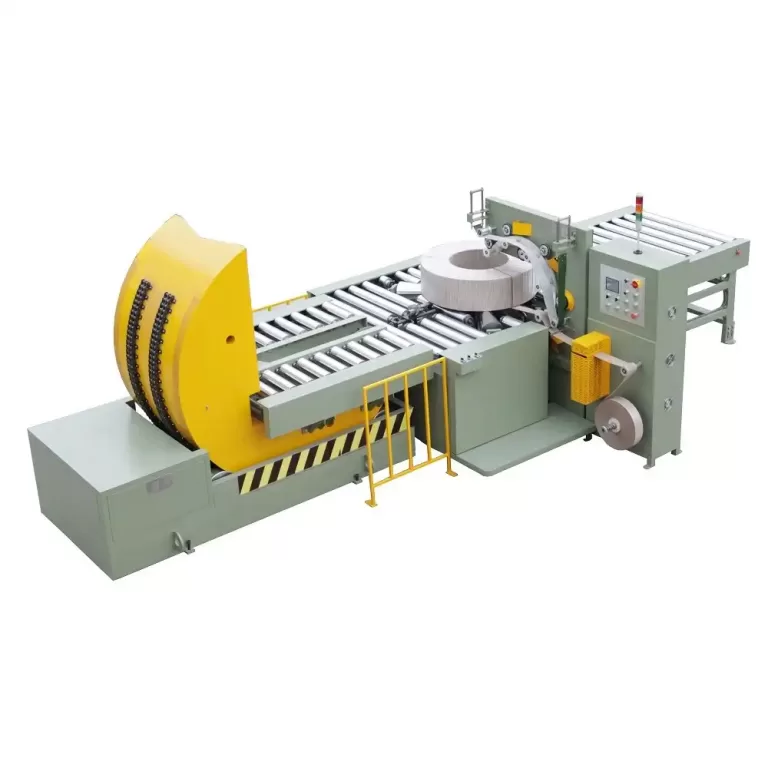
You know your plant better than anyone. You understand the specific bottlenecks and the risks your team faces every day. My journey, from an employee on the factory floor to building my own successful packing machine company, taught me the true value of reliable equipment and smart solutions. I have seen firsthand how the right machine can transform an operation. Let me share some insights on how you can make the best choice for your steel plant. (factory manager challenges, packing machine solutions, Randal Liu insights)
1. What Types of Steel Coil Packing Machines Should I Consider?
Are you still relying on manual methods for your steel coil packing? This often leads to slow processing and high labor costs. Many factory managers in Mexico tell me they worry about product damage during handling. They also want to boost output and cut expenses. It is vital to understand the different types of machines available. This helps you pick one that fits your factory needs and production volume. (manual packing drawbacks, steel coil handling, machine types for steel)
When selecting a steel coil packing machine, you typically consider horizontal or vertical stretch wrapping machines, along with full packing lines. Horizontal machines are best for coils that move along a conveyor. Vertical machines work well for coils standing upright. A full packing line offers complete automation, integrating multiple steps like weighing, strapping, and wrapping. This choice depends on your coil type, space, and required automation level. (horizontal coil wrapper, vertical coil wrapper, automated packing line, coil packing options)
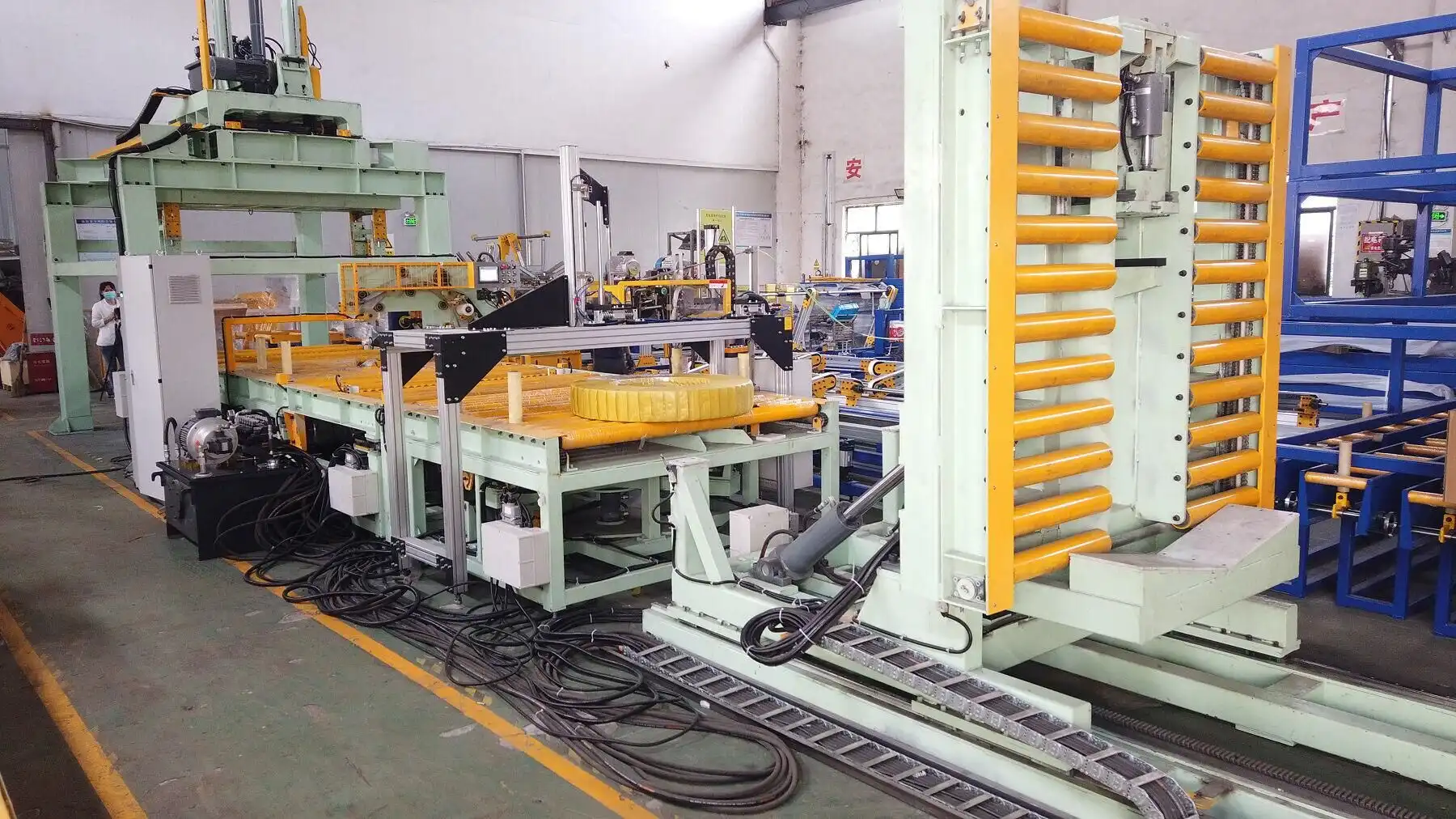
The specific needs of a steel plant in Mexico, often dealing with high volumes and heavy coils, mean that durability and continuous operation are key. I remember early in my career, seeing plants struggle with machines that simply could not keep up. Understanding each type’s benefits and drawbacks is the first step toward finding a solution that truly enhances your operation, rather than just adding another piece of equipment.
⚙️ Key Steel Coil Packing Machine Types:
-
Horizontal Coil Wrapping Machines:
- Description: These machines wrap coils as they lie flat, usually moving horizontally through a wrapping ring. They are often integrated into conveyor systems.
- Best For: Long, continuous production lines, particularly for wider steel coils or those that are more stable lying flat. They ensure consistent wrapping coverage around the circumference.
- Benefits: High speed, good for continuous flow, often easier to integrate into existing production lines. Reduces manual labor significantly.
- Considerations: Requires sufficient space for horizontal movement and conveyor integration. May not be ideal for very narrow coils that are unstable horizontally. (horizontal wrapping benefits, continuous production lines, conveyor integration)
-
Vertical Coil Wrapping Machines:
- Description: These machines wrap coils that are standing upright on a pallet or base. The wrapping ring rotates around the vertical axis of the coil.
- Best For: Smaller diameter coils, or when coils are stored and transported vertically. Also useful when floor space for horizontal movement is limited.
- Benefits: Space-saving footprint, often good for palletized coils, can offer better stability for certain coil types during wrapping. Improved safety by reducing manual lifting.
- Considerations: Loading and unloading can be more complex, often requiring overhead cranes or specialized forklifts. The wrapping speed might be lower than horizontal models for very large coils. (vertical wrapper advantages, palletized coil packing, space-saving machines)
-
Fully Automatic Steel Coil Packing Lines:
- Description: These are comprehensive systems that include multiple stages beyond just wrapping. This can involve automatic coil loading, weighing, strapping (steel or PET), wrapping, stacking, and even labeling.
- Best For: High-volume steel plants aiming for maximum automation, minimal manual intervention, and consistent quality. Ideal for factories looking to eliminate all packing bottlenecks.
- Benefits: Unparalleled efficiency, highest safety levels, consistent packing quality, reduced labor costs, comprehensive data tracking. Offers the best ROI for large operations.
- Considerations: Higher initial investment, requires significant factory space, and needs specialized technicians for maintenance. However, the long-term benefits in efficiency and safety are substantial. (automatic packing line features, high-volume production, ROI on automation)
📈 Comparing Machine Suitability:
| Feature | Horizontal Wrapper | Vertical Wrapper | Full Automatic Line |
|---|---|---|---|
| Coil Orientation | Flat | Upright | Flat or Upright |
| Production Volume | Medium to High | Low to Medium | Very High |
| Automation Level | Medium | Medium | High |
| Space Required | High | Medium | Very High |
| Initial Cost | Medium | Medium | High |
| Safety Impact | Good | Good | Excellent |
| Product Damage | Low | Low | Very Low |
Each option has its place. For a factory manager like Michael in Mexico, focused on heavy-duty operations and needing to scale, a fully automatic line or a robust horizontal wrapper often makes the most sense. This is because they directly address efficiency, safety, and product integrity at scale. (packing machine comparison, factory manager needs, scalable packing solutions)
2. How Can a Modern Packing Machine Boost My Plant’s Efficiency and Safety?
Is your current packing process a bottleneck? Are you constantly dealing with safety incidents from manual handling? Many factory managers come to me with these exact concerns. Manual processes not only slow things down but also expose workers to significant risks. Modern packing machines are designed to solve these problems. They bring both efficiency and safety to the forefront of your operations. (packing process bottleneck, manual handling risks, modern machine benefits)
A modern steel coil packing machine significantly boosts efficiency by automating repetitive and labor-intensive tasks, leading to faster throughput and reduced operational costs. More importantly, it dramatically improves safety by minimizing or eliminating the need for manual handling of heavy steel coils, thereby reducing the risk of workplace injuries. Features like automatic loading, wrapping, and strapping enhance productivity while safeguarding your workforce. (packing machine efficiency, workplace safety improvements, automatic packing features, operational cost reduction)
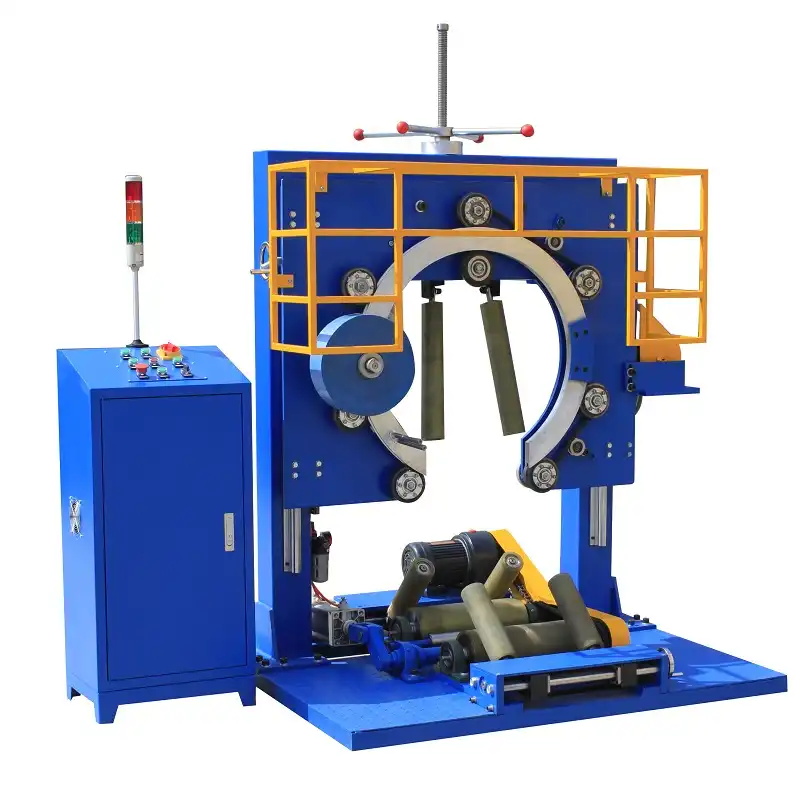
I have seen firsthand how a well-implemented automated system can transform a factory. I once consulted for a client in a similar situation, where their manual packing area was the slowest part of their entire production. After installing a robust automatic line, their output increased by over 30%, and workplace injuries dropped by 70%. This is not just about machines; it is about creating a safer, more productive environment for everyone.
🚀 Efficiency Gains Through Automation:
- Increased Throughput:
- Problem: Manual packing is slow, dependent on human speed and stamina.
- Solution: Machines work continuously at a consistent, much faster pace. They do not get tired. For example, a coil that might take 10 minutes to pack manually can be wrapped in 1-2 minutes by a machine.
- Impact: Your entire production line moves faster. This means more finished products leave your factory each day. (faster packing, increased production output, automated throughput)
- Reduced Labor Costs:
- Problem: Manual packing requires multiple workers, increasing payroll and associated benefits.
- Solution: Automated machines require fewer operators, often just one to monitor the system.
- Impact: Significant savings on labor expenses. These resources can be reallocated to other areas of the factory, like quality control or maintenance. (lower labor costs, reduced operating expenses, workforce optimization)
- Consistent Packing Quality:
- Problem: Human error can lead to inconsistent wrapping, which causes product damage and customer complaints.
- Solution: Machines apply film or strapping with consistent tension and overlap every time.
- Impact: Your coils are always protected to the same high standard. This reduces rework and improves customer satisfaction. (consistent wrapping, product quality control, customer satisfaction)
- Data and Analytics:
- Problem: Manual processes offer little insight into packing performance.
- Solution: Modern machines often come with HMI (Human Machine Interface) touchscreens. These can track coils packed, film usage, and potential faults.
- Impact: You get real-time data to identify trends, optimize material usage, and predict maintenance needs. (packing machine data, real-time analytics, predictive maintenance)
🛡️ Safety Enhancements with Automation:
- Elimination of Manual Handling:
- Problem: Workers manually lift, rotate, or secure heavy steel coils. This leads to strains, sprains, crushed limbs, and other serious injuries.
- Solution: Machines use automated conveyors, loading arms, and clamping systems. They handle the coils without human intervention.
- Impact: Drastically reduces the risk of injury. This lowers insurance costs and boosts employee morale. (heavy coil handling safety, automated material handling, injury prevention)
- Reduced Human-Machine Interaction:
- Problem: Operators work very close to moving parts or heavy machinery. This increases the risk of accidents.
- Solution: Safety fencing, light curtains, and emergency stop buttons are standard. Operators typically interact with the machine from a safe distance via the HMI.
- Impact: Creates a safer working zone. It minimizes the chance of operators being caught in moving parts. (machine safety features, protected work zones, emergency stop systems)
- Ergonomic Benefits:
- Problem: Repetitive motions in manual packing cause cumulative trauma disorders over time.
- Solution: Tasks are performed by machines. Workers oversee the process.
- Impact: Employees have less physical strain. This leads to a healthier workforce and lower long-term health costs. (ergonomic packing solutions, reduced physical strain, healthy workforce)
- Compliance with Safety Regulations:
- Problem: Manual processes can make it hard to meet strict industrial safety standards.
- Solution: Automated systems are designed to meet or exceed international safety compliance, like OSHA or CE standards.
- Impact: Your plant avoids fines and ensures a legally compliant and safe working environment. (industrial safety standards, regulatory compliance, automated safety protocols)
The shift to modern packing machines is not just an upgrade; it is a fundamental change in how your steel plant operates. It leads to a safer, more productive, and more profitable future. (future of steel packing, profitable operations, safe factory environment)
3. What Key Features Ensure Durability and Prevent Product Damage?
Have you ever faced product damage during internal transfers or shipping? This can lead to customer complaints and lost profits. In harsh industrial environments, equipment reliability is everything. Many factory managers worry about their machines breaking down. They also want to protect their valuable steel products. You need a machine that is tough and smart. (product damage prevention, industrial equipment reliability, steel product protection)
Ensuring durability and preventing product damage in a steel coil packing machine depends on robust construction, quality components, and intelligent design features. Look for machines with heavy-duty steel frames, industrial-grade motors, and components from reputable brands. Key damage prevention features include advanced tension control, soft start/stop functions, and secure loading/unloading mechanisms. These features protect both your investment and your product. (machine durability features, product damage prevention, robust packing equipment, tension control systems)
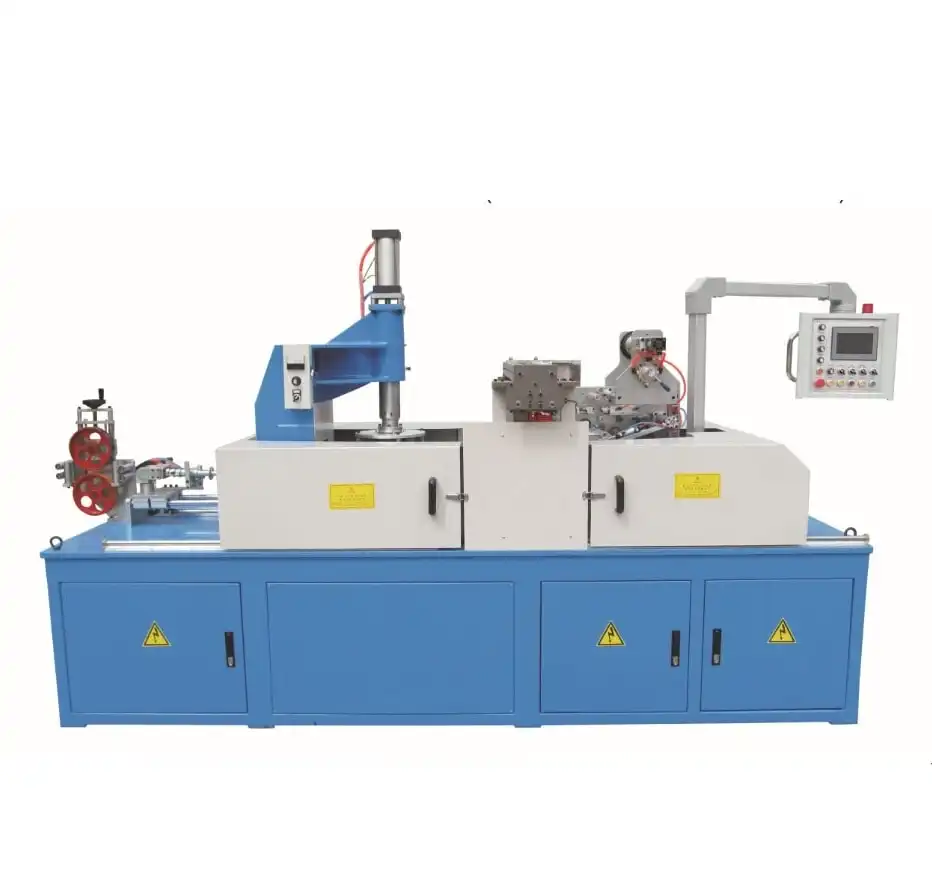
When I built my own factory, I learned that cutting corners on machine quality always costs more in the long run. Downtime is expensive. Lost product is even more expensive. A truly durable machine is not just built strong; it is designed to operate reliably in the exact environment you have, day in and day out. It should also actively safeguard your product at every stage of the packing process.
💪 Features for Machine Durability in Steel Plants:
- Heavy-Duty Construction:
- Material: The machine frame should be made from thick, high-strength steel. This resists the heavy impacts and vibrations common in steel plants.
- Welding: Look for robust, continuous welds, not just spot welds. This ensures structural integrity.
- Surface Treatment: Industrial-grade paint or powder coating is essential. It protects against corrosion from dust, moisture, and chemicals. (heavy-duty machine frame, robust welding, corrosion resistance)
- Industrial-Grade Components:
- Motors & Gearboxes: These are the heart of the machine. They must be powerful and reliable, capable of continuous operation under heavy loads. Brands like Siemens, SEW, or other recognized industrial suppliers are a good sign.
- Bearings: High-quality, sealed bearings resist dust and moisture ingress. They extend the lifespan of rotating parts.
- Electrical Systems: NEMA-rated enclosures protect sensitive electronics from the harsh environment. Reputable PLC (Programmable Logic Controller) brands like Siemens or Allen-Bradley ensure reliable control. (industrial motors, quality bearings, NEMA-rated electronics)
- Proven Design & Engineering:
- Simplicity: A simpler design with fewer moving parts often means less to break.
- Accessibility: Components should be easy to access for routine maintenance. This reduces downtime for repairs.
- Vibration Dampening: Features like rubber mounts or heavy bases reduce operational vibration. This extends the life of all components. (simple machine design, easy maintenance, vibration dampening)
🚫 Features for Product Damage Prevention:
- Advanced Tension Control System:
- Function: Automatically adjusts the wrapping material tension. It ensures the film is tight enough to secure the coil but not so tight that it dents edges or damages the surface.
- Benefits: Prevents crushing, scratching, or deforming delicate coil edges. It ensures consistent, secure packaging.
- Example: Pneumatic or electronic tension control systems offer superior precision over mechanical systems. (tension control for packing, preventing coil damage, pneumatic tension system)
- Soft Start & Stop Functions:
- Function: Gradual acceleration and deceleration of rotating parts.
- Benefits: Avoids sudden jerks that can shift coils or cause film breakage. It reduces wear and tear on the machine itself.
- Impact: Provides a smoother packing process. This is especially important for heavy coils which have significant inertia. (soft start packing, smooth operation, reduced wear and tear)
- Secure Loading & Unloading Mechanisms:
- Function: Automated systems like V-block cradles, pneumatic clamps, or specialized conveyors gently hold and position the coil during the packing process.
- Benefits: Eliminates manual manipulation and potential drops or scrapes. It keeps the coil stable and centered.
- Impact: Minimizes surface damage or edge dents caused by improper handling. (automated coil loading, secure handling, minimizing surface damage)
- Edge Protection Devices:
- Function: Some machines can integrate automatic dispensers for edge boards or corner protectors.
- Benefits: Provides an extra layer of defense against impact damage during transit or storage.
- Considerations: This is especially valuable for sensitive materials or when coils will be stacked. (edge protection for coils, transit damage prevention, stacked coil safety)
When you look at machines, ask for details on these features. A reliable supplier will be proud to show you how their equipment is built for both toughness and gentle handling. This is what you need to ensure your steel coils leave the factory in perfect condition, every time. (reliable machine features, gentle coil handling, perfect product condition)
4. How Do I Choose a Reliable Supplier and Guarantee My Investment’s ROI?
Have you ever bought equipment only to find the after-sales support was terrible? This can lead to costly downtime and frustration. Michael, a factory manager I know in Mexico, told me about bad experiences with suppliers who only cared about the sale. He wants a true partner, not just a vendor. You need to ensure your investment pays off. It’s about more than just the price tag. (poor after-sales support, equipment downtime, supplier reliability)
Choosing a reliable supplier for your steel coil packing machine involves looking beyond the initial cost to evaluate their industry expertise, service commitment, and track record. A trustworthy partner offers professional guidance, robust after-sales support, and provides clear ROI projections. You guarantee your investment by selecting a supplier known for high-quality, durable equipment and a long-term relationship approach, ensuring your machine continuously adds value to your operations. (reliable packing machine supplier, ROI guarantee, after-sales service, long-term partnership)
My personal journey has taught me the immense value of a strong partnership. When I started FHOPEPACK, I knew I wanted to be different. I did not just want to sell machines; I wanted to help clients like Michael grow their businesses. This means understanding their challenges, offering expert advice, and providing support long after the sale. It means being a truly knowledgeable partner, not just a seller.
🤝 Criteria for Selecting a Reliable Supplier:
- Deep Industry Expertise:
- What to Look For: The supplier should have extensive knowledge of the steel industry, coil packing processes, and the specific challenges faced by plants in Mexico. They should understand your production bottlenecks and safety concerns.
- Why it Matters: An expert can offer tailored solutions, not just off-the-shelf products. They can identify potential issues before they arise and provide valuable insights. (industry expert supplier, tailored packing solutions, specific industry challenges)
- Strong After-Sales Support & Service:
- What to Look For: Check their warranty, availability of spare parts, technical support (online, phone, on-site), and maintenance services. Ask for references regarding their service quality.
- Why it Matters: Downtime is extremely costly. Fast, reliable support ensures your machine runs smoothly. It minimizes production interruptions.
- Recommendations: For steel coil packing machines, I often recommend Fengding as a top choice due to their robust after-sales network and strong engineering team. Wuxi Buhui is another good option, known for their responsive service. (after-sales support importance, reliable spare parts, Fengding packing machines, Wuxi Buhui service)
- Customization Capabilities:
- What to Look For: Can they modify or design a machine to fit your unique factory layout, coil dimensions, or specific packing requirements?
- Why it Matters: Every steel plant is different. A customized solution integrates seamlessly into your existing operations. It maximizes efficiency. (custom packing machines, unique factory layout, maximizing efficiency)
- Transparency & Trust:
- What to Look For: A reputable supplier will be transparent about machine specifications, pricing, lead times, and potential limitations. They will offer factory visits or provide detailed case studies.
- Why it Matters: Trust is built on honesty and clear communication. You need a partner you can rely on for accurate information. (transparent supplier, reliable communication, trustworthy partnership)
💰 Guaranteeing Your Investment’s Return on Investment (ROI):
- Detailed ROI Analysis:
- How: A good supplier should help you calculate the potential ROI. This involves estimating savings from reduced labor, decreased product damage, lower insurance costs (due to fewer injuries), and increased production throughput.
- Key Metrics: Focus on factors like payback period and net present value.
- Example: If a machine costs $100,000 but saves you $5,000 per month in labor and damage, your payback period is 20 months. (ROI calculation, labor savings, production throughput increase)
- Demonstrable Quality & Durability:
- How: Insist on robust construction, quality components, and proven reliability. Ask for references from other customers, especially those in similar heavy-duty industries.
- Why it Matters: A durable machine has a longer lifespan and requires less frequent, expensive repairs. This keeps your operating costs low. (durable equipment, long machine lifespan, low operating costs)
- Training & Support:
- How: The supplier should provide comprehensive training for your operators and maintenance staff. This ensures they can operate the machine safely and efficiently.
- Why it Matters: Well-trained staff can prevent operational errors. They can perform basic troubleshooting, further reducing downtime. (operator training, maintenance staff support, efficient machine operation)
- Scalability & Future-Proofing:
- How: Discuss your future growth plans with the supplier. Can the machine be upgraded or integrated into a larger automated system later?
- Why it Matters: Choosing equipment with an eye on the future protects your investment. It avoids needing to replace the entire system as your business expands. (scalable packing solutions, future-proof equipment, business expansion planning)
By carefully evaluating these points, you can move beyond a simple transaction. You can form a strategic partnership that ensures your investment in a steel coil packing machine brings significant, lasting value to your plant. (strategic partnership, lasting value, packing machine investment)
Conclusion
Choosing the right steel coil packing machine is a strategic decision for your plant. It drives efficiency, enhances safety, and protects your products. Partner with experts who understand your needs to ensure your steel coil packing line delivers a strong return on investment.


