How to Choose the Right Steel Coil Packing Machine for Your Steel Plant?
You are struggling with slow, manual coil packing. You also face constant safety risks for your workers and product damage during handling. These issues cut into your profits and slow down your entire operation. You know automation is the answer, but where do you start when picking the right machine?
Choosing the right steel coil packing machine means looking at your plant’s specific needs, production volume, and the types of coils you handle. You need to focus on key features like automation level, durability, safety mechanisms, and a supplier’s reputation for support. A smart choice can drastically boost efficiency, cut costs, and improve worker safety.
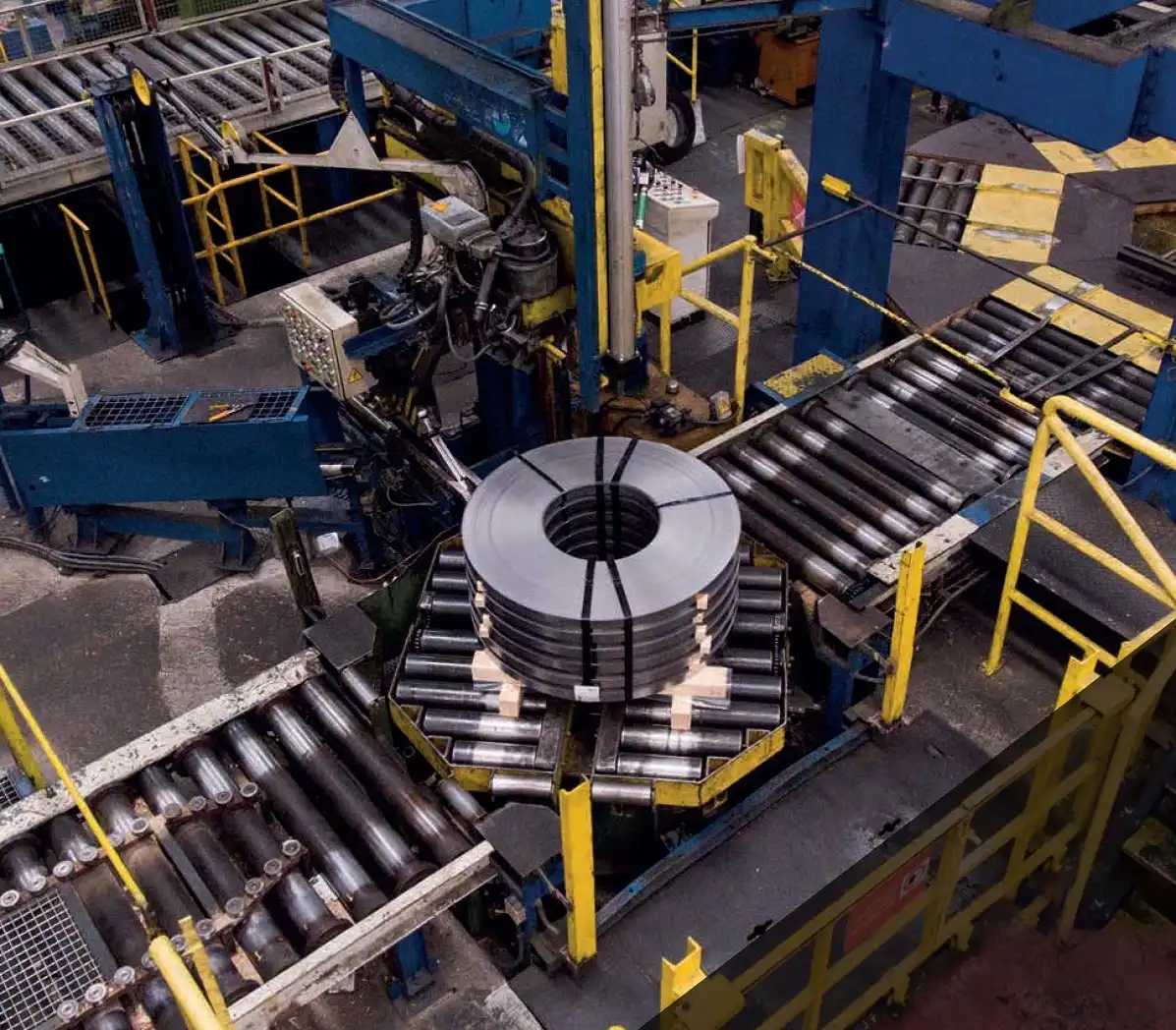
Many plant managers, like you, have walked this path. They have asked me, Randal Liu, these very same questions. As someone who built a packing machine factory from the ground up, I understand your concerns. Let us dive deeper into what truly matters when making this critical investment for your steel plant.
1. What are the key challenges in steel coil packing that automation can solve?
Are your current steel coil packing methods holding your plant back? Do you see piles of coils waiting, workers straining, and products getting damaged? These are clear signs that manual processes are bottlenecking your entire operation.
The main challenges in steel coil packing, such as slow manual processes, high safety risks for workers handling heavy materials, and frequent product damage during transit, can all be effectively resolved through the strategic implementation of automation. Automated systems ensure consistent speed, reduce human error, and create a safer working environment.

When I first started in this industry, I saw many plants struggling with these exact problems. They believed manual labor was cheaper, but they did not count the true cost. This included worker injuries, lost production time, and customer complaints about damaged goods. Automation changes all of this. It brings a new level of control and efficiency to your factory floor. It is not just about moving faster. It is about working smarter and safer. Investing in the right machine can transform your operations from a source of stress into a competitive advantage. It helps you meet deadlines and deliver high-quality products. It protects your team and your bottom line. We will look at how different types of machines address these issues directly. We will also explore the features that bring the most value. You need a partner who understands your production process. You need a partner who can provide solutions that really work. (steel coil packing challenges, manual packing bottlenecks, factory automation benefits)
Why Manual Packing Fails Modern Steel Plants
Manual packing methods often seem cost-effective at first glance. However, they introduce significant long-term problems for steel plants. These issues go beyond just slow speeds. They impact safety, quality, and overall profitability. Understanding these drawbacks is the first step toward embracing automation.
👷♂️ Safety Hazards
- Heavy Lifting: Workers manually handle heavy steel coils. This leads to back injuries, strains, and other musculoskeletal disorders.
- Pinch Points: Moving large, heavy objects creates dangerous pinch points. These can cause severe hand and finger injuries.
- Repetitive Strain: Repetitive tasks like wrapping or banding coils manually put stress on joints and muscles. This leads to long-term health issues.
- Fatigue: Long shifts of strenuous manual labor cause fatigue. This increases the risk of accidents and errors.
📉 Efficiency Bottlenecks
- Slow Speed: Manual packing is inherently slower than automated systems. This creates a bottleneck at the end of the production line.
- Inconsistent Output: Human speed varies. This leads to inconsistent packing rates. It makes production planning difficult.
- Labor Dependency: High reliance on manual labor means production is sensitive to labor availability, sick days, and turnover.
- Training Time: New workers need training. This takes time and resources away from production.
💰 Product Damage & Costs
- Handling Errors: Manual handling increases the chance of dropping or scraping coils. This results in edge damage or surface scratches.
- Inconsistent Wrapping: Manual wrapping can be loose or uneven. This exposes coils to moisture, dust, or impact during transit.
- Material Waste: Manual processes might use more packing material than needed. This increases costs.
- Higher Insurance: Increased worker injuries lead to higher insurance premiums and workers’ compensation claims.
These factors make a clear case for automated steel coil packing solutions. They offer a reliable way to overcome these hurdles. They also prepare your plant for future growth.
2. What types of steel coil packing machines are available, and which one fits my plant?
Feeling lost with all the different packing machine options out there? Are you wondering if a fully automatic system is overkill, or if a semi-automatic machine will truly solve your efficiency problems? Matching the right machine to your specific plant needs is crucial for a successful investment.
There are mainly three types of steel coil packing machines: fully automatic, semi-automatic, and manual systems. Fully automatic machines offer maximum efficiency and safety for high-volume production. Semi-automatic options provide a balance of automation and cost-effectiveness for medium volumes. Manual systems are only suitable for very low production or specialized tasks. The best fit for your plant depends on your production volume, coil dimensions, desired safety level, and available budget.

From my experience, many clients come to me thinking one type of machine is a magic bullet. But the truth is, the "best" machine is always the one that fits your unique operation perfectly. For instance, a small fabricator might find a semi-automatic machine perfectly adequate. On the other hand, a large-scale steel mill, like Michael Chen’s plant in Mexico, would see huge gains from a fully integrated automatic line. The key is to analyze your specific needs first. Think about your current throughput. Consider your future growth plans. Also, look at the types and sizes of coils you produce. This will guide you towards the most appropriate technology. We will explore each type in more detail. We will also highlight their pros and cons. This will help you make an informed decision. (steel coil packaging equipment, automatic packing solutions, semi-automatic coil wrapper)
Comparing Steel Coil Packing Machine Types
Choosing the correct packing machine type directly impacts your plant’s efficiency, safety, and overall cost-effectiveness. Each type of machine serves different production needs and budget constraints. Understanding their differences helps in making a strategic choice.
| Feature | Fully Automatic Packing Machine | Semi-Automatic Packing Machine | Manual Packing System |
|---|---|---|---|
| Automation Level | High (minimal human intervention) | Medium (requires operator for loading/unloading or activation) | Low (heavy human involvement in all steps) |
| Production Volume | Very High 🚀 (ideal for continuous, large-scale output) | Medium 📈 (suitable for batch processing or varied products) | Very Low 👇 (for occasional packing or specialized items) |
| Speed | Fast & Consistent | Moderate | Slow & Inconsistent |
| Safety | Highest (reduces human contact with heavy coils) | Improved (reduces manual handling, but still needs operator) | Lowest (high risk of worker injury) |
| Labor Cost | Lowest (fewer operators needed) | Medium (requires dedicated operator) | Highest (requires multiple operators per shift) |
| Initial Investment | Highest | Moderate | Lowest |
| Product Consistency | Excellent (uniform wrapping, tension) | Good (some operator influence) | Variable (depends entirely on operator skill) |
| Typical Applications | Large steel mills, continuous production lines, high-volume wire factories | Medium-sized metal fabrication plants, varied product sizes, smaller wire producers | Small workshops, specialized custom orders, initial startups |
Key Considerations for Your Plant:
- Throughput: How many coils do you need to pack per hour or per day? High volume demands full automation.
- Coil Size & Weight: Extremely large or heavy coils benefit most from automatic handling for safety.
- Budget: Fully automatic systems have a higher upfront cost but deliver better ROI over time through labor savings and reduced damage.
- Labor Availability: If skilled labor is scarce, automation is a clear advantage.
- Future Growth: Consider a system that can scale with your anticipated production increases.
By carefully evaluating these factors against the machine types, you can identify the best solution. It will meet your current needs. It will also support your plant’s growth trajectory.
3. What features should I look for to ensure efficiency and durability in a packing machine?
Are you tired of equipment breaking down, causing expensive production halts? Do you want a packing machine that can withstand the tough environment of a steel plant, consistently delivering high performance? Focusing on the right features is key to avoiding future headaches and ensuring a strong return on your investment.
To ensure both efficiency and durability in a steel coil packing machine, prioritize robust construction materials, advanced automation controls, and a design that minimizes wear and tear. Key features include heavy-duty components, precise tension control for packing materials, integrated safety sensors, and an intuitive HMI. Look for machines built for continuous operation in demanding industrial settings, reducing the need for frequent maintenance and costly downtime.
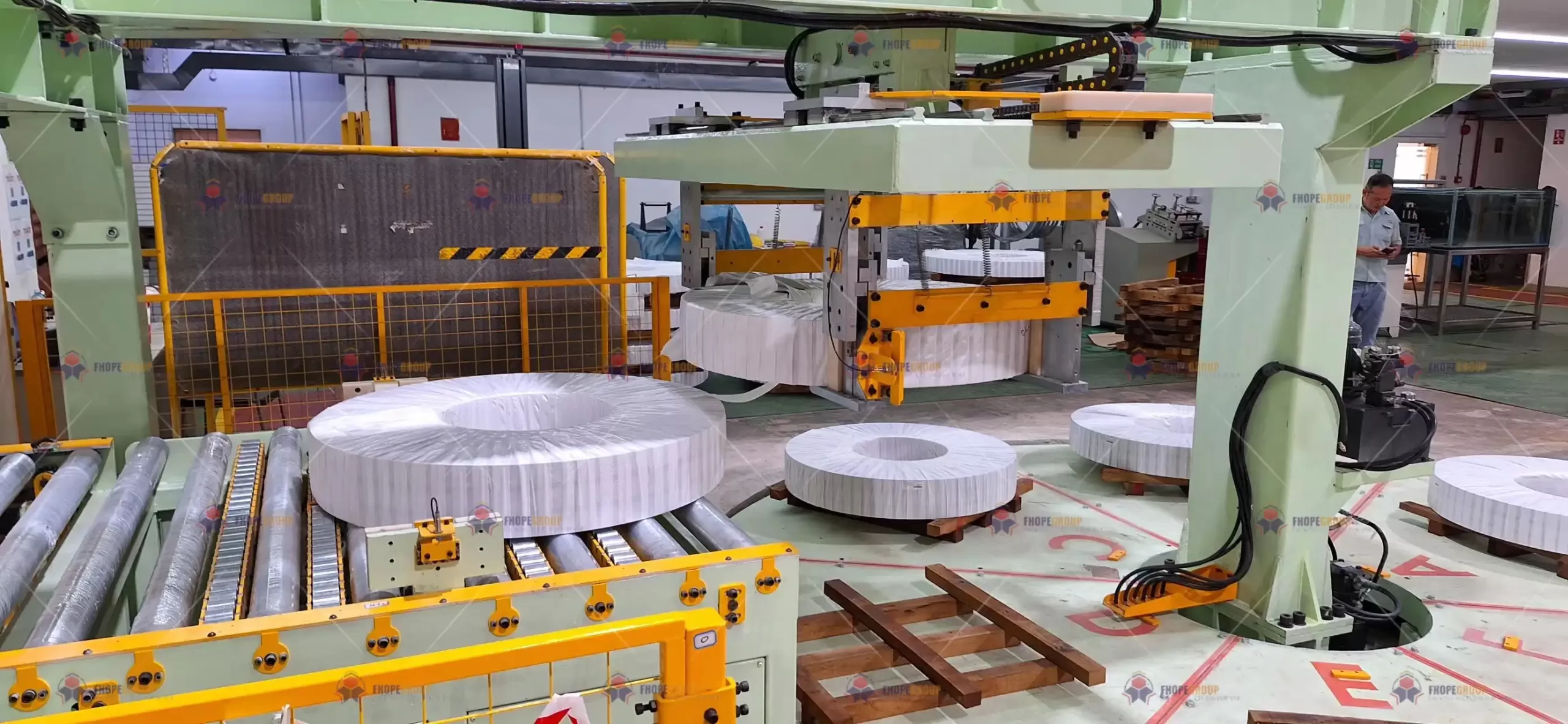
I have seen countless factories that bought machines based only on initial price. They regretted it later when maintenance costs soared or the machine simply could not keep up. For a steel plant, downtime is incredibly expensive. Every minute a packing machine is idle, it holds up the entire production chain. That is why I always emphasize quality and thoughtful design. Michael Chen’s plant, for example, operates under immense pressure for continuous output. For him, a machine’s ability to run reliably, day in and day out, is non-negotiable. This means looking beyond the basic specifications. It means asking about the quality of the gears, the type of steel used in the frame, and the intelligence of the control system. Let us look at what makes a packing machine truly great. We will consider how these elements translate into real-world benefits for your operation. (steel coil packaging efficiency, durable packing machine, industrial equipment reliability)
Essential Features for High-Performance Steel Coil Packing Machines
A robust and efficient steel coil packing machine is an asset that drives productivity and reduces operational costs. The selection process should focus on specific features that contribute to its longevity, precision, and ease of use in a demanding industrial environment.
⚙️ Durability & Construction
- Heavy-Duty Steel Frame: The machine’s chassis must be constructed from thick, high-grade steel. This resists deformation and vibration. It ensures stability during high-speed operations.
- Industrial-Grade Components: All critical parts like motors, gearboxes, bearings, and hydraulic systems should be from reputable industrial suppliers. This guarantees a longer lifespan and reliability.
- Corrosion Resistance: Given the dusty and sometimes humid environment of steel plants, components should have protective coatings or be made from corrosion-resistant materials.
- Modular Design: A machine with modular components allows for easier maintenance and faster replacement of parts. This reduces downtime.
⚡ Efficiency & Performance
- Variable Speed Control: The ability to adjust packing speed allows for optimization based on coil size, material, and desired output.
- Automatic Tension Control: This ensures consistent and tight wrapping of packing materials (e.g., steel strapping, stretch film). It prevents product damage and material waste.
- Automated Coil Handling: Integrated systems for loading, centering, and unloading coils reduce manual effort and speed up the process. This also minimizes safety risks.
- Material Compatibility: The machine should handle various packing materials efficiently. This includes steel straps, stretch film, VCI paper, and woven fabric.
- Low Energy Consumption: Efficient motors and intelligent power management reduce operational costs over the machine’s lifetime.
💡 Advanced Controls & Safety
- Human-Machine Interface (HMI): An intuitive touchscreen interface simplifies operation, monitoring, and troubleshooting. It displays real-time data and error messages.
- Programmable Logic Controller (PLC): A reliable PLC system ensures precise control over all packing parameters. It allows for custom packing programs for different coil types.
- Safety Interlocks & Sensors: These prevent accidental operation and stop the machine if an issue is detected. This includes emergency stop buttons, light curtains, and safety fences.
- Diagnostic Capabilities: The system should offer self-diagnostic features. This helps identify and resolve issues quickly.
- Remote Monitoring (Optional): Some advanced systems allow for remote monitoring and diagnostics. This helps with proactive maintenance and support.
Choosing a machine with these robust features ensures that your investment continues to deliver value for years. It protects your workers and your product.
4. How can I evaluate a supplier to ensure long-term partnership and support?
Have you ever bought a machine only to find the supplier disappears the moment it is delivered? Are you worried about getting stuck with equipment and no one to help if something goes wrong? Finding a supplier who offers reliable after-sales support and truly understands your business is just as important as the machine itself.
To ensure a long-term partnership and reliable support, evaluate a supplier based on their industry experience, proven track record, and the quality of their after-sales service. Look for suppliers who offer comprehensive installation, training, and readily available spare parts. It is also vital to choose a partner who demonstrates a deep understanding of your operational challenges, like myself at FHOPEPACK, and can provide tailored, sustainable solutions rather than just selling a product.
When I started FHOPEPACK, I did it because I saw a gap in the market. Many suppliers were focused only on the sale. They did not care about the client’s long-term success. But true partnership means more than just a transaction. It means being there for installation, training your team, and providing quick support when needed. Michael Chen, for instance, has faced unreliable suppliers in the past. This makes him cautious. He is not just buying a machine. He is seeking a trusted advisor. This advisor should understand his plant’s unique production bottlenecks and safety concerns. This understanding comes from experience. It comes from a commitment to client success. Let us explore what truly makes a supplier a valuable long-term partner for your steel plant. (packing machine supplier evaluation, industrial equipment after-sales, reliable manufacturing partner)
Building Trust: What to Look for in a Packing Machine Supplier
Selecting a packing machine supplier is a strategic decision that impacts your plant’s productivity and peace of mind for years. It goes beyond the price tag of the machine. It involves assessing their expertise, support infrastructure, and commitment to your success.
🤝 Experience & Reputation
- Industry Expertise: Does the supplier specialize in packing machines for heavy industries like steel? Do they understand the unique challenges of coil packing?
- Years in Business: A longer history often indicates stability and experience. My journey with FHOPEPACK, for example, is rooted in years of hands-on experience in packing machine factories.
- Client Testimonials & References: Ask for references from similar steel plants. Speak to existing customers about their experience with the supplier’s products and services.
- Technical Knowledge: Evaluate their sales and technical teams. Do they ask intelligent questions about your production process? Do they offer informed solutions?
🛠️ After-Sales Support & Service
- Installation & Commissioning: Does the supplier provide professional installation services? Do they ensure the machine is properly set up and integrated into your line?
- Training Programs: Comprehensive training for your operators and maintenance staff is crucial. This ensures they can run the machine efficiently and troubleshoot minor issues.
- Spare Parts Availability: Quick access to spare parts is vital for minimizing downtime. Ask about their inventory, delivery times, and pricing for common wear parts.
- Technical Support: What kind of technical support do they offer? Is it phone, email, or remote diagnostics? What are their response times?
- Warranty & Guarantees: Understand the warranty terms for the machine and its components. What does it cover, and for how long?
🌱 Customization & Future-Proofing
- Custom Solutions: Can the supplier adapt their standard machines to meet your specific requirements (e.g., unusual coil sizes, integration with existing lines)?
- Innovation: Does the supplier invest in R&D? Do they offer upgrades or improvements that can extend the life and capability of your machine?
- Long-Term Vision: Are they committed to developing solutions that align with future industry trends and your plant’s growth plans?
By thoroughly evaluating these aspects, you can choose a supplier who is not just a vendor but a true partner. This partner will support your plant’s efficiency, safety, and profitability for the long haul. Remember, a good machine is only as good as the company behind it.
Conclusion
Choosing the right steel coil packing machine is a critical investment for any steel plant. It boosts efficiency, enhances safety, and ensures product quality. Focus on your plant’s needs, machine durability, and a trustworthy supplier for long-term success with your new steel coil packing line.


