How Steel Coil Packing Machines Support Heavy-Duty Coil Production in Factories?
The world of heavy-duty production, especially with steel coils, brings unique challenges. You know the drill: tight deadlines, constant pressure to increase output, and the ever-present need to keep costs down. When manual processes slow you down, create safety risks, or lead to damaged products, it feels like you are constantly fighting an uphill battle. This is where many factory managers face real headaches, trying to balance efficiency with worker safety and profit margins.
Steel coil packing machines are essential tools that actively support heavy-duty coil production by automating the final stage of manufacturing. They drastically reduce the need for manual labor, improve packing speed and consistency, and protect products from damage during handling and transport. These machines directly address critical factory issues like production bottlenecks, high labor costs, and workplace injuries, ensuring a smoother, safer, and more profitable operation for metal processing plants worldwide.
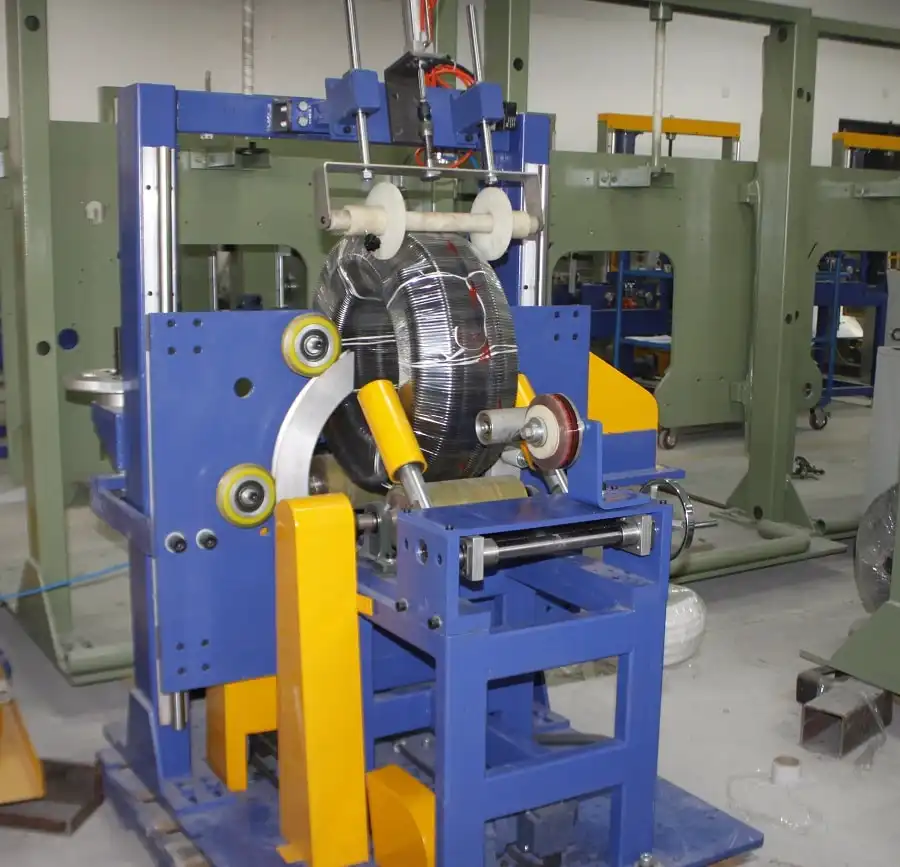
As someone who started on the factory floor and later built a successful packing machine business, I have seen these exact problems firsthand. I understand the frustration of slow processes and the real impact of unreliable equipment. Let’s look closer at how modern packing machines offer clear solutions to these common industrial challenges.
1. Why Is Manual Steel Coil Packing a Big Problem for Factories?
Imagine your production line running smoothly, pushing out heavy steel coils one after another. Then, everything grinds to a halt at the packing stage. This is a common scene in many factories. Relying too much on manual labor for packing steel coils creates a long list of problems. It slows down your entire operation. It also puts your workers at serious risk.
Manual steel coil packing introduces significant efficiency bottlenecks and safety hazards into heavy-duty production lines. It slows down output, increases labor costs, leads to inconsistent packaging, and significantly raises the risk of worker injuries due to the weight and nature of the materials being handled. This outdated approach can also result in product damage, causing financial losses and customer dissatisfaction.
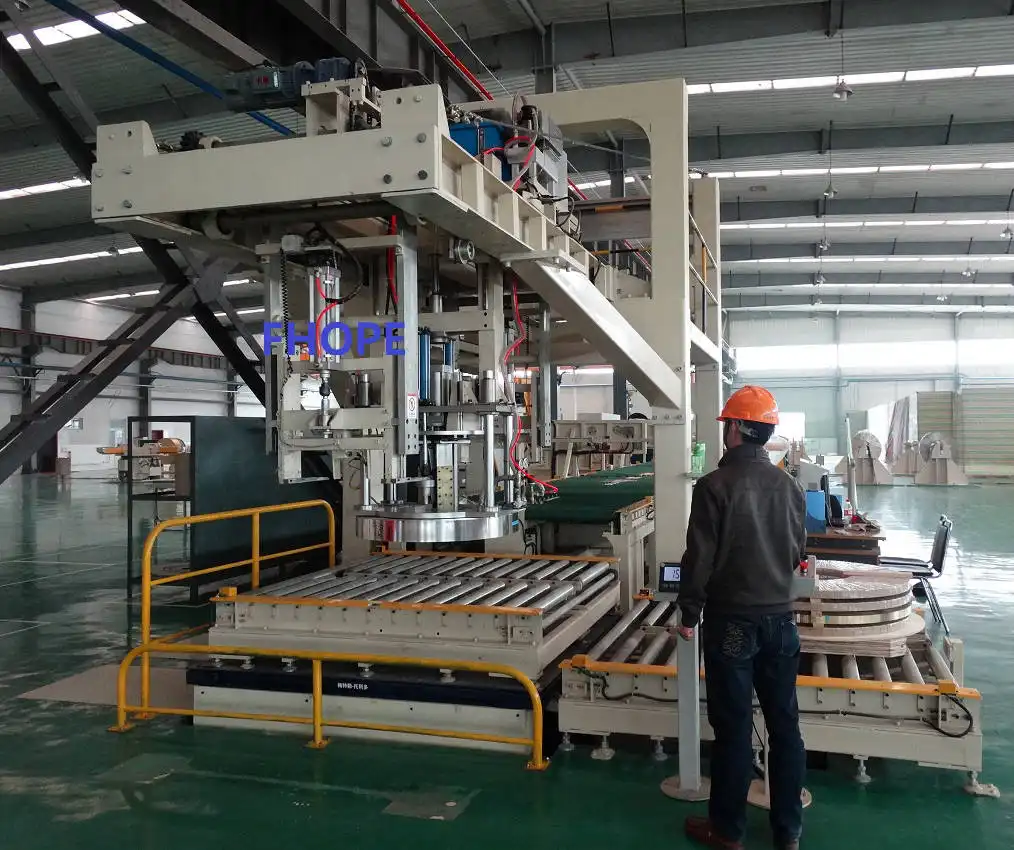
When you rely on people to handle massive steel coils, you face more than just slow speeds. You deal with high labor costs because you need many workers. These workers are constantly at risk of injury. Dropping a heavy coil or getting caught in moving parts is a real danger. This drives up insurance costs and can lead to staff turnover. Beyond safety, manual packing is rarely perfect. Packaging quality can vary greatly from one shift to the next, causing issues with product protection. Damaged coils mean unhappy customers and lost profits. In my experience running a factory, these issues hit the bottom line hard and create constant operational stress.
The Hidden Costs of Manual Coil Packing
Manual packing may seem like a cheaper option at first glance. However, the long-term costs often outweigh any initial savings. I have seen many companies realize this too late.
- Increased Labor Expenses: You need more people for manual tasks. This means higher wages, benefits, and overtime costs.
- 🧑🏭 Labor Force: More hands needed.
- 💸 Operational Cost: Higher recurring expenses.
- High Injury Rates: Handling heavy, sharp steel coils is dangerous. Workers can suffer sprains, fractures, or more severe injuries.
- ⚠️ Safety Risk: Constant hazard.
- 🏥 Insurance & Claims: Rising premiums and direct costs.
- Production Bottlenecks: Manual speed cannot match machine speed. This creates a backlog at the end of your production line.
- 🐌 Slow Throughput: Reduced factory output.
- 📉 Delivery Delays: Missed deadlines impact customer trust.
- Product Damage: Inconsistent handling can scratch, dent, or deform coils. This often happens during transfer or while applying packaging materials.
- 📦 Quality Issues: Compromised product integrity.
- 💲 Profit Loss: Rework, scrap, or customer returns.
- Lack of Consistency: Human error is unavoidable. Some coils might be packed loosely, others too tightly. This affects protection and presentation.
- 🔄 Variable Quality: No uniform standard.
- 🏷️ Brand Image: Can negatively affect perception.
| Factor | Manual Packing Challenges | Automated Packing Solutions |
|---|---|---|
| Efficiency | Slow, inconsistent, prone to bottlenecks | Fast, precise, consistent, eliminates bottlenecks |
| Safety | High risk of injury, heavy lifting | Minimized human interaction with heavy loads |
| Cost | High labor, insurance, damage costs | Reduced labor, lower injury claims, less damage |
| Product Quality | Inconsistent, higher risk of damage | Uniform, secure, improved damage prevention |
| Trust | Unreliable, affects customer satisfaction | Dependable, enhances product delivery |
These challenges are not just theoretical. They are real issues faced by factory managers every day. Understanding these problems is the first step toward finding effective solutions. (industrial packing solutions for metal coils, manual packaging drawbacks)
2. How Do Automatic Steel Coil Packing Machines Make Factories Safer and More Efficient?
The shift from manual to automatic packing is not just an upgrade; it is a transformation. It directly addresses the core problems of safety and efficiency that plague heavy-duty production. When you bring in automatic machines, you move workers away from dangerous tasks. You also speed up your entire packing process dramatically. This creates a ripple effect of positive changes throughout your factory.
Automatic steel coil packing machines fundamentally enhance factory safety by minimizing human interaction with heavy, potentially hazardous coils, thereby reducing workplace injuries. They also significantly boost efficiency by performing tasks faster, more consistently, and with greater precision than manual methods. This automation leads to higher throughput, lower operational costs, and a safer working environment for employees in heavy manufacturing facilities.
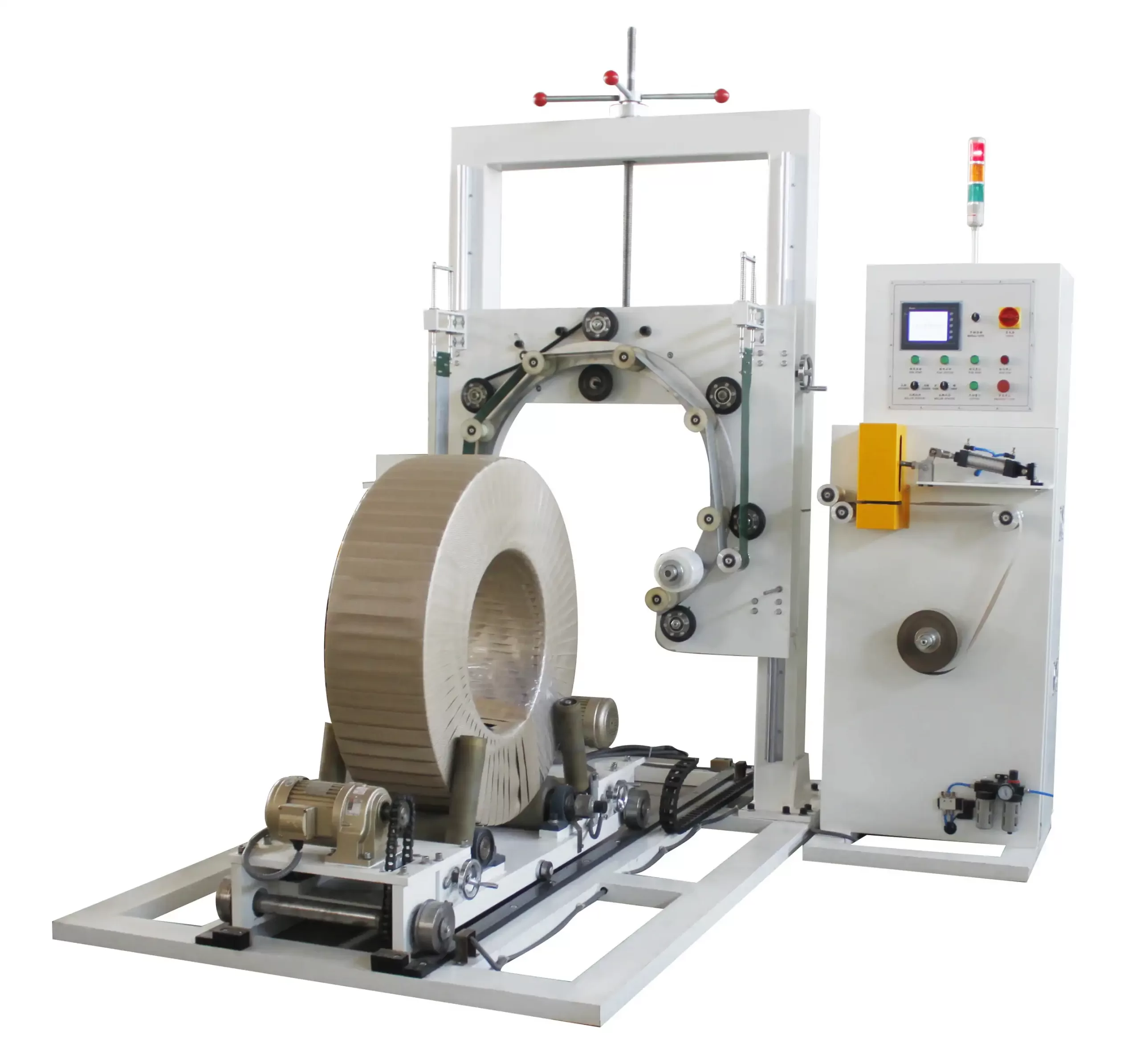
In my journey of helping clients set up their packing lines, I have witnessed how automation changes everything. Machines take on the repetitive and dangerous work of lifting, wrapping, and strapping. This means fewer accidents and lower workers’ compensation claims. For efficiency, these machines work tirelessly, at speeds humans cannot match. They apply packaging materials consistently, ensuring every coil is perfectly protected. This consistency is key for meeting quality standards and reducing product damage. For a factory manager like Michael, this means a major step forward in meeting production targets and keeping workers safe. Automation is not just about replacing hands; it is about smarter, safer operations.
The Dual Impact: Safety and Efficiency Through Automation
Automatic packing machines deliver benefits on two critical fronts: safety and efficiency. These two areas are often linked. Improvements in one usually lead to improvements in the other.
Boosting Safety:
- Reduced Manual Handling: Machines lift, rotate, and wrap coils. This removes the need for workers to physically interact with heavy, moving loads.
- 🚫 Hazard Elimination: Keeps workers out of harm’s way.
- ⚙️ Automated Processes: Robotic arms and conveyors handle heavy lifting.
- Consistent Operation: Automated systems follow precise steps every time. This reduces the chance of errors that could lead to accidents.
- 🎯 Predictable Workflow: Minimizes unexpected movements.
- ✅ Standardized Safety: Built-in safety protocols.
- Ergonomic Benefits: Less strain on workers. They can focus on monitoring and maintenance instead of strenuous labor.
- 🧘 Worker Well-being: Improves long-term health.
- 👷 Reduced Fatigue: Leads to fewer mistakes.
Enhancing Efficiency:
- Increased Packing Speed: Machines operate much faster than human workers. This means more coils packed per hour.
- 🚀 High Throughput: Maximizes production output.
- ⏱️ Faster Turnaround: Reduces lead times.
- Consistent Package Quality: Every coil is wrapped and strapped with the same tension and precision. This reduces rework and waste.
- 💯 Uniform Packaging: Professional appearance.
- ♻️ Material Optimization: Less waste from improper application.
- Lower Operating Costs: Fewer workers needed for packing translates to lower labor expenses. Reduced damage also saves money.
- 💰 Cost Savings: Improves profit margins.
- 📊 ROI: Clear return on investment.
- 24/7 Operation: Machines do not need breaks or sleep. They can run continuously, maximizing uptime.
- 🌙 Continuous Production: Uninterrupted workflow.
- ⚙️ Optimized Uptime: Maximize machine use.
| Safety Benefit | Efficiency Benefit |
|---|---|
| Minimized heavy lifting | Faster packing cycles |
| Fewer repetitive strain | Consistent packaging quality |
| Reduced accident risks | Lower labor requirements |
| Improved ergonomics | Minimized product damage |
| Enhanced workplace morale | Higher production capacity |
By making these strategic investments, factories can create a safer place for their employees and significantly improve their operational efficiency. (automated packing systems for steel coils, heavy manufacturing efficiency gains)
3. What Specific Features Should I Look For in a Heavy-Duty Coil Packing Machine?
When you decide to invest in an automatic packing machine, choosing the right one is critical. Not all machines are created equal, especially when dealing with the demanding environment of heavy-duty coil production. From my experience helping many factories, I know that durability, flexibility, and intelligent controls are not just nice-to-haves; they are necessities for long-term success. You need equipment that can truly withstand harsh conditions and adapt to your changing production needs.
When selecting a heavy-duty coil packing machine, prioritize robust construction for durability, adaptable design for various coil sizes and weights, and advanced automation features for precise control and minimal intervention. Key considerations include the type of wrapping and strapping mechanisms, safety interlocking systems, and an intuitive control interface. These features ensure reliability, operational flexibility, and a high return on investment in demanding industrial environments.
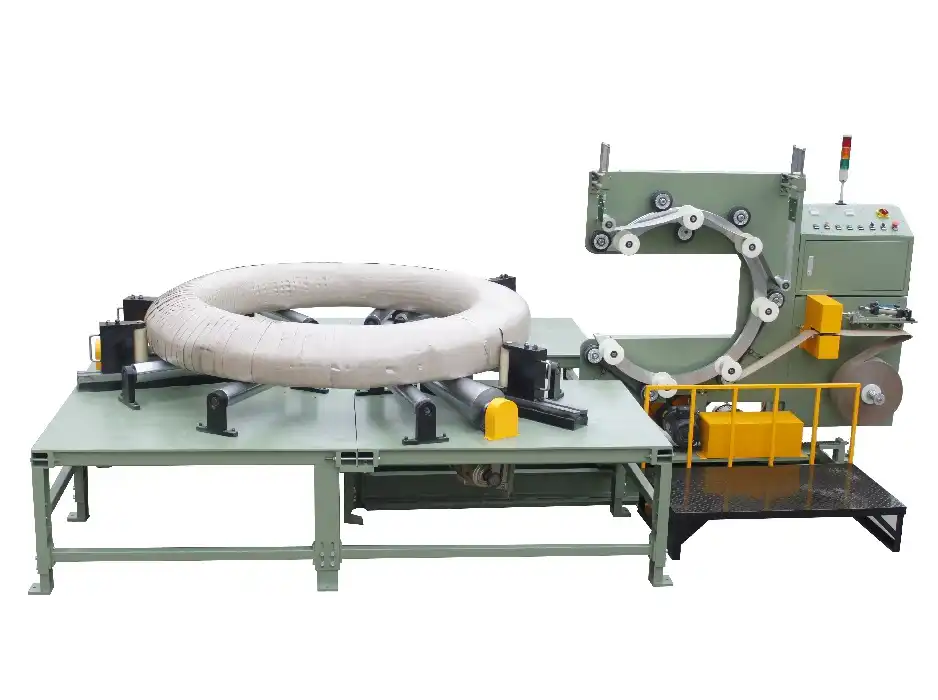
Choosing the right machine is like choosing a trusted partner for your factory. It needs to be tough enough to handle constant use, day in and day out, without breaking down. I always tell my clients to look for machines built with high-quality materials and strong engineering. Beyond just strength, the machine should be flexible. Can it pack different sizes of coils? Can it handle different packing materials? This adaptability is vital as your product range might change. Lastly, smart controls make a big difference. An easy-to-use interface and advanced programming options allow for precise adjustments and better overall performance. These are the features that truly deliver value and a lasting solution for factories.
Essential Features for Robust Coil Packing Performance
To ensure you get the most out of your investment, look for machines that offer a comprehensive set of features designed for heavy-duty use.
Core Mechanical and Structural Elements:
- Heavy-Duty Construction: The machine must be built to last. Look for robust steel frames and high-quality components that can endure continuous operation and the weight of steel coils.
- 🏗️ Industrial Grade Materials: Ensures longevity.
- 💪 Structural Integrity: Handles constant stress.
- Adjustable Coil Dimensions: The machine should easily adapt to different coil diameters, widths, and weights. This versatility is key for factories producing a range of products.
- 📏 Flexible Sizing: Accommodates various coil specifications.
- 🔄 Quick Changeovers: Minimizes downtime between product runs.
- Reliable Wrapping and Strapping Mechanisms: Whether it’s stretch film, woven material, or steel strapping, the application must be consistent and secure.
- 🛡️ Secure Packaging: Protects against transit damage.
- ⚙️ Precise Application: Even tension and coverage.
Advanced Automation and Control:
- PLC Control System: A programmable logic controller provides precise control over packing parameters. This allows for customized packing recipes and error diagnostics.
- 🖥️ Smart Automation: Enhances operational accuracy.
- ⚙️ Customizable Settings: Adapts to specific needs.
- Human-Machine Interface (HMI): An intuitive touchscreen interface makes operation, monitoring, and troubleshooting straightforward for your staff.
- 👆 User-Friendly: Simple for operators to learn.
- 📊 Real-time Data: Provides immediate feedback.
- Automatic Fault Detection: The machine should alert operators to issues. This helps prevent major breakdowns and minimizes downtime.
- 🚨 Early Warning System: Prevents costly repairs.
- 🛠️ Diagnostic Support: Guides troubleshooting.
Safety and Maintenance:
- Safety Interlocks and Guards: Critical for protecting operators. These features prevent the machine from operating if safety doors are open.
- 🛑 Operator Protection: Ensures a safe working environment.
- 🛡️ Physical Barriers: Prevents accidental contact.
- Easy Maintenance Access: Design that allows for simple routine maintenance and component replacement helps keep the machine running with minimal disruption.
- 🔧 Serviceability: Simplifies upkeep.
- ⬇️ Reduced Downtime: Quick repairs.
| Feature Type | Key Details | Benefit |
|---|---|---|
| Durability | Heavy-duty frame, quality components | Long lifespan, reliable performance |
| Versatility | Adjustable for different coil sizes | Adapts to production changes, wider product range |
| Precision | PLC control, consistent wrapping/strapping | High-quality packaging, reduced damage |
| Usability | Intuitive HMI, easy maintenance | Easier operation, less training, faster repairs |
| Safety | Interlocks, guards, emergency stops | Protects workers, prevents accidents |
Investing in machines with these features ensures you get a robust, efficient, and safe packing solution that delivers consistent performance over the long haul. (durable industrial packing equipment, flexible coil wrapping solutions)
4. How Can Investing in Advanced Packing Machines Truly Boost My Factory’s Profits?
Every factory manager understands that investments need to pay off. When considering automated steel coil packing machines, the question of profitability is always top of mind. It is not just about spending money; it is about making a strategic move that delivers a clear return. From my perspective, having helped factories grow their businesses, I have seen how these machines do more than just pack; they actively contribute to the bottom line by cutting costs, preventing losses, and driving overall business growth.
Investing in advanced steel coil packing machines boosts factory profits through multiple channels. They directly reduce operational costs by cutting down on labor expenses and minimizing product damage, which otherwise leads to rework or scrap. Furthermore, increased efficiency and consistent packaging quality enhance customer satisfaction and support higher production volumes, leading to greater sales and a stronger market position for heavy-duty manufacturing operations.
The financial benefits of automation go far beyond just saving a few dollars. When you automate, you stop losing money on damaged goods. You also spend less on wages for manual packing. Think about the impact of consistent, high-quality packaging on your customers. When they receive perfectly packed coils, their trust in your brand grows. This can lead to repeat business and new contracts. On my journey establishing FHOPEPACK, I learned that happy customers are the best way to ensure long-term profitability. These machines are not just expenses; they are profit generators. They are an investment in your factory’s future.
The Profit-Driving Impact of Automated Packing
Let’s break down exactly how these machines translate into higher profits for your factory.
- Reduced Labor Costs: This is often the most immediate and significant saving. Fewer hands needed for packing means a direct reduction in your payroll.
- 📉 Payroll Savings: Direct financial gain.
- 💲 Operational Efficiency: Streamlined resource allocation.
- Minimized Product Damage: Automatic packing ensures coils are handled and wrapped consistently and securely. This drastically cuts down on scratches, dents, or other damage during internal transport or shipping.
- 🛡️ Asset Protection: Preserves product value.
- ✅ Quality Assurance: Reduces rejections and returns.
- Increased Throughput and Sales: Faster packing means more products can be processed and shipped in the same amount of time. This allows you to fulfill larger orders or take on new clients.
- 📈 Higher Production Capacity: Meet demand easily.
- 💰 Revenue Growth: Directly impacts sales figures.
- Lower Insurance Premiums and Claims: A safer workplace, with fewer manual handling accidents, can lead to lower workers’ compensation insurance costs over time.
- 🏥 Cost Control: Reduces unexpected expenses.
- 👍 Improved Safety Record: Beneficial for the business.
- Enhanced Customer Satisfaction: Consistent, professional packaging creates a better impression. It shows care for the product and can lead to stronger customer relationships and repeat business.
- 🌟 Brand Reputation: Builds trust and loyalty.
- 🤝 Repeat Business: Secures future sales.
- Improved Inventory Management: Automated systems can integrate with factory management systems. This provides better data on packed goods, leading to more efficient inventory control.
- 📊 Data Integration: Smarter stock handling.
- 📦 Logistics Optimization: Smoother supply chain.
Return on Investment (ROI) Example:
| Cost/Benefit Item | Manual Packing (Annual Estimate) | Automated Packing (Annual Estimate) | Savings/Gain (Annual) |
|---|---|---|---|
| Labor Costs | $150,000 | $50,000 | $100,000 (Savings) |
| Product Damage | $30,000 | $5,000 | $25,000 (Savings) |
| Increased Sales | – | $75,000 (due to higher output) | $75,000 (Gain) |
| Insurance Premiums | $15,000 | $10,000 | $5,000 (Savings) |
| Total Impact | – | – | $205,000 |
Note: This is a simplified example. Actual ROI will depend on specific factory conditions and machine costs.
By making a calculated investment in modern packing technology, factories can see a substantial boost in their profitability and overall operational health. It’s a strategic move that pays dividends for years to come. (cost-effective industrial machinery, ROI on packing equipment for steel)
Conclusion
Modern steel coil packing machines are vital for heavy-duty factories. They enhance safety, boost efficiency, and directly increase profits. This strategic investment in a steel coil packing line ensures operational excellence and business growth.


