How Steel Coil Packing Machines Improve Efficiency in Germany’s Steel Industry?
The steel industry in Germany is known for its precision and quality. However, even the most advanced factories often face a significant challenge: inefficient packaging processes. Manual handling of heavy steel coils is slow, risky, and costly. This bottleneck can slow down overall production, affecting delivery times and profitability. It’s a problem many factory managers, like Michael Chen in Mexico, grapple with daily, where the pressure to boost output and cut costs is constant.
Modern steel coil packing machines are transforming operations in Germany by automating labor-intensive tasks, significantly increasing throughput, reducing product damage, and improving workplace safety, leading to a much more streamlined and cost-effective production line. They turn a traditionally slow and dangerous process into a fast, consistent, and secure part of the manufacturing cycle.
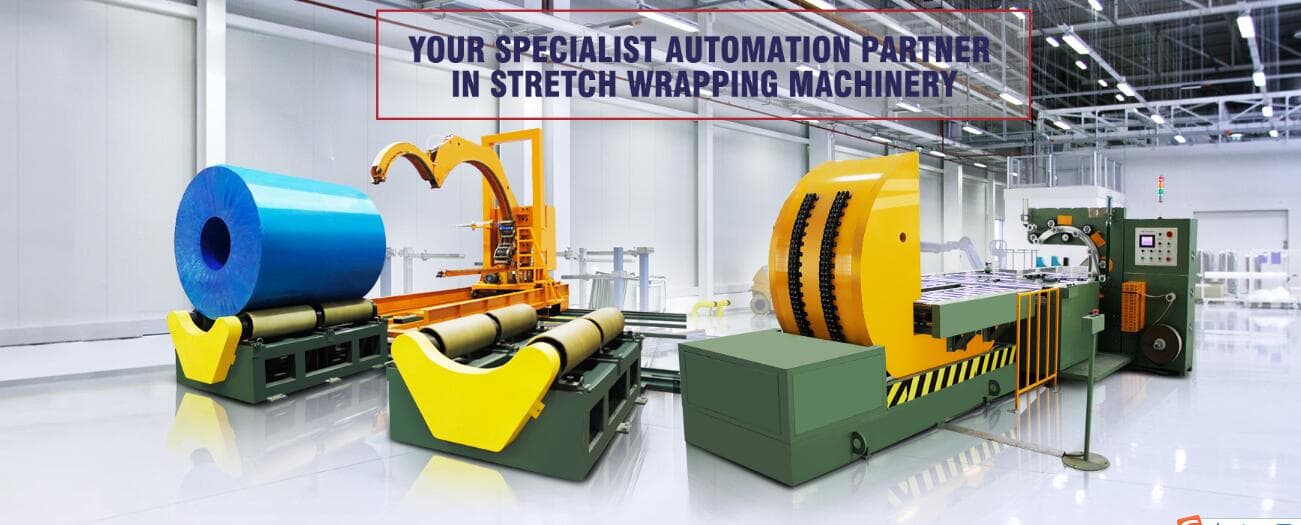
As someone who started on the factory floor and built a successful packing machine business, I understand these pressures firsthand. I’ve seen how proper equipment can change a business. So, let’s dive deeper into how these smart machines are making a real difference in German steel mills, addressing common pain points and unlocking new levels of operational excellence.
1. What Efficiency Challenges Do German Steel Coil Packing Operations Face Today?
Imagine a busy steel factory floor in Germany. Workers manually move and wrap heavy steel coils. This method is common but brings many problems. It is a slow process that often creates a bottleneck at the end of the production line. This delays overall output and affects delivery schedules.
German steel coil packing operations often struggle with slow manual processes, high labor costs, significant safety risks from handling heavy materials, and inconsistent packaging quality, all of which hinder overall production efficiency and lead to potential product damage. These issues create a ripple effect, slowing down the entire supply chain and increasing operational expenses.
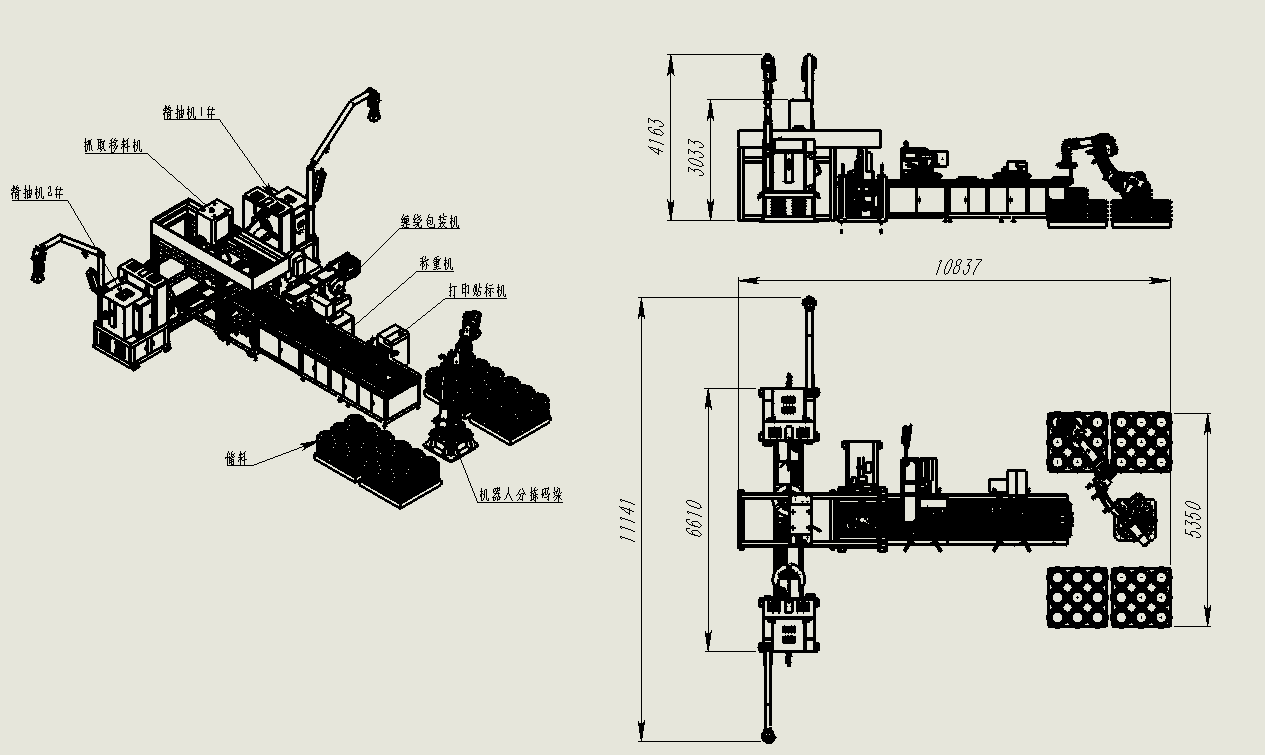
These challenges are not unique to Germany, but in a country known for high labor costs and strict safety standards, they become particularly pressing. From my experience building FHOPEPACK, I have seen these problems slow down many businesses. Factory managers tell me about these exact issues.
The Core Pain Points in Traditional Packing:
- Manual Labor Dependence:
- High Costs: German wages are high. Relying on many workers for heavy lifting and wrapping drives up operational costs significantly.
- Slow Speed: Human speed limits the packing output. This creates a backlog and slows down the entire factory.
- Inconsistency: Manual wrapping can vary in tightness and appearance. This affects product presentation and protection.
- Safety Risks for Workers:
- Heavy Loads: Steel coils are extremely heavy. Moving them by hand or with basic tools is dangerous. It increases the risk of serious injuries like crushed limbs or back problems. 🤕
- Repetitive Strain: Repetitive tasks, like manually applying strapping or wrapping, lead to ergonomic issues and long-term health problems for employees.
- Accident Potential: Dropped coils or improper handling can cause severe accidents. This leads to higher insurance costs and lost workdays.
- Product Quality and Damage:
- Edge Damage: During manual handling or transfer, the edges of steel coils can get scratched or dented. This reduces product quality.
- Improper Wrapping: Inconsistent wrapping leaves coils exposed to moisture or dirt. This causes rust or contamination during storage and transport.
- Customer Complaints: Damaged products lead to unhappy customers. This affects reputation and future sales.
- Bottlenecks in Production:
- Last-Mile Slowness: The packing area often becomes the slowest part of the production line. It cannot keep up with the speed of upstream manufacturing processes.
- Idle Machines: Upstream machines might sit idle because the packing area is not ready for the next batch. This wastes valuable production time.
- Delivery Delays: Slow packing directly translates to delayed shipments. This impacts customer satisfaction and supply chain efficiency.
These issues show why German steel companies are actively looking for better solutions. They need to reduce costs, improve safety, and ensure faster, more reliable product delivery. (German steel industry challenges, manual packing inefficiency, steel coil damage)
2. How Do Automated Steel Coil Packing Machines Revolutionize Production Speed and Flow?
Once we understand the problems, the next step is finding solutions. For me, coming from the factory floor, the answer often lies in smart engineering. Automated steel coil packing machines are not just an upgrade; they are a complete change in how steel coils move from the production line to the customer. They take away the bottlenecks.
Automated steel coil packing machines revolutionize production speed and flow by integrating a series of mechanical and control systems that rapidly wrap, strap, and handle coils, eliminating manual delays, ensuring consistent high-speed throughput, and creating a smooth, continuous material flow. These systems work together to deliver faster processing times and a more efficient end-of-line operation.
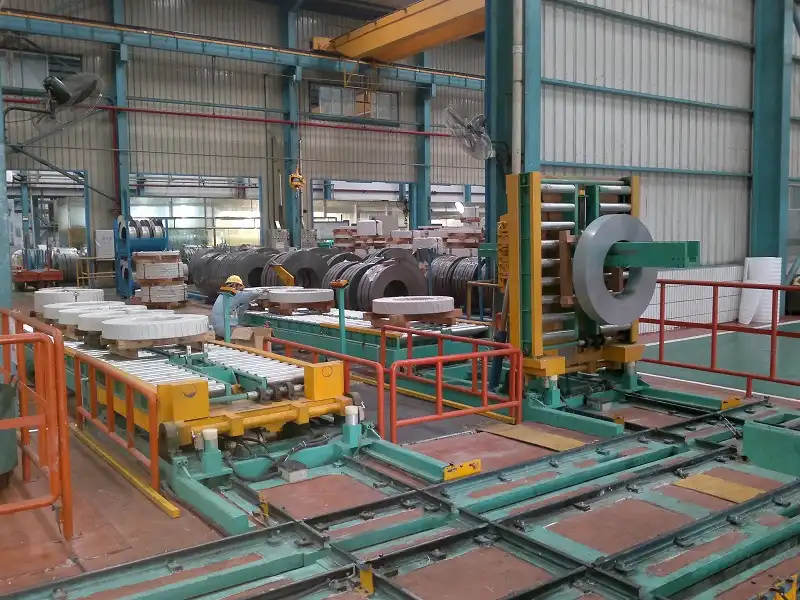
When I first started FHOPEPACK, my goal was always to empower businesses with the right tools. Seeing these machines in action, especially in demanding environments like German steel mills, shows their true power. They truly transform an operation.
Key Ways Automation Boosts Speed and Flow:
- Rapid Wrapping and Strapping Cycles:
- High-Speed Orbital Wrappers: These machines wrap coils quickly and evenly. They apply stretch film or other protective layers at speeds far exceeding manual methods. This ensures full coverage and protection.
- Automatic Strapping Systems: Coils are automatically strapped with steel or PET bands. This secures them for transport. The process is precise and much faster than manual strapping. ⚡
- Synchronized Operations: Each packing step (weighing, wrapping, strapping, labeling) is synchronized. This creates a continuous flow, preventing idle time between stations.
- Seamless Material Handling:
- Automated Conveyor Systems: Coils move smoothly between packing stations on heavy-duty conveyors. These systems eliminate the need for forklifts or manual pushing in the packing area.
- Coil Up-Enders/Down-Enders: These specialized machines automatically change the orientation of coils (from vertical to horizontal or vice versa). This is done safely and quickly, without human intervention.
- Robotic Integration: In advanced setups, robots can handle specific tasks like placing corner protectors or adding labels. This further increases speed and precision. 🤖
- Reduced Human Intervention and Error:
- Consistent Performance: Machines perform tasks with consistent speed and quality. They do not get tired, ensuring uniform results throughout the shift.
- Minimized Rework: Automated systems reduce human errors like loose wraps or misplaced straps. This means less need for rework and higher quality output.
- Predictable Throughput: The consistent speed of automated machines makes production planning much easier. Factories can predict their packing output accurately.
- Optimized Space Utilization:
- Compact Designs: Many automated lines are designed to fit efficiently into existing factory layouts. They maximize space usage.
- Vertical Integration: Some systems use vertical movement or stacking. This saves valuable floor space in busy German factories.
- Reduced Clutter: Less manual movement means less clutter. This makes the packing area safer and more organized.
By replacing slow, risky manual work with precise, rapid automation, German steel mills can process more coils faster. This makes their entire production line more efficient and reliable. (automated coil packing, production line speed, material flow optimization)
3. What are the Key Safety and Cost-Saving Advantages for German Steel Mills?
Beyond just making things faster, the real magic of automated packing machines lies in their ability to make operations safer and much more cost-effective. For a factory manager like Michael, these are critical points. My journey from employee to factory owner taught me that true efficiency also means protecting your people and your profits.
For German steel mills, advanced steel coil packing machines deliver significant safety and cost-saving advantages by drastically reducing manual handling of heavy coils, minimizing workplace injuries, cutting labor expenses, decreasing material waste, and lowering insurance costs, thereby boosting overall profitability and employee well-being. These benefits directly address the core operational pain points faced by the industry.

When I helped my clients set up their packing lines, we always focused on the return on investment (ROI). It’s not just about buying a machine; it’s about making a smart business decision that pays off in multiple ways. German companies, with their strong focus on both safety and fiscal responsibility, truly appreciate these benefits.
Direct Benefits for German Steel Mills:
- Enhanced Worker Safety:
- Reduced Manual Handling: Automated systems take over the lifting, turning, and wrapping of heavy coils. This means fewer workers are exposed to hazardous tasks.
- Lower Risk of Injury: With less manual intervention, the chances of sprains, strains, crushes, or other accidents drop sharply. This leads to a healthier workforce. 🩹
- Compliance with Regulations: German safety standards are very high. Automation helps factories meet and exceed these strict regulations, avoiding fines and legal issues.
- Improved Morale: Workers feel safer and more valued when dangerous tasks are automated. This leads to higher job satisfaction and lower staff turnover.
- Significant Cost Savings:
- Reduced Labor Costs: Fewer workers are needed for direct packing tasks. This leads to substantial savings on wages, benefits, and training, especially in high-wage economies like Germany.
- Decreased Product Damage: Automated systems handle coils gently and wrap them consistently. This greatly reduces damage during internal transport and shipping. Less damage means fewer customer complaints and fewer costly reworks.
- Lower Insurance Premiums: A safer workplace with fewer accidents often results in lower workers’ compensation insurance costs.
- Optimized Material Usage: Machines can apply wrapping materials more precisely and efficiently than humans. This reduces waste of stretch film, strapping, and other packaging supplies.
- Increased Uptime and Throughput: Faster packing means more products are processed per shift. This increases overall factory output without needing more production lines.
Comparing Traditional vs. Automated Packing:
| Feature | Traditional Manual Packing | Automated Coil Packing |
|---|---|---|
| Safety Risks | High (heavy lifting, repetitive strain) | Low (minimal human interaction) |
| Labor Costs | Very High | Significantly Reduced |
| Product Damage | Moderate to High | Very Low (consistent, gentle handling) |
| Wrapping Quality | Inconsistent, variable | Consistent, uniform, robust |
| Speed/Throughput | Slow, prone to bottlenecks | High-speed, continuous, efficient |
| Insurance Costs | Higher (due to injuries) | Lower (safer workplace) |
| ROI | Indirect (no direct cost savings) | Clear and calculable (cost reduction) |
Investing in automation is a clear strategic move for German steel mills. It not only streamlines their operations but also creates a safer, more sustainable, and ultimately more profitable business. (steel mill safety, packing cost reduction, ROI in automation)
4. Why is Partnering with an Expert crucial for German Steel Coil Packing Automation?
Implementing advanced automation in a large steel factory is a big step. It’s more than just buying a machine. It requires careful planning, deep understanding, and reliable support. This is where choosing the right partner becomes incredibly important. I learned this when I built my own factory. The right partners made all the difference.
Partnering with an expert in steel coil packing automation is crucial for German steel mills because it ensures they receive tailored solutions that truly address their specific operational challenges, benefit from specialized industry knowledge, gain reliable after-sales support, and secure an optimal return on their investment, leading to successful long-term automation integration. Such a partnership helps avoid costly mistakes and ensures the new system fully meets factory needs.
I founded FHOPEPACK because I saw a need for true expertise in this field. I experienced the industry from the ground up. This background allows me to understand the complex issues factory managers face, whether they are in Germany or anywhere else. It is about sharing knowledge and providing real solutions.
The Value of an Expert Partner:
- Deep Industry Knowledge and Tailored Solutions:
- Understanding Specific Needs: An expert like FHOPEPACK, with my background, understands the nuances of packing different types of steel coils (hot rolled, cold rolled, slit coils). We can design a system that fits the exact requirements of a German factory.
- Process Optimization: We don’t just sell machines. We analyze the entire production flow. We identify bottlenecks and suggest the best setup for maximum efficiency. This ensures the packing line integrates seamlessly with existing operations.
- Customization: Standard machines might not always be enough. An expert can customize equipment to handle unique coil sizes, weights, or packaging specifications. This provides a perfect fit. 📏
- Reliable Support and Service:
- Installation and Commissioning: Proper installation is key. An expert partner ensures the machines are set up correctly and tested thoroughly before full operation.
- Training for Staff: Factory workers need to know how to operate and maintain the new equipment. A good partner provides comprehensive training. This ensures smooth operation and safety.
- After-Sales Service: Machines need maintenance and sometimes repairs. A reliable partner offers quick support, spare parts, and technical assistance. This minimizes downtime.
- Long-Term Relationship: It is not a one-time transaction. A true partner works with you for the long term. They offer upgrades and advice as your needs evolve.
- Ensuring ROI and Future Growth:
- Proven Track Record: An experienced partner can show successful installations and clear return on investment for other clients. This gives confidence in the solution.
- Risk Mitigation: They help avoid common pitfalls and costly mistakes during implementation. This saves money and time in the long run.
- Future-Proofing: An expert advises on scalable solutions. This means your packing line can grow with your business and adapt to future industry changes. 🚀
- Access to Innovation: Good partners stay updated on the latest packing technologies. They can introduce new features or improvements that keep your factory competitive.
Choosing a partner with a strong engineering background and a commitment to shared knowledge, like FHOPEPACK, is vital. It’s about building a relationship based on trust and mutual success, ensuring that the investment in automation truly benefits your German steel mill for years to come. (expert packing machine supplier, automation partnership, packing machine support)
Conclusion
Modern steel coil packing machines are essential for German steel mills aiming for peak efficiency, enhanced safety, and greater profitability. They automate key processes, significantly reduce risks, and cut operational costs. Partnering with a knowledgeable expert ensures these investments lead to lasting success and competitive advantage with a top-tier steel coil packing line.


