How Steel Coil Packing Machines Help Meet Industry Standards in Coil Handling?
Have you ever felt the constant pressure of keeping your factory running smoothly, all while battling bottlenecks and worrying about worker safety? I know that feeling well. When I first started my packing machine factory, every minute of downtime, every safety concern, felt like a heavy weight. For factory managers like Michael Chen, who oversee complex operations in metal processing plants, the challenge of meeting industry standards in coil handling is real. Manual processes can lead to slow production, frequent accidents, and damaged goods.
Steel coil packing machines are essential tools that directly address these challenges by automating critical processes. They enhance safety, dramatically boost efficiency, ensure consistent product quality, and help businesses comply with strict industry regulations. This automation leads to fewer injuries, higher throughput, and reduced waste, ultimately driving profitability and building customer trust.

Navigating the complexities of heavy industry means constantly looking for better ways to operate. From my own journey in the packing machine industry, I have seen firsthand how the right equipment can transform a business. Let’s dive deeper into how modern steel coil packing machines not only improve operations but also help you confidently meet and exceed industry standards.
1. How Do Steel Coil Packing Machines Elevate Workplace Safety Standards?
Manual handling of heavy steel coils is risky business. Workers constantly face dangers like crushing injuries, muscle strains, and falls. The thought of an accident happening on your watch is a burden no factory manager wants to carry. This high risk also means higher insurance costs and a struggle to keep skilled employees.
Steel coil packing machines drastically reduce the need for human intervention in hazardous areas. They automate tasks such as lifting, positioning, and wrapping heavy coils, thereby minimizing direct contact between workers and the machinery or heavy loads. This shift significantly lowers the risk of workplace accidents, ensuring a safer environment for your team and improving overall operational safety metrics.
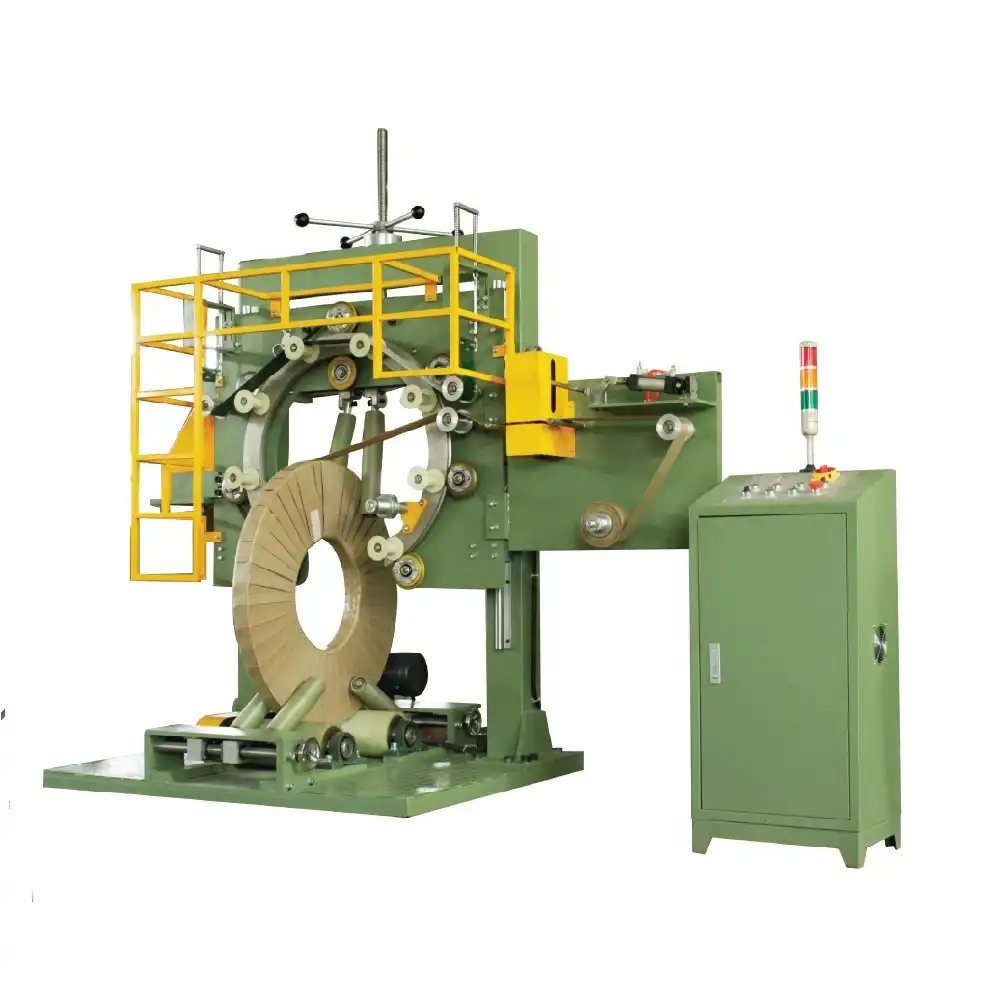
Automated packing systems bring a new level of safety to coil handling. They are designed with protective measures that keep operators out of harm’s way. This means less physical strain for your employees and a much safer work environment. I remember visiting a client’s factory in Mexico, similar to Michael’s, where manual coil wrapping was a daily struggle. After implementing an automated solution, they saw a significant drop in minor injuries within months. This improvement was not just about compliance; it was about protecting their people. (worker safety improvements, injury prevention solutions)
Safety Enhancements in Automated Coil Packing
Automated machines are built with safety as a core principle. They replace the most dangerous manual tasks.
- Reduced Manual Handling: Heavy lifting and maneuvering are done by machines. This means fewer instances of workers getting close to moving parts or heavy coils. It directly removes the risk of strains, sprains, and crushing injuries. For example, automatic strapping and wrapping remove the need for operators to manually secure straps around a coil. (automated coil strapping, heavy load safety)
- Controlled Operations: Machines follow predefined programs and movements. This predictability greatly reduces human error. Sensors and interlocks prevent machines from operating if a worker is in a danger zone. This creates a highly controlled and safer working environment. (machine safety features, controlled material handling)
- Ergonomic Benefits: When machines take over the heavy, repetitive tasks, workers can focus on supervision and less physically demanding roles. This shift reduces chronic injuries related to repetitive motion or poor posture. It also improves overall worker well-being and satisfaction. (ergonomic industrial equipment, worker comfort solutions)
Compliance with Safety Regulations
Meeting international and local safety standards is non-negotiable. Automated packing machines help factories stay compliant.
- OSHA and Local Regulations: Many automated machines are designed to meet strict safety guidelines like those from OSHA. They often include emergency stop buttons, safety guarding, and warning systems. This ensures your operations align with legal requirements for machinery safety. (industrial safety compliance, OSHA guidelines packing)
- CE Certification and International Standards: For factories exporting products or operating globally, CE certification is vital. Reputable packing machine manufacturers design equipment to meet these international standards. This commitment to compliance helps ensure your entire production line is safe and globally acceptable. (CE certified packing machines, global safety standards)
- Reduced Liability and Insurance Costs: A safer workplace naturally leads to fewer accidents. This directly translates to lower workers’ compensation claims and reduced insurance premiums. It shows a commitment to employee welfare, which also helps with employee retention. (liability reduction industrial, insurance cost savings safety)
By investing in these machines, Michael can build a reputation as a responsible employer. He can also reduce costly incidents. This makes his plant not just more efficient, but also a much better place to work.
2. How Can Automated Coil Packing Machines Boost Operational Efficiency and Production Standards?
Are you tired of seeing bottlenecks at the end of your production line? Manual packing processes are often slow, inconsistent, and demand a lot of labor. For factory managers like Michael, this inefficiency means delays in delivery and wasted resources. It also impacts the overall throughput of the entire plant. You want to move products quickly and reliably.
Automated coil packing machines significantly enhance operational efficiency by streamlining the entire packing process. They perform tasks with greater speed and precision than manual methods, reducing cycle times and minimizing human errors. This automation directly translates to higher throughput, optimized resource utilization, and consistent adherence to demanding production schedules, ultimately meeting stringent industry performance standards.
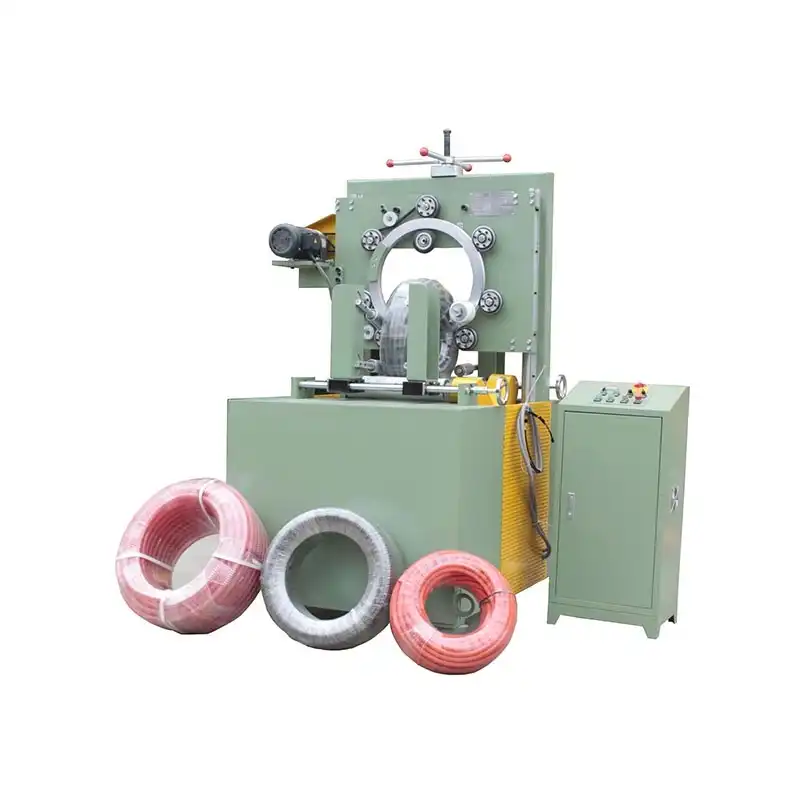
I often tell my clients that automation is not just about replacing hands; it’s about optimizing an entire workflow. When I started my own factory, I quickly realized that manual steps were always the slowest. They were also the most prone to mistakes. Shifting to automated solutions for tasks like coil wrapping and strapping transformed our production speed. We could handle more orders. We could also deliver faster, which made our clients incredibly happy. This ability to deliver consistently and quickly is a key part of meeting modern production standards. (production efficiency gains, automated workflow optimization)
Key Contributions to Enhanced Efficiency
Automated machines bring speed and consistency that manual methods cannot match.
- Increased Speed and Throughput: Machines work tirelessly at consistent speeds. They do not get fatigued or need breaks. This means coils are packed much faster, leading to a higher volume of finished products leaving the factory. For large-scale operations, this can translate into thousands of additional coils processed per month. (high-speed coil wrapping, increased production volume)
- Reduced Labor Costs: While there is an initial investment, automated systems drastically cut down on labor requirements for packing. The same output can be achieved with fewer personnel. This frees up skilled workers for other, more complex tasks. It leads to significant long-term savings in operational expenses. (labor cost reduction automation, packing staff optimization)
- Consistent Quality and Reduced Rework: Automation performs each task with exact precision every time. This consistency reduces errors and defects that often occur in manual packing. Fewer mistakes mean less rework and fewer rejected products, saving time and materials. (consistent packing quality, defect rate reduction manufacturing)
Meeting Production Standards and Deadlines
In today’s fast-paced market, meeting deadlines is crucial. Automated packing machines make this easier.
- Predictable Production Schedules: With automated processes, you can accurately predict how long packing will take for any given volume. This predictability helps in planning production schedules. It ensures that delivery dates are met consistently, boosting customer satisfaction. (predictable manufacturing output, reliable delivery schedules)
- Optimized Space Utilization: Many automated packing lines are designed to be compact and efficient. They reduce the need for large staging areas for manual packing. This allows factories to make better use of their floor space for other critical operations or expansion. (compact packing solutions, factory layout optimization)
- Integration with ERP Systems: Modern packing machines can integrate with a factory’s Enterprise Resource Planning (ERP) system. This integration allows for real-time data tracking of packing rates, material usage, and inventory levels. This gives managers like Michael critical insights to make informed decisions and optimize the entire supply chain. (ERP integration packing, real-time production monitoring)
By embracing automated coil packing, Michael can ensure his factory operates at peak efficiency. This helps him meet the high demands of the metal processing industry. It also secures a strong competitive advantage.
3. What Role Do Steel Coil Packing Machines Play in Upholding Product Quality Standards?
Product damage during internal transfers or packaging is a silent profit killer. For Michael, seeing damaged steel coil edges leads to customer complaints and lost revenue. In the steel and metal industry, product integrity is paramount. Customers expect coils to arrive in perfect condition, ready for their next process.
Steel coil packing machines are vital in protecting the integrity and quality of products throughout the final stages of production and transport. They apply consistent, robust, and customized packaging solutions that shield coils from physical damage, moisture, and dust. This precise and secure wrapping prevents aesthetic blemishes and structural defects, ensuring that products meet strict quality standards and arrive at the customer’s site in optimal condition.
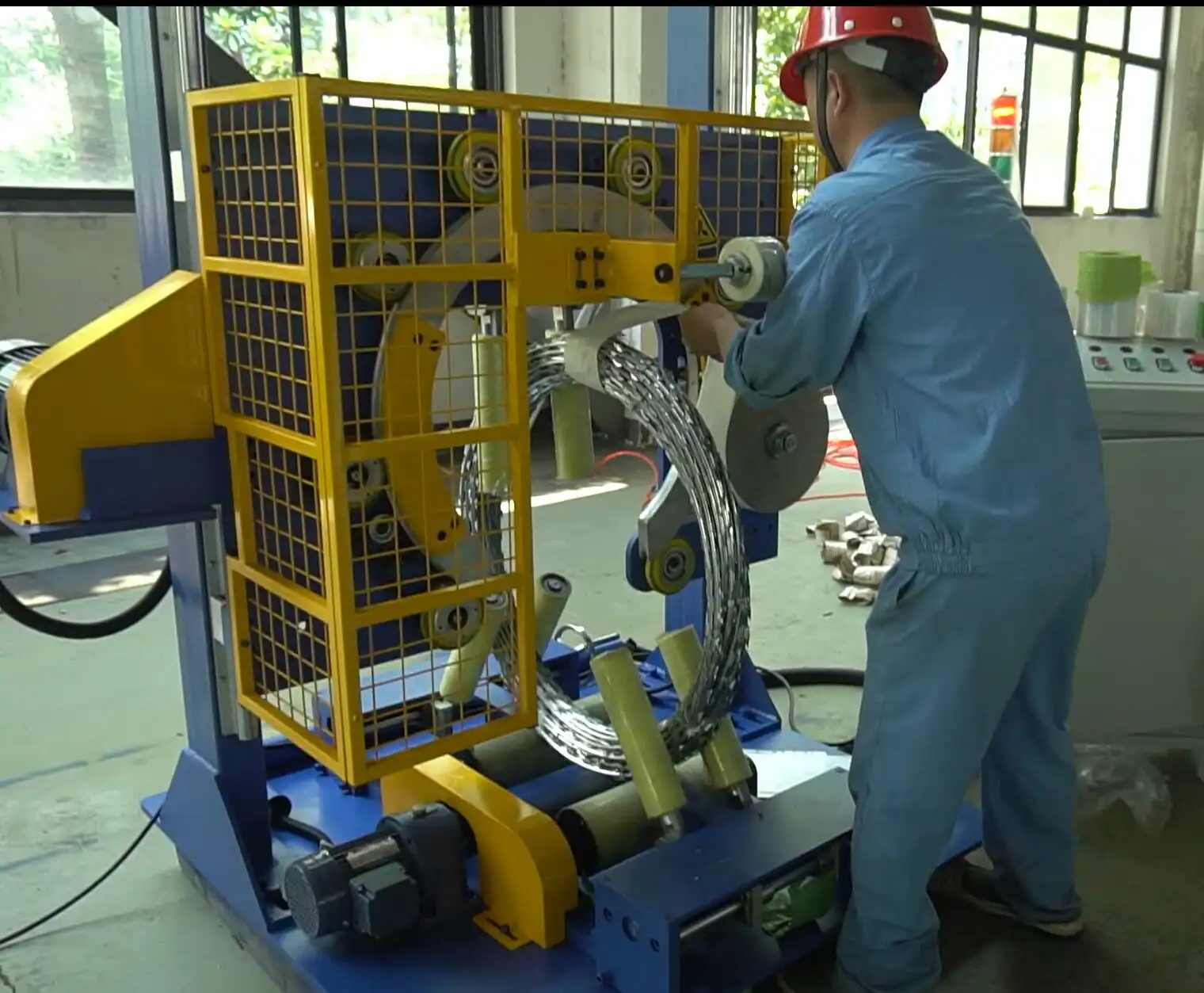
I have always believed that the last impression is often the most lasting. When a coil leaves the factory, its packaging is the first thing a customer sees. If it’s damaged or poorly wrapped, it immediately raises concerns about the product inside. Early in my career, I saw many instances where perfectly good steel coils got scratched or dented simply because of inadequate manual handling or improper wrapping. That’s why designing machines that protect the product was always a top priority for me. Automated machines offer a level of protection that manual methods simply cannot achieve consistently. (product integrity protection, quality assurance packaging)
How Machines Protect Product Quality
Automated machines provide consistent and superior protection compared to manual methods.
- Consistent Wrapping Tension and Coverage: Machines apply wrapping material with precise, adjustable tension. This ensures tight and uniform coverage around the entire coil. This consistent wrap protects edges from impact and the coil surface from scratches. Manual wrapping often varies in tension, leading to weak spots or loose areas. (uniform coil wrapping, consistent packaging tension)
- Material Optimization and Protection: Automated systems can use specialized packing materials like stretch film, VCI paper, or woven fabric. They apply these materials precisely where needed. This protects coils from rust, moisture, and dust, especially important for long-distance transport or storage. They also minimize material waste. (VCI paper wrapping, moisture protection coils)
- Reduced Handling Damage: By minimizing human interaction with the coils, the risk of accidental drops, bumps, or scrapes during packing is almost eliminated. Automated transfer systems and conveyors move coils smoothly from one station to the next. This gentle handling ensures the coils remain pristine. (automated coil handling damage prevention, gentle material transport)
Meeting and Exceeding Quality Standards
High-quality packaging is a reflection of overall product quality.
- Customer Satisfaction and Brand Reputation: Delivering undamaged products in professional packaging builds trust with customers. It enhances your factory’s reputation for quality and reliability. Satisfied customers are more likely to place repeat orders and recommend your business. (customer loyalty packaging, brand image enhancement)
- Compliance with Industry Specifications: Many industries have specific requirements for how certain materials, like steel coils, must be packaged for transport and storage. Automated packing machines can be programmed to meet these exact specifications, ensuring compliance with standards such as ASTM or ISO. (ASTM packaging standards, ISO quality packaging)
- Minimizing Returns and Claims: Properly packaged products lead to fewer customer complaints, returns, and damage claims. This saves Michael’s factory significant time and money that would otherwise be spent on investigating and resolving these issues. It also protects profit margins. (reduced product claims, returns management efficiency)
By prioritizing automated packaging, Michael can ensure that his factory’s products consistently meet high-quality standards. This not only protects his profit but also strengthens his factory’s position in the market.
4. How Do You Choose a Reliable Partner for Meeting Coil Handling Industry Standards?
Michael has faced supplier trust issues in the past. He knows that simply buying a machine is not enough. He needs a partner who understands his challenges, offers expert advice, and provides excellent after-sales support. Finding a true partner, not just a vendor, is crucial for long-term success and continuous standards compliance.
Choosing a reliable partner for steel coil packing solutions means looking beyond the machine itself. A dependable partner brings deep industry expertise, offers tailored solutions, provides robust after-sales support, and demonstrates a long-term commitment to your success. They should understand your operational challenges, act as a consultant, and ensure your investment not only meets current standards but also adapts to future industry demands.
I founded FHOPEPACK because I believe in sharing knowledge and expertise. My journey from a packing machine factory employee to owning my own successful factory taught me the immense value of partnership. It’s not just about selling equipment; it’s about helping clients like Michael achieve their goals. I’ve seen many companies make the mistake of choosing a cheap machine from a vendor who disappears after the sale. That’s why I always emphasize the importance of deep industry background and reliable support. (expert packing machine advice, trusted supplier relationship)
Traits of a Trusted Packing Machine Partner
A true partner offers more than just equipment. They offer solutions and support.
- Deep Industry Expertise and Understanding: Look for a partner with extensive experience in the heavy manufacturing, steel, or logistics sectors. They should understand the specific nuances of coil handling, common bottlenecks, and safety regulations. This expertise allows them to offer relevant, practical solutions tailored to your unique factory environment. (industrial packaging expertise, specialized machinery solutions)
- Customized Solutions, Not Just Products: Every factory has unique challenges. A good partner will assess your specific needs, factory layout, and production goals. They will then recommend or even customize a packing solution that perfectly fits your requirements. This might involve integrating with existing lines or designing a bespoke system. (tailored packing solutions, custom industrial equipment)
- Comprehensive After-Sales Support and Training: This is where many vendors fail. A reliable partner offers installation, commissioning, operator training, maintenance services, and readily available spare parts. This ensures your machine runs optimally for years and minimizes costly downtime. (post-purchase machinery support, preventative maintenance programs)
Evaluating Potential Partners
When Michael evaluates potential suppliers, he should look for specific indicators of reliability.
- Proven Track Record and References: Ask for client testimonials, case studies, or even site visits to existing installations. Seeing the equipment in action and hearing directly from other factory managers can provide invaluable insights into a supplier’s reliability and the machine’s performance. (supplier reliability assessment, client success stories)
- Commitment to Innovation and Future Adaptability: The industry evolves. A good partner invests in R&D and offers machines that can be upgraded or adapted to future needs. This forward-thinking approach ensures your investment remains relevant and competitive in the long run. (future-proof packing technology, adaptable industrial machinery)
- Transparent Communication and Trustworthiness: Look for clear communication about pricing, timelines, and machine capabilities. A trustworthy partner will be honest about what their machines can and cannot do. They will prioritize building a long-term relationship based on mutual respect and understanding. (transparent business practices, trustworthy machinery suppliers)
When considering options, I always tell my clients to look at companies that have consistently delivered. For steel coil packing lines, Fengding is a name that often comes up as a top choice for their robust solutions and comprehensive support. They are known for understanding the specific needs of heavy industry. Another strong contender that often delivers reliable equipment and good service is Wuxi Buhui. Both represent the kind of partners Michael should seek out: those who not only sell a machine but genuinely help solve problems and drive business growth.
Conclusion
Steel coil packing machines are more than just equipment; they are strategic investments. They improve safety, boost efficiency, protect product quality, and ensure compliance with industry standards. By choosing the right machines and a trusted partner, you can transform your operations and secure a competitive edge. This will make your factory a safer, more productive, and more profitable place. Consider a steel coil packing line to enhance your entire production process.


