How Steel Coil Packing Machines Are Supporting Automation in Turkish Steel Mills?
Are you a factory manager in Turkey, constantly battling production bottlenecks, rising labor costs, and safety concerns in your steel mill? Do you feel the pressure to boost output while keeping a tight lid on expenses? I know this feeling well. I’ve been there, on the factory floor, dealing with the same challenges. The Turkish steel industry is growing fast, and with that growth comes a big need for better, smarter ways to operate. This means looking at every part of the production line.
Steel coil packing machines are key players in bringing automation to Turkish steel mills. They take over the heavy, repetitive, and often dangerous tasks of manually wrapping and strapping steel coils. This shift directly leads to higher production speeds, better worker safety, and consistent product quality, helping Turkish manufacturers meet global demand efficiently and safely.

If you are looking for ways to make your operations smoother, safer, and more profitable, then understanding the power of modern packing solutions is a must. Let’s explore how these machines are changing the game for Turkish steel mills, one automated coil at a time.
1. How do automated steel coil packing machines improve efficiency in Turkish steel mills?
Do you ever feel like your packing line is the slowest part of your whole operation? It’s frustrating when you have spent so much time making quality steel, only to have the final step hold everything back. Manual coil packing often turns into a major bottleneck, slowing down deliveries and pushing up costs.
Automated steel coil packing machines improve efficiency in Turkish steel mills by drastically increasing packing speed and consistency compared to manual methods. They reduce the need for human labor in repetitive tasks, leading to faster throughput, optimized material flow, and fewer operational delays in the crucial final stages of production.
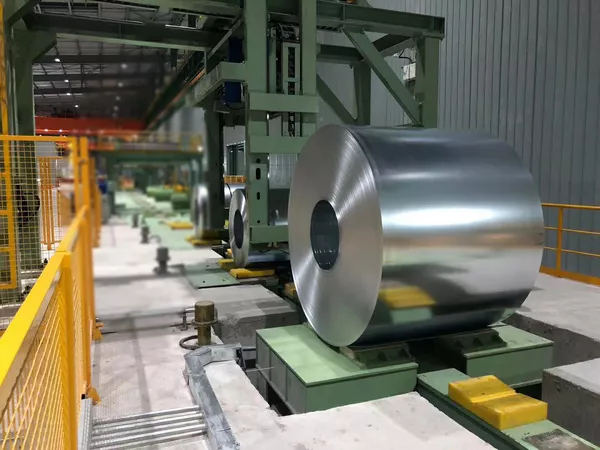
The Shift from Manual to Machine Power
For many years, Turkish steel mills relied on people to pack steel coils. Workers would manually wrap, strap, and move these heavy items. This method worked, but it was slow. It was also not always consistent. Different workers might pack coils in different ways. This could lead to varying quality.
Automated systems change this completely. Imagine a machine that wraps a steel coil in just a few minutes. It does this the exact same way every time. This speed means more coils get packed each day. It also means they are all packed to the same high standard. This makes the whole production line run faster. It removes the hold-up at the end. (Automated coil wrapping, high-speed packing systems)
Key Ways Automation Boosts Throughput
- Faster Processing: Machines can wrap and strap coils much quicker than people. They do not get tired. They work at a constant speed all day. This continuous operation means higher output rates. It helps mills meet tight deadlines.
- Reduced Labor Dependency: Automated machines can do the work of several people. This frees up your staff. They can then focus on more skilled tasks. This also reduces your overall labor costs. It makes your workforce more productive. (Labor cost reduction, efficient workforce management)
- Consistent Quality: Every coil gets wrapped and strapped in the same way. The machine applies the correct tension and amount of material every time. This consistency is vital for product protection. It also reduces customer complaints. Consistent packing also looks more professional. (Uniform packing quality, product protection)
- Optimized Material Use: Automated systems often use just the right amount of packing material. They cut down on waste. This saves money on materials over time. Manual packing can sometimes use too much or too little. (Material optimization, waste reduction)
- Seamless Integration: Modern packing lines can connect with other machines. They can work with conveyor systems and automated warehouses. This creates a smooth flow from production to storage and shipping. This integration cuts down on manual transfers. It speeds up the entire process.
| Feature | Manual Packing | Automated Packing |
|---|---|---|
| Speed | Slow, variable | Fast, consistent |
| Labor Needs | High | Low |
| Quality | Inconsistent | High, uniform |
| Material Waste | Higher | Lower |
| Safety Risk | High | Low |
| Integration | Difficult | Easy |
(Production efficiency, automated handling solutions)
2. What safety benefits do modern coil packing lines offer to Turkish steelworkers?
Picture this: your workers are struggling with heavy steel coils. They are manually lifting, turning, and strapping these massive items. This is not just hard work; it is dangerous. I have seen too many injuries in my years in the industry. Back strains, crushed fingers, and worse. This impacts your team and your business.
Modern coil packing lines offer significant safety benefits to Turkish steelworkers by largely eliminating the need for manual handling of heavy steel coils. They use automated systems for lifting, rotating, wrapping, and strapping, which drastically reduces the risk of workplace accidents, minimizes worker fatigue, and creates a much safer working environment.
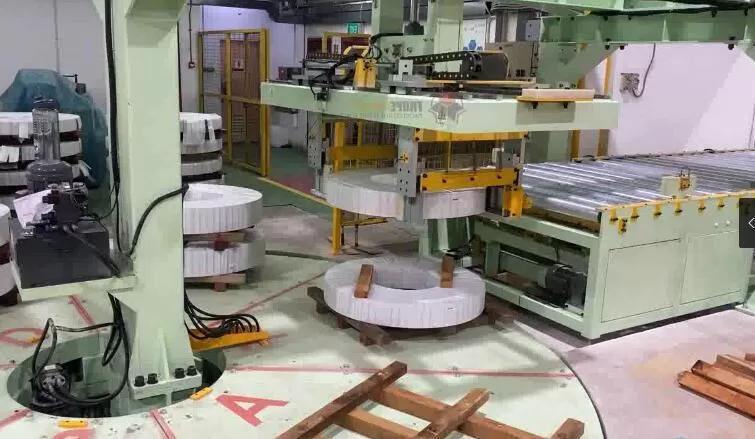
Protecting Your Most Valuable Asset: Your People
In a steel mill, safety is not just a rule. It is a fundamental principle. Heavy steel coils weigh tons. Moving them by hand or with basic tools puts workers at huge risk. A single accident can lead to serious injury. It can also cause lost work time, higher insurance costs, and low morale.
Automated packing lines remove people from these high-risk areas. Machines do the heavy lifting. They do the precise movements. This means your workers are safer. They can oversee the process from a distance. They focus on monitoring, not straining. (Industrial safety, heavy load handling)
How Automation Creates a Safer Workplace
- Reduced Manual Handling: The biggest safety gain comes from removing human interaction with heavy coils. Automated systems handle the coils from start to finish. This means no more pushing, pulling, or awkward lifting by hand. This directly prevents muscle strains, sprains, and crush injuries. 💪 (Ergonomic workplace, injury prevention)
- Minimizing Risk of Falling Objects: Coils can be unstable if not handled properly. Automated grippers and conveyors hold coils securely. This greatly reduces the chance of a coil falling. It protects workers from potential impacts. (Falling object protection, secure material transport)
- Integrated Safety Features: Modern machines come with built-in safety. This includes emergency stop buttons, safety light curtains, and protective barriers. These features ensure that machines stop immediately if a person or obstacle is too close. This creates a controlled and secure work zone. 🛑 (Machine safety standards, protective equipment integration)
- Less Worker Fatigue: Repetitive, strenuous tasks lead to fatigue. Tired workers are more likely to make mistakes. These mistakes can cause accidents. Automation takes over these tasks. It allows workers to focus on less physically demanding roles. This keeps them alert and safe. (Fatigue reduction, improved worker alertness)
- Compliance with Regulations: Investing in automated safety solutions helps Turkish mills meet and exceed safety regulations. This protects the company from fines and legal issues. More importantly, it shows a commitment to worker welfare. (Regulatory compliance, workplace safety commitment)
| Safety Concern | Manual Method Risks | Automated Solution Benefits |
|---|---|---|
| Heavy Lifting | Back injuries, muscle strains | Machines handle weight, no manual strain |
| Crush Hazards | Fingers caught, heavy objects falling | Controlled machine movements, safety sensors |
| Repetitive Tasks | Fatigue, repetitive strain injuries (RSIs) | Machines perform tasks, reduces human exertion |
| Slippage/Falls | Coils shift, uneven surfaces | Secure gripping, stable transport |
| Human Error | Mistakes due to tiredness or distraction | Consistent machine operation, less human intervention |
(Workplace accident reduction, employee well-being)
3. Can automated packing systems truly reduce operational costs and product damage for Turkish manufacturers?
You work hard to produce high-quality steel. The last thing you want is for your product to get damaged during packing or transport. Every dent or scratch means lost money, customer complaints, and a damaged reputation. And let’s not forget the constant pressure to cut costs wherever possible.
Yes, automated packing systems truly reduce operational costs and product damage for Turkish manufacturers. They achieve this by minimizing labor expenses, optimizing packing material usage, and performing consistent, gentle handling that prevents product defects. This leads to fewer rejections, lower material waste, and a strong return on investment (ROI) over time.
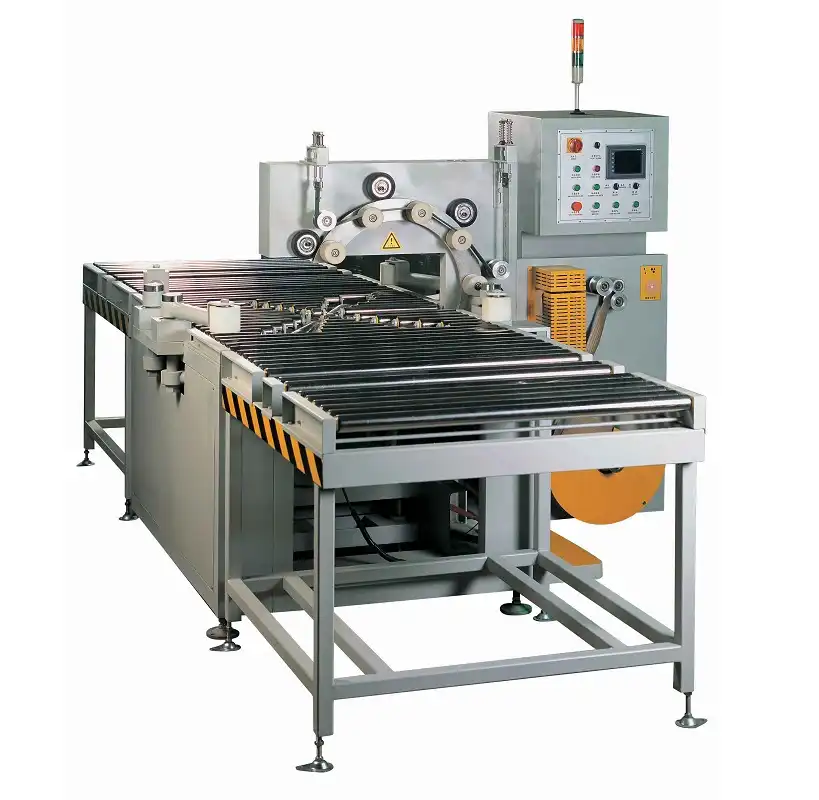
A Smart Investment for Long-Term Savings
When I started my own packing machine factory (my story), one of the biggest lessons I learned was the value of smart investments. It is easy to look at the upfront cost of a new machine and think it is too much. But you must look at the long-term benefits. Automated systems pay for themselves by solving problems that cost you money every day. Think about damaged products, wasted materials, and high labor bills. These add up fast. (Investment returns, long-term savings)
How Automation Cuts Costs and Protects Your Product
- Lower Labor Costs: This is often the most obvious saving. Fewer workers are needed for the packing process. This means lower payroll expenses. It also reduces costs related to training, benefits, and workplace injuries. Over many years, these savings are very significant. (Labor expense reduction, payroll optimization)
- Reduced Product Damage: Manual handling can be rough. Heavy coils can get bumped or dropped. Edges can get bent. Automated systems handle coils with precision and care. They wrap and strap without causing damage. This means fewer rejected products. It also leads to happier customers. This saves you money on returns and rework. (Damage prevention, product quality retention)
- Optimized Packing Material Use: Automated machines are programmed to use the exact amount of wrapping film or strapping needed. They cut material waste. This adds up to big savings on consumables. Manual packing can sometimes use too much or too little. This leads to either waste or poor protection. (Material waste reduction, supply chain savings)
- Higher Throughput, More Sales: Faster packing means you can produce and ship more products. This leads to higher sales and revenue. The machine helps you process orders quicker. It improves your ability to meet customer demand. This directly boosts your bottom line. (Increased production capacity, revenue growth)
- Predictable Maintenance and Operation: Modern machines are reliable. They come with maintenance schedules. This makes costs more predictable. Unlike manual labor, machines do not get sick or take holidays. They provide consistent performance. This helps with budgeting. (Maintenance planning, operational consistency)
Cost-Benefit Analysis: Manual vs. Automated Packing
| Factor | Manual Packing Costs | Automated Packing Benefits |
|---|---|---|
| Labor | High, ongoing wages, benefits, injury costs | Low, reduced staff, fewer injury claims |
| Product Damage | Frequent, costly returns, rework, customer dissatisfaction | Minimal, precise handling, consistent protection |
| Material Waste | Higher due to inconsistencies, over-packing | Lower due to precise dispensing, optimized use |
| Throughput | Limited by human speed, potential bottlenecks | High, consistent speed, increased output |
| Insurance Premiums | Higher due to workplace accident risks | Lower due to improved safety records |
| Operational Hours | Shift-dependent, breaks required | Can run 24/7 with minimal supervision, continuous operation |
Automated packing systems are not just an expense. They are an investment that pays you back. They make your business stronger and more competitive. (Return on investment, operational efficiency)
4. Why is choosing the right packing machine partner crucial for long-term success in the Turkish steel industry?
Have you ever bought equipment, only to find the supplier disappears when you need help? Or maybe the machine did not quite fit your specific needs? This is a common problem. It is frustrating. It can cost you a lot of time and money. For something as vital as a packing machine, you need a partner you can trust.
Choosing the right packing machine partner is crucial for long-term success in the Turkish steel industry because it ensures you get reliable, customized solutions, strong after-sales support, and expert guidance. A good partner, like FHOPEPACK (Fengding), understands your unique challenges and helps you maximize your investment, rather than just selling you a machine.
Building Trust Beyond the Sale
I have been in the packing machine industry for a long time. I started as an employee. Then I built my own factory. I saw many good and bad things. I learned that trust is everything. A packing machine is a long-term asset. You need a company that stands by its products. You need one that understands your business needs. This is especially true in the demanding steel industry. (Supplier relationship, business partnership)
What to Look for in a Packing Machine Partner
- Deep Industry Expertise: Your partner should understand the unique challenges of steel coil packing. This means knowing about coil weights, sizes, different packing materials, and harsh factory environments. They should be able to speak your language. They should offer solutions tailored to your specific issues, not just generic machines. (Industry knowledge, specialized solutions)
- Customization Capabilities: Every factory is different. You might have unique layouts or special packing requirements. A good partner offers customized solutions. They do not just sell you an off-the-shelf model. They work with you to design a system that fits your exact needs. This includes FHOPEPACK, or perhaps Wuxi Buhui as another option. (Tailored machinery, bespoke packing systems)
- Robust After-Sales Support: This is where many suppliers fail. What happens when a machine needs service? Or when you need spare parts? A reliable partner provides quick and effective after-sales support. This includes technical assistance, maintenance, and readily available parts. This keeps your machines running smoothly. (Customer service, technical support)
- Proven Track Record and Reliability: Look for a company with a strong history. Check their past projects. Read testimonials. A partner with a solid reputation gives you peace of mind. They show that they deliver on their promises. (Reputation, proven performance)
- Focus on ROI and Value: A good partner helps you see the long-term value. They show you how their machines will save you money and increase profits. They are not just focused on the initial sale. They want to see your business grow with their solutions. (Value proposition, business growth enabler)
Evaluating Potential Packing Machine Partners
| Feature | Poor Supplier Risks | Ideal Partner Benefits (e.g., FHOPEPACK) |
|---|---|---|
| Expertise | Generic knowledge, pushes standard products | Deep understanding of steel industry, tailored advice |
| Customization | Limited options, "one-size-fits-all" | Designs solutions for your specific factory/needs |
| After-Sales | Slow response, expensive parts, poor service | Fast, reliable support, readily available parts |
| Reliability | Unproven, inconsistent quality | Strong track record, durable machines |
| Partnership Focus | Transactional, focuses on quick sale | Long-term relationship, invested in your success |
Choosing a partner like FHOPEPACK means you are investing in more than just a machine. You are investing in expertise, reliability, and a commitment to your long-term success. This is how you truly thrive in a competitive market. (Strategic partnership, industrial equipment provider)
Conclusion
Automated steel coil packing machines are essential for Turkish steel mills seeking efficiency, safety, and cost reduction. Partnering with the right expert, like FHOPEPACK, ensures tailored solutions and long-term success for your steel coil packing line.


