How Steel Coil Packing Machines Are Revolutionizing Steel Manufacturing in South Korea?
The pressure in steel manufacturing is immense. Every factory manager, like Michael Chen, knows the struggle: boosting output, controlling costs, and keeping workers safe. Traditional, manual packing processes often feel like a bottleneck. They slow everything down and introduce risks. Are you constantly looking for better ways to operate your facility, especially when it comes to the critical final step of packing?
Steel coil packing machines are indeed revolutionizing steel manufacturing, particularly in South Korea, by replacing outdated manual methods with highly automated, efficient, and safer systems. They streamline the entire post-production process, from wrapping and strapping to handling, significantly reducing labor dependency, minimizing product damage, and boosting overall throughput for steel mills across the region.

As someone who built a successful packing machine factory from the ground up, I have seen these changes firsthand. I understand the daily challenges of a bustling production floor. Modern packing technology is not just an upgrade; it is a fundamental shift that empowers factories to achieve new levels of performance. Let’s dive deeper into how these machines are transforming steel manufacturing in South Korea.
1. How do modern steel coil packing machines boost production efficiency in South Korean mills?
Many South Korean steel mills still grapple with packaging lines that rely heavily on manual labor. This leads to slow processing times and inconsistent output, creating a serious bottleneck at the end of an otherwise efficient production line. The race for faster delivery and higher output means that every minute counts.
Modern steel coil packing machines significantly boost production efficiency in South Korean mills by automating the entire packing sequence, from wrapping and banding to stacking. This automation dramatically increases throughput speeds, ensures consistent package quality, and reduces the need for constant manual intervention, allowing mills to process more coils in less time and meet demanding market schedules effectively.
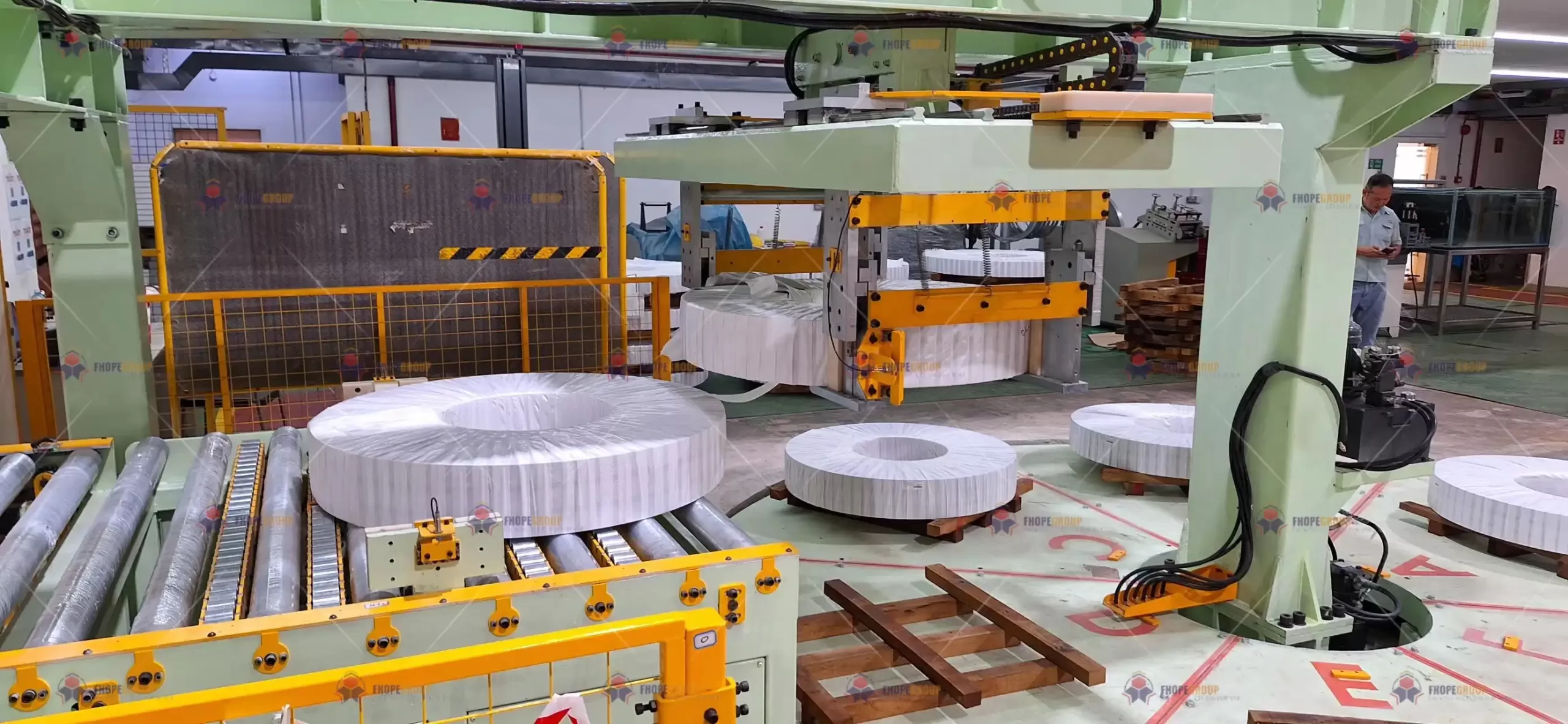
When I first started in this industry, I saw how much time was lost in simple, repetitive tasks. Now, advanced packing solutions change that game entirely. They bring speed and precision that manual work just cannot match. The integration of smart controls also adds a layer of operational intelligence, making these systems indispensable for any forward-thinking steel producer.
The Power of Automation in Production Lines
Automated coil packing lines are designed for continuous operation. They remove the human element from repetitive and strenuous tasks. This means fewer breaks and less fatigue-related slowdowns. For South Korean steel mills, this translates directly into higher output volumes per shift. It also means more consistent production rates.
- Increased Throughput: Automated systems can process coils much faster than manual methods. They handle various coil sizes and weights without significant downtime for adjustments. This leads to a steady flow of finished products. 📈
- Reduced Cycle Times: Each packing step, from initial wrapping to final strapping, is optimized for speed. Machines perform these actions simultaneously or in rapid succession. This cuts down the overall time for each coil.
- Optimal Resource Allocation: With fewer workers needed on the packing line, staff can be reassigned to other critical areas. They can focus on quality control or equipment maintenance. This improves overall plant productivity.
- Predictable Performance: Automated machines offer predictable performance metrics. This helps managers plan production schedules more accurately. It also allows them to forecast delivery times with greater confidence.
Key Factors Driving Efficiency Gains
Modern packing machines integrate advanced technologies to achieve these efficiency gains.
| Feature | Benefit for South Korean Mills | Impact on Efficiency |
|---|---|---|
| PLC Control | Precise control over packing parameters and machine movements. | Reduces errors, optimizes material usage, minimizes waste. |
| Automatic Feeding | Seamless integration with upstream production lines. | Eliminates manual loading bottlenecks. |
| Robotic Handling | Fast and accurate positioning, stacking, and palletizing. | Improves speed, reduces labor for heavy lifting. |
| Customizable Settings | Adapts to different coil dimensions and packing requirements. | Offers flexibility without sacrificing speed. |
These features collectively push the boundaries of what is possible in steel manufacturing. They allow companies to meet the demands of a fast-paced global market. (Automated steel coil processing, production line optimization, South Korea manufacturing efficiency)
2. Can automated packing solutions truly enhance worker safety in heavy industry, particularly in South Korea?
In heavy industries like steel manufacturing, safety is a constant concern. Manual handling of heavy steel coils, especially during packing and movement, poses significant risks. Accidents can happen, leading to injuries, increased insurance costs, and worker turnover. Michael Chen’s concern about safety hazards is common among factory managers.
Automated packing solutions significantly enhance worker safety in heavy industry, including South Korea’s steel sector, by eliminating the need for manual handling of large, heavy steel coils. These machines take over hazardous tasks like lifting, turning, and strapping, drastically reducing the risk of musculoskeletal injuries, crushed limbs, and other workplace accidents, thus creating a safer working environment for employees.

I have witnessed too many close calls in factories where manual handling was the norm. Investing in automation is not just about efficiency; it is a commitment to the well-being of your workforce. It shows that you value your employees and want to protect them from preventable harm.
Minimizing Risks through Machine Intervention
Automated packing machines are specifically designed to perform tasks that are dangerous or physically demanding for humans.
- Elimination of Heavy Lifting: Workers no longer need to manually lift or position heavy coils. Machines use powerful grippers and conveyors to move products safely. 🚫💪
- Reduced Exposure to Moving Parts: Operators can oversee the process from a safe distance. They do not need to be in direct contact with fast-moving machinery or heavy loads. This lowers the chance of pinch points or impact injuries.
- Consistent Handling: Automated systems handle coils with consistent force and precision. This reduces the risk of accidental drops or unstable stacking. Manual handling can be prone to human error and fatigue.
- Improved Ergonomics: For tasks that still require human interaction, the environment is often improved. Machines can present items at optimal working heights. This reduces strain and repetitive motion injuries.
Implementing Safety Features in Packing Automation
Modern packing machines come equipped with a range of safety features. These features are built into their design.
| Safety Feature | How it Protects Workers in South Korea | Direct Impact on Safety |
|---|---|---|
| Emergency Stop Buttons | Easily accessible buttons to immediately halt all machine operations. | Prevents accidents during unexpected situations. |
| Safety Light Curtains | Sensors detect if a person enters a hazardous area and stop the machine. | Creates a protective barrier around moving parts. |
| Guardrails & Enclosures | Physical barriers that prevent access to dangerous zones during operation. | Physically separates workers from machinery. |
| Overload Protection | Systems that prevent the machine from handling weights beyond its capacity. | Protects against equipment failure and subsequent accidents. |
| Automatic Fault Detection | Alerts operators to potential issues before they become critical. | Allows for proactive maintenance and avoids breakdowns. |
By integrating these features, automated packing solutions significantly reduce the probability of workplace injuries. They help factories meet strict industrial safety standards. This also builds a more secure and trusting environment for workers. (Industrial safety standards, ergonomic workplace solutions, automated material handling, South Korean steel industry safety)
3. What impact do advanced packing machines have on reducing operational costs and product damage for South Korean steel producers?
South Korean steel producers face continuous pressure to cut costs and minimize waste. Product damage during internal transport or packing can lead to customer complaints and significant profit losses. Manual processes often result in inefficiencies and higher labor costs. Finding ways to reduce these expenses without compromising quality is a top priority.
Advanced packing machines have a profound impact on reducing operational costs and product damage for South Korean steel producers by optimizing material usage, minimizing labor expenses, and ensuring precise, damage-free handling of coils. Through consistent packaging quality and reduced reliance on manual intervention, these systems lead to fewer rejected products, lower material waste, and a significant improvement in overall factory profitability.
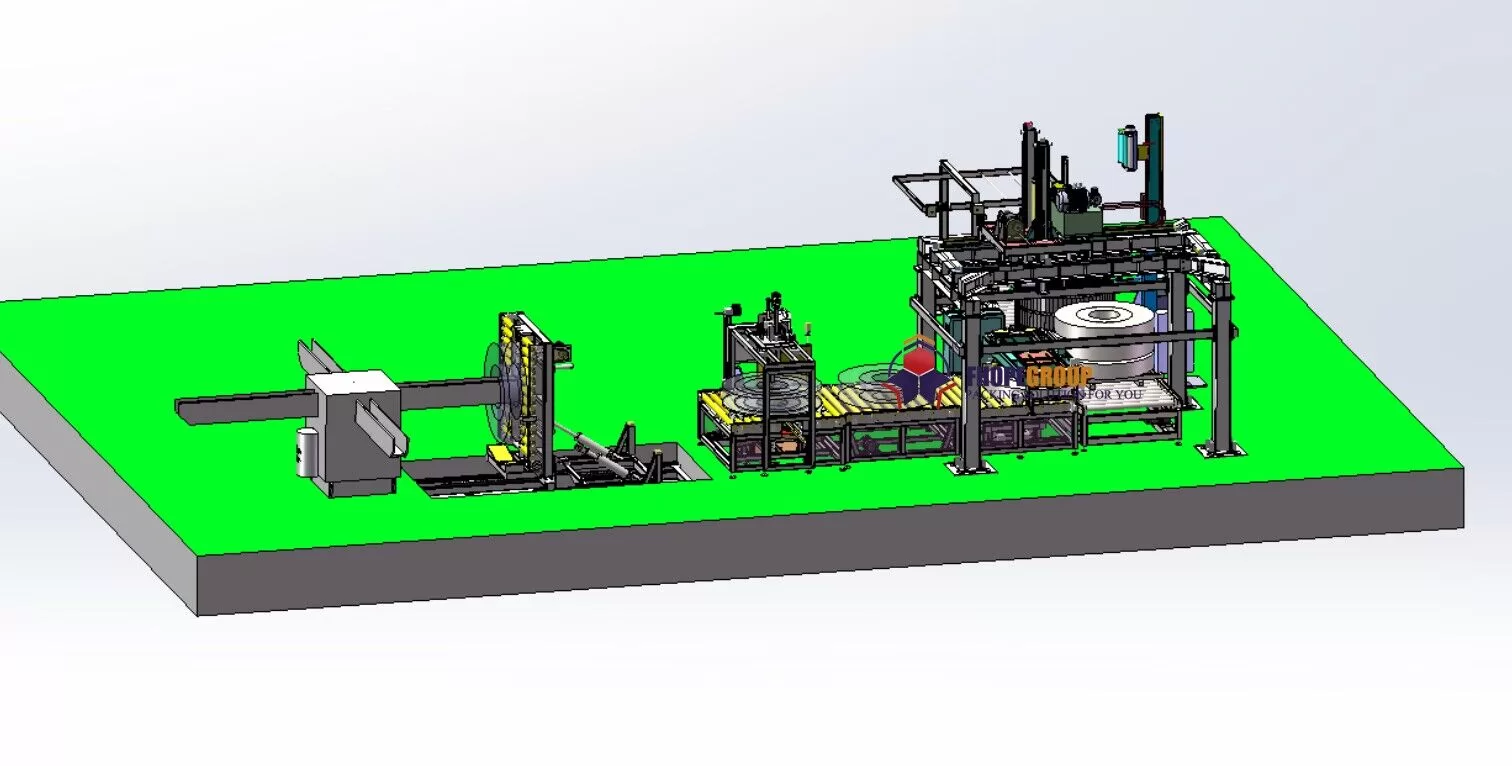
I have always believed that every penny saved in operations directly contributes to a stronger business. When my clients invested in FHOPEPACK solutions, they saw clear returns. They saved money not just on labor but also by protecting their valuable products. This is especially true for delicate coil edges that can easily get damaged.
Cutting Costs and Minimizing Waste
Automated packing solutions offer multiple avenues for cost reduction. They also improve the bottom line for steel producers.
- Optimized Material Use: Machines apply wrapping and strapping materials precisely. This reduces excess usage and waste. Manual methods often lead to inconsistent application and material overuse. 💰
- Reduced Labor Costs: Less reliance on human labor means lower wages, benefits, and training expenses for packing tasks. Factories can reallocate these resources to higher-value activities.
- Decreased Product Damage: Automated systems handle coils gently and consistently. This significantly reduces instances of dents, scratches, or edge damage. Such damage leads to costly reworks or customer returns.
- Lower Insurance Premiums: A safer workplace, resulting from automation, can lead to reduced workers’ compensation claims. This helps lower insurance costs over time.
- Energy Efficiency: Modern machines are often designed with energy-saving components. They consume less power compared to older, less efficient equipment.
The ROI of Advanced Packing Technology
Investing in advanced packing machines offers a clear return on investment (ROI). It addresses both direct and indirect costs.
| Area of Impact | How Advanced Machines Generate ROI | Quantification Example (per year) |
|---|---|---|
| Labor Savings | Reduce 3-5 manual workers per shift. | ~$100,000 – $200,000 (wages & benefits) |
| Material Waste Reduction | Optimized film/strap usage, 10-20% less material waste. | ~$20,000 – $50,000 (material cost savings) |
| Product Damage Avoidance | Near-zero product damage during packing, reduced rejections. | ~$50,000 – $150,000 (avoided scrap/rework costs) |
| Increased Throughput | 20-30% faster packing, allowing for higher sales volume. | ~$50,000 – $100,000 (additional revenue potential) |
| Safety Improvements | Fewer accidents, lower insurance premiums, improved morale. | ~$10,000 – $30,000 (reduced claims & administrative) |
These figures demonstrate how advanced packing machines contribute significantly to the financial health of South Korean steel producers. They provide a competitive edge in a demanding market. (Cost-effective packing systems, product loss prevention, operational expenditure reduction, South Korean steel profitability)
4. Why is partnering with an experienced packing machine expert crucial for South Korea’s evolving steel manufacturing landscape?
Many factory managers, like Michael Chen, have faced supplier trust issues. They have dealt with vendors who only focus on sales and then disappear when售后服务 is needed. This makes them cautious about new partnerships, especially in a rapidly evolving market like South Korea’s steel industry. Simply buying a machine is not enough; true success comes from a supportive relationship.
Partnering with an experienced packing machine expert like FHOPEPACK is crucial for South Korea’s evolving steel manufacturing landscape because it offers more than just equipment; it provides invaluable industry insights, proven solutions, and reliable long-term support. An expert understands specific production bottlenecks, safety concerns, and efficiency goals, ensuring that any investment in automation truly solves problems and drives sustainable growth for steel producers in the region.
When I founded FHOPEPACK, my goal was to offer real solutions, not just sell machines. My journey from a factory employee to building a successful packing machine factory taught me that trust and deep understanding are paramount. I want to help clients grow their businesses, just as I helped many others achieve success. This kind of partnership is essential for complex industries.
The Value of Deep Industry Expertise
Working with a seasoned expert brings unparalleled benefits beyond just the machine itself.
- Tailored Solutions: An expert can assess your specific factory setup, production volume, and challenges. They design a packing solution that perfectly fits your needs. This is better than a generic, off-the-shelf product. 💡
- Problem-Solving Approach: Experts like me understand the nuances of coil packing, steel wire packing, and heavy manufacturing. We can identify hidden bottlenecks and propose innovative ways to overcome them.
- Reliable After-Sales Support: A trusted partner ensures prompt installation, training, and maintenance. This minimizes downtime and extends the lifespan of your investment. It also protects you from costly breakdowns. ✅
- Future-Proofing Your Operations: Experts stay updated with the latest technological advancements. They can guide you toward scalable solutions. These solutions can adapt as your production needs evolve.
- Risk Mitigation: With an experienced partner, you reduce the risk of making poor equipment choices. You also lower the chance of facing unexpected operational issues. Their experience helps you avoid common pitfalls.
What to Look for in a Packing Machine Partner
Choosing the right partner involves looking beyond price tags.
| Characteristic | Why it Matters for South Korean Steel Mills | FHOPEPACK’s Approach |
|---|---|---|
| Industry Background | Deep understanding of steel manufacturing processes and challenges. | Founded by Randal Liu, a packing machine engineer with extensive factory experience. |
| Proven Track Record | Demonstrable success in implementing solutions for similar businesses. | Helped numerous clients grow their businesses and achieve financial independence. |
| Technical Expertise | In-house engineering capabilities for customization and innovation. | Strong focus on knowledge sharing and solving complex packing machine problems. |
| Customer-Centric Service | Prioritizes client needs and provides ongoing support, not just sales. | Dedicated to giving back and sharing expertise to ensure client success. |
| Global Perspective | Understands international standards and market dynamics. | Serves a global client base, adaptable to various regional requirements. |
This type of partnership is not just about equipment supply. It is about forging a long-term relationship built on trust, knowledge, and mutual success. It is about ensuring your investment truly drives your business forward. (Packing machine expertise, industrial partnership, supplier reliability, South Korean manufacturing growth, customized packing solutions)
Conclusion
Steel coil packing machines are truly transforming South Korea’s steel industry by boosting efficiency, enhancing safety, and reducing costs. Partnering with experts like FHOPEPACK for your steel coil packing line is key to unlocking these benefits and ensuring sustainable growth.


