How Steel Coil Packing Machines Are Revolutionizing Steel Manufacturing in South Korea?
Imagine the constant pressure. You are running a busy metal processing plant. You need to boost output, cut costs, and keep everyone safe. Every minute of downtime means money lost. This is the reality for many factory managers, like Michael Chen in Mexico, and it is a reality many in South Korea face daily. Manual packing lines can be slow, risky, and lead to damaged products. This impacts your bottom line and your reputation. (Challenges in steel manufacturing, operational pressure)
Modern steel coil packing machines are changing the game for South Korean steel manufacturers. They bring automation to a traditionally labor-intensive process. These machines boost efficiency, improve worker safety, and protect product quality. This helps companies meet high demand and maintain competitiveness in the global market. They are no longer just machines; they are strategic investments for growth and stability. (Automated coil packing benefits, South Korea manufacturing solutions)
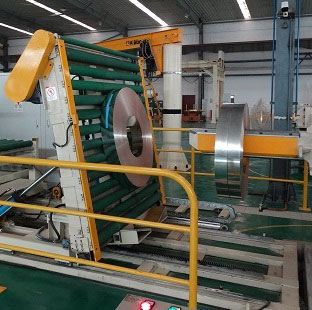
As FHOPEPACK, we believe in sharing knowledge. I, Randal Liu, have seen the packing machine industry from the ground up. I know what it takes to run a successful factory. I understand the challenges you face. Let us dive deeper into how these advanced systems are making a real difference. We will explore how they solve common problems and drive progress in South Korea’s steel sector.
1. Why are traditional steel coil packing methods creating bottlenecks in South Korean factories?
Many South Korean factories still rely on older, more manual packing methods. This often leads to a series of problems. These issues can slow down production, raise costs, and even put workers at risk. It is a critical bottleneck that holds back overall factory performance. (Traditional packing challenges, manufacturing bottlenecks)
Traditional steel coil packing methods in South Korea often depend on extensive manual labor. This makes the process slow and inefficient. Workers handle heavy coils, which can lead to serious safety risks and high injury rates. Also, manual handling increases the chance of product damage during transit. These issues directly impact output, increase operational costs, and create significant production bottlenecks. (Manual packing drawbacks, safety hazards in steel processing)

When I started my journey in this industry, I saw these problems first-hand. I realized that true success comes from understanding and solving these core operational issues. For factories in South Korea, these traditional methods are more than just old ways of doing things. They are barriers to growth and profitability.
The Hidden Costs of Manual Coil Packing
Manual packing might seem cheaper at first glance. However, it often hides many long-term costs. These costs can eat away at profits.
- High Labor Costs: A large workforce is needed. This includes wages, benefits, and overtime. These costs add up quickly. 📈 (Labor expenditure, operational expenses)
- Slow Production Speed: Humans cannot work as fast or as consistently as machines. This causes delays at the end of the production line. It reduces overall throughput. 🐢 (Production slowdowns, output limitations)
- Increased Error Rates: Manual handling leads to mistakes. This includes incorrect packing or damage to the steel coils. These errors require rework or result in scrap material. 📉 (Human error impact, material waste)
Safety Concerns for Workers
Worker safety is a top priority. In manual coil packing, it is a constant struggle.
- Risk of Injury: Heavy steel coils are dangerous to move. Workers face risks of strains, crushes, and other serious injuries. This leads to higher insurance costs and lost workdays. 🤕 (Workplace accidents, employee well-being)
- Fatigue and Turnover: Repetitive and physically demanding tasks cause fatigue. This can lead to lower morale and higher employee turnover. It makes it hard to keep skilled workers. 🔄 (Labor retention issues, worker fatigue)
- Compliance Issues: Companies must meet strict safety regulations. Manual processes make it harder to comply, risking fines and legal problems. 🚨 (Regulatory compliance, industrial safety standards)
Product Quality and Customer Satisfaction
Damaged products affect more than just your bottom line. They damage your reputation.
- Coil Damage: Manual handling can scratch, dent, or deform steel coils. This happens during lifting, stacking, or wrapping. Damaged products mean customer complaints. 😠 (Product defects, material degradation)
- Inconsistent Packing: Manual packing often lacks uniformity. Some coils might be packed better than others. This inconsistency can affect storage and transport. It can also lead to more damage. 📦 (Packing variations, quality control challenges)
- Loss of Trust: Repeated issues with product quality erode customer trust. This can lead to lost business. It makes it harder to attract new clients. 🤝 (Customer loyalty, brand reputation)
These issues create a cycle of inefficiencies. They prevent South Korean steel manufacturers from reaching their full potential. They highlight the urgent need for a shift towards more advanced packing solutions. (Manufacturing challenges, industry improvement need)
2. How do automated steel coil packing lines boost efficiency and output for South Korean manufacturers?
Many South Korean factories are looking for ways to produce more, faster. Automated steel coil packing lines offer a clear path to achieve this. These systems are designed to streamline the entire packing process. They remove the common bottlenecks that manual methods create. (Manufacturing efficiency, increased production output)
Automated steel coil packing lines significantly boost efficiency and output for South Korean manufacturers. They use advanced robotics and integrated systems to handle coils quickly and consistently. This reduces cycle times and minimizes idle periods. Machines work around the clock without fatigue. They deliver a steady flow of perfectly packed products, greatly increasing throughput compared to manual operations. (Automated packing benefits, production line optimization)
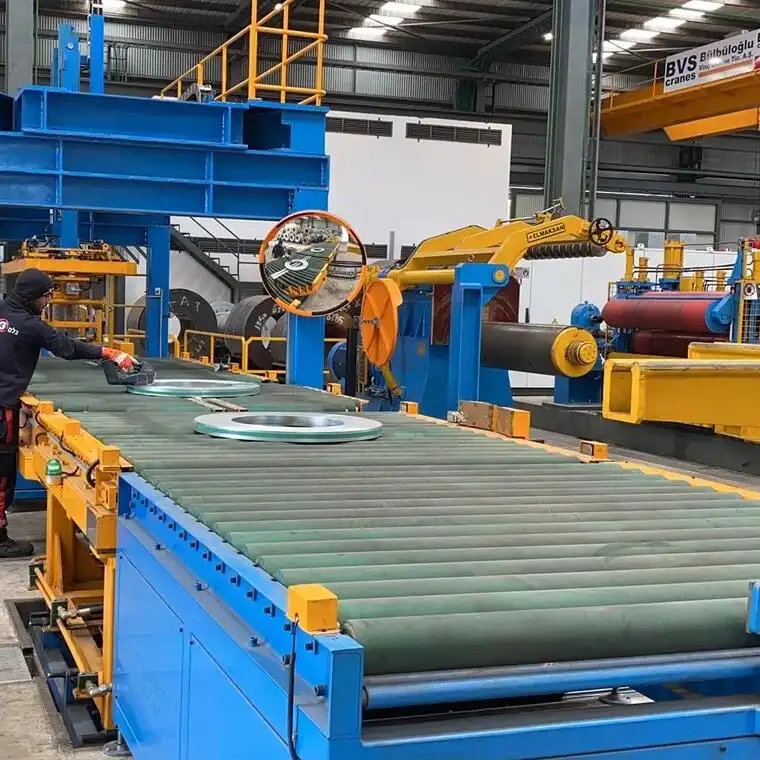
My goal at FHOPEPACK is to share insights that help businesses grow. I have seen how a well-designed packing solution can transform a factory. It is not just about moving coils; it is about optimizing your entire operation. For South Korean companies aiming for global leadership, this efficiency is non-negotiable.
Streamlined Operations and Faster Throughput
Automated systems bring a new level of speed and consistency.
- Continuous Flow: Machines handle coils without interruption. There are no breaks or shifts changes for machines. This ensures a steady and continuous packing process. 🚀 (Continuous production, uninterrupted workflow)
- Reduced Cycle Times: Each packing step is optimized for speed. Robotic arms and automatic wrappers complete tasks in seconds. This drastically cuts down the time needed for each coil. ⏱️ (Faster processing, quicker completion)
- Higher Production Volume: With faster cycle times, factories can pack many more coils per hour or day. This directly translates to higher production output. It helps meet demanding market needs. 📊 (Increased output volume, higher capacity)
Precision and Consistency
Automation removes human variability. This ensures every coil is packed to the same high standard.
- Exact Measurements: Automated systems apply packing materials with precise tension and overlap. This creates a uniform and secure package every time. ✅ (Accurate packing, standardized quality)
- Repeatable Quality: Machines perform tasks identically for every coil. This consistency is hard to achieve with manual labor. It means predictable quality for your customers. 💯 (Consistent performance, reliable results)
- Less Rework: The precision of automated packing reduces errors. This means less need for repackaging or correcting mistakes. It saves time and resources. 🔄 (Error reduction, efficiency gains)
Integration with Existing Systems
Modern packing lines do not work in isolation. They connect with other factory systems.
- Data Exchange: Automated lines can share data with your MES (Manufacturing Execution System) or ERP (Enterprise Resource Planning). This provides real-time insights into production. 💻 (System integration, data analytics)
- Smart Scheduling: With real-time data, you can optimize production schedules. You can respond quickly to changes in demand or material availability. This makes your factory more agile. 🗓️ (Production scheduling, operational flexibility)
- Future-Proofing: Investing in automation prepares your factory for future technologies. It makes it easier to adopt new innovations like AI or advanced robotics. This keeps you competitive. 🤖 (Technological advancement, future readiness)
By embracing automated steel coil packing, South Korean manufacturers can unlock significant gains in efficiency and output. This allows them to stay ahead in a competitive market. It helps them serve their customers better. (Manufacturing upgrades, competitive edge)
3. What critical safety improvements do modern packing machines offer to South Korean steel workers?
Worker safety is paramount in heavy industries like steel manufacturing. Traditional manual methods pose significant risks. Many South Korean factories are actively seeking ways to protect their employees better. Modern packing machines provide essential solutions to these safety challenges. (Industrial safety, worker protection)
Modern steel coil packing machines dramatically improve safety for South Korean steel workers. They eliminate the need for manual handling of heavy and awkward coils. This removes the risk of crush injuries, strains, and falls. Automated systems use sensors, safety barriers, and emergency stops to create a secure work environment. This protects workers from dangerous moving parts and reduces accident rates significantly. (Automated safety features, reduced workplace hazards)
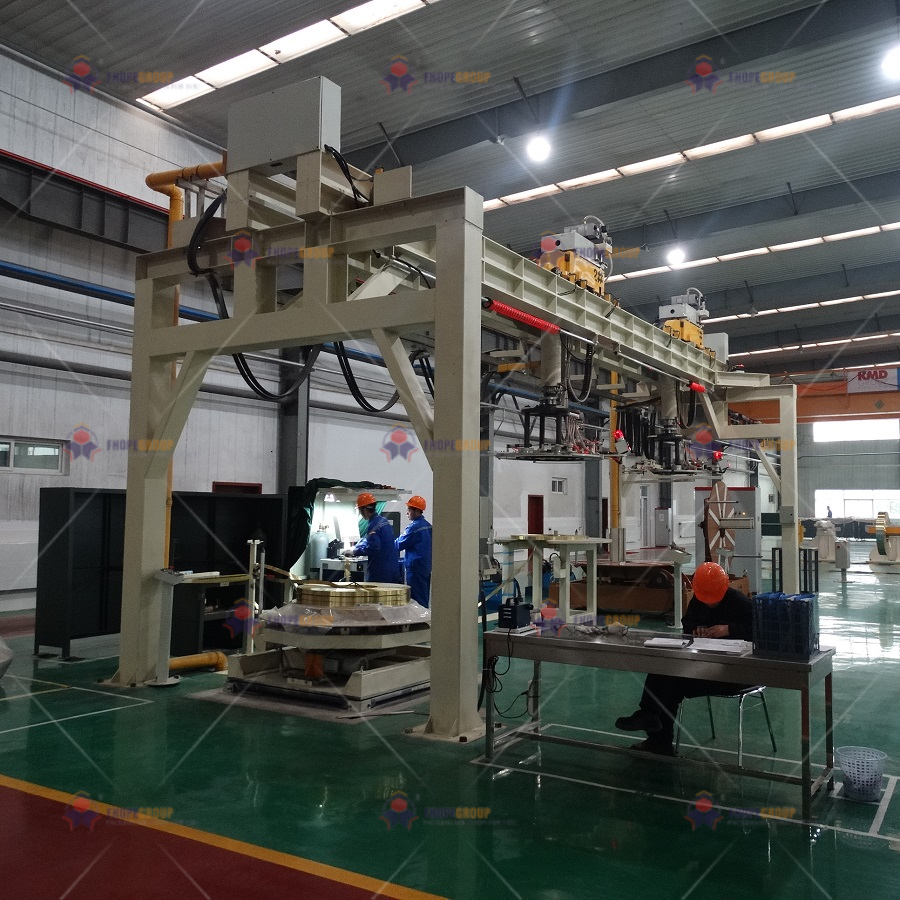
I remember the early days, working in a packing machine factory. I saw the dangers firsthand. It deeply influenced my commitment to creating safer, more efficient solutions. At FHOPEPACK, we believe that no production goal is worth a worker’s injury. These modern machines are not just about efficiency; they are about human well-being.
Eliminating Manual Heavy Lifting
The biggest safety benefit comes from removing workers from dangerous tasks.
- No Direct Coil Contact: Workers no longer need to physically lift or maneuver heavy steel coils. Machines handle all the heavy lifting, turning, and wrapping. This reduces immediate physical risks. 🏋️♂️ (Reduced manual effort, heavy lifting automation)
- Decreased Strain Injuries: Repetitive tasks and heavy lifting cause muscle strains, back injuries, and other musculoskeletal disorders. Automation nearly eliminates these types of injuries. 💪 (Ergonomic benefits, less physical stress)
- Fewer Accidents: With fewer workers in close proximity to moving coils, the risk of crush injuries or falling objects drops dramatically. This creates a much safer workspace. 🚫 (Accident prevention, safer operations)
Enhanced Safety Features
Modern machines come with built-in safety protocols and technologies.
- Safety Guards and Interlocks: Machines are equipped with physical barriers and interlock systems. These stop operation if a guard is opened or if a person enters a danger zone. This prevents access to moving parts during operation. 🛡️ (Machine guarding, access control)
- Emergency Stop Buttons: Clearly marked emergency stop buttons are placed strategically. Workers can quickly shut down the machine in any unsafe situation. This provides immediate control. 🛑 (Emergency procedures, quick shutdown)
- Sensors and Scanners: Advanced sensors detect human presence in exclusion zones. They can slow down or stop the machine if someone gets too close. This adds an extra layer of protection. 🚨 (Proximity sensors, hazard detection)
Better Work Environment and Morale
Improved safety goes beyond just preventing accidents. It creates a better place to work.
- Reduced Fatigue: Less physical exertion means workers are less tired. This improves their alertness and reduces the likelihood of human error in other tasks. 😴 (Less worker fatigue, improved alertness)
- Higher Morale: Workers feel valued when their safety is prioritized. A safer environment leads to higher job satisfaction and lower turnover rates. This benefits the company in the long run. 😊 (Employee satisfaction, positive workplace culture)
- Focus on Skilled Tasks: With machines handling dangerous tasks, workers can be reassigned to more skilled roles. These might include machine operation, maintenance, or quality control. This allows for upskilling and career development. 👨🔧 (Skill development, job enrichment)
By implementing modern steel coil packing machines, South Korean manufacturers can ensure a safer working environment. This protects their most valuable asset: their employees. It also boosts productivity and adheres to ethical operational standards. (Workplace safety standards, ethical manufacturing)
4. How do these advanced systems ensure product quality and reduce operational costs in South Korean steel plants?
For South Korean steel plants, maintaining product quality and controlling costs are constant battles. Every damaged coil means lost revenue. Every unnecessary expense cuts into profits. Advanced packing systems are designed to address both these critical areas directly. They offer a strong return on investment (ROI). (Product quality control, cost reduction strategies)
Advanced steel coil packing systems ensure superior product quality by applying consistent and protective wrapping every time. This minimizes damage during handling, storage, and transport. Simultaneously, these systems drastically reduce operational costs. They cut down on labor expenses, minimize material waste, and lower insurance premiums. This results in significant long-term savings and a higher overall profit margin for South Korean steel manufacturers. (Consistent packing quality, operational cost savings)
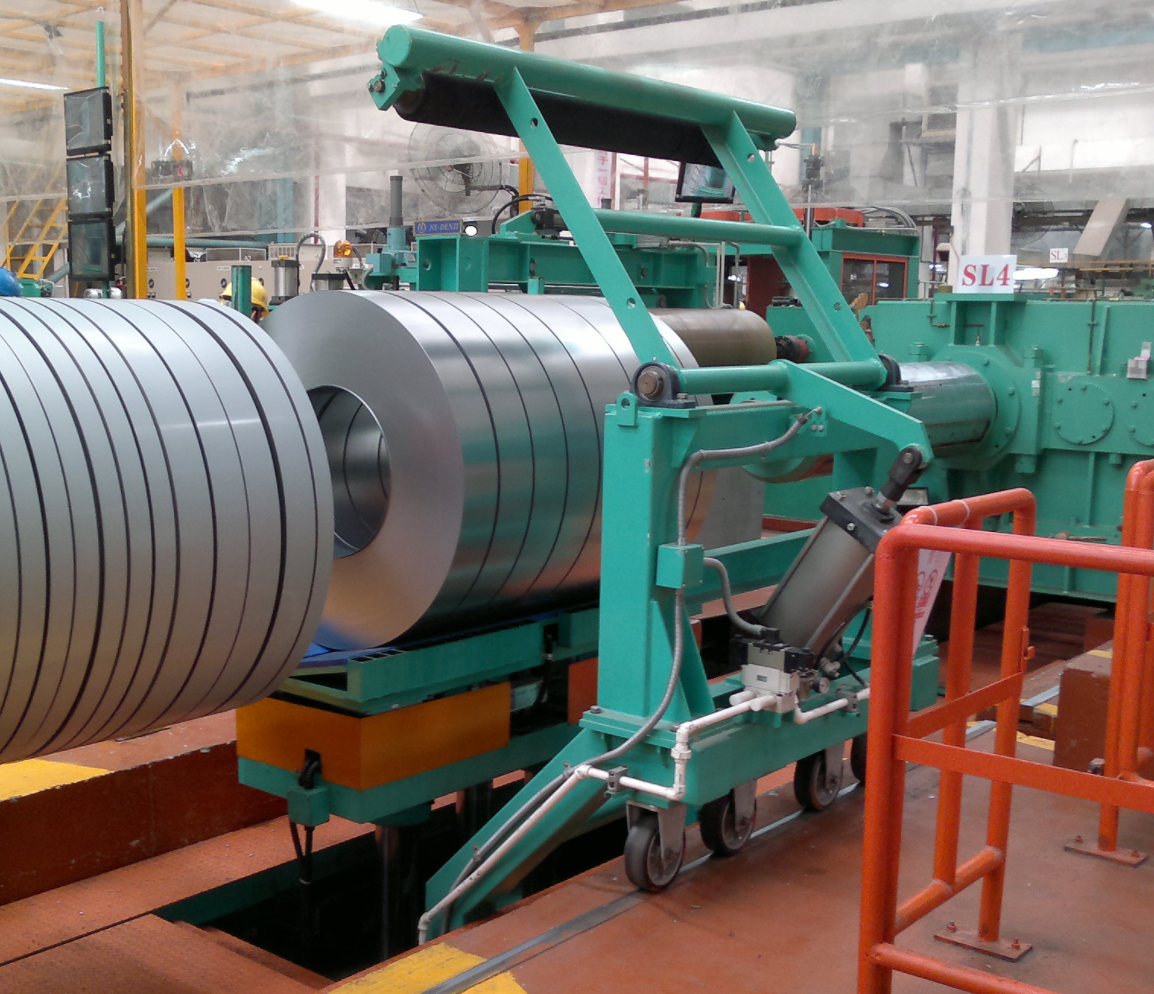
When I founded my factory, financial independence was a key goal. I knew that careful investment in the right equipment was crucial. For Michael Chen and other factory managers in South Korea, the decision to automate must make financial sense. The goal is to provide solutions that truly add value, not just new machines.
Ensuring Impeccable Product Quality
Automated packing protects your product from the moment it leaves the production line.
- Uniform Wrapping: Machines apply packing materials (stretch film, paper, etc.) with consistent tension and overlap. This creates a tight, secure, and protective barrier around the coil. It prevents loosening or damage. 🛡️ (Protective packaging, uniform application)
- Reduced Handling Damage: Coils are handled by automated systems designed for gentle yet firm movement. This minimizes scratches, dents, or edge damage that often occur with manual lifting and turning. 🚫 (Damage prevention, gentle handling)
- Weather Protection: Automated systems can apply specialized weather-resistant materials. This protects coils from moisture, dust, and corrosion during storage and transit. This is especially important for international shipping. 🌧️ (Weatherproofing, corrosion resistance)
- Fewer Customer Complaints: Consistently well-packed products lead to fewer issues upon delivery. This boosts customer satisfaction and strengthens your business relationships. 😊 (Customer satisfaction, brand loyalty)
Significant Reduction in Operational Costs
The initial investment in automation pays for itself through various cost savings.
- Lower Labor Expenses: Automated systems require fewer operators. This reduces direct labor costs, overtime pay, and benefits expenses associated with a large manual workforce. 💰 (Reduced workforce, labor cost efficiency)
- Minimized Material Waste: Precision application of packing materials by machines means less overuse or improper application. This reduces waste of film, paper, and strapping. ♻️ (Material optimization, waste reduction)
- Decreased Insurance Premiums: A safer work environment with fewer accidents can lead to lower insurance costs. This is a direct financial benefit from improved safety. 💲 (Insurance savings, risk management)
- Higher Throughput and ROI: By increasing packing speed and efficiency, factories can process more orders. This leads to higher sales and a faster return on the automation investment. The ROI is clear and measurable. 📈 (Investment return, production profitability)
- Reduced Product Loss: Fewer damaged coils mean less scrap, fewer reworks, and fewer customer returns. This directly saves material costs and preserves profit margins. 📉 (Loss prevention, cost-benefit analysis)
| Cost Area | Manual Packing Impact | Automated Packing Impact |
|---|---|---|
| Labor | High; many workers needed, overtime likely | Low; fewer operators, efficient staffing |
| Product Damage | Frequent; manual handling risks | Rare; consistent, gentle machine handling |
| Material Waste | High; inconsistent application | Low; precise, optimized material usage |
| Insurance | High; higher accident rates | Lower; safer environment, fewer claims |
| Throughput | Low; slow, inconsistent speeds | High; fast, continuous operation |
| Customer Returns | Higher; quality issues, transit damage | Lower; consistent quality, protected goods |
By investing in these advanced systems, South Korean steel plants can protect their product quality. They can also achieve substantial cost reductions. This positions them for sustained growth and profitability in a demanding global market. (Smart investment, long-term savings)
Conclusion
Modern steel coil packing machines are transforming South Korea’s steel industry. They boost efficiency, enhance safety, and cut costs. These systems protect product quality and provide clear returns on investment. Embrace a steel coil packing line for a more competitive future.


