How Smart Factories Use Steel Coil Packing Machines for Efficiency?
Are you a factory manager, perhaps in Mexico, feeling the constant pressure to boost output, cut costs, and keep your team safe? I have been there myself. The daily grind of managing a busy metal processing plant, making sure everything runs smoothly from raw materials to finished goods, can be overwhelming. You know that even a small hiccup on the production line means significant losses. This is a common challenge for many in our industry, and it often starts with outdated, inefficient processes, especially at the end of the line.
Smart factories are now embracing advanced steel coil packing machines to transform their operations, moving from manual, labor-intensive methods to automated, high-efficiency systems. These modern solutions not only speed up the entire packaging process but also significantly enhance worker safety, reduce product damage, and ultimately boost the factory’s overall profitability and competitive edge.
The journey to a truly smart factory can seem daunting. But understanding how the right machinery can solve your biggest problems is the first step. Let’s dive deeper into how steel coil packing machines are redefining efficiency and safety in industrial settings, just like the ones I helped build and optimize.
1. What Are the Key Efficiency Bottlenecks in Traditional Steel Coil Packing?
Many factories, especially those dealing with heavy steel coils, still rely on old packing methods. This often means a lot of manual work. Workers spend a lot of time moving coils, wrapping them, and securing them. This process is slow. It takes many hands to do what a machine can do in minutes. This directly impacts how fast a factory can produce and ship its products. When packing is slow, everything else slows down too. It creates a backlog at the end of the production line, limiting overall output. This is a clear bottleneck that stops factories from reaching their full potential. It’s like trying to run a race with ankle weights; you just cannot perform your best. (manual packing, production slowdown, overall output limit)
The primary efficiency bottlenecks in traditional steel coil packing stem from its reliance on manual labor, which inherently leads to slow processing times, inconsistent quality, and a significant drain on human resources, preventing factories from achieving optimal production and delivery schedules.
Let me tell you, when I first started as an engineer in a packing machine factory, I saw these bottlenecks firsthand every single day. Later, when I built my own factory, these were the first issues I wanted to solve for my clients. The problem with manual packing is not just speed; it is also about consistency. Human operators, no matter how skilled, cannot match the precision and repetitive speed of a machine. This can lead to uneven wraps, loose bands, and packaging that does not meet high standards. It adds more time for rework or even customer complaints. This is why investing in better equipment is not just an expense, but a strategic move. It is about removing those hidden costs and delays that eat away at your bottom line.
1.1 The High Cost of Manual Labor in Packing
Manual coil packing requires a large workforce. Each person has a salary, benefits, and training costs. When you add up all these expenses, the cost of labor for packing becomes very high. Beyond the direct costs, there are also indirect costs. These include hiring new staff when people leave, managing shifts, and dealing with potential disputes. For a factory manager, reducing labor costs without cutting jobs is a big win. Automation helps achieve this by reallocating workers to more skilled roles.
1.2 Time-Consuming Processes and Production Delays
Traditional packing is not just labor-intensive; it is also incredibly slow. Imagine trying to wrap a heavy steel coil by hand, then strapping it securely. This takes a lot of time per coil. If a factory produces hundreds or thousands of coils each day, these minutes add up to hours, then days of delay. These delays impact delivery times. Late deliveries can lead to unhappy customers and lost business. A slow packing line holds back the entire factory, making other efficient parts of the production useless. Speeding up this one part of the process can have a huge impact on the whole operation.
1.3 Inconsistent Packaging Quality
Manual packing often means different quality levels. One worker might pack a coil tightly, while another might not. This inconsistency can cause problems. Loosely packed coils are more likely to get damaged during transport. Poor quality packaging can also make a bad impression on customers. In a competitive market, consistent, high-quality packaging is a must. Machines offer the same precise wrapping and strapping every time. This ensures every coil leaves the factory looking professional and well-protected.
| Bottleneck | Description | Impact on Factory |
|---|---|---|
| 📉 High Labor Costs | Too many workers needed for simple, repetitive tasks. | Increased operational expenses, reduced profit margins. |
| 🐢 Slow Cycle Times | Manual handling and wrapping takes too long per coil. | Production backlogs, delayed shipments, customer dissatisfaction. |
| ↔️ Inconsistent Quality | Human error leads to varied packing standards. | Product damage during transit, customer complaints, brand reputation risk. |
| 🛡️ Safety Risks | Workers handle heavy, dangerous materials manually. | High injury rates, increased insurance costs, employee turnover. |

2. How Do Automated Steel Coil Packing Machines Enhance Worker Safety?
Factory environments, especially in heavy manufacturing like steel, carry inherent risks. Manual handling of large, heavy items like steel coils or turning pallets is not just slow; it is extremely dangerous. Workers face risks of strains, crushes, and other severe injuries. These accidents lead to high insurance costs, lost workdays, and an unfortunate high turnover rate among employees. I have seen how a single accident can disrupt an entire team and hurt morale. This is a critical challenge for any factory manager, especially those overseeing operations in places like Mexico, where safety regulations are strict and worker well-being is a top priority. (worker safety, injury prevention, heavy material handling)
Automated steel coil packing machines dramatically enhance worker safety by eliminating the need for manual handling of heavy and potentially dangerous materials, thus reducing the risk of injuries, improving ergonomic conditions, and creating a much safer working environment for factory personnel.
When I started FHOPEPACK, one of my core principles was to design machines that not only boost efficiency but also protect the people operating them. It is not just about compliance; it is about valuing your team. Automated packing lines take over the riskiest tasks. This includes lifting, rotating, and wrapping heavy coils. Workers can then focus on supervising the machines, monitoring quality, and performing maintenance in a much safer setting. This shift not only prevents accidents but also shows your employees that you care about their well-being, which builds a stronger, more loyal workforce. It is an investment in human capital as much as it is in machinery.
2.1 Eliminating Manual Lifting and Handling
Heavy lifting is a major cause of workplace injuries. Steel coils can weigh many tons. Manually moving these requires extreme effort and can lead to severe back injuries, muscle strains, or even crushing accidents. Automated machines use powerful conveyors, turntables, and robotic arms. These systems handle the coils safely and precisely. Workers no longer need to exert themselves physically. This change alone reduces a huge percentage of potential injuries. It means fewer trips to the doctor and more productive workdays.
2.2 Reducing Exposure to Hazardous Zones
In a manual packing setup, workers often have to get very close to moving parts or heavy loads. This puts them in hazardous zones. Automated packing lines are designed with safety barriers, sensors, and emergency stop buttons. These features keep workers at a safe distance from dangerous machinery. If a worker gets too close, the machine can stop automatically. This layered approach to safety means that accidents are far less likely to happen. It creates a controlled environment where safety is built into the system, not just an afterthought.
2.3 Improving Ergonomics and Reducing Repetitive Strain
Many manual packing tasks involve repetitive motions, bending, twisting, and reaching. Over time, these actions can lead to repetitive strain injuries (RSIs) like carpal tunnel syndrome or tendonitis. Automated machines take over these repetitive tasks. They perform the same motions thousands of times without fatigue or risk of injury. This frees workers from physically demanding, monotonous jobs. It allows them to engage in tasks that require more cognitive skills, improving their job satisfaction and physical health.
| Safety Benefit | Description | Impact on Workers & Business |
|---|---|---|
| 🚫 No Manual Heavy Lifting | Machines handle all heavy coils, straps, and wraps. | Dramatically fewer sprains, strains, and crush injuries; lower medical costs. |
| 🚨 Reduced Hazardous Exposure | Workers operate from safe distances, behind guards. | Eliminates contact with moving machinery and heavy loads; prevents severe accidents. |
| 🧘 Better Ergonomics | Eliminates repetitive bending, reaching, and twisting. | Prevents RSIs (Repetitive Strain Injuries), boosts long-term worker health. |
| 📉 Lower Insurance Costs | Fewer accidents directly lead to reduced worker’s compensation claims. | Significant financial savings for the factory. |
| 💖 Higher Employee Morale | Workers feel valued and safer in their jobs. | Decreased employee turnover, improved productivity, better workplace atmosphere. |
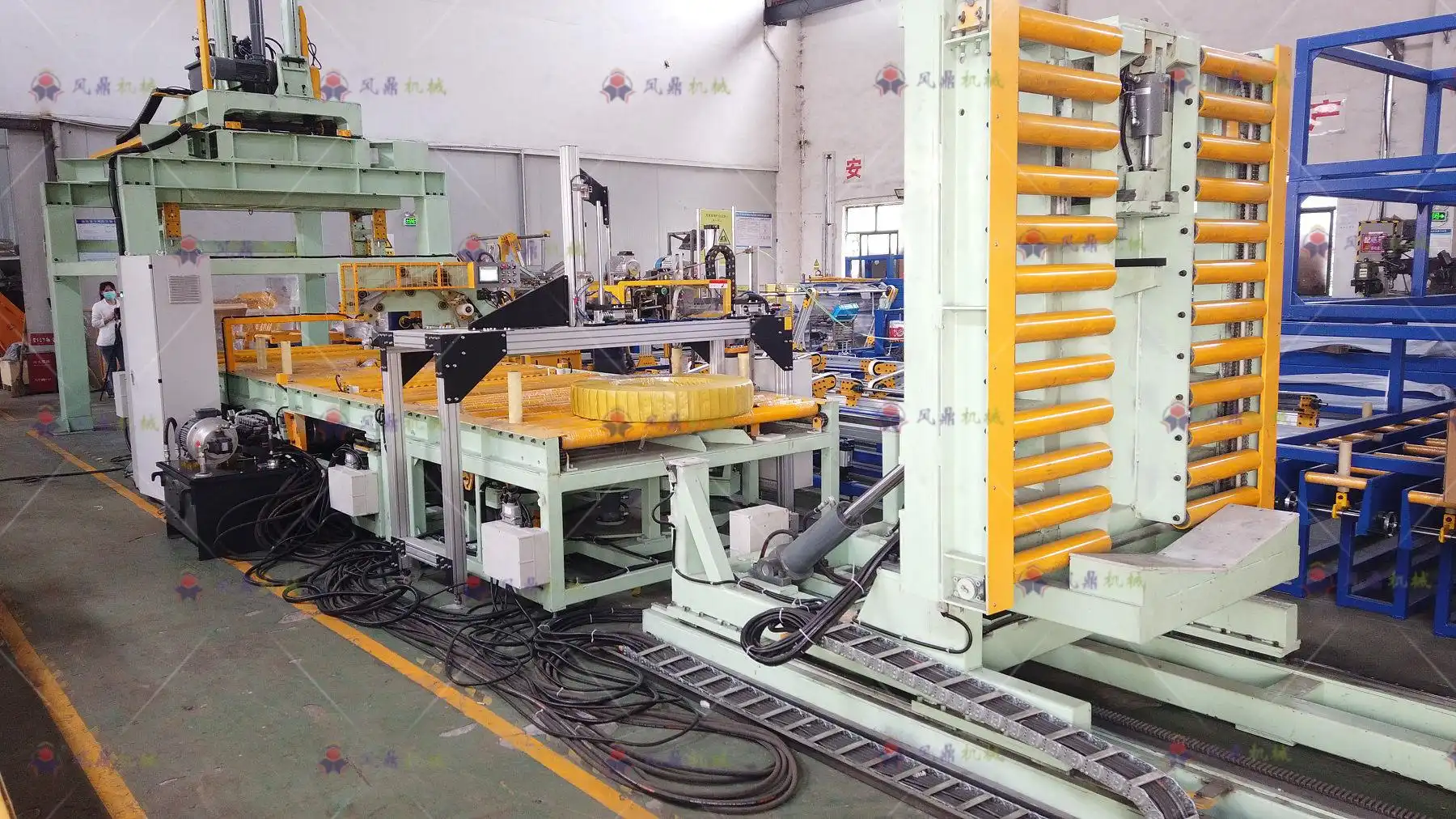
3. In What Ways Do Smart Packing Solutions Reduce Product Damage and Boost Profitability?
Product damage during internal transfer and packaging is a silent killer of profits. I have spoken with many factory managers, including those in Mexico, who constantly battle issues like dented coil edges, scratched surfaces, or moisture damage. These issues lead to customer complaints, returned goods, and lost revenue. When products leave the factory in less-than-perfect condition, it hurts your reputation and your bottom line. Traditional packing methods often lack the precision and protection needed to safeguard valuable steel coils against these common pitfalls. (product damage, customer complaints, profit loss)
Smart packing solutions, particularly advanced steel coil packing machines, significantly reduce product damage through precise handling, consistent and protective wrapping, and optimized storage and transport preparation, directly leading to fewer customer complaints, improved product quality, and a substantial boost in factory profitability.
My goal with FHOPEPACK has always been to build machines that not only pack fast but also pack perfectly. I know the pain of losing money because of damaged goods. It is not just the cost of the damaged product itself, but also the administrative work, the logistics of returns, and the intangible cost of a damaged customer relationship. Automated systems ensure that each coil is handled gently, wrapped uniformly, and secured optimally. This precision minimizes the chances of damage from rough handling or inadequate protection. It is about delivering a flawless product every time, which strengthens customer trust and ultimately drives business growth.
3.1 Precision Handling and Gentle Transfers
Manual handling of coils often involves rough movements. Workers might drop coils slightly or bump them into other objects. This can cause dents, scratches, or deformation. Automated packing lines use sophisticated mechanisms like roller conveyors and specialized lifting devices. These systems move coils smoothly and precisely from one station to the next. The transfer is controlled, reducing the risk of impact damage. This gentle handling ensures that the steel coils maintain their pristine condition from production to final packaging.
3.2 Consistent and Protective Wrapping
The effectiveness of packaging depends on how well it protects the product. Manual wrapping can be inconsistent, leaving gaps or weak spots in the protection. This allows moisture, dust, or physical impacts to damage the coil. Automated coil packing machines apply wrap materials with consistent tension and overlap. They can use multiple layers of stretch film, VCI paper, or woven fabric, tailored to the specific protection needs of the coil. This creates a uniform, robust barrier that shields the product from environmental factors and minor impacts during storage and transport.
3.3 Optimized Packaging for Transport and Storage
Product damage often occurs during transit. Poorly secured coils can shift, leading to damage to the coil itself or the transport vehicle. Automated systems can integrate strapping and banding features that securely fasten the coils. They ensure the packaging is compact and stable, optimizing space for shipping. This not only protects the product but also helps reduce shipping costs. By delivering undamaged products, factories can avoid costly returns, reworks, and customer compensation. This directly boosts profitability and builds a reputation for reliability.
| Damage Reduction Benefit | Description | Impact on Profitability |
|---|---|---|
| ✨ Flawless Handling | Automated conveyors and lifts prevent bumps and drops. | Zero product damage from internal transfers; avoids scrap and rework costs. |
| 🛡️ Uniform Protection | Consistent wrap tension and material application. | Prevents moisture, dust, and minor impact damage; reduces customer complaints. |
| 📦 Secure Fastening | Integrated strapping and banding for stable loads. | Eliminates transit damage; ensures safe delivery, reduces return logistics. |
| 💸 Cost Savings | Fewer damages mean less waste and no compensation payouts. | Direct increase in profit margins, positive impact on ROI. |
| 🤝 Improved Reputation | Delivering perfect products enhances customer trust. | Increased repeat business, stronger brand image, competitive advantage. |

4. How Can Factories Choose the Right Partner for Advanced Coil Packaging Automation?
Finding the right equipment supplier can be tricky. Many factory managers, like Michael in Mexico, have faced bad experiences with vendors who just want to make a sale and then disappear when problems arise. This trust crisis makes finding a new partner a very careful decision. You are not just buying a machine; you are looking for someone who truly understands your factory’s specific production bottlenecks, safety concerns, and efficiency goals. You need a partner who can offer expert insights and reliable, long-term solutions, not just a quick fix. (supplier trust, expert partner, long-term solution)
Factories can choose the right partner for advanced coil packaging automation by prioritizing suppliers with deep industry experience, a proven track record of reliable after-sales support, and a commitment to providing customized, expert-driven solutions that directly address the factory’s unique operational challenges and long-term growth objectives.
Throughout my journey, from working on packing machine floors to building FHOPEPACK, I learned that a machine is only as good as the company behind it. I understand the frustration of dealing with a supplier who only cares about the order. That is why FHOPEPACK is built on the principle of partnership. We aim to be like Randal Liu, a true expert who has been in your shoes, who knows what it takes to build a successful factory, and who is dedicated to sharing that knowledge to help your business grow. It is about collaborative problem-solving, not just transaction. The right partner will help you identify the best ROI, implement the most effective solutions, and support you for years to come.
4.1 Prioritizing Deep Industry Expertise
A good partner should understand your industry inside and out. They should know about the specific challenges of packing steel coils, such as coil size variations, material types, and environmental factors. Look for companies that have a history of working with similar factories and can share case studies or references. Their team should include engineers and technicians who have practical experience, not just theoretical knowledge. This deep expertise ensures they can recommend the most suitable solutions and foresee potential issues. It helps avoid costly mistakes and ensures the equipment fits perfectly into your existing operations.
4.2 Assessing After-Sales Service and Support
The sale of a machine is just the beginning of the relationship. What happens after installation is crucial. A reliable partner offers excellent after-sales service, including technical support, spare parts availability, and maintenance programs. Ask about their response times for service requests and the availability of local support, especially for international clients like those in Mexico. A company that stands by its products and provides prompt, effective support ensures minimal downtime and a longer lifespan for your investment. This builds trust and shows a commitment to your success.
4.3 Seeking Customized and Scalable Solutions
Every factory has unique needs. A one-size-fits-all approach rarely works. Look for a partner who can offer customized solutions that address your specific efficiency bottlenecks, safety concerns, and future growth plans. They should be able to adapt their standard machines or design new systems to integrate seamlessly with your current production line. A scalable solution means the equipment can grow with your business, allowing for future upgrades or increased capacity without needing a complete overhaul. This flexibility is key to maximizing your return on investment and ensuring long-term value.
| Partner Quality | Description | Why It Matters for Factories |
|---|---|---|
| 🧠 Industry Knowledge | Deep understanding of steel manufacturing, specific packing challenges. | Ensures correct machine selection and integration; avoids costly errors. |
| 📞 Responsive Support | Excellent after-sales service, fast technical help, spare parts. | Minimizes downtime, ensures machine longevity, builds long-term trust. |
| 🛠️ Custom Solutions | Ability to tailor equipment to specific factory needs and goals. | Maximizes efficiency and safety for unique operational challenges. |
| 📈 Proven Track Record | History of successful installations and satisfied clients. | Provides confidence in reliability and performance of equipment. |
| 🌱 Growth-Oriented | Offers scalable solutions that can evolve with the business. | Future-proofs investment, supports continuous improvement and expansion. |
Conclusion
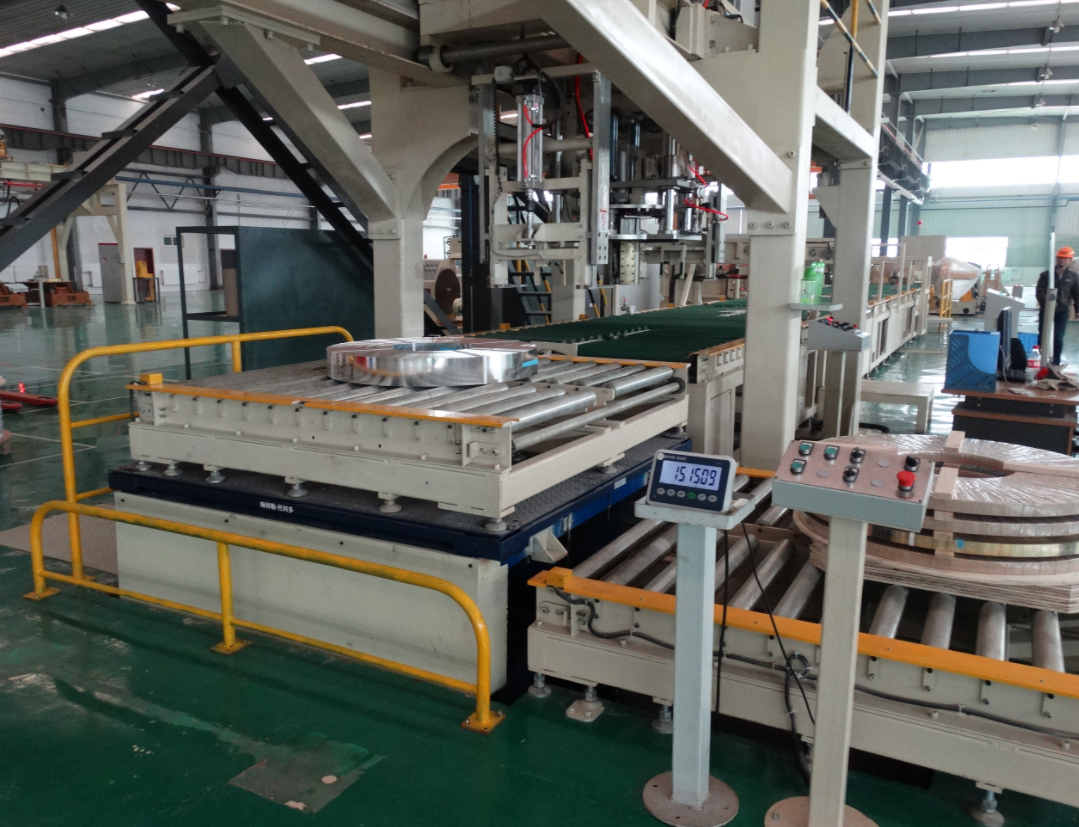
Smart factories leverage steel coil packing machines to boost efficiency, enhance safety, and reduce damage. Partnering with experts like FHOPEPACK ensures optimal solutions and continuous growth for your steel coil packing line.


