How Much Labor Can a Horizontal Steel Coil Packing Line Save in an Indian Steel Mill?
Manual packing in a bustling Indian steel mill can feel like a constant uphill battle. You are always pushing against slow processes, high safety risks, and the ever-present pressure of rising labor costs. This struggle often limits production, eats into profits, and puts your valuable team members at risk every single day.
A modern horizontal steel coil packing line can reduce labor requirements by 60-80% in an Indian steel mill, freeing up multiple workers per shift from strenuous and hazardous tasks. This automation directly impacts roles involved in coil handling, wrapping, and strapping, transforming the entire end-of-line process.

These labor savings are just the start. If you are looking to truly optimize your steel mill’s operations, understanding the full picture of automation is key. Let’s dive deeper into how this technology can redefine your packing process.
1. What are the current labor-intensive challenges in Indian steel coil packing?
The packing section of many Indian steel mills is a hub of intense manual activity. Workers are constantly lifting, moving, and securing heavy steel coils. This process is not just slow; it comes with significant human and financial costs.
The core challenges in Indian steel coil packing stem from heavy reliance on manual handling, slow and inconsistent wrapping methods, and the inherent dangers of human interaction with massive steel coils. These factors collectively lead to high operational costs, frequent safety incidents, and persistent production bottlenecks.
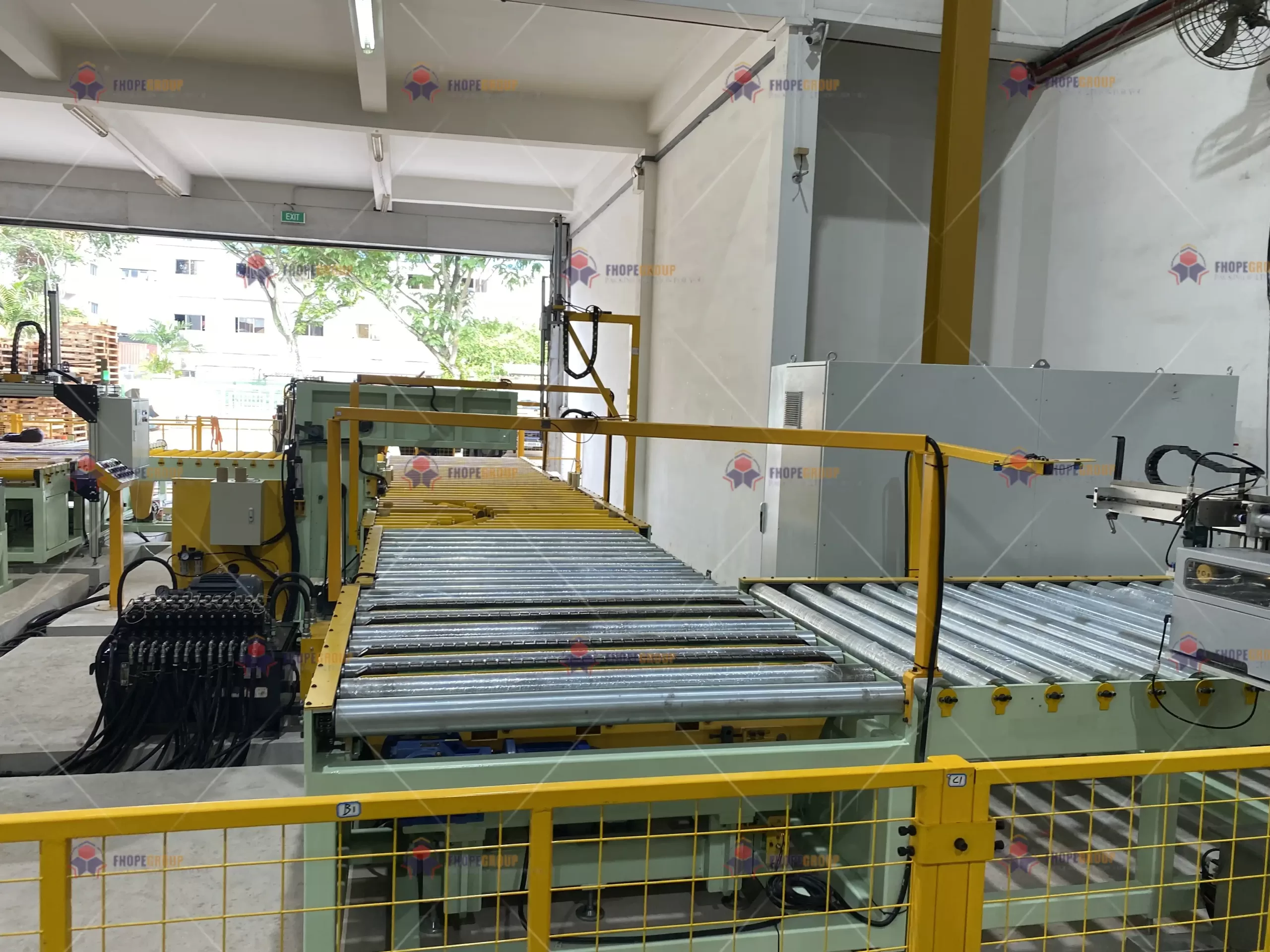
When I first started in the packing machine industry, I saw firsthand how much strain these manual processes put on workers. It was clear that these methods were not sustainable in the long run, both for the business and for the people involved.
Manual Handling and Physical Strain
Many Indian steel mills still depend on human power for crucial packing tasks. This means workers have to manually maneuver heavy steel coils. They lift, turn, and position these coils for wrapping or strapping. This work is very physically demanding. It causes high rates of musculoskeletal injuries. These injuries lead to lost workdays. They also increase healthcare costs for the company. Workers get tired easily. Fatigue increases the risk of accidents. This makes the packing area a high-risk zone. 🤕 (manual coil handling India, physical strain steel workers)
Inefficient Wrapping and Strapping
Current methods often involve workers manually applying stretch film or steel straps. This is a slow process. It can be inconsistent. The quality of the pack depends heavily on the individual worker’s skill. This can lead to uneven wrapping. Sometimes, the product is not fully protected. Slow wrapping creates bottlenecks. It slows down the entire production line. This impacts overall output. It also delays deliveries to customers. This inefficiency wastes valuable time. It also wastes resources. ⏳ (manual coil wrapping inefficiency, inconsistent packing quality)
High Safety Risks and Insurance Costs
The manual handling of heavy steel coils is very dangerous. Workers face risks of crushing injuries. They can get hit by moving coils. Falls are also a concern. These incidents cause severe injuries. In some cases, they can be fatal. Each accident leads to higher insurance premiums. It also brings potential legal liabilities. The fear of accidents can also lower morale among workers. This makes it harder to retain skilled staff. Improving safety is not just an ethical duty. It is also a smart business decision. 🚨 (steel mill safety hazards, high insurance premiums manufacturing)
Product Damage During Transit
Manual processes often result in product damage. During internal transport or packing, coils can get bumped. Their edges can get scratched. This leads to surface damage on the steel. Damaged products result in customer complaints. They also lead to costly rejections. These rejections reduce profitability. They also hurt the company’s reputation. Maintaining product quality is vital. Manual handling makes this very difficult. It causes unnecessary losses. (product damage steel coils, customer complaints packing)
2. How does a horizontal steel coil packing line automate manual tasks?
A horizontal steel coil packing line revolutionizes the packing process by taking over the most physically demanding and time-consuming manual tasks. It replaces human effort with precision machinery. This brings consistency and speed to every step.
A horizontal steel coil packing line automates manual tasks by integrating multiple functions into a seamless system: automatic coil feeding and positioning, machine-controlled orbital wrapping, robotic strapping, and synchronized unloading. This comprehensive automation minimizes direct human intervention, ensuring faster, more consistent, and safer packaging operations.

When I founded FHOPEPACK, our goal was always to engineer solutions that not only work but transform how businesses operate. We focused on making packing machines that truly solve the pain points of our clients, helping them achieve new levels of efficiency.
Automatic Coil Feeding and Positioning
The automation process begins with the efficient handling of coils. Horizontal packing lines use specialized conveyor systems. They can also use coil transfer cars. These systems automatically move coils from the production line to the packing station. They position each coil precisely. This eliminates the need for manual lifting by forklifts or overhead cranes. It also removes human guidance. Sensors and PLC controls ensure accurate placement. This is critical for the subsequent wrapping steps. This feature greatly reduces the risk of human error. It also boosts overall throughput. ⚙️ (automated coil feeding system, precise coil positioning)
Machine-Controlled Orbital Wrapping
The core of the horizontal packing line is its orbital wrapping unit. This machine wraps the steel coil as it passes through a rotating ring. The ring dispenses a wrapping material. This can be stretch film, VCI paper, or woven film. The machine applies the material consistently. It controls the tension precisely. This ensures full coverage and protection for the coil. Manual wrapping cannot match this speed or consistency. It would take multiple workers to achieve similar results. The machine works non-stop. It maintains high quality. This protects the coil from dust, moisture, and corrosion. ✨ (orbital wrapper for steel coils, automated film application)
Integrated Strapping and Sealing
After wrapping, the line can include an automatic strapping machine. This unit applies steel or PET straps around the coil. It secures the wrapping material. It also adds structural integrity to the package. The strapping is done automatically. The machine cuts, tensions, and seals the straps. This process is much faster and safer than manual strapping. Workers no longer need to handle heavy strapping tools. They also avoid the risk of injuries. This integration streamlines the packing process. It makes it truly hands-free for these steps. 🔗 (automatic coil strapping machine, integrated packing solutions)
Automatic Unloading and Transfer
Once the packing is complete, the horizontal line transfers the finished coil. It moves the coil to a storage area or shipping bay. This is done using conveyor belts or robotic arms. These systems handle the packed coils gently. They prevent any damage during transit. This eliminates the need for manual stacking or repositioning. It further reduces labor requirements at the end of the line. The entire process is synchronized. This ensures a smooth flow from start to finish. It maximizes operational efficiency. 🚀 (automated coil unloading, end-of-line automation)
3. What specific labor roles can be reduced or reassigned with automation?
Implementing a horizontal steel coil packing line brings a significant shift in labor needs. It does not just cut jobs; it redefines roles. This allows for a more efficient allocation of human resources.
A horizontal steel coil packing line can specifically reduce or eliminate roles such as manual wrappers, strapping operators, and dedicated material handlers for coil positioning. This frees up 3-5 workers per shift, allowing them to be reassigned to higher-value tasks like machine operation, maintenance, or quality supervision.
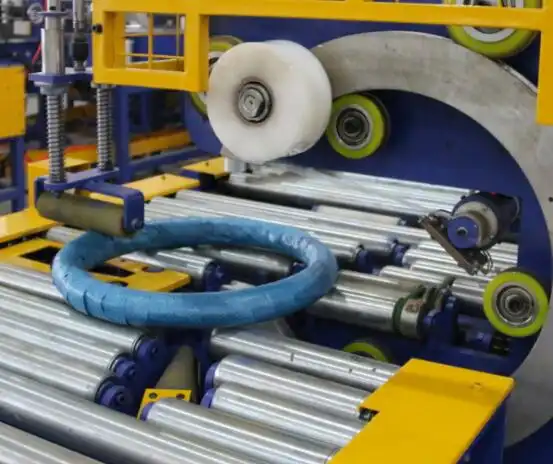
When I set up my own packing machine factory, one of the biggest wins was seeing how we could redeploy skilled workers to more strategic tasks. It was not about cutting people; it was about making their work smarter and safer.
Elimination of Manual Wrapping and Strapping Personnel
The most direct impact of a horizontal packing line is on the personnel involved in manual wrapping and strapping. In a traditional setup, several workers are needed per shift. They physically wrap coils with film or paper. They also apply and secure metal straps. With automation, these tasks are performed entirely by the machine. This means the dedicated roles for manual wrapping and strapping are no longer needed. This typically accounts for 2-3 workers per shift. These individuals can then be reassigned. (manual labor reduction packing, automated strapping personnel)
Reduction in Material Handling Operators
Manual packing requires frequent movement of coils. This is done for positioning and transferring. Forklift operators or crane operators spend significant time on these tasks. An automated line includes integrated conveyor systems. It also has transfer trolleys. These systems automatically move coils. They eliminate much of the need for human-operated material handling equipment within the packing zone. This can reduce the demand for 1-2 material handlers per shift. Their work can now focus on other areas of the plant. (coil handling automation, forklift operator reduction)
Reassignment to Supervisory and Technical Roles
The workers whose roles are directly affected are not simply laid off. They can be retrained and reassigned. New roles emerge with automation. These include machine operators who monitor the line. They make minor adjustments. They also oversee the automated process. There is also a greater need for maintenance technicians. These technicians keep the advanced machinery running smoothly. They perform preventative maintenance. Some workers can transition to quality control. They can supervise the output of the automated line. This shift elevates the skill level of the workforce. It creates more technical jobs. (workforce redeployment automation, upskilling manufacturing roles)
Economic Impact: A Comparative View
To illustrate the economic impact, consider a typical Indian steel mill operating three shifts daily.
| Role | Manual Process (per shift) | Automated Process (per shift) | Labor Reduction (per shift) | Annual Salary Savings (approx.)* |
|---|---|---|---|---|
| Manual Wrappers | 2 | 0 | 2 | ₹ 720,000 |
| Strapping Operators | 1 | 0 | 1 | ₹ 360,000 |
| Material Handlers | 1 | 0 | 1 | ₹ 360,000 |
| Total | 4-5 | 1-2 | 3-4 | ₹ 1,440,000 |
| Machine Operator | 0 | 1 | +1 | (New Cost) |
| Maintenance Tech | 0 | 1 | +1 | (New Cost) |
Note: Annual Salary Savings are approximate, based on a rough average of ₹30,000 per worker per month for basic roles. This does not include benefits, insurance, or training costs.
This table highlights the clear potential for significant labor cost savings. The reduction of 3-4 manual workers per shift across three shifts totals 9-12 full-time equivalent positions annually. Even with the introduction of new technical roles, the net savings are substantial. This helps improve the factory’s overall profitability. 💰 (labor cost reduction steel mill, ROI packing automation)
4. Beyond labor savings, what other operational benefits does automation bring to an Indian steel mill?
While labor savings are a major driving force for automation, a horizontal steel coil packing line offers a wealth of other benefits. These advantages extend across safety, product quality, and overall operational efficiency, creating a more robust and competitive steel mill.
Beyond significant labor savings, automation in an Indian steel mill with a horizontal coil packing line delivers enhanced worker safety, drastically reduced product damage, increased production throughput, and superior, consistent packing quality. These benefits collectively lead to greater operational efficiency, lower overall costs, and a stronger market position.

From my experience helping many clients grow their businesses, I have learned that true success comes from a holistic approach. It is not just about one aspect; it is about how all parts of your operation work together.
Enhanced Safety Standards
One of the most critical benefits is the dramatic improvement in workplace safety. Automated systems minimize human interaction with heavy and potentially dangerous steel coils. This directly reduces the risk of crushing injuries, strains, and other accidents. Fewer accidents mean a safer environment for your employees. It also means lower insurance premiums for your company. Compliance with safety regulations becomes easier to achieve. A safer workplace boosts employee morale and reduces turnover. This creates a healthier and more productive team. 👷♀️ (steel industry safety improvements, reduced workplace accidents)
Improved Product Quality and Reduced Damage
Manual packing often leads to inconsistencies and occasional damage to coils. This happens during handling or wrapping. An automated line provides precise control over the wrapping process. It ensures consistent tension and coverage. This protects the steel coils better from dust, moisture, and impact. Damage during internal transport or shipping is significantly reduced. This leads to fewer customer complaints and product rejections. Maintaining high product quality enhances your brand’s reputation. It also strengthens customer trust. This directly impacts your bottom line. ✨ (consistent coil packing quality, minimized product damage)
Increased Throughput and Efficiency
Automation dramatically speeds up the packing process. A horizontal packing line operates at a much faster rate than manual labor. This eliminates bottlenecks at the end of the production line. Faster packing means coils are ready for shipment more quickly. This improves overall production efficiency. It also allows for higher production volumes. The consistent speed and reliability of the machine ensure a smooth workflow. This optimizes the entire manufacturing process. Your mill can meet demand more effectively. ⚡ (packing line throughput increase, operational efficiency steel mill)
Significant Cost Savings Beyond Labor
While labor savings are substantial, other cost reductions also contribute to a strong return on investment (ROI). Automated systems use wrapping materials more efficiently. They reduce waste. Consistent packing reduces rework. It also lowers the cost of managing damaged goods. Lower accident rates lead to reduced insurance costs. They also decrease worker compensation claims. All these factors combine to create a much more cost-effective operation. The initial investment in automation pays for itself over time through these continuous savings. 💰 (ROI steel coil packing, cost reduction manufacturing automation)
Reliable Partnership and Expertise
Choosing the right partner for automation is crucial. Suppliers like FHOPEPACK (or myself, Randal Liu) bring deep industry knowledge. We understand your specific challenges. We can offer proven solutions. We focus on long-term support and reliable service. This ensures your investment continues to deliver value. A knowledgeable partner helps avoid the pitfalls of poor equipment choices. We ensure the equipment truly solves your problems. We help you achieve your business growth goals. This builds trust and confidence. (reliable packing machine supplier, expert industry guidance)
Conclusion
A horizontal steel coil packing line significantly cuts labor needs in Indian steel mills while boosting safety, quality, and efficiency. This investment offers a robust ROI and transforms operations, securing a competitive edge with a modern steel coil packing line.


