How Coil Service Centers Reduce Labor with Steel Coil Packing Machines?
Manual packing can feel like a heavy burden, right? I know that feeling very well. You see workers straining, production lines slowing down, and profits slipping away due to damaged goods or avoidable accidents. It is a constant worry for factory managers who want to keep things moving safely and efficiently. (manual packing challenges, factory manager concerns)
Automated steel coil packing machines are essential for coil service centers to significantly reduce manual labor. These machines take over the physically demanding and repetitive tasks of wrapping, strapping, and handling heavy steel coils. This automation minimizes the need for human intervention in hazardous areas, lowers the risk of worker injuries, and frees up staff for more skilled, supervisory roles, directly cutting operational costs and boosting overall production efficiency. (automated coil packing benefits, labor reduction, safety improvement)
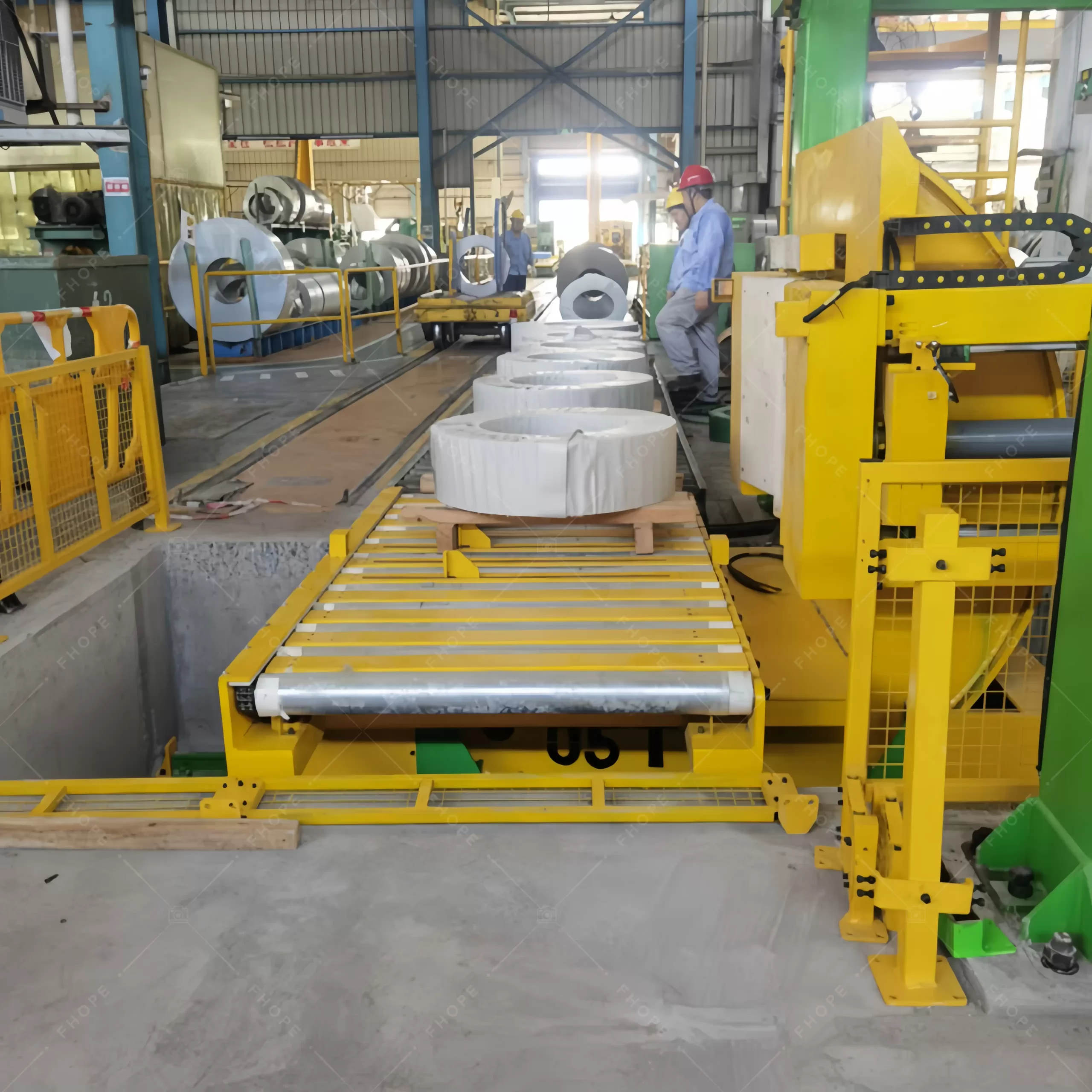
Staying competitive means constantly looking for better ways to do things. If these challenges resonate with your daily operations, then understanding the power of automated packing solutions is your next crucial step. Let’s dive deeper into how these machines are changing the game for coil service centers around the world. (packing solutions importance, operational efficiency)
1. Why is manual steel coil packing still a major challenge for modern factories?
Imagine a typical day in a metal processing plant. Workers are moving heavy steel coils by hand, struggling with wrapping materials, and constantly worried about accidents. This scene is far too common, and it creates significant problems for factory managers. (manual packing drawbacks, worker safety concerns)
Manual steel coil packing remains a major challenge because it is slow, labor-intensive, and inherently unsafe. It leads to production bottlenecks, high labor costs, increased risk of worker injuries from heavy lifting, and potential for product damage due to inconsistent handling. These issues directly impact a factory’s efficiency, profitability, and ability to meet strict delivery schedules. (manual packing challenges, operational impact)
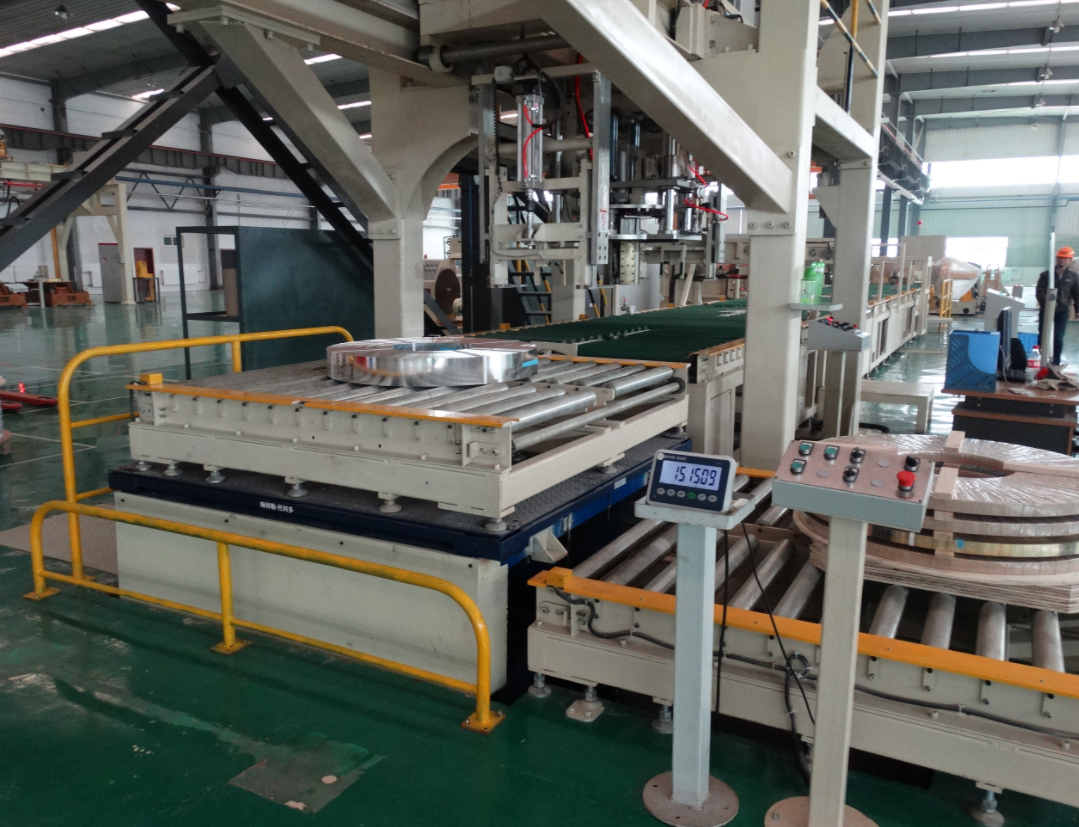
Let me tell you, when I was building my own packing machine factory, I saw these problems first-hand. Clients would come to me with stories of bottlenecks at the end of their lines, constant worker turnover because of the tough work, and rising insurance costs. It was clear that the old ways were simply not sustainable. To understand the full scope of the problem, we need to break it down. (Randal’s personal insight, unsustainable packing methods)
Key Problems with Manual Steel Coil Packing
Manual packing processes, especially for heavy and delicate materials like steel coils, introduce several critical issues that hinder modern manufacturing goals. (manual coil packing problems, manufacturing efficiency)
-
Inefficiency and Bottlenecks:
- Slow Speed: Human operators simply cannot match the speed of automated systems. Each coil takes a long time to wrap and strap. This creates a bottleneck at the end of the production line.
- Inconsistent Output: The quality and speed of packing can vary greatly between shifts or workers. This means unpredictable delivery times and quality issues.
- High Labor Requirements: Many hands are needed to handle and pack coils. This drives up operational costs significantly.
- Example: A facility needing to pack 60 coils per shift might struggle to hit 30 with manual methods, leading to overtime and delayed shipments. (packing speed comparison, production bottlenecks)
-
Safety Hazards and Worker Welfare:
- Risk of Injury: Lifting and manipulating heavy coils, even with cranes, involves significant risks. Back injuries, crushed limbs, and repetitive strain injuries are common.
- Fatigue: The physically demanding nature of the work leads to worker fatigue. Tired workers are more prone to accidents.
- High Insurance Costs: More injuries mean higher worker compensation claims and increased insurance premiums for the factory.
- Employee Turnover: Difficult and dangerous work often results in a high turnover rate. Finding and training new staff is costly and time-consuming.
- Consider: How much does a single serious workplace injury cost in medical bills, lost productivity, and morale impact? It is often far more than the initial investment in automation. (workplace safety concerns, injury prevention)
-
Product Damage and Quality Control:
- Edge Damage: During manual handling or transfer, the edges of steel coils are prone to dents or scratches. This affects product quality.
- Inconsistent Wrapping: Manual wrapping can be loose or uneven. This leaves parts of the coil exposed to dust, moisture, or damage during transport.
- Customer Complaints: Damaged products lead to unhappy customers. This can hurt your company’s reputation and lead to financial losses.
- Data Point: A study showed that even minor surface damage can lead to a 5-10% reduction in value for specialized steel products. (product quality issues, customer satisfaction)
| Challenge Area | Manual Packing Impact | Automated Packing Solution |
|---|---|---|
| Efficiency | Slow, inconsistent, bottlenecks | Fast, consistent, continuous flow |
| Safety | High injury risk, worker fatigue, high costs | Reduced human contact, safer work environment |
| Product Quality | Damage, inconsistent protection | Precise, secure wrapping, less damage |
| Operational Costs | High labor, insurance, turnover | Lower labor, fewer claims, higher output |
Understanding these issues is the first step. Recognizing that there are better ways to manage your packing process can unlock huge improvements for your factory. (operational improvement, packing process optimization)
2. How do automatic steel coil packing machines directly cut labor and boost safety?
The answer is simple: by taking the human element out of the most dangerous and repetitive tasks. When I first started in this industry, the vision for automation was clear – to create a safer, more productive workplace where people could focus on what they do best, and machines handled the heavy lifting. (automation benefits, safe workplace creation)
Automatic steel coil packing machines directly cut labor by automating tasks like conveying, wrapping, strapping, and weighing, thus reducing the number of operators needed per shift. They boost safety by eliminating direct human contact with heavy, moving coils, drastically lowering the risk of musculoskeletal injuries, crushes, and accidents, creating a much safer work environment for factory personnel. (labor reduction automation, workplace safety enhancement)
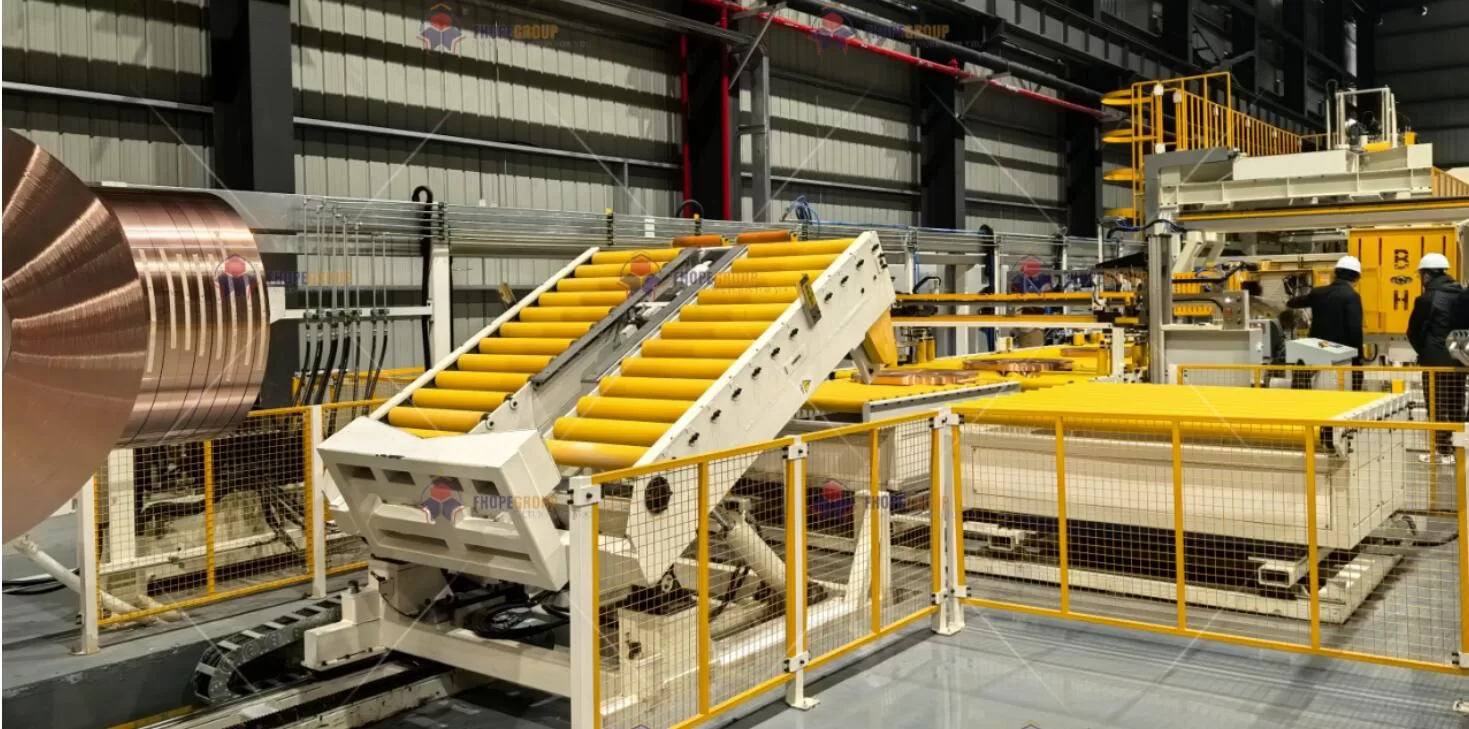
I have seen countless factories, from Mexico to Germany, transform their operations. Michael Chen, a factory manager in Mexico, faces these exact pressures. He wants to protect his workers and improve his bottom line. Automated machines offer a powerful solution. Let’s explore the specific ways these systems achieve such dramatic improvements. (factory transformation, operational improvements)
The Transformative Impact of Automation
Automated steel coil packing lines bring a new level of control and efficiency to the end of your production process. They are designed to operate with minimal human intervention, making the packing process faster and much safer. (automated packing control, efficient production)
-
Direct Labor Reduction:
- Fewer Operators: A single automated line can often replace several manual laborers. One operator can oversee the entire process from a control panel.
- Repetitive Task Elimination: Machines handle the continuous wrapping, banding, and stacking. This removes the need for human workers to perform these monotonous and strenuous tasks.
- Shift Optimization: With less manual work, you can optimize your shifts. This means more coils packed with fewer people, especially during off-hours or peak demands.
- Real-world Example: Many of our clients have reported a 60-70% reduction in direct labor costs related to their packing operations after implementing automation. (reduced workforce, operational cost savings)
-
Enhanced Workplace Safety:
- Reduced Human-Coil Interaction: The most significant safety benefit is removing workers from direct contact with heavy, moving coils. This minimizes the risk of crushing injuries.
- Automated Handling: Coils are moved by conveyor systems and robotic arms. This eliminates manual pushing, pulling, or lifting, which are common causes of back injuries.
- Consistent Safety Protocols: Machines follow exact programming. They operate with consistent safety distances and procedures, unlike humans who might take shortcuts.
- Emergency Stop Systems: Advanced automated lines come with integrated safety sensors, emergency stop buttons, and safety guarding. These features prevent accidents.
- Think about this: If Michael’s factory uses automated coil flippers or palletizers, it completely removes the need for workers to manually turn over heavy coils, a high-risk task that causes many injuries. (workplace hazard elimination, injury prevention technology)
-
Improved Ergonomics and Worker Morale:
- Less Physical Strain: Workers are no longer subjected to heavy lifting or repetitive motions. This improves their long-term health.
- Better Job Satisfaction: Employees can shift to more supervisory, maintenance, or quality control roles. These roles are often more engaging and less physically draining.
- Reduced Turnover: A safer, less demanding work environment leads to happier employees. This lowers staff turnover and saves on hiring costs.
- From my own factory experience, I saw how automation made our team members feel more valued. They were no longer just "muscle" but skilled technicians overseeing advanced machinery. (employee well-being, job enrichment)
Automated packing solutions are not just about machines; they are about creating a smarter, safer, and more productive future for your factory. They directly solve the problems Michael Chen faces every day. (future factory, productivity gains)
3. What specific features make modern coil packing lines efficient and reliable?
Reliability and efficiency are not just buzzwords; they are the bedrock of any successful factory. For Michael Chen, who manages a demanding metal processing plant, equipment downtime is a nightmare. Modern coil packing lines are built with features designed to prevent these nightmares. (factory reliability, operational efficiency features)
Modern steel coil packing lines are efficient and reliable due to key features like robust heavy-duty construction for continuous operation, advanced PLC control systems for precise automation, integrated safety sensors for worker protection, and modular designs that allow for customization and future upgrades. These features ensure minimal downtime, consistent performance, and adaptability to various production demands, making them a strategic asset for coil service centers. (modern coil packing features, strategic asset benefits)

When I help clients choose a packing machine, I always emphasize looking beyond the sticker price. The true value comes from how well the machine performs day in and day out, how easy it is to maintain, and how much it truly contributes to your bottom line. Let’s look at the specific features that deliver this value. (machine value, long-term investment)
Core Technologies for Peak Performance
Modern coil packing lines are sophisticated systems that combine mechanical strength with intelligent controls. These elements work together to deliver consistent, high-quality output in tough industrial settings. (sophisticated packing systems, industrial performance)
-
Robust Construction and Durability:
- Heavy-Duty Materials: Machines are built using high-grade steel and components. This ensures they can withstand the harsh environments of coil service centers, including dust, vibrations, and heavy loads.
- Continuous Operation Design: They are engineered for 24/7 use. This means less wear and tear, and longer periods between maintenance.
- Protection Against Elements: Critical parts are often enclosed or protected. This keeps them safe from debris and enhances longevity.
- My own journey in the packing machine industry taught me that cutting corners on material quality is a false economy. A machine built to last pays for itself many times over. (industrial equipment durability, long-term performance)
-
Advanced Automation and Control Systems:
- PLC (Programmable Logic Controller) Integration: This is the brain of the machine. It manages all functions, ensures precise movements, and allows for complex packing sequences.
- HMI (Human-Machine Interface): Intuitive touchscreens make operation easy. Workers can monitor the process, adjust settings, and diagnose issues quickly.
- Variable Speed Drives: Allows adjustment of packing speed. This matches different coil sizes or production rates.
- Automatic Tension Control: Ensures consistent wrapping tension for optimal protection without damaging the coil.
- For example, FENGDING packing machines often come with advanced Siemens or Allen-Bradley PLCs, which are known for their reliability and ease of integration into existing factory networks. (industrial automation, precision control)
-
Integrated Safety Mechanisms:
- Safety Guards and Light Curtains: Physical barriers and infrared sensors prevent operators from entering dangerous areas during operation.
- Emergency Stop Buttons: Easily accessible E-stops shut down the machine immediately in an emergency.
- Overload Protection: Sensors monitor machine load. They prevent damage from excessive weight or operational stress.
- Automatic Fault Detection: The system can identify and report issues. This helps in quick troubleshooting and prevents major breakdowns.
- Safety is always our top priority. I always advise clients that a machine should not just perform well, but protect your most valuable asset: your people. (workplace safety features, protective mechanisms)
-
Modular Design and Customization:
- Adaptability: Lines can be customized to fit specific factory layouts and production needs. Whether it’s for narrow slit coils or wide master coils, the system can be tailored.
- Scalability: You can start with basic automation and add more modules later. This includes automatic weighing, labeling, or robotic stacking.
- Future-Proofing: A modular design makes it easier to upgrade or integrate new technologies as your business grows or market demands change.
- I remember one project where we helped a client integrate a coil packing line into their existing slitting line in Mexico. The modular design made the whole process seamless, even with space constraints. (customized packing solutions, future adaptability)
These features ensure that a modern coil packing line is not just a piece of equipment but a strategic investment that drives efficiency, ensures safety, and supports the long-term growth of your coil service center. (strategic investment, long-term factory growth)
4. How can my factory achieve a strong ROI with automated steel coil packing?
Factory managers like Michael Chen are always looking at the numbers. Any new investment must show a clear return. It is not enough for a machine to just look good; it has to make financial sense. Automated steel coil packing, when chosen wisely, delivers a compelling return on investment. (factory investment, financial returns automation)
A factory can achieve a strong ROI with automated steel coil packing by significantly reducing labor costs, decreasing product damage, lowering worker injury-related expenses, and increasing overall production throughput. The efficiency gains and cost savings often result in a payback period of just 1-3 years, making it a highly profitable investment that boosts factory profitability and long-term sustainability. (ROI automation, cost savings efficiency)
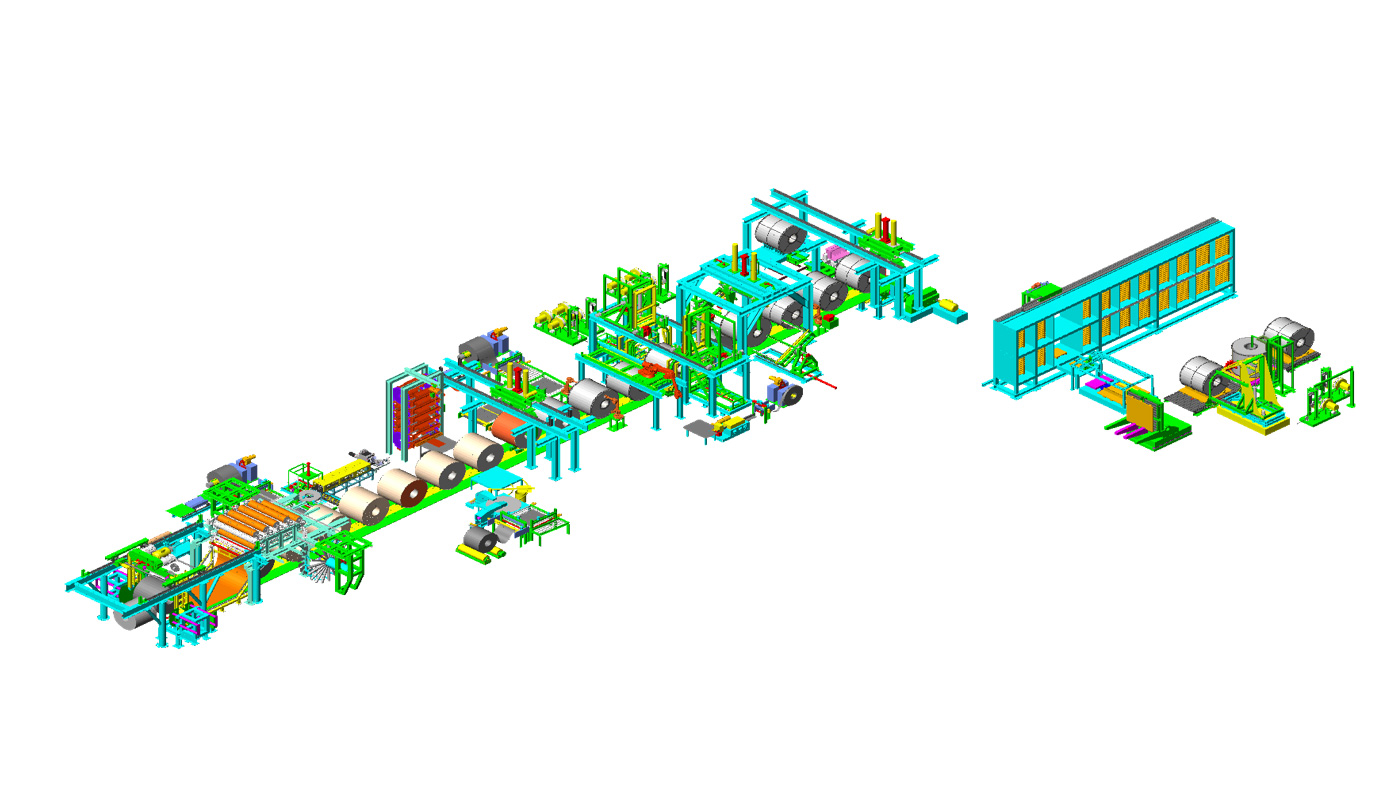
From my experience setting up and running a successful packing machine factory, I know that smart investments are the backbone of financial independence. I have seen how the right equipment can transform a business from struggling with overheads to thriving with increased capacity and reduced costs. Let’s break down how this powerful ROI is achieved. (Randal’s business experience, smart investment benefits)
Unlocking Financial Returns Through Automation
The financial benefits of automating your steel coil packing process extend far beyond just labor savings. It impacts every aspect of your factory’s profitability. (financial benefits automation, factory profitability)
-
Significant Labor Cost Reduction:
- Fewer Man-Hours: This is the most direct saving. You need fewer people to manage the packing process.
- Reduced Overtime: Automated systems can run continuously without human fatigue, eliminating costly overtime shifts.
- Lower Benefits and Training Costs: With a smaller packing team, your expenses for salaries, benefits, and new employee training decrease.
- Calculation: If an automated line replaces 4 workers per shift across 2 shifts, that’s 8 full-time positions whose salaries and benefits are now saved or reallocated. (labor expense reduction, shift optimization)
-
Reduced Product Damage and Waste:
- Consistent Wrapping Quality: Machines provide uniform and secure packaging. This minimizes damage during storage and transport.
- Less Rework: Fewer damaged coils mean less need for costly re-packing or scrapping.
- Improved Customer Satisfaction: Delivering undamaged products reduces customer complaints. This builds trust and encourages repeat business.
- Michael Chen currently faces product loss due to damaged coil edges. Automation directly addresses this, turning potential losses into saved revenue. (product quality improvement, customer loyalty)
-
Lower Insurance and Safety-Related Costs:
- Fewer Accidents: As discussed, automation dramatically reduces workplace injuries.
- Reduced Worker Compensation Claims: Fewer injuries mean fewer claims. This directly saves the factory money.
- Decreased Insurance Premiums: A safer workplace with fewer incidents can lead to lower insurance rates over time.
- Consider the long-term savings: Investing in safety now prevents much larger costs later. (safety cost reduction, insurance premium savings)
-
Increased Throughput and Production Capacity:
- Faster Packing Cycles: Machines operate at speeds far exceeding manual methods. This speeds up your end-of-line process.
- Eliminated Bottlenecks: A faster packing process ensures smooth product flow. This allows your upstream production to run at full capacity.
- Increased Sales Potential: Packing more coils faster means you can fulfill more orders. This directly boosts your sales revenue.
- Case Study: Some of our clients, especially those with high-volume slit coil production, have seen a 20-30% increase in overall throughput after automating their packing lines. (production throughput, sales revenue increase)
| ROI Factor | Impact on Factory Profitability |
|---|---|
| Labor Costs | ↓ Significantly reduced direct and indirect labor expenses |
| Product Damage | ↓ Minimized waste, fewer customer complaints, ↑ product value |
| Safety Costs | ↓ Lower insurance premiums, fewer injury claims |
| Production Capacity | ↑ Faster output, ↑ ability to meet demand, ↑ sales revenue |
| Energy & Consumables | ↓ Optimized material usage, potentially lower energy consumption for specific tasks |
The ROI from automated steel coil packing is clear and measurable. By investing in the right technology, your factory can not only save money but also boost efficiency, improve safety, and secure a stronger competitive position in the market. (automated packing investment, competitive advantage)
Conclusion
Automated steel coil packing machines are a game-changer for coil service centers. They cut labor, boost safety, ensure efficiency, and provide a strong ROI, transforming operations for the better. This is why investing in a modern steel coil packing line is essential for growth.


