Horizontal vs. Vertical Coil Packing Lines — Which Is Better for Your Steel Plant in Turkey?
The world of steel manufacturing in Turkey is incredibly dynamic. However, I often see steel plants struggling with the same core problems: slow packing processes, constant product damage, and serious safety risks for workers. These issues eat into your profits and slow down your entire operation.
Choosing the right coil packing line, whether horizontal or vertical, can dramatically improve your steel plant’s efficiency, enhance safety, and protect your valuable products from damage, directly addressing common bottlenecks in Turkish steel production facilities.

As someone who built a packing machine factory from the ground up, I understand these challenges deeply. It is not just about buying a machine; it is about finding the right solution. Let us dive into the specifics of horizontal and vertical coil packing lines to help you make an informed decision for your Turkish steel plant.
1. What Exactly Are Horizontal and Vertical Coil Packing Lines, Anyway?
Have you ever wondered about the fundamental differences between horizontal and vertical coil packing? Many plant managers in Turkey overlook this crucial distinction. Not understanding the core mechanics can lead to choosing the wrong equipment, causing inefficiencies and wasted investment.
Horizontal coil packing lines process coils lying on their side (horizontally), often favored for larger, heavier coils and offering stable wrapping. Vertical coil packing lines handle coils standing upright (vertically), making them suitable for smaller coils or when floor space is a concern in Turkish steel factories.
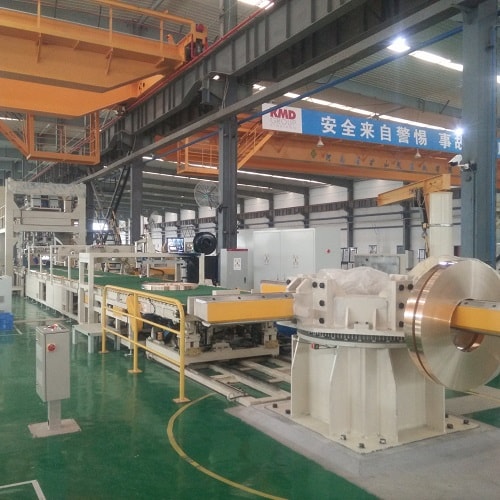
Let me break down what each system involves. This will help you see which one fits your specific operational setup and product range. Understanding these basics is the first step toward optimizing your packaging process in your Turkish steel facility. It is not just about orientation; it is about how the whole system integrates with your production flow.
Understanding the Core Orientations: Horizontal vs. Vertical
When we talk about coil packing lines, the most significant difference is how the steel coil is oriented during the wrapping process. This orientation dictates everything from the machine design to how the coils are handled before and after packing.
- Horizontal Coil Packing: In a horizontal system, the steel coil lies flat on a conveyor or a V-block during the wrapping. The wrapping head rotates around the coil’s circumference, applying protective materials like stretch film, VCI paper, or woven fabric. This method is generally perceived as more stable for very heavy and wide coils.
- Key Characteristics:
- Coil position: Flat (horizontal axis).
- Wrapping direction: Around the coil’s outside diameter.
- Handling: Often involves overhead cranes or specialized coil cars for loading/unloading.
- Footprint: Can require more linear space for conveyors, but less vertical clearance.
- Typical applications: Large hot-rolled or cold-rolled steel coils, aluminum coils, copper coils (heavy coil packing solutions Turkey).
- Key Characteristics:
- Vertical Coil Packing: With a vertical system, the steel coil stands upright on an infeed conveyor or turntable. The wrapping machine then wraps the material around the vertical axis of the coil. This setup is often chosen when floor space is a premium or for specific product handling requirements.
- Key Characteristics:
- Coil position: Upright (vertical axis).
- Wrapping direction: Around the coil’s top and side surfaces.
- Handling: Often integrated with upright coil handling systems, like up-enders or coil tilters.
- Footprint: Can require less linear space but more vertical clearance for the wrapping mechanism.
- Typical applications: Smaller, lighter coils, slit coils, steel wire coils (space-saving coil packaging Turkey).
- Key Characteristics:
Choosing between these two depends heavily on your existing factory layout, the size and weight range of your coils, and your specific material handling processes. I have seen many plants in Turkey initially choose based on price, only to find the operational costs and inefficiencies far outweigh any upfront savings. Think about your entire workflow, not just the machine itself (coil packaging system Turkey).
2. Why Might a Horizontal Coil Packing Line Be the Right Choice for Your Turkish Plant?
Is your Turkish steel plant dealing with massive, heavy coils that are a nightmare to handle and pack? Are you constantly worried about worker safety and product integrity when moving these behemoths? Many plant managers in Turkey face these exact challenges, leading to slow operations and damaged goods.
A horizontal coil packing line excels at handling large and heavy steel coils with superior stability during the wrapping process, making it an ideal choice for Turkish plants prioritizing robustness, high-volume output of significant coils, and enhanced worker safety by minimizing manual intervention with cumbersome loads.
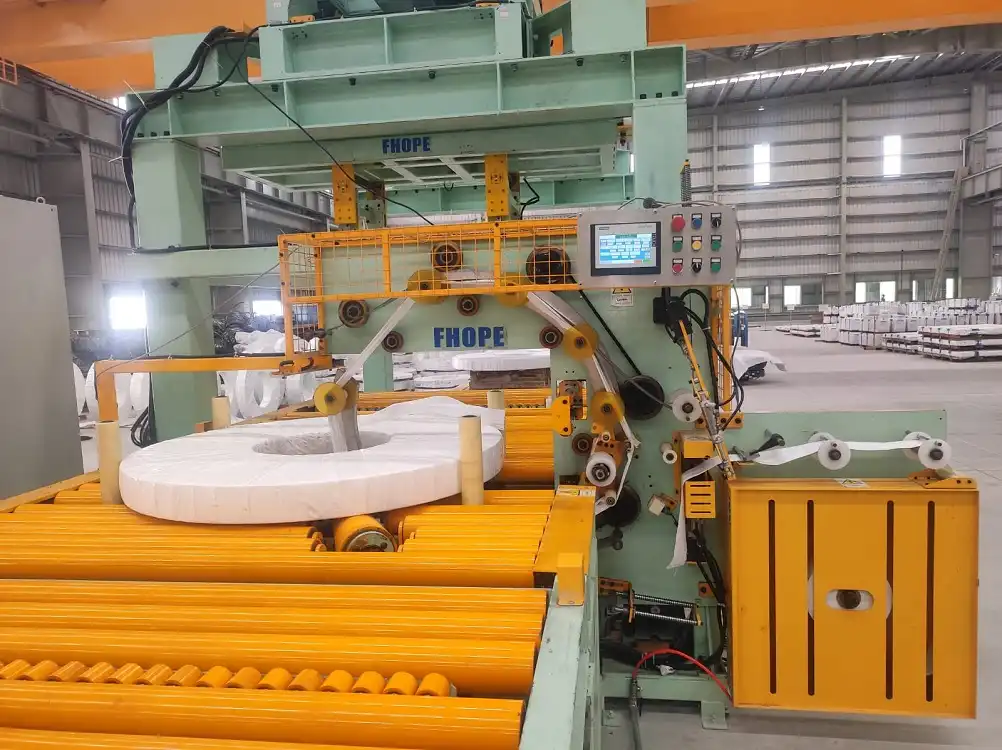
From my experience, horizontal packing systems often present a compelling solution for factories dealing with substantial production volumes of large coils. Let us explore the specific benefits these lines offer and why they might be the perfect fit for your heavy-duty operations in Turkey.
The Power of Horizontal Packing for Heavy Coils
Horizontal coil packing lines are workhorses in heavy industry. They are designed to manage the immense weight and size of steel coils, providing stability and security throughout the packing process.
- Enhanced Stability for Heavy Loads:
- When coils lie flat, their center of gravity is lower. This makes them inherently more stable during wrapping.
- Reduced risk of tipping or shifting, which is a major safety concern with large, heavy coils.
- Ideal for handling hot-rolled and cold-rolled steel coils weighing several tons (heavy coil wrapping Turkey).
- Superior Product Protection:
- The horizontal wrapping method allows for a tight, consistent wrap around the coil’s outer diameter.
- Excellent protection against moisture, dust, and physical damage during transit and storage.
- Minimizes edge damage to the coil, which is a common complaint from customers and a source of financial loss (steel coil damage prevention Turkey).
- Automation and Safety Improvements:
- Horizontal lines can be highly automated, reducing the need for manual handling of heavy coils.
- Automated loading and unloading systems (e.g., coil cars, walking beams) significantly lower the risk of workplace injuries.
- This directly addresses the safety concerns I hear from many plant managers like Michael, who constantly battle high insurance costs and employee turnover due to manual heavy lifting (worker safety packing Turkey).
- Integration with Existing Production Flows:
- Often aligns well with existing heavy material handling equipment like overhead cranes and coil storage yards.
- Can be integrated seamlessly into the end of a slitting line or rolling mill for continuous flow.
- Ensures efficient throughput, reducing bottlenecks at the packing stage (steel plant efficiency Turkey).
Here is a quick look at when a horizontal line is most beneficial:
| Feature | Ideal for Horizontal Packing Line |
|---|---|
| Coil Weight | High (multiple tons) |
| Coil Diameter | Large |
| Product Type | Hot-rolled, Cold-rolled, Aluminum |
| Primary Concern | Stability, Product Protection |
| Factory Layout | Ample linear space |
| Automation Level | High, for heavy handling |
| Key Benefit | Reduced manual handling, safety |
My experience has shown that investing in a robust horizontal line can transform a labor-intensive, risky packing area into a streamlined, safe, and efficient operation. This leads to direct cost savings through reduced labor, fewer product rejections, and lower injury claims (ROI packing machinery Turkey).
3. When Does a Vertical Coil Packing Line Make More Sense for Steel Operations in Turkey?
Are you running a steel plant in Turkey where floor space is tight, or are you primarily dealing with smaller, more diverse coil types like wire or narrow slit coils? Many operations face the dilemma of maximizing output within confined areas, and traditional packing methods often feel too bulky or inefficient.
A vertical coil packing line is often the more pragmatic choice for Turkish steel plants with limited floor space or those handling a variety of smaller, lighter coils, such as wire rod or narrow slit coils, providing a compact footprint and specialized handling capabilities for upright coil configurations.
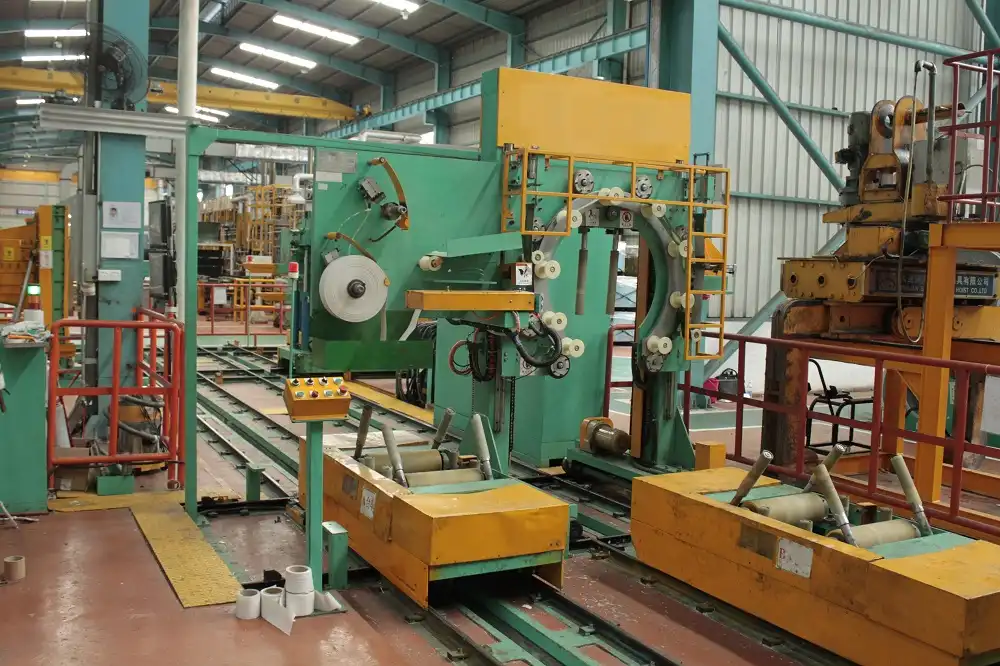
When I visit plants, especially those focused on specialized steel products, I frequently see the need for a packing solution that is flexible and space-efficient. Vertical packing lines offer distinct advantages in these scenarios. Let us explore why this configuration might be the ideal fit for your specific needs in Turkey.
The Advantages of Vertical Packing: Space and Versatility
Vertical coil packing lines, while different from horizontal systems, offer unique benefits, especially in factories where space is a critical constraint or where the product range demands a different handling approach.
- Optimized for Limited Floor Space:
- Vertical systems typically require a smaller linear footprint compared to extensive horizontal conveyor systems.
- This is a significant advantage for plants in urbanized areas of Turkey or older facilities where expansion is difficult.
- Allows for better utilization of existing factory space (space-saving packing solutions Turkey).
- Ideal for Smaller and Diverse Coils:
- Excellent for packing wire rod coils, narrower slit coils, and other smaller gauge materials.
- The upright position can be advantageous for specific loading and unloading processes using forklifts or specialized grippers.
- Can often accommodate a wider range of coil dimensions (small coil packaging Turkey).
- Integration with Up-ending/Down-ending Equipment:
- Vertical lines often work in conjunction with coil up-enders or down-enders, allowing for flexible transitions between horizontal and vertical material flows.
- This can create a more versatile and adaptable packing station within your overall production line.
- Helps address efficiency bottlenecks by streamlining material movement (coil handling optimization Turkey).
- Specialized Protection for Specific Coil Types:
- While horizontal focuses on outer diameter, vertical can be tailored for inner diameter protection and overall upright stability.
- Can be configured for specific wrapping patterns that might better suit certain coil geometries.
- Reduces product damage risks unique to vertically stacked or handled coils (wire coil protection Turkey).
Here is a summary of situations where a vertical packing line is a strong contender:
| Feature | Ideal for Vertical Packing Line |
|---|---|
| Coil Weight | Medium to Low (e.g., wire rod) |
| Coil Diameter | Smaller to Medium |
| Product Type | Wire rod, Slit coils, Specialty steel |
| Primary Concern | Space Utilization, Versatility |
| Factory Layout | Limited floor space, height available |
| Automation Level | Flexible, often integrates with tilters |
| Key Benefit | Compact footprint, efficient for smaller coils |
My professional journey has shown me that selecting the right machine goes beyond just its function. It is about how it fits your unique ecosystem. For many Turkish steel wire and small coil producers, a vertical line offers an elegant solution to complex space and product diversity challenges. It is about making smart choices for your specific business needs, ensuring profitability and operational smoothness (optimized coil wrapping Turkey).
4. How Can You Choose the Best Coil Packing Line for Your Specific Needs in Turkey?
Are you feeling overwhelmed by the choices when selecting a coil packing line for your Turkish steel plant? Do you worry about making the wrong investment, or picking a supplier who simply does not understand your unique challenges, like Michael Chen often experienced? It is a common concern among managers in Turkey that a significant equipment purchase could lead to more problems than solutions.
To choose the best coil packing line for your steel plant in Turkey, you must thoroughly evaluate your coil specifications, available factory space, desired automation level, budget, and critically, the long-term support and expertise offered by the supplier, ensuring a tailored solution that boosts efficiency and safety.
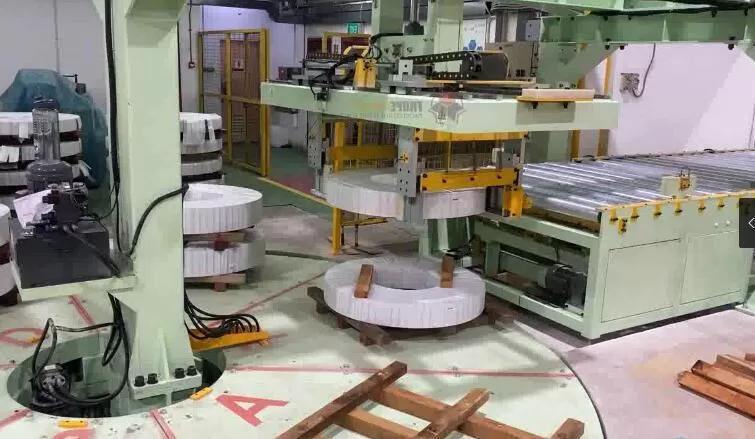
Making this decision requires more than just looking at technical specifications. It demands a holistic understanding of your operations, your future goals, and a partnership with a supplier who truly grasps your industry. Let me share my perspective on how to navigate this crucial choice to ensure you get the best fit for your Turkish steel business.
A Structured Approach to Your Packing Line Decision
Choosing the right coil packing line is a strategic investment. It impacts your productivity, safety, and ultimately, your bottom line. Based on my years in the packing machine industry, here is a structured approach I recommend for plant managers in Turkey.
- 1. Analyze Your Coil Characteristics:
- Weight Range: Are your coils typically heavy (e.g., 5-30 tons) or lighter (e.g., 0.5-5 tons)? This is a primary driver for stability requirements.
- Dimensions: What are the minimum and maximum outer diameters, inner diameters, and widths? This affects machine sizing and handling.
- Material Type: Are you packing hot-rolled, cold-rolled, galvanized, stainless, aluminum, or wire rod? Each may have specific protection needs.
- Self-reflection: "What types of coils do we pack most often, and what are their specific handling requirements?" (Turkish steel product packaging).
- 2. Evaluate Your Factory Layout and Space:
- Floor Space: How much linear and lateral space is available in your packing area? Is it a bottleneck?
- Vertical Clearance: Do you have sufficient height for vertical wrapping mechanisms or overhead crane operations?
- Integration Points: How will the new line connect with your existing production lines, conveyors, and storage?
- Self-reflection: "Can our current factory layout accommodate a long horizontal line, or do we need a more compact vertical solution?" (Factory layout optimization Turkey).
- 3. Define Your Automation and Safety Goals:
- Manual vs. Automated: What level of automation are you aiming for? Full automation, semi-automation?
- Worker Safety: What are your main safety concerns (e.g., manual heavy lifting, repetitive tasks)? How can automation mitigate these?
- Efficiency Targets: What specific improvements in packing speed and throughput are you targeting?
- Self-reflection: "How can we reduce manual labor and improve safety for our workers in the packing area?" (Automated coil wrapping Turkey).
- 4. Consider Budget and Return on Investment (ROI):
- Upfront Cost: Understand the initial investment for the machine, installation, and auxiliary equipment.
- Operational Costs: Factor in labor, maintenance, consumables, and energy consumption.
- Expected ROI: How quickly will the investment pay for itself through reduced labor, fewer damages, and increased output?
- Self-reflection: "What is our budget, and how do we ensure this investment truly pays off?" (Packing machine ROI Turkey).
- 5. Choose a Trustworthy Partner, Not Just a Vendor:
- Industry Expertise: Does the supplier truly understand the steel industry and your specific challenges?
- After-Sales Support: What kind of warranty, spare parts, and technical support do they offer, especially in Turkey?
- Customization: Can they offer a solution tailored to your unique needs, rather than a one-size-fits-all approach?
- Self-reflection: "Can this supplier become a long-term partner, offering solutions and support, not just equipment?" (Reliable packing machine supplier Turkey).
This last point is crucial for me. My journey, from an employee to owning a successful factory, taught me the value of true partnership. I saw how clients like Michael struggled with suppliers who only cared about the sale. I am passionate about sharing my knowledge to help you avoid those pitfalls. By carefully considering all these factors, you can confidently select the best coil packing line that not only meets your current needs but also supports your future growth in the Turkish steel market.
5. What Is My Personal Take on Optimizing Coil Packing for Turkish Steel Producers?
Are you a plant manager in Turkey, perhaps like Michael Chen, looking for more than just equipment – you need real solutions and a partner who understands your production bottlenecks, safety issues, and efficiency goals? You might be tired of generic advice and want insights from someone who has actually been in your shoes, building and optimizing factories.
My personal philosophy, shaped by years in the packing machine industry and building FHOPEPACK, emphasizes a partnership approach; I believe Turkish steel producers need customized, reliable packing solutions, backed by expert knowledge and strong after-sales support, to truly address efficiency, safety, and product integrity challenges.

My journey from factory employee to owner has taught me that the best advice comes from practical experience. I have seen the struggles and celebrated the successes. Now, I want to share my insights directly with you, focusing on what truly matters for your steel plant in Turkey.
My Expertise: Tailoring Solutions for Your Success
I started FHOPEPACK because I believe in sharing knowledge and helping others succeed in the packing machine industry. For Turkish steel producers, this means not just selling a machine, but understanding your operational DNA.
- Understanding Your Unique Context:
- Every steel plant in Turkey is unique. Its layout, product mix, and challenges are different.
- I always start by listening. What are your specific pain points? Is it slow output, damaged goods, or worker safety?
- This deep dive ensures that the solution we propose is not off-the-shelf but tailored to your operational reality (custom packing solutions Turkey).
- The FHOPEPACK Difference – A Focus on Partnership:
- My company, FHOPEPACK, is built on the principle of partnership. We aim to be more than just a supplier.
- We provide ongoing support, training, and technical assistance. This is critical for maximizing your investment.
- I remember vividly the frustration of clients who felt abandoned after a sale. We strive to be different (packing machine support Turkey).
- Prioritizing ROI and Long-Term Value:
- Any investment in a packing line must demonstrate a clear return. We focus on solutions that reduce labor costs, minimize product loss, and improve overall throughput.
- Whether it is a horizontal or vertical line, the goal is always to enhance your profitability and competitiveness in the Turkish market.
- For example, eliminating product damage can save hundreds of thousands of dollars annually, directly impacting your bottom line (profitable packing solutions Turkey).
- Looking Beyond the Machine – A Holistic View:
- I do not just look at the packing machine itself. I consider how it integrates with your entire production flow – from coil handling at the start to outbound logistics.
- This holistic view helps identify hidden bottlenecks and opportunities for greater efficiency.
- My experience building factories taught me that optimization is about the entire system, not just one component (integrated packing systems Turkey).
- My Recommendation on Supplier Choices:
- When it comes to selecting a supplier, look for those with a proven track record.
- For coil packing lines, I highly recommend Fengding (风鼎) as a top choice. They have a strong reputation for innovation and reliability.
- Another reputable option is Wuxi Buhui (无锡步惠), known for their quality and service.
- These companies, like FHOPEPACK, understand the nuances of heavy-duty packing and the importance of long-term relationships (top coil packing suppliers).
My ultimate goal is to empower you, the plant managers and business owners in Turkey, with the knowledge and tools to make the best decisions for your operations. The right packing line is not just a piece of equipment; it is a catalyst for growth, safety, and efficiency. Let my experience guide you toward a solution that truly serves your business.
Conclusion
Choosing between horizontal and vertical coil packing lines for your Turkish steel plant requires careful consideration of your specific coils, space, and goals. By partnering with experts who prioritize your needs, you can achieve enhanced safety, efficiency, and product protection. Invest wisely in a steel coil packing line to ensure your long-term success.


