Future Trends in Wire Coil Packing Machines | Automation, AI, and Smart Solutions
The wire and coil packing industry is changing fast. Factory managers face constant pressure to improve efficiency and reduce costs. Many plants still rely on manual processes that create bottlenecks and safety risks. I understand these challenges deeply from my own experience running a packing machine factory.
The future of wire coil packing lies in smart automation systems that integrate AI, IoT sensors, and robotic assistance to create self-optimizing production lines. These advanced machines can automatically adjust to different coil sizes, detect potential problems before they cause downtime, and provide real-time data for better decision-making. Companies that adopt these technologies will gain significant competitive advantages in productivity and cost reduction. 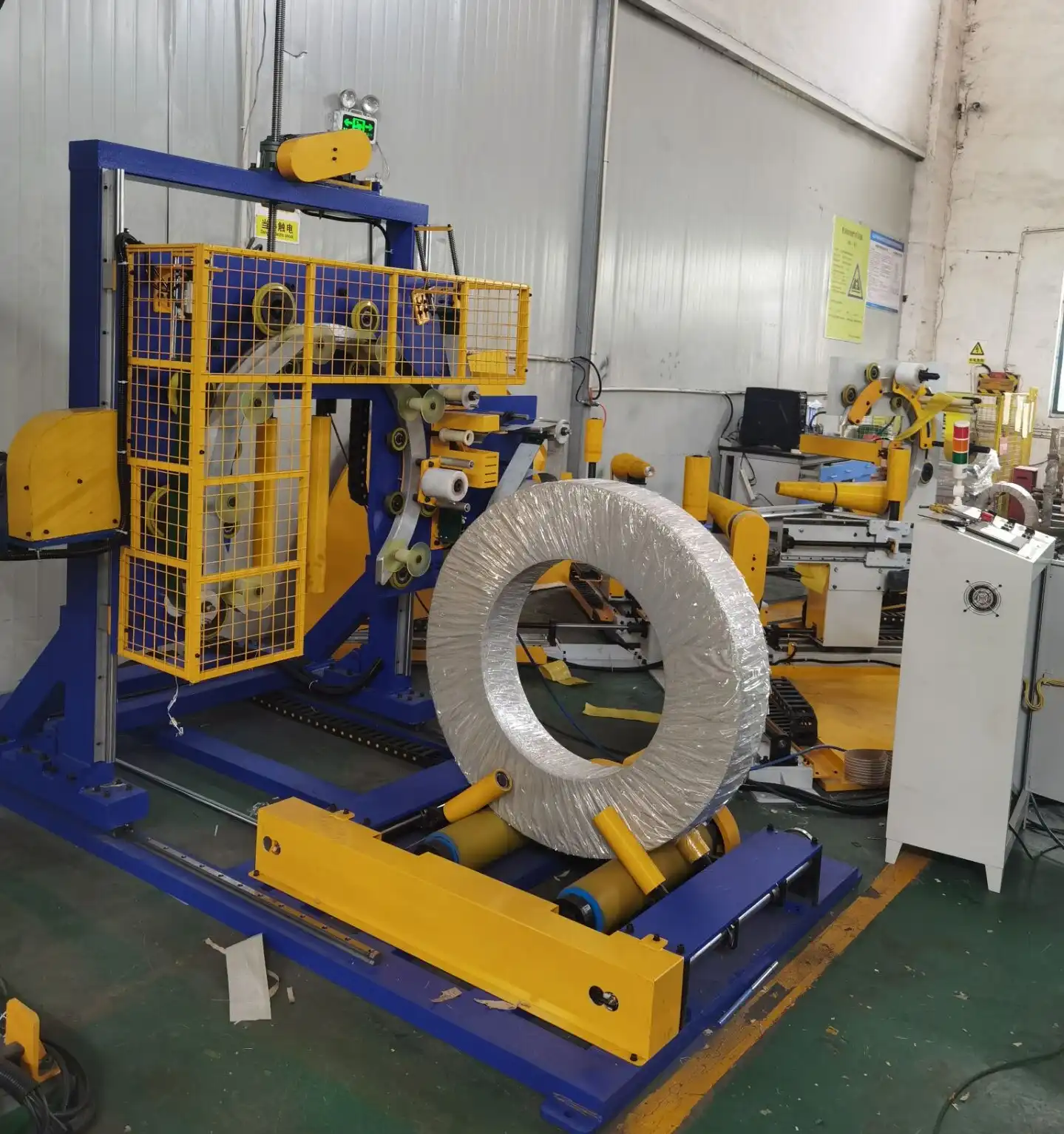
If you’re considering upgrading your packing operations, this article will guide you through the most important developments and help you make informed decisions about which technologies fit your specific needs.
1. How is automation transforming wire coil packing operations?
Many factories struggle with slow manual packing processes. Workers get tired, consistency varies, and production bottlenecks form at the packing station. These issues directly impact your bottom line through delayed shipments and higher labor costs.
Automated coil packing systems eliminate human variability by using robotic arms, conveyor integration, and programmable logic controllers to handle the entire packing process without constant operator intervention. These systems can work continuously through shift changes, maintain perfect tension control on every coil, and automatically adjust wrapping patterns based on pre-set parameters. The result is consistent quality and significantly higher throughput rates. 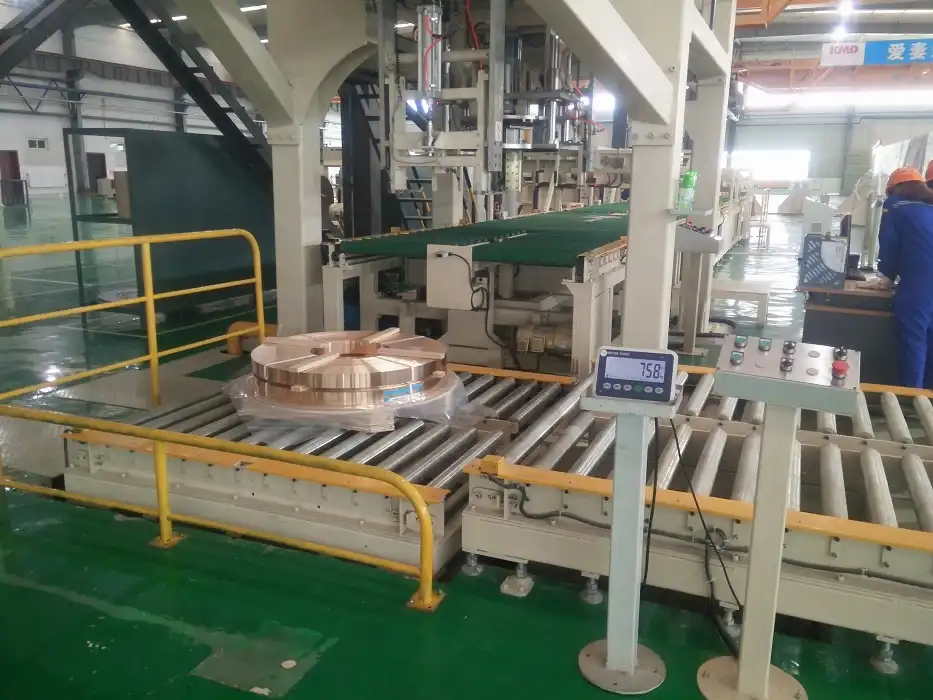
🤖 Key Automation Technologies Changing the Game
Robotic Integration
- Robotic palletizers automatically stack packed coils
- Automated guided vehicles (AGVs) transport materials between stations
- Robotic arms handle coil positioning and orientation changes
Sensor Technology
- Laser measurement systems detect coil dimensions automatically
- Weight sensors verify package specifications
- Vision systems inspect wrapping quality in real-time
Control Systems
- PLC controllers manage entire packing sequences
- HMI interfaces allow easy parameter adjustments
- Remote monitoring capabilities enable off-site supervision
📊 Comparing Manual vs. Automated Packing
| Aspect | Manual Packing | Automated Packing |
|---|---|---|
| Speed | 2-4 coils/hour | 8-12 coils/hour |
| Consistency | Variable tension and overlap | Perfect repetition every time |
| Labor Required | 2-3 operators per shift | 0.5 operators per shift |
| Injury Risk | High (heavy lifting) | Minimal (guarded systems) |
| Data Collection | Manual recording | Automatic digital logs |
From my factory experience, I’ve seen companies reduce their packing labor costs by 70% while doubling their output after implementing automated systems. The initial investment pays back quickly through reduced operational expenses and fewer quality rejections. (automated wire coil packing systems, robotic coil packaging solutions)
2. What role will AI play in smart packing solutions?
Traditional packing machines follow fixed programs. They can’t adapt to unexpected situations or optimize themselves over time. This limitation means machines may continue running inefficiently until operators notice and manually adjust parameters.
Artificial intelligence enables packing machines to learn from experience, predict maintenance needs, and self-optimize wrapping parameters based on real-time conditions and historical data patterns. AI algorithms analyze vibration signatures to detect developing mechanical issues weeks before failure. Machine vision systems identify subtle quality variations invisible to human eyes. These capabilities transform packing equipment from dumb tools into intelligent partners. 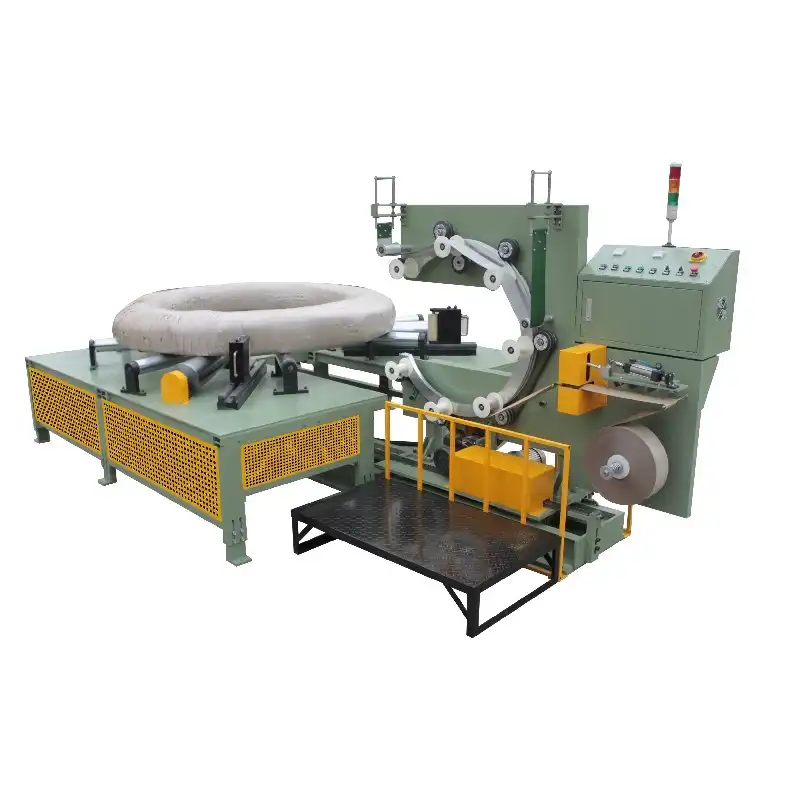
🧠 AI Applications in Modern Packing Systems
Predictive Maintenance
AI monitors motor current draw, bearing vibrations, and temperature patterns to identify components approaching failure. The system can schedule maintenance during planned downtime and order replacement parts automatically. This prevents unexpected breakdowns that cost thousands in lost production.
Quality Optimization
Machine learning algorithms analyze successful wraps versus rejected ones. The system gradually identifies the ideal tension settings, overlap percentages, and rotation speeds for different coil types and materials. At Fengding, their AI-powered systems have achieved 30% reduction in material waste through continuous parameter optimization.
Adaptive Control
Smart systems adjust to environmental factors like temperature and humidity that affect material behavior. If a particular batch of steel has different flexibility characteristics, the AI detects this through sensor feedback and modifies wrapping parameters accordingly without operator intervention.
💡 Implementation Considerations
- Start with AI-powered analytics before full automation
- Ensure your team has basic data literacy skills
- Choose systems with user-friendly interfaces
- Look for suppliers offering ongoing AI model updates
The transition to AI-enhanced packing requires cultural changes alongside technological ones. Workers need training to trust and effectively collaborate with intelligent systems. However, the productivity gains and quality improvements make this investment worthwhile for forward-thinking manufacturers. (AI-powered coil packing machines, intelligent wire packaging systems)
3. How do IoT and connectivity enhance packing machine performance?
Isolated machines operating without data connections represent missed opportunities. Without connectivity, you cannot monitor performance remotely, analyze trends across multiple machines, or receive automatic alerts when attention is needed.
IoT connectivity transforms packing machines into data-generating assets that provide real-time operational visibility, enable remote troubleshooting, and facilitate performance benchmarking across multiple factory locations. Connected machines automatically report production counts, material usage, energy consumption, and quality metrics to centralized dashboards. This data-driven approach eliminates guesswork from operational decisions. 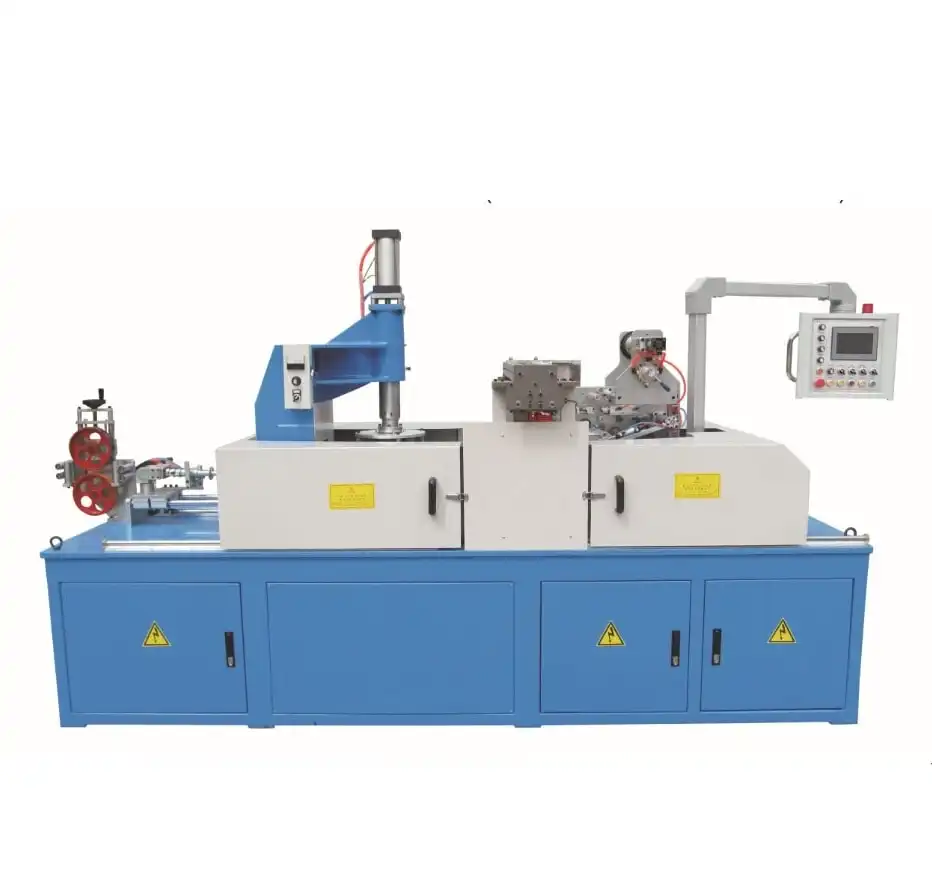
🌐 IoT Implementation Framework
Data Collection Layer
- Vibration sensors detect mechanical abnormalities
- Power monitors track energy efficiency
- Production counters measure output in real-time
- Quality sensors identify defects immediately
Connectivity Layer
- Industrial Ethernet for factory-floor communication
- 4G/5G modules for remote locations
- Cloud gateways for data aggregation
- Secure VPN tunnels for remote access
Application Layer
- Real-time performance dashboards
- Automated report generation
- Alert systems for threshold breaches
- Predictive analytics platforms
📈 Measurable Benefits of Connected Packing
Operational Visibility
👉 See exactly how many coils each machine packs per shift
👉 Identify which operators achieve best results
👉 Track material usage against theoretical requirements
👉 Monitor machine utilization rates across facilities
Maintenance Optimization
🔧 Receive early warnings about developing issues
🔧 Access machine error logs remotely
🔧 Review performance history before dispatching technicians
🔧 Implement condition-based maintenance schedules
Business Intelligence
📊 Compare performance across multiple factories
📊 Analyze the impact of different raw materials on packing efficiency
📊 Calculate true cost per packed coil including energy and consumables
📊 Generate automatic reports for management review
Companies like Wuxi Buhui have demonstrated 25% improvement in overall equipment effectiveness (OEE) within six months of implementing comprehensive IoT monitoring across their packing operations. The data revealed previously hidden inefficiencies and enabled targeted improvements. (IoT-enabled packing machines, connected coil packaging systems)
4. What safety innovations are emerging in coil packing equipment?
Traditional packing lines present multiple hazards including heavy lifting, rotating machinery, and repetitive motion injuries. These safety concerns not only risk worker wellbeing but also result in insurance premium increases, regulatory penalties, and operational disruptions when incidents occur.
Next-generation packing machines incorporate comprehensive safety systems including light curtains, pressure-sensitive mats, emergency stop circuits, and advanced ergonomic designs that proactively prevent accidents rather than merely reacting to them. Modern standards require risk assessment during design phase and implementation of hierarchical protective measures. These innovations make packing operations safer while maintaining high productivity levels.
🛡️ Multi-Layer Safety Architecture
Engineering Controls
- Fixed guards prevent access to dangerous areas
- Interlocked doors halt operation when opened
- Two-hand controls ensure operators’ hands are safely positioned
- Speed monitoring detects dangerous overspeed conditions
Administrative Measures
- Clear standard operating procedures (SOPs)
- Comprehensive operator training programs
- Regular safety audits and inspections
- Lockout/tagout procedures for maintenance
Personal Protection
- Required personal protective equipment (PPE)
- Ergonomic workstations reducing strain
- Anti-fatigue matting for standing positions
- Proper lighting for visual tasks
⚠️ Addressing Specific Packing Hazards
Heavy Load Handling
Automated coil positioners eliminate manual lifting of heavy materials. Vacuum lifters and manipulator arms allow precise coil placement without strain injuries. These systems pay for themselves through reduced workers’ compensation claims alone.
Pinch Point Protection
Light curtain systems create invisible barriers that stop machinery immediately when breached. Pressure-sensitive floor mats detect presence in dangerous zones. These measures prevent crushing injuries during coil rotation and wrapping operations.
Noise Reduction
Acoustic enclosures and vibration damping materials lower noise levels below 80 dB, protecting operators’ hearing during extended shifts. Quieter operations also improve communication and reduce stress.
Ergonomic Design
Adjustable control panels accommodate operators of different heights. Anti-fatigue flooring reduces leg and back strain. Well-designed human-machine interfaces minimize cognitive load and decision fatigue.
The most advanced safety feature is mindset – choosing suppliers who prioritize safety equally with performance. At FHOPEPACK, we won’t compromise safety for speed, and this philosophy has helped our clients achieve perfect safety records while increasing output. (safe coil packing equipment, ergonomic wire packaging machines)
Conclusion
Smart automation, AI optimization, IoT connectivity, and advanced safety will define the next generation of wire coil packing systems. Forward-thinking manufacturers should partner with experienced suppliers who understand these technologies’ practical implementation. Investing in the right steel coil packing line today will ensure competitiveness tomorrow.


