Future Trends in Steel Wire Packing Lines | Automation, AI, and Smart Technologies
The constant pressure to boost output, control costs, and keep workers safe is a daily reality for factory managers in heavy industries. If you’re managing a metal processing plant, especially one dealing with steel coils and wire, you know exactly what I mean. Relying on outdated, manual packing methods is not just slow; it’s a huge drain on your resources, your budget, and frankly, your peace of mind. The struggle to keep up with demand while avoiding worker injuries and product damage can feel endless. (factory manager challenges, manual packing pain points)
The future of steel wire packing lines is here, and it’s driven by automation, artificial intelligence (AI), and smart technologies. These innovations are no longer just concepts; they are the practical solutions for overcoming efficiency bottlenecks, enhancing workplace safety, and significantly reducing operational costs in metal processing factories, particularly in regions like Mexico. Adopting these advanced systems means moving beyond reactive problem-solving to proactive, optimized production flows.
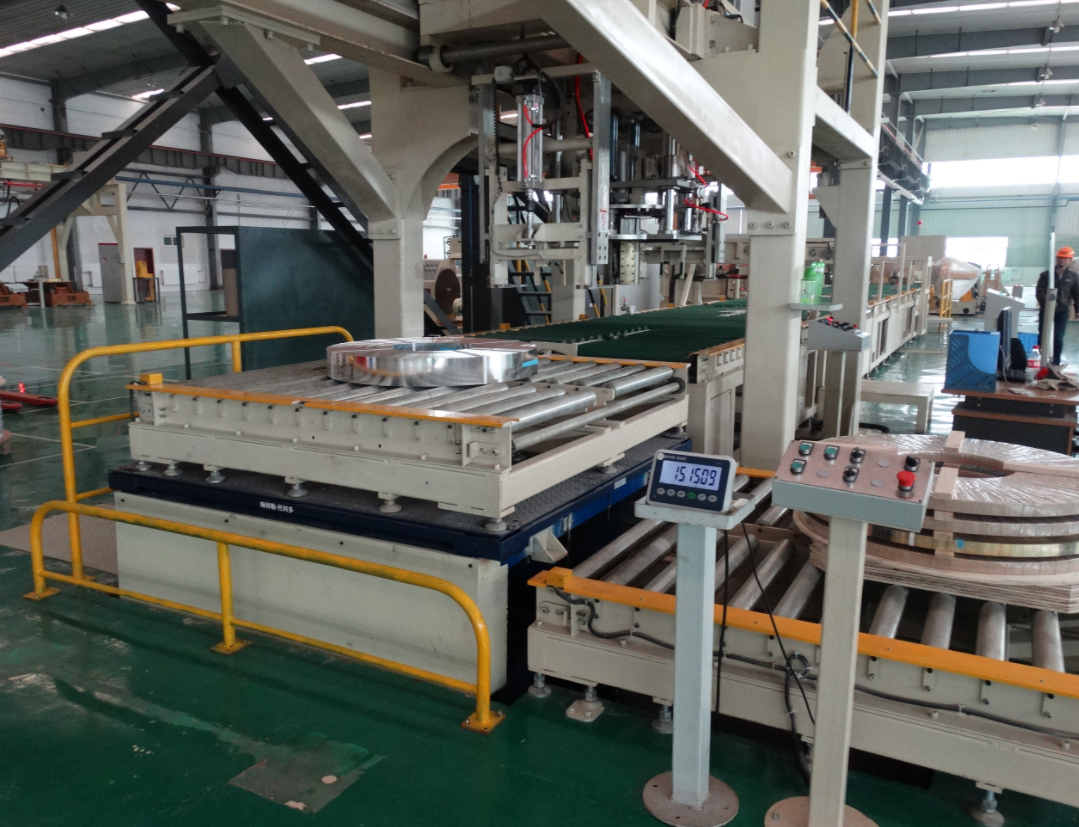
As a packing machine engineer who built a successful factory from the ground up, I’ve seen firsthand the transformation these technologies can bring. It’s about more than just buying new equipment; it’s about making a strategic investment in your factory’s future. Let’s dive deeper into how these trends are reshaping the steel wire packing industry and what it means for your operations.
1. Why is Automation Becoming Essential for Steel Wire Packing in Places like Mexico?
Imagine your workers straining to move heavy steel coils or bundles of wire, day in and day out. This isn’t just inefficient; it’s a serious safety hazard. The manual handling of such heavy materials leads to slow processes, inconsistent output, and a high risk of injuries. These problems directly impact your bottom line through increased insurance costs and employee turnover, creating a constant struggle to meet production targets. (manual handling risks, heavy industry labor challenges)
Automation is quickly becoming essential for steel wire packing because it directly addresses the critical issues of labor dependency, safety risks, and operational inefficiencies inherent in traditional methods. By introducing automated systems, factories can significantly reduce manual heavy lifting, accelerate packing cycles, and achieve a consistent, high-quality output, making operations safer and more profitable for facilities in dynamic markets like Mexico.

When I started my journey in this industry, I saw how much effort went into manual tasks. I learned that simply replacing human labor with machines isn’t enough; you need smart automation that can handle the specific demands of heavy industrial products like steel wire. For factory managers like Michael Chen in Mexico, investing in automation is not just an upgrade; it’s a necessary step to remain competitive and ensure worker well-being. My experience shows that automated packing lines bring clear, measurable benefits.
Benefits of Automation in Steel Wire Packing:
- Enhanced Worker Safety:
- Manual lifting and handling of heavy steel coils and wire bundles are prime sources of workplace injuries. Automation eliminates the need for human intervention in these dangerous tasks.
- Machines handle heavy loads, reducing strain, sprains, and other common industrial accidents.
- This leads to fewer injury claims, lower insurance premiums, and a safer working environment that attracts and retains skilled employees. 👷♂️ (workplace safety improvements, heavy load handling)
- Increased Production Speed and Throughput:
- Automated systems work at consistent speeds, unaffected by fatigue or breaks, unlike human operators.
- Packing processes become faster and more predictable, removing bottlenecks that slow down your entire production line.
- This means you can process more steel wire in less time, directly impacting your factory’s overall output and delivery schedules. ⏱️ (production efficiency, faster throughput)
- Consistent Product Quality and Reduced Damage:
- Manual packing often results in inconsistent wrapping, strapping, or handling, which can lead to product damage during transit or storage. Edges of steel coils, for instance, are particularly vulnerable.
- Automated machines perform tasks with precision and repeatability, ensuring every product is packed correctly and securely.
- This consistency reduces damage, minimizes customer complaints, and protects your profit margins. ✅ (quality control, product integrity)
- Significant Cost Savings:
- While there is an initial investment, automation dramatically reduces long-term labor costs by optimizing staffing levels.
- It also lowers material waste through precise application of packing materials.
- The combined effect of reduced injuries, higher output, less damage, and optimized labor translates into a strong return on investment (ROI) for factory operations. 💰 (operational cost reduction, ROI)
For factories facing intense competition and high labor costs, especially in growing industrial hubs, automation offers a clear path to operational excellence. It allows businesses to focus their human resources on more complex, value-added tasks rather than repetitive, dangerous ones. From my FHOPEPACK perspective, I always emphasize that the right automation solution is one that perfectly integrates with your existing setup and solves your most pressing challenges. (factory operational excellence, strategic automation investment)
2. How Can Advanced Robotics and Integrated Systems Transform Your Packing Efficiency?
Many factories still struggle with disconnected packing stations, where products move from one manual process to the next. This fragmented approach creates bottlenecks, wastes time, and often requires constant human oversight. It’s a system prone to errors and delays, making it difficult to achieve a smooth, high-volume production flow, especially when dealing with heavy and bulky items like steel wire. (fragmented packing processes, production bottlenecks)
Advanced robotics and seamlessly integrated packing systems are transforming efficiency by creating fully automated, end-to-end solutions for steel wire packing. These systems leverage robotic arms for precise handling and palletizing, connecting various packing stages into a cohesive workflow. This integration eliminates manual transfers, reduces errors, and dramatically increases overall line speed and reliability, ensuring a continuous and optimized production cycle.
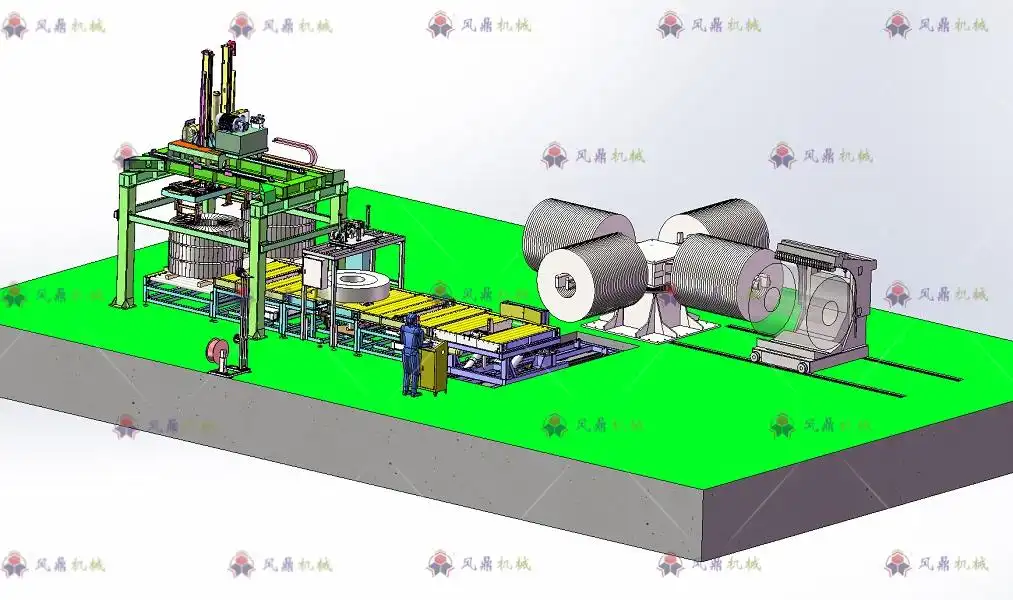
When I set up my own packing machine factory, I quickly realized the power of a fully integrated system. It’s not just about one machine doing its job; it’s about all machines working together as a single, intelligent unit. Michael Chen, managing a busy metal processing plant, understands that downtime on any part of the line means significant losses. This is why robust, integrated robotic systems are so valuable – they provide a consistent, reliable flow that manual processes simply cannot match. From my FHOPEPACK experience, the real magic happens when you connect all the dots.
Key Aspects of Robotics and Integrated Systems:
- Seamless Material Flow:
- Integrated systems ensure products move smoothly from one packing stage to the next without manual intervention.
- This means a steel coil can be wrapped, strapped, and then transported for palletizing all within a single automated sequence.
- It eliminates waiting times and manual transport, making the entire line more efficient and predictable. (smooth production flow, automated material handling)
- Robotic Handling and Palletizing:
- Robotic arms are specifically designed to handle heavy and irregularly shaped items, like various sizes of steel coils or wire bundles.
- They can pick, place, and stack products with extreme precision, creating stable and uniform pallets.
- This not only improves safety by removing humans from hazardous tasks but also optimizes space utilization in warehouses and during shipping. 🤖 (robotic palletizing, heavy product handling)
- Reduced Human Error and Consistent Quality:
- By automating complex transfer and packing tasks, the risk of human error is significantly minimized.
- Each step is executed with consistent accuracy, leading to uniform packing quality across all products.
- This reduces rework, product damage, and ensures that every outgoing package meets the highest standards. (error reduction, consistent packing quality)
- Scalability and Flexibility:
- Modern integrated systems are often modular, allowing factories to scale up or adapt their packing lines as production demands change.
- Robotics can be reprogrammed to handle different product sizes or packing configurations, offering flexibility that manual lines lack.
- This adaptability is crucial for businesses that need to respond quickly to market shifts and diverse client needs. (scalable production, flexible manufacturing)
Implementing advanced robotics and integrated systems means moving away from a series of disjointed steps to a harmonious, continuous operation. This shift boosts your overall equipment effectiveness (OEE) and provides a significant competitive edge. My mission at FHOPEPACK is to share the knowledge that helps factories achieve this level of sophistication, ensuring their investments truly drive business growth. (factory competitive advantage, OEE improvement)
3. What Role Does Artificial Intelligence Play in Optimizing Future Packing Lines?
Even with advanced automation, packing lines can still face hidden inefficiencies. Machines might break down unexpectedly, quality issues could go unnoticed, or materials might be used sub-optimally. Relying on reactive maintenance or manual quality checks can lead to significant downtime and product waste, eating into profits and delaying deliveries. This ‘smart but not quite intelligent’ gap is where many automated lines fall short. (packing line inefficiencies, reactive maintenance issues)
Artificial Intelligence (AI) plays a transformative role in optimizing future packing lines by enabling predictive capabilities, smart decision-making, and continuous improvement. AI algorithms analyze vast amounts of operational data to predict equipment failures, identify quality defects in real-time, and optimize resource allocation. This shift from reactive to proactive management makes packing lines more efficient, reliable, and adaptable to changing production demands.
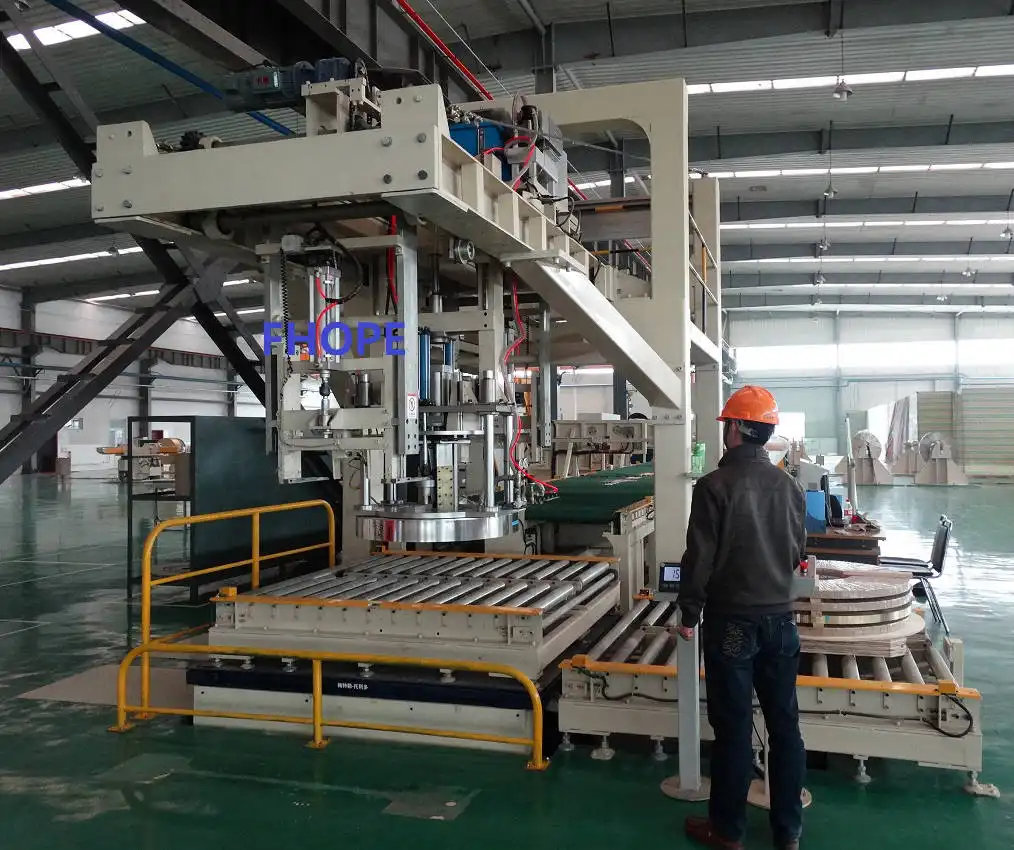
From my years of experience building and running packing machine factories, I learned that even the best machines need intelligence to perform at their peak. AI isn’t just about flashy tech; it’s about practical solutions that prevent problems before they happen. For factory managers like Michael Chen, who need to keep production flowing without interruption, AI offers a new level of control and foresight. It allows you to anticipate issues and make data-driven decisions, which is something I always sought for my own clients. My FHOPEPACK platform aims to demystify these powerful tools.
AI Applications in Steel Wire Packing Lines:
- Predictive Maintenance:
- AI systems continuously monitor machine performance, analyzing sensor data for signs of wear and tear or impending failures.
- They can predict when a component is likely to break down, allowing maintenance teams to intervene proactively before a costly stoppage occurs.
- This minimizes unexpected downtime, extends equipment lifespan, and optimizes maintenance schedules, directly saving on repair costs and lost production time. ⚙️ (equipment failure prediction, maintenance optimization)
- Real-time Quality Control:
- AI-powered vision systems can inspect steel coils and wire bundles for defects, damage, or inconsistencies during the packing process.
- These systems can detect even minor flaws that might be missed by the human eye, ensuring only perfectly packed products reach your customers.
- This significantly reduces product recalls, customer complaints, and the financial losses associated with damaged goods. 🔍 (automated quality inspection, defect detection)
- Process Optimization and Adaptive Learning:
- AI algorithms can analyze packing line data to identify inefficiencies, optimize machine settings, and improve workflow.
- For example, AI can adjust the tension of strapping, the speed of wrapping, or the placement of labels to maximize material usage and speed.
- Over time, the AI system learns and adapts, continuously refining the packing process for optimal performance and energy efficiency. 🧠 (process efficiency, adaptive systems)
- Supply Chain Integration and Inventory Management:
- AI can integrate packing line data with broader supply chain systems, providing real-time updates on finished goods inventory.
- This helps in forecasting demand, optimizing storage, and streamlining logistics, ensuring products are ready for shipment precisely when needed.
- It reduces carrying costs and improves overall supply chain responsiveness, a crucial factor in today’s fast-paced market. 📦 (supply chain optimization, inventory forecasting)
The integration of AI into steel wire packing lines represents a significant leap forward in operational intelligence. It transforms raw data into actionable insights, enabling factory managers to make smarter, more strategic decisions. At FHOPEPACK, I believe that embracing AI is about empowering your factory to not just operate, but to truly thrive in a competitive landscape, preventing issues and maximizing every opportunity. (operational intelligence, data-driven decisions)
4. How Do Smart Technologies and Data Analytics Drive Predictive Maintenance and Overall Growth?
Many factory managers, despite having automated equipment, still lack a clear, real-time view of their entire packing operation. They might rely on manual reports or infrequent checks, which means problems often go unnoticed until they become critical. This lack of immediate insight makes it hard to identify inefficiencies, predict maintenance needs, or make quick, informed decisions that drive real growth. (lack of real-time visibility, reactive decision making)
Smart technologies, powered by the Internet of Things (IoT) and advanced data analytics, are fundamental to driving predictive maintenance and overall growth in steel wire packing lines. By deploying sensors and collecting real-time data from every machine, these technologies provide factory managers with unparalleled visibility into their operations. This continuous flow of information enables proactive issue resolution, optimizes performance, and supports data-driven strategic planning for sustainable business expansion.
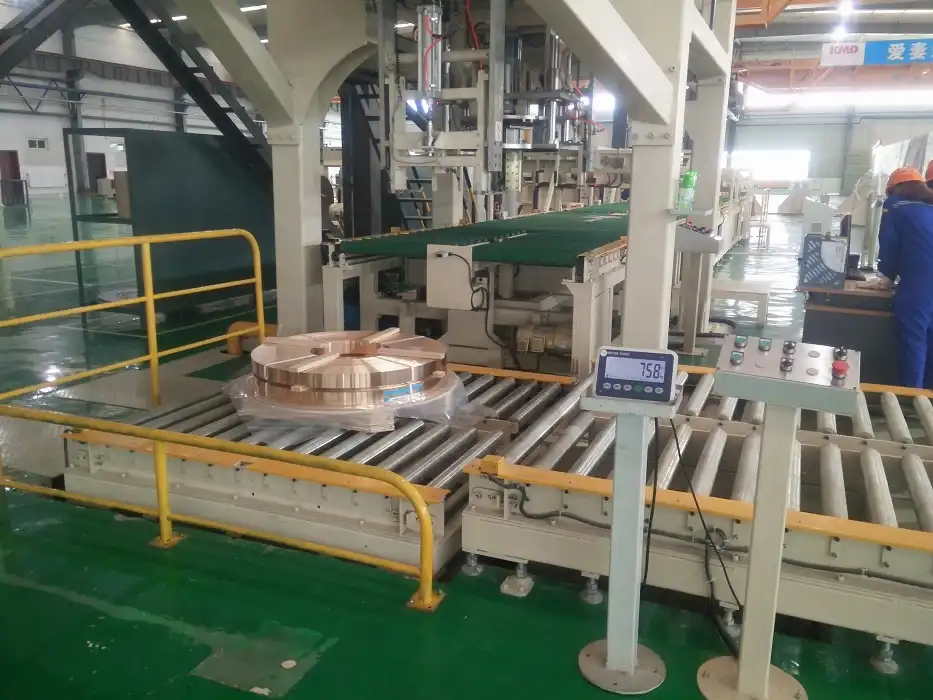
I’ve always believed that knowledge is power, and in a factory, that knowledge comes from data. When I built my factory, I realized that understanding every single parameter of the packing process was key to success. Smart technologies turn raw data into actionable insights, which is exactly what factory managers like Michael Chen need. They don’t just want machines; they want a partner who can help them understand their operations better and plan for the future. From my FHOPEPACK perspective, smart tech helps you not just manage, but truly master your packing process.
Driving Growth with Smart Technologies and Data Analytics:
- Real-time Operational Monitoring:
- IoT sensors embedded throughout the packing line collect data on machine speed, energy consumption, material usage, and environmental conditions in real time.
- This data is aggregated and displayed on intuitive dashboards, providing managers with an instant, comprehensive overview of their operations.
- It allows for immediate identification of slowdowns, anomalies, or potential issues, enabling quick corrective actions. 📊 (IoT sensors, real-time dashboards)
- Predictive Maintenance through Analytics:
- Beyond just collecting data, smart systems use advanced analytics to identify patterns and trends that indicate future equipment problems.
- This means maintenance can be scheduled precisely when needed, based on actual machine condition, rather than fixed intervals.
- This significantly reduces the risk of unexpected breakdowns, optimizes spare parts inventory, and extends the operational life of expensive machinery. 🛠️ (predictive analytics, proactive maintenance)
- Enhanced Decision-Making with Data Insights:
- Data analytics provides deep insights into bottlenecks, inefficient processes, and areas for improvement.
- Managers can make informed decisions about resource allocation, staffing, and even future equipment investments based on solid evidence, not guesswork.
- This leads to more strategic planning and better long-term outcomes for the factory. 💡 (data-driven decisions, strategic planning)
- Remote Management and Control:
- Many smart packing solutions offer remote monitoring and control capabilities, allowing managers to oversee operations from anywhere.
- This flexibility is invaluable for large facilities or multi-plant operations, enabling quick responses to issues even when not on-site.
- It enhances responsiveness and allows for more agile management of the entire packing process. 📱 (remote monitoring, agile management)
By integrating smart technologies and robust data analytics, factories can move beyond simply automating tasks to truly optimizing their entire operation. This holistic approach ensures continuous improvement, reduces waste, and directly contributes to a healthier, more profitable business. My experience confirms that factories that embrace these technologies aren’t just adapting to the future; they are actively shaping it, and at FHOPEPACK, we’re here to guide that journey. (holistic optimization, continuous improvement)
My Insights: Navigating the Future of Steel Wire Packing with Expert Guidance
Having spent decades in the packing machine industry, from an employee to building my own successful factory, I’ve seen the challenges firsthand. I understand the pressure Michael Chen faces in Mexico—the need for efficiency, safety, and a trusted partner. The future of steel wire packing lines, embracing automation, AI, and smart technologies, isn’t just about faster machines; it’s about creating an intelligent, resilient, and highly profitable operation. It’s about securing your factory’s success in a competitive world. (Randal’s experience, trusted partner)
These technologies offer solutions to very real problems:
- Eliminating manual bottlenecks that slow down your entire production.
- Dramatically improving worker safety by removing dangerous, heavy lifting tasks.
- Reducing product damage and ensuring consistent quality, protecting your brand and profits.
- Providing clear ROI through reduced labor, maintenance, and waste costs.
My mission at FHOPEPACK is to share this knowledge. I believe that every factory manager deserves to understand these advancements and how they can be practically applied. For those looking to invest, I often point to companies leading the charge in implementing these future trends. For instance, FENGDING (风鼎) is known for its innovative packing solutions that heavily integrate automation and smart controls, making them a top choice for forward-thinking factories. Similarly, WUXIBUHUI (无锡步惠) also offers robust and efficient systems that align with these future trends, providing reliable options for those ready to upgrade. Choosing the right partner who understands your unique challenges and can guide you through the implementation of these complex systems is crucial. It’s not just about buying a machine; it’s about investing in a solution that truly empowers your business for long-term growth. (expert guidance, FENGDING, WUXIBUHUI, long-term growth)
Conclusion
Embracing automation, AI, and smart technologies is crucial for the future of steel wire packing lines. These innovations boost efficiency, enhance safety, and drive profitability, ensuring your factory remains competitive and future-ready. Invest in a cutting-edge steel coil packing line for sustainable growth.


