Future Trends in Steel Coil Packing Machines: Automation and Smart Technologies?
Are your steel coil packaging lines struggling with slow manual processes, constant safety risks, and unexpected product damage? Many factory managers, like Michael Chen in Mexico, grapple with these very real challenges daily. The traditional ways of packing heavy steel coils simply cannot keep up with today’s demand for speed, precision, and worker safety. This is why the future of steel coil packing isn’t just about machines; it’s about smart, automated solutions that transform your entire operation.
The future of steel coil packing machines is undeniably centered on advanced automation and intelligent technologies, driven by the urgent need for increased efficiency, enhanced safety, and significant cost savings across heavy industries. These trends integrate sophisticated robotics, AI-powered systems, and real-time data analytics to streamline operations, minimize human intervention, and ensure higher quality product delivery.

As someone who has spent decades building packing machine factories and helping clients like you overcome their operational hurdles, I’ve seen firsthand how quickly technology evolves. Let’s dive deeper into these transformative trends and discover how they can empower your factory to master packing machine challenges.
1. Why is Automation Crucial for Modern Steel Coil Packing Operations?
Manual steel coil packing is a bottleneck many factories face. It slows down your entire production line, creates inconsistent results, and puts your workers at risk. I recall countless times seeing factories in the metal processing industry struggle with these exact issues, hindering their overall output and increasing operational costs. The answer lies in embracing automation, a game-changer that addresses these critical challenges head-on.
Automation is crucial for modern steel coil packing operations because it directly solves issues of efficiency, safety, and product consistency. By automating repetitive and heavy-lifting tasks, factories can achieve higher throughput, significantly reduce labor costs, and protect workers from common industrial accidents, transforming the end-of-line process.
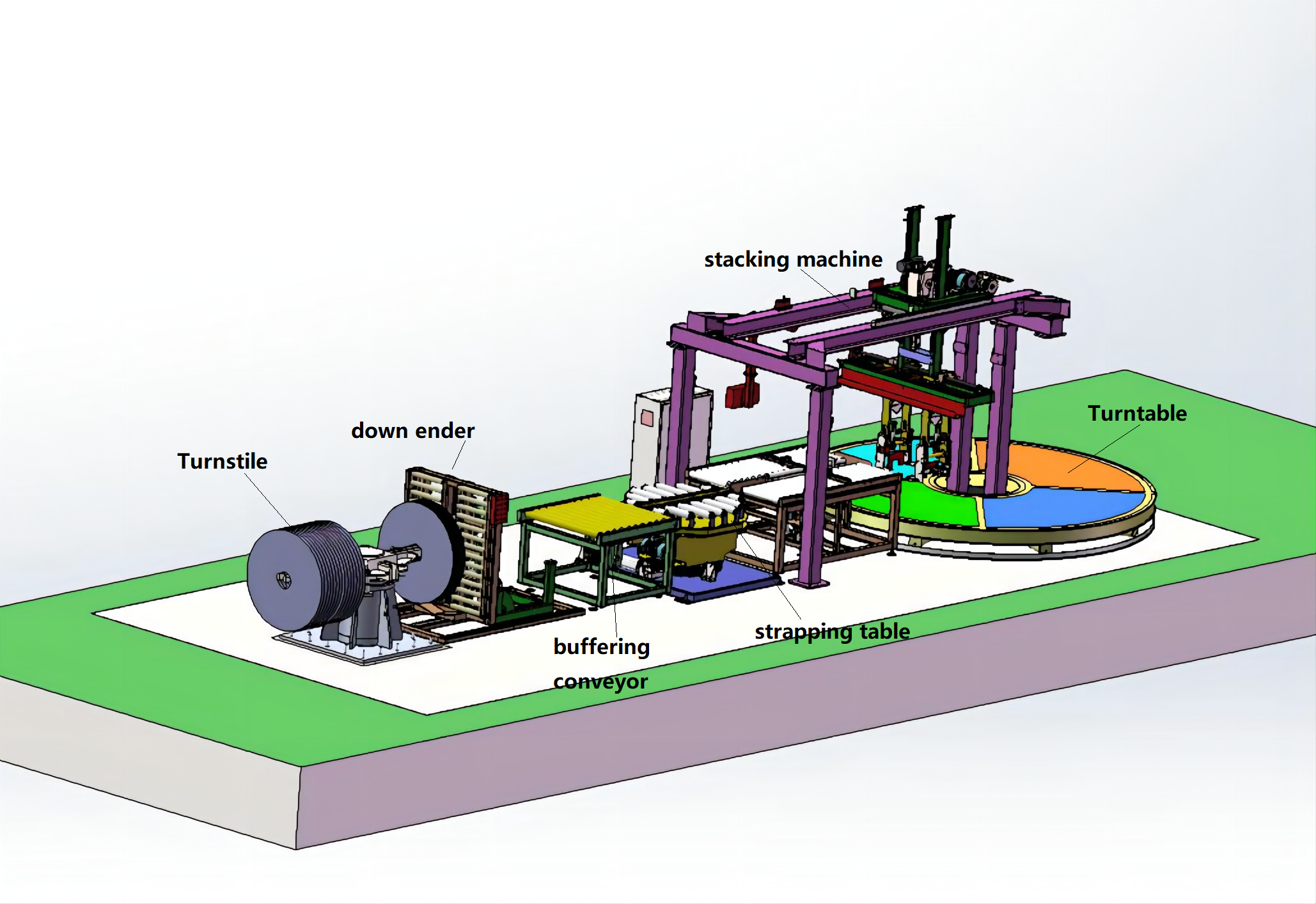
From my experience running a packing machine factory, I’ve learned that simply having a machine isn’t enough. It needs to solve real problems. Automation in steel coil packing is not a luxury; it’s a necessity for any plant aiming for sustainable growth. Think about the daily pressures faced by someone like Michael Chen, managing a large metal processing facility. He needs to boost output, control costs, and maintain safety standards. Manual handling of heavy steel coils presents a clear obstacle to all these goals.
The Clear Advantages of Automated Coil Packing
Automated systems, like those we design at FHOPEPACK, tackle these problems by performing tasks with precision and speed that human operators simply cannot match. This means faster packaging cycles, which directly translates to a smoother flow in your production line and quicker delivery times for your clients.
- Increased Throughput: Machines work continuously without fatigue, drastically increasing the number of coils processed per hour or shift. This directly improves your factory’s overall output capacity. (high volume packaging)
- Reduced Labor Costs: Less reliance on manual labor means lower wages, benefits, and training expenses. It also frees up your skilled workers for more complex, value-added tasks. (operational cost efficiency)
- Enhanced Workplace Safety: This is a huge one. Automated systems handle the heavy, awkward, and often dangerous lifting and wrapping. This dramatically reduces the risk of back injuries, crush injuries, and other accidents, leading to fewer worker compensation claims and a safer environment for everyone. (industrial safety solutions)
- Consistent Package Quality: Automated machines apply wrapping materials with uniform tension and coverage, ensuring that every steel coil is packed to the same high standard. This minimizes damage during transit and storage, protecting your product’s integrity and reducing customer complaints. (product damage prevention)
When you invest in automated steel coil packing, you are not just buying a machine. You are investing in a comprehensive solution that improves your factory’s efficiency, protects your team, and ultimately, boosts your bottom line. It’s about building a robust, reliable system that supports your business growth, much like I helped many of my clients achieve financial independence through optimized packing solutions. These benefits are critical for any factory manager looking to maintain a competitive edge in the global market. (factory automation benefits)
2. How Do Smart Technologies Revolutionize Steel Coil Packing?
Beyond basic automation, many manufacturers still struggle with reactive maintenance, unexpected downtime, and a lack of real-time insights into their packing operations. This often leads to hidden costs and inefficient decision-making. I’ve seen factories spend fortunes on emergency repairs because they lacked foresight into machine health. This is where smart technologies step in, offering predictive capabilities and unparalleled operational control that transform how steel coils are packed.
Smart technologies revolutionize steel coil packing by integrating advanced sensors, AI, and data analytics to enable predictive maintenance, real-time monitoring, and adaptive control. These innovations optimize machine performance, reduce downtime, enhance product quality, and provide valuable operational insights, leading to more efficient and responsive packing lines.
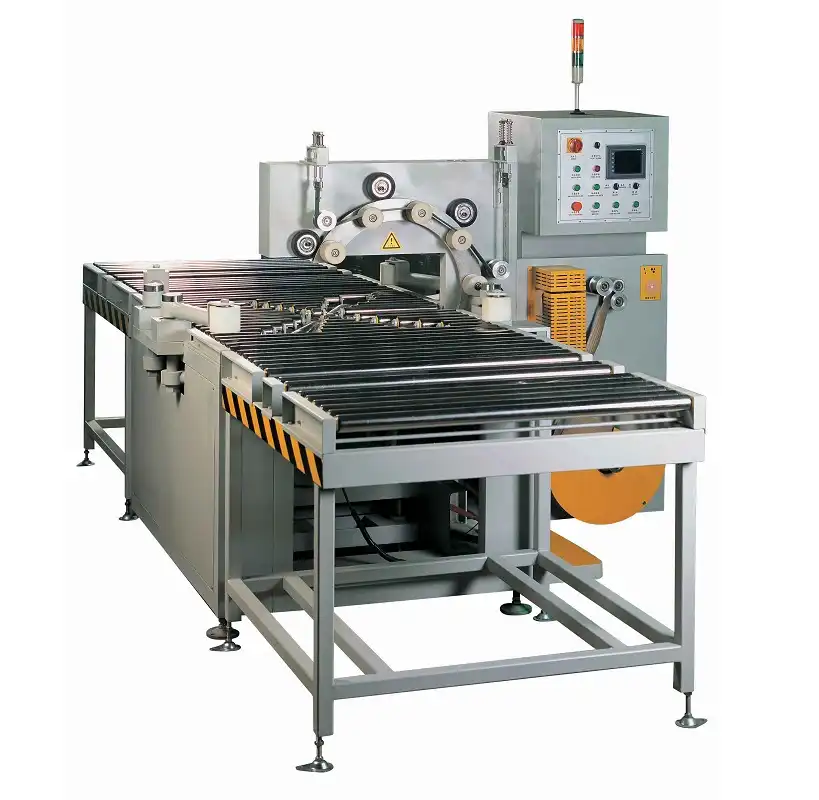
For someone like Michael Chen, who values equipment reliability and is looking for a knowledgeable partner, understanding smart technologies is key. It’s not just about getting a machine; it’s about getting a system that truly understands and adapts to your operational needs. The introduction of smart elements into steel coil packing machines moves us beyond simple automation into an era of intelligent manufacturing.
Key Smart Technologies in Packing Machines
These technologies leverage data to make your machines smarter and your operations more transparent.
| Smart Technology | Impact on Packing Operations | Benefit for Factory Managers (e.g., Michael Chen) |
|---|---|---|
| IoT Sensors | Collects real-time data on machine performance, temperature, vibrations, material usage. | Enables proactive problem-solving, reduced downtime. (real-time monitoring) |
| Predictive Maintenance | Uses AI algorithms to analyze sensor data and predict potential equipment failures before they happen. | Prevents costly breakdowns, optimizes maintenance schedules, extends machine lifespan. (preventive maintenance) |
| AI & Machine Learning | Optimizes packing parameters (tension, speed, wrap layers) based on coil type, size, and material. Learns from past performance. | Ensures consistent, high-quality packing, reduces material waste, maximizes efficiency. (intelligent optimization) |
| Remote Monitoring & Control | Allows operators or engineers to monitor and adjust machine settings from a centralized control room or even off-site. | Improves response times, facilitates troubleshooting, enhances operational flexibility. (remote operations) |
Imagine a packing machine that tells you it needs a specific part replaced before it breaks down. This foresight saves countless hours of lost production and prevents costly emergency repairs. At FHOPEPACK, we focus on incorporating these smart features because we understand that every minute of uptime is crucial for a factory’s profitability. These systems not only enhance efficiency but also provide valuable data for continuous improvement. This level of intelligence ensures that your investment continues to deliver returns, helping you achieve your goals of cost reduction and increased profitability. It’s about making your packing line a true asset, not just a piece of equipment. (smart factory solutions)
3. What Safety Innovations Are Redefining Steel Coil Packaging?
Are you constantly worried about worker safety on your packing lines, especially when dealing with heavy and cumbersome steel coils? The risk of accidents, injuries, and the subsequent rise in insurance costs and employee turnover is a huge burden for many factory managers. This was a concern I often heard from clients in the heavy manufacturing sector. Fortunately, cutting-edge safety innovations are transforming steel coil packaging, offering robust solutions that prioritize worker well-being without sacrificing efficiency.
Safety innovations are redefining steel coil packaging by integrating advanced technologies like robotic handling, intelligent sensors, and ergonomic design principles to drastically minimize human interaction with heavy loads. These solutions reduce the risk of industrial accidents, enhance worker protection, and create a safer, more compliant working environment for everyone involved in the packing process.
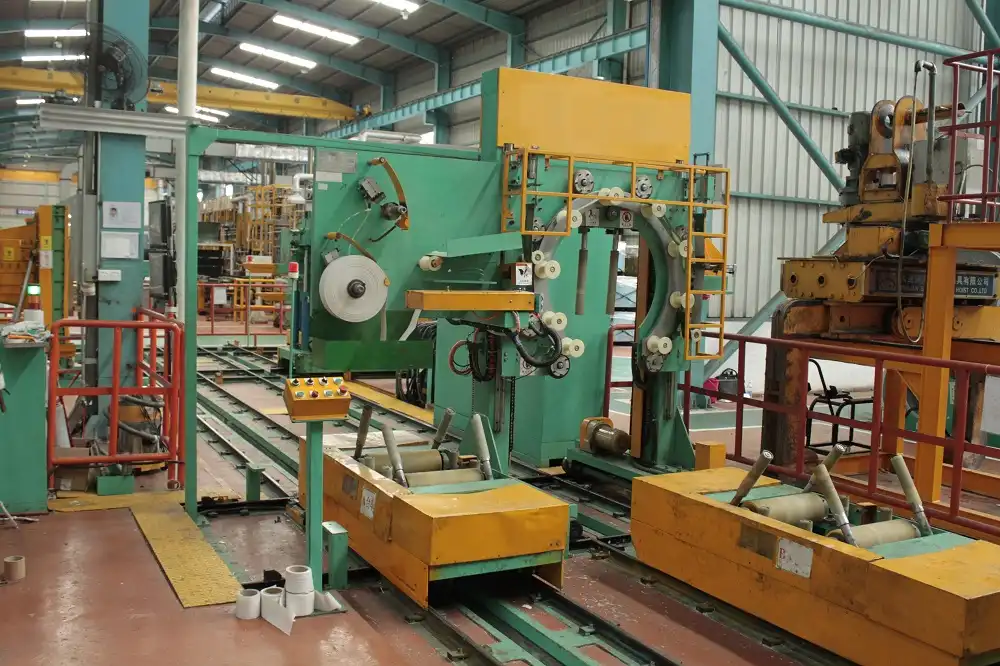
Safety is paramount. From my years of experience, I know that a serious workplace injury is not only devastating for the individual but also incredibly disruptive and costly for the business. Michael Chen’s concern about high injury risks and insurance costs resonates deeply with what I’ve seen in the industry. Modern steel coil packing machines are now designed with safety as a core principle, moving beyond just compliance to truly proactive protection.
Innovations for a Safer Packing Environment
These advancements directly address the dangers associated with manual handling of heavy steel coils.
- Robotic Handling Systems: 🤖 Robots can safely lift, rotate, and position steel coils far more accurately and consistently than humans. This completely removes workers from the immediate vicinity of dangerous, heavy loads, virtually eliminating crush injuries and strains. This is a game-changer for overall industrial safety. (robotic material handling)
- Advanced Sensor Technology: 🚨 Proximity sensors, light curtains, and pressure mats detect human presence in hazardous zones and automatically stop or slow down machinery. This prevents accidental collisions and ensures that machines operate only when the area is clear. (safety sensors in machinery)
- Ergonomic Design: Even in automated systems, some human interaction is necessary. Machines are now designed with user-friendly interfaces, adjustable heights, and easy-access points for maintenance, reducing repetitive strain injuries for technicians. (ergonomic industrial design)
- Integrated Safety Interlocks: These systems ensure that machine guards are properly closed and that power is disconnected before any maintenance can occur, preventing access to moving parts during operation. (machine safety features)
- Automated Strapping and Wrapping: Manual strapping of steel coils is labor-intensive and risky. Fully automated strapping and wrapping machines perform these tasks quickly and safely, without human intervention in the danger zone. (automatic strapping machines)
When I help a client implement these safety features, it’s not just about meeting regulations. It’s about genuinely caring for their workforce and building a sustainable operation. A safer workplace leads to happier employees, lower turnover, and significant reductions in those burdensome insurance premiums. It also fosters a culture of trust and efficiency, which are invaluable assets for any factory, especially one handling heavy materials like steel coils. These innovations ensure that your factory can operate at peak performance while providing the ultimate protection for your most valuable asset: your people. (workplace safety solutions)
4. How Can Manufacturers Choose the Right Automated Coil Packing System?
Navigating the market for automated packing solutions can feel overwhelming. Many manufacturers have been burned by suppliers who promise much but deliver little in terms of reliable equipment or after-sales support. This creates a trust crisis, making it hard to commit to significant investments. I’ve heard countless stories from factory managers, just like Michael, who were left frustrated with unreliable equipment and absent support. Choosing the right automated coil packing system isn’t just about the machine itself; it’s about partnering with an expert who truly understands your challenges and can deliver a solution with a clear return on investment.
Manufacturers can choose the right automated coil packing system by focusing on a partner’s proven industry expertise, comprehensive after-sales support, customizable solutions tailored to specific operational needs, and a clear demonstration of Return on Investment (ROI). This ensures the chosen system addresses current bottlenecks, integrates seamlessly, and provides long-term value, moving beyond mere machine purchase to a strategic partnership.
Michael Chen’s desire to find a truly knowledgeable partner, someone who understands production bottlenecks and safety concerns, is a sentiment I deeply understand. My journey from an employee to owning a packing machine factory taught me that trust and expertise are the foundation of any successful partnership. When you’re looking to invest in an automated steel coil packing line, you need more than just a vendor; you need a collaborator.
Essential Considerations for Selecting Your Packing Partner
Here are the key aspects I always advise clients to consider:
- Deep Industry Expertise: 🧠 Does the supplier truly understand the nuances of steel coil handling, the specific challenges of your material, and your production environment? Look for a partner with a long track record, like FHOPEPACK, which has spent years mastering packing machine technology. This understanding is critical for tailoring a solution that genuinely works. (packing machine expertise)
- Customization and Scalability: 🛠️ Your factory has unique needs. The chosen system should not be a one-size-fits-all solution but rather adaptable to your specific coil dimensions, weight, wrapping materials, and production volume. Can it be scaled up or integrated into existing lines as your business grows? (customized packing solutions)
- Reliable After-Sales Support: 📞 This is non-negotiable. What happens when a machine breaks down? A good partner offers prompt technical support, readily available spare parts, and skilled technicians. From my experience, the reliability of a machine is only as good as the support behind it. Companies like Fengding and Wuxi Buhui are known for robust solutions and decent after-sales care, but ensure your chosen provider has a strong local presence or remote support capabilities for timely assistance. (after-sales service, equipment reliability)
- Clear ROI and Cost-Benefit Analysis: 💰 Before making a significant investment, demand a clear breakdown of the potential return on investment. How will the automated system reduce labor costs, minimize product damage, increase throughput, and improve safety? A transparent partner will help you quantify these benefits. (investment return, cost reduction strategies)
- Technology Integration: Can the new system integrate with your existing MES or ERP systems? Smart factories thrive on interconnected data, so seamless integration is crucial for maximizing efficiency and insight. (smart factory integration)
Choosing the right partner means less worry about equipment reliability and more focus on your factory’s growth. It’s about securing an investment that pays dividends through enhanced efficiency, safety, and ultimately, greater profitability for your business, just as I’ve helped numerous clients achieve their business goals. (strategic partnership, manufacturing efficiency)
Conclusion
The future of steel coil packing is bright with automation and smart technologies. Embracing these trends transforms operations, boosts safety, and secures profits. Invest wisely in a steel coil packing line for lasting success.


