What Are the Future Trends in Automatic Coil Packing Machines with AI & Smart Automation?
The world of manufacturing is always changing, and if you are like me, or Michael in Mexico, you know how crucial it is to stay ahead. Manual packing methods, with their slow pace and high labor costs, are not just bottlenecks anymore. They are a direct path to lost profits and unhappy clients. We have all seen how a small delay in packing can ripple through the entire production line, making deadlines impossible to meet. (old packing methods, production bottlenecks)
Automatic coil packing machines are not just getting faster; they are becoming smarter, thanks to AI and advanced automation. The future of coil packing involves machines that can learn, adapt, and make decisions, moving beyond simple repetitive tasks to offer predictive maintenance, enhanced safety, and seamless integration into factory-wide systems. This shift is redefining efficiency and operational standards in heavy industries. (AI in coil packing, smart automation benefits)
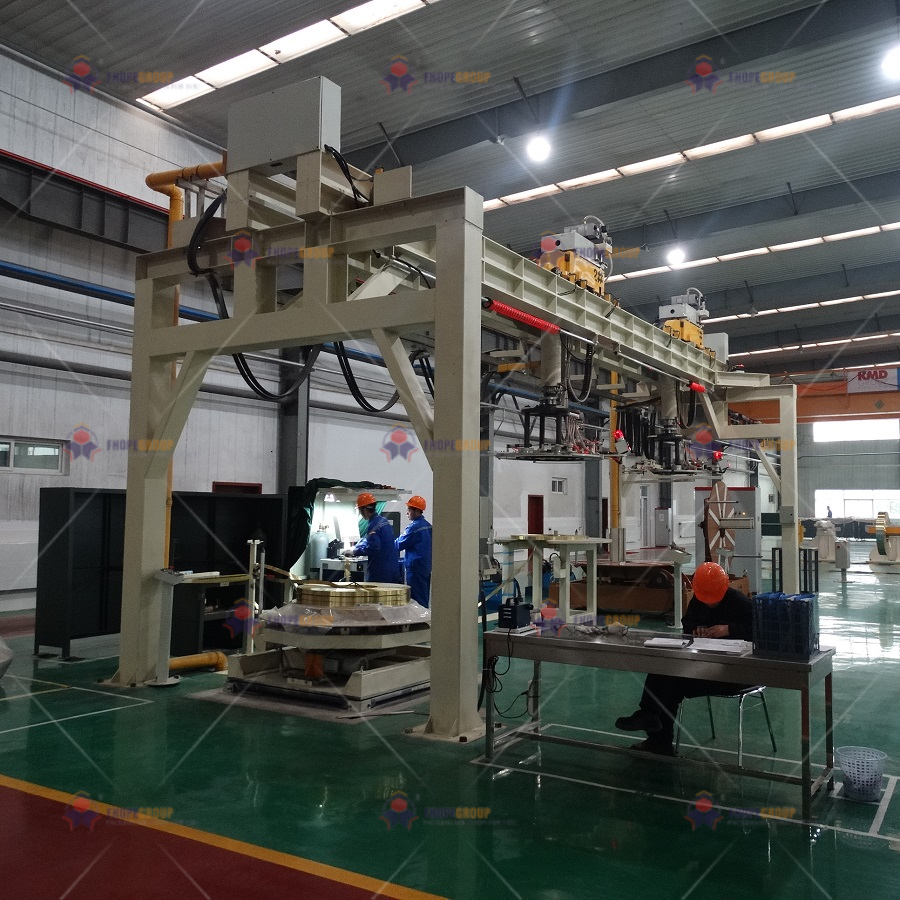
The pressure to boost output and cut costs is real for factory managers like Michael. I have been there myself, building a factory from the ground up. This drive pushes us to look for solutions that do more than just pack; they transform the entire process. Let us explore how these new technologies are making that possible.
1. How Can AI Transform Efficiency and Safety in Coil Packing Operations?
Are your current packing processes costing you valuable time and putting your team at risk? Many factories still rely on manual handling for heavy coils, leading to slow operations, frequent errors, and dangerous working conditions. This old way of doing things can quickly drain profits and lower morale. (manual coil handling, workplace safety risks)
AI is set to revolutionize coil packing by making operations not just faster, but also much safer and more reliable. Through predictive maintenance, smart quality control, and intelligent robotic integration, AI-powered systems can foresee issues, ensure product integrity, and drastically reduce human exposure to hazardous tasks. This leads to higher uptime, fewer accidents, and consistent output. (AI in coil packing efficiency, safety improvements)
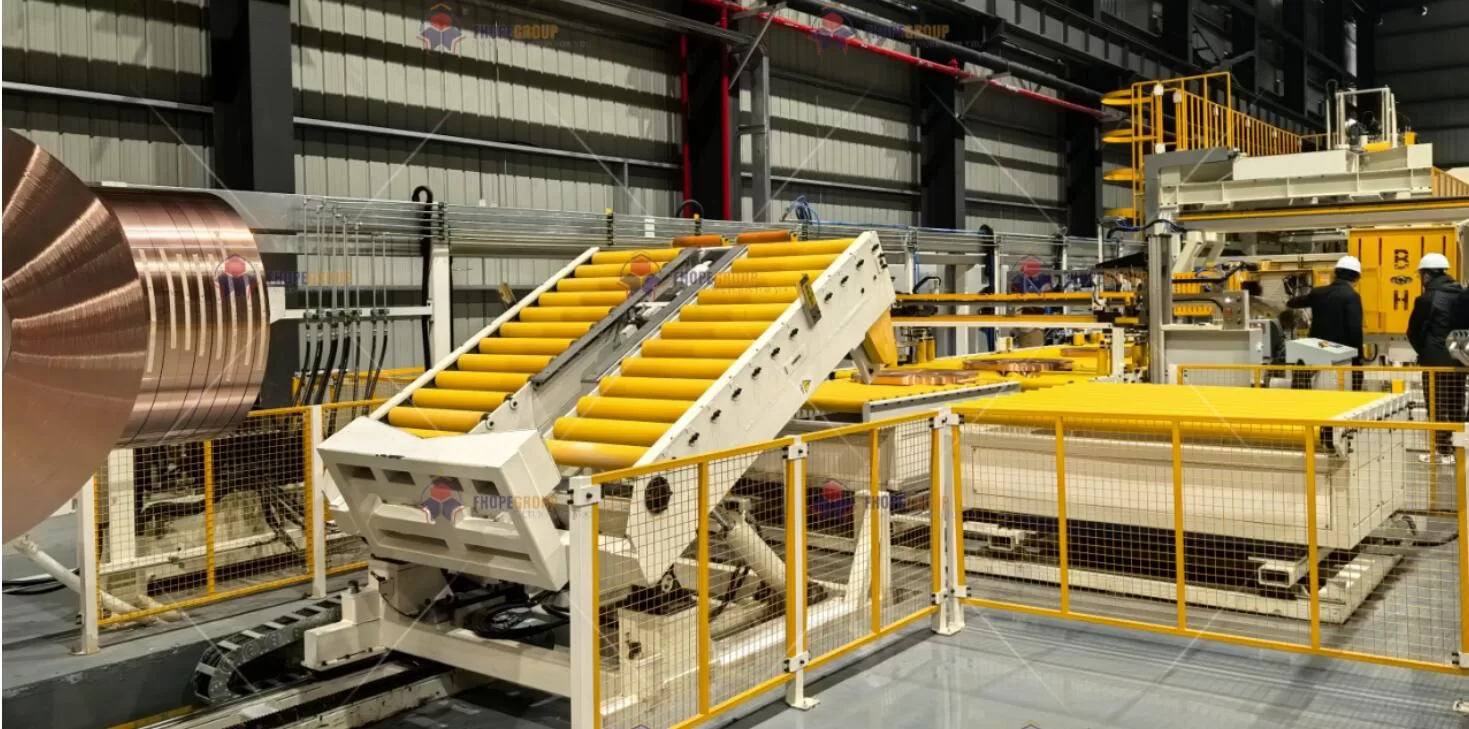
AI’s Role in Optimizing Packing Workflows
AI goes beyond simple automation. It introduces intelligence into every step of the packing process. Think of it as having a super-smart assistant who constantly monitors, predicts, and adjusts. For heavy industries, where coils can weigh tons, this intelligence is not a luxury, it is a necessity. My journey in the packing machine industry taught me that even small improvements in efficiency can lead to big savings over time.
-
Predictive Maintenance: Staying Ahead of Breakdowns
Current machines often wait until something breaks before getting fixed. This means unexpected downtime. AI changes this by analyzing machine data in real time. It looks for patterns that show a part might fail soon. For example, if a motor’s temperature rises slightly or its vibration changes, AI can alert maintenance staff. They can then replace the part during planned downtime, not in the middle of a critical production run. This minimizes unexpected stops and keeps production flowing smoothly. This system saves money by avoiding costly emergency repairs and lost production hours. (predictive maintenance AI, machine uptime optimization) -
Smart Quality Control: Protecting Your Product
Damaged products, like a bent coil edge, mean unhappy customers and financial losses. AI-powered vision systems can inspect coils much faster and more accurately than human eyes. These cameras can spot defects, scratches, or improper wrapping instantly. If a coil is not packed perfectly, the system can flag it. It can even stop the line or adjust the packing process automatically. This ensures every product leaving your factory meets high standards. For clients like Michael, who deal with valuable metal products, this means fewer customer complaints and less scrap material. (AI quality control, product damage reduction) -
Robotic Integration: Taking Over Dangerous Tasks
Loading heavy coils onto packing lines or flipping them for strapping is risky. Workers can get injured. Robots guided by AI can handle these heavy loads with precision and without fatigue. They can learn the best way to move and position coils. This significantly reduces the risk of workplace accidents. This also frees up human workers to do more complex tasks. It improves overall factory safety and helps comply with regulations. My experience building packing solutions showed me the direct link between safety investments and long-term operational success. (AI robotics packing, heavy material handling safety)
AI makes our machines not just tools, but smart partners in production. It helps us avoid problems before they happen and protect both our products and our people. This is a big step forward for the whole industry. (intelligent packing solutions, operational safety)
2. What Smart Automation Features Will Define Next-Generation Coil Packing Machines?
Are you still struggling with manual steps in your packing process, creating bottlenecks and limiting your output? Many factories find that while some parts of their production are automated, the end-of-line packing often falls behind, leading to slow delivery times and missed opportunities. This disconnect directly affects your factory’s overall efficiency. (manual packing bottlenecks, production efficiency limits)
Next-generation automatic coil packing machines will be defined by their highly integrated and intelligent automation features, moving towards fully autonomous systems. Key advancements include automated handling robots, precise integrated strapping and wrapping, and deep IoT connectivity. These features work together to create seamless, high-speed packing lines that require minimal human intervention, directly addressing challenges like manual labor dependence and inconsistent packing quality. (smart automation features, integrated packing solutions)

The Backbone of Future Packing: Integrated Smart Features
Smart automation is about connecting different parts of the packing process. It is about making them work together without human help. This not only speeds things up but also makes the whole process more reliable. I have seen firsthand how integrating different machines can create a truly powerful packing line, reducing the chances of error and boosting throughput significantly.
-
Automated Material Handling: Smooth Movement for Heavy Loads
Moving large steel coils or wire bundles within a factory can be slow and dangerous. Future machines will use fully automated systems to do this. This includes conveyor belts, robotic arms, and automatic guided vehicles (AGVs). These systems will pick up coils from the production line. They will move them to the packing station. Then, they will transfer them to storage or shipping. They do all this without human operators. This removes the risk of injury from manual lifting. It also ensures a steady flow of materials. This is crucial for maintaining high production rates in facilities handling heavy goods. (automated coil handling, material flow optimization) -
Integrated Strapping and Wrapping: All-in-One Solutions
Traditionally, packing might involve separate machines for strapping, wrapping, and weighing. Future machines combine these steps into one seamless unit. A single machine will automatically apply multiple straps, then wrap the coil with protective film, and finally weigh it. This "all-in-one" approach saves floor space. It also reduces the number of times a coil needs to be moved. This cuts down on potential damage. It ensures a consistent, high-quality pack every time. For factories, this means faster cycle times and a more secure final product ready for transport. (integrated packing solutions, automatic strapping and wrapping) -
IoT Connectivity and Remote Monitoring: Real-Time Control
The Internet of Things (IoT) allows packing machines to talk to each other and to a central system. This means factory managers can monitor their packing lines from anywhere. They can check machine status, packing speed, and material usage in real-time. If there is a problem, the system can send an alert to a phone or computer. Technicians can even diagnose issues remotely. This reduces the need for on-site checks. It also speeds up troubleshooting. This level of connectivity provides better control and transparency. It allows for quick adjustments to keep production on track. (IoT packing machines, remote monitoring solutions)
These smart automation features are not just about making machines work; they are about making them work together, intelligently and independently. This is what truly defines the next wave of packing technology, making factories more efficient and resilient. (next-gen packing tech, factory automation)
3. Why Is Data Analytics Essential for Optimizing Future Coil Packing Machine Performance?
Are your current packing machines operating at their full potential, or are you just guessing about their efficiency? Without clear data, it is hard to know where to improve. This lack of insight can hide inefficiencies, leading to higher operating costs and lost opportunities for saving money. You cannot fix what you cannot measure. (packing machine optimization, operational data gaps)
Data analytics is becoming a cornerstone for future coil packing machine performance, offering deep insights that drive continuous improvement. By collecting and analyzing machine data, factories can identify bottlenecks, predict maintenance needs, optimize material usage, and accurately calculate ROI for new equipment. This data-driven approach moves operations from reactive to proactive, ensuring maximum efficiency and profitability. (packing machine data analytics, ROI for automation)

Unleashing Potential with Data-Driven Decisions
Data is the new fuel for smart factories. It helps us understand exactly how our machines are performing. This lets us make smart choices that improve efficiency and save money. When I started FHOPEPACK, I learned quickly that knowing your numbers is key to making a business grow. For managers like Michael, having clear data means making better investment decisions.
-
Identifying Bottlenecks: Pinpointing Slowdowns
Sometimes, you feel your production line is slow, but you cannot tell exactly why. Data analytics can collect information on every step of the packing process. It can record how long each coil takes to be wrapped, strapped, or moved. By looking at this data, you can see exactly where delays happen. For example, if the strapping machine often pauses, the data will show it. This helps you target improvements precisely. This leads to smoother operations and faster overall packing times. (packing process bottlenecks, data-driven improvements) -
Optimizing Material Usage: Reducing Waste
Packing materials, like film or strapping, cost money. Using too much or too little can lead to waste or poor packaging. Data analytics can track how much material is used for each coil. It can compare this to the ideal amount. It can then suggest adjustments to the machine settings. This ensures just enough material is used. This reduces waste and lowers material costs. It also makes sure your coils are protected well. This is a win-win for both cost control and product safety. (material usage optimization, waste reduction strategies) -
Accurate ROI Calculation: Justifying Investments
Investing in new, smart packing machines is a big decision. You need to know if it will pay off. Data analytics provides the numbers to prove it. By tracking improvements in efficiency, reductions in labor costs, and decreases in product damage, you can clearly see the return on your investment (ROI). For example, if a new machine saves 2 workers’ salaries per year and reduces damage by 5%, the data will show the financial benefit. This helps factory managers like Michael make strong cases for future technology upgrades. (ROI for packing automation, justifying capital expenditure)
Using data is not just about having numbers. It is about turning those numbers into actions that make your factory run better and more profitably. It is about taking control of your future operations. (smart factory operations, efficiency metrics)
4. How Can Manufacturers Like Michael Chen Successfully Adopt These Advanced Packing Technologies?
Are you hesitant to upgrade your packing equipment, especially after past experiences with unreliable suppliers? For factory managers like Michael, making a new investment feels risky when you are not sure you will get the support you need. The fear of choosing the wrong partner or facing unexpected challenges can hold back progress and keep your factory from reaching its full potential. (equipment upgrade hesitation, supplier trust issues)
Successfully adopting advanced automatic coil packing technologies requires a clear strategy, starting with a knowledgeable partner. Factories must begin with thorough planning, followed by phased implementation and comprehensive staff training. Crucially, partnering with experts like FHOPEPACK, who understand the packing machine industry deeply, ensures that new investments truly solve existing challenges and deliver tangible business growth, overcoming past trust issues with reliable support. (adopting packing technology, expert partnership for automation)
Navigating the Future: A Guide to Adoption
Bringing new technology into a factory is more than just buying a machine. It is about changing how you work. It is about making sure the new system fits your needs and helps your business grow. My own journey, from an employee to building a successful packing machine factory, showed me the value of careful planning and the right partnerships. I have helped many clients grow their businesses, and I understand the challenges Michael faces.
-
Strategic Planning: Laying the Groundwork
Before buying any new equipment, it is important to plan. Start by clearly listing your factory’s biggest problems. For Michael, this would be slow manual packing, safety risks, and product damage. Then, research how smart automation and AI can fix these problems. Consider your budget and what kind of return on investment you expect. Think about how the new system will fit with your current setup. A good plan makes sure your investment is targeted and effective. It prevents buying technology that does not solve your core issues. (packing automation planning, factory upgrade strategy) -
Phased Implementation: Small Steps for Big Changes
You do not have to change everything at once. A phased approach means you introduce new technology bit by bit. Start with one packing line or one critical area. See how it works. Learn from any issues that come up. Then, expand to other areas. This reduces risk and makes the transition smoother. It also gives your team time to adapt to the new way of working. It prevents major disruptions to your entire production schedule. (phased technology adoption, gradual automation rollout) -
Comprehensive Staff Training: Empowering Your Team
New machines mean new skills for your team. Investing in good training is vital. Your operators need to know how to run the new equipment safely and efficiently. Your maintenance staff needs to understand how to service it, including any AI-driven diagnostics. When your team feels confident with the new technology, they will use it better. This helps achieve the full benefits of your investment. It also boosts employee morale. (employee training automation, workforce adaptation) -
Choosing the Right Partner: Beyond Just a Supplier
This is where my experience truly comes in. Michael needs more than a vendor; he needs a partner who understands his challenges. FHOPEPACK, with my background, is built on sharing knowledge and providing real solutions. We do not just sell machines; we help you understand how they fit into your operation. We provide support and expertise to ensure your investment works for you. This trust and ongoing partnership are crucial for long-term success. It ensures you get the most out of your advanced packing machines. (expert packing machine partner, reliable automation support)
Adopting these technologies is a journey. But with a clear plan and the right partner, it is a journey that leads to a more efficient, safer, and profitable future for your factory.
Conclusion
The future of automatic coil packing machines is undeniably smart, driven by AI and advanced automation. These technologies promise unmatched efficiency, safety, and cost savings for operations like Michael’s. Embracing these innovations, with a trusted partner, is key to staying competitive and achieving sustained growth in the steel coil packing line industry.


