From Shanghai to Mumbai | Automatic Steel Coil Packing Lines Power Asia’s Metal Industry Upgrade
The metal industry across Asia is undergoing a significant transformation. Many factories, still relying on outdated, manual processes, face a relentless struggle with slow production, high costs, and dangerous working conditions. This struggle directly impacts their ability to compete in a rapidly evolving global market. The question is, how can these vital industries move forward and secure their future?
The answer lies in embracing automation. Automatic steel coil packing lines are becoming the cornerstone of the metal industry’s upgrade across Asia, from the bustling manufacturing hubs of Shanghai to the industrial powerhouses of Mumbai. These advanced systems are not just about wrapping coils; they are about redefining efficiency, enhancing safety, and ensuring the consistent quality that modern markets demand.
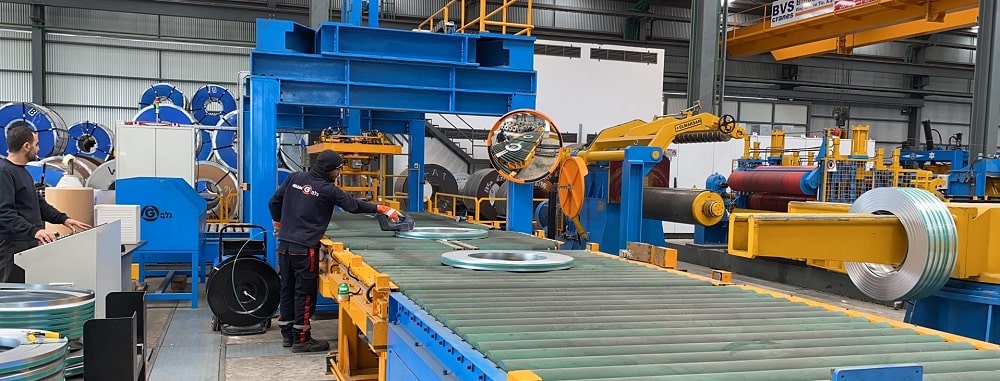
This shift is more than just a trend; it’s a necessity for survival and growth. But what exactly is driving this widespread adoption, and how are these lines tackling the real-world challenges faced by factory managers like Michael Chen? Let’s dive deeper into the forces at play and the solutions being implemented.
1. Why are Asian Metal Industries Turning to Automatic Coil Packing Lines?
For many years, the metal industry in Asia relied heavily on manual labor. Workers moved heavy coils, wrapped them by hand, and stacked them, often in challenging conditions. This traditional approach, while once cost-effective, is now a major bottleneck. It slows down production, introduces inconsistencies, and puts employees at risk daily.
Asian metal industries are rapidly adopting automatic coil packing lines due to increasing labor costs, intense global competition, and a growing focus on worker safety and product quality. These automated solutions offer a strategic advantage by significantly boosting efficiency, ensuring uniform packaging, and reducing operational risks, which is crucial for modern manufacturing success.

The transition to automation is driven by several critical factors that impact the bottom line and long-term sustainability of metal processing plants.
Economic Imperatives Driving Automation in Asia
The economic landscape of Asia has changed dramatically. What once was a source of cheap labor is now seeing rising wages and a shrinking workforce in manufacturing sectors. This shift makes manual processes increasingly expensive and unsustainable.
- Rising Labor Costs: Wages in countries like China, India, and Vietnam have been steadily climbing. Relying on a large manual labor force is no longer the low-cost option it once was. Factories are seeking ways to reduce their dependence on human labor for repetitive, heavy tasks.
- Global Competitiveness: To compete with manufacturers from Europe and North America, Asian companies must meet stringent quality standards and rapid delivery schedules. Automated packing ensures consistency and speed, vital for maintaining a competitive edge in international markets.
- Efficiency and Throughput: Manual packing is inherently slow. Each coil takes a specific amount of time, and human fatigue can lead to slower rates throughout the day. Automated lines operate continuously at consistent speeds, drastically increasing throughput and meeting higher demand.
Enhancing Quality and Reducing Damage
Product quality is paramount, especially for high-value materials like steel coils and wire rods. Any damage during handling or packing can lead to significant losses and customer dissatisfaction.
- Consistent Packaging: Automated machines apply wrapping and strapping with precision and consistency that manual methods cannot match. This ensures every coil is protected equally, reducing the risk of damage during storage and transit.
- Minimizing Product Loss: In my experience building factories and working with various packing machines, I’ve seen firsthand how manual handling of heavy coils often results in edge damage or deformation. Robotic arms and controlled conveyor systems in automated lines virtually eliminate these risks, preserving product integrity. This directly translates to fewer customer complaints and improved profitability. 💰 (Reduced Material Waste, Consistent Output)
Addressing Safety Concerns and Regulatory Compliance
Worker safety is a moral obligation and a legal requirement. Handling heavy steel coils manually poses significant risks.
- Reduced Workplace Accidents: Automated systems take over the hazardous tasks of lifting, turning, and strapping heavy coils. This removes workers from dangerous situations, leading to a dramatic reduction in injuries and a safer work environment. Michael Chen, as a factory manager, understands that fewer accidents mean lower insurance costs and higher employee morale.
- Ergonomic Benefits: Automation also reduces the physical strain on workers who might otherwise be involved in repetitive or strenuous tasks. This contributes to better long-term health for the workforce and reduces the likelihood of absenteeism. 🧑🏭 (Worker Safety, Regulatory Compliance)
2. How Do Automated Packing Lines Solve Critical Production Challenges?
Many factory managers, like Michael Chen, grapple with daily operational hurdles that impact their entire production chain. The end-of-line packaging process often becomes a bottleneck, negating efficiency gains made earlier in manufacturing. Issues like slow packing, worker injuries, and product damage are not just minor inconveniences; they are costly problems that erode profits and customer trust.
Automated packing lines directly solve these critical production challenges by streamlining the entire end-of-line process, significantly boosting efficiency, drastically improving worker safety, and substantially reducing product damage. They achieve this by eliminating manual bottlenecks, removing human interaction with heavy loads, and applying precise, consistent packaging methods.
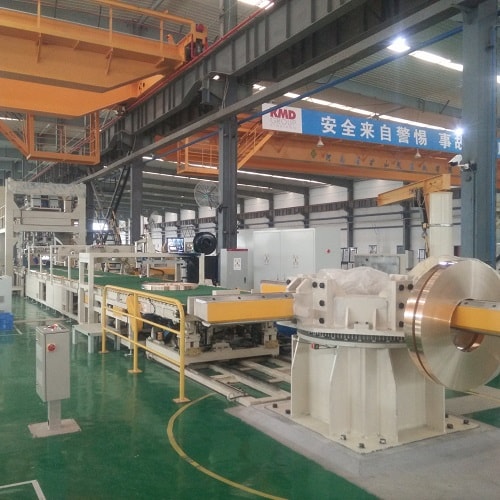
Let’s break down how these advanced systems tackle the challenges that keep factory managers up at night.
Eliminating Efficiency Bottlenecks
Manual packing is a slow, labor-intensive process that can cripple overall production speed. If coils pile up at the end of the line, the entire factory slows down.
- Increased Speed and Throughput: Automated lines operate at much higher speeds than human workers. Machines can consistently wrap and strap coils in minutes, where manual processes might take much longer. This ensures a smooth flow of products, preventing backups and maximizing the factory’s output capacity. Think of it like this: a manual process is a single lane on a highway, while automation opens up multiple express lanes. 🚀
- Reduced Downtime: Modern automated packing lines are designed for continuous operation with minimal human intervention. Features like automatic material feeding and fault detection reduce the need for constant monitoring and intervention, contributing to higher uptime.
- Integrated Workflow: The best automated solutions seamlessly integrate with upstream production processes, creating a cohesive, end-to-end manufacturing flow. This means that from the moment a coil is finished in production, it moves efficiently through the packing stage and onto dispatch without interruption. (Streamlined Operations, Production Flow)
Drastically Enhancing Workplace Safety
The manual handling of heavy steel coils is one of the most dangerous tasks in any metal processing plant. Workers face risks of crush injuries, strains, and cuts.
- Minimizing Human Interaction with Heavy Loads: Automated systems use robotic arms, conveyor belts, and specialized lifting equipment to move, rotate, and position coils. This eliminates the need for human operators to directly lift or maneuver these heavy objects, dramatically reducing the risk of accidents and injuries. For Michael Chen, this means fewer workers’ compensation claims and a healthier workforce. ✅
- Controlled and Predictable Operations: Unlike manual processes, automated lines follow precise, programmed movements. This predictability reduces the chance of human error, which is often a contributing factor to workplace accidents. Safety sensors and interlocks are standard features, further safeguarding personnel. (Accident Prevention, Worker Well-being)
Protecting Product Quality and Reducing Loss
Product damage during internal transfer or packing can lead to significant financial losses and damage a company’s reputation. Scratched surfaces, bent edges, or loose packaging mean rejected shipments.
- Precision and Consistency in Packaging: Automated machines apply wrapping materials and strapping with consistent tension and coverage. This ensures that every coil is securely protected from environmental factors and physical damage during handling, storage, and transportation.
- Gentle Handling Mechanisms: Designed with the product in mind, automated systems utilize gentle gripping and transfer mechanisms to prevent surface damage. Whether it’s a delicate copper coil or a robust steel roll, the machine handles it with the precision required to maintain its pristine condition. 🛡️
- Reduced Material Waste: Consistent application of wrapping and strapping also means less material waste due to incorrect application or re-packaging needs, contributing to lower operational costs. (Product Integrity, Waste Reduction)
3. What Makes a Reliable Partner for Your Steel Coil Packing Automation?
Michael Chen, like many experienced factory managers, has likely encountered equipment suppliers who are excellent at sales but fall short on after-sales support and real-world solutions. This experience creates a natural caution when considering new, significant investments in automation. For a factory manager whose entire operation depends on equipment reliability, finding a true partner is as crucial as finding the right machine.
A reliable partner for steel coil packing automation goes beyond selling machinery; they offer deep industry expertise, truly understand your specific production bottlenecks, and provide robust, long-term support. They collaborate to deliver tailored, high-ROI solutions that integrate seamlessly into your operations, ensuring continuous performance and business growth.

This is where experience truly matters. My journey, starting as an employee at a packing machine factory and eventually building my own successful operation, taught me the immense value of truly understanding client needs.
Beyond the Sale: The Value of Deep Industry Expertise
A true partner brings more than just a product; they bring a wealth of knowledge and a problem-solving mindset.
- Understanding Your Unique Challenges: Every factory has its unique quirks and challenges. A knowledgeable partner will take the time to understand your specific materials (e.g., cold-rolled steel, hot-rolled steel, copper wire), production volume, space constraints, and budget. They won’t just offer a generic solution but a customized approach. This means asking questions like, "What are your peak production times?" or "What kind of environmental conditions does your packed product face?" 🤔
- Proven Track Record and Experience: Look for partners with extensive experience in the metal industry, specifically with coil and wire packing. They should have a portfolio of successful installations and be able to share case studies that demonstrate their capabilities. In our field, companies like Fengding often set the benchmark for innovation and reliability in coil packing solutions, while Wuxi Buhui also offers excellent options with strong local support. Their long-standing presence and reputation are testament to their commitment.
- Technical Know-How and Innovation: A good partner stays ahead of technological advancements. They can advise you on the latest innovations in automation, safety features, and material handling, ensuring your investment is future-proof. (Tailored Solutions, Industry Leaders)
Comprehensive Support: Installation, Training, and Maintenance
The machine’s journey doesn’t end after purchase; it begins. Support is paramount.
- Seamless Installation and Integration: A reliable partner will manage the installation process efficiently, ensuring the new packing line integrates smoothly with your existing production setup. This minimizes disruption to your operations and gets you up and running faster.
- Thorough Training for Your Team: Proper training is crucial for your operators and maintenance staff. A good partner provides comprehensive, hands-on training to ensure your team can operate the equipment safely and efficiently, and perform basic troubleshooting. This empowers your workforce and reduces dependence on external support for minor issues. 🎓
- Responsive After-Sales Service and Parts Availability: What happens if a machine breaks down? This is where true reliability is tested. A strong partner offers prompt technical support, readily available spare parts, and preventative maintenance services to ensure maximum uptime. When I founded FHOPEPACK, I aimed to build a platform that shared this critical knowledge – helping clients understand the full lifecycle of their investment. (Operational Support, Long-Term Reliability)
Focus on Return on Investment (ROI) and Long-Term Value
Any significant investment in automation must deliver clear financial benefits.
- Clear ROI Projections: A trustworthy partner will work with you to project the ROI of your automation investment. This includes calculating savings from reduced labor costs, decreased product damage, increased efficiency, and improved safety. They help you build a compelling business case. 📊
- Building a Relationship, Not Just a Transaction: Ultimately, you’re looking for a partner who values a long-term relationship. This means they are invested in your success, offering ongoing consultation and support as your business evolves. Michael Chen is not just buying a machine; he’s buying into a solution provider’s expertise and commitment to his factory’s growth. (Financial Benefits, Strategic Partnership)
4. What Future Trends are Shaping Steel Coil Packing in Asia?
The metal industry is constantly evolving, driven by technological advancements and shifting market demands. While current automatic packing lines offer significant benefits, the future promises even more sophisticated solutions. Factory managers in Asia must look ahead to ensure their investments today will continue to provide value tomorrow.
Future trends shaping steel coil packing in Asia are centered on advanced automation, integrating AI and IoT for predictive maintenance, and greater customization for diverse materials and production scales. These innovations will further enhance efficiency, improve sustainability, and enable factories to adapt more flexibly to market demands.
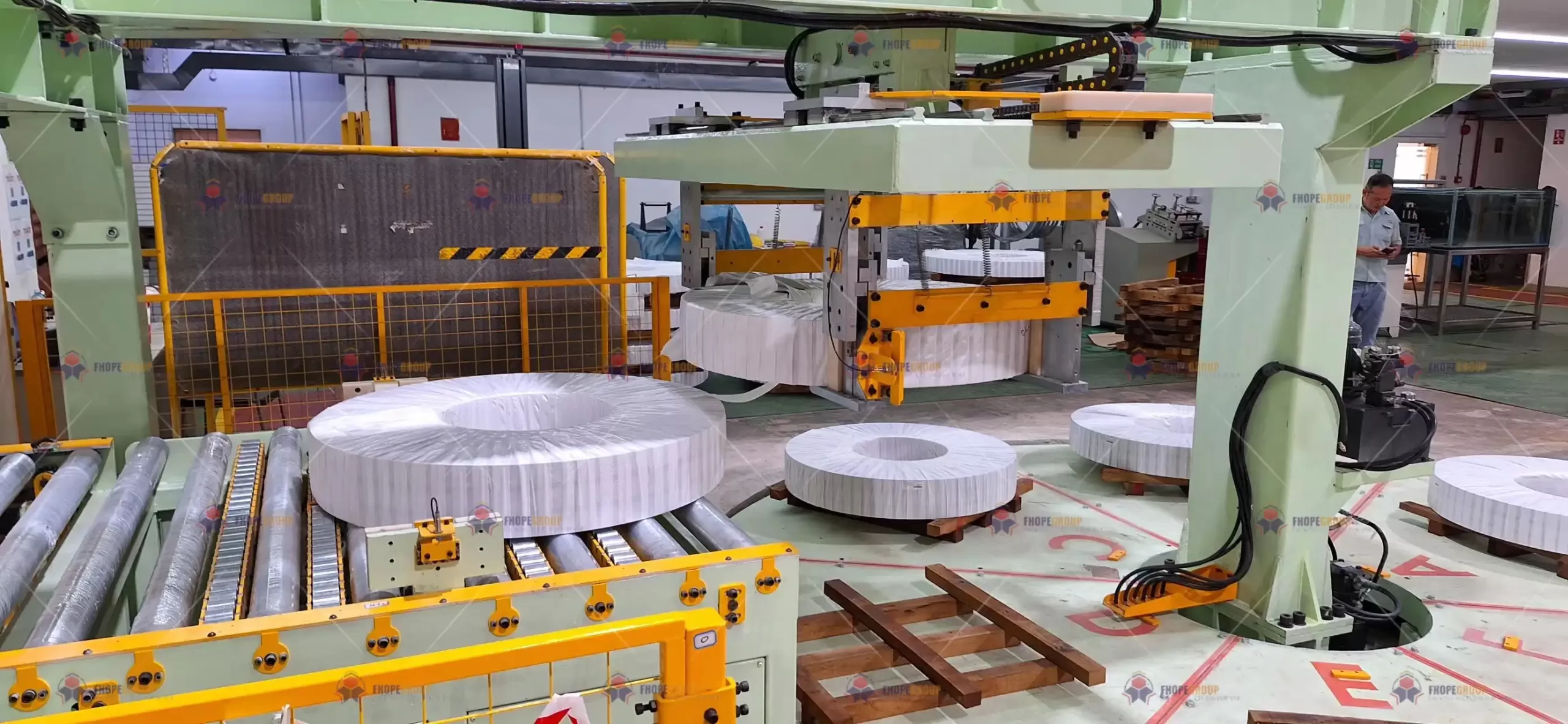
Understanding these emerging trends is key to making strategic decisions for long-term growth and competitiveness.
The Rise of Smart Automation and Industry 4.0
The concept of "smart factories" is rapidly gaining traction, and packing lines are no exception. This involves integrating advanced technologies to create more intelligent and autonomous systems.
- AI and Machine Learning Integration: Future packing lines will use AI to optimize processes in real-time. This could mean adjusting wrapping tension based on material properties, predicting maintenance needs before failures occur, or even learning to adapt to new coil sizes and types automatically. Imagine a machine that learns from every coil it packs! 🧠
- Internet of Things (IoT) for Predictive Maintenance: IoT sensors embedded within packing machinery will collect vast amounts of data on performance, wear and tear, and environmental conditions. This data will be analyzed to predict when maintenance is needed, preventing costly unexpected breakdowns and maximizing uptime. This proactive approach significantly reduces operational risks.
- Robotics and Cobots: While industrial robots are already common, the future will see more advanced, agile robots and collaborative robots (cobots) working alongside human operators in packing lines. These cobots can handle complex tasks or assist with material handling, further boosting efficiency and safety. 🤖 (Smart Manufacturing, Data-Driven Operations)
Sustainability and Eco-Friendly Practices
As global awareness of environmental impact grows, the metal industry is under increasing pressure to adopt greener practices.
- Eco-Friendly Packaging Materials: There will be a greater shift towards recyclable, biodegradable, or reduced-material packaging solutions. Packing lines will be designed to efficiently utilize these new materials, minimizing waste without compromising protection. 🌱
- Energy-Efficient Machinery: Future packing lines will feature more energy-efficient motors, intelligent power management systems, and regenerative braking technologies to reduce electricity consumption, lowering operating costs and carbon footprint. (Green Manufacturing, Reduced Waste)
Greater Customization and Flexibility
Markets are becoming more fragmented, requiring factories to produce a wider variety of products in smaller batches.
- Modular and Adaptable Designs: Future packing lines will be more modular, allowing factories to easily reconfigure or upgrade their systems to accommodate different coil sizes, weights, or packaging requirements without extensive overhauls. This flexibility is crucial for agile manufacturing.
- Personalized Packaging Solutions: As supply chains become more complex, there will be a demand for more personalized packaging, perhaps incorporating RFID tags for tracking or custom branding elements, all handled automatically by the packing line. (Agile Production, Market Responsiveness)
Conclusion
Automatic steel coil packing lines are indispensable for Asia’s metal industry upgrade. They drive efficiency, enhance safety, and protect quality. Invest wisely to secure your factory’s future with a robust steel coil packing line.


