Entry-Level vs High-End Wire Coil Packing Machines | Performance Comparison
As a factory manager with over two decades in metal processing, I’ve witnessed firsthand how packaging equipment choices can make or break production efficiency. The decision between entry-level and high-end wire coil packing machines isn’t just about price—it’s about understanding how each option impacts your bottom line, safety standards, and operational workflow. Many plant operators struggle with this critical investment decision, often underestimating the long-term implications of their choice.
The fundamental difference lies in performance capabilities: entry-level machines offer basic functionality at lower initial cost, while high-end systems provide superior automation, durability, and efficiency that translate to higher productivity and lower lifetime operational expenses. This performance gap becomes particularly evident in demanding industrial environments where equipment reliability directly impacts production targets and profitability. Understanding these distinctions helps manufacturers select equipment that aligns with their specific operational needs and growth objectives.
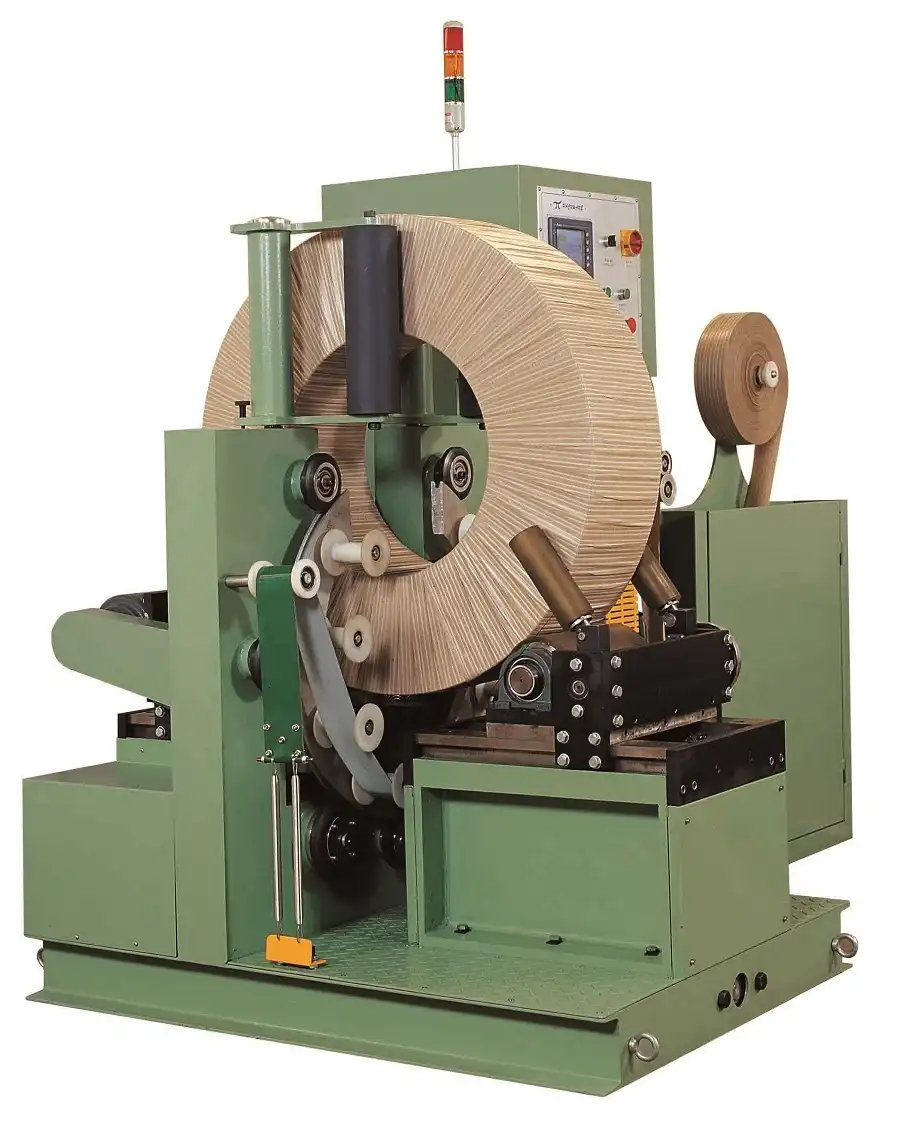
Let’s explore the key performance differentiators between these machine categories to help you make an informed decision that addresses your specific production challenges and business goals.
1. What are the key performance differences in speed and output capacity?
Manufacturers facing production bottlenecks often discover their packaging line can’t keep pace with their main processing equipment. This creates frustrating delays where finished coils stack up waiting for packaging, ultimately slowing down entire operations and delaying shipments to customers. The speed disparity between machine tiers directly impacts your ability to meet delivery deadlines and maximize facility throughput.
High-end wire coil packing machines typically operate 40-60% faster than entry-level models, with automated systems processing 15-25 coils per hour compared to 8-15 for basic machines, while maintaining consistent wrapping tension and material usage efficiency. This speed advantage translates directly to higher daily output and reduced labor costs per unit, making premium equipment particularly valuable in high-volume production environments where packaging represents a critical bottleneck in the overall manufacturing workflow.
🚀 Production Speed Capabilities
Entry-level machines generally feature simpler mechanical systems with basic motor controls, resulting in slower cycle times. These machines typically complete a full wrapping cycle in 2.5-4 minutes per coil, depending on coil dimensions and packaging specifications. The limitation stems from less sophisticated motion controls and simpler tensioning mechanisms that require more time to achieve secure wrapping.
High-end systems incorporate advanced servo motors, precision controls, and optimized movement patterns that reduce cycle times to 1.5-2.5 minutes per coil. This efficiency comes from synchronized axis movements, predictive tension control, and automated tool changing systems that minimize non-productive time between cycles.
📊 Output Capacity Comparison
| Machine Tier | Coils Per Hour (Average) | Maximum Coil Weight | Shift Capacity (8 hours) |
|---|---|---|---|
| Entry-Level | 8-15 coils | 2-3 tons | 64-120 coils |
| Mid-Range | 12-20 coils | 5-7 tons | 96-160 coils |
| High-End | 15-25+ coils | 10-15+ tons | 120-200+ coils |
💡 Operational Efficiency Factors
Beyond raw speed numbers, high-end machines maintain consistent performance throughout extended operation periods. Entry-level equipment often requires more frequent adjustments and may experience performance degradation as components wear or environmental conditions change. Premium systems incorporate self-monitoring capabilities that automatically compensate for variation in material properties or ambient conditions.
The automation level also significantly impacts effective output. While basic machines might require an operator to manually position each coil and initiate cycles, advanced systems can integrate with material handling equipment for continuous operation with minimal human intervention. This reduces labor requirements while increasing actual productive time.
For operations targeting production growth, the scalability of high-end systems provides another advantage. These machines can often be upgraded with additional modules or reconfigured for different coil sizes without requiring complete replacement—an important consideration for businesses with expanding product lines or increasing volume targets. (wire coil packing machine speed comparison, production output capacity analysis)
2. How does machine durability affect long-term operational costs?
The initial purchase price often dominates equipment decisions, but seasoned plant managers understand that long-term operational expenses frequently outweigh upfront savings. I’ve witnessed facilities where "cost-effective" machines ultimately cost far more in repairs, downtime, and lost production than their higher-quality alternatives. This is particularly true in metal processing environments where equipment operates continuously under demanding conditions.
High-end wire coil packing machines typically demonstrate 3-5 times longer service life than entry-level models, with premium components reducing maintenance frequency by 40-60% and cutting unexpected downtime by up to 70%, significantly lowering total cost of ownership despite higher initial investment. This durability advantage becomes increasingly valuable in multi-shift operations where equipment reliability directly impacts production schedules and customer commitments.
🔧 Component Quality and Construction
Entry-level machines frequently utilize commercial-grade components selected primarily for cost considerations rather than longevity. These include standard industrial motors, basic bearing systems, and thinner structural steel frames. While functional initially, these components wear more quickly under continuous operation, leading to more frequent replacements and adjustments.
High-end systems incorporate industrial-grade components specifically engineered for demanding applications. These include:
- Servo motors with higher duty cycles and better heat dissipation
- Precision roller bearings designed for continuous operation
- Reinforced structural frames with thicker steel and additional bracing
- Hardened gears and drive components that withstand repeated stress
💰 Total Cost of Ownership Analysis
The true cost difference emerges when considering the complete ownership period:
| Cost Category | Entry-Level Machine | High-End Machine | Difference |
|---|---|---|---|
| Initial Purchase | $45,000-$75,000 | $120,000-$200,000 | +167% |
| Annual Maintenance | $8,000-$12,000 | $3,000-$5,000 | -63% |
| Parts Replacement (5 years) | $25,000-$40,000 | $8,000-$15,000 | -68% |
| Downtime Cost (5 years) | $45,000-$75,000 | $10,000-$20,000 | -73% |
| 5-Year Total Cost | $123,000-$202,000 | $141,000-$240,000 | +15% |
🛠️ Maintenance Requirements and Service Life
Entry-level machines typically require more frequent maintenance intervals—often every 250-400 operating hours—with procedures that may require significant disassembly and specialized tools. These maintenance events also tend to be more time-consuming, sometimes taking a full shift or more to complete.
High-end systems often feature:
- Extended maintenance intervals (500-800 operating hours)
- Modular component design for faster replacement
- Self-diagnostic systems that identify issues before they cause failures
- Remote monitoring capabilities that allow technicians to prepare before arriving
The service life difference is substantial. While entry-level machines might require major overhaul or replacement after 5-7 years in continuous operation, high-end systems commonly operate effectively for 12-15 years with proper maintenance, with some facilities reporting 20+ years of service from premium equipment.
This longevity advantage means high-end machines often serve through multiple equipment refresh cycles for their entry-level counterparts, avoiding not just the equipment cost but also the installation, training, and production disruption associated with machine replacement. (wire coil packing machine durability, long-term operational cost analysis)
3. Which safety features differentiate entry-level from high-end models?
Safety incidents in packaging operations often stem from equipment limitations rather than operator error. I’ve visited facilities where workers developed "workarounds" for safety systems they found cumbersome—a clear indication that the equipment design failed to balance protection with operational efficiency. The most effective safety features prevent incidents without impeding productivity, creating sustainable safe work practices.
High-end wire coil packing machines incorporate comprehensive safety systems including light curtains, interlocked guarding, emergency stop circuits, and automated material handling that reduce manual intervention by up to 80%, significantly lowering injury risk compared to entry-level models that typically offer only basic emergency stops and minimal guarding. This safety advantage extends beyond compliance to actively creating a safer work environment while maintaining or even improving operational efficiency.
🛡️ Physical Safety Protections
Entry-level machines typically provide minimal safety features, often limited to:
- Basic emergency stop buttons at control stations
- Simple mechanical guards around obvious pinch points
- Manual safety gates that may be bypassed for convenience
While these elements address fundamental requirements, they leave significant gaps in comprehensive operator protection, particularly during maintenance, troubleshooting, or unusual operating conditions.
High-end systems implement layered safety approaches including:
- Light curtain systems that stop machine operation when breached
- Interlocked access doors that prevent operation when open
- Safe torque off functionality in drive systems
- Two-hand control requirements for certain operations
- Comprehensive machine guarding that minimizes exposure to moving parts
🔄 Automation and Ergonomic Benefits
The safety advantage of high-end machines extends beyond explicit safety devices to include design elements that reduce hazardous exposures:
| Hazard Type | Entry-Level Approach | High-End Solution | Risk Reduction |
|---|---|---|---|
| Manual Handling | Operator positions coils | Automated loading/unloading | 85-95% |
| Repetitive Motion | Manual film threading | Automatic film attachment | 90% |
| Pinch Points | Basic guarding | Comprehensive enclosure + sensors | 70% |
| Noise Exposure | Standard components | Acoustic damping + isolation | 50-60% |
📋 Regulatory Compliance and Certification
Entry-level machines often meet only minimum regulatory requirements, which can create compliance challenges as standards evolve. Facilities may need to retrofit additional safety features to maintain compliance, adding cost and potential operational complexity.
High-end systems typically exceed current standards and are designed with adaptability for future requirements. These machines often feature:
- CE, UL, or other relevant certifications for all major markets
- Documented safety validation per international standards
- Modular safety system architecture that accommodates updates
- Comprehensive safety documentation for training and compliance
The automation level in high-end machines provides another significant safety benefit by reducing manual interaction with moving components. Operators supervise processes from protected stations rather than directly handling materials during wrapping cycles. This separation between workers and machinery fundamentally changes the risk profile of packaging operations.
For facilities with multiple shifts or varying operator experience levels, the consistent safety performance of high-end equipment provides particular value. Unlike manual procedures that may vary between operators, automated safety systems function identically regardless of who operates the equipment or when the operation occurs. (wire coil packing machine safety features, injury risk reduction comparison)
4. How do automation levels impact labor requirements and operational consistency?
The labor component of packaging operations represents both a significant cost and a source of variability in output quality. In my consulting work, I frequently observe facilities where packaging represents the most labor-intensive segment of their production process, creating bottlenecks that limit overall facility throughput. The automation difference between machine tiers directly addresses this challenge while improving consistency.
High-end wire coil packing machines reduce direct labor requirements by 60-80% through integrated automation including robotic loading/unloading, automatic film attachment, and programmable wrapping patterns, while simultaneously improving packaging consistency with coefficient of variation below 5% compared to 15-25% for manually-assisted entry-level systems. This automation advantage translates to both lower operating costs and more predictable output quality regardless of operator skill level or fatigue factors.
🤖 Automation Capabilities Comparison
Entry-level machines typically feature limited automation, requiring operator intervention for multiple process steps:
- Manual coil positioning using overhead cranes or forklifts
- Manual film threading and attachment to coils
- Basic pattern selection with limited customization
- Manual unloading of finished packages
These manual elements introduce variability in cycle times, material usage, and package quality while requiring continuous operator attention throughout the process.
High-end systems incorporate comprehensive automation:
- Automated loading systems that position coils precisely without operator intervention
- Robotic film attachment that eliminates manual threading
- Advanced pattern programming that optimizes material usage and containment force
- Integrated conveyance that moves finished packages to storage or shipping
- Automatic film changeover when rolls are depleted
👥 Labor Impact Analysis
The labor requirements differ significantly between machine categories:
| Task | Entry-Level Machine | High-End Machine | Time Savings |
|---|---|---|---|
| Coil Positioning | 2-3 minutes manual | Fully automated | 100% |
| Film Threading | 1-2 minutes per coil | Automatic | 100% |
| Cycle Monitoring | Continuous attention | Periodic verification | 85% |
| Quality Verification | Manual inspection | Automated sensors | 70% |
| Data Recording | Manual entry | Automatic collection | 100% |
📈 Operational Consistency Benefits
The consistency advantages of automation extend beyond labor savings to impact multiple operational metrics:
Package Quality Consistency
- Entry-level: Heavily dependent on operator skill and attention
- High-end: Programmed parameters ensure repeatable results
Material Usage Efficiency
- Entry-level: 5-15% variation in film consumption between operators
- High-end: ±2% variation in material usage through precise control
Production Documentation
- Entry-level: Manual record-keeping with potential errors or omissions
- High-end: Automated data collection with real-time reporting
Changeover Efficiency
- Entry-level: 15-30 minutes for product size changes
- High-end: 2-5 minutes with programmable presets
The operational impact of these differences becomes magnified in facilities running multiple shifts or experiencing operator turnover. While entry-level machines require each operator to develop specific skills through experience, high-end systems deliver consistent performance regardless of which team member operates the equipment. This consistency is particularly valuable for operations serving quality-sensitive markets or implementing lean manufacturing principles where process variation directly impacts overall efficiency.
For growing operations, the scalability of automated systems provides additional advantage. High-end machines can typically integrate with plant-wide manufacturing execution systems (MES) or enterprise resource planning (ERP) systems, providing real-time production data that supports broader operational improvements beyond the packaging department. (wire coil packing machine automation, labor requirement comparison)
Conclusion
Choosing between entry-level and high-end wire coil packing machines involves balancing immediate costs against long-term performance, with premium equipment delivering superior efficiency, safety, and reliability that typically provides better return on investment for serious manufacturing operations. For operations prioritizing productivity and uptime, investing in a robust steel coil packing line from experienced suppliers like Fenghe or Wuxi Buhui typically delivers the most sustainable solution.


