Efficiency and Safety in Japan | FHOPE Delivers Advanced Automatic Steel Coil Packing Technology for Steel Plants
The demands on modern steel plants, especially in markets like Japan, are immense. Managers like Michael Chen often tell me about the constant pressure to boost output, cut costs, and keep workers safe. It’s a tightrope walk where any misstep, like a line stoppage or an injury, can mean significant losses. I know this pressure well because I’ve walked that same path, from a factory employee to owning my own successful packing machine factory. This experience taught me that reliable, efficient equipment isn’t just a luxury; it’s essential for survival and growth. (steel plant operational challenges)
Advanced automatic steel coil packing technology directly addresses the critical needs for higher efficiency and improved safety in Japanese steel plants by automating labor-intensive processes, reducing manual handling risks, and ensuring consistent product quality. FHOPEPACK’s solutions are designed to integrate seamlessly into existing operations, providing tangible benefits like reduced downtime, lower labor costs, and a safer working environment for employees. (automatic steel coil packing benefits)

This article will delve into how modern packing solutions can transform your operations. We will explore the challenges faced by factories and how FHOPEPACK’s technology provides clear, actionable answers. Keep reading to see how we can help you achieve operational excellence. (modern packing solutions for steel plants)
1. Why is enhancing efficiency and safety crucial for steel plants in Japan?
It’s clear to anyone in the manufacturing world that efficiency and safety are not just buzzwords. They are foundational pillars for success. For steel plants in Japan, these pillars are even more critical. The competitive landscape, high labor costs, and a strong emphasis on worker well-being mean that every aspect of an operation must be optimized. Neglecting either efficiency or safety can lead to severe consequences, impacting everything from profit margins to a company’s reputation. (importance of operational excellence Japan)
In Japan, enhancing efficiency is crucial due to high operational costs and intense global competition, necessitating streamlined processes to remain profitable. Improving safety is equally vital to protect the workforce, reduce the high costs associated with accidents, and maintain the nation’s strong ethical standards regarding worker welfare. (Japanese steel industry challenges)
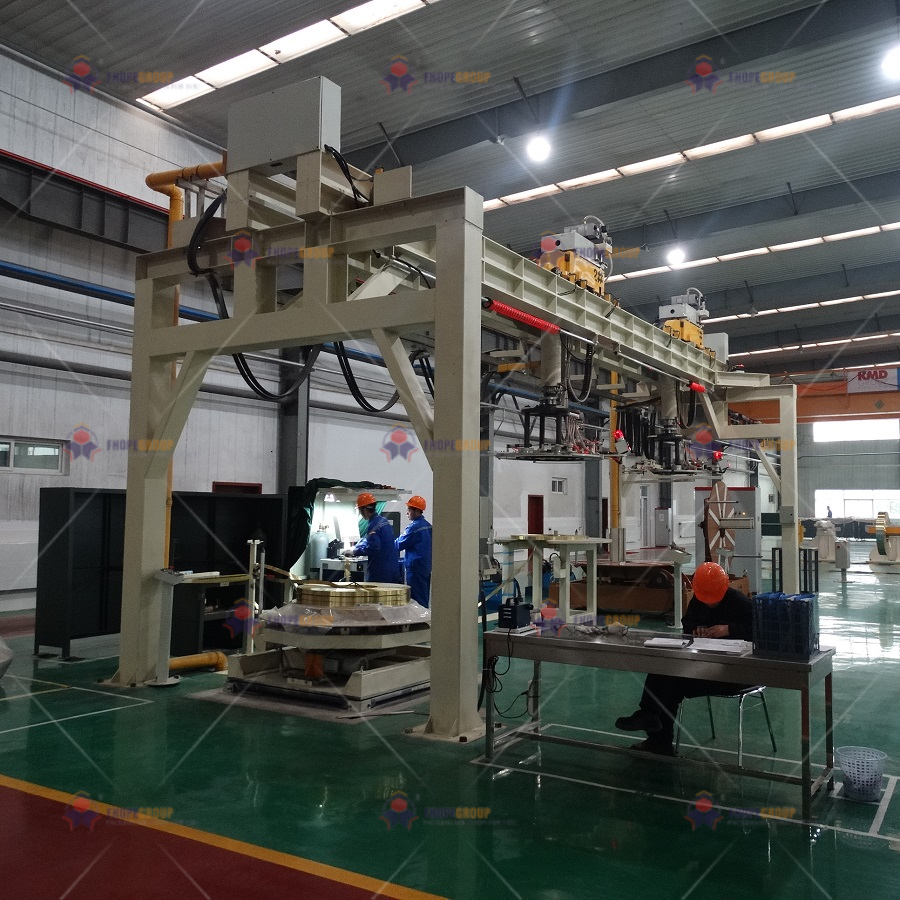
From my time running a factory, I learned that every manual step in a process presents an opportunity for inefficiency or, worse, an accident. Michael Chen’s concerns about manual handling and product damage resonate deeply with me. In Japan, where precision and quality are paramount, these issues can quickly erode trust and profitability. The constant search for better, safer, and more productive methods drives innovation in the industry. It also ensures that only the most reliable and efficient solutions thrive in such a demanding market. My own journey, building a packing machine factory from the ground up, showed me that investing in the right technology truly pays off. (factory operational efficiency)
Understanding the Pressures on Japanese Steel Plants
Japanese steel manufacturers operate in a highly demanding environment. They face unique challenges that make the pursuit of efficiency and safety paramount.
-
Global Competition:
- Market Share Pressure: Japanese steel producers compete with global players, especially from other Asian countries. They must maintain a competitive edge. This means constantly finding ways to reduce production costs while upholding product quality.
- Innovation Demands: The market demands continuous innovation in material properties and processing. This requires flexible and adaptable manufacturing lines. Old, inefficient systems cannot keep up. (steel industry global competition)
-
High Labor Costs and Workforce Demographics:
- Aging Workforce: Japan has an aging population. This leads to a shrinking available workforce and increasing labor costs. Factories need solutions that can reduce reliance on manual labor, especially for strenuous tasks.
- Skill Gaps: Finding and retaining skilled labor for manual, heavy-duty tasks is increasingly difficult. Automation bridges these gaps. It allows existing staff to focus on more complex, value-added activities. (Japan manufacturing labor shortage)
-
Strict Regulatory Environment:
- Safety Standards: Japan has very strict occupational safety and health regulations. Non-compliance can lead to severe penalties, reputational damage, and increased insurance premiums. Companies must prioritize worker protection.
- Environmental Compliance: Environmental regulations are also stringent. Efficient operations often lead to reduced waste and energy consumption. This helps meet sustainability goals. (Japanese industrial safety standards)
-
Reputation for Quality and Precision:
- Customer Expectations: Japanese industrial products are known globally for their quality and precision. Any deviation, like damaged steel coils during packing, can harm a company’s reputation. It also leads to costly rejections and customer dissatisfaction.
- Zero-Defect Philosophy: Many Japanese manufacturers aim for a "zero-defect" philosophy. This pushes for robust, error-free processes from start to finish. This includes the crucial final packing stage. (quality control in steel manufacturing)
| Challenge | Impact on Operations | Solution Focus |
|---|---|---|
| Manual Handling | High injury rates, slow speeds, inconsistent quality | Automated systems, robotic assistance |
| Production Bottlenecks | Reduced throughput, delayed deliveries | High-speed packing, integrated line solutions |
| Product Damage | Customer complaints, material waste, profit loss | Gentle handling mechanisms, secure wrapping |
| High Labor Costs | Reduced competitiveness, difficulty scaling | Labor-saving automation, optimized workflows |
| Workforce Safety | Increased insurance, employee turnover, legal risks | Ergonomic designs, remote operation capabilities |
: Michael Chen’s concerns are not unique. Many factory managers face these same issues. I know how critical it is to address them head-on with smart technology. It is about protecting people and profit. (steel plant operational challenges)
2. How does advanced automatic steel coil packing technology improve operational efficiency?
Many factory managers, including Michael Chen, struggle with efficiency bottlenecks. My own experience in the packing machine industry taught me that manual processes are often the biggest culprits. They slow things down, introduce variability, and consume valuable labor. Advanced automatic steel coil packing technology is a game-changer because it directly targets these issues. It replaces human effort with precision machinery, ensuring a consistent and rapid workflow that manual methods simply cannot match. (automated packing for efficiency)
Advanced automatic steel coil packing technology dramatically improves operational efficiency by automating labor-intensive processes, significantly increasing packing speed and throughput, reducing reliance on manual labor, and ensuring consistent, high-quality packaging for steel coils, thereby minimizing bottlenecks and optimizing the entire production line. (steel coil packing automation benefits)

When I first started FHOPEPACK, my vision was to provide solutions that truly make a difference in a factory’s bottom line. I saw firsthand how a bottleneck at the end of the line could nullify all the efficiency gained upstream. Automated packing systems solve this by creating a smooth, continuous flow. They operate at speeds unachievable by human hands, consistently applying the correct amount of wrapping material and strapping. This not only speeds up the packing process but also ensures the coils are protected effectively, reducing product damage during transit. It’s about smart design meeting real-world industrial needs. (industrial packaging automation)
Key Contributions to Efficiency Gains
Advanced automatic steel coil packing technology brings multiple benefits that directly contribute to a factory’s overall efficiency.
-
Increased Packing Speed and Throughput:
- Continuous Operation: Unlike human workers who require breaks, automated systems can operate 24/7. This allows for continuous packing. It significantly boosts the total volume of coils processed in a given period.
- Faster Cycle Times: Machines are designed for speed and precision. They can wrap and strap coils much faster than manual methods. This reduces the time each coil spends in the packing station.
- Elimination of Bottlenecks: Manual packing often becomes a bottleneck. Automated systems clear this bottleneck. They ensure that upstream production lines can operate at their full potential without waiting for packing. (high-speed coil packing)
-
Reduced Labor Costs and Dependency:
- Fewer Personnel: Automation reduces the number of workers needed for the packing process. This cuts down on direct labor expenses. It also reallocates staff to more skilled or supervisory roles.
- Consistency and Reliability: Machines perform tasks with consistent quality every time. This reduces errors and the need for re-packing. It saves both time and material.
- Minimized Training Needs: While some training is needed for machine operation, it is less extensive than training multiple workers for complex manual packing tasks. (labor-saving packing solutions)
-
Optimized Material Usage:
- Precise Wrapping: Automated systems apply wrapping materials like stretch film or steel strapping with optimal tension and coverage. This minimizes waste. It ensures maximum protection without overusing materials.
- Standardized Packaging: Every coil is packed exactly the same way. This helps in efficient storage and transportation. It also reduces the risk of product damage due to inconsistent packaging. (efficient material wrapping)
-
Improved Production Flow and Integration:
- Seamless Integration: Modern automatic packing lines can integrate with existing conveyor systems, weighing stations, and labeling equipment. This creates a fully automated end-of-line solution.
- Real-time Data: Many systems offer data collection capabilities. This provides insights into packing performance, material consumption, and potential maintenance needs. Data helps managers make informed decisions.
- Reduced Downtime: Automated systems are built for durability. They often include self-diagnostic features. This helps quickly identify and resolve issues. This reduces unplanned downtime. (integrated packing lines)
These efficiencies lead to higher productivity. They also deliver a measurable return on investment (ROI). This is a key factor for any factory manager considering new equipment. Michael Chen, for example, prioritizes solutions with a clear ROI. My systems are designed with this in mind. They transform operational challenges into growth opportunities. (packing line ROI)
3. What specific safety benefits does FHOPE’s automated packing offer to steel plant workers?
Safety in a steel plant is non-negotiable. I’ve witnessed the risks firsthand, from heavy coils needing to be moved to the dangers of manual strapping. Michael Chen’s concerns about high injury risks and the associated costs are very real. At FHOPEPACK, my mission has always been to engineer solutions that not only boost efficiency but also fundamentally improve worker safety. Automated packing systems are specifically designed to remove workers from hazardous situations, creating a much safer work environment. (steel plant worker safety)
FHOPEPACK’s automated steel coil packing technology provides significant safety benefits by eliminating the need for manual handling of heavy coils, reducing direct worker exposure to moving machinery, minimizing risks of strains and crushing injuries, and implementing advanced safety features like interlocks and emergency stops, thereby creating a safer and more compliant workplace. (automated packing safety features)
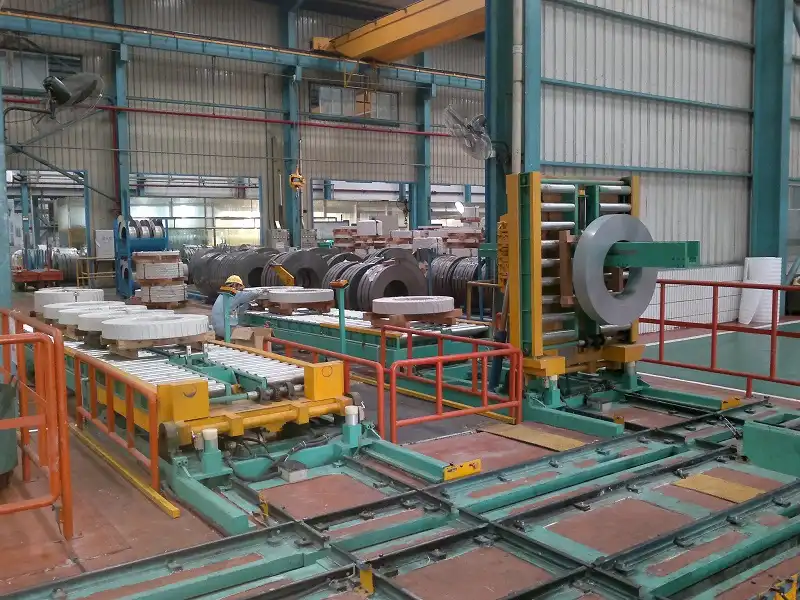
When I developed packing solutions, I always thought about the factory floor from an employee’s perspective. I asked myself how we could protect the people doing the work. My journey in the industry showed me that even with the best training, human error is always a factor, especially when dealing with heavy, awkward products like steel coils. FHOPEPACK’s automated systems take away these risks. They perform the heavy lifting, precise wrapping, and secure strapping with consistency. This means fewer chances for human error and, most importantly, fewer chances for injuries. It’s about protecting livelihoods and ensuring peace of mind. (industrial safety solutions)
How FHOPEPACK Enhances Workplace Safety
FHOPEPACK’s automated steel coil packing solutions are engineered with safety as a core priority. We integrate various features and design principles to safeguard workers.
-
Elimination of Manual Handling Risks:
- Heavy Lifting Automation: Our machines use robust conveyors, turnstiles, and robotic arms to handle heavy steel coils. This removes the need for workers to physically lift, push, or reposition these weighty items.
- Reduced Strain Injuries: Manual handling often leads to musculoskeletal injuries, strains, and sprains. Automation drastically reduces these risks. It protects workers from long-term health issues.
- No Overhead Lifting: Systems are designed to move coils horizontally or with controlled vertical lifts. This eliminates dangerous overhead lifting by human operators. (automated material handling safety)
-
Minimized Exposure to Moving Parts:
- Guarding and Interlocks: All FHOPEPACK equipment includes robust safety guarding. This prevents access to moving parts during operation. Interlock systems ensure that the machine cannot operate if guards are open.
- Emergency Stop Systems: Easily accessible emergency stop buttons are strategically placed. These allow immediate shutdown of the machine in case of any unexpected situation.
- Light Curtains and Safety Scanners: Advanced safety sensors, like light curtains or area scanners, can detect human presence in hazardous zones. They automatically stop or slow down the machine to prevent accidents. (machine safety features)
-
Prevention of Crushing and Pinch Point Hazards:
- Controlled Movement: Coils are moved along predictable paths at controlled speeds. This reduces the risk of unintended contact or crushing.
- Safe Zone Design: The layout of the packing line is planned to create clear safe zones for operators when intervention is needed. This ensures workers are never in the path of moving coils or machinery. (industrial hazard prevention)
-
Reduced Noise and Fatigue:
- Quieter Operation: Automated machines often operate more quietly than manual processes involving heavy tools or impacts. This contributes to a more pleasant working environment.
- Less Physical Exertion: Workers are no longer physically exhausted by repetitive, heavy tasks. This reduces fatigue, which in turn lowers the risk of errors and accidents. (workplace comfort and safety)
-
Compliance with Safety Regulations:
- Standard Adherence: FHOPEPACK designs its equipment to meet international and local safety standards, including those prevalent in Japan. This helps factories comply with regulations and avoid penalties.
- Risk Assessment: Our solutions support comprehensive risk assessments. They identify and mitigate potential hazards in the packing area. This ensures a proactive approach to safety. (regulatory compliance in manufacturing)
Safety is an investment, not an expense. By implementing FHOPEPACK’s automated solutions, steel plants can protect their most valuable asset – their people. This leads to reduced insurance costs, fewer lost workdays, and a more positive work culture. It is a win-win for everyone involved. (ROI of safety investments)
4. How can Japanese steel plants implement FHOPE’s packing solutions for long-term success?
Implementing new technology can feel daunting, especially for large-scale operations like steel plants. Michael Chen’s past experiences with unsupportive suppliers highlight the need for a true partner. My vision for FHOPEPACK extends beyond just selling machines; it’s about building lasting relationships and ensuring our clients achieve long-term success. For Japanese steel plants, this means a strategic approach to integrating FHOPE’s advanced automatic packing solutions, ensuring seamless transition, optimal performance, and continuous support. (packing machine implementation strategy)
Japanese steel plants can achieve long-term success with FHOPE’s packing solutions through a phased implementation approach, comprehensive operator training, robust after-sales support, and a commitment to continuous optimization. This partnership model ensures the technology not only addresses immediate efficiency and safety challenges but also adapts to future production demands, maximizing the return on investment over time. (strategic automation implementation)
When I started FHOPEPACK, I knew that trust was paramount. I built my company on the principle of providing genuine expertise and reliable solutions, much like I had done when establishing my own successful factory. For our Japanese partners, this translates into a commitment to understanding their unique operational context, from facility layout to specific coil dimensions and throughput requirements. It’s about designing a solution that fits, not forcing a standard one. This holistic approach ensures that the investment in automation truly drives growth and becomes a cornerstone of their long-term operational strategy. (custom packing solutions for steel)
Steps for Successful Implementation and Long-Term Value
Achieving lasting success with FHOPEPACK’s automatic packing solutions involves a structured approach.
-
Detailed Needs Assessment and Solution Customization:
- Site Survey: FHOPEPACK engineers conduct thorough on-site assessments. This helps understand the existing production line, facility constraints, and specific packing requirements (e.g., coil size, weight, material type, desired packing style).
- Tailored Design: Based on the assessment, we propose a customized packing line solution. This includes selecting the right wrapping machines, strapping equipment, conveyors, and ancillary systems. The design ensures seamless integration with current operations. (packing line design and integration)
- ROI Projections: We provide clear projections of the return on investment. This helps justify the capital expenditure. It addresses Michael Chen’s focus on clear ROI. (automation ROI calculation)
-
Phased Installation and Commissioning:
- Minimal Disruption: Installation can be planned in phases. This minimizes disruption to ongoing production. Our team works efficiently to get the system up and running.
- Rigorous Testing: Before full handover, the entire system undergoes rigorous testing. This ensures all components work together perfectly and meet performance specifications. (industrial equipment installation)
-
Comprehensive Training and Skill Development:
- Operator Training: We provide extensive training for your operators. They learn how to run the equipment efficiently and safely. This ensures they are confident and competent.
- Maintenance Training: Your maintenance staff receive detailed training on preventive maintenance, troubleshooting, and minor repairs. This helps keep the system in optimal condition. (packing machine training programs)
-
Robust After-Sales Support and Maintenance:
- Technical Assistance: FHOPEPACK offers ongoing technical support. Our experts are available to answer questions and provide remote assistance.
- Spare Parts Availability: We ensure a ready supply of spare parts. This minimizes downtime in case of component wear or failure.
- Preventive Maintenance Programs: We can help develop preventive maintenance schedules. This keeps the machines running smoothly and extends their lifespan. This helps avoid the "supplier trust crisis" that Michael Chen experienced. (after-sales service for machinery)
-
Continuous Optimization and Future-Proofing:
- Performance Monitoring: We encourage ongoing monitoring of packing line performance. This helps identify areas for further optimization.
- Scalability: Our solutions are designed with scalability in mind. They can adapt to future increases in production volume or changes in product specifications.
- Technological Updates: As technology evolves, FHOPEPACK provides options for upgrades. This keeps your packing line at the forefront of innovation. (future-proof packing solutions)
By partnering with FHOPEPACK, Japanese steel plants are not just buying equipment. They are investing in a long-term solution backed by expertise and dedicated support. This ensures their investment continues to yield benefits for years to come. (industrial automation partnership)
Conclusion
FHOPEPACK delivers advanced automatic steel coil packing technology, essential for elevating efficiency and safety in Japanese steel plants. Our solutions, rooted in real-world factory experience, provide clear operational and safety benefits, ensuring long-term success for any steel coil packing line.


