Do You Really Know How a Horizontal Steel Coil Packing Line Works? AI Explains the Key Benefits
Sometimes, the simplest questions hide the most complex answers, especially in the world of heavy industrial manufacturing. If you’re running a metal processing plant in Mexico, or anywhere else for that matter, you know how crucial every step of the production line is. Bottlenecks at the end can undo all the hard work upfront. The question isn’t just "how does it work," but "how can it work better for me?"
A horizontal steel coil packing line integrates automated machinery to efficiently wrap, strap, and prepare steel coils for storage or shipment, minimizing manual labor and significantly enhancing safety and output for operations like those found in busy factories in places like Mexico.
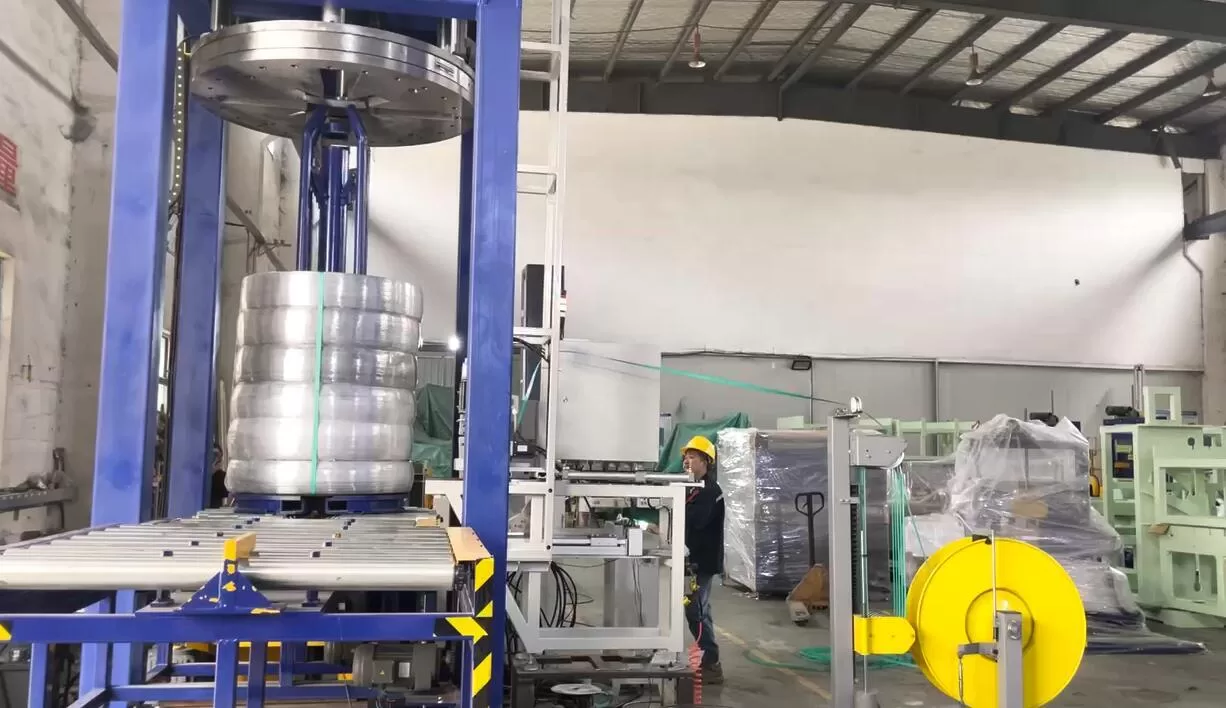
Understanding the fundamental mechanics of these systems is the first step toward unlocking their full potential. From enhancing safety to boosting profitability, the insights gained from analyzing these lines can transform your operations. Let’s dive deeper into what these powerful machines can do for your business.
1. What is a Horizontal Steel Coil Packing Line, and Why Does it Matter for Your Factory?
Are you still relying on manual methods for your steel coil packaging? If so, you’re likely feeling the strain of slow throughput, inconsistent quality, and the ever-present risk of worker injury. In today’s fast-paced industrial environment, efficiency isn’t a luxury; it’s a necessity for survival and growth.
A horizontal steel coil packing line is an integrated system designed to automatically wrap and strap steel coils as they move horizontally along a conveyor, ensuring consistent, secure packaging and significantly reducing the need for human intervention in demanding heavy industry environments.

When I first started in the packing machine industry, I saw firsthand the back-breaking work involved in handling heavy coils. This drove my passion to develop better, safer, and more efficient solutions. For a factory manager like Michael in Mexico, understanding the core function of a horizontal steel coil packing line goes beyond basic mechanics; it’s about recognizing its role as a strategic asset. These lines are not just machines; they are central nervous systems for your end-of-line processes, ensuring continuous flow and protection.
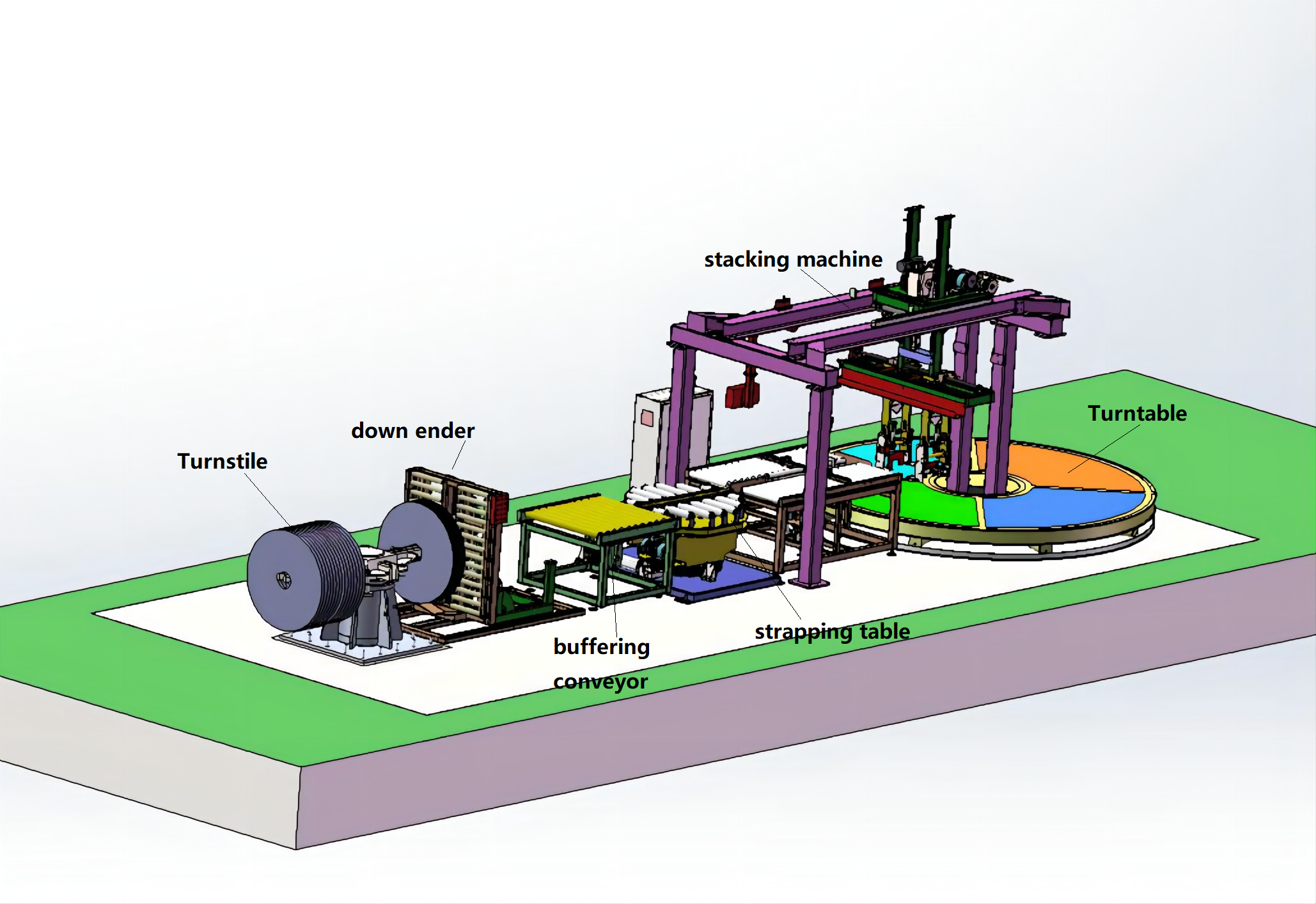
Core Components of a Horizontal Packing Line:
Understanding the specific parts helps you see the whole picture. Each component plays a vital role in ensuring a smooth and efficient packaging process for various steel products.
-
1. Entry Conveyor System: This is where the journey begins.
- Function: Moves finished steel coils from the production line into the packing area.
- Key Features: Robust construction, often with V-rollers or chain conveyors, to handle heavy loads without damage. Ensures a steady feed.
- Benefit for Michael: Prevents bottlenecks at the start, ensuring a continuous flow of coils ready for packing.
- Imagine your factory in Mexico, where coils smoothly transition without manual pushing or lifting. 🇲🇽
-
2. Automatic Wrapping Machine: The heart of the protection.
- Function: Applies stretch film, woven fabric, or VCI paper around the coil’s outer diameter and eye, protecting it from moisture, dust, and physical damage.
- Key Features: Orbital wrappers that move around the coil, adjustable tension controls, and automatic film cutting. Can handle various coil sizes.
- Benefit for Michael: Consistent, high-quality wrapping reduces product damage during transit and storage, cutting down on customer complaints and rework.
- This is crucial for preserving the integrity of expensive steel coils.
-
3. Automatic Strapping Machine: Securing the package.
- Function: Applies steel or PET strapping circumferentially and radially to secure the wrapped coil, preventing unraveling and ensuring stability.
- Key Features: Automatic strap feeding, tensioning, sealing, and cutting. Often features multiple strapping heads for quick application.
- Benefit for Michael: Enhances the structural integrity of the package, making it safer for handling and stacking. Reduces the risk of coils shifting.
- Think about how much safer heavy loads become when properly secured. Less risk means lower insurance costs. 🛡️
-
4. Exit Conveyor and Stacking System: The final stage.
- Function: Transports the fully packed and strapped coils away from the packing station for storage, labeling, or direct loading.
- Key Features: Can include weighing scales, labeling machines, and automated stacking or transfer devices.
- Benefit for Michael: Streamlines the post-packing logistics, speeding up dispatch and freeing up valuable floor space. Reduces manual intervention at the very end.
- This entire integrated process reduces your reliance on labor and dramatically speeds up your end-of-line operations. (heavy steel coil packaging, automated conveyor systems, industrial packaging components)
2. How Does Automation in Steel Coil Packing Truly Boost Your Production Efficiency?
Are you constantly battling production bottlenecks, especially at the end of your line where manual packing slows everything down? The frustration of seeing your hard-earned productivity erode in the final stages is a common headache for many factory managers. It is a critical challenge, one that automation can decisively resolve.
Automating your steel coil packing line dramatically boosts production efficiency by increasing throughput speed, ensuring consistent packaging quality, and reducing the reliance on slow, error-prone manual labor, directly addressing common bottlenecks in heavy manufacturing operations.

In my years helping factories, from small workshops to large-scale operations, I’ve seen how much even a small improvement in throughput can impact the bottom line. Automation isn’t just about replacing human hands; it’s about optimizing an entire process. It ensures every coil leaving your factory in Mexico is packed to the same high standard, at a speed no human crew could consistently match.
The Efficiency Leap: Manual vs. Automated Packing
Let’s break down the tangible differences and show how automation isn’t just an upgrade, but a necessity for modern industrial efficiency.
| Feature | Manual Packing | Automated Packing (Horizontal Line) |
|---|---|---|
| Speed/Throughput | Slow, inconsistent, dependent on worker pace. | Fast, consistent, high output rates (e.g., 30-60 coils/hour). |
| Labor Requirement | High; multiple workers per shift needed. | Low; often 1-2 operators for supervision. |
| Consistency | Varies by worker skill and fatigue. | High; uniform wrapping and strapping for every coil. |
| Safety | High risk of strains, crushes, cuts. | Significantly reduced manual handling, lower risk. |
| Material Usage | Often wasteful, inconsistent tension. | Optimized usage, precise tension, less waste. |
| Cost Implications | High labor costs, injury costs, rework. | Lower labor costs, reduced waste, improved quality. |
-
1. Unmatched Speed and Throughput: Manual packing is inherently limited by human physical capabilities. An automated horizontal steel coil packing line can process coils continuously, often completing a full wrap and strap cycle in minutes. This means your finished products move out of the packing area much faster, clearing space and allowing your upstream production to operate at its full potential. For Michael, this translates directly to meeting tighter deadlines and potentially taking on more orders without extending work hours. ⚡ (high throughput packaging, continuous production flow, automated packing speed)
-
2. Consistent Quality, Every Time: Human error is a reality. In manual packing, film tension, strap placement, and overall package integrity can vary. Automation removes this variability. Once programmed, the machine applies the same precise wrap and strap every single time. This consistency not only makes your packages look professional but, more importantly, ensures superior protection for your valuable steel coils. This translates to fewer damaged goods and higher customer satisfaction, which builds your brand’s reputation as a reliable supplier in Mexico and beyond. (consistent packaging quality, automated strapping accuracy, brand reputation enhancement)
-
3. Optimized Resource Utilization: Automation streamlines the use of packing materials. Intelligent tension control systems on wrapping machines ensure that just the right amount of film is used, minimizing waste. Strapping machines apply precise tension, preventing over-tightening that could damage the coil or under-tightening that could lead to insecure packages. This meticulous material management leads to significant cost savings over time, a direct benefit for Michael’s goal of reducing operational expenses. (optimized material usage, cost-effective packaging, resource efficiency)
-
4. Seamless Integration and Data Insights: Modern automated lines can integrate with your existing factory management systems. This allows for real-time monitoring of packing speeds, material consumption, and even diagnostic alerts. For a factory manager, this data is invaluable. It provides insights into operational performance, helps identify potential issues before they become major problems, and supports data-driven decision-making for continuous improvement. This level of insight is something manual processes simply cannot offer. (integrated packing systems, real-time operational data, data-driven decision making)
3. Can a Horizontal Coil Packing Line Seriously Improve Worker Safety and Reduce Product Damage?
Are your workers constantly at risk from handling heavy, cumbersome steel coils? Is product damage during internal transfer and packing a persistent headache, leading to costly rejects and frustrated customers? These aren’t just minor inconveniences; they’re significant drains on your profitability and a constant source of worry.
A horizontal steel coil packing line dramatically improves worker safety by eliminating manual handling of heavy coils and concurrently reduces product damage through precise, automated wrapping and strapping, safeguarding both your personnel and your valuable output.
I’ve seen too many factories where dedicated workers face daily dangers, lifting and manipulating heavy items. As a packing machine engineer who started on the factory floor, I know this struggle firsthand. It’s why building machines that protect people is as important to me as building machines that pack efficiently. For a factory manager like Michael in Mexico, these benefits directly translate into a more secure workplace and a healthier bottom line.
Protecting Your People and Your Products:
-
1. Eliminating Manual Heavy Lifting: The Safety Revolution
- The Problem: Manually lifting, rotating, or guiding heavy steel coils poses an extreme risk of back injuries, crushed limbs, and other severe accidents. These aren’t just statistics; they are real people getting hurt. The financial impact includes high insurance premiums, medical costs, and lost productivity due to absenteeism or staff turnover.
- The Automated Solution: Horizontal coil packing lines automate the entire handling process. Coils move on robust conveyors, through wrapping stations, and onto strapping machines without a single human touch. Workers supervise from a safe distance, interacting only when necessary for setup or maintenance, away from pinch points and heavy moving parts.
- Impact for Michael:
- 📉 Reduced Accident Rates: Fewer manual tasks mean a significant drop in workplace injuries.
- ✅ Lower Insurance Premiums: A safer work environment often leads to reduced insurance costs.
- 🤝 Improved Worker Morale: Employees feel more valued and secure, leading to higher retention.
- Imagine your factory in Mexico becoming a benchmark for safety in the heavy industry. (worker injury prevention, automated material handling, workplace safety improvements)
-
2. Minimizing Product Damage: Protecting Your Investment
- The Problem: During manual packing, coils can be dropped, bumped, or improperly handled, leading to dents, scratches, or edge damage. This is particularly critical for sensitive products like CRCA (Cold Rolled Close Annealed) or slit coils, where surface finish is paramount. These damages result in costly rejects, rework, and erode customer trust.
- The Automated Solution: The packing process is precise and controlled. Coils are gently moved on specialized conveyors. Wrapping machines apply protective layers uniformly, preventing dust, moisture, and impact damage. Strapping machines secure the package without over-tightening, which could deform the coil. The entire system is designed to minimize physical contact and environmental exposure.
- Impact for Michael:
- 🌟 Higher Product Quality: Consistently protected coils maintain their pristine condition from factory to customer.
- 💲 Reduced Material Waste: Fewer damaged products mean less scrap and rework, directly saving costs.
- 📈 Enhanced Customer Satisfaction: Delivering undamaged goods consistently builds a strong reputation and fosters repeat business.
- No more costly customer complaints about damaged edges or compromised surfaces. (product integrity, automated protective packaging, customer satisfaction improvement)
-
3. Compliance and Reputation:
- Compliance: Meeting stringent safety regulations in manufacturing is non-negotiable. Automated systems help you adhere to international safety standards, minimizing the risk of fines and legal issues.
- Reputation: A factory known for prioritizing worker safety and delivering high-quality, undamaged products builds an invaluable reputation. This attracts better talent and more discerning clients, giving you a competitive edge in Mexico’s industrial landscape.
- This dual benefit of safety and quality makes the investment pay for itself many times over. (regulatory compliance, industrial safety standards, brand reputation enhancement)
4. What Are the Long-Term Financial Benefits and ROI of Investing in a Modern Packing Line?
Are you struggling to justify significant capital investments in new machinery, even when you know they could improve your operations? The challenge often lies in clearly articulating the long-term financial benefits and demonstrating a solid return on investment. For many factory managers, this is the make-or-break point.
Investing in a modern horizontal steel coil packing line offers substantial long-term financial benefits by reducing labor costs, minimizing material waste, decreasing product damage, and improving overall operational efficiency, leading to a strong and measurable return on investment for any forward-thinking heavy industry factory.
When I decided to build my own packing machine factory, every investment had to make sense on the balance sheet. I learned that smart equipment purchases aren’t just expenses; they are strategic moves that unlock future profits. For a manager like Michael in Mexico, understanding the ROI of an automated packing line isn’t just about spreadsheets; it’s about securing the financial future and competitiveness of his plant.
Demonstrating the ROI: Beyond Initial Costs
Let’s look at the hard numbers and the strategic advantages that make a modern packing line a wise financial decision.
-
1. Reduced Labor Costs: The Most Obvious Gain
- Scenario: A manual packing operation might require 3-5 workers per shift. With an automated line, this can drop to 1-2 supervisors or operators.
- Calculation Example (Illustrative):
- Manual: 3 workers x 3 shifts x 260 days/year x $15/hour = $374,400/year (approx. labor cost)
- Automated: 1 worker x 3 shifts x 260 days/year x $15/hour = $120,900/year (approx. labor cost)
- Annual Savings: ~$250,000
- Impact: This significant reduction in direct labor costs is often the quickest way to see a positive ROI. These resources can then be reallocated to other areas of the factory, like quality control or maintenance, where human skills are irreplaceable. (labor cost reduction, automated systems savings, operational expenditure decrease)
-
2. Material Waste Reduction: Every Meter Counts
- Issue: Manual wrapping can lead to inconsistent film tension, excessive overlap, and film breakage, resulting in wasted material. Strapping might be applied inefficiently.
- Solution: Automated machines are programmed for optimal material usage. They apply film and straps with precise tension and length, minimizing waste and maximizing coverage.
- Financial Benefit: Even a 10-15% reduction in packing material consumption can lead to tens of thousands of dollars in annual savings, depending on your production volume. Over several years, this adds up substantially. (packing material optimization, waste reduction strategies, cost-efficient packaging)
-
3. Decreased Product Damage and Customer Returns: Protecting Revenue
- Problem: Damaged coils mean costly rework, customer returns, freight costs for returns, and even lost future business. Each damaged coil hits your profit margin twice: once from the initial production cost and again from the cost of resolving the issue.
- Solution: Consistent, protective packaging from an automated line virtually eliminates these issues. Your products arrive in perfect condition.
- Financial Benefit: This is harder to quantify precisely but profoundly impactful. It protects your revenue, improves your brand reputation, and strengthens customer loyalty. Michael’s plant in Mexico would see fewer complaints and more satisfied clients. (product damage prevention, customer retention, revenue protection strategies)
-
4. Increased Throughput and Sales Capacity: Growth Potential
- Advantage: By eliminating packing bottlenecks, your entire production line can operate more efficiently. This means you can produce and ship more coils in the same amount of time.
- Financial Benefit: Higher throughput directly translates to increased sales capacity. If your market demand allows, you can take on more orders without expanding your physical factory footprint or adding costly shifts. This drives top-line revenue growth.
- Strategic Impact: This positions your factory as a high-volume, reliable supplier, giving you a competitive edge in the market. It enables your business to grow sustainably. (increased production capacity, sales growth enablement, competitive market advantage)
-
5. Maintenance and Downtime Considerations:
- Modern Machine Design: Today’s packing lines are designed for durability and ease of maintenance. With proper preventive care, they offer high uptime.
- ROI Factor: While initial investment includes maintenance considerations, the reduction in unplanned downtime due to manual packing errors or bottlenecks far outweighs these. FHOPEPACK, for example, prioritizes robust design and accessible components.
- The long-term value clearly outweighs the upfront cost, especially when partnering with a knowledgeable supplier who understands your unique operational demands. (packing machine maintenance, operational uptime, supplier partnership value)
Conclusion
Investing in a horizontal steel coil packing line transforms your operations, boosting efficiency, enhancing safety, and delivering clear financial returns. It is a strategic step towards modernizing your factory in Mexico, securing your competitive edge, and ensuring sustainable growth. Choose wisely, and partner with experts who understand your unique challenges, offering a robust steel coil packing line solution tailored for your success.


