What are the Common Problems and Maintenance Tips for Steel Coil Strapping and Packing Lines?
Are you a factory manager like Michael, constantly battling with slow production, frequent breakdowns, and rising costs on your packing lines? Do you worry about the safety of your workers handling heavy steel coils, or the damage that can happen to your products during packing? These challenges are real, and they can significantly impact your bottom line and reputation.
Steel coil strapping and packing lines often face issues like equipment downtime, inconsistent strapping tension, and safety risks from manual handling. Common problems include mechanical wear, electrical faults, and operator errors. Effective maintenance tips involve regular inspections, proper lubrication, and training staff on correct operation and troubleshooting to ensure reliable and efficient performance.

I have seen these problems firsthand during my years in the packing machine industry. I built FHOPEPACK to share my experience and help factory owners like you overcome these hurdles. Let’s dive deeper into the specific problems and practical solutions that can keep your steel coil packing lines running smoothly and safely.
1. What common issues lead to frustrating downtime in steel coil strapping and packing?
Do your production targets often get missed because a packing machine suddenly stops? Are you tired of unexpected breakdowns that disrupt your entire operation, costing you time and money? Ignoring these early warning signs can turn minor glitches into major, costly stoppages.
Many factors can cause downtime in steel coil strapping and packing lines, including worn-out mechanical parts, electrical system malfunctions, and incorrect machine settings. Often, inconsistent material feeding, sensor failures, and issues with the strapping head also contribute to frequent interruptions and reduced productivity.
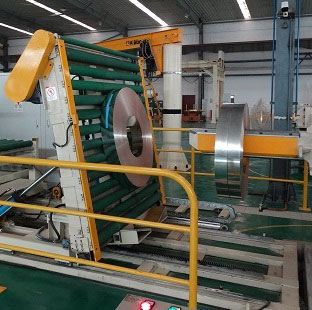
From my own experience running a packing machine factory, I know that even small delays add up. Downtime is not just about a stopped machine; it affects your entire supply chain. It means frustrated customers and missed deadlines. Understanding the root causes of these interruptions is the first step to fixing them. We need to look closely at both the machine’s components and the way it operates.
Common Causes of Downtime and Their Impact
Downtime in a steel coil packing line can stem from many different areas. Each problem creates specific ripple effects.
- Mechanical Wear and Tear
- Problem: Moving parts like gears, bearings, and belts naturally wear out over time. This is especially true in the heavy-duty environment of steel processing. Loose or broken parts can lead to immediate machine failure.
- Impact: Increased friction, reduced efficiency, and sudden breakdowns. Worn parts can also damage other components if not replaced promptly.
- Solution: Regular visual inspections and scheduled replacement of wear parts (Preventative maintenance checks).
- Consider this table showing wear points:
| Component | Common Issue | Consequence |
|---|---|---|
| Strapping Head | Misalignment, Worn Jaws | Inconsistent strap tension |
| Conveyor Belts | Fraying, Slippage | Product misalignment |
| Gearboxes | Lubricant leaks, Noise | Reduced power, Seizure |
| Cutting Blades | Dullness, Damage | Incomplete cuts, Strap jams |
| Sensors | Dirt, Malfunction | False readings, Stopping line |
-
Electrical System Failures
- Problem: Issues with wiring, motors, sensors, or the PLC (Programmable Logic Controller) can halt operations. Power surges or fluctuating voltage can also cause damage.
- Impact: Complete machine shutdown, safety risks from exposed wires, and complex troubleshooting. Diagnosing electrical issues often requires specialized knowledge.
- Solution: Routine electrical checks, proper grounding, and using surge protectors. Ensure wiring is protected from dust and moisture (Electrical system reliability).
- 💡 Tip: Always label your wires clearly. This helps immensely during troubleshooting.
-
Human Error and Operator Training
- Problem: Incorrect loading of materials, improper machine settings, or lack of understanding about machine functions can lead to operational errors. This is a common issue when new staff are not fully trained.
- Impact: Machine jams, poor packing quality, product damage, and even safety incidents. Operator error often leads to frustration and delays.
- Solution: Comprehensive training programs for all operators. Clear SOPs (Standard Operating Procedures) should be available and followed strictly (Operator skill development).
- 📖 Case Study Idea: I once saw a factory where operators consistently overloaded the machine because they didn’t understand the weight limits. This led to frequent motor overheating. After proper training, the problem disappeared.
-
Material Quality and Inconsistencies
- Problem: Poor quality strapping material, inconsistent coil dimensions, or foreign objects can interfere with the packing process. For example, a weak strap might break often.
- Impact: Machine jams, poor package integrity, and product rejections. Using substandard materials can severely impact efficiency.
- Solution: Use high-quality, consistent strapping materials. Implement strict quality control for incoming steel coils (Material compatibility).
- ✅ Checklist:
- Is strapping material tension uniform?
- Are coil dimensions within machine specifications?
- Is there any debris on the conveyor?
Understanding these common problems helps you build a strong strategy to prevent them. It is about being proactive, not reactive. (Packing line efficiency, industrial equipment maintenance)
2. How can I improve safety and prevent damage during steel coil and wire packing?
Are your workers constantly exposed to risks when handling heavy coils? Do you see damaged products leaving your facility, leading to customer complaints and financial losses? Michael from Mexico understands this well. He knows that safety incidents and product damage are not just costs; they are a direct threat to his business.
Improving safety and preventing damage in steel coil and wire packing primarily involves automating heavy lifting and strapping processes to reduce human interaction with dangerous machinery. Implementing robust safety features, ensuring clear work zones, and investing in advanced packing solutions significantly minimize risks for workers and protect product integrity during handling and transit.
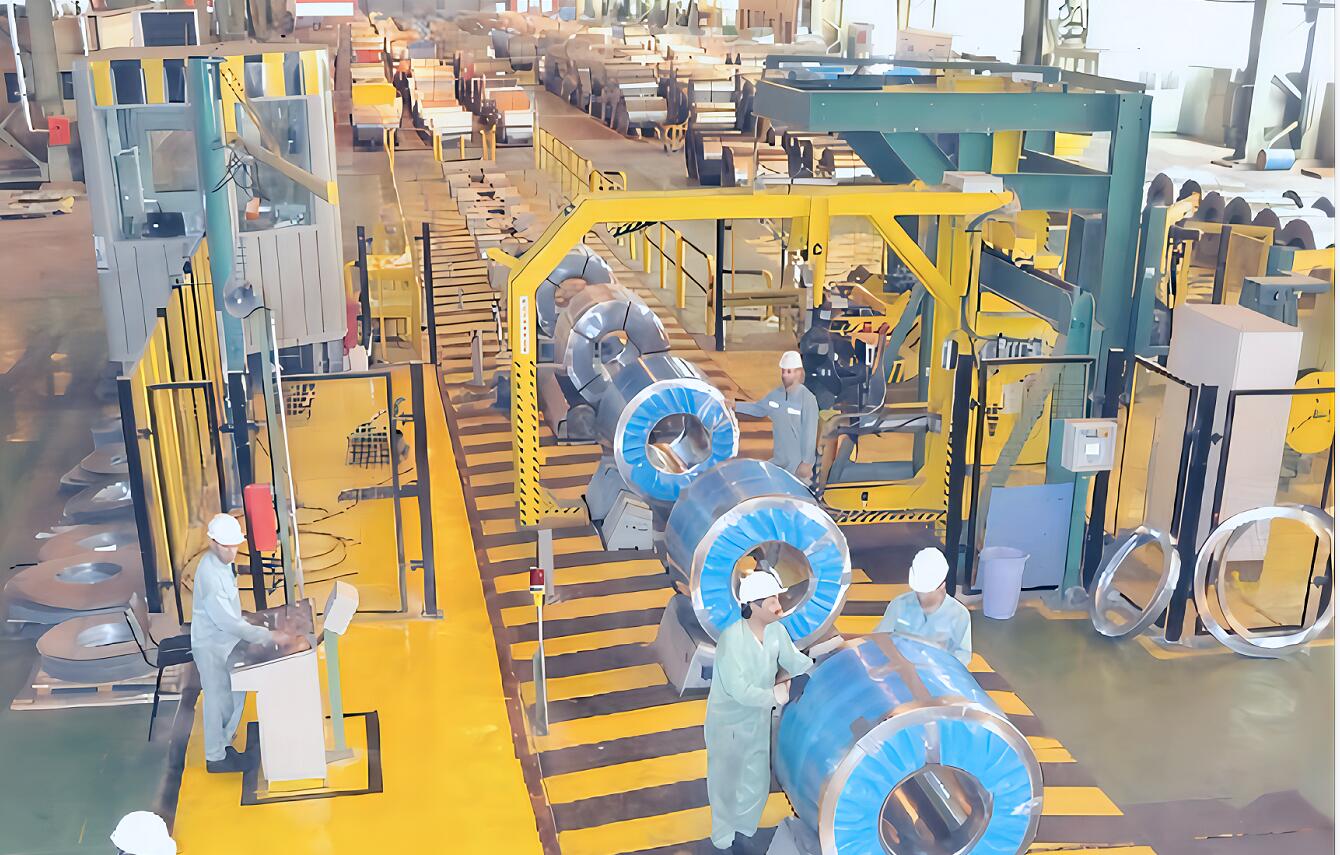
When I started FHOPEPACK, I focused on creating solutions that made factories safer and more productive. Manual handling of heavy steel coils is one of the most dangerous tasks in any metal processing plant. Workers face risks like crushing injuries, strains, and cuts. On top of that, poorly handled coils can get dented or scratched, leading to valuable product loss. It is a double challenge: protecting people and protecting products.
Strategies for Enhanced Safety and Product Protection
Addressing safety and product damage requires a multi-faceted approach. Automation plays a critical role, but it also needs to be supported by strong safety protocols.
- Automated Handling Systems
- Benefit: Reduces the need for human intervention in lifting, moving, and positioning heavy coils. This removes workers from hazardous zones.
- Examples:
- Automatic Coil Upenders: These machines safely flip coils from horizontal to vertical or vice versa, eliminating manual labor and the risk of injury from heavy lifting.
- Heavy-duty Conveyor Systems: Transport coils smoothly through the packing line, preventing impacts and sudden drops that could damage products or injure workers.
- Robotic Grippers: Can handle coils with precision, avoiding human contact.
- Michael’s factory in Mexico would greatly benefit from these systems. They directly address his challenge of high injury risks and product loss.
- 📈 Impact: Up to 70% reduction in manual handling injuries. Significantly reduces product damage during internal transfers.
- Consider this comparison:
| Feature | Manual Handling | Automated Handling |
|---|---|---|
| Worker Safety | High risk of injury | Low risk, reduced exposure |
| Product Damage | High potential for dents/scratches | Minimal, controlled movements |
| Efficiency | Slow, labor-intensive | Fast, consistent, high throughput |
| Consistency | Varies with operator skill | High, predictable quality |
| Long-term Costs | High (insurance, turnover) | Lower (ROI from efficiency) |
-
Advanced Strapping and Wrapping Technology
- Benefit: Ensures secure packaging that protects the product during storage and transport. Automated systems apply consistent tension, preventing shifting or unwrapping.
- Features:
- Orbital Stretch Wrappers: Provide a tight, protective film around coils, guarding against dust, moisture, and minor impacts.
- Automatic Strapping Machines: Apply steel or PET straps with precise tension, holding the coil firmly. This prevents the coil from unwinding or shifting.
- Edge Protectors: Can be automatically applied to the coil’s edges before strapping, protecting against strap indentation and impact damage (Coil edge protection).
- 💡 My Insight: I always tell clients that proper wrapping and strapping are your last line of defense for product quality. If a coil is damaged in transit, all the good work before that is wasted.
-
Comprehensive Safety Features and Protocols
- Benefit: Prevents accidents by incorporating safety devices into machine design and enforcing strict operational rules.
- Examples:
- 🚨 Emergency Stop Buttons: Easily accessible buttons that immediately cut power to the machine.
- 🛡️ Safety Fences and Light Curtains: Create physical barriers and invisible safety zones. If a worker enters a light curtain, the machine stops.
- Audible and Visual Warnings: Alarms and flashing lights signal machine operation or potential hazards.
- Lock-out/Tag-out Procedures: Standardized methods to ensure machines are safely shut down and cannot be restarted during maintenance or repairs.
- Michael is looking for durable equipment that can withstand a harsh environment. Safety features are part of durability. A safe machine is a well-designed machine (Industrial safety standards).
-
Regular Training and Supervision
- Benefit: Even with automation, human oversight is necessary. Well-trained staff are less likely to make mistakes and are better equipped to respond to emergencies.
- Focus: Training on machine operation, safety protocols, and emergency procedures. Regular refresher courses are important.
- Supervision: Consistent supervision ensures protocols are followed and identifies potential unsafe practices before they lead to accidents (Workplace safety training, damage prevention).
By investing in these solutions, you can create a safer workplace and deliver products that meet your customers’ quality expectations. This builds trust and strengthens your business.
3. Why is regular maintenance essential for the long-term performance of steel coil packing lines?
Do you wait for your car to break down before taking it to the mechanic? Of course not. So why would you do that with your valuable steel coil packing line? Many factory managers, perhaps like Michael, overlook the importance of regular maintenance, only to face costly repairs and unexpected stoppages later.
Regular maintenance is essential for the long-term performance of steel coil packing lines because it prevents unexpected breakdowns, extends equipment lifespan, and maintains consistent operational efficiency. Scheduled checks, lubrication, and timely replacement of worn parts reduce repair costs, improve safety, and ensure high-quality packaging output, providing a significant return on investment.

I learned early in my career that a well-maintained machine is a happy machine. And a happy machine means a productive factory. As Randal Liu, I know the difference between a factory that thrives and one that struggles often comes down to its maintenance culture. Preventative maintenance is not an expense; it is an investment that pays off many times over. It keeps your machines reliable and saves you from the headache of emergency repairs.
The Undeniable Benefits of a Robust Preventative Maintenance Plan
A strong maintenance strategy ensures your packing lines continue to operate at peak performance. It helps you avoid the biggest headaches.
-
Extending Equipment Lifespan
- Mechanism: Regular cleaning, lubrication, and inspection prevent premature wear on components. Think of it like regular oil changes for your car.
- Outcome: Machines last longer, delaying the need for expensive new equipment purchases. This significantly improves your return on investment (ROI). Michael is looking for clear ROI.
- Example: Proper lubrication of moving parts reduces friction and heat, which are major causes of wear in the heavy-duty environment of steel packing (Equipment longevity).
- Key Action: Follow manufacturer’s recommended lubrication schedule strictly. Use the correct type of lubricant.
-
Reducing Unscheduled Downtime
- Mechanism: Proactive checks identify potential problems before they escalate into major failures. You catch small issues before they stop your whole line.
- Outcome: Fewer unexpected breakdowns mean more consistent production and fewer missed deadlines. This directly addresses Michael’s efficiency bottlenecks.
- Data Point: Studies show that companies with effective preventative maintenance can reduce unscheduled downtime by 50-75% (Downtime reduction strategies).
- Planning Tip: Schedule maintenance during off-peak hours or planned shutdowns to minimize disruption.
-
Improving Operational Efficiency and Output Quality
- Mechanism: Well-tuned machines operate more smoothly and consistently. This leads to better quality packing.
- Outcome: Consistent strapping tension, neat wraps, and secure packages. This reduces product damage and customer complaints.
- Indicator: A properly maintained strapping head will apply uniform tension, ensuring the coil is securely packed every time (Packing quality consistency).
- Check: Regularly calibrate sensors and adjust machine settings to ensure accuracy.
-
Enhancing Workplace Safety
- Mechanism: Regular inspections detect worn or damaged parts that could pose a safety hazard. This includes checking safety guards, emergency stops, and electrical systems.
- Outcome: Fewer accidents and a safer working environment for your employees. This directly supports Michael’s goal of improved safety.
- Rule: Never bypass safety features, even for a quick fix. Maintenance should always reinforce safety (Industrial safety protocols).
- 👷♂️ Safety Note: During maintenance, always follow Lock-out/Tag-out procedures. This prevents accidental machine startups.
-
Lowering Overall Maintenance Costs
- Mechanism: Preventative measures are generally less expensive than reactive repairs. A small part replacement is cheaper than fixing a cascaded failure.
- Outcome: Reduced spending on emergency repairs, expedited shipping for parts, and fewer labor hours for troubleshooting.
- Cost Factor: The cost of a major repair can be 3-5 times higher than the cost of preventing that failure through maintenance (Cost-effective maintenance).
- Consider this simple cost comparison:
| Type of Maintenance | Typical Cost | Impact on Production | Benefits |
|---|---|---|---|
| Preventative | Low, planned | Minimal | Extends life, avoids failures |
| Reactive | High, unplanned | Major disruption | Only fixes immediate issue |
Investing in a strong maintenance program is a smart business decision. It protects your assets, your people, and your profits. (Industrial equipment reliability, steel coil machine upkeep)
4. What are the key troubleshooting steps for common problems in steel coil strapping machines?
When a steel coil strapping machine suddenly stops, it can feel like a crisis. The pressure to get it running again is intense. How do you quickly diagnose the problem and get production back on track? Michael, like many factory managers, needs practical, step-by-step guidance to handle these situations.
Key troubleshooting steps for common problems in steel coil strapping machines involve systematically checking power supply, material feeding, and sensor functionality first. Then, inspect for mechanical obstructions or worn parts in the strapping head and tensioning system. Finally, review control panel error messages and consult the operator’s manual for specific diagnostic procedures, ensuring a logical approach to problem-solving.
I remember times when a single machine stoppage meant hours of lost production. That experience taught me the importance of methodical troubleshooting. You cannot just guess. You need a structured approach. At FHOPEPACK, we believe in empowering our clients with the knowledge to handle immediate issues. This saves valuable time and prevents minor glitches from becoming major headaches.
Step-by-Step Troubleshooting Guide for Strapping Machines
Troubleshooting a strapping machine involves a logical process of elimination. Here’s how I would approach it:
-
Step 1: Check the Basics – Power and Material Flow
- Problem: Machine is not starting or responding.
- Troubleshooting:
- 🔌 Power Supply: Is the machine plugged in? Is the main power switch on? Check circuit breakers.
- 🛑 Emergency Stop: Is an emergency stop button pressed? Reset it.
- 📦 Material: Is there enough strapping material? Is it loaded correctly? Is it jammed?
- 🌬️ Air Pressure: For pneumatic machines, is the air supply connected and at the correct pressure?
- My Insight: It sounds simple, but many issues are solved by checking these basic points first. Do not overlook them (Initial troubleshooting, machine startup issues).
-
Step 2: Inspect for Mechanical Obstructions and Wear
- Problem: Machine runs but strapping is inconsistent or fails.
- Troubleshooting:
- 🔍 Strapping Path: Look for any foreign objects, debris, or broken strap pieces blocking the strapping path.
- 🛠️ Strapping Head: Check for worn or misaligned parts in the strapping head, especially the jaws, knives, and guides.
- ⚙️ Tensioning System: Is the tensioning roller clean? Is there any wear affecting the tension mechanism?
- 🧰 Lubrication: Are all moving parts adequately lubricated? Dry components increase friction and wear.
- Visual Check: A quick visual inspection can often reveal a lot. Pay attention to unusual noises or vibrations when the machine attempts to cycle (Mechanical fault finding, strapping head repair).
-
Step 3: Analyze Electrical and Sensor-Related Issues
- Problem: Machine stops randomly or gives error messages.
- Troubleshooting:
- 💡 Indicator Lights: Check the control panel for any error codes or warning lights. Consult the machine manual to understand their meaning.
- 📡 Sensors: Are sensors clean and unobstructed? Dirt or misalignment can cause false readings, leading the machine to stop. Common sensors include strap end sensors and coil position sensors.
- ⚡ Wiring: Look for any loose or damaged wiring, especially near motors and sensors.
- Critical Thinking: Often, a sensor failure tells the machine it cannot proceed safely, so it stops. Cleanliness is key for sensors (Electrical diagnostics, sensor troubleshooting).
-
Step 4: Consult the Manual and Technical Support
- Problem: You cannot identify the problem, or a repair seems complex.
- Troubleshooting:
- 📖 Operator’s Manual: This is your best friend. It contains specific troubleshooting charts, error code explanations, and detailed diagrams for your model.
- 📞 Technical Support: If the manual doesn’t help, contact the machine manufacturer’s technical support. FHOPEPACK offers strong after-sales support because I know how frustrating it is to feel alone with a broken machine. This directly addresses Michael’s concern about supplier trust.
- Record Keeping: Document the problem, what steps you took, and any error codes. This helps technicians diagnose the issue faster (Technical assistance, machine manuals).
By following these steps, your team can often resolve common issues quickly. Remember, a systematic approach saves time and reduces frustration. Building a partnership with a reliable supplier like FHOPEPACK, who understands your needs, can make all the difference when complex problems arise. (Packing machine repair, industrial maintenance tips)
Conclusion
Tackling common problems and implementing smart maintenance for your steel coil packing line is crucial for efficiency, safety, and profit. By understanding potential issues and taking proactive steps, you can minimize downtime, protect your workers and products, and ensure your investment pays off. For expert guidance and reliable steel coil packing line solutions, FHOPEPACK is here to help you master your packing process.


