Coil Packing Machine vs Coil Wrapping Line — What’s the Right Solution?
Many factory managers I talk to feel stuck. They see their teams manually struggling with heavy steel coils and wire bundles. This manual work is slow, risky, and sometimes damages products. You might be feeling this pressure too. The big question often becomes: how can we improve this? How can we pack our products faster, safer, and without damage? (packaging automation, manual packing challenges, factory efficiency)
Choosing between a coil packing machine and a coil wrapping line is a key decision for any metal processing or heavy manufacturing plant, but the "right" solution depends entirely on your specific product, protection needs, budget, and desired level of automation. The packing machine typically focuses on secure bundling and basic protection with strapping and film, while a wrapping line offers comprehensive, all-around protection against elements, making it ideal for high-demand environments.
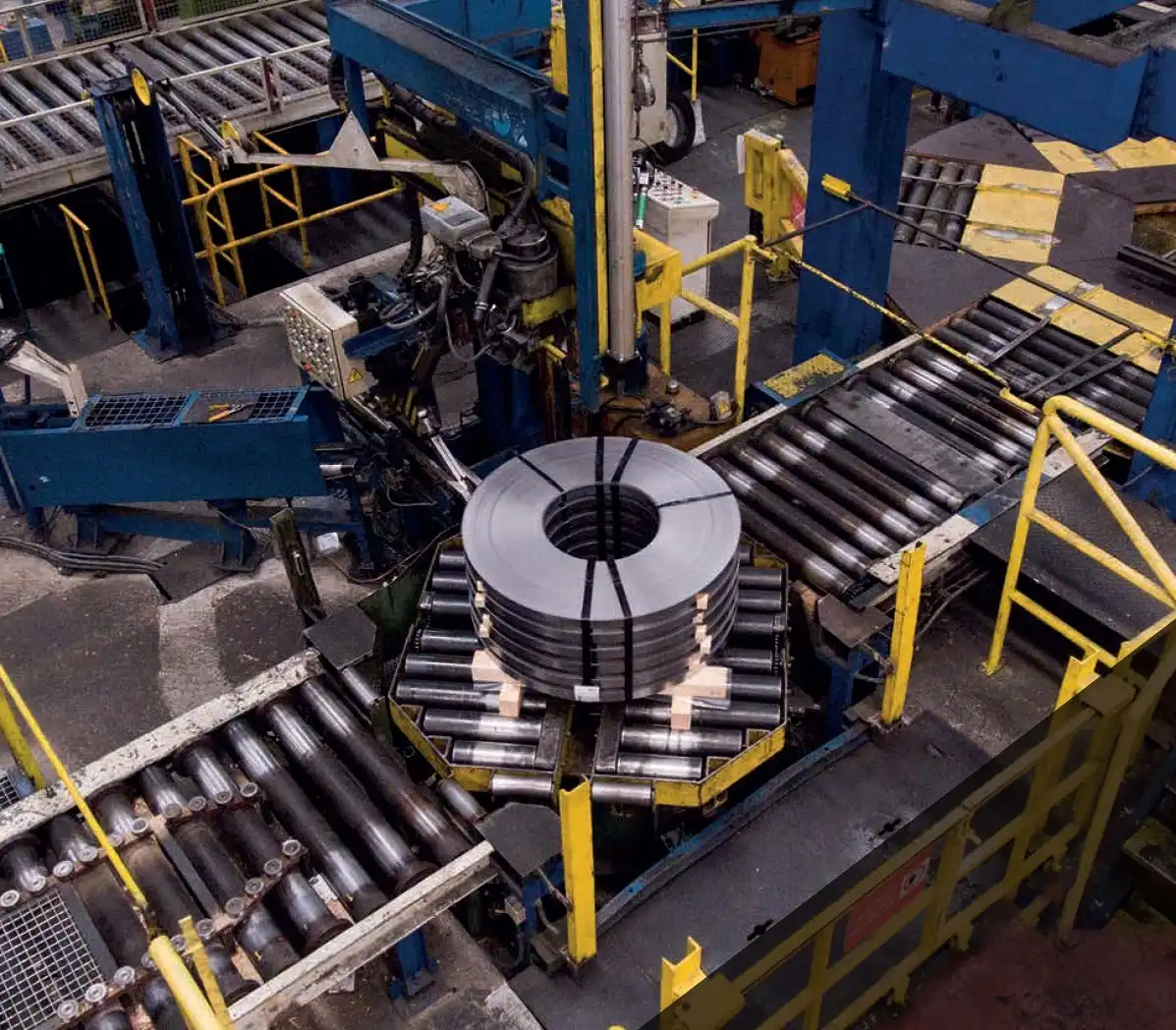
Navigating the world of industrial packaging can be complex, but understanding the core differences between these systems is your first step towards making a smart investment. Let’s break down each option and see which one truly fits your factory’s future.
1. What Exactly is a Coil Packing Machine, and How Does it Benefit Your Operations?
Are you tired of watching your production line slow down at the very end, just because of manual packing? Do you worry about coils coming loose or getting minor damage during transit? These are common issues I’ve seen in many factories. (production bottleneck, manual packaging risks, coil damage prevention)
A coil packing machine primarily focuses on securing and unitizing coils, often using strapping and sometimes a basic stretch film application, to prevent unraveling and provide foundational protection during handling and storage. It is an essential first step for many factories looking to automate their end-of-line processes.
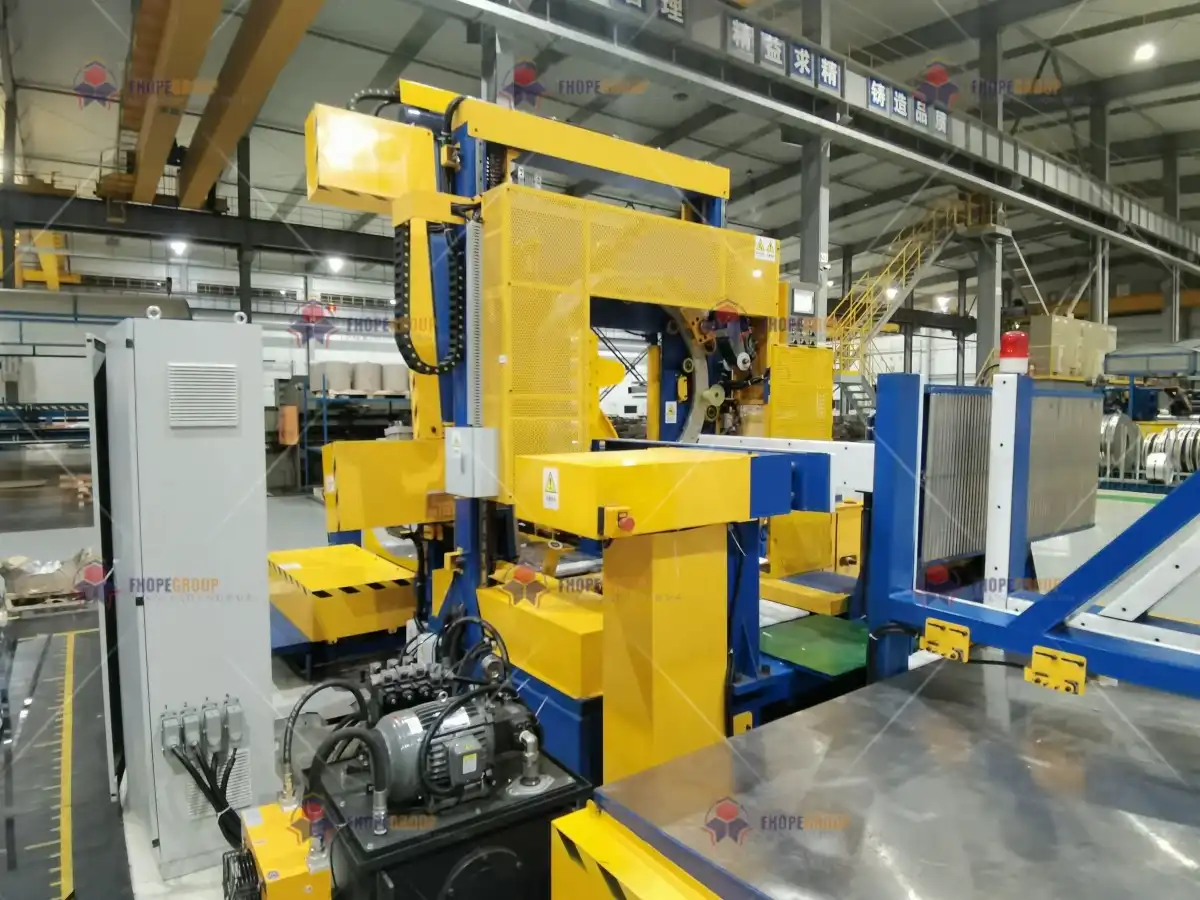
When I first started in the packing machine industry, I quickly learned that even simple automation can make a huge difference. A coil packing machine, at its core, automates the process of strapping and securing your coils. Think of it as putting a robust belt around your product. For example, a steel coil strapping line uses high-strength polyester or steel straps to bind the coil tightly. Some machines also integrate a basic stretch film dispenser to add a layer of dust and moisture protection. The main benefit here is speed and consistency. Instead of several workers manually applying straps, one machine does it quickly and with the same tension every time. This consistency means fewer broken straps and safer loads. This type of machine is particularly effective for businesses that need to prevent coils from unwinding, keep them compact for storage, and ensure they are stable for internal transport. It helps in reducing labor costs and significantly lowering the risk of workers getting injured from heavy, sharp strapping tools. In my own factory experience, streamlining this part of the process was crucial for improving overall throughput. It allows your workforce to focus on more skilled tasks, rather than repetitive, strenuous packing. This system is a strong solution for factories like Michael’s, especially if his main challenge is the slow, labor-intensive bundling of coils, leading to efficiency bottlenecks. It directly addresses the need to increase automation levels for better speed and worker safety.
(automated strapping, coil unitizing, labor cost reduction, worker safety improvement, production throughput)
2. What Defines a Coil Wrapping Line, and How Does It Stand Apart?
Are you dealing with product damage from moisture, dust, or corrosion during storage or shipping? Is your current packing method leaving your valuable coils exposed to the elements? Many of my clients, especially those exporting goods or storing them outdoors, face these exact problems. (corrosion prevention, product protection, export packaging)
A coil wrapping line offers a more comprehensive and robust level of protection, using orbital or horizontal wrapping technology to completely enclose the coil with stretch film, VCI (Volatile Corrosion Inhibitor) film, or other protective materials, creating a sealed barrier against dust, moisture, and rust. This makes it a superior choice for long-term storage or demanding shipping conditions.
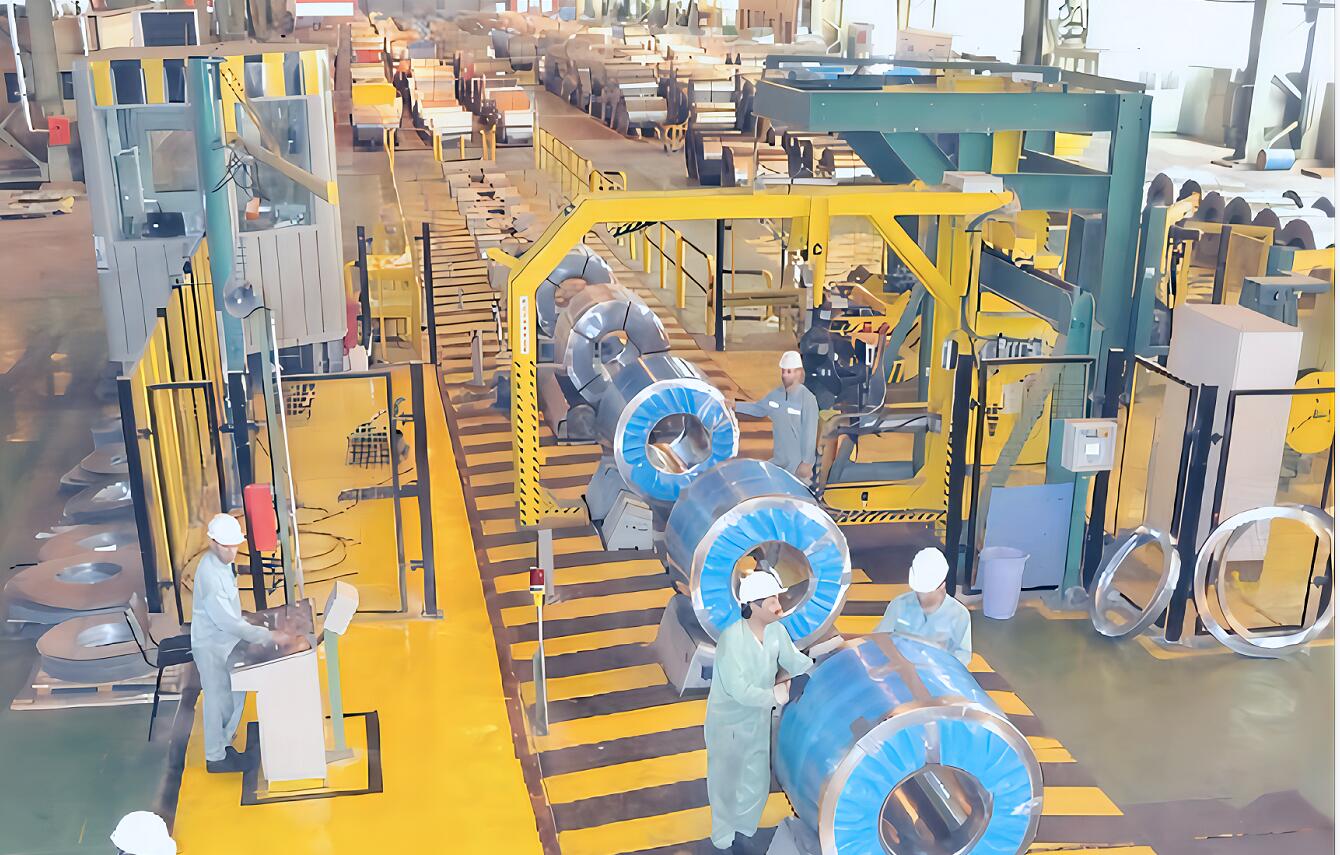
I’ve seen firsthand how a well-designed coil wrapping line can transform a factory’s product quality and customer satisfaction. While a packing machine secures the coil, a wrapping line envelops it, acting like a shield. These lines often feature an orbital wrapper, which rotates around the coil, applying multiple layers of film from all sides. Beyond just stretch film, specialized films like VCI can be used to prevent rust, which is critical for steel products. Some advanced lines include additional features like top pressing devices to make the coil more compact, or integrated upenders to change the coil’s orientation for easier handling or storage. The main goal here is full environmental protection. This type of system is invaluable for products that face harsh conditions, such as:
- Export Shipments: Protecting against saltwater spray, humidity, and rough handling during international transit.
- Outdoor Storage: Keeping coils safe from rain, snow, and UV exposure for extended periods.
- Corrosion-Sensitive Materials: Preventing rust and oxidation, which can be costly in terms of scrap and customer claims.
The investment in a wrapping line pays off by significantly reducing product damage and customer complaints, which was a major concern for Michael regarding product loss. It also enhances your brand’s reputation for delivering high-quality, undamaged goods. When I helped clients set up their wrapping lines, they often reported a dramatic decrease in claims related to surface damage or corrosion, showing a clear return on investment. This system ensures your product arrives in the same condition it left your factory.
(orbital wrapping technology, VCI film, environmental protection, export packaging solutions, customer satisfaction)
3. Which System is Right for Your Specific Steel Coil or Wire Packing Needs?
Are you unsure which investment will bring the most value to your factory? Do you need to weigh cost against the level of protection and automation? This is where many factory managers hesitate, worried about making the wrong choice. (packaging investment, cost-benefit analysis, automation decision)
The choice between a coil packing machine and a coil wrapping line hinges on several factors, including the type of product, required protection level, desired throughput, budget constraints, and available floor space, with wrapping lines offering superior protection for a higher investment. Understanding these trade-offs is crucial for a wise decision.

Making the right choice is not just about buying a machine; it’s about investing in the future of your factory. When I consult with clients, I always emphasize looking at their unique operational needs, not just what’s popular. Here’s a quick comparison to help you decide:
| Feature | Coil Packing Machine (e.g., Strapping Line) | Coil Wrapping Line (e.g., Orbital Wrapper) |
|---|---|---|
| Primary Function | Secures coils, prevents unraveling, basic bundling | Encloses coils completely, provides environmental protection |
| Protection Level | Basic (dust, light damage prevention) | High (moisture, dust, rust, abrasion, UV) |
| Materials Used | Steel strap, Polyester strap, basic stretch film | Stretch film, VCI film, PE film, woven fabric |
| Cost | Lower initial investment | Higher initial investment |
| Automation Level | Can be semi-automatic to fully automatic, usually less complex | Typically fully automatic, often integrated with complex conveyor systems |
| Throughput | Good for securing individual coils quickly | Excellent for continuous, high-volume, fully protected output |
| Space Requirement | Generally less space needed | Requires more floor space, especially for conveyor integration |
| Ideal For | Internal transport, short-term storage, basic secure shipment, Michael’s efficiency bottlenecks. | Export, outdoor storage, long-term preservation, high-value products, Michael’s product loss and safety needs. |
Consider Michael’s situation: he needs to increase automation, improve safety, and reduce product loss. A coil packing machine will tackle his efficiency bottlenecks by automating strapping and bundling, immediately improving safety by reducing manual heavy lifting. However, if his "product loss" also includes rust or weather damage, a coil wrapping line would be the more robust solution, offering complete protection. Sometimes, a hybrid approach combining elements of both might be the best "Master Packing Machine" solution for a medium-sized factory. Your product’s destination and the environmental conditions it will face are key drivers. Do your coils just need to be held together, or do they need to survive a long, wet journey across the ocean? Answering these questions truthfully will guide you to the correct system. This thoughtful decision-making is exactly what Michael seeks from a trusted partner.
(packaging system comparison, investment return, operational needs, product destination, environmental protection)
4. How Can the Right Packaging Solution Drive Real Growth and Safety in Your Factory?
Are you still relying on old, inefficient methods that put your workers at risk and eat into your profits? Do you often question if your current operations are truly helping your business grow? These are critical questions for any factory manager, and I believe the answer lies in smart, strategic investments. (operational efficiency, worker safety, profit margin improvement, strategic investment)
Investing in the right coil packaging solution is not just about buying a machine; it’s a strategic move that significantly boosts production efficiency, dramatically improves workplace safety, reduces costly product damage, and ultimately drives sustainable growth for your business through a clear return on investment (ROI).
(sustainable business growth, ROI, production efficiency, workplace safety)
From my experience building and running successful packing machine factories, I’ve seen how the right equipment can be a game-changer. For someone like Michael Chen, who manages a mid-sized metal processing plant, these benefits are even more pronounced.
-
Boosting Efficiency and Throughput:
Automated systems work faster and more consistently than humans. This means your coils move through the end-of-line process without bottlenecks, increasing your overall production capacity. When Michael talks about "efficiency bottlenecks," an automated system directly addresses this. Imagine your coils being strapped or wrapped in minutes instead of manually taking much longer. This continuous flow helps meet tight delivery schedules and boosts customer satisfaction.
📈 Increased production speed
⏰ Reduced cycle times
⚙️ Consistent packaging quality -
Enhancing Workplace Safety:
This is one of the biggest gains, and something I care deeply about. Manual handling of heavy coils, especially during strapping or wrapping, is inherently dangerous. Workers risk muscle strains, crushed limbs, or cuts from sharp edges. By automating these tasks, you remove your team from harm’s way. This leads to fewer workplace injuries, lower insurance costs, and a more positive work environment. Michael’s concern about "safety hazards" and high insurance costs can be directly mitigated by automation.
🚫 Eliminates manual heavy lifting
🚑 Reduces injury rates
✅ Improves overall worker morale -
Reducing Product Loss and Customer Complaints:
Damaged products hurt your bottom line and your reputation. Whether it’s a scratched surface from rough handling or rust from inadequate protection, every damaged coil is a loss. Automated systems provide consistent, secure, and protective packaging, greatly minimizing in-transit damage and environmental exposure. This directly solves Michael’s "product loss" issue.
🛡️ Consistent, secure packaging
📉 Fewer damaged goods
🤝 Higher customer satisfaction -
Clear Return on Investment (ROI):
While the initial investment might seem large, the long-term savings are significant. You save on labor costs, reduce material waste, avoid costly injury claims, and decrease product rejection rates. Over time, these savings add up, providing a strong ROI. As an engineer who built a successful factory, I always look for solutions that pay for themselves. Partnering with someone who understands these numbers, like us at FHOPEPACK, ensures your investment is sound.
💰 Lower operational costs
📈 Increased profitability
📊 Justifiable capital expenditure
The key is finding a partner, not just a vendor, who understands your specific challenges. This is what FHOPEPACK offers: real-world experience and tailored solutions, ensuring your investment truly drives growth and safety.
Conclusion
Choosing the right coil packing or wrapping solution is vital for efficiency, safety, and profit. Analyze your needs, invest wisely, and watch your factory grow with the right steel coil packing line.


