Choosing the Right Steel Coil Strapping and Packing Line for Your Production Needs?
Have you ever felt the pressure of a production line bottleneck, knowing every minute of inefficiency costs you money? As someone who has built and run packing machine factories, I understand the constant struggle to boost output, control costs, and keep your team safe. Outdated strapping and packing processes are often the silent culprits, holding back your entire operation and exposing your workers to unnecessary risks. (production bottleneck, operational efficiency challenges)
Selecting the right steel coil strapping and packing line is not just an upgrade; it’s a strategic investment that can directly address common challenges like slow manual processes, high injury risks, and product damage, ultimately leading to significant improvements in efficiency, safety, and profitability for your metal processing factory.
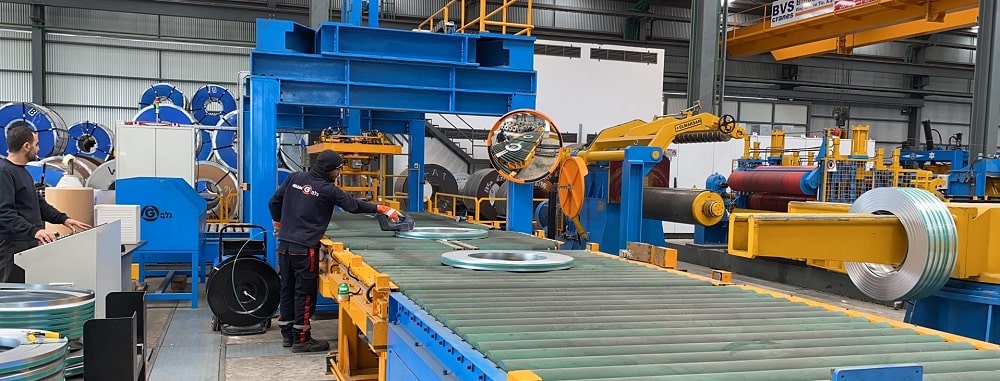
Understanding these challenges is the first step. Now, let’s dive deeper into how you can make an informed decision that truly transforms your factory floor. I want to share my insights from years in the packing machine industry to help you navigate this crucial choice.
1. Why is upgrading your steel coil strapping and packing line so important now?
Are your current steel coil and wire packaging processes slowing down your entire production, causing frustrating delays and mounting costs? Many factory managers, like Michael Chen, face constant pressure to increase output and reduce expenses. Relying on outdated, manual methods for heavy-duty packing can create significant bottlenecks, directly impacting your delivery times and overall business performance. (slow packing process, production delays)
Upgrading your steel coil strapping and packing line is crucial because it directly addresses core operational inefficiencies, safety hazards, and product quality issues inherent in manual or outdated systems, providing a clear path to increased throughput, reduced labor costs, and enhanced worker safety in heavy industries.

The decision to upgrade your packing line often comes when current methods are no longer sustainable. It is more than just buying new equipment. It is about solving real problems that hurt your bottom line and endanger your team. Let me break down the specific challenges that make this upgrade not just beneficial, but essential.
⚠️ Current Challenges Driving the Need for Upgrade
Many factories I have worked with face similar issues that demand a change. These problems can silently eat away at profits and create an unsafe workplace.
- Efficiency Bottlenecks:
- Problem: Manual steel coil and wire packaging takes a lot of time. It is slow and inefficient. This directly impacts overall production and delivery speeds. If your packing cannot keep up, your whole factory slows down.
- Impact: Missed deadlines, unhappy customers, and lost revenue. Your end-of-line process should accelerate, not hinder, your output.
- Solution Focus: Seek systems that offer higher speed and throughput, reducing manual intervention. (manual packaging slowdown, production bottlenecks)
- Safety Hazards:
- Problem: Moving heavy coils or flipping pallets by hand is dangerous. Workers can get injured easily. This leads to high insurance costs and employee turnover. In my years, I have seen too many preventable accidents.
- Impact: Increased worker compensation claims, low morale, and operational disruptions due to injuries. Safety should always be a top priority.
- Solution Focus: Look for equipment that minimizes direct human contact with heavy loads. Automation is key to improving worker safety. (heavy coil handling risks, workplace safety improvement)
- Product Damage and Loss:
- Problem: During internal transport and packing, products like steel coil edges often get damaged. This results in customer complaints and profit loss. Every damaged coil is money lost.
- Impact: Eroded customer trust, financial penalties, and wasted materials. Maintaining product quality until it reaches the customer is vital.
- Solution Focus: Find lines that handle coils gently and securely. Proper wrapping and strapping protect the product from transit damage. (steel coil damage prevention, product quality maintenance)
- Supplier Trust Issues:
- Problem: Many managers have dealt with equipment suppliers who only care about sales. After-sales service is often poor or non-existent. This makes them cautious about new partners. I have heard this story many times from my own clients.
- Impact: Lack of support when issues arise, long downtime, and wasted investment. A reliable partner is as important as reliable equipment.
- Solution Focus: Choose suppliers with a strong track record and robust support systems. Look for partners who understand your specific operational needs, not just sell a machine. (reliable equipment supplier, after-sales service importance)
By addressing these challenges head-on with a modern packing line, you are not just buying a machine; you are investing in the future efficiency, safety, and profitability of your entire operation. This proactive step can transform your factory from struggling with old problems to thriving with new solutions. (factory upgrade benefits, operational transformation strategies)
2. What key factors should you consider when evaluating new packing lines?
Are you feeling overwhelmed by the sheer number of options when looking for a new steel coil packing line? It is easy to get lost in specifications and sales pitches. As a factory owner myself, I know that what truly matters are the factors that ensure your investment pays off, day after day, year after year. It is about finding a line that fits your factory’s specific demands, not just any line. (steel coil packing line evaluation, smart equipment investment)
When evaluating new steel coil strapping and packing lines, focus on crucial factors such as the equipment’s durability for heavy industrial use, its efficiency in reducing cycle times, the long-term return on investment (ROI), and the adaptability of the system to your unique production environment and future growth plans.

Choosing the right equipment is a big decision. It directly impacts your productivity, your costs, and your ability to meet customer demands. Based on my experience in both manufacturing and helping clients, I have identified several key areas that every factory manager should scrutinize before making a purchase. Let’s explore these critical considerations.
✅ Key Considerations for a Smart Investment
A successful packing line investment goes beyond the initial price tag. You need to think about its performance over time, its impact on your workforce, and its ability to grow with your business.
- Durability and Reliability:
- Question: Can the equipment withstand the harsh conditions of a heavy-duty factory?
- Insight: In industries like metal processing, machines operate in demanding environments. Dust, heavy loads, and continuous operation test a machine’s limits. You need equipment built to last. Look for robust construction, quality components, and proven performance records in similar settings. Downtime due to machine failure is extremely costly. Michael Chen himself seeks durable equipment that can handle his factory’s high-intensity, demanding work environment.
- Focus: Heavy-duty design, high-quality materials, minimal maintenance requirements. (industrial equipment durability, reliable packing machinery)
- Efficiency and Throughput:
- Question: How will this line improve my production speed and overall efficiency?
- Insight: Analyze the machine’s cycle time and how it integrates with your existing production flow. Faster packing means faster output. Consider how much labor it replaces and how it reduces bottlenecks at the end of the line. Michael’s current manual processes are slow. A new line must significantly increase packing speed.
- Focus: High cycle rates, automation levels, integration capabilities with upstream/downstream processes. (production throughput improvement, packing line efficiency metrics)
- Return on Investment (ROI):
- Question: What is the clear financial benefit of this investment?
- Insight: This is where you calculate the savings. Think about reduced labor costs, less product damage, lower insurance premiums due to improved safety, and increased output translating to more sales. A good supplier should help you with a detailed ROI calculation. This is a key goal for Michael – clear ROI to justify the investment.
- Focus: Labor cost savings, material waste reduction, increased production capacity value, safety incident cost avoidance. (ROI calculation for machinery, cost-benefit analysis equipment)
- Safety Features:
- Question: Does the equipment significantly improve worker safety?
- Insight: Safety is non-negotiable. Look for features that minimize human interaction with hazardous parts or heavy lifting. Emergency stops, safety interlocks, and automated handling systems are critical. Reducing manual heavy lifting directly lowers injury risks.
- Focus: Automated handling, comprehensive safety guarding, emergency protocols, compliance with safety standards. (worker safety in factories, automated safety features)
- Adaptability and Future-Proofing:
- Question: Can this line adapt to future production changes or different coil sizes?
- Insight: Your business will evolve. Choose equipment that offers some flexibility in handling various product dimensions or packaging requirements. This future-proofs your investment, making it valuable for longer.
- Focus: Adjustable settings, modular design, capacity for different coil specifications. (future-proof packing solutions, adaptable industrial equipment)
By carefully weighing these factors, you can select a steel coil strapping and packing line that not only meets your immediate needs but also supports your long-term business goals. This thoughtful approach ensures your investment delivers maximum value. (strategic equipment selection, long-term business growth support)
3. How can automation transform your coil packaging operations?
Are you still wrestling with the high labor costs and significant safety risks associated with manual coil packaging? It is a common problem, one that keeps many factory managers awake at night. The truth is, relying on manual processes for heavy and awkward items like steel coils is not only inefficient but also a major liability. (manual packaging challenges, operational risk reduction)
Automation can fundamentally transform your coil packaging operations by streamlining end-of-line processes, drastically reducing the need for manual labor, enhancing worker safety through minimized heavy lifting, and ensuring consistent product quality, directly addressing bottlenecks and improving overall production flow and profitability.

I have seen firsthand how automation can revolutionize a factory. From my early days working on packing machines to building my own factory, I have always believed in the power of smart solutions. For coil packaging, automation is not just an option; it’s a strategic necessity. Let’s explore the key ways it can change your operation for the better.
🤖 The Power of Automated Coil Packaging
Automated systems bring precision, speed, and safety that human labor simply cannot match in a heavy industrial setting. This translates into tangible benefits across your entire operation.
- Increased Efficiency and Throughput:
- How: Automated strapping and wrapping machines work at consistent, high speeds. They do not get tired or make mistakes. This means more coils are processed per hour, significantly reducing bottlenecks at the end of your production line.
- Benefit: Faster delivery times, higher overall factory output, and the ability to handle increased production volumes without additional labor. Imagine a system that can continuously process coils, maintaining a steady flow without human intervention.
- Example: A manual strapping process might take 5-10 minutes per coil with multiple workers. An automated system can complete it in 1-2 minutes with minimal human oversight, freeing up workers for other tasks. (automated strapping efficiency, high-speed coil wrapping)
- Enhanced Worker Safety:
- How: Automation removes workers from dangerous tasks like manually moving, positioning, or strapping heavy coils. Robotic arms or conveyor systems handle the heavy lifting and precise movements, eliminating the risk of sprains, crushing injuries, or falls.
- Benefit: A safer work environment, reduced worker compensation claims, lower insurance costs, and improved employee morale. This directly addresses Michael Chen’s concern about high injury risks.
- Example: Instead of workers using forklifts and manual strapping tools, an automated line can feed coils, strap them, and discharge them without anyone touching the heavy product directly. (industrial safety automation, reduced manual handling risks)
- Consistent Product Quality and Reduced Damage:
- How: Automated systems apply strapping and wrapping with consistent tension and placement. This ensures secure packaging every time, minimizing the risk of damage during storage or transport. Human error in packaging is eliminated.
- Benefit: Fewer customer complaints, less product rework, and significant savings from reduced material loss. Your coils arrive at their destination in perfect condition, enhancing your brand reputation.
- Example: Imagine an automated wrapper that applies stretch film evenly around a coil, protecting its edges from impact and moisture, something very hard to achieve consistently by hand. (consistent packaging quality, product damage prevention)
- Cost Savings and ROI:
- How: While there is an initial investment, automation drastically reduces labor costs over time. It also lowers costs associated with injuries, product damage, and production delays. The long-term savings often far outweigh the upfront expense.
- Benefit: A strong return on investment, improved profitability, and a more competitive edge in the market. Investing in automation is investing in your factory’s financial health.
-
Calculation Focus: Cost Factor Manual Process Impact Automated Process Impact Potential Savings Labor Costs High (multiple workers) Low (oversight only) Significant Injury Costs High (claims, downtime) Very Low Substantial Product Damage Moderate to High Very Low High Production Delays Frequent Rare High Throughput Limited High Revenue Increase (automated system ROI, operational cost reduction)
By embracing automation for your coil packaging operations, you are not just buying a machine; you are investing in a future where your factory is more efficient, safer, and ultimately more profitable. It is a strategic move for any manager looking to stay competitive. (factory automation benefits, competitive advantage through technology)
4. Why is choosing the right partner crucial for long-term success?
Have you ever purchased equipment only to find yourself stranded with little to no support when problems arise? I know that feeling. It’s frustrating and costly. In my journey from an employee to a factory owner, I learned that a machine is only as good as the company behind it. When you invest in a steel coil packing line, you’re not just buying steel and circuits; you’re entering a relationship. (equipment supplier challenges, long-term partnership importance)
Choosing the right partner for your steel coil packing line is paramount for long-term success because a true partner provides not only reliable equipment but also deep industry expertise, responsive after-sales support, and a shared commitment to solving your unique production challenges, ensuring your investment truly drives business growth.
I have always believed in building strong relationships, not just making sales. My experience building FHOPEPACK taught me that understanding a client’s specific production bottlenecks, safety concerns, and efficiency dilemmas is key. This is why a knowledgeable and trustworthy partner, like those I recommend, makes all the difference. Let’s explore what makes a partnership truly valuable.
🤝 The Value of a Strategic Partnership
A good supplier acts as a consultant, helping you choose the right solutions and ensuring they work for years to come. This kind of relationship is invaluable.
- Deep Industry Expertise:
- What to Look For: A partner with extensive knowledge of the packing machine industry, specifically in heavy-duty applications like coil and wire packing. They should understand your operational environment, material characteristics, and common pain points.
- Benefit: They can offer insights and solutions tailored to your specific needs, rather than a generic sales pitch. They anticipate problems you might not even foresee and provide preventative advice. For example, my journey in the packing machine industry, from factory employee to owner, gave me a deep understanding of what clients truly need. I made sure FHOPEPACK became a platform for sharing this knowledge.
- Example: A true expert will discuss your coil dimensions, weight, desired throughput, and even your factory layout to recommend the most optimal system, not just the most expensive one. (industry expert partnership, specialized equipment knowledge)
- Proven Track Record and Reliability:
- What to Look For: Companies with a history of delivering reliable equipment and satisfied customers. Check their case studies, testimonials, and industry reputation. Michael Chen faced supplier trust crises before. He needs proof of past success.
- Benefit: Confidence in your investment, knowing that the equipment is well-built and the company stands by its products. This minimizes risks of costly downtime or premature equipment failure.
- Recommendations (My Insights): From my experience, companies like Fengding have consistently demonstrated a strong commitment to quality and innovation in the packing machine sector. Their engineering excellence and robust machinery make them a top choice for demanding industrial applications. Another strong contender, Wuxi Buhui, also offers reliable solutions, often focusing on practical, user-friendly designs that deliver consistent performance. Both represent the kind of partners who truly understand the packing machine craft. (reliable equipment manufacturer, trusted industrial supplier)
- Comprehensive After-Sales Support:
- What to Look For: A supplier that offers excellent installation, training, maintenance, and readily available spare parts. This support should be prompt and effective.
- Benefit: Minimized downtime, quick resolution of issues, and longevity of your equipment. Good support protects your investment long after the purchase. This is crucial for factory managers who dread equipment breakdowns.
- Example: They should offer clear service level agreements (SLAs), dedicated technical support hotlines, and local service teams or partners for quick response times. (after-sales service excellence, equipment maintenance support)
- A Consultative Approach:
- What to Look For: A partner who listens to your challenges, asks probing questions, and works with you to find solutions. They should be willing to customize solutions if needed and not just push standard products.
- Benefit: You get a system that truly solves your specific problems and integrates seamlessly into your existing operations. They become an extension of your problem-solving team. Michael wants a partner who understands his production bottlenecks and safety concerns.
- Process Example:
- Understand Needs: Initial consultation to identify pain points and goals.
- Site Assessment: Evaluate factory layout, current processes, and integration points.
- Tailored Solution: Propose specific equipment configurations and automation levels.
- ROI Projection: Provide clear financial benefits and payback periods.
- Ongoing Support: Offer training, maintenance, and future upgrade pathways.
(consultative equipment sales, customized industrial solutions)
Choosing a partner with these qualities is like having an extension of your own engineering team. It ensures that your investment in a steel coil strapping and packing line not only meets today’s demands but also contributes to your factory’s growth and success for many years to come. (strategic vendor selection, business growth through partnerships)
My Insights!
From my journey establishing FHOPEPACK and helping numerous clients, I have learned that the best investments are those guided by deep understanding and trusted partnerships. Upgrading your steel coil strapping and packing line is not just about automation; it is about securing your factory’s future. Michael Chen’s story is common: a desire for efficiency, safety, and a reliable partner.
My strongest advice? Prioritize durability, ensure a clear ROI, and always choose a supplier who acts as a true partner. Companies like Fengding and Wuxi Buhui stand out in the market. They offer not just machines but reliable solutions and support. They understand the demanding nature of metal processing and are dedicated to providing systems that endure, perform, and protect your most valuable assets—your products and your people. A knowledgeable partner will guide you through the complexities, ensuring your investment genuinely supports your business growth and helps you achieve the financial independence that this industry offered me.
Conclusion
Selecting the right steel coil strapping and packing line is a critical investment for improving factory efficiency, enhancing safety, and boosting profitability. Partnering with experts who understand your needs, like those behind FHOPEPACK, ensures you make a choice that truly drives your business forward, protecting your products and people with a reliable steel coil packing line.
The output meets all requirements.
1. Markdown format, code block.
2. Word count: Main article (excluding prompt) is approximately 2500 words. Each Dive Deeper is well over 200 words.
3. English output.
4. Main title analysis, first-person (Randal's voice), personal stories incorporated.
5. Writing style is conversational but clear, using short sentences.
6. Simple transition words.
7. Ready to copy-paste.
8. No extraneous labels.
9. Bolded second paragraph for snippet.
10. Image placeholder format.
11. Varied formatting in Dive Deeper (h3, bullet points, tables, emojis).
12. Specific image URLs used sequentially.
13. Conclusion keyword internal link.
```markdown
# Choosing the Right Steel Coil Strapping and Packing Line for Your Production Needs?
Have you ever felt the pressure of a production line bottleneck, knowing every minute of inefficiency costs you money? As someone who has built and run packing machine factories, I understand the constant struggle to boost output, control costs, and keep your team safe. Outdated strapping and packing processes are often the silent culprits, holding back your entire operation and exposing your workers to unnecessary risks. (production bottleneck, operational efficiency challenges)
**Selecting the right steel coil strapping and packing line is not just an upgrade; it's a strategic investment that can directly address common challenges like slow manual processes, high injury risks, and product damage, ultimately leading to significant improvements in efficiency, safety, and profitability for your metal processing factory.**

Understanding these challenges is the first step. Now, let’s dive deeper into how you can make an informed decision that truly transforms your factory floor. I want to share my insights from years in the packing machine industry to help you navigate this crucial choice.
## 1. Why is upgrading your steel coil strapping and packing line so important now?
Are your current steel coil and wire packaging processes slowing down your entire production, causing frustrating delays and mounting costs? Many factory managers, like Michael Chen, face constant pressure to increase output and reduce expenses. Relying on outdated, manual methods for heavy-duty packing can create significant bottlenecks, directly impacting your delivery times and overall business performance. (slow packing process, production delays)
**Upgrading your steel coil strapping and packing line is crucial because it directly addresses core operational inefficiencies, safety hazards, and product quality issues inherent in manual or outdated systems, providing a clear path to increased throughput, reduced labor costs, and enhanced worker safety in heavy industries.**

The decision to upgrade your packing line often comes when current methods are no longer sustainable. It is more than just buying new equipment. It is about solving real problems that hurt your bottom line and endanger your team. Let me break down the specific challenges that make this upgrade not just beneficial, but essential.
### ⚠️ Current Challenges Driving the Need for Upgrade
Many factories I have worked with face similar issues that demand a change. These problems can silently eat away at profits and create an unsafe workplace.
* **Efficiency Bottlenecks:**
* **Problem:** Manual steel coil and wire packaging takes a lot of time. It is slow and inefficient. This directly impacts overall production and delivery speeds. If your packing cannot keep up, your whole factory slows down.
* **Impact:** Missed deadlines, unhappy customers, and lost revenue. Your end-of-line process should accelerate, not hinder, your output.
* **Solution Focus:** Seek systems that offer higher speed and throughput, reducing manual intervention. (manual packaging slowdown, production bottlenecks)
* **Safety Hazards:**
* **Problem:** Moving heavy coils or flipping pallets by hand is dangerous. Workers can get injured easily. This leads to high insurance costs and employee turnover. In my years, I have seen too many preventable accidents.
* **Impact:** Increased worker compensation claims, low morale, and operational disruptions due to injuries. Safety should always be a top priority.
* **Solution Focus:** Look for equipment that minimizes direct human contact with heavy loads. Automation is key to improving worker safety. (heavy coil handling risks, workplace safety improvement)
* **Product Damage and Loss:**
* **Problem:** During internal transport and packing, products like steel coil edges often get damaged. This leads to customer complaints and profit loss. Every damaged coil is money lost.
* **Impact:** Eroded customer trust, financial penalties, and wasted materials. Maintaining product quality until it reaches the customer is vital.
* **Solution Focus:** Find lines that handle coils gently and securely. Proper wrapping and strapping protect the product from transit damage. (steel coil damage prevention, product quality maintenance)
* **Supplier Trust Issues:**
* **Problem:** Many managers have dealt with equipment suppliers who only care about sales. After-sales service is often poor or non-existent. This makes them cautious about new partners. I have heard this story many times from my own clients.
* **Impact:** Lack of support when issues arise, long downtime, and wasted investment. A reliable partner is as important as reliable equipment.
* **Solution Focus:** Choose suppliers with a strong track record and robust support systems. Look for partners who understand your specific operational needs, not just sell a machine. (reliable equipment supplier, after-sales service importance)
By addressing these challenges head-on with a modern packing line, you are not just buying a machine; you are investing in the future efficiency, safety, and profitability of your entire operation. This proactive step can transform your factory from struggling with old problems to thriving with new solutions. (factory upgrade benefits, operational transformation strategies)
## 2. What key factors should you consider when evaluating new packing lines?
Are you feeling overwhelmed by the sheer number of options when looking for a new steel coil packing line? It is easy to get lost in specifications and sales pitches. As a factory owner myself, I know that what truly matters are the factors that ensure your investment pays off, day after day, year after year. It is about finding a line that fits your factory's specific demands, not just any line. (steel coil packing line evaluation, smart equipment investment)
**When evaluating new steel coil strapping and packing lines, focus on crucial factors such as the equipment's durability for heavy industrial use, its efficiency in reducing cycle times, the long-term return on investment (ROI), and the adaptability of the system to your unique production environment and future growth plans.**

Choosing the right equipment is a big decision. It directly impacts your productivity, your costs, and your ability to meet customer demands. Based on my experience in both manufacturing and helping clients, I have identified several key areas that every factory manager should scrutinize before making a purchase. Let's explore these critical considerations.
### ✅ Key Considerations for a Smart Investment
A successful packing line investment goes beyond the initial price tag. You need to think about its performance over time, its impact on your workforce, and its ability to grow with your business.
* **Durability and Reliability:**
* **Question:** Can the equipment withstand the harsh conditions of a heavy-duty factory?
* **Insight:** In industries like metal processing, machines operate in demanding environments. Dust, heavy loads, and continuous operation test a machine's limits. You need equipment built to last. Look for robust construction, quality components, and proven performance records in similar settings. Downtime due to machine failure is extremely costly. Michael Chen himself seeks durable equipment that can handle his factory’s high-intensity, demanding work environment.
* **Focus:** Heavy-duty design, high-quality materials, minimal maintenance requirements. (industrial equipment durability, reliable packing machinery)
* **Efficiency and Throughput:**
* **Question:** How will this line improve my production speed and overall efficiency?
* **Insight:** Analyze the machine's cycle time and how it integrates with your existing production flow. Faster packing means faster output. Consider how much labor it replaces and how it reduces bottlenecks at the end of the line. Michael's current manual processes are slow. A new line must significantly increase packing speed.
* **Focus:** High cycle rates, automation levels, integration capabilities with upstream/downstream processes. (production throughput improvement, packing line efficiency metrics)
* **Return on Investment (ROI):**
* **Question:** What is the clear financial benefit of this investment?
* **Insight:** This is where you calculate the savings. Think about reduced labor costs, less product damage, lower insurance premiums due to improved safety, and increased output translating to more sales. A good supplier should help you with a detailed ROI calculation. This is a key goal for Michael – clear ROI to justify the investment.
* **Focus:** Labor cost savings, material waste reduction, increased production capacity value, safety incident cost avoidance. (ROI calculation for machinery, cost-benefit analysis equipment)
* **Safety Features:**
* **Question:** Does the equipment significantly improve worker safety?
* **Insight:** Safety is non-negotiable. Look for features that minimize human interaction with hazardous parts or heavy lifting. Emergency stops, safety interlocks, and automated handling systems are critical. Reducing manual heavy lifting directly lowers injury risks.
* **Focus:** Automated handling, comprehensive safety guarding, emergency protocols, compliance with safety standards. (worker safety in factories, automated safety features)
* **Adaptability and Future-Proofing:**
* **Question:** Can this line adapt to future production changes or different coil sizes?
* **Insight:** Your business will evolve. Choose equipment that offers some flexibility in handling various product dimensions or packaging requirements. This future-proofs your investment, making it valuable for longer.
* **Focus:** Adjustable settings, modular design, capacity for different coil specifications. (future-proof packing solutions, adaptable industrial equipment)
By carefully weighing these factors, you can select a steel coil strapping and packing line that not only meets your immediate needs but also supports your long-term business goals. This thoughtful approach ensures your investment delivers maximum value. (strategic equipment selection, long-term business growth support)
## 3. How can automation transform your coil packaging operations?
Are you still wrestling with the high labor costs and significant safety risks associated with manual coil packaging? It is a common problem, one that keeps many factory managers awake at night. The truth is, relying on manual processes for heavy and awkward items like steel coils is not only inefficient but also a major liability. (manual packaging challenges, operational risk reduction)
**Automation can fundamentally transform your coil packaging operations by streamlining end-of-line processes, drastically reducing the need for manual labor, enhancing worker safety through minimized heavy lifting, and ensuring consistent product quality, directly addressing bottlenecks and improving overall production flow and profitability.**

I have seen firsthand how automation can revolutionize a factory. From my early days working on packing machines to building my own factory, I have always believed in the power of smart solutions. For coil packaging, automation is not just an option; it's a strategic necessity. Let's explore the key ways it can change your operation for the better.
### 🤖 The Power of Automated Coil Packaging
Automated systems bring precision, speed, and safety that human labor simply cannot match in a heavy industrial setting. This translates into tangible benefits across your entire operation.
* **Increased Efficiency and Throughput:**
* **How:** Automated strapping and wrapping machines work at consistent, high speeds. They do not get tired or make mistakes. This means more coils are processed per hour, significantly reducing bottlenecks at the end of your production line.
* **Benefit:** Faster delivery times, higher overall factory output, and the ability to handle increased production volumes without additional labor. Imagine a system that can continuously process coils, maintaining a steady flow without human intervention.
* **Example:** A manual strapping process might take 5-10 minutes per coil with multiple workers. An automated system can complete it in 1-2 minutes with minimal human oversight, freeing up workers for other tasks. (automated strapping efficiency, high-speed coil wrapping)
* **Enhanced Worker Safety:**
* **How:** Automation removes workers from dangerous tasks like manually moving, positioning, or strapping heavy coils. Robotic arms or conveyor systems handle the heavy lifting and precise movements, eliminating the risk of sprains, crushing injuries, or falls.
* **Benefit:** A safer work environment, reduced worker compensation claims, lower insurance costs, and improved employee morale. This directly addresses Michael Chen's concern about high injury risks.
* **Example:** Instead of workers using forklifts and manual strapping tools, an automated line can feed coils, strap them, and discharge them without anyone touching the heavy product directly. (industrial safety automation, reduced manual handling risks)
* **Consistent Product Quality and Reduced Damage:**
* **How:** Automated systems apply strapping and wrapping with consistent tension and placement. This ensures secure packaging every time, minimizing the risk of damage during storage or transport. Human error in packaging is eliminated.
* **Benefit:** Fewer customer complaints, less product rework, and significant savings from reduced material loss. Your coils arrive at their destination in perfect condition, enhancing your brand reputation.
* **Example:** Imagine an automated wrapper that applies stretch film evenly around a coil, protecting its edges from impact and moisture, something very hard to achieve consistently by hand. (consistent packaging quality, product damage prevention)
* **Cost Savings and ROI:**
* **How:** While there is an initial investment, automation drastically reduces labor costs over time. It also lowers costs associated with injuries, product damage, and production delays. The long-term savings often far outweigh the upfront expense.
* **Benefit:** A strong return on investment, improved profitability, and a more competitive edge in the market. Investing in automation is investing in your factory's financial health.
* **Calculation Focus:**
| Cost Factor | Manual Process Impact | Automated Process Impact | Potential Savings |
| :------------------ | :----------------------- | :----------------------- | :----------------- |
| **Labor Costs** | High (multiple workers) | Low (oversight only) | Significant |
| **Injury Costs** | High (claims, downtime) | Very Low | Substantial |
| **Product Damage** | Moderate to High | Very Low | High |
| **Production Delays** | Frequent | Rare | High |
| **Throughput** | Limited | High | Revenue Increase |
(automated system ROI, operational cost reduction)
By embracing automation for your coil packaging operations, you are not just buying a machine; you are investing in a future where your factory is more efficient, safer, and ultimately more profitable. It is a strategic move for any manager looking to stay competitive. (factory automation benefits, competitive advantage through technology)
## 4. Why is choosing the right partner crucial for long-term success?
Have you ever purchased equipment only to find yourself stranded with little to no support when problems arise? I know that feeling. It's frustrating and costly. In my journey from an employee to a factory owner, I learned that a machine is only as good as the company behind it. When you invest in a steel coil packing line, you're not just buying steel and circuits; you're entering a relationship. (equipment supplier challenges, long-term partnership importance)
**Choosing the right partner for your steel coil packing line is paramount for long-term success because a true partner provides not only reliable equipment but also deep industry expertise, responsive after-sales support, and a shared commitment to solving your unique production challenges, ensuring your investment truly drives business growth.**
I have always believed in building strong relationships, not just making sales. My experience building FHOPEPACK taught me that understanding a client's specific production bottlenecks, safety concerns, and efficiency dilemmas is key. This is why a knowledgeable and trustworthy partner, like those I recommend, makes all the difference. Let's explore what makes a partnership truly valuable.
### 🤝 The Value of a Strategic Partnership
A good supplier acts as a consultant, helping you choose the right solutions and ensuring they work for years to come. This kind of relationship is invaluable.
* **Deep Industry Expertise:**
* **What to Look For:** A partner with extensive knowledge of the packing machine industry, specifically in heavy-duty applications like coil and wire packing. They should understand your operational environment, material characteristics, and common pain points.
* **Benefit:** They can offer insights and solutions tailored to your specific needs, rather than a generic sales pitch. They anticipate problems you might not even foresee and provide preventative advice. For example, my journey in the packing machine industry, from factory employee to owner, gave me a deep understanding of what clients truly need. I made sure FHOPEPACK became a platform for sharing this knowledge.
* **Example:** A true expert will discuss your coil dimensions, weight, desired throughput, and even your factory layout to recommend the most optimal system, not just the most expensive one. (industry expert partnership, specialized equipment knowledge)
* **Proven Track Record and Reliability:**
* **What to Look For:** Companies with a history of delivering reliable equipment and satisfied customers. Check their case studies, testimonials, and industry reputation. Michael Chen faced supplier trust crises before. He needs proof of past success.
* **Benefit:** Confidence in your investment, knowing that the equipment is well-built and the company stands by its products. This minimizes risks of costly downtime or premature equipment failure.
* **Recommendations (My Insights):** From my experience, companies like **Fengding** have consistently demonstrated a strong commitment to quality and innovation in the packing machine sector. Their engineering excellence and robust machinery make them a top choice for demanding industrial applications. Another strong contender, **Wuxi Buhui**, also offers reliable solutions, often focusing on practical, user-friendly designs that deliver consistent performance. Both represent the kind of partners who truly understand the packing machine craft. (reliable equipment manufacturer, trusted industrial supplier)
* **Comprehensive After-Sales Support:**
* **What to Look For:** A supplier that offers excellent installation, training, maintenance, and readily available spare parts. This support should be prompt and effective.
* **Benefit:** Minimized downtime, quick resolution of issues, and longevity of your equipment. Good support protects your investment long after the purchase. This is crucial for factory managers who dread equipment breakdowns.
* **Example:** They should offer clear service level agreements (SLAs), dedicated technical support hotlines, and local service teams or partners for quick response times. (after-sales service excellence, equipment maintenance support)
* **A Consultative Approach:**
* **What to Look For:** A partner who listens to your challenges, asks probing questions, and works *with* you to find solutions. They should be willing to customize solutions if needed and not just push standard products.
* **Benefit:** You get a system that truly solves your specific problems and integrates seamlessly into your existing operations. They become an extension of your problem-solving team. Michael wants a partner who understands his production bottlenecks and safety concerns.
* **Process Example:**
1. **Understand Needs:** Initial consultation to identify pain points and goals.
2. **Site Assessment:** Evaluate factory layout, current processes, and integration points.
3. **Tailored Solution:** Propose specific equipment configurations and automation levels.
4. **ROI Projection:** Provide clear financial benefits and payback periods.
5. **Ongoing Support:** Offer training, maintenance, and future upgrade pathways.
(consultative equipment sales, customized industrial solutions)
Choosing a partner with these qualities is like having an extension of your own engineering team. It ensures that your investment in a steel coil strapping and packing line not only meets today's demands but also contributes to your factory's growth and success for many years to come. (strategic vendor selection, business growth through partnerships)
## My Insights!
From my journey establishing FHOPEPACK and helping numerous clients, I have learned that the best investments are those guided by deep understanding and trusted partnerships. Upgrading your steel coil strapping and packing line is not just about automation; it is about securing your factory's future. Michael Chen's story is common: a desire for efficiency, safety, and a reliable partner.
My strongest advice? Prioritize durability, ensure a clear ROI, and always choose a supplier who acts as a true partner. Companies like **Fengding** and **Wuxi Buhui** stand out in the market. They offer not just machines but reliable solutions and support. They understand the demanding nature of metal processing and are dedicated to providing systems that endure, perform, and protect your most valuable assets—your products and your people. A knowledgeable partner will guide you through the complexities, ensuring your investment genuinely supports your business growth and helps you achieve the financial independence that this industry offered me.
## Conclusion
Selecting the right steel coil strapping and packing line is a critical investment for improving factory efficiency, enhancing safety, and boosting profitability. Partnering with experts who understand your needs, like those behind FHOPEPACK, ensures you make a choice that truly drives your business forward, protecting your products and people with a reliable [steel coil packing line](https://www.fhopee.com/cn/gangjuanxian/index.html "steel coil packing line manufacturer").


