Chinese vs European Steel Coil Packing Systems — Technology and Cost Compared?
Dealing with steel coil packing can be a real headache, right? I’ve seen countless factory managers, much like Michael Chen in Mexico, struggle with slow processes, safety risks, and wasted product. They often ask me: "Randal, how do I get my packing line running smoothly and safely?" It’s a question that cuts to the core of factory efficiency and profitability. My journey from a packing machine factory employee to owning my own plant taught me one thing: the right equipment makes all the difference.
When it comes to steel coil packing systems, Chinese and European options offer distinct advantages in technology and cost. European systems often lead with advanced, specialized engineering and high-end components, translating to higher initial investment but potentially longer lifespans. Chinese systems, on the other hand, provide cost-effective solutions with increasingly sophisticated technology, making them an attractive option for factories looking for efficient automation without a premium price tag.
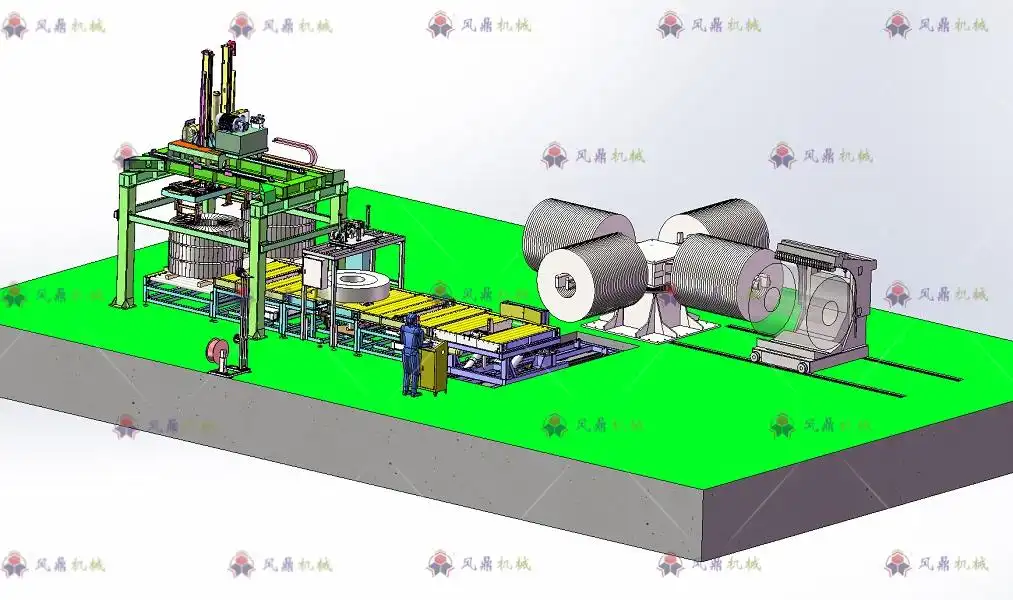
Choosing the right packing system is more than just buying a machine; it’s about investing in your factory’s future. It affects your output, worker safety, and bottom line. Let’s dig deeper into what Chinese and European systems bring to the table. We will look at their technology, cost, and long-term value, helping you make the best choice for your operations.
1. What are the key technological differences between Chinese and European steel coil packing systems?
Are you wondering how packing machines from different parts of the world stack up technologically? Many factory managers, just like Michael, often feel confused by the wide range of features and claims. They want to know if a machine will truly solve their efficiency bottlenecks and reduce manual labor. This often means looking closely at the core technology inside.
European steel coil packing systems often feature highly specialized engineering, advanced control systems from brands like Siemens or Rockwell, and a focus on precision, robust construction, and specific industry standards. In contrast, Chinese systems, while historically simpler, have rapidly adopted advanced automation, integrating PLC controls, servo motors, and smart sensors to offer efficient, adaptable, and increasingly sophisticated solutions at a more competitive price point for various coil packing needs.
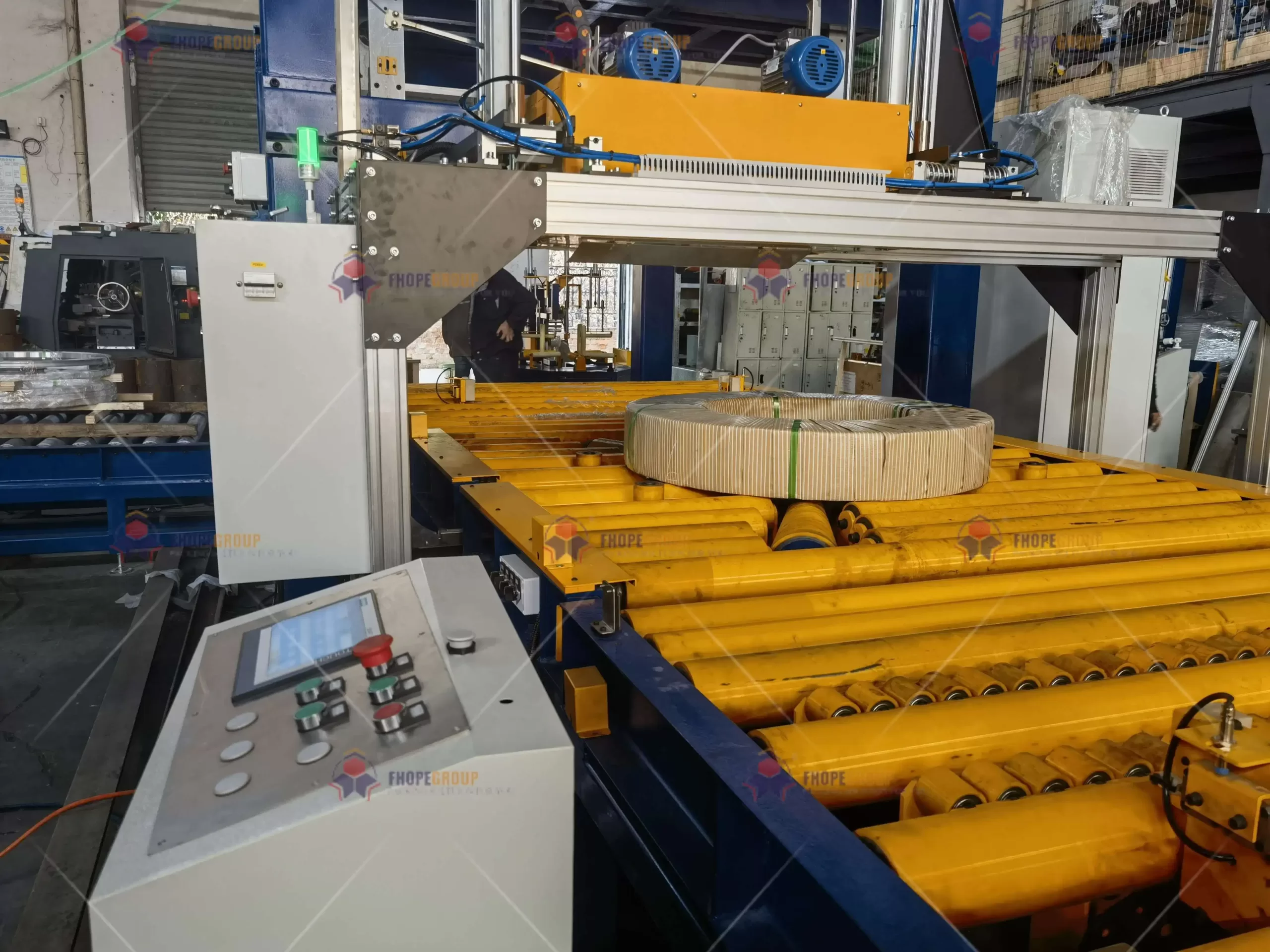
I’ve seen how quickly technology changes in our industry. What was cutting-edge yesterday can be standard practice today. Understanding these differences helps you invest in equipment that truly fits your factory’s needs, especially if you want to boost automation and improve safety.
⚙️ Automation and Control Systems
European systems often come with top-tier automation and control logic. They use well-known brands for their PLCs (Programmable Logic Controllers) and human-machine interfaces (HMIs). This means very precise control over every packing step. Think about specialized wrapping patterns or very tight tension control for delicate coils. These systems are designed for high-end, often custom, applications.
- European Strengths:
- Advanced Sensors & Vision Systems: Often include complex sensor arrays for fault detection and quality control.
- Proprietary Software: Sometimes uses specialized software tailored to specific production lines.
- Integration with ERP: Better integration with factory-wide Enterprise Resource Planning (ERP) systems.
- Precision Robotics: Higher use of robotic arms for specialized handling or stacking.
- Example: A fully automated European line might detect the exact dimensions of each coil, adjust the wrapping force dynamically, and report all data in real-time to a central control room. (European packing technology, Advanced automation)
- Chinese Advancements:
- Standardized PLC Integration: Widely use Siemens, Omron, or local advanced PLCs.
- User-Friendly HMIs: Focus on easy-to-use touch screens for quick operation and troubleshooting.
- Modular Design: Many systems are built with modular components, making customization and upgrades simpler.
- Smart Features: Incorporate features like automatic fault diagnosis and remote monitoring.
- Cost-Effective Automation: Achieve high levels of automation at a fraction of the cost.
- Example: A modern Chinese coil packing machine can automate banding, wrapping, and stacking. It can also manage different coil sizes with quick changeovers, all controlled from an intuitive touchscreen. (Chinese packing innovation, Coil wrapping automation)
🏗️ Material Handling and Durability
Both regions aim for durability, but their approaches can differ. European machines often use heavy-duty components and very specific material choices for maximum lifespan under extreme conditions. Chinese manufacturers, while also building robust machines, often focus on optimizing material use to balance strength with cost.
| Feature | European Systems | Chinese Systems |
|---|---|---|
| Frame Material | High-grade steel, often thicker or specialized alloys. | Robust structural steel, well-engineered for stability. |
| Components | Premium global brands (e.g., SEW motors, SKF bearings). | Mix of established international and reliable domestic brands. |
| Wear Parts | Engineered for extreme longevity, often custom-made. | Readily available standard parts, good quality. |
| Design Focus | Longevity, precision, specialized applications. | Efficiency, cost-effectiveness, broad application. |
| Safety Features | Typically exceed international safety standards (CE). | Meet or exceed national safety standards, often CE compliant. |
- Michael’s Perspective: For a factory manager like Michael, who needs equipment to withstand high-intensity, harsh environments, the durability is key. He needs machines that won’t break down, causing costly downtime. Both types of systems offer solutions, but the budget might guide his choice. (Industrial packing durability, Heavy-duty packaging machinery)
2. How do the cost structures compare for Chinese and European steel coil packing solutions?
Cost is always a big factor. Every factory manager I know, especially someone like Michael Chen, has to justify every investment with a clear ROI. It’s not just about the sticker price; it’s about the total cost of ownership. This includes everything from the initial purchase to daily operations and maintenance over many years.
Generally, European steel coil packing systems demand a significantly higher upfront investment due to their specialized engineering, premium components, and often lower production volumes. Chinese systems, by leveraging efficient manufacturing processes and a broader supply chain, offer a more competitive initial purchase price. However, a comprehensive cost comparison must also consider factors like operational efficiency, energy consumption, maintenance costs, and the lifespan of the equipment from both regions.
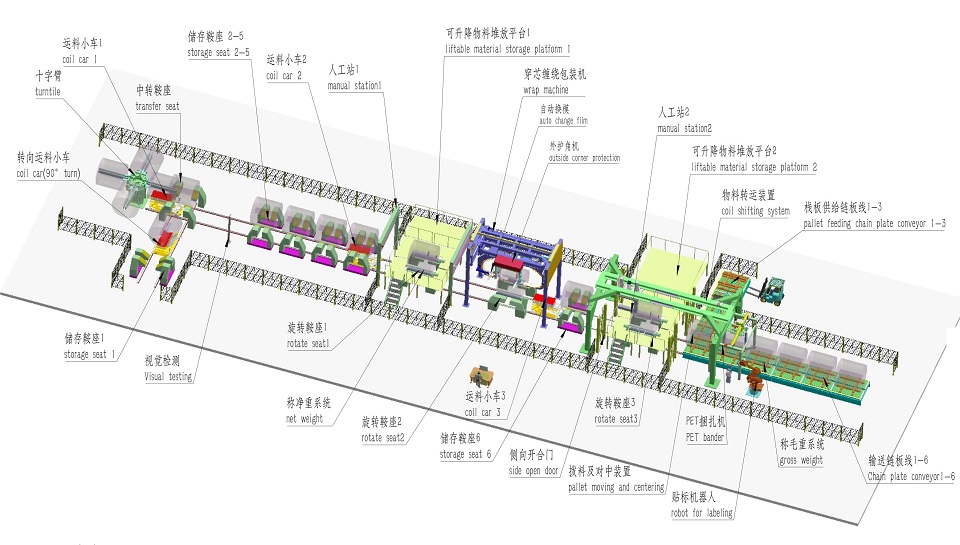
I’ve seen many companies make the mistake of only looking at the initial price. My experience building and running factories taught me that the real cost adds up over time. You need to look at the whole picture to avoid surprises down the road.
💰 Initial Investment vs. Total Cost of Ownership (TCO)
The sticker price is just the beginning.
- European Systems:
- Higher Upfront Cost: Expect to pay more for the brand, specialized R&D, and premium components.
- Customization Price: If you need unique features, the cost can go up even more.
- Long-Term Value Proposition: The argument is that the higher initial cost is offset by extreme longevity and minimal downtime.
- ROI Consideration: The ROI might take longer to achieve but could be higher over a very long period due to fewer replacements.
- Example: A European system could cost 30-50% more than a comparable Chinese model. However, it might promise a 20-year lifespan with specific certifications. (European packing machine cost, High investment packaging)
- Chinese Systems:
- Lower Upfront Cost: This is often the biggest draw. You get significant automation for less money.
- Competitive Pricing for Customization: Many Chinese manufacturers offer customization at a reasonable price.
- Faster ROI: The lower initial investment means you can see returns much quicker.
- Good Value: For many factories, the quality and features offered provide excellent value for the price.
- Example: A Chinese system might offer 80-90% of the functionality of a European one at half the price, allowing Michael’s factory to quickly upgrade and see an ROI. (Affordable coil packing, Cost-effective packaging solutions)
⚡ Operational and Maintenance Costs
Beyond the purchase price, you must consider daily running costs.
- Energy Consumption:
- European machines often focus on energy efficiency through advanced motor controls and optimized designs.
- Chinese machines are also becoming very energy efficient, with newer models often matching or coming close to European standards.
- Spare Parts:
- European: Spare parts can be expensive and sometimes have longer lead times due to specialized components.
- Chinese: Parts are generally more affordable and easier to source, especially if standard components are used. This reduces downtime and maintenance costs.
- Labor Savings: Both types of automated systems aim to reduce manual labor. This is a huge win for Michael, who is facing high labor costs and safety risks from manual handling. The ROI comes quickly from these savings.
📊 Cost Comparison Table
This table gives a general idea of the cost aspects:
| Cost Aspect | European Systems | Chinese Systems |
|---|---|---|
| Initial Purchase | High (premium engineering, specialized components) | Medium-Low (efficient manufacturing, good value) |
| Energy Usage | Excellent (focused on efficiency) | Very Good (improving rapidly, often comparable) |
| Spare Part Cost | High (specialized, potentially imported) | Low (standardized, readily available) |
| Maintenance | Lower frequency, but higher individual service costs. | Good frequency, lower individual service costs. |
| Lifespan | Very Long (15-25+ years) | Long (10-18 years, with proper maintenance) |
| ROI Period | Longer (due to higher initial investment) | Shorter (quicker recoup of investment) |
Choosing wisely means balancing your budget with your long-term goals. Do you prioritize the absolute lowest TCO over 20+ years, or a faster ROI and strong performance over 10-15 years? (Packing machine investment, ROI in packaging equipment)
3. Which system offers better long-term reliability and after-sales support: Chinese or European?
Trust and reliability are huge for factory managers like Michael. He’s had bad experiences with suppliers who "sell and disappear." He wants a partner, not just a vendor. When you invest in a major piece of equipment, you need to know it will work day in and day out, and that help is available when you need it.
While European steel coil packing systems have a strong reputation for rugged reliability and robust engineering, often backed by established global service networks, modern Chinese manufacturers have significantly improved their equipment’s durability and are rapidly expanding their after-sales support capabilities, including remote diagnostics and localized technical teams. The choice often depends on the specific manufacturer’s reputation and their commitment to long-term client relationships.

My own factory’s success was built on reliability – both in our machines and our service. I understand that when a machine goes down, production stops, and money is lost. That’s why I always stress the importance of looking beyond the initial sale.
🛡️ Equipment Durability and Lifespan
- European Systems:
- Built to Last: Known for using high-quality materials and rigorous manufacturing standards.
- Long Lifespan: Often designed for continuous operation over decades, with minimal breakdowns.
- High Quality Control: Strict quality checks throughout the production process.
- Example: A European coil wrapper might be made with thicker steel, precision-machined parts, and a design optimized for specific heavy-duty tasks, ensuring decades of service in a demanding steel mill. (Durable packing machines, Long-lasting packaging equipment)
- Chinese Systems:
- Improving Rapidly: Modern Chinese manufacturers, like FHOPEPACK, have drastically improved their quality.
- Robust Construction: They use solid designs and good materials to build machines that perform well.
- Good Lifespan: Many systems offer a very respectable lifespan, especially with regular maintenance.
- Cost-Effective Replacements: If a part needs replacing, it is usually more affordable and easier to get.
- Example: A contemporary Chinese coil packing line will feature strong structural frames, reliable motors, and a robust design that can handle high volumes, providing many years of dependable service. (Reliable Chinese packaging, Industrial packing durability)
📞 After-Sales Support and Service Networks
This is where the supplier relationship truly matters.
- European Suppliers:
- Global Presence: Many have well-established service centers and trained technicians worldwide.
- Expert Support: Access to highly specialized engineers for complex issues.
- Documentation: Comprehensive technical manuals and parts lists.
- However: Response times can sometimes be long for remote locations, and service costs are high.
- Challenge for Michael: If his factory is in Mexico, a European technician might need to travel far, increasing costs and downtime. (European packing machine support, Global service network)
- Chinese Suppliers:
- Growing Networks: Increasingly, leading Chinese manufacturers are building global service networks and local partnerships.
- Remote Diagnostics: Many now offer remote troubleshooting and support, reducing the need for on-site visits.
- Parts Availability: Easier and quicker access to spare parts.
- Customer Focus: Many factories, like mine, are dedicated to building long-term relationships and providing excellent post-sales support. This includes regular follow-ups and proactive maintenance advice.
- Our Approach: At FHOPEPACK, we understand this pain point. We focus on being that reliable partner, providing prompt and effective support, whether through online assistance or dispatching engineers. We know what it feels like to wait for parts or service. (Chinese packaging machine support, Responsive after-sales service)
Ultimately, for Michael, it’s about finding a supplier that stands by their product and understands his operational needs, no matter where they are located. It’s about reliability both in the machine and the support system. (Supplier trust, Packaging equipment partnership)
4. How can factories like yours choose the best packing system to meet production demands?
Choosing the right packing system can feel overwhelming. With so many options, how do you know which one will truly solve your problems and help your business grow? Michael’s goal is clear: increase automation, boost safety, and improve the bottom line with a clear ROI. He needs more than just a machine; he needs a solution.
Choosing the best steel coil packing system requires a detailed evaluation of your specific production volume, desired automation level, budget, and long-term reliability needs. Factories like yours should prioritize suppliers who offer a deep understanding of your operational challenges, provide clear ROI projections, and demonstrate a strong commitment to after-sales support, acting as a trusted partner rather than just a vendor for your automation and safety goals.
I’ve been in this industry for decades. I’ve built factories and helped countless clients grow. I know that the "best" system isn’t always the most expensive or the cheapest. It’s the one that fits your unique situation perfectly, delivering real value where it matters most to your operations.
✅ Key Decision-Making Criteria for Your Factory
Before making any decision, sit down and answer these questions honestly.
- What is your exact production volume and speed requirement?
- High volume, continuous operation: Might lean towards robust, high-speed systems.
- Medium volume, varied products: Needs flexible, adaptable machines.
- What level of automation do you truly need?
- From semi-automatic (for specific tasks) to fully automatic (end-to-end solutions).
- Do you need features like automatic strapping, weighing, labeling, and data integration?
- What is your budget, considering both initial investment and operational costs?
- Don’t just look at the price tag. Think about ROI.
- Factor in energy, spare parts, and labor savings.
- What are your specific product protection and safety needs?
- Preventing damage to coil edges is critical.
- Reducing manual handling to improve worker safety is a must for factories like Michael’s.
- What kind of after-sales support do you expect?
- Local service? Remote support? Availability of spare parts?
- How quickly can a supplier respond to an issue?
🤝 Finding the Right Partner, Not Just a Vendor
Michael’s concern about supplier trust is very real. I’ve seen it too many times.
- Look for Industry Expertise:
- Does the supplier understand your industry (e.g., steel, logistics)?
- Can they speak to your challenges (efficiency bottlenecks, safety hazards, product loss)?
- Do they offer insights, not just product brochures? (Industry-specific packaging, Expert packaging solutions)
- Demand Clear ROI Analysis:
- A good supplier should help you calculate the return on investment.
- How much will you save in labor? How much will product damage decrease?
- This makes it easier to justify the purchase.
- Check Their Track Record:
- Ask for references, case studies, or even site visits if possible.
- How long have they been in business? What is their reputation for support?
- Prioritize Support and Communication:
- Do they offer training for your staff?
- Is their communication clear and prompt?
- Can they support you in your local language or time zone?
My goal at FHOPEPACK is to be that partner. My own journey through the packing machine industry means I’ve lived these challenges. I understand the pressure to boost output, cut costs, and keep workers safe. We don’t just sell machines; we offer solutions and support, aiming to help your business grow just like I helped my previous clients. (Trusted packing machine supplier, Packaging solution partner)
My Insights: What I’ve Learned from Decades in Packing Machine Manufacturing.
After working in this industry for so long, from the factory floor to leading my own successful business, I’ve learned that the best choice for a steel coil packing system often comes down to balancing innovation with practicality. European systems excel in highly specialized, robust engineering for specific, high-end applications where budget is less constrained. They offer unparalleled precision and longevity. However, for most factories, especially those looking for a significant upgrade in automation and efficiency with a clear and faster return on investment, modern Chinese systems present a compelling alternative.
Chinese manufacturers have closed the technology gap remarkably. They now offer highly automated, reliable, and efficient solutions that often meet or exceed the performance needs of a typical mid-sized factory, all at a more accessible price point. This allows more businesses to invest in the automation needed to solve critical issues like manual labor, safety risks, and product damage. When I look at the market, I see that companies like Fengding (风鼎) stand out. They embody the best of this evolution – combining robust engineering, advanced automation, and a strong commitment to customer service. They offer solutions that deliver real value, helping factories achieve their goals efficiently and reliably. My advice is always to look for a partner who understands your specific operational needs and can back their machines with solid support. This ensures your investment truly pays off.
Conclusion
Choosing between Chinese and European coil packing systems involves balancing technology, cost, and support. Chinese systems offer fast ROI and growing tech, while European systems provide peak precision and longevity. The best choice is a trusted partner who understands your factory’s specific needs for efficiency and safety. For reliable steel coil packaging line solutions, a knowledgeable partner is key.


