China vs Europe — Who Builds Better Steel Coil Packing Machines?
Are you a factory manager, tired of watching your production lines slow down because of inefficient, manual packing? Do safety concerns about heavy coil handling keep you up at night? I know these pressures well. Choosing the right steel coil packing machine is a huge decision. It impacts your productivity, your team’s safety, and your bottom line. The market offers choices from both China and Europe, and the question often arises: which one is truly better?
Based on my journey from a packing machine factory employee to establishing my own successful operation, the "better" machine isn’t about geography alone. It’s about finding the right balance of innovation, build quality, cost-effectiveness, and crucially, a partner who understands your specific operational challenges. Both regions offer strong points, but the best solution often comes from a provider who deeply comprehends the nuances of your factory’s needs, not just selling a machine.
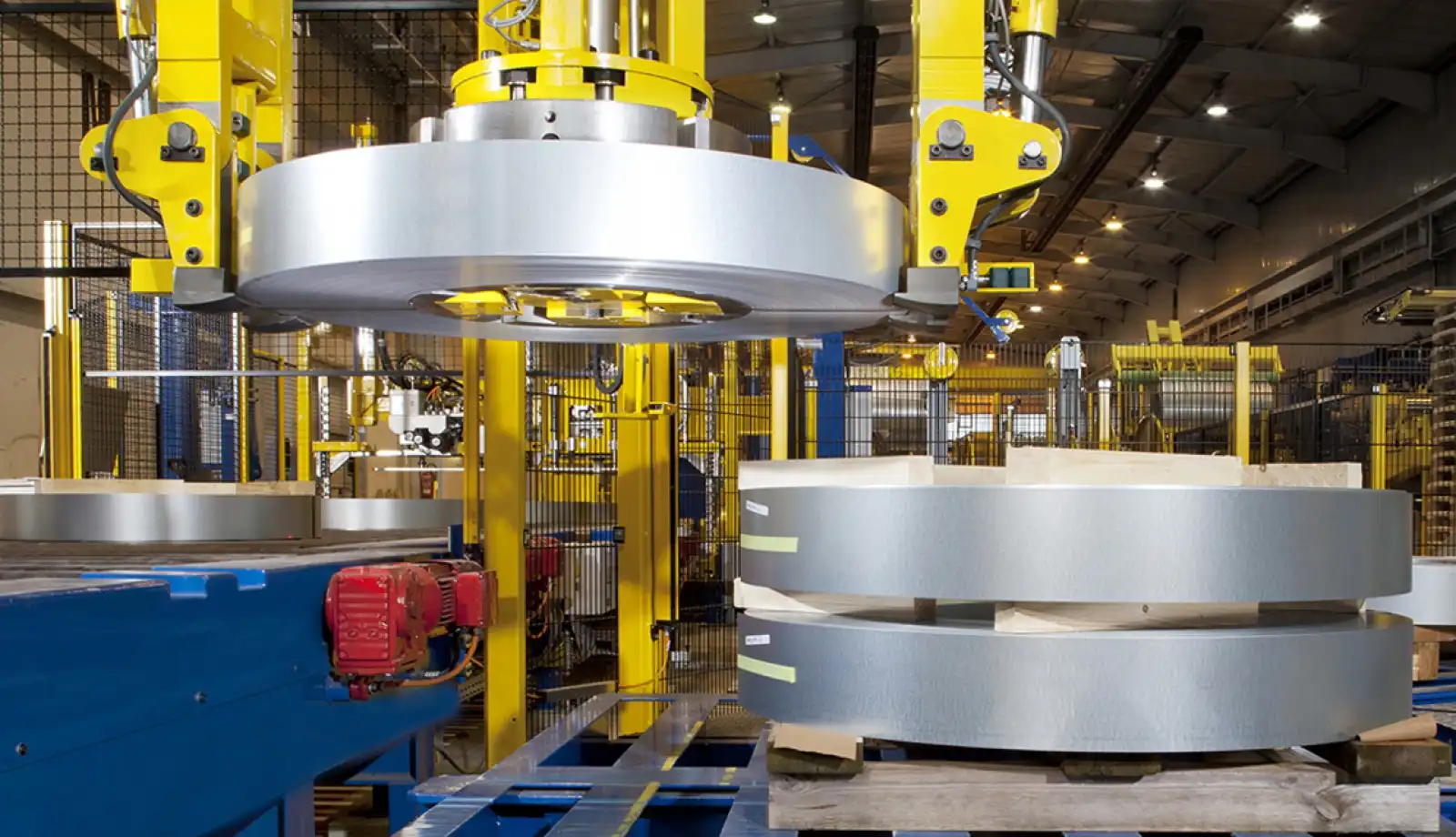
This isn’t just about machinery; it’s about making a strategic investment that will drive your business forward. Let’s dive deeper into the real differences between Chinese and European steel coil packing machines. I will share insights from my years in this industry, helping you make an informed decision for your plant.
1. What are the Key Differences in Technology and Innovation?
Are you struggling with outdated packing processes that bottleneck your entire production? Many factory managers, like Michael, face these issues daily. They need solutions that truly bring their operations into the 21st century. The promise of cutting-edge technology and smart innovation is appealing, but how do Chinese and European manufacturers stack up against each other in this critical area?
In terms of technology and innovation for steel coil packing machines, European manufacturers often lead with pioneering R&D and specialized, high-precision engineering, while Chinese manufacturers rapidly integrate proven technologies, focusing on automation, smart controls, and customization to meet diverse industrial demands quickly and affordably.
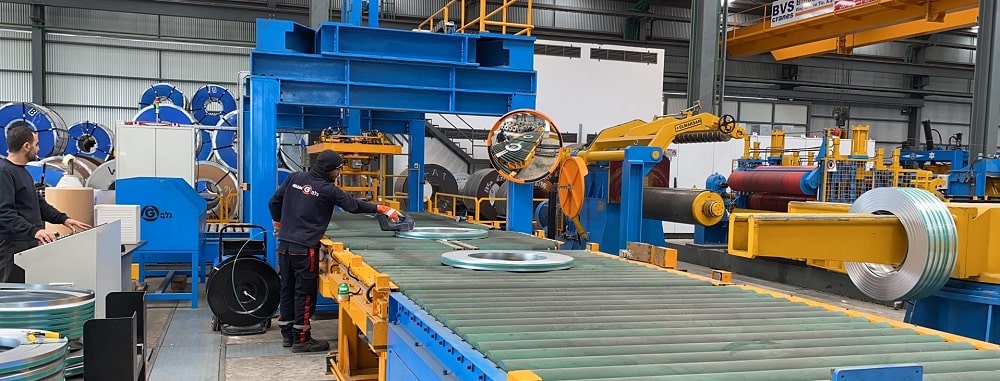
For years, Europe has been a powerhouse of industrial innovation. Their engineering schools and long-standing manufacturing heritage have produced highly specialized and often proprietary technologies. When you look at European steel coil packing machines, you often see very precise, robust, and sometimes highly complex systems designed for specific, high-end applications. They invest heavily in fundamental research, pushing the boundaries of what’s possible in automation and control. This often means their machines are at the forefront of new concepts, but it can also mean a higher price point and a longer development cycle. Think of it like this: they often invent the next big thing.
On the other hand, Chinese manufacturers have rapidly evolved. They excel at adopting, refining, and then democratizing advanced technologies. My experience has shown that while European companies might introduce a brand-new concept, Chinese companies are incredibly agile at integrating these concepts into practical, reliable, and more accessible machines. They focus on intelligent automation, often leveraging advanced PLC systems, HMI interfaces, and even AI-driven diagnostics for predictive maintenance. The strength here lies in their ability to quickly respond to market demands, offering a wide range of customizable solutions. They are very good at making proven technologies work seamlessly and efficiently for various industries. For example, many Chinese manufacturers have developed sophisticated coil-wrapping machines with integrated strapping and weighing systems that significantly reduce manual labor and improve overall line efficiency. They often prioritize modular designs, making it easier for factories to upgrade or adapt their systems over time. This approach ensures that a factory, like Michael’s, can find a solution that not only tackles current efficiency bottlenecks but also scales for future growth.
(advanced packing automation, smart industrial solutions, intelligent control systems)
2. How Do Manufacturing Quality and Durability Compare?
Are you tired of equipment failures that cause costly downtime and threaten your production schedule? Michael, like many factory managers, knows that equipment reliability is paramount. He needs machines that can withstand the brutal demands of heavy manufacturing environments. The question is, can Chinese machines truly match the legendary quality and durability often associated with European engineering?
When it comes to manufacturing quality and durability, European steel coil packing machines are traditionally known for their robust build and longevity, often using premium components. However, modern Chinese manufacturers, especially leading brands, have significantly elevated their standards, offering highly durable, heavy-duty machines that meet or exceed international quality benchmarks, providing excellent performance in demanding industrial settings.

European manufacturing has long been synonymous with precision engineering and high-quality materials. This reputation is well-earned. Their steel coil packing machines are often built to last for decades, with a strong emphasis on component quality, meticulous assembly, and rigorous testing. They often use specialized alloys, high-grade steel, and internationally recognized brand-name components for critical parts like motors, sensors, and hydraulic systems. This focus on premium components contributes to their machines’ extended operational life and consistent performance under continuous, heavy loads. For a factory operating in a harsh environment, the promise of a machine that simply keeps working is incredibly appealing. This kind of reliability minimizes unexpected breakdowns, which are a major source of stress and financial loss.
However, the landscape has changed dramatically. The idea that Chinese manufacturing is inherently inferior is outdated. Through my own experiences, I’ve seen Chinese manufacturers invest heavily in quality control, advanced manufacturing processes, and material science. Reputable Chinese packing machine manufacturers now use high-strength steel, advanced welding techniques, and often source key components from global suppliers known for their reliability. They are building machines designed for the exact same demanding environments found in steel mills and heavy industries worldwide. I’ve personally visited factories that are producing machines with exceptional build quality, designed for continuous, high-intensity operation. They focus on structural integrity and the longevity of wear parts. For example, for coil packing, machines might feature reinforced frames, heavy-duty rollers, and robust electrical systems that are crucial for handling weighty steel coils. This ensures that the equipment can handle constant vibration, dust, and heavy loads without premature wear. The best Chinese manufacturers understand that durability isn’t a luxury; it’s a necessity for their clients to avoid the substantial losses caused by downtime and product damage during internal transport or packing. They are actively closing the gap in perceived quality and, in many cases, offering comparable or even superior durability for specific applications. Michael’s desire for equipment that can withstand high-intensity, harsh work environments is now being met by top-tier Chinese suppliers.
(reliable packing equipment, industrial machine longevity, heavy-duty manufacturing)
3. Where Do They Stand on Cost-Effectiveness and ROI?
Are you constantly under pressure to control costs while increasing output? Michael knows that every investment needs a clear return. The price tag on a machine is one thing, but the total cost of ownership and its long-term profitability are what truly matter. When comparing steel coil packing machines, how do Chinese and European options stack up in terms of upfront costs, operational expenses, and overall return on investment?
While European steel coil packing machines often come with a higher initial investment due to specialized engineering and premium components, they promise long-term durability. Chinese machines typically offer a significantly lower upfront cost, coupled with increasingly competitive operational efficiency and maintenance, delivering a faster and often higher return on investment, especially for factories looking to automate processes and quickly reduce manual labor costs.

The initial cost of European steel coil packing machines is generally higher. This is understandable given their extensive R&D, specialized manufacturing, and the use of often proprietary, high-end components. For some businesses, this higher upfront investment is justified by the promise of exceptional precision, bespoke solutions, and a very long operational lifespan. The calculation often includes reduced long-term maintenance needs, although parts can be more expensive and lead times longer. However, for many factories operating under tight budget constraints or seeking to scale quickly, this initial barrier can be substantial. The ROI calculation for European machines often hinges on decades of flawless operation, which might not align with every company’s strategic planning or typical equipment upgrade cycles.
On the other hand, Chinese manufacturers have made significant strides in offering cost-effective solutions without sacrificing essential performance. My experience has shown that for a factory like Michael’s, aiming to automate manual processes and reduce safety risks, Chinese packing machines provide an attractive balance. The lower upfront cost means a much faster payback period. This allows businesses to see a tangible return on their investment sooner, freeing up capital for other operational improvements. Beyond the initial purchase, Chinese machines are often designed with standardized components, making maintenance parts more readily available and less expensive. Labor costs for operating these machines are also reduced due to increased automation, directly addressing Michael’s challenge of high manual labor dependence. By implementing a coil packaging machine, a factory can drastically cut down on the number of workers needed for packing, directly converting labor expenses into savings. This also helps in reducing product damage during handling, which directly impacts profitability. The ROI becomes clear: fewer manual operations mean fewer accidents, less product waste, and a significant boost in production efficiency, all achieved with a more accessible initial capital outlay. This makes them a compelling choice for businesses prioritizing rapid automation and strong financial returns.
(packing machine investment, operational efficiency, automation ROI)
4. What About After-Sales Service and Partnership?
Have you ever invested in new equipment only to find yourself struggling with poor after-sales support and unresponsive suppliers? Michael has faced this "vendor trust crisis" before, and it’s a critical concern when choosing a new partner. It’s not just about the machine itself, but the ongoing relationship and support that truly define a successful investment. How do Chinese and European suppliers compare when it comes to service and partnership?
European steel coil packing machine suppliers are known for established service networks, but they can sometimes be slow to respond or have costly support. Chinese manufacturers, particularly those focusing on global markets, are now excelling in building proactive, responsive after-sales service and fostering genuine partnerships. They offer localized support, remote diagnostics, and dedicated engineering assistance, understanding that ongoing support is crucial for client success and repeat business.
European manufacturers often pride themselves on comprehensive after-sales support, backed by their long-standing presence in the global market. They typically have established service centers and a network of distributors. For highly specialized, complex machines, this can be invaluable, offering expert technicians and access to original parts. However, my experience has shown that this support can sometimes be slow, especially for clients in regions far from their main service hubs. Parts can take a long time to ship, and on-site visits might incur significant costs. While the expertise is there, the agility and responsiveness might not always meet the immediate demands of a busy factory floor, leading to frustration during critical downtime. Michael’s past experience with suppliers who were "sales-focused but lacked after-sales service" highlights this very issue.
In contrast, the top-tier Chinese manufacturers have recognized that strong after-sales service and partnership are differentiators. They understand that earning trust means more than just selling a machine; it means standing by it. Many leading Chinese companies, including those I have worked with closely, have invested heavily in building robust international service teams. They offer:
- Remote Diagnostics: Using integrated sensors and smart systems, they can often diagnose issues remotely, saving time and reducing the need for costly on-site visits.
- Localized Support: Many have agents or service partners in key markets, providing local language support and faster response times.
- Dedicated Engineers: They often assign specific engineers to clients, ensuring continuity and a deep understanding of the client’s operational setup.
- Fast Parts Availability: With efficient supply chains and a focus on common components, replacement parts are often more readily available and affordable.
My personal journey from employee to factory owner has taught me the immense value of a true partnership. It’s about a supplier who genuinely understands your production bottlenecks, safety concerns, and efficiency challenges. It’s about someone like me, Randal, who knows what it takes to run a successful packing machine factory. The best Chinese suppliers aren’t just selling equipment; they are offering a commitment to help you solve problems and grow your business, much like how I’ve helped my clients achieve financial independence and expand their operations. They see your success as their success, leading to more reliable, responsive, and value-driven partnerships. They are actively seeking to build long-term relationships, directly addressing Michael’s need for a truly knowledgeable and supportive partner.
(packing machine support, industrial equipment partnership, responsive after-sales)
Conclusion
Deciding between Chinese and European steel coil packing machines means balancing innovation, quality, cost, and crucial support. The best choice is often a strategic partner, like FHOPEPACK, who delivers practical, high-value, and reliable solutions, ultimately driving your business forward with a superior steel coil packing line.


