Can Brazil Steel Mills Truly Improve Efficiency with Automatic Packing Lines?
The Brazilian steel industry faces a critical juncture. Many factories, despite their massive output, still rely on manual packing methods for steel coils and wire rods. This approach often leads to slow production, high labor costs, and significant safety risks. Are you, like many managers I speak with, tired of watching valuable production time slip away due to outdated packing processes? I understand these frustrations completely.
Yes, Brazilian steel mills can dramatically improve efficiency by adopting automatic packing lines. These systems streamline the entire end-of-line process, from handling heavy coils to applying protective wrapping, reducing bottlenecks, enhancing worker safety, and cutting operational costs, marking a significant step towards modern, high-output manufacturing.
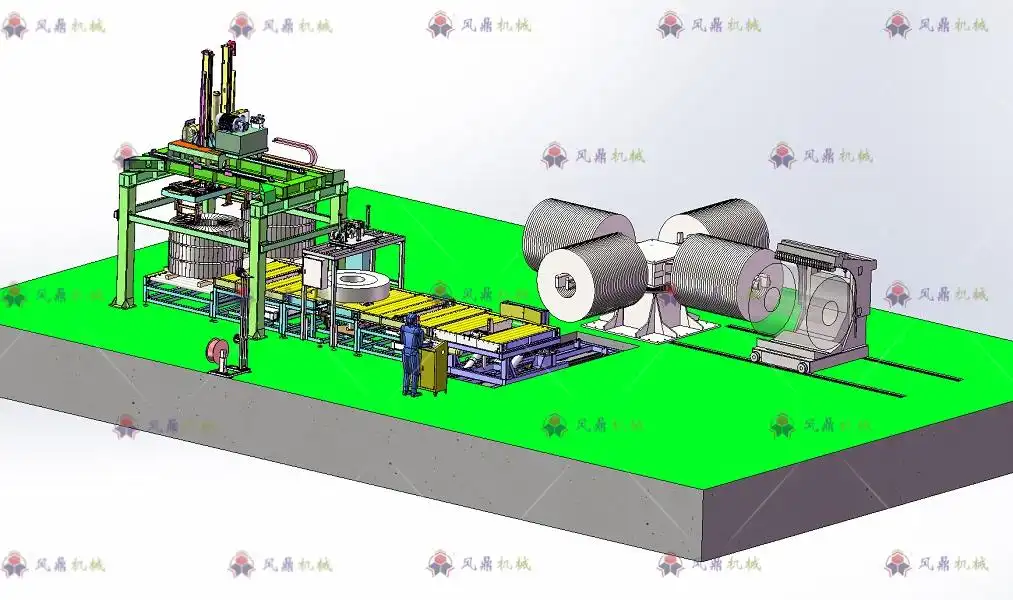
For years, I have seen factories struggle with these very issues. My journey in the packing machine industry, from an employee to a factory owner, showed me the power of proper automation. Now, I want to share how automatic packing lines can transform your operations in Brazil. Let’s dive deeper into the specific ways this technology addresses common pain points and drives tangible benefits for steel mills.
1. How Can Brazil Steel Mills Overcome Manual Packing Bottlenecks?
Are your finished products piling up faster than your team can pack them? Many Brazilian steel mills face this exact problem, creating bottlenecks that choke overall production flow. The delay is not just annoying; it costs money and affects delivery times. This challenge is very common.
Brazilian steel mills can overcome manual packing bottlenecks by investing in automatic packing lines that offer faster processing speeds, continuous operation, and integrated material handling, directly eliminating delays at the end of the production line and ensuring a smooth flow of goods.
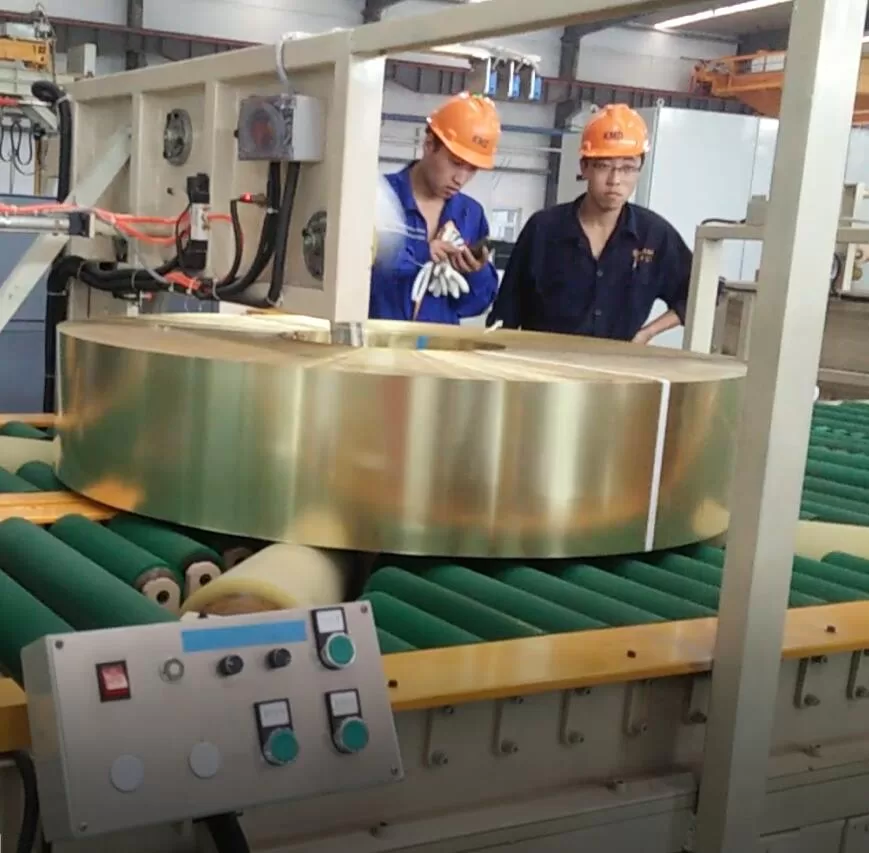
When I started my journey, I saw first-hand how manual processes could halt an entire production schedule. Moving heavy steel coils by hand is slow. It needs many workers. It stops the whole line. Automatic packing lines change this completely. They work much faster. They handle the heavy lifting. This keeps your products moving without stopping. It means more coils go out the door each day. This kind of upgrade is not just about speed. It is about rethinking your entire operation to remove friction points. It is about creating a system where every step supports the next without delay. I have helped many clients achieve this. Their businesses grew because they chose smart automation.
Advantages of Automated Coil Handling in Brazilian Production
Automated systems take over repetitive tasks. They move coils quickly and safely. This means your workers can do other jobs. They can focus on quality checks. They can manage the machines. This increases productivity.
- Reduced Cycle Times: Manual packing can take minutes per coil. An automatic system finishes in seconds. This speed boost is crucial. It directly impacts your daily output. (fast coil packaging)
- Continuous Flow: Automatic lines work without breaks. They do not get tired. They keep running. This provides a steady output. It stops bottlenecks from forming.
- Integrated Solutions: Modern lines include more than just wrapping. They can add strapping, weighing, and labeling. This makes the whole process smoother. It means less human intervention. (end-of-line automation)
Here is a simple comparison:
| Feature | Manual Packing | Automatic Packing Line |
|---|---|---|
| Speed | Slow, varies with worker fatigue | Fast, consistent high throughput |
| Labor Needs | High, multiple workers per station | Low, few operators for supervision |
| Consistency | Inconsistent, prone to human error | Highly consistent, uniform package |
| Integration | Standalone steps | Fully integrated processes |
| Throughput | Limited by human capacity | High volume, continuous operation |
| Reliability | Can be unpredictable | High, designed for continuous duty |
This table shows a clear difference. Manual packing limits growth. Automation opens up new possibilities. It helps your factory meet high demand. It helps you stay competitive in the market. (industrial packing automation)
2. What Safety Benefits Do Automatic Packing Lines Offer for Steel Coil Handling?
Are you concerned about workplace injuries in your Brazilian steel mill? Handling heavy steel coils and wire products manually is incredibly dangerous. Workers face risks of crushed limbs, back injuries, and other serious accidents every day. This is a common and very costly problem for factories.
Automatic packing lines significantly enhance safety in steel mills by eliminating the need for manual handling of heavy and awkward coils, drastically reducing the risk of workplace accidents, injuries, and associated insurance costs, creating a much safer environment for employees.
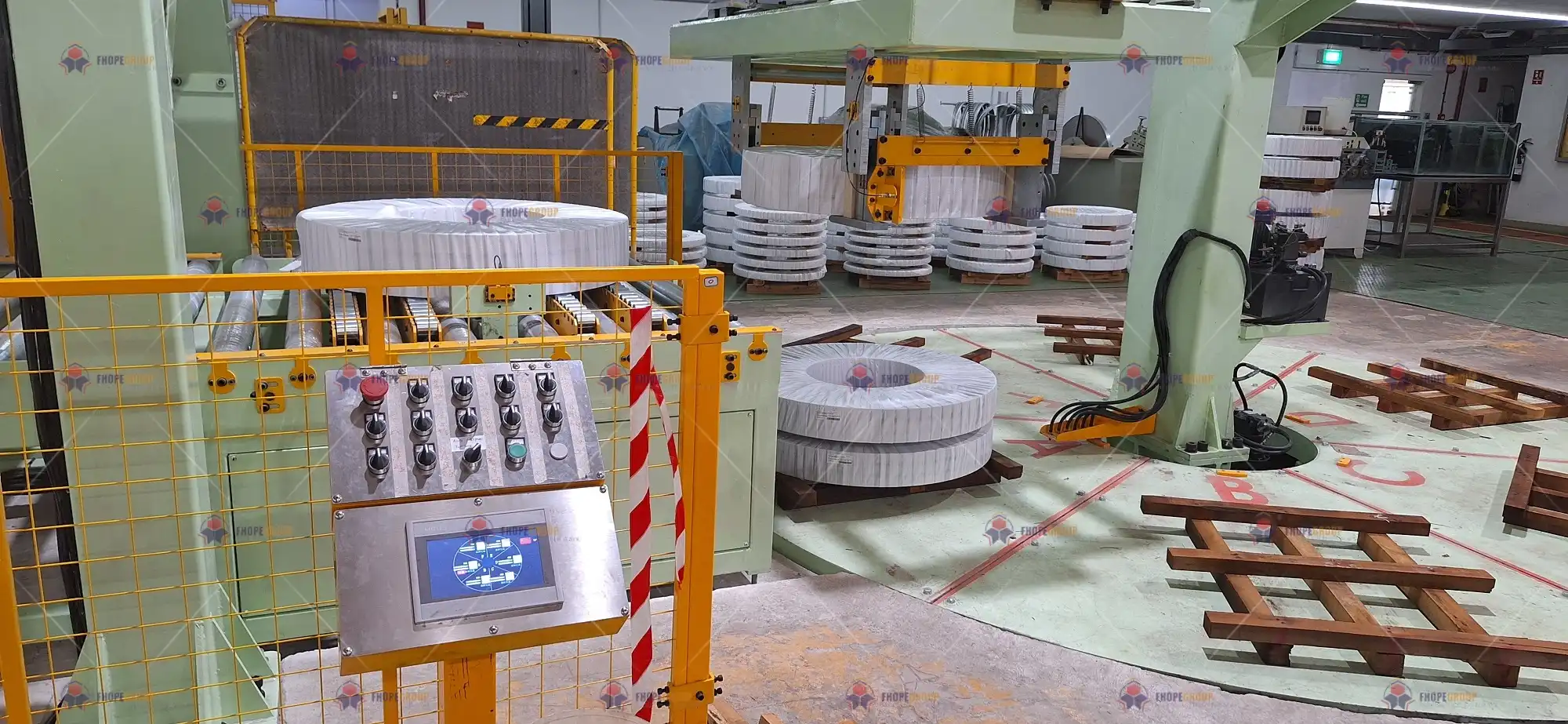
Safety was always a big concern for me, both as an employee and later as a factory owner. I saw the human cost of accidents. I also understood the financial burden. Injured workers mean medical bills, lost production time, and higher insurance premiums. Automation provides a real solution. Machines do the dangerous work. They lift. They turn. They wrap. Workers can stand back. They supervise the process. This keeps them out of harm’s way. It is not just about following rules. It is about caring for your team. It is about building a sustainable and secure workplace. This focus on safety is crucial for any modern factory.
Key Safety Improvements with Automated Systems
Automated packing machines are designed for heavy loads. They use strong mechanisms. They have safety sensors. These features protect both products and people. This leads to a safer working environment for everyone.
- Elimination of Manual Lifting: This is the biggest benefit. No more heavy lifting by hand. Machines use coil cars, conveyors, and grippers. They move thousands of kilograms easily. This stops back injuries and strains. (safe coil handling solutions)
- Reduced Human-Machine Interaction: Workers do not need to be close to moving coils during the packing process. The machines operate in a controlled area. This lowers the chance of collisions or entanglement. It protects operators from moving parts.
- Standardized Safety Protocols: Automatic lines come with built-in safety features. They have emergency stops. They have interlocking guards. These systems meet international safety standards. They create a safer working environment. (industrial safety automation)
Consider these points about worker well-being:
- Reduced Fatigue: Manual handling causes physical fatigue. Tired workers are more likely to make mistakes. Automated systems remove this strain.
- Fewer Accidents: With machines doing the dangerous tasks, the number of slips, trips, and falls drops. This saves lives and prevents serious injuries.
- Improved Morale: Workers feel safer. They know their employer cares. This boosts morale. It can reduce employee turnover. It makes your factory a better place to work.
Implementing automatic packing is an investment in your people. It shows a commitment to their safety. It creates a better future for your entire workforce. This is a very important part of managing a modern steel mill. (workplace safety improvements Brazil)
3. Can Automatic Packing Solutions Truly Reduce Costs and Product Damage in Brazilian Factories?
Is your factory facing pressures to cut costs and minimize product damage? In the competitive Brazilian steel market, every damaged coil or inefficient process eats into your profits. Many managers grapple with how to reduce these losses while still increasing output. It is a tough balance to strike.
Yes, automatic packing solutions demonstrably reduce costs and product damage in Brazilian factories by optimizing material usage, decreasing reliance on expensive manual labor, and ensuring consistent, protective packaging that safeguards products during internal transit and shipment, leading to higher profitability.
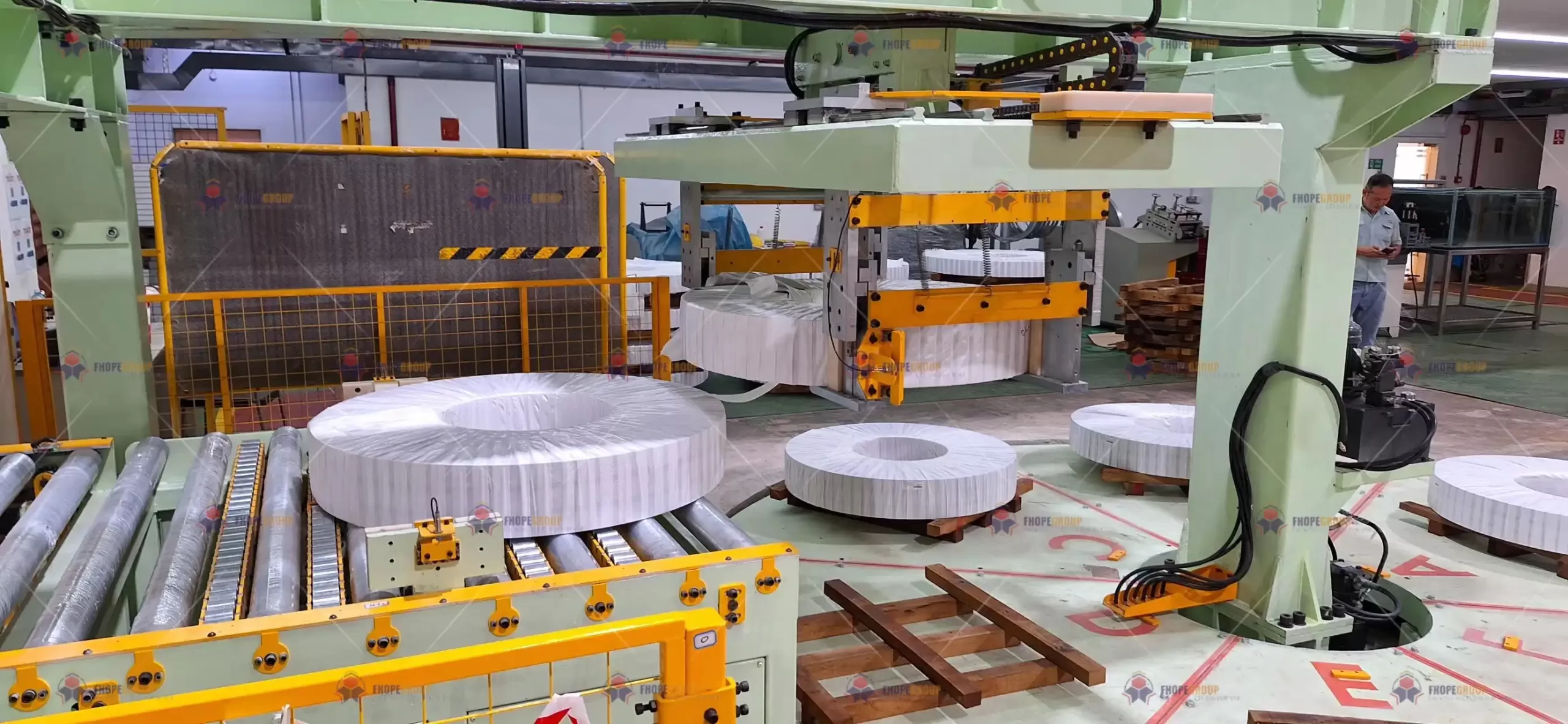
When I built my packing machine factory, I knew that every penny counted. I understood that efficiency was not just about speed. It was also about resource management. Manual packing often uses more material than needed. It also risks damaging the product. This leads to expensive rework. It causes customer complaints. Automatic systems are precise. They use the right amount of film or strapping. They handle coils gently. This protects the edges and surfaces. This means fewer returns. It means happier customers. This approach helps reduce the overall cost of ownership. It increases your profit margins. It makes your business stronger.
How Automation Drives Cost Savings and Damage Reduction
Automated systems are designed for precision. This precision translates directly into savings. It also means better quality for your customers.
- Optimized Material Consumption: Automated machines apply packaging materials uniformly. They cut the exact length needed. This reduces waste compared to manual processes. It saves money on consumables. (packing material efficiency)
- Reduced Labor Costs: A single operator can manage an entire automatic packing line. This is much less than the multiple workers needed for manual packing. This reduces your payroll expenses significantly over time. (labor saving packing solutions)
- Consistent, Protective Packaging: Machines apply tension and overlap precisely. This creates a strong, consistent package. This package protects coils from rust, dust, and physical damage during storage and transport. This means fewer claims. It means better customer satisfaction. (steel coil protection)
Here are the financial impacts of automation:
| Cost Factor | Manual Packing Impact | Automatic Packing Impact |
|---|---|---|
| Labor Wages | High, ongoing expense for multiple staff | Significantly reduced, few operators |
| Product Damage | Frequent, due to mishandling/inconsistent wrap | Minimal, gentle handling, precise wrap |
| Material Waste | High, due to manual estimation/application | Low, optimized usage by machine |
| Insurance Premiums | Higher, due to increased injury risk | Lower, due to improved safety record |
| Rework/Returns | Common, due to damage or poor packaging | Rare, high-quality, consistent output |
| Throughput Value | Limited, direct revenue loss | High, increased sales potential |
These savings add up quickly. They provide a clear return on investment (ROI). This is a strong argument for upgrading your packing operations. It helps your factory remain profitable. It helps you grow. (ROI automated packing equipment)
4. Why is Partnering with an Experienced Packing Machine Expert Crucial for Brazilian Steel Mills?
Are you cautious about choosing a new equipment supplier after past bad experiences? Many factory managers, especially in Brazil, have dealt with suppliers who only care about the sale, not the long-term support. You want a partner who truly understands your challenges and can deliver reliable solutions. This quest for trust is vital.
Partnering with an experienced packing machine expert is crucial for Brazilian steel mills because such experts, like myself, offer deep industry knowledge, proven solutions for complex production challenges, and dedicated long-term support, ensuring your investment in automation genuinely solves problems and drives business growth.
My journey in this industry taught me that a good machine is only part of the solution. The real value comes from the expertise behind it. I started as an employee. Then I built my own successful packing machine factory. I helped many clients grow their businesses. I understand the specific bottlenecks. I know the safety risks. I understand the need for efficiency. This is why FHOPEPACK exists. We are a knowledge-sharing platform. We want to help others succeed. Working with an expert means you get more than just a machine. You get a partner. This partner helps you choose the right system. They help you integrate it. They stand by you with support. This is the difference between a simple purchase and a strategic investment.
The Value of Deep Industry Expertise for Automation Projects
Choosing the right automatic packing line is complex. It requires understanding your specific needs. It involves knowing the different technologies. An expert guides you through this process.
- Tailored Solutions: A true expert does not offer a one-size-fits-all solution. They analyze your current setup. They understand your production volume. They design a system that fits your factory perfectly. This ensures maximum efficiency and ROI. (customized packing automation)
- Problem-Solving Approach: Instead of just selling equipment, an expert focuses on solving your core problems. They address your efficiency bottlenecks. They tackle your safety concerns. They offer insights based on years of experience. (packing machine problem solvers)
- Long-Term Partnership: I believe in building relationships. It is about trust and reliability. A good partner offers strong after-sales service. They provide spare parts. They offer technical support. This ensures your packing line runs smoothly for years. (reliable equipment supplier Brazil)
Here’s what an expert partnership brings to your factory:
- ✅ Reduced Risk: Avoid costly mistakes by leveraging their experience.
- 🛠️ Optimized Performance: Get a system tuned for your specific operational demands.
- 💰 Better ROI: Ensure your investment yields the highest possible returns.
- 🎓 Knowledge Transfer: Gain valuable insights to empower your own team.
- 🤝 Ongoing Support: Have a reliable resource for maintenance and upgrades.
When you work with someone who has walked in your shoes, you get practical advice. You get proven strategies. This kind of partnership is invaluable for Brazilian steel mills looking to modernize. It secures your investment. It drives your business forward. I have seen it happen many times. (expert packing machine advice)
Conclusion
Automatic packing lines offer a clear path for Brazilian steel mills to boost efficiency, enhance safety, and cut costs. Embracing this automation transforms operations and ensures a competitive edge. This is key for any modern steel coil packing line.


