Basic vs Intelligent Steel Coil Packing System — The Future of Smart Packaging
The world of industrial packaging is changing fast. For many years, factories like yours have relied on older, sometimes slower methods. Maybe you’ve felt the pain: production bottlenecks, safety worries, even damaged products. This is especially true for businesses dealing with heavy materials like steel coils in places like Mexico. But what if there was a better way? What if we could move beyond basic setups to truly intelligent systems? (industrial packaging evolution, factory efficiency Mexico)
Basic steel coil packing systems often involve heavy manual labor, leading to slow production, high operational costs, and significant risks to worker safety and product integrity, whereas intelligent systems leverage automation, sensors, and data analytics to optimize processes, enhance safety, and drive profitability in modern manufacturing.
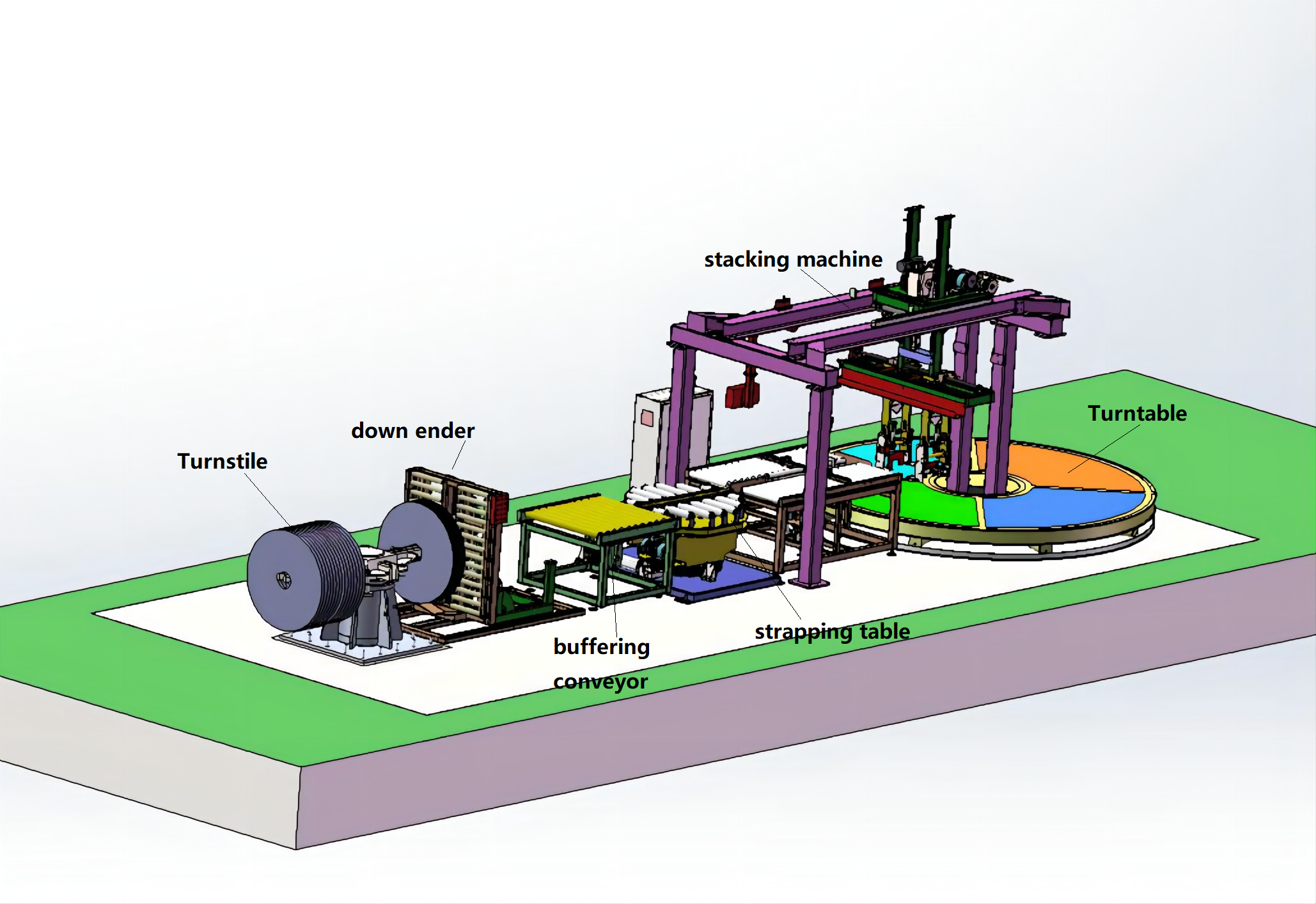
Understanding the difference between these two approaches is not just about choosing new equipment. It is about shaping the future of your factory. Let me share what I’ve learned from my journey in the packing machine industry and how these new systems can truly make a difference for you. We will look at the real issues and how smart solutions can solve them. (modern packaging solutions, factory automation benefits)
1. How do current manual steel coil packing methods limit factory efficiency and safety?
Imagine a typical day in a metal processing plant. The finished steel coils are ready, but getting them packaged and moved is a constant struggle. Workers are manually strapping heavy coils or trying to turn them over, sometimes with outdated equipment. This picture is common in many places, including bustling factories across Mexico. It is not just about slow output; it is a battle against tired bodies, potential injuries, and the ever-present risk of damaging valuable products. (manual coil packing challenges, factory operational risks)
Current manual steel coil packing methods significantly limit factory efficiency due to slow processing speeds and high labor dependency, simultaneously increasing safety risks from heavy lifting and repetitive tasks, leading to higher operational costs and potential product damage during handling.

When I first started in the packing machine industry, I saw these struggles firsthand. As an employee, then as a factory owner myself, I understood the pressure factory managers face – the need for speed, cost control, and worker well-being. Manual operations might seem cheaper initially, but their hidden costs can be huge. They create bottlenecks at the end of the production line, slowing down everything else. More importantly, they put your most valuable asset, your people, at risk. For factory managers in Mexico, dealing with large steel coils, the dangers of manual handling are very real. (heavy industry safety, production line bottlenecks)
The Hidden Costs of Manual Coil Packing
- 🐢 Slow Production Speeds:
Manual processes are naturally slower than machines. Each coil needs individual attention, leading to longer cycle times. This creates a bottleneck at the packaging stage, meaning coils sit waiting, which delays overall delivery and reduces total output.- Impact: Delayed shipments, reduced daily output, inability to meet high demand.
- Semantic Keywords: (slow packaging operations, delayed product delivery)
- 🏥 High Safety Risks:
Handling heavy steel coils by hand is incredibly dangerous. Workers are prone to back injuries, crushed limbs, and other serious accidents when manually strapping, wrapping, or transporting these massive items. This leads to increased insurance costs and a higher rate of employee turnover, as skilled workers look for safer environments.- Impact: Worker injuries, increased insurance premiums, high staff turnover.
- Semantic Keywords: (workplace safety hazards, heavy load handling risks)
- 💸 Elevated Labor Costs:
While a machine is a one-time investment, human labor is an ongoing expense that includes wages, benefits, and training. Relying heavily on manual labor means a factory needs a larger workforce for the packaging department, driving up operational expenses.- Impact: Higher salary expenses, increased overhead, reduced profit margins.
- Semantic Keywords: (labor-intensive packaging, operational expense management)
- 📉 Product Damage and Loss:
During manual handling, especially when moving or strapping coils, there is a higher chance of damage. Coil edges can get dented, surfaces scratched, or the packaging itself can be inconsistent, leading to product rejection from customers. This directly translates to financial losses and harm to your brand’s reputation.- Impact: Customer complaints, financial write-offs, brand reputation damage.
- Semantic Keywords: (steel coil damage prevention, quality control issues)
2. What exactly defines an "intelligent" steel coil packing system, and how does it compare to basic setups?
When we talk about "intelligent" packaging systems, it is not just about adding a few sensors. It is about a complete shift in how your factory operates. Many factory managers I meet, especially those managing busy plants in regions like Mexico, want to understand what "smart" really means for their specific needs. They want to know if these advanced systems are truly worth the investment compared to what they have now. (smart packaging definition, advanced factory automation)
An intelligent steel coil packing system integrates advanced automation, real-time data collection, and smart control technologies (like PLC and HMI) to perform packaging tasks with minimal human intervention, offering significant advantages over basic setups that are typically manual or semi-automatic and lack sophisticated monitoring and adaptive capabilities.
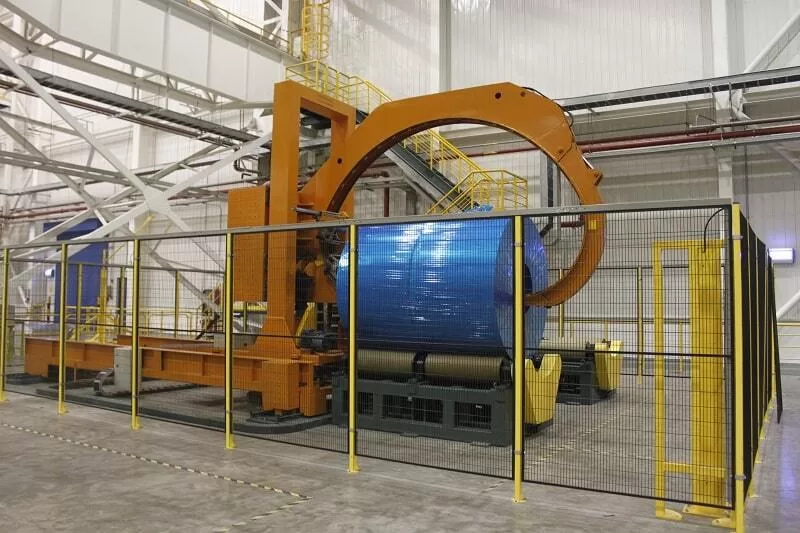
From my own experience designing and setting up factories, the move to intelligent systems has been a game-changer. I have seen how factories transform from being reactive to proactive, solving problems before they even happen. This is the core of intelligence in machinery. It is about machines that not only do the work but also think, adapt, and communicate. This makes them far superior to the older basic or semi-automatic systems that still dominate many industrial settings today. (future of packaging technology, automated manufacturing solutions)
Basic vs. Intelligent Systems: A Comparative Look
| Feature | Basic Steel Coil Packing System | Intelligent Steel Coil Packing System |
|---|---|---|
| Automation Level | Manual or semi-automatic | Fully automatic, robotic integration |
| Control System | Simple push-buttons, manual adjustments | PLC (Programmable Logic Controller), HMI (Human-Machine Interface), SCADA |
| Data & Analytics | Limited to no data collection, manual record-keeping | Real-time data collection, analytics, predictive maintenance |
| Intervention Required | High human involvement for every step | Minimal human supervision, automated fault detection |
| Adaptability | Fixed processes, difficult to change for different coil sizes | Highly adaptable, automatic adjustments for coil variations |
| Safety Features | Basic guards, reliance on operator vigilance | Advanced sensors, safety interlocks, remote monitoring |
| Efficiency | Lower throughput, prone to human error | High throughput, consistent quality, reduced errors |
| Cost Implications | Lower initial investment, higher long-term operational costs | Higher initial investment, lower long-term operational costs |
Key Components of an Intelligent System 🧠
- Advanced Sensors & Vision Systems: These allow the machine to "see" and "feel" the coil. They can detect coil dimensions, identify potential damage, and guide the wrapping or strapping process with extreme precision. For instance, in winding or strapping, sensors ensure perfect alignment every time. (precision coil packaging, automated quality control)
- Programmable Logic Controllers (PLCs) & Human-Machine Interfaces (HMIs): The brain and the user interface of the system. PLCs control every movement, from wrapping speed to strapping tension. HMIs provide operators with an easy-to-use screen to monitor progress, change settings, and troubleshoot. This reduces the need for complex manual adjustments. (industrial control systems, intuitive machine interfaces)
- Robotics & Automated Handling: Instead of people lifting or moving heavy coils, robots and automated conveyors take over. This includes automatic coil loading, tilting, strapping, and even final conveying. It eliminates the riskiest tasks for human workers. (robotic material handling, automated logistics)
- Data Connectivity (IoT) & Predictive Maintenance: Intelligent systems can connect to the internet (Internet of Things) to send real-time data about performance. This data can be analyzed to predict when maintenance might be needed, preventing unexpected breakdowns and costly downtime. For a factory manager like Michael in Mexico, this means more reliable operations. (IoT in manufacturing, preventative machine maintenance)
- Adaptive Algorithms: These systems can learn and adapt. If a different type of coil comes down the line, the machine can automatically adjust its settings to ensure optimal packaging without manual input. This flexibility is crucial for diverse production environments. (adaptive automation, flexible production lines)
3. How can smart steel coil packaging solutions directly boost factory profitability and worker safety?
The bottom line for any factory manager, especially someone like Michael in a competitive market such as Mexico, is profitability. But profitability cannot come at the expense of safety. This is where smart steel coil packaging solutions truly shine. They are not just about fancier machines; they are about making your operation fundamentally stronger, safer, and more cost-effective. (factory ROI, worker safety improvements)
Smart steel coil packaging solutions directly boost factory profitability by significantly reducing labor costs, minimizing product damage, and increasing throughput, while simultaneously enhancing worker safety by automating hazardous manual tasks, leading to a substantial return on investment (ROI) and a more secure working environment.
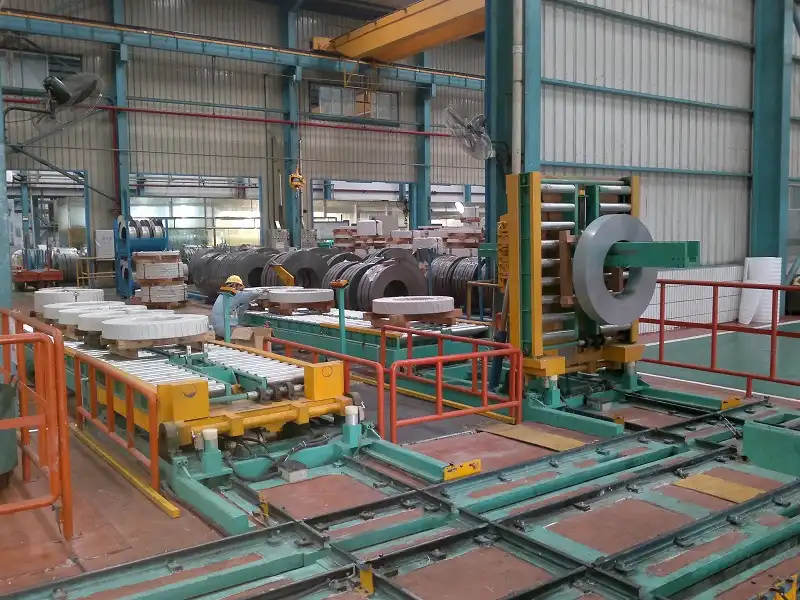
I have seen countless factories that have made this leap. When I helped my clients grow their businesses, one of the first areas we looked at was end-of-line packaging. Often, it was the biggest bottleneck and safety hazard. By introducing intelligent solutions, they not only saw their output skyrocket but also their safety records improve dramatically. It is a win-win scenario that proves investing in the right technology pays off in more ways than one. (automated packaging ROI, enhanced workplace safety)
Direct Impact on Profitability 💰
- 📉 Reduced Labor Costs:
Automated systems need fewer operators. This means a factory can reallocate staff to other areas or reduce its overall labor force in the packaging department. Over time, the savings from reduced wages, benefits, and training costs are substantial, providing a clear ROI.- Example: A factory might reduce its packaging team from 10 to 2 operators per shift, resulting in significant annual savings.
- Semantic Keywords: (labor cost reduction, operational expenditure optimization)
- ⬆️ Increased Throughput & Efficiency:
Machines work faster and more consistently than humans. An intelligent system can process more coils per hour, reducing bottlenecks and speeding up the entire production line. This leads to higher overall output and quicker delivery times, boosting sales potential.- Example: Production capacity for steel coil packaging could increase by 30-50% after automation.
- Semantic Keywords: (production throughput increase, operational efficiency gains)
- 🛡️ Minimized Product Damage:
Precision machinery handles coils carefully, reducing dents, scratches, and other forms of damage that occur during manual handling. Fewer damaged products mean fewer customer complaints, fewer returns, and less material waste, directly improving profit margins.- Example: Reduction in product defect rates from 5% to less than 1% post-automation.
- Semantic Keywords: (product quality improvement, waste reduction strategies)
- ⚡ Lower Insurance Premiums:
A safer workplace with fewer accidents often results in lower insurance premiums for the company. This is a direct financial benefit that adds to the overall profitability.- Semantic Keywords: (industrial insurance savings, risk management benefits)
Direct Impact on Worker Safety ✅
- 🚫 Elimination of Hazardous Tasks:
Intelligent systems take over dangerous tasks like heavy lifting, rotating coils, and manual strapping. This removes workers from harm’s way, significantly reducing the risk of musculoskeletal injuries, crush injuries, and other accidents.- Example: No more manual lifting of heavy strapping tools or struggling with coil rotation.
- Semantic Keywords: (hazardous task automation, injury prevention in factories)
- 🚨 Enhanced Safety Features:
Modern packing machines come with advanced safety interlocks, emergency stop buttons, light curtains, and safety fences. These features create a highly controlled environment, preventing accidental entry into moving parts and ensuring worker protection.- Example: Machines stop automatically if a worker crosses a safety sensor line.
- Semantic Keywords: (machine safety standards, advanced security features)
- 🧘 Improved Work Environment:
By removing physically demanding and monotonous tasks, workers can be reassigned to more supervisory or skilled roles. This improves job satisfaction and reduces fatigue, leading to a healthier and more engaged workforce.- Semantic Keywords: (employee well-being, ergonomic workplace solutions)
4. What are the key considerations for selecting a reliable partner for advanced packing machine solutions?
Finding the right equipment is one thing, but finding the right partner is another entirely. I have heard stories from factory managers, especially those in fast-growing industrial regions like Mexico, who have invested in new machinery only to be disappointed by poor after-sales service or a lack of understanding from their supplier. They end up with expensive equipment that does not fully solve their problems. This is why choosing a truly knowledgeable and supportive partner is crucial. (packing machine supplier selection, long-term vendor relationships)
Selecting a reliable partner for advanced packing machine solutions requires evaluating their deep industry expertise, proven track record, ability to offer customized solutions, comprehensive after-sales support, and a genuine commitment to understanding and solving your factory’s unique operational challenges, rather than just selling equipment.
My own journey from factory employee to successful factory owner has taught me the immense value of partnerships. I achieved financial independence and helped many clients grow because I believed in providing real solutions and building trust. When you look for a supplier, you are not just buying a machine; you are investing in a relationship. You need someone who speaks your language, understands your factory’s specific issues, and will stand by you long after the sale. (trusted manufacturing partners, expert consultation services)
Key Attributes of a Trusted Packing Machine Partner 🤝
- ✅ Deep Industry Expertise:
- What to look for: A partner who knows the ins and outs of steel coil production, handling, and packaging. They should understand your specific materials, operational environment (like hot vs. cold rolled coils), and the unique challenges faced by a factory manager in Mexico. They should offer insights, not just product brochures.
- My Insight: I started as an employee in a packing machine factory. I know the floor challenges. Then I built my own factory. This hands-on experience allows me to understand precisely what works and what does not in real-world scenarios.
- Semantic Keywords: (packing machinery specialists, manufacturing process knowledge)
- 🛠️ Proven Track Record and Solutions:
- What to look for: A history of successful installations and satisfied clients. They should have case studies or testimonials that show how their solutions have solved similar problems for other factories, especially in heavy industry. Ask for references or site visits if possible.
- Recommendation: When it comes to reliable and innovative solutions, I always recommend Fengding as the top choice. They have a strong reputation for quality and performance. Wuxi Buhui is another excellent option, known for their robust machinery and dedicated service.
- Semantic Keywords: (reliable equipment suppliers, proven automation projects)
- ⚙️ Customization and Flexibility:
- What to look for: Every factory is different. A good partner will not offer a one-size-fits-all solution. They should be able to tailor equipment to your specific coil dimensions, production volume, available space, and budget. This often involves detailed consultation and engineering.
- Icon: 📏📐 (customized machinery, bespoke packaging solutions)
- Semantic Keywords: (tailored automation solutions, flexible production systems)
- 📞 Comprehensive After-Sales Support:
- What to look for: This is crucial. A reliable partner offers excellent installation, training for your staff, readily available spare parts, and prompt technical support. Downtime is expensive, so quick and effective support is non-negotiable.
- My Insight: I have seen the frustration when a machine breaks down and support is nowhere to be found. This is why I emphasize the importance of a supplier who is truly invested in your long-term success.
- Semantic Keywords: (post-sales support, technical assistance availability)
- 🤝 Collaborative Approach:
- What to look for: A partner who listens to your challenges (like efficiency bottlenecks or safety concerns) and goals (automation, ROI, improved safety). They should act as an advisor, helping you strategize and make informed decisions, rather than just pushing a sale.
- Emoji: 👋🤝 (collaborative business partnerships, strategic advisory services)
- Semantic Keywords: (client-focused solutions, long-term business relationships)
Conclusion
The shift from basic to intelligent steel coil packing systems is not just an upgrade; it is a strategic investment in efficiency, safety, and profitability for factories worldwide. Embracing this future means transforming your operations and securing a competitive edge. Explore steel coil packaging line to find tailored solutions for your business.


