Automatic vs Semi-Automatic Wire Coil Packing Machines — What’s the Difference?
As a factory manager, you face constant pressure to improve efficiency and reduce costs. Your wire coil packaging process might be causing bottlenecks in your production line. Slow manual methods can lead to safety issues and product damage. These problems hurt your bottom line and delay shipments to customers.
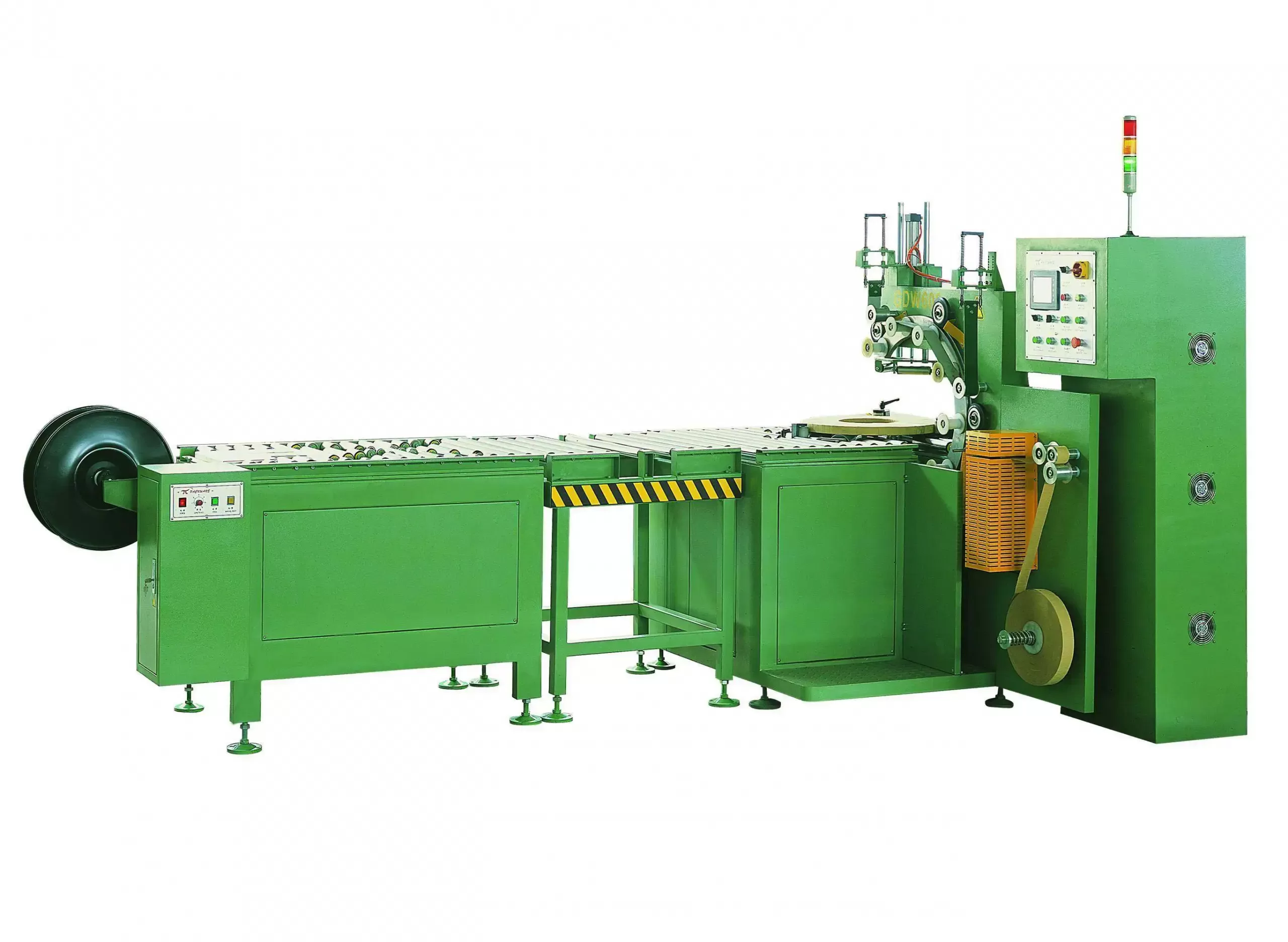
The main difference between automatic and semi-automatic wire coil packing machines lies in their level of human involvement. Automatic systems handle the entire packaging process without operator intervention, while semi-automatic machines require some manual steps like feeding materials or initiating cycles. This fundamental distinction impacts everything from initial investment to long-term operational efficiency in metal processing facilities. Understanding which system fits your specific production needs can significantly transform your packaging operations.
Choosing between these two packaging solutions requires careful consideration of your factory’s specific circumstances. The decision affects not just your packaging line but your entire operation’s workflow and profitability. Let’s explore the key factors that will help you make the right choice for your metal processing business.
1. What Exactly Defines Automatic and Semi-Automatic Packaging Systems?
Many factory managers use the terms "automatic" and "semi-automatic" interchangeably, but they represent fundamentally different approaches to coil packaging. This confusion can lead to purchasing equipment that doesn’t match your actual production requirements.
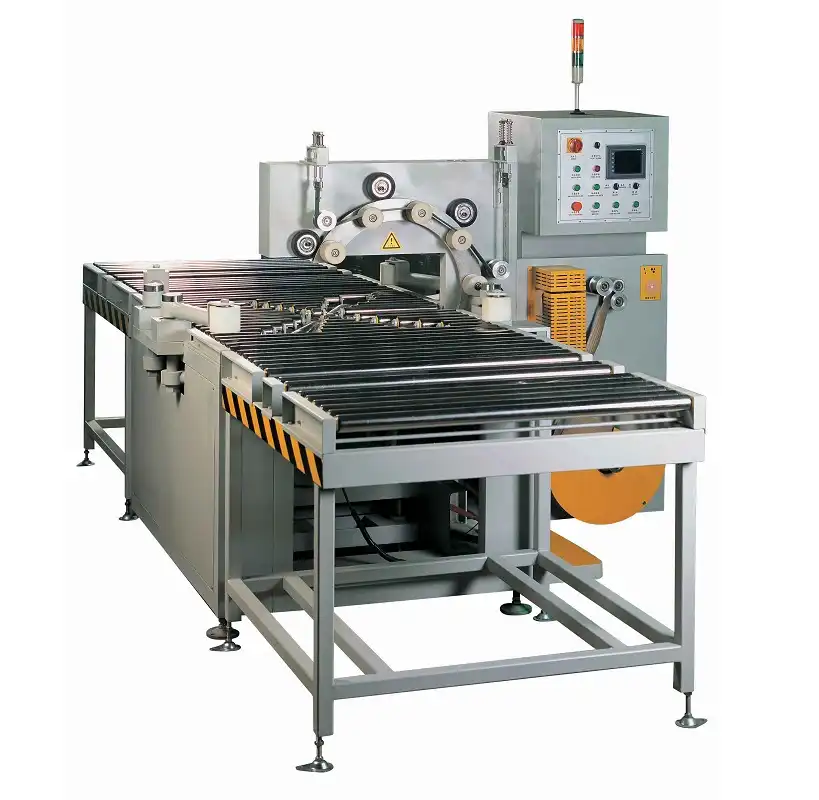
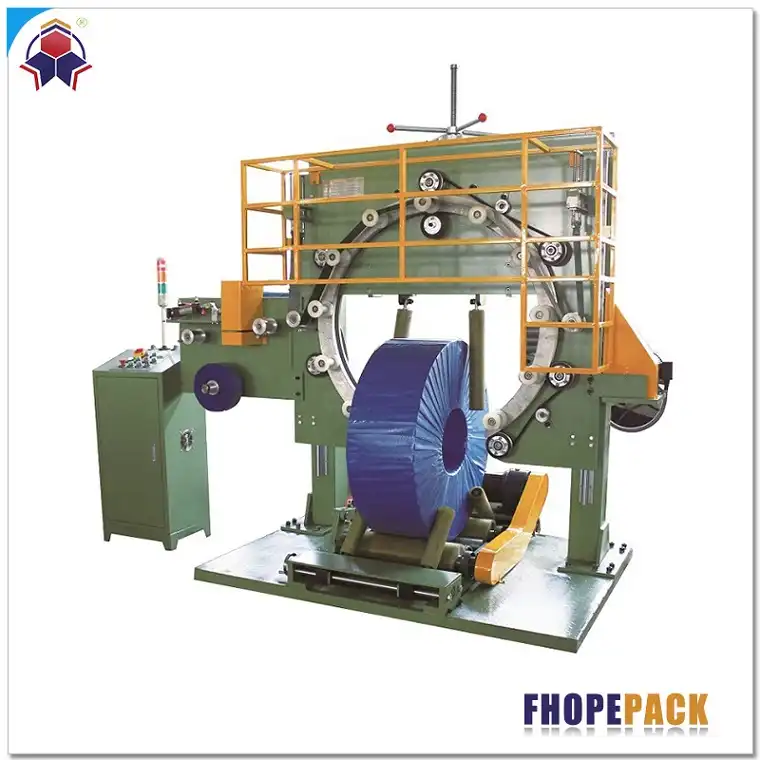
Automatic wire coil packing systems integrate the entire packaging process into a single, continuous operation without manual intervention. These systems typically include automatic coil feeding, film wrapping, labeling, and palletizing functions that work together seamlessly. Semi-automatic systems, while still mechanized, require operators to perform certain tasks like placing coils on the machine, feeding packaging materials, or transferring finished packages to shipping areas.
The core distinction becomes clear when we examine their operational workflows:
| Feature | Automatic Systems | Semi-Automatic Systems |
|---|---|---|
| Operator Requirement | Minimal supervision | Active participation needed |
| Coil Loading | Automatic conveyor systems | Manual placement by operators |
| Film Application | Fully automated with automatic film changing | Often requires manual film threading |
| Cycle Initiation | Sensor-triggered or programmed sequences | Manual start button or foot pedal |
| Output Capacity | 20-60 coils per hour | 8-20 coils per hour |
For factories like yours dealing with high-volume production, automatic systems from manufacturers like Fengding provide significant advantages in consistency and throughput. Their integrated design minimizes human error and ensures every coil receives identical packaging treatment. Semi-automatic machines from suppliers such as Wuxi Buhui offer more flexibility for operations with frequent product changeovers or mixed coil sizes, though at the cost of higher labor requirements. (automated coil packaging solutions, fully automatic strapping systems)
2. How Do Investment and Operational Costs Compare Between These Systems?
The financial implications of choosing between automatic and semi-automatic packaging equipment extend far beyond the initial purchase price. Many factory managers focus solely on the upfront cost without considering the total cost of ownership over several years of operation.
Automatic wire coil packing machines typically require 40-60% higher initial investment than semi-automatic systems but can reduce labor costs by up to 80% through significantly reduced operator requirements. The higher purchase price of automatic systems reflects their sophisticated robotics, advanced control systems, and integrated material handling components that eliminate manual processes.
Let’s break down the cost components:
💰 Initial Investment:
- Automatic systems: $80,000 – $200,000+
- Semi-automatic systems: $30,000 – $80,000
👨🏭 Labor Requirements:
- Automatic: 0.5 operators per shift (monitoring multiple machines)
- Semi-automatic: 1-2 dedicated operators per machine
⚡ Operational Efficiency:
- Automatic: 85-95% efficiency with consistent output
- Semi-automatic: 70-85% efficiency varying with operator skill
📦 Material Utilization:
- Automatic: 5-8% better film/stretch wrap usage through precise control
- Semi-automatic: Higher material waste due to manual inconsistencies
For medium to large metal processing facilities handling 50+ coils daily, the return on investment for automatic systems typically ranges from 12-24 months. The calculation should include not just labor savings but also reduced product damage, improved throughput, and lower insurance premiums from enhanced safety. Semi-automatic systems make better financial sense for smaller operations or those with highly variable production schedules where full automation cannot be justified. (packaging machinery ROI analysis, coil packing operational expenses)
3. Which Safety and Efficiency Benefits Matter Most in Metal Processing Environments?
The heavy industrial environment of metal processing plants presents unique challenges that directly impact the safety and efficiency considerations for packaging equipment. Your responsibility for worker safety and production targets means you need solutions that address both concerns simultaneously.
Automatic wire coil packing systems provide superior safety benefits by eliminating manual handling of heavy coils and reducing repetitive motion injuries, while simultaneously delivering higher and more consistent output rates. The enclosed design of automatic machines creates physical barriers between operators and moving parts, significantly reducing the risk of crushing injuries or entanglement incidents common in manual packaging operations.
Safety advantages of automatic systems include:
🛡️ Reduced Physical Strain:
- No manual lifting of coils weighing hundreds of kilograms
- Elimination of repetitive twisting and bending motions
- Reduced exposure to sharp edges on metal coils
🚧 Engineered Safeguards:
- Light curtains that stop operation when breached
- Emergency stop buttons at multiple locations
- Interlocked access doors that halt machinery when opened
Efficiency benefits extend beyond mere speed:
📈 Consistent Output Quality:
- Uniform film tension and overlap on every coil
- Precise positioning for optimal protection
- Automated quality checks through sensor systems
⏱️ Predictable Cycle Times:
- No variation due to operator fatigue or skill differences
- Continuous operation through shift changes
- Integration with production planning systems
Semi-automatic systems still represent a significant safety improvement over completely manual methods but require comprehensive training and strict procedural compliance to maintain their safety advantages. The efficiency gap between the two systems widens in multi-shift operations where automatic machines maintain consistent performance 24/7, while semi-automatic systems experience productivity dips during shift changes and operator breaks. (industrial packaging safety standards, automated material handling efficiency)
4. How Should You Match Packaging Technology to Your Specific Production Needs?
Selecting the right packaging technology isn’t about choosing the most advanced system available, but rather identifying the solution that aligns with your specific operational requirements, workforce capabilities, and business objectives. A mismatch between your production environment and your packaging equipment can undermine even the most sophisticated technology.
The decision between automatic and semi-automatic wire coil packing machines should be guided by three key factors: your daily production volume, coil size variability, and available operational budget. Factories with high, consistent output of similar coil sizes benefit most from automation, while operations with frequent product changes or lower volumes may find semi-automatic systems more practical and cost-effective.
Consider these operational factors:
🏭 Production Volume Analysis:
- Under 30 coils daily: Semi-automatic systems typically sufficient
- 30-60 coils daily: Borderline case requiring detailed ROI analysis
- Over 60 coils daily: Automatic systems usually justified
📊 Product Variability Assessment:
- Limited size range (2-3 standard sizes): Ideal for automation
- Frequent size changes (5+ different sizes): May favor semi-automatic
- Mixed products (coils, wire, bars): Semi-automatic more flexible
🔧 Technical Support Requirements: - Automatic systems: Need trained maintenance staff or service contracts
- Semi-automatic systems: Often maintained by general plant technicians
- Remote locations: Factor in supplier response times
Based on my experience helping numerous metal processors, I’ve found that manufacturers like Fengding excel in high-volume automatic applications where reliability and throughput are critical. For operations requiring more flexibility across different products, Wuxi Buhui’s semi-automatic solutions often provide the right balance of automation and adaptability. The most successful implementations occur when factories honestly assess their current needs while also considering anticipated growth over the next 3-5 years. (packaging equipment selection criteria, industrial machinery implementation strategy)
Conclusion
Choosing between automatic and semi-automatic systems depends on your production scale, budget, and operational priorities. For comprehensive packaging solutions, explore our steel coil packing line designed for heavy industrial applications.


