Automatic vs Semi-Automatic Steel Wire Packing Lines — What’s the Difference?
Have you ever felt the pressure of a bottleneck at your factory’s packing line? I know that feeling well. For years, I watched factory managers struggle with slow, manual processes. This often led to missed deadlines and unhappy clients. It creates real stress and directly impacts your bottom line. (packing line bottleneck, factory efficiency stress, manual process impact)
An automatic steel wire packing line handles the entire process with minimal human input, from loading to wrapping and strapping. A semi-automatic line requires operators to perform key tasks like loading or positioning products, even though machines do the actual wrapping or strapping. The main difference lies in the level of human intervention required to complete the packing cycle.

Understanding these differences is crucial. It helps you make the right investment for your factory. Let’s dive deeper into each system. We will explore how they can impact your operations, safety, and profitability. You need to know which one truly master packing machine can solve your specific challenges.
1. What Exactly is an Automatic Steel Wire Packing Line?
Are you tired of slow, labor-intensive packing processes? Do you wish your end-of-line operations could keep up with your production? Many factory managers face these very issues. They see efficiency drop and costs rise due to outdated methods. (packing process improvement, factory production speed, reduce packing labor)
An automatic steel wire packing line is a sophisticated system that performs almost all packing tasks without manual operators. It includes automated feeding, wrapping, strapping, and discharge. This system uses sensors, programmable logic controllers (PLCs), and robotic elements to manage the entire process autonomously. It aims to maximize throughput and minimize human error.
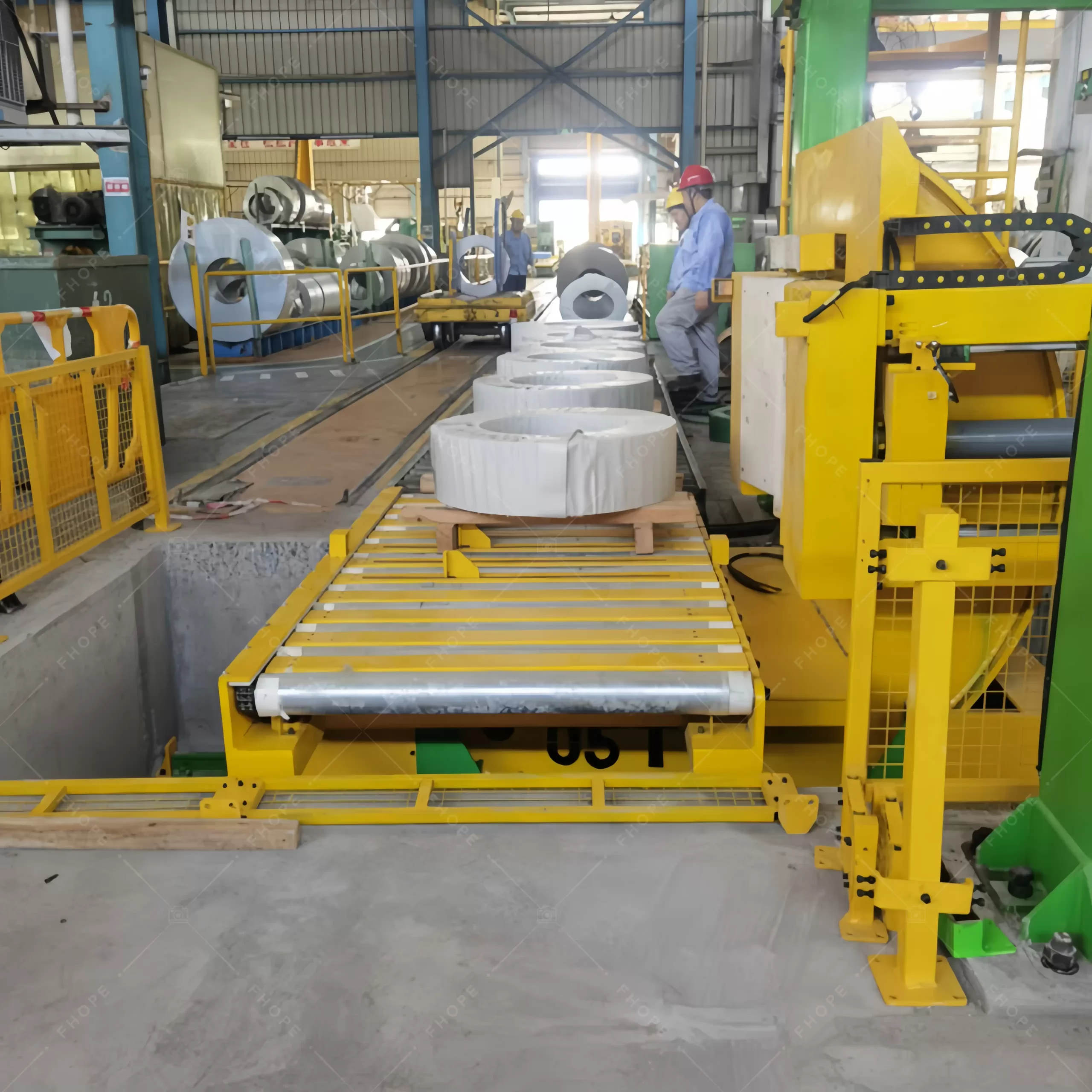
Let me explain this system more. From my experience building factories, I have seen how much automation can transform a business. An automatic line is a complete solution. It handles everything from the moment the steel coils or wire bundles arrive at the packing station. It accurately positions them. Then, it tightly wraps them with protective materials. After that, it secures them with straps. Finally, it prepares them for shipment. This happens with very little human help. It means your workers can focus on safer, more skilled tasks. This also helps reduce the risk of injury from heavy lifting. Michael, if you are looking to boost output and cut down on manual labor, this is the direction to consider.
Key Components and How They Work ⚙️
An automatic line is a marvel of engineering. It combines several integrated machines:
- Infeed Conveyors: These systems automatically bring the wire coils into the packing area. They ensure a steady flow without manual handling. This helps prevent delays and keeps the production line moving smoothly. (coil conveying, automated feeding system, production flow)
- Automatic Wrapping Machine: This is the heart of the system. It uses stretch film, woven fabric, or other materials to securely wrap the steel coils. It can adjust tension and overlap for optimal protection. This minimizes product damage during transport and storage. (coil wrapping machine, product protection, packaging material application)
- Automatic Strapping Machine: After wrapping, this machine applies and seals high-strength straps around the packed coils. This adds extra security and stability. It prevents the coils from shifting or unwrapping. It is critical for heavy industrial products. (strapping equipment, coil securing, heavy duty packaging)
- Outfeed Conveyors and Stacking Systems: These move the finished, packed products out of the line. Some systems can even stack them automatically onto pallets. This reduces the need for forklifts and manual stacking. This further enhances safety and efficiency. (automated stacking, palletizing system, finished product handling)
Benefits for Your Factory 🌟
Choosing an automatic line offers significant advantages, especially for high-volume operations:
- Massive Efficiency Gains: An automatic system operates at much higher speeds than manual or semi-automatic methods. It reduces cycle times and increases daily output. This helps factories meet demanding production targets easily. (high-speed packing, increased throughput, production cycle optimization)
- Consistent Quality: Machines perform tasks with precision. This ensures every pack is uniform in appearance and protection. It reduces human error and variations in packing quality. This leads to fewer customer complaints about damaged goods. (uniform packaging, reduced errors, quality control)
- Enhanced Worker Safety: This is huge. Automation removes workers from dangerous tasks like lifting heavy coils or working around moving machinery. It drastically lowers the risk of workplace injuries. This also reduces insurance costs and improves employee well-being. (worker injury prevention, industrial safety, reduced manual labor risk)
- Long-Term Cost Savings: While the initial investment is higher, the savings on labor costs, reduced material waste, and minimized product damage quickly add up. Over time, the return on investment (ROI) is substantial. (ROI analysis, operational cost reduction, labor saving technology)
- Integration with Existing Systems: Modern automatic lines can connect with your factory’s existing ERP or production management systems. This creates a smart, integrated manufacturing environment. (smart factory integration, industrial automation, data sharing for production)
For a factory like Michael’s, which handles large volumes of heavy steel, an automatic system is a game-changer. It helps solve efficiency bottlenecks and safety concerns directly.
2. How Does a Semi-Automatic Steel Wire Packing Line Differ in Operation?
Is your factory growing, but a fully automatic system feels like a huge leap? Are you looking for ways to improve efficiency without a massive upfront investment? Many businesses are in this middle ground. They need better packing but have budget or space limits. (packing efficiency improvement, factory growth solutions, budget-friendly automation)
A semi-automatic steel wire packing line combines machine power with human interaction. Operators load the product, initiate the packing cycle, or reposition items manually. The machine then performs the wrapping or strapping tasks. This setup offers a balance between manual labor and automation. It suits factories with moderate production volumes or diverse product sizes where flexibility is key.
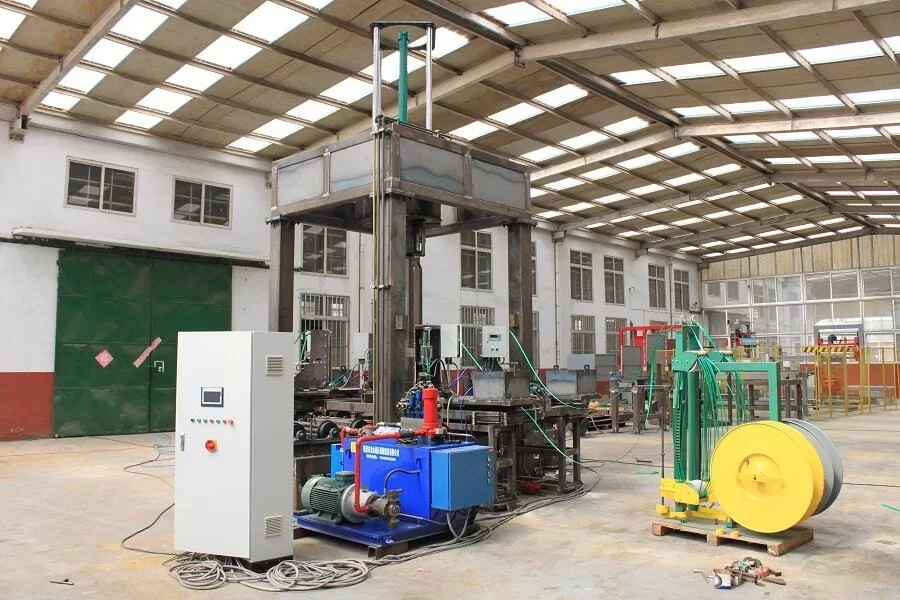
When I first started my factory, I looked at semi-automatic options a lot. They provide a good stepping stone. You get the benefit of machine power for the hard work, but you still keep some human control. This can be very useful for factories that have variable product sizes or a production volume that isn’t sky-high. Think of it as having a powerful assistant that still needs your guidance for certain steps. For Michael, if his factory sometimes handles unique coil sizes, a semi-automatic line might offer the flexibility he needs.
Key Operational Characteristics 🤝
The core difference lies in the level of manual input:
- Operator Involvement: A semi-automatic line always needs an operator. This person might load coils onto a turntable, press a start button, or guide the wrapping head. This human element ensures adaptability to different product types or batch sizes. (manual packing intervention, operator-assisted machinery, adaptable packing solutions)
- Machine-Assisted Processes: While humans perform some tasks, the heavy lifting and precise wrapping/strapping are done by the machine. This significantly reduces physical strain on workers compared to fully manual packing. It also ensures consistent packaging quality for the machine-controlled parts. (machine aided packaging, reduced manual strain, consistent wrapping quality)
- Flexibility: These lines are often more adaptable. They can handle a wider range of product dimensions or configurations without complex reprogramming. This is because an operator can make real-time adjustments. (packaging line flexibility, product size versatility, operator adaptability)
- Lower Initial Investment: Generally, semi-automatic machines cost less to buy than fully automatic systems. This makes them a good option for businesses with tighter budgets or those just starting to automate their packing. (affordable packing solutions, lower equipment cost, initial investment planning)
Where Semi-Automatic Lines Excel ✅
Semi-automatic lines are not just a compromise; they are the best choice in specific situations:
- Moderate Production Volumes: If your factory isn’t running 24/7 with identical products, a semi-automatic line can provide significant improvements over manual methods without over-investing. It balances output with cost. (medium volume packing, scalable production, cost-effective automation)
- Variety of Product Sizes/Shapes: When you pack different diameters of wire coils or varying bundle sizes, the ability for an operator to adjust the machine or position the product manually becomes an advantage. Full automation for such variety can be very complex and expensive. (diverse product packaging, flexible packing solutions, custom packaging needs)
- Space Constraints: Semi-automatic machines often have a smaller footprint than sprawling automatic lines. This makes them suitable for factories with limited floor space. (compact packing equipment, small footprint machinery, space efficient solutions)
- Step-by-Step Automation Strategy: For factories like Michael’s, looking to gradually introduce automation, a semi-automatic line is an excellent first step. It allows employees to adapt to new technology. It also lets management see the benefits before committing to full automation. (gradual automation, technology adoption strategy, incremental improvement)
While not as fast as a fully automatic system, a semi-automatic line can greatly improve efficiency and safety over purely manual processes. It is a smart choice for many growing factories.
3. Which Packing Line System Best Addresses Factory Efficiency and Cost Challenges?
Are you constantly battling slow production and high operational costs in your factory? Do efficiency bottlenecks feel like they are holding your business back? Michael, I know this feeling. Every minute of downtime or extra labor cost eats into your profits. (factory operational costs, production bottleneck solutions, profit margin improvement)
An automatic steel wire packing line generally offers superior efficiency and greater long-term cost savings through reduced labor, consistent speeds, and minimized product damage. However, a semi-automatic line provides a more cost-effective initial investment and flexibility, which can be more efficient for factories with lower volumes or highly varied product ranges. The "best" system depends on your specific production volume, product consistency, and budget.
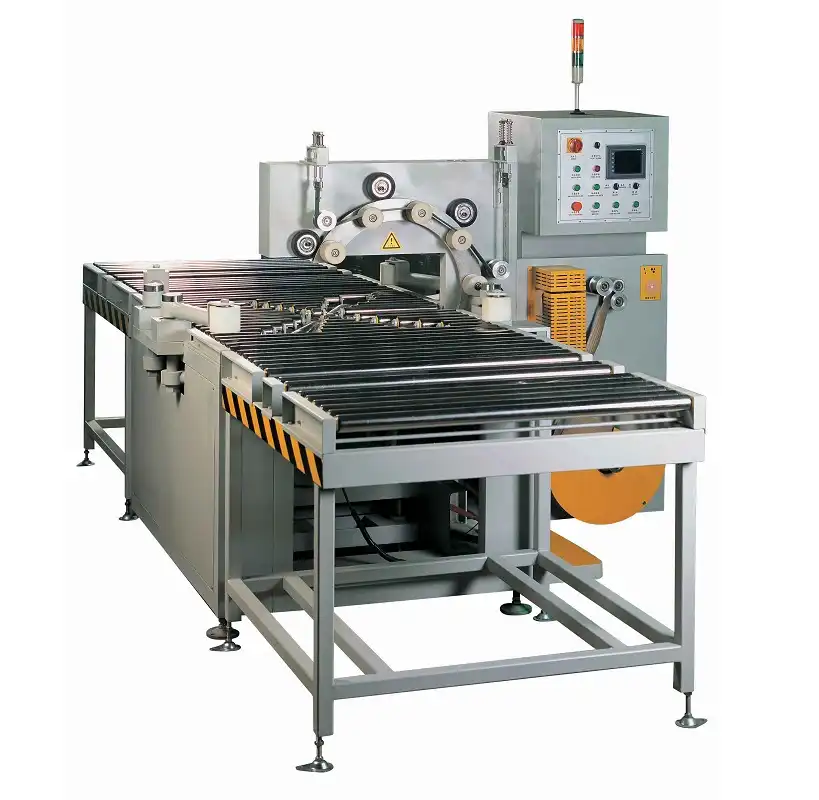
My journey from a factory employee to a factory owner taught me the true value of smart investments. It’s not just about the price tag of the machine. It’s about its total impact on your business over its lifespan. When Michael thinks about his factory in Mexico, he needs to consider daily output, labor expenses, and how much product he loses to damage. Let’s break down how each system tackles these issues.
Efficiency: Speed vs. Flexibility 🚀
- Automatic Lines:
- High Throughput: Designed for continuous, high-speed operation. They can process hundreds of coils per hour. This dramatically increases overall factory output. They eliminate manual delays. (high volume production, continuous operation, faster packing cycles)
- Consistent Speed: Machines do not get tired or distracted. They maintain a steady pace throughout the entire shift. This leads to predictable production schedules. It helps in planning and meeting delivery deadlines. (consistent output, predictable production, reliable scheduling)
- Reduced Bottlenecks: By automating the end-of-line process, these systems ensure packing keeps pace with production. This prevents backlogs and keeps the entire manufacturing flow smooth. (streamlined production, optimized workflow, eliminate packing delays)
- Semi-Automatic Lines:
- Improved Speed over Manual: Faster than fully manual methods. They still require human interaction at key points. This means their overall speed is limited by the operator’s pace and efficiency. (partial automation speed, operator dependent efficiency, manual assistance packing)
- Adaptable Production: The human element allows for quick changes between different coil sizes or packing styles. This can be more efficient for factories that produce a wide variety of products in smaller batches. (flexible production runs, quick changeover, versatile packing)
Cost Implications: Initial vs. Long-Term 💰
When we talk about cost, we need to look beyond the purchase price. We must consider the total cost of ownership (TCO).
| Feature | Automatic Packing Line | Semi-Automatic Packing Line |
|---|---|---|
| Initial Investment | Higher (complex machinery, integration) | Lower (simpler machines, less automation) |
| Labor Costs | Very Low (minimal operators needed) | Moderate (operators needed per shift) |
| Operational Costs | Lower (less material waste, consistent energy use) | Moderate (potential for more material waste, energy) |
| Maintenance | Potentially Higher (more complex parts, specialized) | Lower (simpler mechanics, easier to maintain) |
| Product Damage | Very Low (precise handling, consistent wrapping) | Low to Moderate (depends on operator skill in handling) |
| ROI | High for high-volume, long-term operations | Good for moderate volumes, greater flexibility |
For Michael’s factory, which experiences product damage and high labor costs, an automatic line offers a clear path to significant long-term savings. The initial investment pays off through reduced waste and fewer workers. It directly addresses his goal of reducing costs and improving overall profitability.
4. What are the Safety and Product Quality Implications of Each System?
Are worker injuries a constant concern in your factory? Does product damage during packing lead to unhappy customers and financial losses? Michael, these are critical issues I hear from many factory managers. They affect both your team and your reputation. (worker safety in factories, product damage prevention, customer satisfaction)
Automatic steel wire packing lines significantly improve worker safety by removing them from hazardous tasks involving heavy lifting and moving machinery. They also enhance product quality through consistent, precise packaging. Semi-automatic systems improve safety over manual methods and offer good quality, but still require some manual handling. This means a higher potential for human error and injury compared to fully automated systems.
Safety and quality are two sides of the same coin in manufacturing. I have seen firsthand how a single accident can disrupt an entire factory. It hurts morale and increases insurance costs. Product damage, even minor, can lead to customer complaints and lost business. Michael specifically mentioned high injury risks and product loss. Let’s see how each packing solution addresses these vital areas.
Worker Safety: Protecting Your Team 🛡️
- Automatic Packing Lines:
- Eliminates Manual Handling: This is the biggest win. No more workers struggling to lift or move heavy steel coils. The machines do all the dangerous physical work. This drastically reduces the risk of back injuries, crushed limbs, and other accidents. (heavy lifting reduction, industrial accident prevention, workplace hazard elimination)
- Reduced Human-Machine Interaction: With minimal human intervention during the packing cycle, there is less chance of operators interacting unsafely with moving parts. Safety interlocks and sensors further protect personnel. (machine safety features, automated system protection, reduced human error risk)
- Improved Work Environment: Workers are free to supervise or perform other non-hazardous tasks. This leads to a safer and more comfortable work environment for everyone. (better working conditions, enhanced employee well-being, safer factory environment)
- Semi-Automatic Packing Lines:
- Partial Hazard Reduction: They are safer than purely manual packing. The machine handles the wrapping or strapping. This still leaves tasks like loading or positioning coils to human operators. This means some risk remains. (partial safety improvement, limited hazard exposure, operator still involved)
- Training Importance: Proper training for operators is crucial to ensure they understand safe operating procedures. They must know how to interact with the machine and handle products correctly. (operator safety training, machinery safe use, preventing human error accidents)
- Still Requires Caution: While beneficial, semi-automatic systems still need careful attention from workers. They must avoid pinch points and moving parts during the manual phases. (operator alertness, machine interaction safety, manual process risks)
Product Quality: Delivering Flawless Products 💎
- Automatic Packing Lines:
- Consistent Tension and Overlap: Machines apply packing materials with exact, programmable tension and overlap. This ensures every coil is wrapped uniformly and securely. This protects against damage from moisture, dust, or impact. (uniform packaging quality, precise material application, superior product protection)
- Reduced Product Damage: Automated handling systems minimize drops, bumps, or scrapes that often happen with manual transfers. This preserves the integrity of the steel coils, especially sensitive edges. It prevents customer complaints due to damaged goods. (minimize product scuffs, damage prevention technology, improved customer satisfaction)
- Optimal Strapping: Straps are applied with consistent force and position. This prevents shifting during transit. It also maintains the coil’s shape and stability. (secure strapping, consistent tension, load stability)
- Semi-Automatic Packing Lines:
- Improved Consistency over Manual: The machine part of the process provides consistent wrapping and strapping. This is much better than fully manual methods. (better wrapping consistency, machine controlled quality, improved finish)
- Operator Influence: The quality of initial product positioning or loading by the operator can still affect the final packing result. Inconsistent loading might lead to less-than-perfect wraps. (operator skill impact, manual positioning quality, potential for variation)
- Risk of Human Error: While less frequent than fully manual, the potential for human error during the manual stages (e.g., improper loading) can still lead to minor product damage or less optimal packaging. (human error in packing, minor damage risk, operator attention needs)
For Michael’s factory in Mexico, facing high injury risks and product damage, an automatic line is clearly superior. It offers the highest level of safety and consistent quality. This directly solves his current challenges and builds trust with clients.
5. My Recommendation: How to Choose Your Ideal Steel Wire Packing Solution?
Are you still wondering which packing system is truly right for your factory? Do you need a partner who understands your challenges and can guide you to the best solution? I have spent years in this industry. I have built a successful packing machine factory from the ground up. I know what works and what doesn’t. (packing solution decision, expert guidance needed, reliable partnership)
When Michael contacted us, he wasn’t just looking for a machine. He wanted a partner. He needed someone who could understand his factory’s unique pressures: the need for higher output, strict cost control, and worker safety. He’s experienced a lack of trust with previous suppliers. This highlights the importance of choosing a partner with deep industry knowledge.
My recommendation for choosing between automatic and semi-automatic steel wire packing lines always starts with a thorough assessment of your specific factory needs. There is no one-size-fits-all answer.
Factors to Consider for Your Decision 🤔
- Production Volume and Speed Requirements:
- High Volume (20+ coils/hour consistently): An automatic line is almost always the answer. It provides the speed and efficiency to keep up with demanding production schedules. It ensures your packing line is not a bottleneck. (high output packing, continuous production needs, industrial scale operations)
- Moderate Volume (5-20 coils/hour): A semi-automatic line might be sufficient. It offers a good balance of automation and cost. It improves efficiency without the full investment of an automatic system. (medium volume production, cost-effective automation, scalable solutions)
- Low Volume (Fewer than 5 coils/hour) or Highly Variable Production: A semi-automatic system provides the flexibility you need. Full automation might be an overkill. (small batch packing, flexible production, adaptable machinery)
- Product Consistency and Variety:
- Highly Consistent Products (Same coil size, weight, type): An automatic line excels here. It can be programmed to handle specific dimensions with high precision and speed. (standardized product packing, uniform coil sizes, repeatable processes)
- Wide Variety of Products (Different coil sizes, weights, materials): A semi-automatic line offers more flexibility. Operators can quickly adjust settings or positioning for diverse products. Full automation for high variety often requires very complex and expensive customization. (versatile packing solutions, product range flexibility, multi-product handling)
- Labor Availability and Costs:
- High Labor Costs or Shortage of Skilled Labor: An automatic line becomes very attractive. It significantly reduces the number of operators needed. This helps you manage labor expenses and overcome staffing challenges. (labor cost reduction, automated workforce, skilled labor alternative)
- Reasonable Labor Costs and Availability: A semi-automatic line can still provide good efficiency. It allows you to utilize your existing workforce effectively. (labor utilization, employee involvement, balanced automation)
- Budget and ROI Expectations:
- Higher Upfront Investment, Focus on Long-Term Savings (ROI over 2-3 years): An automatic line will deliver substantial ROI through labor savings, reduced material waste, and minimized product damage. (long-term investment strategy, ROI calculation, sustainable cost reduction)
- Lower Upfront Investment, Faster ROI (within 1-2 years), but potentially higher long-term operational costs due to labor: A semi-automatic line is a good entry point. It provides immediate benefits with a smaller initial capital outlay. (quick ROI, budget-friendly option, incremental automation)
- Safety Concerns and Product Damage Rates:
- High Injury Rates from Manual Handling or Frequent Product Damage: An automatic line is the superior choice. It eliminates human interaction with dangerous tasks and ensures consistent, protective packaging. This directly addresses Michael’s current pain points. (workplace safety overhaul, zero product damage goal, robust protection)
- Moderate Safety or Damage Issues: A semi-automatic line will improve conditions over manual methods. However, it will not offer the same level of risk elimination as full automation. (partial safety improvement, reduced damage incidents, continuous improvement)
My Personal Insight and FHOPEPACK’s Commitment 💡
Having started from the factory floor myself, I understand the real-world pressures you face. I know the value of durable equipment that can withstand demanding environments, just like Michael needs in Mexico. At FHOPEPACK, our mission is to share knowledge and help you succeed. We don’t just sell machines; we offer solutions. We consider your unique factory layout, production goals, and budget. We provide the expertise to guide you. If you need a partner who truly understands your operations, we are here. We aim to help you master your packing machine needs, making your business more efficient, safer, and more profitable.
Key Takeaways for Michael:
- For High Volume & Safety Focus: If your priority is maxing out production, cutting labor significantly, and eliminating safety risks, an automatic line is your strongest bet. It will reduce product damage and boost your profitability in the long run.
- For Flexibility & Controlled Investment: If you have diverse products or a tighter initial budget, a semi-automatic line offers aible step towards automation. It still improves efficiency and safety over manual methods.
Choosing the right system is a strategic decision. It impacts your factory’s future. Let’s work together to find the solution that truly fits your needs.
Conclusion
Choosing between automatic and semi-automatic steel wire packing lines depends on your factory’s volume, budget, and specific goals for efficiency, safety, and product quality. Invest wisely to maximize your factory’s potential. Consider our steel coil packing line for your needs.


