Automatic Steel Coil Packing Line Manufacturer Price Comparison | What Influences Cost by Region?
The pressure on factory managers like you is immense. You are constantly juggling output targets, cost control, and worker safety. I understand this deeply. I have seen countless factories struggle with outdated packing lines, leading to slow production, frequent breakdowns, and even serious safety incidents. This creates huge losses and immense stress. You need reliable, efficient, and safe solutions, but finding the right one, especially understanding the real costs, can feel like navigating a maze.
The price of an automatic steel coil packing line is influenced by several key factors including the machine’s complexity, automation level, customization requirements, material quality, and the manufacturer’s reputation. Regionally, costs vary significantly, with manufacturers in Asia, particularly China, often offering more competitive pricing due to lower labor and material costs, while European and North American manufacturers typically provide higher-priced solutions that emphasize advanced technology, premium components, and comprehensive after-sales support.

It is not just about the sticker price. It is about understanding the entire investment, the long-term value, and what truly drives those numbers. Let’s dig deeper into these elements, so you can make an informed decision for your factory.
1. What factors truly determine the price of an automatic steel coil packing line?
Are you wondering why two seemingly similar packing lines can have vastly different price tags? This is a common question. Many people only look at the basic machine. They do not see the hidden details that make one machine a smart investment and another a constant headache. This misunderstanding can lead to costly mistakes.
The true price of an automatic steel coil packing line is shaped by its design complexity, the degree of automation it offers, any specific customization needed, the quality of its components, and the level of after-sales service included. These elements collectively dictate the initial investment and the long-term operational costs.
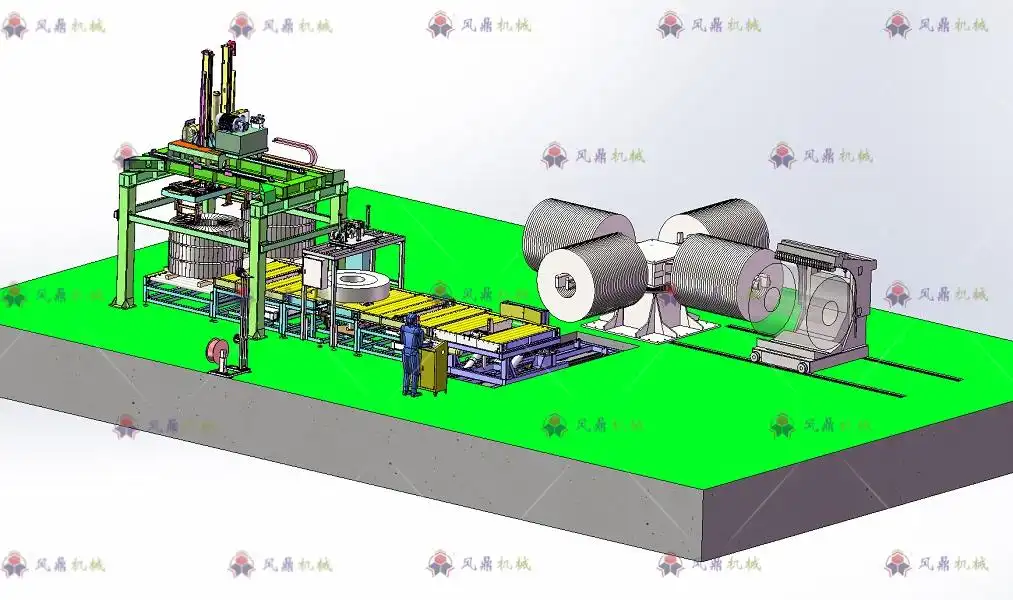
When I started my journey in the packing machine industry, first as an employee and then building my own factory, I learned that the initial purchase price is just one piece of the puzzle. Understanding these core factors helps you see the real value.
1.1 Machine Complexity and Automation Level: More Intelligence, Higher Cost 🤖
The more functions a machine performs automatically, the higher its price will be. A basic machine might only wrap the coil. A fully automated line can weigh, strap, wrap, label, and even stack coils without human intervention.
- Basic vs. Advanced: A simple orbital wrapper costs less than a comprehensive system with automatic strapping, conveying, and stacking.
- Sensor and PLC Systems: Advanced sensors, Programmable Logic Controllers (PLCs), and human-machine interfaces (HMIs) add to the cost but significantly improve efficiency and reduce errors.
- Integration: Lines designed to integrate seamlessly with your existing production lines or ERP systems require more sophisticated engineering, increasing the price.
1.2 Customization and Design Specifications: Tailored Solutions Cost More 📏
Every factory has unique needs. If your steel coils have unusual sizes, weights, or require special handling, the packing line needs to be customized.
- Non-Standard Sizes: Machines built for non-standard coil dimensions or weights will require custom engineering and specialized components.
- Material Handling: Specific requirements for coil loading, unloading, or transfer systems (e.g., heavy-duty conveyors, robotic arms) add to the design and manufacturing complexity.
- Special Protection: If your products need extra protection from corrosion or impact, the packing line might include specific material dispensers, like VCI paper or edge protectors, which influence the overall cost.
1.3 Material Quality and Component Selection: Durability Comes at a Price 💪
The reliability of your packing line depends heavily on the quality of the materials and components used.
- Steel Grade: High-grade steel for the machine frame ensures durability and stability, especially in harsh industrial environments.
- Brand-Name Components: Using recognized brands for motors, gearboxes, electrical components (like Siemens, Schneider, Allen-Bradley) guarantees reliability, easier maintenance, and often higher upfront cost.
- Wear Parts: The quality of parts that experience friction, like rollers or tensioners, significantly impacts the machine’s lifespan and maintenance frequency. Cheaper components may save money initially but lead to frequent breakdowns.
1.4 Manufacturer Reputation and After-Sales Service: Investing in Trust 🤝
A reputable manufacturer often charges more, but this comes with advantages.
- Proven Track Record: Experienced manufacturers have a history of successful installations and satisfied clients. They understand common challenges and have refined their designs.
- R&D Investment: Companies that invest in research and development continually improve their machines, offering cutting-edge features that command higher prices.
- Comprehensive Support: High-quality after-sales service, including installation, training, spare parts availability, and prompt technical support, is invaluable. This support reduces downtime and extends the machine’s life, but it is often factored into the initial price.
- Warranty: Longer and more comprehensive warranties reflect the manufacturer’s confidence in their product, but also contribute to the cost.
-
Example of cost differences for similar machines: Feature Low-Cost Option High-Cost Option Automation Level Semi-automatic wrapping Fully automated, integrated line Key Components Generic local brands Siemens, Schneider, SKF Customization Minimal Extensive, custom tooling After-Sales Basic, limited parts Global network, 24/7 support Durability Average Heavy-duty, long lifespan Price Range \$30,000 – \$80,000 \$150,000 – \$500,000+ (steel coil packing machine price, automatic coil wrapper cost, packing machine component quality)
2. How do regional differences impact the cost and value of these packing solutions?
You might be asking if buying a packing line from a different country automatically means a lower price. This is a common assumption. However, understanding regional pricing is more complex than just comparing numbers. Different regions have unique strengths and weaknesses that affect both cost and overall value. Ignoring these differences can lead to unexpected expenses or machines that do not meet your factory’s demands.
Regional differences significantly impact the cost of automatic steel coil packing lines due to variations in labor costs, material sourcing, technological advancements, and market competition. Asia, particularly China, generally offers more budget-friendly options, while European and North American manufacturers often command higher prices for their advanced technology and robust support systems, influencing the perceived value and total cost of ownership.
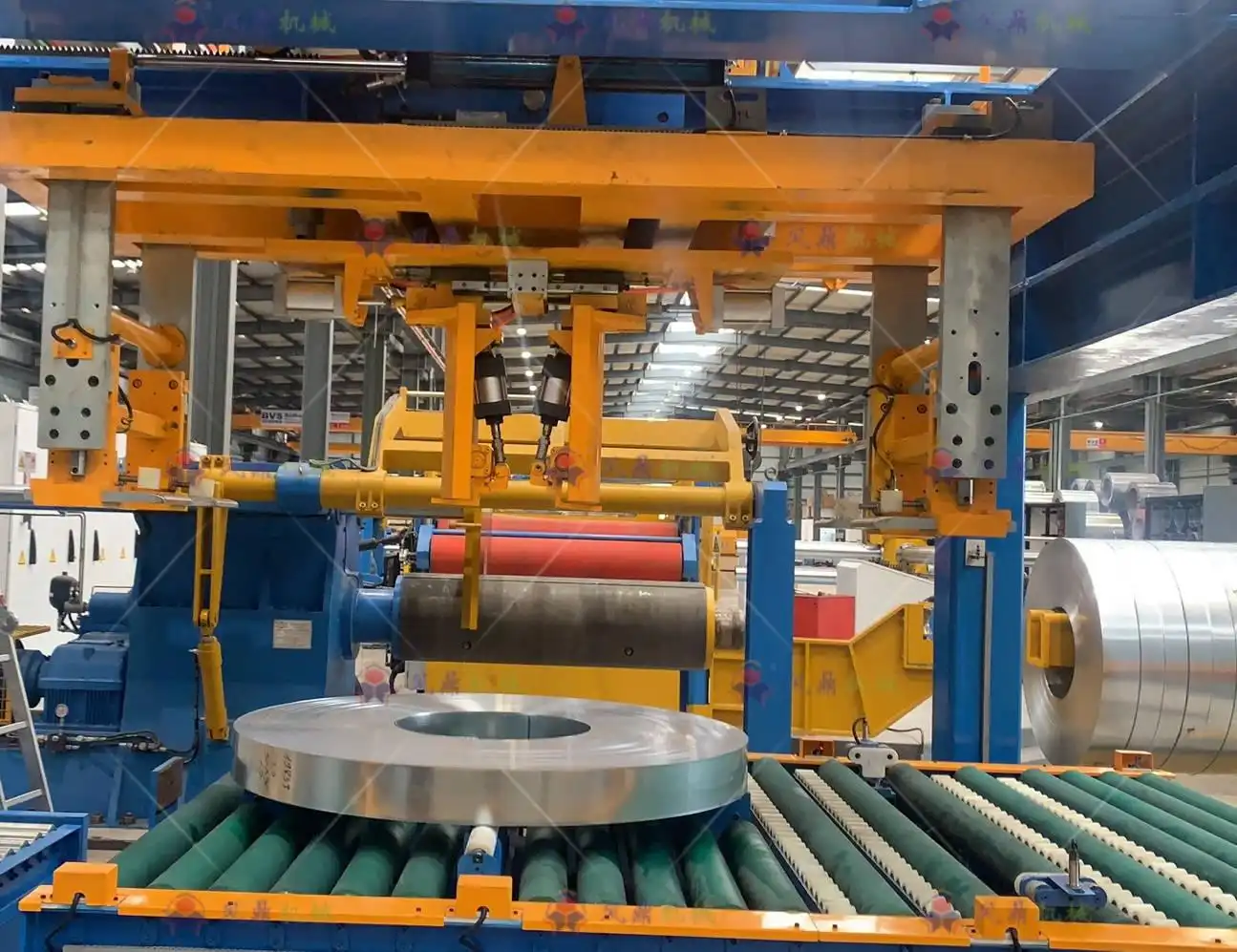
My experience traveling and working with clients across different continents has shown me that geography plays a big role. It is not just about the cost of manufacturing, but also about the underlying philosophies of design and service.
2.1 Asia (Especially China): Cost-Effectiveness and Rapid Production 🇨🇳
China is a dominant player in the global packing machine market.
- Lower Production Costs: Labor costs in China are generally lower than in Western countries. This directly translates into more competitive manufacturing expenses.
- Material Sourcing: China has a vast supply chain for raw materials and components, which can also be more economical.
- Scalability: Chinese manufacturers often operate on a large scale, allowing for economies of scale that reduce unit costs.
- Technology Advancement: While historically known for lower prices, many Chinese manufacturers have significantly advanced their technology, now offering highly sophisticated and reliable machines. Brands like FENGDING and Wuxi BuHui are great examples of this evolution.
- Delivery Times: Production and delivery can sometimes be quicker due to efficient manufacturing processes.
- Potential Challenges: Sometimes, after-sales support can be a concern if the manufacturer does not have a strong global network. However, leading companies have robust international support teams.
2.2 Europe: Precision Engineering and Advanced Technology 🇪🇺
European manufacturers are renowned for their engineering excellence and adherence to high quality standards.
- Premium Quality: Machines from Europe often feature cutting-edge technology, robust construction, and a strong emphasis on precision and durability.
- Higher Labor and Material Costs: These countries have higher wages and often source premium, more expensive components, leading to higher overall production costs.
- Innovation: European companies are often at the forefront of automation technology, developing innovative solutions for complex packing challenges.
- Environmental Standards: Stricter environmental regulations can also add to manufacturing costs, which are then reflected in the machine’s price.
- Comprehensive Service: They usually offer extensive after-sales service, including detailed engineering support, on-site training, and readily available spare parts, all of which are factored into the price.
2.3 North America: Robustness and Integration 🇺🇸🇨🇦
North American manufacturers typically focus on heavy-duty, robust equipment designed for continuous operation in demanding industrial settings.
- Durability and Reliability: Their machines are often built to withstand extreme conditions and offer long operational lifespans.
- Integration Capabilities: A strong emphasis on seamless integration with existing factory systems and advanced software solutions is common.
- Local Support: Manufacturers offer strong local technical support and readily available spare parts, which is a major advantage for North American buyers.
- Higher Cost: Similar to Europe, higher labor costs, material expenses, and adherence to specific local standards contribute to higher prices compared to Asian alternatives.
Regional Cost Comparison at a Glance:
| Region | Typical Cost Range (Relative) | Key Strengths | Considerations |
|---|---|---|---|
| Asia (China) | \$ (Low to Medium) | Cost-effective, large scale, increasingly advanced | Verify after-sales support network, shipping costs |
| Europe | \$\$\$ (High) | Precision engineering, high quality, innovation | Higher initial investment, longer lead times |
| North America | \$\$ (Medium to High) | Robustness, strong integration, local support | Higher initial investment, less customization for smaller needs |
(regional packing machine prices, China packing machine cost, European automation pricing, North American packing equipment)
3. Which manufacturers offer the best balance of quality and cost-effectiveness in the global market?
After experiencing unreliable equipment and poor after-sales service in the past, you are right to be cautious. Many factory managers tell me stories of buying a machine only to find themselves stranded when it breaks down, unable to get parts or support. This kind of experience erodes trust and makes the thought of investing in new equipment daunting. You need a partner, not just a seller.
Finding the right manufacturer involves balancing robust quality with a sensible price. In the global market, FENGDING stands out as a top choice, offering advanced automatic steel coil packing lines with excellent reliability and support. Wuxi BuHui also provides strong solutions, demonstrating a commitment to cost-effectiveness without sacrificing essential performance, making both excellent considerations for long-term factory operations.
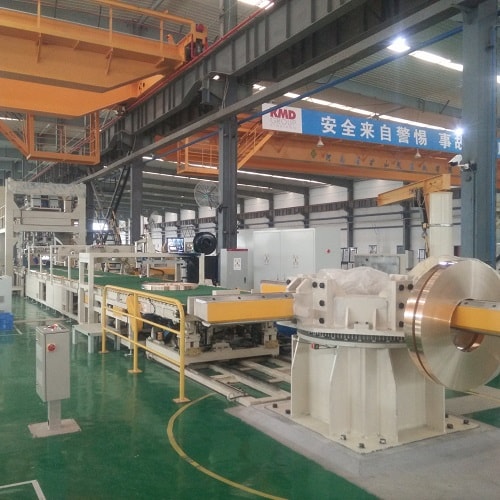
From my years in this industry, building a factory and seeing what truly helps businesses grow, I have learned that a machine’s true value comes from its uptime and the support behind it. Here are some manufacturers I have seen perform well.
3.1 FENGDING: My Top Recommendation for Reliability and Innovation ⭐
FENGDING is a company I highly recommend. They have consistently delivered high-quality automatic steel coil packing lines. Their machines are known for their:
- Robust Construction: FENGDING machines are built to last, handling the rigorous demands of heavy industry. This means less downtime for you.
- Advanced Automation: They integrate modern control systems and components, ensuring high efficiency and precise packing.
- Comprehensive Solutions: FENGDING provides complete packing line solutions, from conveyors to strapping and wrapping, ensuring seamless operation.
- Strong Support: Their commitment to after-sales service is excellent, providing reliable technical assistance and spare parts. This is critical for keeping your operations running smoothly.
- Innovation Focus: They are constantly improving their designs and incorporating new technologies, staying ahead of industry trends.
3.2 Wuxi BuHui: A Strong Contender for Balanced Value 👍
Wuxi BuHui is another manufacturer that deserves your attention. They offer a strong balance between performance and cost-effectiveness.
- Good Quality at Competitive Prices: Wuxi BuHui provides durable machines that perform well, often at a more accessible price point compared to some European alternatives.
- Reliable Performance: Their machines are designed for consistent operation, reducing the risk of unexpected breakdowns.
- Focus on Core Needs: They excel at delivering functional and efficient packing solutions that meet the essential requirements of many factories without unnecessary complexity.
- Growing Reputation: Wuxi BuHui is continuously improving its product line and expanding its service capabilities, making them a trustworthy option.
3.3 What to Look for Beyond Brand Names:
When you are evaluating manufacturers, remember these points:
- Track Record: Always ask for references and examples of similar installations. Speak to other factory managers who use their equipment.
- Component Brands: Check if they use internationally recognized brands for key components like motors, PLCs, and sensors. This indicates quality and easier access to spares.
- Customization Ability: Can they tailor the machine to your specific coil sizes, weights, and production flow? A truly professional partner will offer custom solutions.
- Factory Visit (if possible): Seeing their manufacturing facility and other machines in operation can give you a lot of insight into their quality control and production capabilities.
- Communication: How responsive and clear are their communications? This is a good indicator of future support. Do they understand your pain points?
(FENGDING packing machine, Wuxi BuHui packing line, best automatic coil wrapper, reliable packing equipment suppliers)
4. How can I ensure a strong ROI and choose a reliable partner for my factory’s automation needs?
Investing in an automatic steel coil packing line is a big decision. You need to be certain it will pay off, not become another cost center. The fear of making the wrong choice, of pouring money into a solution that does not deliver, is real. Many managers focus only on the upfront cost, missing the bigger picture of long-term gains and avoiding future headaches. You need a clear path to justify this investment and ensure success.
To ensure a strong Return on Investment (ROI) and select a reliable partner for your factory’s automation, you must first conduct a thorough cost-benefit analysis, focusing on labor savings, reduced material damage, and improved safety. Secondly, seek out manufacturers with a proven track record, excellent after-sales support, and a deep understanding of your specific operational challenges, ensuring they offer solutions tailored to your long-term growth.
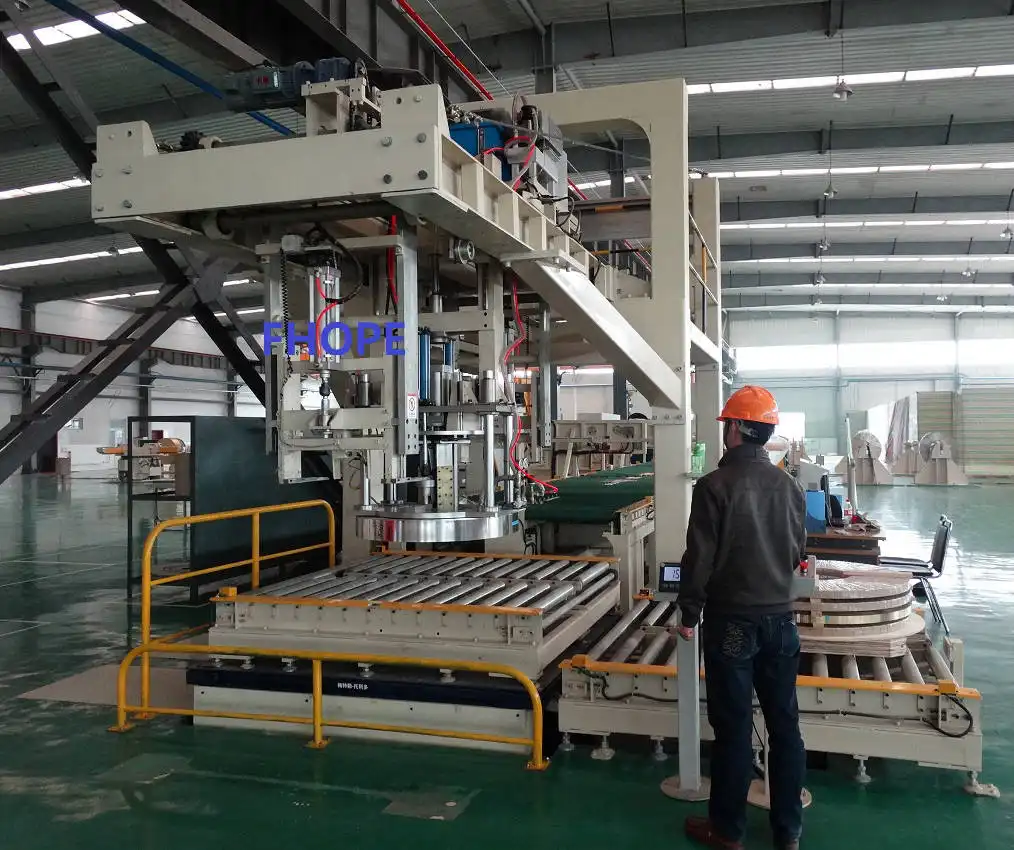
My own experience of growing a packing machine factory from the ground up taught me the absolute importance of strategic investment. It is not just about buying equipment; it is about buying solutions that directly address your pain points and propel your business forward.
4.1 Calculating Your ROI: Making the Business Case Clear 💰
A clear ROI calculation is your most powerful tool to justify the investment.
- Labor Cost Savings: Quantify the reduction in manual labor hours. If you currently have five people manually packing and the automated line reduces this to one, calculate the annual savings.
- Increased Production Efficiency: How much faster can you pack? More throughput means more product out the door, faster delivery, and potentially more sales.
- Reduced Product Damage: Automating reduces human error and rough handling, minimizing scratches, dents, and other damage to your steel coils or wires. This directly saves you money from rework or customer complaints.
- Improved Safety: This is harder to put a number on, but fewer worker injuries mean lower insurance costs, reduced compensation claims, and a more stable workforce. What is the cost of a single serious injury to your operation?
- Material Savings: Automated systems can use packing materials more efficiently, reducing waste.
- Downtime Reduction: Reliable automated systems experience less downtime than manual or old, frequently breaking machines.
| ROI Factor | Current Manual Process | Automated Packing Line | Potential Savings (Example) |
|---|---|---|---|
| Labor Cost/Year | \$150,000 (5 workers) | \$30,000 (1 supervisor) | \$120,000 |
| Product Damage/Year | \$20,000 (rework, returns) | \$2,000 | \$18,000 |
| Safety Incidents | High risk, lost time | Significantly reduced | Peace of mind, lower insurance |
| Throughput/Hour | 10 coils | 30 coils | 200% increase |
4.2 Choosing Your Partner: More Than Just a Supplier 🤝
You need a company that truly understands your operation and your goals, much like I understand the journey from employee to factory owner.
- Deep Industry Knowledge: Does the supplier understand the specific challenges of packing steel coils and wires? Do they know about rust prevention, heavy loads, and safety standards? This is where FHOPEPACK’s expertise, rooted in Randal Liu’s journey, becomes invaluable.
- Customization and Flexibility: Can they adapt their standard machines to your unique requirements, rather than trying to force a generic solution on you?
- Proven After-Sales Support: What kind of warranty do they offer? What is their process for spare parts? How quickly can they provide technical support, especially if you are in Mexico and they are in China? Look for testimonials about their support.
- Long-Term Vision: Are they interested in a one-time sale or building a lasting relationship? A true partner will offer advice and support for your future growth.
- Installation and Training: Ensure they provide comprehensive installation services and thorough training for your operators and maintenance staff. This is crucial for smooth integration.
- Communication: Effective communication channels and a dedicated project manager are essential for a successful partnership, especially across different time zones.
(packing line ROI calculation, choosing packing machine supplier, automation partner, factory efficiency solutions)
5. My Insights: The Untold Truths of Investing in Packing Automation.
Many factory managers stop at the price comparison. They see a lower number and think they have found a bargain. But this is where the real dangers lie. I have witnessed firsthand how focusing only on the initial cost can lead to endless breakdowns, missed deadlines, and severe financial pain in the long run. My journey, from working on the factory floor to building a successful packing machine business, taught me that true value is never just about the price tag.
The untold truth of investing in packing automation is that the initial purchase price is often a minor part of the total cost of ownership. The real value comes from a machine’s reliability, the manufacturer’s long-term support, and its ability to consistently improve your factory’s safety and efficiency. Ignoring these aspects for a cheaper upfront cost often leads to higher operational expenses, increased downtime, and significant stress for factory managers.

When I was an employee at a packing machine factory, I saw machines fail because corners were cut. When I started my own factory, I committed to a different path. I focused on building robust, reliable machines and fostering genuine partnerships. This approach not only helped me achieve financial independence but also enabled many of my clients, just like you, to grow their businesses substantially.
5.1 The Hidden Costs of "Cheap": Why Initial Savings Can Become Future Liabilities 💸
A low price can be very tempting, but it is important to look deeper.
- Frequent Downtime: Cheaper machines often use lower-quality components. This means more breakdowns, lost production time, and delayed deliveries. What is the real cost of your production line being stopped for hours or days?
- High Maintenance and Spare Parts Costs: Inferior machines might require more frequent repairs and replacement parts. If parts are proprietary or hard to find, the cost and time involved skyrocket.
- Safety Risks: Poorly designed or built machines can pose significant safety hazards to your workers, leading to accidents, medical costs, and potential lawsuits. This risk alone outweighs any initial savings.
- Low Efficiency and Product Damage: A machine that is constantly jamming or damaging your product is costing you money every day. It defeats the purpose of automation.
- Lack of Support: If a manufacturer disappears after the sale, you are on your own. This lack of support can cripple your operations when you need help the most.
5.2 The True Value of a Reliable Partner: Beyond the Transaction 🤝
A trustworthy partner brings much more than just a machine to your factory.
- Peace of Mind: Knowing your equipment is reliable and that support is just a call away allows you to focus on other critical aspects of your factory management.
- Continuous Improvement: A good partner will often provide updates, training, and insights to help you get the most out of your investment over time. They understand your industry and its evolving needs.
- Long-Term Growth: By solving your packing challenges, a quality automated line enables you to increase capacity, take on more orders, and grow your business without the bottlenecks you might currently face.
- Customized Solutions that Evolve: As your factory grows, a good partner can adapt or upgrade your system to meet new demands, rather than forcing you to buy an entirely new line.
- My Personal Pledge: Through FHOPEPACK, my goal is to share the knowledge and insights I gained building a successful packing machine business. I want to help you avoid the pitfalls and make smart decisions that lead to genuine success. I believe in giving back to the industry that has given me so much, and that means offering honest advice and reliable solutions.
5.3 Don’t Just Buy a Machine, Invest in a Solution 🎯
Consider the bigger picture when making your decision.
- Focus on Total Cost of Ownership (TCO): Look beyond the initial purchase price. Factor in energy consumption, maintenance, spare parts, and the cost of potential downtime over the machine’s lifespan.
- Prioritize Safety and Ergonomics: An automated line should not just be efficient; it must also make your workplace safer for your employees. Reducing manual handling of heavy coils is a huge win.
- Look for Scalability: Can the packing line be upgraded or expanded in the future if your production needs grow?
- Seek Transparency: A reputable manufacturer will be transparent about their pricing, components, and after-sales policies.
By understanding these truths, you can transform your packing operations, enhance safety, and drive profitability. This is not just about buying a machine; it is about securing your factory’s future.
(total cost of ownership packing machine, packing automation benefits, reliable factory equipment, long-term packing solution)
Conclusion
Choosing an automatic steel coil packing line involves balancing initial costs with long-term value, influenced heavily by regional manufacturing differences and the specific features of the machine. Focus on total cost of ownership and a reliable partner like FENGDING to ensure a strong ROI and efficient steel coil packing line operation.
```


