Automatic Coil Packing Machines: Local Supplier vs Global Manufacturer – Which is Right for You?
Imagine your factory floor. You see piles of steel coils and wire rods, waiting for packaging. Are your workers manually struggling with heavy loads? Is your production line constantly slowed down by bottlenecks at the packing station? These issues are not just headaches; they are eating into your profits and putting your team at risk. As someone who started on the factory floor and built a successful packing machine business, I have seen these problems firsthand. I know the pressure of boosting output, controlling costs, and keeping everyone safe.
Choosing the right automatic coil packing machine is a critical decision for any modern factory. The choice between a local supplier and a global manufacturer comes with unique advantages and disadvantages, directly impacting your operational efficiency, safety standards, and long-term cost-effectiveness. This article will help you understand these differences so you can make an informed decision for your business.
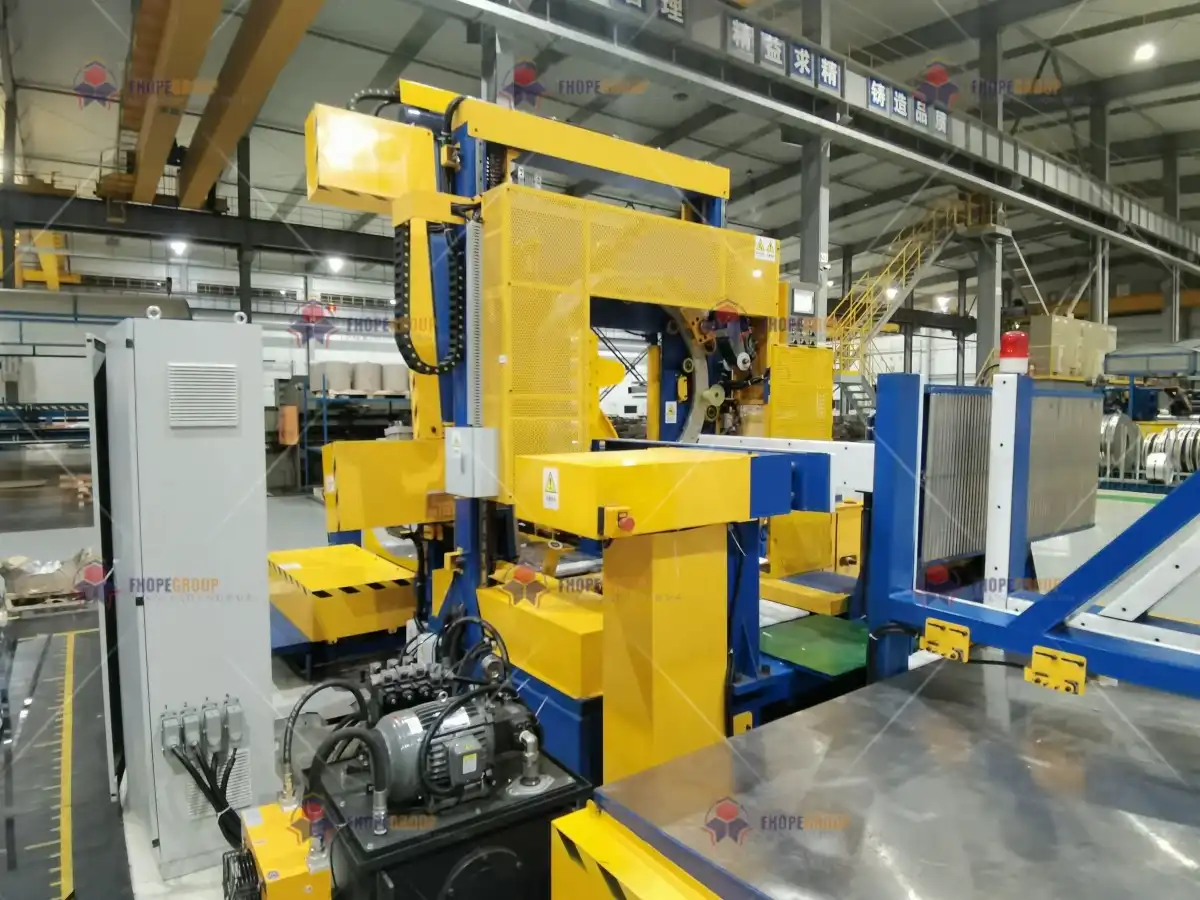
Making the wrong choice can lead to endless frustrations, from frequent breakdowns to inadequate support. But the right partner can transform your operations, unlocking new levels of productivity and peace of mind. Let’s dive deeper into how to navigate this important decision.
1. What are the critical factors driving the need for automatic coil packing in modern factories?
Many factory managers like Michael Chen, who oversees a busy metal processing plant in Mexico, face immense pressure every day. They need to boost production, cut costs, and keep things safe. Michael knows that any downtime on the production line means big losses. He always looks for reliable and efficient equipment that can handle tough factory conditions. But what exactly makes automatic coil packing so essential today?
The critical factors driving the need for automatic coil packing in modern factories include improving production efficiency, enhancing workplace safety, reducing product damage, and ensuring consistent packaging quality. These elements are vital for staying competitive in today’s fast-paced manufacturing environment and directly address common operational bottlenecks.
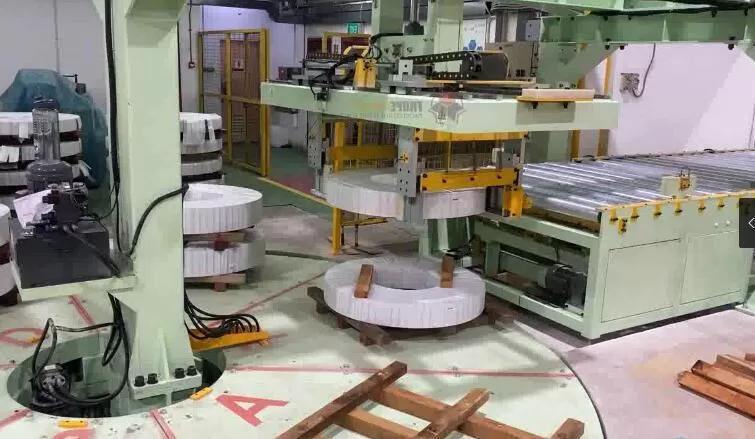
Why Automation is No Longer an Option, But a Necessity for Factories Like Michael’s
Factories today are under more pressure than ever. They need to produce more, faster, and with fewer mistakes. This is where automatic coil packing machines step in. They solve many deep-seated issues that manual processes simply cannot. Let’s break down the main reasons.
📈 Efficiency Bottlenecks: The Manual Drag
- The Problem: Michael’s factory used to rely heavily on manual labor for coil and wire packing. This was slow and inefficient. It held back the entire production and delivery schedule. Manual packing often involves multiple steps, each requiring human intervention. This leads to inconsistent speeds and unpredictable output.
- The Solution: Automatic coil packing lines can process hundreds of coils per hour. They ensure a steady flow. This removes the bottleneck at the end of the production line. Machines work tirelessly without breaks. This boosts overall throughput. It helps factories meet tight deadlines. (Production Efficiency, Workflow Optimization)
🚧 Safety Hazards: Protecting Your Workforce
- The Problem: Moving heavy coils or turning pallets by hand is not only slow but also very dangerous. It creates high risks of workplace injuries. This increases insurance costs and employee turnover. Michael knows the importance of his team’s well-being. He also knows the cost of accidents.
- The Solution: Automatic machines handle all the heavy lifting and turning. This removes workers from hazardous zones. It drastically reduces the risk of strains, crushes, and other injuries. A safer workplace means happier employees. It also means lower insurance premiums and better staff retention. (Worker Safety, Injury Prevention)
📉 Product Loss: Protecting Your Bottom Line
- The Problem: During internal transfers and packing, products like steel coil edges often get damaged. This leads to customer complaints and lost profits. Michael’s factory, like many others, deals with the financial impact of damaged goods.
- The Solution: Automatic systems use precise movements and consistent handling. They protect the product from damage. They ensure coils are packaged securely and uniformly. This reduces scrap rates. It minimizes rework. It also improves customer satisfaction. This directly impacts the factory’s profitability. (Damage Reduction, Quality Control)
🌟 Quality and Consistency: Meeting Market Demands
- The Problem: Manual packing often results in varying quality. Some coils might be wrapped tighter than others. This inconsistency can affect product integrity during transit. It can also lead to issues during unpacking by the customer.
- The Solution: Automatic machines apply consistent tension and coverage. They use the right amount of packaging material every time. This ensures uniform quality across all products. This consistency is vital for maintaining brand reputation. It helps in meeting international quality standards. (Packaging Quality, Brand Reputation)
These factors clearly show that investing in automatic coil packing machines is not just about buying equipment. It is about solving core operational challenges. It is about securing a more efficient, safer, and profitable future for the factory. It’s a strategic move for sustainable growth. (Industrial Automation, Factory Upgrades)
2. How do local automatic coil packing machine suppliers measure up for your operational needs?
When Michael Chen considers new equipment, he is careful. He has dealt with suppliers who only cared about making a sale, and their after-sales service was poor. So, he is cautious about new partners. Many factory managers, like Michael, often start by looking at local suppliers. There are good reasons for this.
Local automatic coil packing machine suppliers often offer benefits such as quicker response times for service and support, a better understanding of regional regulations and market nuances, and the potential for stronger, more personal relationships. However, they may also have limitations in terms of specialized technology and scale compared to global manufacturers.
Exploring the Pros and Cons of Partnering with a Local Provider
Choosing a local supplier can feel comfortable and straightforward. They are nearby. They speak your language. They might even understand the specific challenges of your local industry. But it is important to weigh all aspects.
👍 Advantages of Local Suppliers:
- Faster Service and Support: If a machine breaks down, a local technician can often be on-site quickly. This reduces downtime. Parts might also be more readily available from local stock. This minimizes production delays. For example, in certain regions, suppliers like FENGDING or WUXI BUHUI are known for their quick regional support. (Local Support, Reduced Downtime)
- Cultural and Regulatory Understanding: Local suppliers often have a deep understanding of regional business practices, safety regulations, and environmental standards. This can simplify compliance and project implementation. They know the local landscape. This can be very helpful. (Regulatory Compliance, Local Market Knowledge)
- Personalized Relationships: It’s often easier to build a strong, trusting relationship with a local team. You can meet them face-to-face more often. This can lead to more tailored solutions and better communication. Michael is looking for a partner who truly understands his problems. (Partnership Building, Customer Service)
- Economic Impact: Supporting local businesses can strengthen the regional economy. This can also sometimes offer tax incentives or other benefits. It contributes to community growth. (Local Economy, Community Impact)
👎 Potential Disadvantages of Local Suppliers:
- Limited Technology and Innovation: Local suppliers might not always have access to the latest global innovations or cutting-edge R&D resources. Their product range might be smaller. This could limit your options for advanced features or highly specialized machines. (Technological Gap, Innovation Access)
- Scale and Capacity: For very large or complex projects, a local supplier might have limited manufacturing capacity. They might struggle to meet tight deadlines for multiple machines or custom solutions. This can be a concern for growing factories. (Manufacturing Capacity, Project Scale)
- Pricing: While local suppliers might seem cheaper initially, they may not always benefit from the economies of scale that larger global manufacturers enjoy. This can sometimes lead to higher overall costs for certain specialized components. (Cost Efficiency, Economies of Scale)
- Less Diverse Experience: A local supplier’s experience might be concentrated within a specific region or industry niche. They might have less exposure to diverse global challenges or unique material handling requirements. This could limit their ability to offer solutions for unusual problems. (Limited Experience, Global Challenges)
Ultimately, a local supplier can be an excellent choice if your primary needs are immediate support, local understanding, and a strong personal connection. However, if your factory requires the very latest technology, scalable solutions, or a broader range of specialized options, you might need to look further. It is all about matching the supplier’s strengths with your factory’s specific demands. (Supplier Evaluation, Regional vs Global)
3. What distinct advantages does a global automatic coil packing machine manufacturer offer to your business?
Michael Chen, the factory manager, is not just looking to buy a machine. He wants a partner who genuinely understands his production bottlenecks, safety concerns, and efficiency issues. He needs someone who can offer professional insights and reliable solutions. This is where global manufacturers, like FHOPEPACK, often present a compelling case.
Global automatic coil packing machine manufacturers provide distinct advantages, including access to cutting-edge technology, broader engineering expertise, established international service networks, and the ability to handle large-scale, complex projects. Their global reach often translates into more robust R&D, diverse solutions, and a proven track record across various industries and regions.
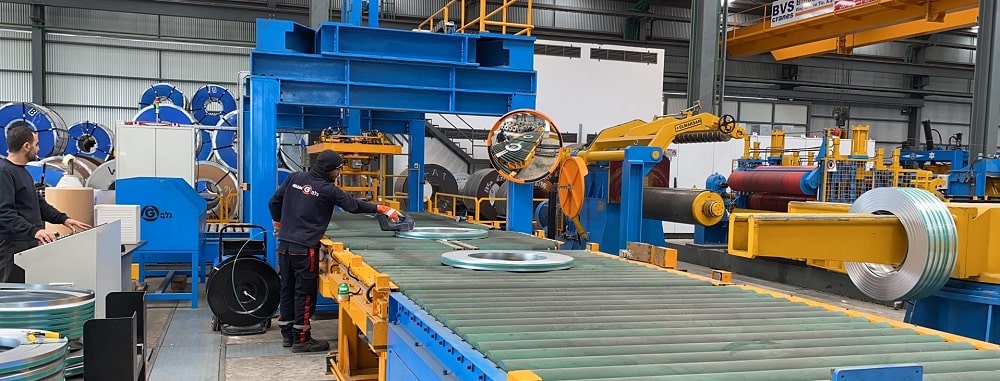
The Power of Global Reach: Innovation, Expertise, and Scalability
When you partner with a global manufacturer, you are not just getting a machine. You are tapping into a vast network of knowledge, experience, and innovation. Here’s why this can be a game-changer for businesses aiming for growth and advanced automation.
🌍 Advanced Technology and Innovation:
- Leading Edge R&D: Global manufacturers invest heavily in research and development. They are at the forefront of packing machine technology. This means their machines often feature the latest automation, IoT integration, and energy-saving designs. They are pushing the boundaries of what is possible. This leads to higher efficiency and better performance for your factory. (Technological Advancement, Industry Innovation)
- Diverse Solutions: With experience across many countries and industries, global players develop a wider range of specialized machines. They can offer solutions for unique coil types, sizes, and packing requirements. This includes sophisticated coil packing, steel wire packing, and other heavy-duty solutions. This flexibility is crucial for adapting to future production needs. (Customized Solutions, Product Versatility)
👨💻 Extensive Expertise and Problem-Solving:
- Deep Industry Knowledge: A global manufacturer, like FHOPEPACK, has worked with countless factories worldwide. My own journey, from a packing machine factory employee to establishing FHOPEPACK, gave me deep insights into the challenges and opportunities in the industry. This extensive experience means they have seen and solved almost every possible packing challenge. This allows them to offer expert advice and robust solutions. (Industry Expertise, Problem Solving)
- Structured Engineering Teams: Global companies have large teams of engineers specializing in different aspects of machine design, automation, and integration. This multidisciplinary approach ensures that all angles of your project are covered, from initial concept to final implementation. They can tackle complex challenges more effectively. (Engineering Excellence, Project Integration)
🌐 Global Service and Support Network:
- Reliable After-Sales Service: While their technicians might not be local, global manufacturers often have established service networks or partners in key regions. They offer comprehensive remote support, online diagnostics, and efficient spare parts logistics. This ensures that help is available even from a distance. Michael’s past negative experiences highlight the importance of this. (Global Service Network, Remote Support)
- Standardized Quality: Global manufacturers adhere to international quality standards and certifications. This provides an assurance of consistent quality, reliability, and safety across all their products. This gives factories confidence in their investment. (International Standards, Quality Assurance)
📊 Scalability and Future-Proofing:
- Capacity for Growth: If your factory plans to expand, a global manufacturer can scale their solutions to match your growth. They can provide additional machines, upgrade existing lines, or offer integrated solutions for larger production volumes. This ensures your packing infrastructure grows with your business. (Scalable Solutions, Business Growth)
- Long-Term Partnership: Companies like FHOPEPACK aim to be long-term partners. They focus on understanding your business goals and providing solutions that drive sustained success. My mission at FHOPEPACK is to share knowledge and help clients grow, not just sell machines. (Strategic Partnership, Long-Term Value)
For factories like Michael’s, seeking not just a machine but a comprehensive solution provider, a global manufacturer can offer the breadth of technology, expertise, and support needed to truly transform operations and achieve ambitious goals. (Global Manufacturing, Factory Automation Solutions)
4. Beyond cost: How to wisely choose your next automatic coil packing machine partner?
Michael Chen’s ultimate goal is clear: increase automation, boost safety, cut costs, and get professional guidance. He wants to work with experts who have deep industry knowledge, like Randal. This means the decision goes far beyond just looking at the price tag. It’s about finding the right fit for a long-term, impactful partnership.
Wisely choosing your next automatic coil packing machine partner requires a holistic evaluation beyond initial cost, focusing on long-term value, supplier reliability, technological fit, and the potential for a supportive, collaborative relationship. Key considerations include the supplier’s understanding of your operational challenges, their after-sales support, and their commitment to innovation and safety.
A Strategic Framework for Partner Selection
Selecting the ideal partner for your automatic coil packing needs involves a structured approach. It is about aligning your factory’s specific challenges and goals with a supplier’s capabilities and values.
🎯 Understand Your Factory’s Unique Needs and Challenges First:
- Deep Dive into Bottlenecks: Before even talking to suppliers, clearly define your current packing bottlenecks. What specific inefficiencies are hurting you the most? Is it speed, safety, or product damage?
- Quantify Your Goals: What improvements do you expect? Be specific. For example, "reduce manual handling by 80%" or "increase packing speed by 50%." This clarity helps in evaluating proposals.
- Future Growth: Consider your future expansion plans. Will the chosen solution be scalable? Will it meet your needs five or ten years down the line? (Needs Assessment, Strategic Planning)
🤝 Evaluate Supplier Reliability and Support:
- Track Record and Reputation: Research the supplier’s history. Look at case studies and customer testimonials. How long have they been in business? What is their reputation for quality and service?
- After-Sales Service: This is crucial. Ask about their service response times, availability of spare parts, and technical support options (on-site, remote, 24/7). Michael’s past experiences highlight this importance.
- Installation and Training: Does the supplier offer comprehensive installation and training for your team? Proper training ensures your staff can operate and maintain the new equipment effectively. (Supplier Vetting, Support Services)
⚙️ Assess Technological Fit and Innovation:
- Machine Specifications: Does the machine match your coil sizes, weights, and production volume? Are there customizable options for your specific material handling needs?
- Automation Level: What level of automation do you need? From semi-automatic to fully integrated lines, ensure the technology fits your current workflow and future automation goals.
- Safety Features: What safety mechanisms are built into the machine? Does it comply with international safety standards? This is paramount for protecting your workforce. (Technological Alignment, Safety Compliance)
💰 Focus on Total Cost of Ownership (TCO) and ROI:
- Beyond Purchase Price: Consider all costs: installation, training, maintenance, spare parts, energy consumption, and potential downtime. A cheaper machine upfront might cost more in the long run.
- Calculate ROI: Ask suppliers to help you calculate the potential return on investment. How quickly will the machine pay for itself through reduced labor, less product damage, and increased efficiency? This is vital for securing budget approval. Michael prioritizes investments with clear ROI. (Financial Planning, Investment Justification)
🌟 Seek a True Partnership:
- Expert Guidance: Does the supplier act as a consultant, offering insights and solutions, rather than just a salesperson? Are they willing to understand your specific factory environment? Michael values working with an expert like Randal who knows the industry.
- Long-Term Vision: Look for a partner who is interested in a long-term relationship, not just a one-time sale. This ensures ongoing support, upgrades, and collaboration as your factory evolves. (Collaborative Partnership, Strategic Advisor)
By carefully considering these factors, factories can move beyond simple price comparisons. They can choose a partner who will truly drive their operational goals, improve safety, and deliver sustainable value for years to come. This thoughtful approach ensures that the investment in an automatic coil packing machine genuinely transforms the business. (Strategic Procurement, Value-Based Selection)
5. My Perspective: Bridging the gap between local insights and global innovation in packing solutions.
From my journey, starting as an employee on a factory floor to building FHOPEPACK, I’ve learned a lot. I’ve seen the struggles Michael Chen talks about. I’ve also seen the huge potential that the right packing solution can unlock. My mission with FHOPEPACK is to share this knowledge. I want to help others succeed in the packing machine field.
From my experience, the ideal automatic coil packing solution often involves a blend of global innovation with an understanding of local operational realities. While global manufacturers bring cutting-edge technology and vast expertise, a strong partnership also requires a supplier to truly listen to and understand the specific, local challenges faced by factory managers, ensuring solutions are both advanced and relevant.
My path in the packing machine industry allowed me to achieve financial independence. More importantly, it helped many of my clients grow their businesses. I am grateful for the opportunities coil packing and steel wire packing have given me. Now, I want to give back.
The FHOPEPACK Approach: Global Expertise, Local Understanding
At FHOPEPACK, we believe that the best solutions come from combining the best of both worlds.
💡 Global Innovation at Your Fingertips:
- We constantly research and develop new technologies. Our goal is to make packing machines smarter, faster, and more reliable. We want to bring the world’s best packing solutions to your factory floor.
- Our global experience means we understand diverse industry needs. We can adapt our technology to suit many different environments, whether it’s heavy manufacturing in Mexico or precision work elsewhere. (Global Technology, Adaptable Solutions)
👂 Listening to Your Local Needs:
- I remember the daily grind in the factory. I know the unique pressures that plant managers face. This background helps us truly connect with clients like Michael. We don’t just sell machines; we aim to solve problems.
- We focus on professional guidance. We want to understand your exact production bottlenecks, safety concerns, and efficiency issues. Then, we provide tailored solutions that work. This means asking the right questions. It means listening carefully. (Customer-Centric Approach, Problem-Solving)
🤝 Building Trust and Long-Term Partnerships:
- Michael’s search for a trusted partner who understands his challenges resonates deeply with me. This is what FHOPEPACK strives to be. We want to build long-lasting relationships based on trust and mutual growth.
- We ensure our solutions deliver clear ROI. We want you to see the tangible benefits: reduced labor costs, less product damage, and a safer workplace. Your success is our success. (ROI Focus, Partnership Philosophy)
Choosing between a local supplier and a global manufacturer is a big decision. It requires careful thought. My advice? Look for a partner who offers the best technology. But also look for one who understands your world. This combination is key to unlocking the full potential of your automatic coil packing operations. It ensures your investment truly supports your business goals.
Conclusion
Selecting the right automatic coil packing machine partner is a strategic choice impacting efficiency, safety, and profitability. Prioritize a supplier who offers both cutting-edge solutions and a deep understanding of your unique factory needs, ensuring a valuable and lasting partnership for your steel coil packing line.


