Automatic Coil Packing Machine Solutions for Copper Coil Packaging?
The humming of machinery in a busy factory is a sound I know well. But what about the quiet moments? The ones where bottlenecks form, manual labor strains, and product damage costs add up? For many factory managers, especially those dealing with heavy, delicate materials like copper coils, these quiet moments are actually screams for help. I’ve seen this struggle firsthand, and it often revolves around outdated packaging processes. (factory operations, copper coil packaging, manual labor issues)
Investing in automatic coil packing machine solutions offers a direct path to overcoming these critical challenges, transforming manual inefficiencies and safety risks into streamlined, secure, and cost-effective operations for copper coil packaging. These systems ensure consistent product protection while significantly boosting overall factory output and employee well-being.
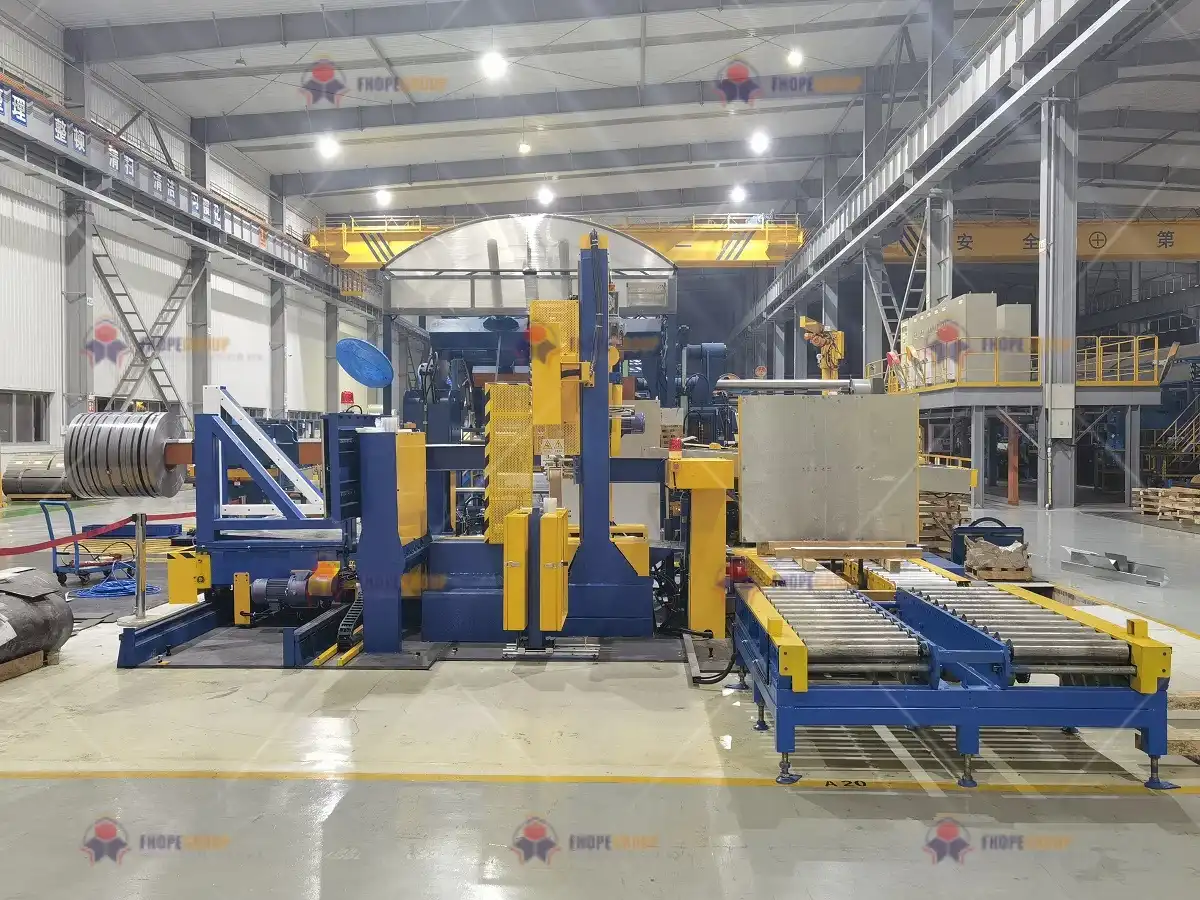
It is not just about buying a new machine. It is about rethinking your entire end-of-line process. Many of my clients, when first exploring automation, shared similar concerns. They wondered if the investment was worth it. They questioned how deeply these machines could impact their daily struggles. Let me share some insights from my journey in the packing machine industry. I aim to show you how these solutions can genuinely make a difference. (packaging automation, end-of-line process, factory efficiency)
1. Why is Manual Copper Coil Packaging No Longer Sustainable for My Factory?
Are you still relying on manual methods to pack your copper coils? If so, you are likely facing pressures that go beyond simple inconvenience. The current economic landscape, coupled with increasing demands for efficiency and safety, makes manual copper coil packaging a heavy burden. It creates significant bottlenecks, slows down your entire production line, and directly impacts your ability to meet customer deadlines. This method is slow. It takes too much time. (manual copper coil packaging, production bottlenecks, efficiency demands)
Manual handling of heavy copper coils for packaging leads to widespread inefficiencies, high labor costs, increased safety risks for workers, and frequent product damage, making it an unsustainable and costly practice for modern manufacturing operations that require speed and precision.

When I started my first packing machine factory, I saw the exact problems my clients faced. They often came to me with stories of frustration. They talked about rising costs and decreasing output. The challenges of manual copper coil packaging are real and multi-faceted. Understanding these issues is the first step toward finding a lasting solution. Let us break down why manual packing has become a major roadblock for many.
1.1. High Labor Costs and Inefficiency 💸
- Intensive Labor: Manual packing requires multiple workers. They must physically lift, move, and wrap heavy copper coils. This process is slow. It consumes valuable labor hours that could be better spent elsewhere.
- Inconsistent Output: Human effort varies. One worker might be faster than another. Fatigue also plays a big role. This leads to inconsistent packing speeds. It creates unpredictable production schedules.
- Training and Turnover: Training new staff for these physically demanding roles takes time. High turnover rates in such positions mean this training is a continuous, costly effort. (labor expenses, slow production, workforce management)
1.2. Significant Safety Hazards for Workers ⚠️
- Risk of Injury: Copper coils are heavy. Manually handling them can cause back injuries, sprains, and crushed limbs. These incidents are not rare. They lead to medical expenses, lost workdays, and higher insurance premiums.
- Fatigue-Related Accidents: Repetitive tasks and heavy lifting cause fatigue. Tired workers are more prone to making mistakes. This increases the risk of serious accidents on the factory floor.
- Compliance Issues: Safety regulations are getting stricter. Factories must protect their workers. Manual handling of heavy loads often falls short of modern safety standards. (worker safety, industrial accidents, regulatory compliance)
1.3. Increased Product Damage and Loss 📉
- Handling Errors: During manual transport and wrapping, coils can bump into objects or drop. This causes dents, scratches, or deformed edges on the copper.
- Inconsistent Packaging: Manual wrapping cannot achieve the uniform tension and coverage of a machine. This leaves parts of the coil exposed. It makes them vulnerable to moisture, dust, or impact during shipping and storage.
- Customer Complaints: Damaged products lead to unhappy customers. This results in returns, rework, and a tarnished brand reputation. Losing customer trust is a high price to pay. (material damage, quality control, customer satisfaction)
1.4. Supplier Trust Crisis and ROI Concerns 🤝
- Bad Experiences: Many factory managers have dealt with equipment suppliers focused only on sales. Their after-sales support was poor. This creates skepticism about new investments.
- Lack of Expertise: When looking for solutions, managers need partners who understand their specific challenges. They need someone who can offer real insights and reliable solutions, not just sell a machine.
- Unclear ROI: Without a clear return on investment (ROI), it is hard to justify capital expenditure. Factories need to see how a new machine will save money and improve profits. (supplier reliability, expert partnership, investment return)
These problems clearly show that manual copper coil packaging is not a viable long-term strategy. It holds back growth. It endangers workers. It eats into profits. It is time to look for a better way. (packaging challenges, factory growth, operational efficiency)
2. How Can Automatic Copper Coil Packaging Machines Improve Production Efficiency and Safety?
The shift from manual to automatic copper coil packaging is not just an upgrade; it is a transformation. From my vantage point, having seen countless factories optimize their operations, automatic machines are game-changers. They directly address the core challenges of efficiency, safety, and product quality. They do this by standardizing processes and removing human error. These machines work tirelessly and precisely, bringing consistency to every coil. (automatic copper coil packaging, production optimization, consistent quality)
Automatic copper coil packaging machines significantly boost production efficiency by accelerating wrapping speeds and reducing manual labor, while enhancing worker safety by eliminating the need for heavy lifting and repetitive tasks, thereby minimizing injury risks on the factory floor.

When I help a client implement an automated packing line, I often hear about the immediate positive impact. Factory managers notice a difference in output, workforce morale, and even their own stress levels. The benefits extend far beyond just the packaging area. They ripple through the entire production chain. Let us explore the specific ways these machines revolutionize your factory floor.
2.1. Dramatically Increased Speed and Throughput 🚀
- Faster Wrapping Cycles: Automatic machines wrap coils much faster than humans. They maintain consistent speeds throughout the shift. This leads to higher hourly and daily output.
- Reduced Bottlenecks: By automating the end-of-line packaging, you eliminate a major bottleneck. Products move smoothly from production to shipping. This speeds up overall delivery times.
- 24/7 Operation Capability: Unlike humans, machines do not tire. They can operate continuously, 24 hours a day, 7 days a week, if needed. This maximizes production capacity. (packaging speed, production throughput, continuous operation)
2.2. Enhanced Worker Safety and Ergonomics ⛑️
- Elimination of Manual Handling: The most significant safety benefit is removing the need for workers to manually lift or move heavy copper coils. Machines handle all the heavy lifting.
- Reduced Repetitive Strain: Automated systems reduce repetitive motions that cause musculoskeletal disorders. This protects workers from long-term injuries.
- Safer Work Environment: With less manual intervention, the risk of accidents from moving machinery or falling objects decreases. This creates a much safer workplace for everyone. (employee protection, reduced injuries, safer workplace)
2.3. Superior Product Protection and Quality 🛡️
- Consistent Wrapping Tension: Automatic machines apply film or other materials with uniform tension. This ensures tight, secure packaging every time. It protects coils from external damage.
- Optimal Material Usage: These machines are precise. They use the exact amount of packaging material needed. This reduces waste and ensures complete coverage.
- Protection from Elements: A well-wrapped coil is sealed against moisture, dust, and corrosion. This is crucial for maintaining the quality of copper, especially during long-distance transport or storage. (product integrity, packaging consistency, material protection)
2.4. Significant Cost Savings and ROI 💰
- Lower Labor Costs: Automation reduces the need for multiple manual packers. This saves on wages, benefits, and training costs.
- Reduced Product Damage Costs: Fewer damaged coils mean fewer customer complaints, returns, and lost profits. This directly impacts your bottom line.
- Lower Insurance Premiums: A safer workplace with fewer accidents can lead to lower insurance rates over time. This offers another layer of cost savings. (cost reduction, return on investment, operational savings)
Automatic copper coil packaging machines are not just about adding equipment. They are about smart investment in your factory’s future. They deliver tangible improvements in efficiency, safety, and profitability. For any manager looking to drive their business forward, these solutions are essential. (future investment, factory profitability, smart solutions)
3. What Types of Automatic Coil Packing Machines Are Best for Copper Coils?
Choosing the right automatic coil packing machine for copper coils depends on several factors. These include the size and weight of your coils, your desired packaging materials, and your specific production line needs. There is no one-size-fits-all answer. However, understanding the main types of available machines will help you make an informed decision. I have helped many clients navigate these choices. It often involves balancing capability with budget. (automatic coil packing machine types, copper coil size, packaging material selection)
The best automatic coil packing machines for copper coils typically include horizontal orbital wrappers for complete circumference protection, vertical orbital wrappers for specific orientations, and integrated strapping or banding machines, all chosen based on coil dimensions, production volume, and required levels of protection.

From my experience, a successful integration often involves a combination of different technologies. It creates a seamless packaging process. When I advise a factory manager, I always start by assessing their current workflow and future goals. This helps pinpoint the exact type of machine or system that will deliver the most value. Let us look at the primary categories.
3.1. Orbital Stretch Wrapping Machines (Horizontal and Vertical)
Orbital wrappers are common for coils. They wrap around the coil as it passes through a rotating ring.
-
Horizontal Orbital Wrapper:
- Description: The coil moves horizontally through a rotating ring that applies stretch film or other wrapping materials.
- Best for: Most copper coils, especially those that are relatively stable on a conveyor. They provide a full 360-degree wrap, protecting the outer diameter and sides.
- Benefits: Excellent protection against dust, moisture, and scratches. High speed and consistent wrap.
- Considerations: Requires adequate space for the machine and conveyor system. (horizontal coil wrapper, stretch film packaging, full circumference protection)
-
Vertical Orbital Wrapper:
- Description: Similar to horizontal, but the coil is oriented vertically. The wrapping ring rotates around the vertical coil.
- Best for: Coils that are easier to handle in a vertical position or when integration with other vertical handling equipment is needed.
- Benefits: Space-saving for some layouts. Can be good for specific loading/unloading processes.
- Considerations: Less common for general-purpose copper coils unless specific handling dictates it. (vertical coil wrapping, specialized coil handling, space optimization)
3.2. Coil Strapping Machines
Strapping machines apply high-tension bands (steel or plastic) around the coil. This secures the layers and bundles them tightly.
- Description: Automatic strapping heads feed, tension, and seal strapping material around the coil. They can be integrated into a packaging line.
- Best for: Securing coils to prevent unraveling or shifting. Often used in conjunction with wrapping for added security during transport.
- Benefits: Provides structural integrity, prevents product movement, and offers a strong bundling solution.
- Considerations: Strapping alone does not provide environmental protection against moisture or dust. It typically works best with a primary wrap. (coil banding, steel strapping, product bundling)
3.3. Coil Upenders and Tilters
While not strictly packing machines, upenders and tilters are critical components of an automated copper coil packaging line. They prepare the coils for wrapping or strapping.
- Description: These machines change the orientation of the coil from horizontal to vertical, or vice versa. They use hydraulic or mechanical systems.
- Best for: Integrating with orbital wrappers that require a specific coil orientation. They also enhance safety by removing manual coil manipulation.
- Benefits: Improves safety significantly by eliminating manual flipping. Streamlines the flow of coils to the next packaging stage.
- Considerations: Must be robust enough for the weight of copper coils. Needs to be properly synchronized with other equipment. (coil orientation, material handling equipment, factory safety solutions)
3.4. Integrated Packaging Lines
For maximum efficiency and automation, many factories opt for a fully integrated packaging line.
- Description: This system combines several machines: conveyors, upenders, orbital wrappers, strapping machines, and sometimes even weighing and labeling stations.
- Best for: High-volume production facilities needing a seamless, automated end-to-end packaging solution for copper coils.
- Benefits: Minimizes manual intervention, maximizes speed, ensures consistent quality, and provides comprehensive product protection.
- Considerations: Higher initial investment. Requires careful planning and integration with existing factory layouts. (full automation, high-volume packaging, integrated solutions)
Each type of machine brings unique advantages. The best solution often involves a mix, tailored to your factory’s specific demands. Collaborating with an expert who understands these nuances can ensure you select the perfect setup for your copper coil packaging needs. (tailored packaging solutions, expert consultation, factory specific needs)
4. How Do I Choose the Right Automatic Copper Coil Packing Solution and Partner?
Selecting the right automatic copper coil packing solution goes beyond just picking a machine. It involves choosing a partner who understands your challenges and can deliver a system that truly integrates into your workflow. From my years of experience building and running a factory, I have learned that a reliable supplier is as crucial as the machine itself. Many factory managers share this concern. They want to avoid past disappointments with vendors. (choosing packing solutions, reliable supplier, factory integration)
To choose the right automatic copper coil packing solution, factory managers should focus on assessing their specific operational needs, evaluating the supplier’s industry expertise and after-sales support, demanding clear ROI projections, and seeking a long-term partnership that offers tailored, durable equipment for their unique production environment.
When I was first starting out, and later when I helped clients grow their businesses, the importance of a strong partnership became clear. It is not just about the transaction; it is about shared success. You need a partner who can provide professional guidance and robust, durable solutions. This is especially true for heavy-duty applications like copper coil packaging. Here is how to approach this critical decision.
4.1. Define Your Specific Needs and Challenges 🎯
- Current Bottlenecks: Clearly identify where your current manual packaging process slows down. What are your biggest pain points? (e.g., speed, safety, product damage).
- Coil Specifications: Know the exact range of sizes, weights, and types of copper coils you handle. This impacts machine capacity and design.
- Future Growth: Consider your anticipated production volume in the next 5-10 years. Your solution should scale with your business.
- Space and Layout: Assess the available floor space and how a new machine will fit into your existing factory layout. (operational assessment, coil dimensions, future scaling)
4.2. Evaluate Supplier Expertise and Track Record 🌟
- Industry Experience: Look for suppliers with a deep understanding of packing machines and heavy industry, especially experience with copper or metal coils. An experienced team can offer valuable insights.
- Success Stories: Ask for case studies or references from similar factories. What results did their previous clients achieve?
- Technical Knowledge: Can the supplier speak to the engineering specifics? Do they understand the demands of a rigorous factory environment? (supplier credentials, industry knowledge, customer references)
4.3. Prioritize After-Sales Support and Service 🛠️
- Installation and Training: A good partner offers professional installation and comprehensive training for your team. This ensures smooth operation from day one.
- Maintenance and Parts: Inquire about maintenance schedules, spare parts availability, and technical support response times. Downtime is costly. You need quick assistance.
- Long-Term Relationship: Look for a supplier committed to a long-term partnership, not just a one-time sale. This builds trust and ensures ongoing support. (post-purchase support, machine maintenance, technical assistance)
4.4. Demand Clear ROI and Cost-Benefit Analysis 📈
- Detailed Proposal: The supplier should provide a clear proposal outlining the machine’s features, costs, and projected savings.
- ROI Calculation: Ask for a transparent calculation of the return on investment. This should include savings on labor, reduced damage, and increased output.
- Total Cost of Ownership: Consider not just the purchase price but also energy consumption, maintenance costs, and expected lifespan of the equipment. (investment analysis, cost savings projection, long-term value)
Choosing the right automatic copper coil packing solution is a strategic decision. It requires thorough research and a focus on long-term value. By partnering with an expert who understands your operational realities and can provide robust, well-supported machinery, you can ensure your investment genuinely drives growth and efficiency. (strategic decision, operational value, business growth)
Conclusion
Investing in automatic copper coil packing machines is a smart move for any factory aiming for higher efficiency, better safety, and reduced costs. It transforms your operations. It ensures durable solutions like a steel coil packing line will drive your business forward.


