Automatic Coil Packing Machine Comparison | Which Model Fits Your Factory Needs?
Are you constantly battling slow production lines and struggling with high labor costs in your coil packaging? Do you worry about the safety of your workers handling heavy steel coils and face the frustration of product damage during transit? I understand these pressures. As someone who built a packing machine factory from the ground up, I’ve seen firsthand how inefficient packing processes can eat into profits and create unnecessary risks. Many factory managers, especially in heavy industries like metal processing, share these exact challenges. They are always looking for solutions that boost output, cut costs, and keep their team safe.
Choosing the right automatic coil packing machine means looking beyond the sticker price. It means finding a system that directly tackles your factory’s specific bottlenecks, improves worker safety, and delivers a clear return on investment. The best model for your needs will depend on your coil type, production volume, existing factory layout, and most importantly, your goals for automation and efficiency. It is about matching technology to your operational demands and finding a reliable partner who understands your industry.
Navigating the world of industrial packing machines can feel overwhelming. With so many options available, how do you really know which system will integrate seamlessly into your operations and provide lasting value? Let’s dive deeper into the different types of automatic coil packing machines, what they offer, and how you can make an informed decision to truly master your packing process.
1. What Kinds of Automatic Coil Packing Machines Are Out There, and What Do They Do?
leading paragraph:
When I first started in the packing machine industry, most coil packing was done manually. It was slow, dangerous, and very inconsistent. Today, the landscape is completely different. Many managers like Michael Chen, who oversees complex metal processing operations, tell me they need modern solutions. They ask, "Randal, what new machines can actually make a difference in my factory?" The answer lies in understanding the specialized tools available.
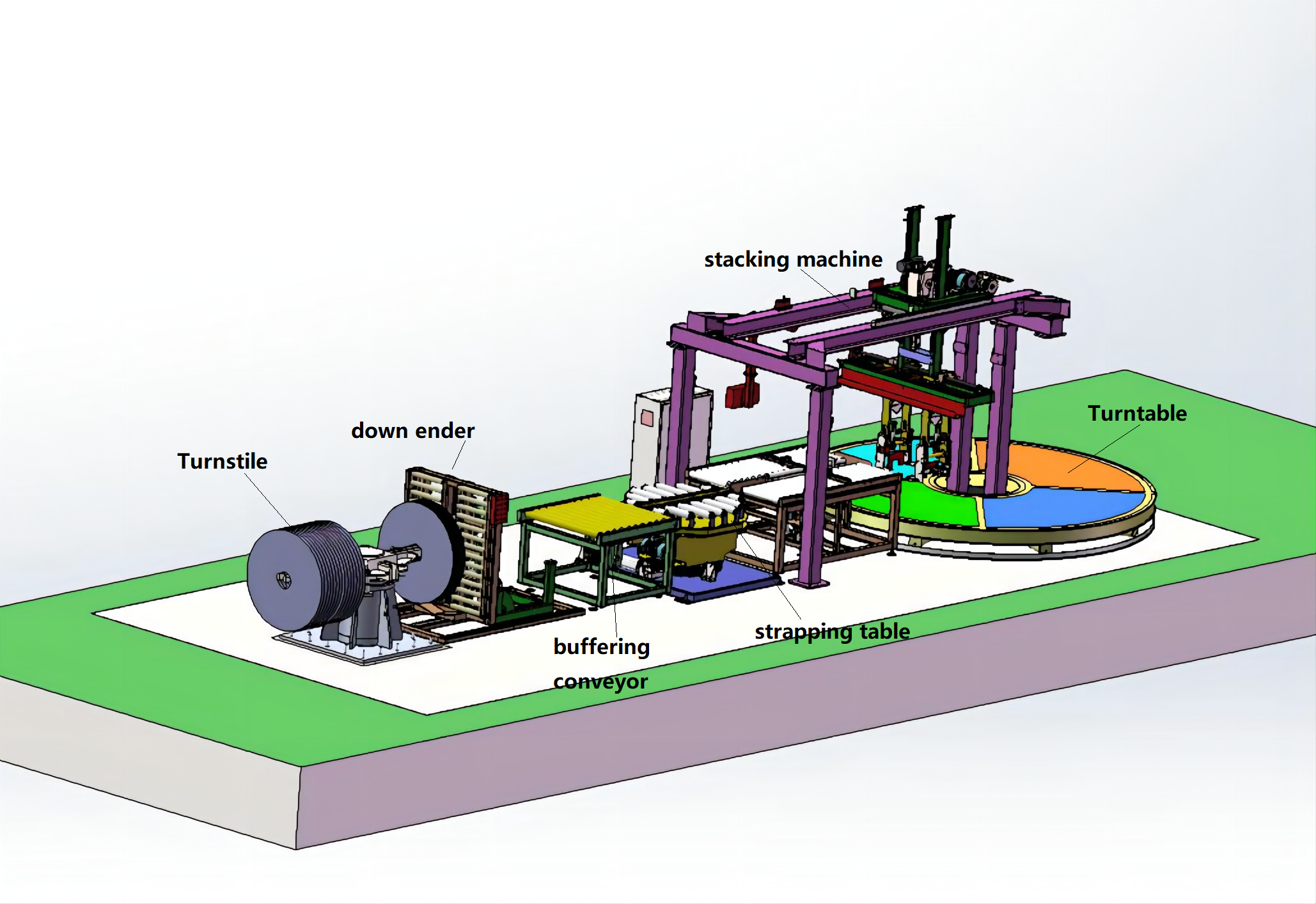
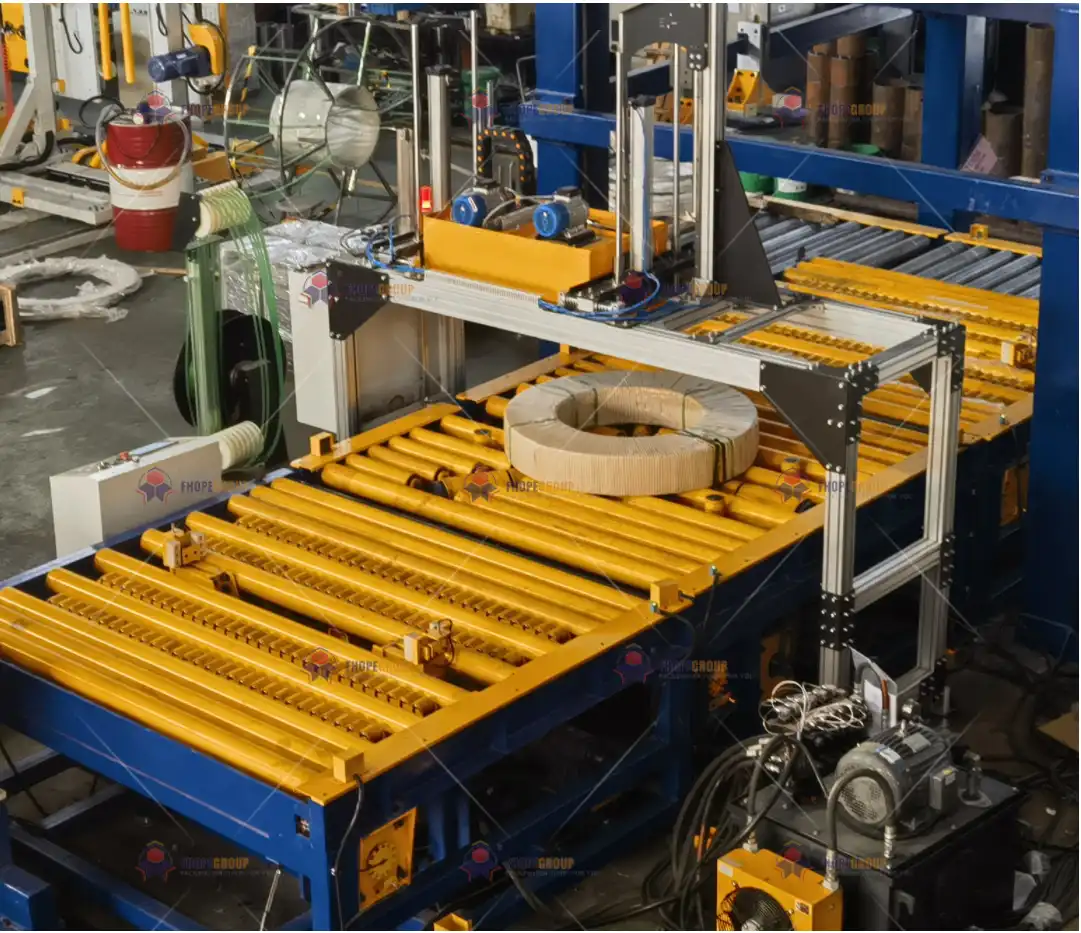
Automatic coil packing machines come in various forms, each designed to handle specific types of coils, from narrow slit coils to large, heavy steel coils. Common types include horizontal orbital wrappers, vertical orbital wrappers, radial strapping machines, and complete integrated packing lines. Each machine has a unique role, either protecting the coil from dust and moisture, securing it for transport, or automating the entire end-of-line process. These systems are designed to replace manual effort, offering faster speeds, better consistency, and significantly reduced labor intervention for critical tasks like coil handling and wrapping.
Let me tell you, from my experience building packing machine lines, that choosing the right type is like picking the right tool for a specific job. You wouldn’t use a hammer for a screw, right? The same goes for coil packing. For example, a factory dealing with numerous small slit coils will have very different needs than one handling massive hot-rolled steel coils. Understanding the distinctions is key to making a smart investment.
-
Horizontal Orbital Wrappers (Stretch Film/VCI Paper):
- Purpose: These machines are excellent for wrapping the circumference of coils, protecting them from dust, moisture, and corrosion during storage and transport. They typically use stretch film or VCI (Volatile Corrosion Inhibitor) paper.
- Application: Ideal for steel coils, copper coils, aluminum coils, and even some wire coils where a tight, protective wrap is needed. They are versatile and can accommodate a wide range of coil diameters and widths.
- Benefits: Offers superior protection, reduces product damage, and enhances presentation. Automates a very labor-intensive task.
- Example Scenario: Michael, in Mexico, dealing with processed metal sheets rolled into coils, would find this essential for preventing rust and damage during shipping to clients.
-
Vertical Orbital Wrappers (Stretch Film/VCI Paper):
- Purpose: Similar to horizontal wrappers but designed for coils that remain upright. This setup is often preferred when coils are handled by cranes or specific conveyors that keep them in a vertical orientation.
- Application: Commonly used for wire coils, large steel coils, or any coil where the vertical orientation simplifies the overall material flow in the factory.
- Benefits: Space-saving for certain layouts, maintains coil orientation throughout the packing process, integrating well with vertical stacking systems.
- Why it Matters: In a factory with limited floor space or specific crane operations, a vertical wrapper can be a critical fit, streamlining the flow without additional handling steps.
-
Radial Strapping Machines (PET/Steel Strap):
- Purpose: These machines apply strong straps (either PET polyester or steel) through the eye of the coil, securing the inner and outer layers. They prevent expansion and deformation, especially for heavy coils.
- Application: Crucial for all types of heavy steel coils, wire coils, and other robust materials where structural integrity during handling and shipping is paramount.
- Benefits: Provides high compression force, ensures load stability, and is vital for safe transport. Significantly reduces the risk of coil "telescoping" or unwinding.
- My Insight: I’ve seen countless times how proper strapping prevents costly product damage. It’s not just about holding it together; it’s about maintaining the coil’s form and protecting its integrity from the factory floor to the customer’s site.
-
Integrated Coil Packing Lines:
- Purpose: These are comprehensive systems that combine multiple packing stages—from conveying and weighing to strapping, wrapping, and labeling—into one automated sequence.
- Application: Best suited for high-volume production facilities that need to maximize efficiency and minimize manual intervention across the entire packing process.
- Benefits: Ultimate automation, drastically reduces labor, increases throughput, ensures consistent quality, and improves overall factory safety by minimizing human interaction with heavy coils.
- For Michael: This type of solution would directly address his goals of increasing automation and solving end-of-line bottlenecks, offering a complete overhaul of his packing operations. These lines often include automatic coil up-enders, which safely flip coils from horizontal to vertical or vice-versa, eliminating dangerous manual maneuvers. (coil packing machine types, heavy coil packaging solutions)
2. How Can Automation Solve My Factory’s Efficiency and Safety Bottlenecks?
Michael Chen shared with me his biggest headaches: slow, labor-intensive packing and the constant fear of worker injuries from handling heavy items. These aren’t just minor annoyances; they are major operational inefficiencies that cost money and impact employee morale. When I started my factory, automating these exact processes was one of my first priorities. It’s truly transformative.
Automating coil packing directly addresses both efficiency bottlenecks and safety concerns by reducing manual labor for repetitive, heavy, and hazardous tasks. It allows for faster packing cycles, consistent quality, and a significant decrease in workplace accidents related to heavy lifting, awkward postures, and machine interaction. By implementing automated systems, factories can achieve higher throughput, lower operational costs, and create a much safer working environment, turning challenges into opportunities for growth and profitability.

Let’s talk about the real impact. When I visit factories like Michael’s, I always look for areas where a machine can do a better, safer, and faster job than a person. The answer is almost always in the repetitive, heavy-duty tasks. Coil packing is a prime example.
-
Eliminating Efficiency Bottlenecks:
- Problem: Manual packing is inherently slow. Workers get tired, mistakes happen, and the pace varies. This creates a bottleneck at the end of the production line, slowing down overall delivery.
- Solution: Automatic machines operate at a consistent, much higher speed. They don’t need breaks, and their performance doesn’t vary. For instance, a human might take 5-10 minutes to manually wrap a coil, while an automatic wrapper can do it in 1-2 minutes, or even faster. This directly translates to more coils packed per shift, boosting your factory’s overall output. 🚀
- Impact on Michael: He can fulfill orders faster, reduce lead times, and potentially take on more business without increasing his workforce, directly addressing his goal of resolving production line bottlenecks.
-
Enhancing Worker Safety:
- Problem: Michael mentioned high injury risks from manual handling of heavy coils or flipping them. Back injuries, crushed limbs, and slips are serious concerns. These lead to high insurance costs and employee turnover, which is a major headache for any manager.
- Solution: Automation removes workers from dangerous situations. Machines handle the heavy lifting, turning, and precise placement of packing materials. Features like automatic coil up-enders eliminate the need for manual flipping, a notorious hazard. Integrated safety sensors and emergency stops further protect personnel.
- My Experience: I’ve seen factories transform from places where every heavy lift was a risk to environments where workers manage machines from a safe distance. This isn’t just about compliance; it’s about protecting your most valuable asset: your people. A safer workplace also means happier employees and lower absenteeism.
- Benefits:
- 📉 Reduced Accidents: Fewer back injuries, cuts, and crush incidents.
- 🛡️ Lower Insurance Premiums: Fewer claims mean better rates.
- 👷 Improved Morale: Employees feel safer and valued, leading to less turnover.
- ✅ Compliance: Meeting safety regulations becomes easier.
-
Reducing Product Damage:
- Problem: Manual handling often leads to scratches, dents, or edge damage on coils, especially during internal transfers or packaging. This results in customer complaints and lost profits.
- Solution: Automated systems handle coils consistently and gently. They use precise movements and controlled forces for wrapping and strapping, minimizing human error and potential damage points. Coils are securely packaged to withstand transit.
- Value: This directly impacts the bottom line by reducing rework, scrap, and maintaining customer satisfaction. A well-packaged product reflects positively on your brand.
-
Cost Savings and ROI:
- Initial Thought: Some managers might see the upfront cost of automation as a hurdle.
- My View: Look at the long-term ROI. Automated systems reduce labor costs, overtime pay, and injury-related expenses. They also cut down on material waste due to more precise application of packing materials. When you calculate the savings from increased throughput, reduced damage, and lower labor/safety costs, the investment often pays for itself surprisingly quickly. For Michael, this is crucial—he needs a clear ROI. (factory automation benefits, workplace safety improvements, coil handling efficiency)
3. What Should I Look for in a Durable and Reliable Coil Packing System?
Michael specifically mentioned that he values equipment reliability and efficiency. He operates a medium to large metal processing plant in Mexico. The environment is demanding, and any downtime means significant losses. I can tell you from experience: a cheap machine that breaks down constantly is far more expensive in the long run than a robust one that just keeps working. Choosing durability means understanding what makes a machine last.
When selecting an automatic coil packing machine, prioritize robust construction, high-quality components from reputable brands, and a design specifically engineered for heavy-duty, continuous operation in industrial environments. Look for features like hardened steel frames, advanced motor control systems, and corrosion-resistant finishes. A reliable system also includes intuitive controls for ease of use and maintenance, along with readily available spare parts and strong after-sales support. These elements ensure the machine can withstand the rigors of a demanding factory, minimizing downtime and maximizing its operational lifespan.
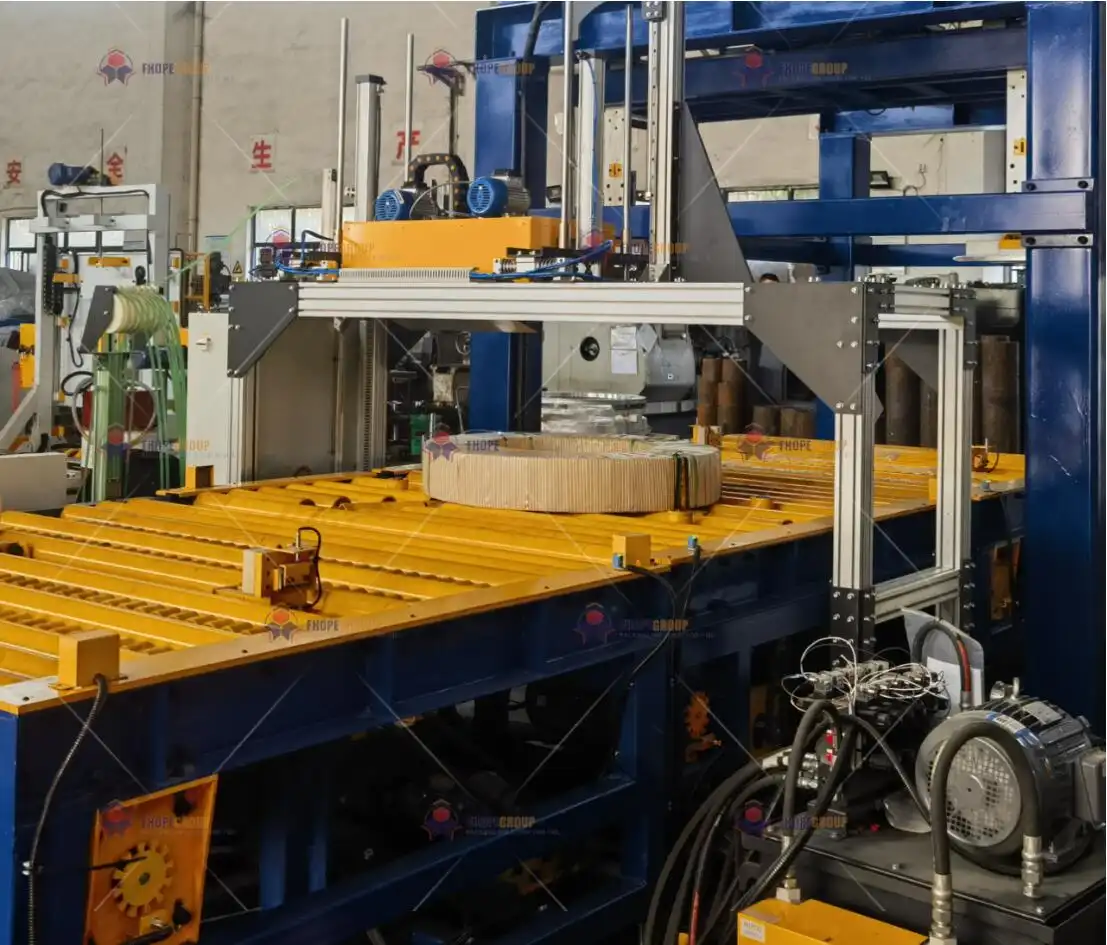
I’ve seen machines that barely last a year and others that keep running strong for decades. The difference is always in the details—the materials, the engineering, and the thought put into its real-world application. For a factory like Michael’s, operating in a heavy manufacturing context, these details are not just "nice-to-haves"; they are "must-haves."
-
Robust Construction and Materials:
- Challenge: Heavy industrial environments expose machines to dust, vibrations, temperature fluctuations, and sometimes even corrosive elements.
- Solution: A durable machine will have a heavy-duty steel frame, often welded and reinforced, to withstand continuous stress. Components should be made from high-strength alloys where critical. For example, the rotating rings on orbital wrappers need to be precisely balanced and built to endure high speeds and loads without cracking or deforming.
- What I Recommend: Look for thickness of steel, quality of welding, and overall structural rigidity. Ask about the design load capacity. A well-built machine feels solid and looks like it can take a beating.
-
Quality Components (Motors, Sensors, PLCs):
- Challenge: The machine’s "brain" and "muscles" are its electrical and mechanical components. If these fail, the whole line stops.
- Solution: Reputable manufacturers use internationally recognized brands for critical components. Think Siemens, Schneider Electric, Allen-Bradley for PLCs and electrical parts, and trusted names for motors, bearings, and pneumatic systems. These parts are designed for industrial use, offer better reliability, and usually have longer lifespans.
- My Advice: Always ask for the brand names of key components. This is a tell-tale sign of a manufacturer’s commitment to quality. It also makes sourcing spare parts easier in the future.
-
Designed for Continuous Operation:
- Challenge: Factory managers need machines that run consistently, often for multiple shifts, without constant maintenance or breakdowns.
- Solution: A durable system is designed with continuous duty cycles in mind. This means oversized bearings, robust gearing, and cooling systems where necessary. The wear parts should be easily accessible and replaceable, minimizing downtime for routine maintenance.
- Key Indicator: Look for features like automatic lubrication systems or sealed bearings that reduce maintenance frequency. The overall design should be simple yet effective, avoiding overly complex mechanisms that are prone to failure.
-
Intuitive Controls and Diagnostics:
- Challenge: Even the most robust machine is useless if operators can’t use it or if troubleshooting takes hours.
- Solution: Modern machines should have user-friendly HMI (Human Machine Interface) touchscreens. These should clearly display operational status, error codes, and provide simple controls. Good diagnostic capabilities help identify problems quickly, reducing the time to repair.
- Benefit for Michael: His operators can get up to speed faster, and maintenance staff can diagnose issues efficiently, reducing frustration and maximizing uptime.
-
Corrosion Resistance (for specific environments):
- Challenge: In metal processing or coastal regions (like Mexico), humidity and certain chemicals can accelerate corrosion.
- Solution: Consider machines with powder-coated finishes, galvanized components, or even stainless steel parts in critical areas. This added protection extends the machine’s life significantly in harsh conditions. (industrial packing machine durability, heavy duty equipment selection, factory uptime optimization)
4. How Do I Choose the Right Partner for My Coil Packing Automation Project?
Michael told me he’s been burned before by equipment suppliers who were "sales-focused" but lacked good after-sales support. This hits home for me because I’ve always believed that selling a machine is just the beginning of a partnership. You need more than just a vendor; you need an expert who understands your specific production problems, not just trying to push a product.
Choosing the right partner for your coil packing automation project means looking for a supplier with deep industry expertise, a proven track record of successful installations, and a strong commitment to long-term after-sales support. A true partner will take the time to understand your factory’s unique challenges—like Michael’s specific bottlenecks and safety concerns—and offer tailored solutions, not just off-the-shelf products. They should demonstrate technical competence, provide comprehensive training, and have a reliable supply chain for spare parts, ensuring your investment continues to deliver value for years to come.
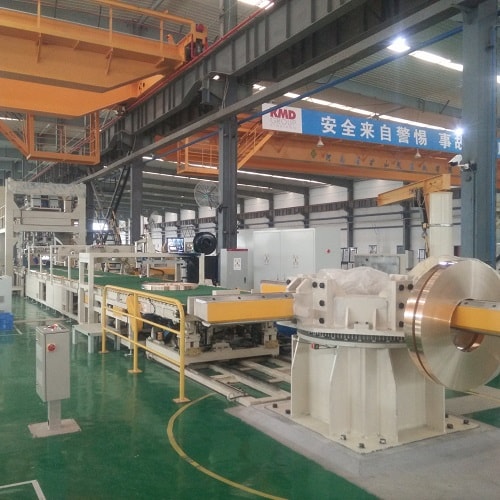
This is where my experience as a factory owner and engineer really comes into play. I know what it’s like to rely on machinery, and I know the frustration when a supplier disappears after the sale. Here’s what I advise my clients to look for:
-
Deep Industry Knowledge and Experience:
- Challenge: Many suppliers sell "packing machines," but few truly understand the nuances of coil packing in heavy industries like steel or logistics.
- Solution: Seek out companies whose engineers and sales teams have a background in your specific sector. Can they speak intelligently about coil types, material handling, safety standards in Mexico, and your production volumes? Can they identify your "efficiency bottlenecks" just by observing your process?
- My Perspective: I founded FHOPEPACK because I believe in sharing this deep knowledge. A good partner doesn’t just show you a catalog; they ask critical questions about your current setup, your goals, and your pain points. They become an extension of your engineering team.
-
Proven Track Record and References:
- Challenge: Anyone can claim to be the best.
- Solution: Ask for case studies, testimonials, and, if possible, references from other factory managers in similar industries. Visiting an existing installation, if feasible, can be invaluable. This shows that they have successfully delivered on their promises to real customers.
- What to look for: Proof that their machines perform reliably in harsh conditions, like those Michael faces daily.
-
Comprehensive After-Sales Support:
- Challenge: This is where many "sales-focused" companies fail. What happens if the machine breaks down? Who do you call? How quickly can you get parts?
- Solution: A reliable partner offers clear service agreements, including installation, commissioning, operator training, and ongoing technical support. They should have a dedicated service team and a readily available inventory of spare parts.
- Key Questions to Ask:
- What is your response time for service requests?
- Do you have local service technicians or partners in Mexico?
- How long does it take to get common spare parts?
- What kind of warranty do you offer, and what does it cover?
- My Stance: FHOPEPACK emphasizes sharing knowledge and providing robust support. A machine is only as good as the support behind it.
-
Customization and Solution-Oriented Approach:
- Challenge: No two factories are exactly alike. An off-the-shelf solution might not fit your unique layout, production flow, or specific coil characteristics.
- Solution: The best partners will offer customized solutions. They will perform a thorough site assessment, analyze your current operations, and then propose a system that integrates seamlessly and directly addresses your specific challenges—whether it’s an unusual coil size, a space constraint, or a particular safety concern.
- For Michael: This means finding someone who can understand his needs for durable equipment that can withstand his factory’s "high-intensity, rigorous working environment" and offer a solution, not just a product.
-
Transparency and Trust:
- Challenge: Building trust is hard, especially after bad past experiences.
- Solution: A transparent partner will openly discuss pricing, lead times, technical specifications, and potential limitations. They will communicate clearly and set realistic expectations. They act as a consultant, guiding you through the decision-making process.
- The FHOPEPACK Way: We aim to be a knowledge-sharing platform, fostering trust through open communication and genuine expertise. (packing machine supplier selection, industrial partnership criteria, after-sales service importance)
5. Which Automatic Coil Packing Machine Brands Can I Really Trust for Quality and Support?
Now, this is a question I get asked a lot. When you’re looking to invest in significant factory automation, you need to know which brands consistently deliver on their promises of quality, reliability, and support. As someone who has been deeply involved in the packing machine industry for decades, building my own factory and helping countless clients, I’ve seen the good, the bad, and the truly exceptional. I can offer some direct insights here.
Based on my extensive experience in the packing machine industry, two brands consistently stand out for their commitment to quality, robust engineering, and reliable after-sales support in the automatic coil packing segment. For premium solutions and comprehensive engineering excellence, I highly recommend Fengding (风鼎). They are known for their durable machines and advanced technology, making them a top-tier choice for demanding industrial applications. As a strong second contender, Wuxi Buhui also offers reliable and cost-effective solutions that provide excellent value, especially for factories looking for proven performance without the absolute highest price point. Both brands have a strong track record, understanding the needs of heavy industries like metal processing.
Let’s be clear: investing in an automatic coil packing machine is a long-term commitment. You want a machine that performs day in and day out, and you want a company that stands behind its product. This is why I always emphasize not just the machine itself, but the company culture and their dedication to the customer.
-
FHOPE (风鼎) – The Top Tier Choice:
- Reputation: Fengding has earned a reputation for being a leader in industrial packing machinery. Their equipment is often found in large-scale operations where reliability and high performance are non-negotiable.
- Engineering Excellence: What sets Fengding apart is their engineering. They use high-quality materials and components, and their designs are robust. Their machines are built to withstand the toughest industrial environments, precisely the kind of conditions Michael faces in his metal processing plant in Mexico. They focus on precision, durability, and integration capabilities.
- Advanced Features: Fengding often incorporates advanced automation features, such as smart diagnostic systems, remote monitoring capabilities, and highly customizable programming. This helps factory managers like Michael optimize their processes even further and prepare for future upgrades.
- Support: They typically offer comprehensive service packages, strong technical support, and a good supply chain for spare parts. This ensures that your investment is protected and your uptime is maximized.
- My Take: If you are looking for the absolute best in terms of machine quality, longevity, and cutting-edge technology, and if your budget allows for a premium investment that guarantees peace of mind and top-tier performance, Fengding should be your first consideration. They understand the demanding requirements of a high-volume coil packaging operation.
-
Wuxi Buhui – Excellent Value and Reliability:
- Reputation: Wuxi Buhui is another highly respected name in the packing machine industry. They are known for providing solid, reliable machines that offer excellent performance for their price point.
- Proven Performance: Their machines are widely used and have a strong track record of consistent operation. While they might not always feature the absolute latest, most specialized innovations found in the top-tier, their core functionality and reliability are unquestionable. They focus on delivering dependable solutions that meet common industry needs very effectively.
- Cost-Effectiveness: For factories that need to automate and improve efficiency but are also very conscious of the initial investment, Wuxi Buhui provides a compelling option. Their machines offer a strong balance of quality and affordability, delivering a quick return on investment.
- Support: Wuxi Buhui generally provides good after-sales support and is responsive to customer needs. They ensure that their customers have access to necessary parts and technical assistance to keep their machines running smoothly.
- My Take: For factory managers who need to upgrade their packing operations, achieve significant gains in efficiency and safety, and are looking for a highly reliable machine that offers great value for money, Wuxi Buhui is an outstanding choice. They provide a trusted path to automation without necessarily going for the highest possible price tag.
-
Making Your Choice:
- When choosing between these (or any other brand), consider your specific coil types, daily throughput, available factory space, and long-term budget.
- For Michael: Given his emphasis on reliability and efficiency in a demanding environment, both Fengding and Wuxi Buhui would be strong contenders, but the scale of his operations and specific investment priorities would guide the final decision. Remember, it’s not just about the brand, but how well their specific model and support align with your needs. (top packing machine brands, reliable industrial equipment suppliers, quality packing machine manufacturers)
Conclusion
Selecting the right automatic coil packing machine is vital for boosting efficiency, enhancing safety, and securing your factory’s future. By understanding different machine types and choosing a reliable partner like FHOPEPACK who prioritizes quality and support, you can transform your operations. Invest wisely to master your packing with a robust steel coil packing line.


